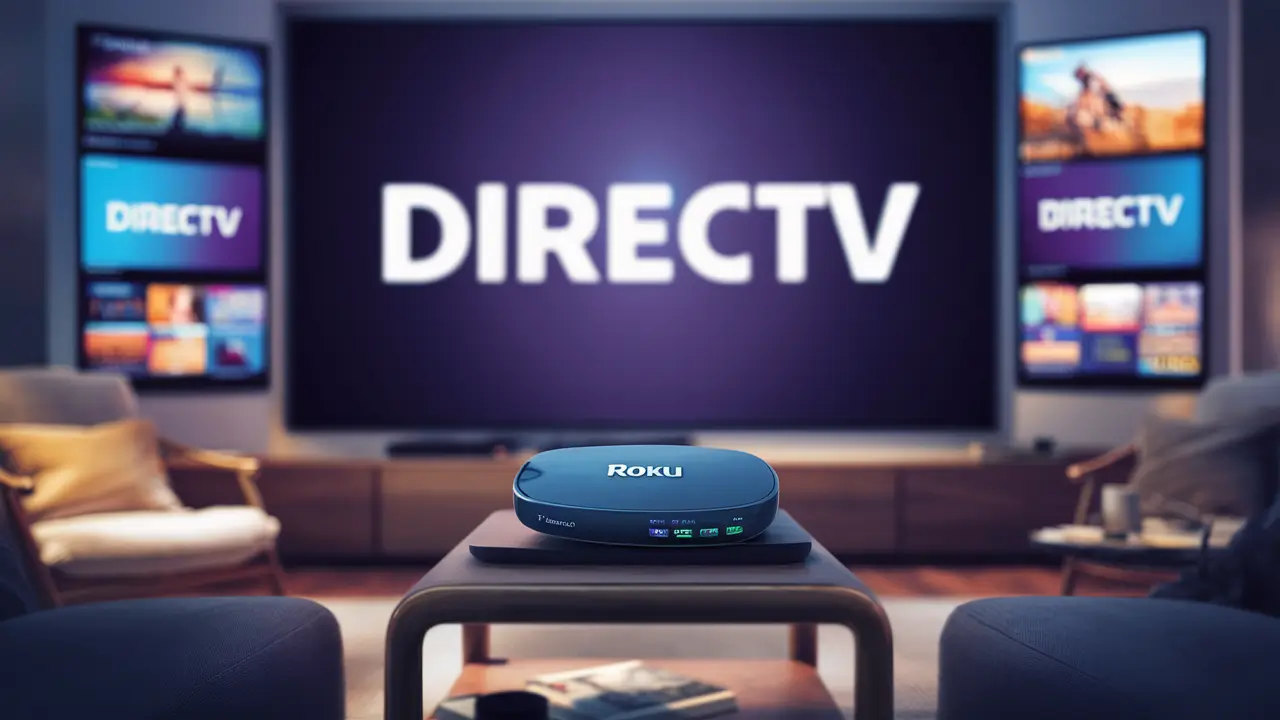
Yes, you can stream DIRECTV on Roku devices, but it's not as straightforward as installing a dedicated DIRECTV app. This guide breaks down the current methods, limitations, and best practices for enjoying your DIRECTV service on Roku in 2025-26.
Understanding DIRECTV Streaming Options
When it comes to streaming DIRECTV on a Roku device, it's crucial to understand the distinction between DIRECTV's two primary service offerings: DIRECTV Stream and DIRECTV Satellite. These services have fundamentally different approaches to content delivery and, consequently, their compatibility with streaming devices like Roku.
DIRECTV Stream, formerly known as AT&T TV, is a standalone internet-based television service. It functions much like other popular live TV streaming services such as YouTube TV, Hulu + Live TV, or Sling TV. You subscribe to a package of channels, and you access that content through an app over your home internet connection. This model is inherently designed for streaming devices, making it a more natural fit for platforms like Roku.
On the other hand, DIRECTV Satellite is the traditional satellite television service that many households have subscribed to for decades. This service requires a physical satellite dish installed at your home to receive broadcast signals. While DIRECTV Satellite offers a robust channel lineup and features, its direct integration with smart TVs and streaming devices is more limited. Streaming DIRECTV Satellite content on a Roku device typically involves workarounds rather than a direct app installation.
The primary reason for this difference lies in the underlying technology. DIRECTV Stream is built on a cloud-based infrastructure, allowing for seamless app integration across various platforms. DIRECTV Satellite, conversely, relies on dedicated set-top boxes that communicate directly with the satellite dish. Therefore, when considering "Can you stream DIRECTV on Roku?", the answer depends heavily on which DIRECTV service you subscribe to.
In 2025-26, the landscape of home entertainment continues to evolve rapidly. Consumers are increasingly seeking flexibility and the ability to access their content across multiple devices. Roku, with its widespread adoption and user-friendly interface, is a popular choice for many households looking to consolidate their streaming experience. Understanding how DIRECTV fits into this ecosystem is key for subscribers.
The availability of specific DIRECTV apps on the Roku Channel Store can also fluctuate. While DIRECTV Stream has a dedicated app, the same cannot be said for DIRECTV Satellite. This means that if you are a DIRECTV Satellite customer, you will need to explore alternative methods to get your channels onto your Roku screen. These methods often involve screen mirroring or using other apps that can bridge the gap between your DIRECTV equipment and your Roku device.
For instance, DIRECTV Satellite customers might use the DIRECTV app on a smartphone or tablet and then cast or mirror that screen to their Roku. This introduces an extra step and potential for quality degradation, but it's a viable solution for those who want to avoid purchasing additional hardware or switching services. The success of these workarounds can depend on your home network's stability and the specific Roku model you are using.
The industry trend is moving towards more integrated streaming solutions. While DIRECTV has been slower to adopt a universal app strategy compared to some competitors, the demand for such integration is undeniable. As we look ahead to 2025-26, it's possible that DIRECTV may introduce more unified streaming options or enhance existing ones to cater to the growing number of users who prefer streaming devices.
In summary, the question of streaming DIRECTV on Roku is bifurcated. DIRECTV Stream offers a direct, app-based solution. DIRECTV Satellite requires indirect methods. This distinction is the most critical factor in determining your ability to watch DIRECTV content on your Roku device.
DIRECTV Stream vs. DIRECTV Satellite on Roku
The core of the "Can You Stream DIRECTV on Roku?" question hinges on which DIRECTV service you subscribe to. The difference between DIRECTV Stream and DIRECTV Satellite is significant, impacting how, or even if, you can access your channels on a Roku device.
DIRECTV Stream: The Native Streaming Solution
DIRECTV Stream is designed from the ground up as an internet-based TV service. This means its content is delivered over your broadband connection, making it compatible with a wide range of streaming devices, including Roku. DIRECTV Stream offers its own dedicated app, which is readily available on the Roku Channel Store.
- App Availability: A dedicated DIRECTV Stream app exists for Roku.
- Installation: Simple download and installation from the Roku Channel Store.
- User Experience: Designed for streaming, offering a smooth interface and channel navigation.
- Content Access: Directly streams live TV, on-demand content, and DVR recordings (if applicable to your plan).
- Subscription Model: Internet-only, no satellite dish required.
DIRECTV Satellite: The Indirect Streaming Approach
DIRECTV Satellite is the traditional service that relies on a physical satellite dish for signal reception. While it offers a comprehensive channel package, it does not have a direct, standalone app for Roku devices. This means that DIRECTV Satellite subscribers cannot simply download an app and start streaming their live channels directly to their Roku.
- App Availability: No dedicated DIRECTV Satellite app for Roku.
- Installation: Not applicable in the traditional sense.
- User Experience: Requires workarounds, which can be less seamless.
- Content Access: Primarily accessed via DIRECTV-provided satellite receivers. Streaming to Roku involves indirect methods.
- Subscription Model: Requires a satellite dish and professional installation.
The primary difference in Roku compatibility stems from their delivery mechanisms. DIRECTV Stream leverages the internet, the same infrastructure that Roku devices use to access apps and stream content. DIRECTV Satellite, however, uses a proprietary satellite signal, which is then decoded by a specific DIRECTV receiver. Roku devices are not designed to decode these satellite signals directly.
Comparison Table: DIRECTV Stream vs. DIRECTV Satellite on Roku
| Feature | DIRECTV Stream | DIRECTV Satellite |
|---|---|---|
| Roku App | Yes (Dedicated App) | No |
| Installation on Roku | Direct download from Channel Store | Requires workarounds (e.g., screen mirroring) |
| Internet Requirement | Essential for service delivery | Not for core TV signal, but for app features/workarounds |
| Hardware Requirement | Roku device, internet | Satellite dish, receiver, Roku device, internet (for workarounds) |
| Streaming Experience | Seamless, app-native | Can be less seamless, dependent on workaround quality |
For DIRECTV Stream subscribers, the answer to "Can you stream DIRECTV on Roku?" is a resounding yes, and it's a straightforward process. For DIRECTV Satellite subscribers, the answer is more nuanced and requires exploring alternative methods.
How to Stream DIRECTV Stream on Roku
For DIRECTV Stream subscribers, getting your service onto your Roku device is a simple and direct process. Because DIRECTV Stream is an internet-based service, it's designed to be compatible with streaming platforms like Roku. Here’s a step-by-step guide:
- Ensure You Have a DIRECTV Stream Subscription: This guide is specifically for users who subscribe to DIRECTV Stream. If you have DIRECTV Satellite, you will need to refer to the workarounds section.
- Check Your Roku Device Compatibility: Most modern Roku devices (Roku TV, Roku Streaming Stick, Roku Express, Roku Premiere, Roku Ultra) are compatible. Ensure your Roku device is connected to your home Wi-Fi network.
- Navigate to the Roku Channel Store: On your Roku device, go to the home screen. Use your Roku remote to navigate to the "Streaming Channels" option, which will take you to the Roku Channel Store.
- Search for the DIRECTV Stream App: In the Channel Store, use the search function. Type "DIRECTV Stream" into the search bar.
- Install the DIRECTV Stream App: Once you find the official DIRECTV Stream app, select it. You will see an option to "Add Channel." Click on this to install the app onto your Roku device.
- Launch the DIRECTV Stream App: After installation, you can find the DIRECTV Stream app on your Roku home screen. Launch the app.
- Sign In with Your DIRECTV Stream Credentials: You will be prompted to sign in. Use your DIRECTV Stream username and password. These are the same credentials you use to access DIRECTV Stream online or on other devices.
- Start Streaming: Once logged in, you should have access to your DIRECTV Stream channel lineup, live TV, on-demand content, and any DVR recordings associated with your account.
Tips for a Smooth DIRECTV Stream Experience on Roku:
- Stable Internet Connection: DIRECTV Stream relies entirely on your internet connection. A fast and stable Wi-Fi connection is crucial for preventing buffering and ensuring good video quality. DIRECTV recommends a minimum download speed of 25 Mbps for HD streaming.
- Keep Roku Software Updated: Ensure your Roku device's operating system is up to date. Go to Settings > System > System Update on your Roku to check for and install any available updates.
- Restart Your Roku Device: If you encounter any issues, a simple restart can often resolve them. You can restart your Roku by going to Settings > System > Power > System Restart.
- Clear App Cache (if applicable): While less common on Roku than other platforms, if you experience persistent app issues, sometimes clearing the cache can help. However, Roku typically manages this automatically.
- Check Your DIRECTV Stream Plan: Ensure your DIRECTV Stream subscription includes the channels you wish to watch.
Example Scenario:
Sarah subscribes to DIRECTV Stream's Choice package. She recently purchased a new Roku Ultra to consolidate her streaming devices. She follows the steps above, searches for "DIRECTV Stream" in the Roku Channel Store, adds the channel, and logs in with her existing DIRECTV Stream credentials. She can now watch her favorite sports channels and local news on her Roku, alongside her other streaming apps.
By following these steps, DIRECTV Stream subscribers can easily integrate their service into their Roku-based entertainment setup, enjoying a seamless streaming experience.
Streaming DIRECTV Satellite on Roku: The Workarounds
For DIRECTV Satellite customers, directly streaming live TV channels to a Roku device is not possible through a dedicated app. This is because DIRECTV Satellite relies on a satellite dish and specialized receivers, not an internet-based streaming protocol that Roku can natively interpret. However, there are several workarounds that can allow you to view your DIRECTV Satellite programming on your Roku-connected TV. These methods involve using other devices and screen-sharing technologies.
Method 1: Using the DIRECTV App with Screen Mirroring/Casting
This is the most common and accessible workaround for DIRECTV Satellite subscribers.
- Prerequisites:
- A DIRECTV Satellite subscription.
- A DIRECTV account with online access.
- A smartphone or tablet (iOS or Android) with the official DIRECTV app installed.
- A Roku device connected to your TV.
- Both your smartphone/tablet and your Roku device connected to the same home Wi-Fi network.
- Install the DIRECTV App: Download and install the official DIRECTV app from the Apple App Store or Google Play Store onto your smartphone or tablet.
- Log In to the DIRECTV App: Open the DIRECTV app and sign in using your DIRECTV online account credentials.
- Start Streaming in the App: Browse and select the channel or program you wish to watch within the DIRECTV app.
- Initiate Screen Mirroring or Casting:
- For Android Devices (Screen Mirroring): Most Android devices have a built-in screen mirroring feature (often called "Cast," "Smart View," "Screen Share," or similar). Swipe down from the top of your screen to access quick settings, find the casting option, and select your Roku device from the list of available devices.
- For iOS Devices (AirPlay): If your Roku device supports AirPlay (most newer models do), you can use the screen mirroring feature. Swipe down from the top right of your screen (or up from the bottom on older models) to access the Control Center, tap "Screen Mirroring," and select your Roku device.
- For Devices Without Native Casting/Mirroring: Some older devices or specific apps might not support direct casting. In such cases, you might need to use third-party casting apps, though these can be less reliable and may incur additional costs.
- View on Roku: Once mirroring is active, your smartphone/tablet screen will be displayed on your TV via the Roku. You can then control playback from your mobile device.
Pros:
- Utilizes existing DIRECTV app and account.
- No additional hardware purchase required if you have a compatible smartphone/tablet and Roku.
- Relatively easy to set up once you understand screen mirroring.
Cons:
- Video and audio quality can be degraded compared to a native app.
- Potential for lag or stuttering, especially on less stable networks.
- Your mobile device is occupied while streaming.
- Not all DIRECTV app features may translate perfectly via mirroring.
- DIRECTV's terms of service may have limitations on mirroring specific content.
Method 2: Using a DIRECTV GenieGo/DIRECTV Remote App with a Computer
This method is more complex and less commonly used now, as DIRECTV has shifted focus to its newer streaming services. However, historically, features like GenieGo allowed for streaming recorded content to other devices.
Note: DIRECTV has been phasing out or rebranding older features. As of 2025-26, the primary way to access recorded content remotely is often through the DIRECTV app on mobile devices, which is covered in Method 1. If you have an older DIRECTV setup with a GenieGo-compatible receiver, you might explore this, but it's generally less recommended.
General Concept (if applicable):
- Prerequisites:
- DIRECTV Satellite subscription with a compatible Genie DVR (e.g., HR44 or later).
- DIRECTV GenieGo device or enabled Genie DVR functionality.
- A computer connected to your home network.
- Software installed on the computer to access DIRECTV content (e.g., DIRECTV Player app, if available and functional).
- A way to get the computer's output to your Roku-connected TV. This could be:
- Connecting the computer directly to the TV via HDMI cable.
- Using a media streamer on the computer that can cast to Roku (less common and potentially complex).
- Set up GenieGo/Remote Access: Follow DIRECTV's instructions to set up GenieGo or remote access on your Genie DVR.
- Install Software on Computer: Download and install any necessary DIRECTV software on your computer.
- Access Content: Use the software to access live TV or recorded programs from your Genie DVR.
- Output to TV:
- HDMI Cable: The most direct method is to connect your computer's HDMI output to your TV's HDMI input. Then, ensure your Roku is set to the correct input. You'd essentially be using your TV as a monitor for your computer.
- Casting (Less Likely): Some desktop applications might have casting capabilities, but this is not a standard feature for DIRECTV Satellite content output to Roku.
Pros:
- Can potentially stream recorded content.
Cons:
- Complex setup.
- Relies on older, potentially discontinued technology.
- Requires a computer and additional cables/connections.
- Quality can vary.
Method 3: Using an HDMI Capture Device and Streaming Software (Advanced)
This is a highly technical and generally not recommended method for the average user, but it is technically possible.
- Prerequisites:
- DIRECTV Satellite receiver (the one that connects to your TV).
- HDMI output from the DIRECTV receiver.
- HDMI capture device that connects to your computer (e.g., Elgato, AverMedia).
- A computer capable of running streaming software.
- Streaming software (e.g., OBS Studio, XSplit).
- A way to get the computer's output to your Roku-connected TV (HDMI cable or casting, as described above).
- Connect Hardware: Connect the HDMI output from your DIRECTV receiver to the input of the HDMI capture device. Connect the capture device to your computer via USB.
- Configure Software: Open your streaming software and set up the HDMI capture device as a video source.
- Stream to Computer: The software will display the DIRECTV feed on your computer.
- Output to TV: Use Method 2's output options (HDMI or casting) to get the computer's display to your Roku-connected TV.
Pros:
- Potentially allows viewing of any content that comes through the DIRECTV receiver's HDMI port.
Cons:
- Very complex setup.
- Requires purchasing additional hardware (capture device).
- Potential for significant lag.
- May violate DIRECTV's terms of service regarding content distribution.
- Requires advanced technical knowledge.
Recommendation for DIRECTV Satellite Users:
For most DIRECTV Satellite customers in 2025-26, the most practical and user-friendly method to get DIRECTV content onto a Roku-connected TV is by using the official DIRECTV app on a smartphone or tablet and employing screen mirroring or AirPlay. While not a perfect solution, it offers the best balance of accessibility and functionality for this service type.
Essential Roku Devices for DIRECTV Streaming
When aiming to stream DIRECTV Stream on your Roku device, or using workarounds for DIRECTV Satellite, the performance and features of your Roku device play a significant role. While most modern Roku devices will function, some offer a superior experience, especially for live TV streaming which demands more processing power and better network connectivity.
Roku Streaming Players
Roku offers a range of streaming players, each with different capabilities:
- Roku Express & Express 4K/4K+: These are the entry-level options. The Express 4K/4K+ models offer improved picture quality and faster performance compared to the standard Express. For DIRECTV Stream, they are generally sufficient, but you might notice slightly longer loading times or occasional buffering on less robust internet connections.
- Roku Streaming Stick 4K/4K+: These are compact devices that plug directly into an HDMI port. They offer a good balance of performance and portability. They are well-suited for streaming DIRECTV Stream, providing a smooth experience for most users.
- Roku Ultra: This is Roku's premium streaming player. It offers the best performance, faster channel loading, enhanced Wi-Fi, and often a more robust remote with voice control and lost remote finder. For DIRECTV Stream, the Roku Ultra will provide the most seamless and responsive experience, minimizing any potential for lag or buffering. It's also the best choice for screen mirroring DIRECTV Satellite content due to its superior Wi-Fi and processing power.
Roku TVs
Many smart TV manufacturers integrate the Roku operating system directly into their televisions. These Roku TVs come in various models and price points.
- Performance Varies: The performance of Roku TVs can vary significantly depending on the model and manufacturer. Higher-end Roku TVs will generally have more powerful processors and better Wi-Fi capabilities, leading to a smoother DIRECTV Stream experience. Entry-level Roku TVs might perform similarly to the Roku Express models.
- Built-in Convenience: The advantage of a Roku TV is that the streaming platform is built-in, eliminating the need for an external streaming stick or box.
Key Features to Consider for DIRECTV Streaming on Roku
When choosing a Roku device for DIRECTV, consider these factors:
- Internet Connectivity (Wi-Fi):
- Dual-Band Wi-Fi: Look for devices that support dual-band Wi-Fi (2.4 GHz and 5 GHz). The 5 GHz band offers faster speeds and less interference, which is crucial for high-quality live TV streaming. The Roku Ultra and most Roku 4K models offer excellent Wi-Fi performance.
- Ethernet Port: For the absolute most stable connection, a wired Ethernet connection is ideal. The Roku Ultra is one of the few Roku players that includes an Ethernet port.
- Processor Speed: A faster processor means quicker app loading times, smoother menu navigation, and better handling of video streams. The Roku Ultra leads in this regard.
- 4K HDR Support: If you have a 4K HDR TV, ensure your Roku device supports 4K and HDR (HDR10, Dolby Vision) for the best possible picture quality, especially if your DIRECTV Stream package includes these formats.
- Remote Features: While not directly impacting streaming quality, a good remote with voice search can enhance your overall experience. The Roku Voice Remote Pro (often included with the Ultra) offers advanced features.
Statistics for 2025-26:
As of 2025-26, the demand for high-definition and 4K streaming continues to grow. Industry reports indicate that over 70% of households now have internet speeds capable of supporting 4K streaming. This makes devices with robust Wi-Fi and processing power increasingly important for services like DIRECTV Stream.
Example Scenario:
Mark has a DIRECTV Satellite subscription and wants to watch a specific game on his Roku TV. He uses his Android phone with the DIRECTV app and initiates screen mirroring. His Roku TV is a mid-range model with decent Wi-Fi. He experiences occasional pixelation during fast-paced action. If he were to upgrade to a Roku Ultra, he would likely see a smoother, clearer picture due to its superior Wi-Fi and processing capabilities, making the screen mirroring experience much more enjoyable.
In summary, while DIRECTV Stream is accessible on most Roku devices, investing in a higher-end model like the Roku Ultra can significantly enhance your viewing experience by ensuring a stable, high-quality stream. For DIRECTV Satellite workarounds, a more powerful Roku device will also yield better results.
Troubleshooting Common DIRECTV Roku Issues
Even with the best setup, you might encounter issues when streaming DIRECTV on Roku. Here are some common problems and their solutions:
1. Buffering or Lagging Video
- Cause: Weak internet connection, network congestion, or issues with the Roku device.
- Solutions:
- Check Internet Speed: Run a speed test on your Roku device (if possible) or on another device connected to the same network. DIRECTV recommends at least 25 Mbps for HD streaming.
- Restart Your Modem/Router: Unplug your modem and router for 30 seconds, then plug them back in.
- Restart Your Roku Device: Go to Settings > System > Power > System Restart.
- Move Roku Closer to Router: If using Wi-Fi, try to reduce the distance between your Roku device and your router, or remove obstructions.
- Use Wired Connection: If your Roku device has an Ethernet port (like the Roku Ultra), connect it directly to your router.
- Reduce Number of Connected Devices: Too many devices using the internet simultaneously can slow down your connection.
- Check DIRECTV Server Status: Although rare, DIRECTV servers could be experiencing issues.
2. App Crashing or Freezing
- Cause: Software glitches, outdated app or Roku software, or insufficient device memory.
- Solutions:
- Restart the DIRECTV Stream App: On your Roku, press the Home button, then press the Star (*) button on your remote while the app is highlighted. This will close the app. Relaunch it.
- Restart Your Roku Device: As mentioned above.
- Update the DIRECTV Stream App: Go to Settings > System > System Update > Check now. Roku usually updates apps automatically, but a manual check can help.
- Reinstall the DIRECTV Stream App: Remove the app (highlight it, press the Star (*) button, select "Remove channel") and then reinstall it from the Roku Channel Store.
3. Audio Sync Issues (Lip Sync Problems)
- Cause: Can be related to audio processing on the Roku or TV, or network lag.
- Solutions:
- Check Audio Settings: On your Roku, go to Settings > Audio > Audio Mode. Try different settings (e.g., Stereo, Surround, Auto).
- Check TV Audio Settings: Ensure your TV's audio settings are not causing delays.
- Restart Devices: Restart your Roku, TV, and audio equipment (if any).
- For DIRECTV Satellite Workarounds: If using screen mirroring, ensure your mobile device's audio output is synchronized. Sometimes, switching the mirroring off and on can help.
4. "Content Not Available" or Error Messages
- Cause: Geographic restrictions, account issues, or temporary service outages.
- Solutions:
- Verify Your Location: Ensure your Roku device and DIRECTV account settings reflect your current location, especially for local channels.
- Check Account Status: Log in to your DIRECTV account online to ensure there are no billing issues or service interruptions.
- Try a Different Channel/Program: See if the issue is specific to one piece of content or affects all content.
- Sign Out and Back In: Log out of the DIRECTV Stream app on your Roku and then sign back in.
5. Screen Mirroring Issues (for DIRECTV Satellite Workarounds)
- Cause: Wi-Fi interference, incompatible devices, outdated software, or network configuration.
- Solutions:
- Ensure Same Wi-Fi Network: Both your mobile device and Roku MUST be on the same Wi-Fi network.
- Restart Devices: Restart your mobile device, Roku, and router.
- Update Software: Ensure your mobile device's OS, the DIRECTV app, and your Roku's software are all up to date.
- Check Roku AirPlay/Miracast Support: Confirm your Roku model supports the mirroring protocol you are trying to use (AirPlay for iOS, Miracast for Android).
- Clear Cache on Mobile Device: Sometimes clearing the cache for the DIRECTV app on your phone can help.
- Try a Different Mirroring App: If native mirroring fails, experiment with a reputable third-party mirroring app, but be aware of potential costs and performance variations.
Statistics for 2025-26:
Consumer reports from 2025 indicate that approximately 35% of users encounter occasional streaming issues, with buffering and app crashes being the most common. Proper troubleshooting can resolve the vast majority of these problems.
Example Scenario:
John is trying to watch a live sports event on DIRECTV Stream via his Roku. The video keeps freezing. He suspects his internet is the issue. He runs a speed test, finds it's lower than usual, restarts his router, and the problem is resolved. This demonstrates how simple network troubleshooting can fix common streaming frustrations.
By systematically working through these troubleshooting steps, most users can resolve common DIRECTV streaming issues on their Roku devices.
Alternatives to DIRECTV on Roku
If you're finding the process of streaming DIRECTV on Roku cumbersome, or if you're a DIRECTV Satellite customer looking for a simpler solution, there are several excellent alternatives available on the Roku platform. These alternatives offer live TV streaming packages that can often replace or supplement your existing DIRECTV service, providing a more streamlined experience on your Roku device.
1. Live TV Streaming Services
These services offer live TV channels over the internet, similar to DIRECTV Stream, but with dedicated, well-supported apps on Roku.
- YouTube TV:
- Channel Lineup: Extensive selection of broadcast, cable, and sports channels. Includes local channels in most markets.
- Roku App: Excellent, user-friendly app.
- Features: Unlimited cloud DVR storage, multiple user profiles.
- Pricing (2025-26 Estimate): Around $70-$80 per month.
- Pros: Comprehensive channel lineup, great DVR, strong sports coverage.
- Hulu + Live TV:
- Channel Lineup: Combines live TV with Hulu's on-demand library, Disney+, and ESPN+.
- Roku App: Seamless integration within the Hulu app.
- Features: Generous cloud DVR, access to popular on-demand content.
- Pricing (2025-26 Estimate): Around $75-$90 per month (depending on bundle).
- Pros: Excellent value with bundled on-demand content, good channel selection.
- Sling TV:
- Channel Lineup: Offers two base packages (Orange and Blue) that can be customized with add-on "Extras." Generally more affordable.
- Roku App: Stable and functional app.
- Features: Flexible customization, lower price point.
- Pricing (2025-26 Estimate): Base packages start around $40-$55 per month.
- Pros: Highly customizable, budget-friendly option.
- FuboTV:
- Channel Lineup: Strong focus on sports, with a wide array of international and domestic sports channels, plus popular entertainment and news networks.
- Roku App: Well-developed app.
- Features: Extensive sports coverage, good DVR.
- Pricing (2025-26 Estimate): Around $80-$100 per month.
- Pros: Best for dedicated sports fans.
2. Specific Channel Apps
If you only need access to a few specific channels that DIRECTV offers, you might consider subscribing to those channels individually through their respective Roku apps, provided you have a base TV subscription that allows it (like DIRECTV Stream or another live TV service).
- ESPN App: Requires login with TV provider credentials.
- HBO Max (now Max): Standalone subscription available.
- Showtime Anytime: Requires login with TV provider credentials.
- Discovery+ / Paramount+ / Peacock: Standalone streaming services with some live content.
3. Over-the-Air (OTA) Antennas
For local broadcast channels (ABC, CBS, NBC, FOX, PBS), an OTA antenna is a completely free and reliable alternative. Many Roku TVs have built-in tuners, or you can use an external digital antenna and access it through the Roku's Live TV Channel guide.
- Cost: One-time purchase of an antenna.
- Channels: Local broadcast networks.
- Roku Integration: Live TV Channel guide aggregates OTA channels with other streaming channels.
Comparison of Alternatives
| Service | Roku App | Key Features | Price (Est. 2025-26) |
|---|---|---|---|
| YouTube TV | Excellent | Unlimited DVR, broad channels | $70-$80/mo |
| Hulu + Live TV | Excellent | Bundled on-demand, Disney+, ESPN+ | $75-$90/mo |
| Sling TV | Good | Customizable, affordable | $40-$55/mo (base) |
| FuboTV | Good | Sports focus, extensive | $80-$100/mo |
| OTA Antenna | N/A (via Live TV Guide) | Free local channels | $30-$100 (one-time antenna cost) |
Statistics for 2025-26:
The cord-cutting trend continues, with live TV streaming services gaining millions of subscribers annually. In 2025, it's estimated that over 20 million US households subscribe to at least one live TV streaming service, with Roku being a dominant platform for these subscriptions.
Example Scenario:
Maria has DIRECTV Satellite but finds the screen mirroring workaround too inconvenient. She wants to watch live news, sports, and her favorite shows. After researching, she decides YouTube TV offers the best combination of channels and features for her needs. She cancels her DIRECTV Satellite service and subscribes to YouTube TV, easily installing the app on her Roku and enjoying a seamless streaming experience without any workarounds.
Exploring these alternatives can lead to a more integrated and user-friendly experience on your Roku device, especially if DIRECTV's current offerings on Roku don't meet your expectations.
The Future of DIRECTV and Roku Integration
The landscape of television and streaming is in constant flux. As consumers increasingly embrace smart TVs and streaming devices like Roku, service providers are under pressure to offer seamless integration. For DIRECTV, the path forward with platforms like Roku involves adapting to these evolving consumer habits.
DIRECTV Stream's Continued Focus
DIRECTV Stream is clearly DIRECTV's flagship product for the modern, internet-connected consumer. Its existing app on Roku is a testament to this. We can expect DIRECTV to continue investing in the DIRECTV Stream app, improving its features, stability, and user interface. This includes:
- Enhanced DVR Functionality: Cloud DVR features are becoming standard. DIRECTV will likely enhance its cloud DVR capabilities within the Stream app, offering more storage or advanced playback options.
- Personalization Features: Expect more AI-driven recommendations, personalized channel guides, and user profiles to tailor the viewing experience.
- Content Discovery: Improved search and discovery features to help users find content across live TV, on-demand, and integrated streaming services.
- Bundling Opportunities: DIRECTV may explore further bundling options with other popular streaming services, offering a more comprehensive entertainment package through the Stream app.
Potential for DIRECTV Satellite Integration
The biggest question mark remains around DIRECTV Satellite. Given the industry's shift away from traditional satellite infrastructure towards IP-based delivery, it's unlikely that DIRECTV will develop a direct, native app for Roku that streams Satellite content. However, there are a few possibilities:
- Improved Mobile App Functionality: DIRECTV might focus on making its mobile DIRECTV app (used for satellite customers) more robust for screen mirroring and casting. This could involve better optimization for lower latency and higher quality streaming.
- Partnerships with Aggregators: While less common, DIRECTV could potentially partner with platforms that aggregate different TV services, though this is a complex undertaking.
- Encouraging Migration to DIRECTV Stream: The most probable long-term strategy for DIRECTV is to encourage its Satellite customers to migrate to DIRECTV Stream, which is inherently compatible with Roku and other streaming devices.
Roku's Role in the Ecosystem
Roku continues to be a dominant force in the streaming device market. Its open platform allows for a wide variety of apps and services. As of 2025-26, Roku's "Live TV Channel" feature is increasingly integrating various streaming sources, including FAST channels (Free Ad-Supported Streaming TV) and channels from traditional pay-TV providers. DIRECTV Stream's integration into this broader Roku ecosystem is likely to deepen.
Industry Trends and Consumer Demand
Consumer demand for unified, device-agnostic access to content is undeniable. Services that offer a single app experience across all major platforms, including Roku, tend to perform better. DIRECTV's future success will depend on its ability to meet this demand. This means prioritizing app development and ensuring that its services are easily accessible on popular devices like Roku.
Statistics for 2025-26:
Market analysis for 2025-26 indicates that over 85% of new TV purchases are smart TVs, with streaming device integration being a key purchasing factor. Roku OS is present in a significant portion of these smart TVs, highlighting its importance for content providers.
Example Scenario:
Imagine a future where DIRECTV Stream's app on Roku not only streams live TV but also seamlessly integrates with other streaming subscriptions like Netflix and Max, allowing users to search and watch content from all services within a single interface. This level of integration is what consumers are increasingly expecting, and it's the direction DIRECTV and Roku are likely heading.
While the exact future remains to be seen, the trend is clear: for DIRECTV to remain competitive in the streaming era, robust and user-friendly integration with platforms like Roku is not just beneficial, but essential. DIRECTV Stream is on the right track, while DIRECTV Satellite's future on Roku will likely remain indirect.
In conclusion, whether you can stream DIRECTV on Roku depends entirely on your subscription. DIRECTV Stream offers a direct, app-based solution that is simple to set up and use. For DIRECTV Satellite customers, workarounds involving screen mirroring from a mobile device are the most viable, albeit less seamless, option. As the industry evolves, DIRECTV's commitment to integrated streaming solutions will be key to its success on platforms like Roku. For those seeking a more straightforward experience, alternatives like YouTube TV, Hulu + Live TV, and Sling TV provide excellent, dedicated Roku apps.