Yes, DirecTV still utilizes satellite dishes for its traditional television service, but the company is also heavily investing in and promoting its internet-based streaming platform, DirecTV Stream. This dual approach caters to different consumer needs and technological landscapes.
Understanding the DirecTV Satellite Service
For many years, the name "DirecTV" was synonymous with the iconic satellite dish mounted on rooftops across America. This technology revolutionized home entertainment by bringing a vast array of channels directly to viewers via high-powered satellites orbiting Earth. The core principle remains: a physical dish receives signals from these satellites, which are then processed by a receiver box in your home to display television programming. This method has been the backbone of DirecTV's offerings, providing access to live TV, on-demand content, and premium channels to millions of households. The reliability of satellite delivery, especially in areas with spotty internet infrastructure, has been a key selling point for this service. As of 2025-26, DirecTV continues to maintain and expand its satellite network, ensuring that this established method of television delivery remains a viable option for its customer base. The company understands that a significant portion of its subscriber base relies on this robust system and is committed to its ongoing support.
The Role of the Satellite Dish
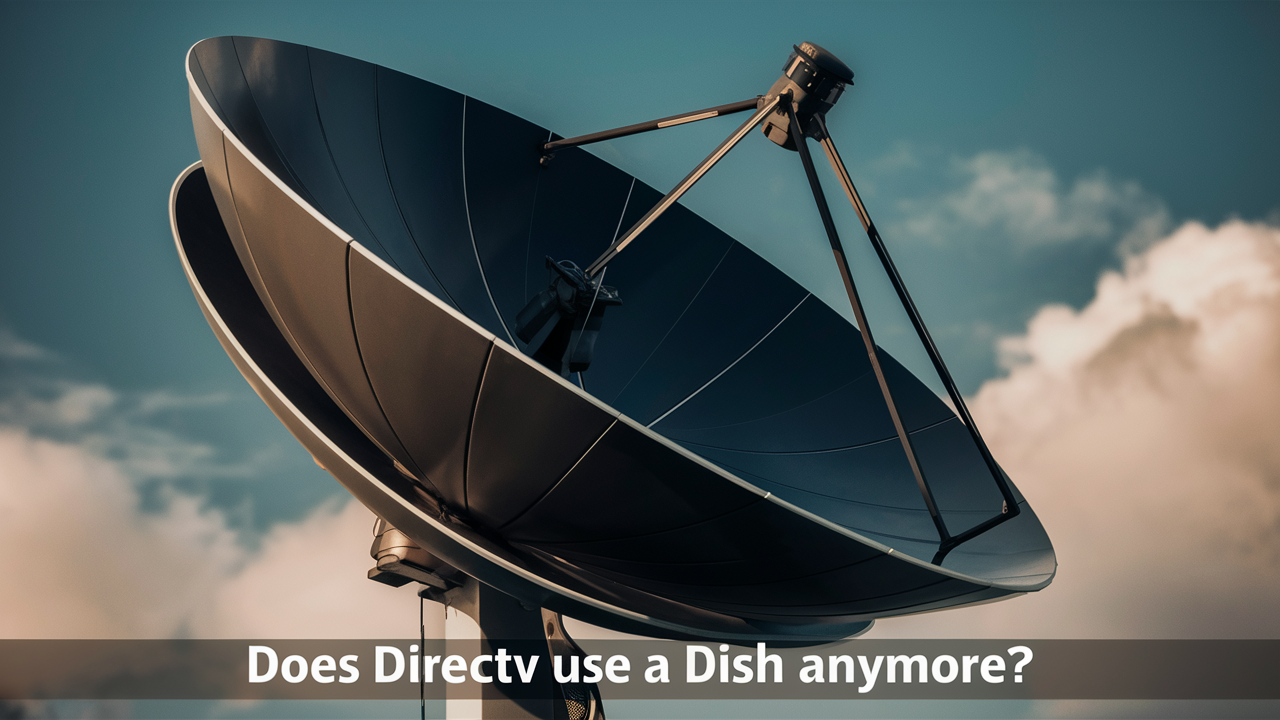
The satellite dish itself is a crucial piece of hardware. It's a parabolic antenna designed to capture and focus weak microwave signals transmitted from geostationary satellites. These satellites are positioned thousands of miles above the Earth, broadcasting hundreds of channels simultaneously. The dish's precise alignment is critical to ensure a clear and uninterrupted signal. When you install DirecTV, a technician will carefully aim the dish towards the appropriate satellite(s) to maximize signal strength. The size and type of dish can vary depending on the specific DirecTV package and the geographic location, but its fundamental purpose remains the same: to be the primary gateway for receiving satellite television signals. Even with the rise of streaming, the dish is far from obsolete for DirecTV's core satellite television product.
Signal Transmission and Reception
The journey of a DirecTV signal begins at the broadcaster's uplink facility. From there, the signal is sent to a DirecTV satellite. The satellite then amplifies and re-transmits the signal back to Earth, where it is received by your home satellite dish. The dish then channels this signal to a receiver (often called a set-top box or DVR) inside your home. This receiver decodes the digital signal and converts it into the video and audio you see and hear on your television. This entire process is remarkably efficient, allowing for high-definition broadcasts and a wide selection of channels. The inherent advantage of satellite delivery is its broad coverage; as long as there's a clear line of sight to the southern sky (where the satellites are located), signal reception is generally possible, making it a strong contender for rural or underserved areas where high-speed internet might be scarce.
Advantages of Satellite Technology
Satellite TV, including DirecTV's offering, boasts several distinct advantages. Firstly, it offers a vast selection of channels, often exceeding what many cable or internet-based services can provide in their standard packages. Secondly, its reach is extensive; it's available virtually anywhere in the continental United States with a clear view of the sky. This makes it particularly appealing for those living in remote or rural locations where broadband internet might be unreliable or unavailable. Thirdly, satellite signals are generally less susceptible to local network congestion that can sometimes affect streaming services during peak hours. While extreme weather can temporarily disrupt satellite signals (a phenomenon known as "rain fade"), this is becoming less common with advancements in technology. The consistent availability of high-definition channels and the robust nature of the broadcast infrastructure are key reasons why many still opt for DirecTV's satellite service.
How the DirecTV Satellite System Operates
To truly understand if DirecTV uses a dish anymore, it's essential to delve into the mechanics of its satellite system. The system is a marvel of modern engineering, designed for reliability and broad reach. It involves several key components working in concert to deliver entertainment directly to your living room. The primary components are the satellite dish, the LNB (Low-Noise Block downconverter), the coaxial cable, and the satellite receiver/DVR. Each plays a critical role in the signal chain, from its initial transmission to its final display on your television screen. Understanding these elements provides a clearer picture of why the dish remains a central part of DirecTV's traditional service offering.
The Dish: The Primary Receiver
The satellite dish is the most visible component of the DirecTV system. It's a parabolic reflector, typically made of metal or plastic, designed to collect and focus radio waves from orbiting satellites. The curved shape of the dish concentrates these signals onto a focal point. The size of the dish can vary, with larger dishes generally offering better signal reception, especially in areas with weaker satellite footprints or during adverse weather. For DirecTV, the dish is precisely aimed at specific orbital slots where its satellites reside. The accuracy of this alignment is paramount; even a slight misalignment can result in a weak or lost signal. Professional installation ensures the dish is optimally positioned for the best possible reception in your specific location. The dish is not just a passive antenna; it's an active component that directs the incoming signal to the next stage of the reception process.
The LNB: Signal Conversion
Mounted at the focal point of the satellite dish is the LNB (Low-Noise Block downconverter). This is a critical electronic device that performs two main functions. First, it amplifies the very weak signals collected by the dish. Second, and perhaps more importantly, it converts these high-frequency satellite signals into a lower frequency range that can be easily transmitted through coaxial cable. Without the LNB, the signals would be too weak and at frequencies unsuitable for transmission within the home. The "low-noise" aspect refers to its ability to amplify the signal without adding significant electronic noise, which would degrade the quality of the received channels. The LNB is a sophisticated piece of technology that bridges the gap between the vastness of space and the internal wiring of your home.
Coaxial Cable: The Signal Pathway
From the LNB, the converted satellite signal travels down a coaxial cable. This type of cable is specifically designed to carry high-frequency signals with minimal loss of strength or quality. The coaxial cable connects the LNB on the dish to the satellite receiver inside your home. Multiple coaxial cables may be used if you have multiple receivers or want to connect to a Genie system that supports multiple rooms. The quality of the coaxial cable and its connections is important for maintaining signal integrity. Professional installers ensure that these cables are properly routed, protected from the elements, and securely connected to prevent signal degradation. This pathway ensures that the processed signal reaches the device that will ultimately display it on your television.
The Satellite Receiver/DVR: The Brains of the Operation
The satellite receiver, often integrated with a DVR (Digital Video Recorder) for DirecTV, is the central hub of the system within your home. It receives the signal from the coaxial cable, decodes the digital data, and converts it into the video and audio that your TV displays. The receiver is also responsible for tuning into specific channels, managing your subscription information, and, in the case of a DVR, recording live television. DirecTV offers various receiver models, including advanced Genie systems that can support multiple rooms and offer features like whole-home DVR functionality. These receivers are the interface through which you interact with the DirecTV service, selecting channels, setting recordings, and accessing on-demand content. The receiver is the final stage in the satellite signal chain, translating raw data into your viewing experience.
Introducing DirecTV Stream: The Internet-Based Alternative
While the satellite dish remains a cornerstone of DirecTV's traditional service, the company has made a significant strategic pivot towards internet-based television with its offering known as DirecTV Stream. This platform represents DirecTV's answer to the growing demand for streaming services and a more flexible, internet-centric entertainment experience. Unlike the satellite service, DirecTV Stream does not require a physical satellite dish. Instead, it delivers live TV channels, on-demand content, and premium networks directly over your existing high-speed internet connection. This allows subscribers to watch on a variety of devices, including smart TVs, streaming sticks, computers, and mobile devices, offering a modern and adaptable approach to television consumption.
How DirecTV Stream Works
DirecTV Stream leverages the power of the internet to deliver its programming. When you subscribe to DirecTV Stream, you essentially gain access to a virtual cable box delivered through your broadband connection. The service works by streaming video and audio data packets over the internet to your chosen device. This means that the quality and stability of your internet connection are paramount to the DirecTV Stream experience. A robust and consistent internet connection is necessary to avoid buffering, pixelation, or other disruptions. The service is accessed through a dedicated app or through specific streaming devices that DirecTV offers, such as the DirecTV Stream device, which functions much like a Roku or Apple TV box, providing a familiar interface for navigating channels and content.
Devices and Compatibility
One of the key advantages of DirecTV Stream is its device flexibility. You are not tied to a specific set-top box or a single television. DirecTV Stream is compatible with a wide range of popular devices. This includes:
- Smart TVs (e.g., Samsung, LG, Sony)
- Streaming Devices (e.g., Amazon Fire TV Stick, Roku, Apple TV, Google Chromecast)
- Gaming Consoles (e.g., PlayStation, Xbox)
- Computers (via web browser)
- Mobile Devices (iOS and Android smartphones and tablets)
DirecTV also offers its own proprietary streaming device, the DirecTV Stream Osprey box, which provides a streamlined experience optimized for their service. This broad compatibility ensures that viewers can enjoy their favorite content on virtually any screen, at home or on the go, provided they have a stable internet connection. This adaptability is a major draw for consumers who prefer the flexibility of streaming services over traditional cable or satellite installations.
Benefits of Streaming TV
The shift towards streaming services like DirecTV Stream is driven by several compelling benefits. Firstly, there's the convenience of no installation appointments for a dish or complex wiring. You can sign up and start watching almost immediately, assuming you have a suitable internet connection. Secondly, streaming offers greater flexibility in terms of packages and contracts. Many streaming services offer month-to-month subscriptions, allowing you to cancel or change plans more easily than with traditional satellite or cable providers. Thirdly, the ability to watch on multiple devices and in multiple locations (within the same household or even remotely, depending on the service's terms) is a significant advantage. Finally, streaming services often integrate seamlessly with other apps and services, offering a more unified digital entertainment experience. The absence of a physical dish also means no concerns about weather-related disruptions impacting signal reception, as long as your internet remains active.
Comparing DirecTV Satellite vs. DirecTV Stream
When considering DirecTV's offerings in 2025-26, the fundamental question for many consumers becomes: "Does DirecTV use a dish anymore, and how does that compare to their internet-based service?" The answer is a resounding yes to the dish for their satellite product, and also yes to internet streaming with DirecTV Stream. These two distinct services cater to different needs, technical capabilities, and consumer preferences. Understanding their differences is crucial for making an informed decision about which DirecTV service best suits your household. We'll break down the key distinctions in terms of technology, installation, channel selection, pricing, and overall user experience.
Technological Foundation
The core difference lies in the delivery mechanism. DirecTV Satellite relies on a physical satellite dish to receive signals broadcast from orbiting satellites. This is a point-to-point broadcast system. In contrast, DirecTV Stream uses your existing broadband internet connection to stream live TV channels and on-demand content. This is an IP (Internet Protocol) based delivery system. The reliability of DirecTV Satellite is largely dependent on a clear line of sight to the satellite and minimal atmospheric interference. DirecTV Stream's reliability is directly tied to the speed, stability, and bandwidth of your home internet service.
Installation and Equipment
Installing DirecTV Satellite requires a professional technician to mount a satellite dish on your home, run coaxial cables, and set up satellite receivers. This typically involves a scheduled appointment and potentially some visible hardware on your property. DirecTV Stream, on the other hand, requires no physical installation beyond ensuring you have a compatible streaming device and a strong internet connection. You can often start watching within minutes of signing up. The equipment for DirecTV Stream usually involves a streaming device (either your own or DirecTV's proprietary box) and potentially a mobile app.
Channel Packages and Availability
Historically, DirecTV Satellite has been known for offering a vast array of channels, often including more niche sports, international channels, and premium movie networks than many competing services. Their packages are extensive and can cater to very specific viewing interests. DirecTV Stream also offers a comprehensive selection of channels, mirroring many of the popular packages available on their satellite service. However, there might be slight variations in channel availability between the two platforms, particularly for some regional sports networks or international broadcasts. It's always advisable to check the specific channel lineups for both services based on your location.
Pricing and Contracts
Pricing structures can vary significantly. DirecTV Satellite often involves multi-year contracts (typically two years) with promotional pricing for the first year. Early termination fees can apply if you cancel before the contract period ends. Equipment leasing fees are also common. DirecTV Stream typically offers more flexible subscription models, often with month-to-month options and no long-term contracts. This allows for greater flexibility to change plans or cancel service as needed. Pricing for DirecTV Stream can be competitive, but it's important to factor in the cost of your internet service, which is essential for its operation.
Reliability and Performance
DirecTV Satellite is generally considered very reliable, with its primary vulnerability being severe weather conditions that can cause temporary signal loss ("rain fade"). However, advancements in technology have significantly reduced the impact of this. The signal is not affected by internet congestion. DirecTV Stream's performance is directly dependent on your internet service. If your internet is slow, unstable, or experiences congestion during peak hours, you may encounter buffering, lower video quality, or interrupted viewing. Conversely, with a strong, stable internet connection, DirecTV Stream can offer a seamless viewing experience.
Target Audience
DirecTV Satellite remains an excellent choice for individuals and families in areas with limited or unreliable high-speed internet access. It's also ideal for those who prioritize the absolute widest selection of channels and are comfortable with a traditional installation and potential long-term contracts. DirecTV Stream is better suited for cord-cutters or cord-nevers, individuals with robust internet connections, those who value flexibility and no-contract options, and people who prefer to watch on a variety of devices.
| Feature | DirecTV Satellite | DirecTV Stream |
|---|---|---|
| Delivery Method | Satellite Broadcast (Requires Dish) | Internet Streaming (IP-based) |
| Installation | Professional technician, dish mounting, cable running | Self-install, requires compatible streaming device and internet |
| Equipment | Satellite dish, LNB, coaxial cables, satellite receiver/DVR | Streaming device (e.g., DirecTV Stream box, Roku, Fire TV), internet modem/router |
| Contract Requirements | Typically 2-year contracts | Generally month-to-month, no long-term contracts |
| Reliability Dependency | Line of sight to satellite, weather (rain fade) | Internet speed, stability, and bandwidth |
| Device Flexibility | Primarily home TVs via receiver | Smart TVs, streaming devices, computers, mobile devices |
| Best For | Areas with poor internet, maximum channel selection, traditional TV users | Strong internet users, flexibility seekers, cord-cutters, multi-device viewers |
The Installation Experience: Dish vs. Stream
The installation process is one of the most tangible differences between DirecTV's satellite service and its streaming counterpart, DirecTV Stream. For anyone asking "Does DirecTV use a dish anymore?", the installation of that dish is a key part of the answer. Understanding these processes can help potential customers decide which service aligns better with their comfort level and technical environment.
DirecTV Satellite Installation: A Professional Affair
When you opt for DirecTV Satellite, the installation is a comprehensive process managed by DirecTV's certified technicians. Here's a general overview of what to expect:
- Scheduling: After signing up, you'll schedule an installation appointment. This typically involves a window of several hours.
- Site Survey: The technician will assess your property to determine the optimal location for the satellite dish. This requires a clear, unobstructed view of the southern sky. Common locations include rooftops, side walls, or even a freestanding pole in the yard.
- Dish Mounting: The technician will securely mount the satellite dish. This involves drilling into your home's exterior and ensuring the mount is sturdy and weather-resistant.
- Cable Run: Coaxial cables are run from the dish to the location(s) inside your home where the receivers will be placed. This may involve drilling through walls and routing cables discreetly.
- Receiver Setup: The technician will connect the satellite receiver(s) and DVR to your TV and the coaxial cable. They will power on the equipment and guide you through the initial setup and activation process.
- System Alignment and Testing: The most critical step is aligning the dish precisely with the DirecTV satellites. The technician uses specialized equipment to ensure optimal signal strength and quality for all channels. They will then test the system to confirm everything is working correctly, including recording functions and remote control operation.
This process usually takes a few hours. While it requires a scheduled appointment and physical work, it ensures that your satellite system is set up for maximum performance and reliability.
DirecTV Stream Installation: The Self-Service Approach
DirecTV Stream offers a significantly different installation experience, largely because it bypasses the need for a physical dish and professional setup. It's designed for immediate use once you have the necessary prerequisites:
- Sign Up Online: The first step is to subscribe to a DirecTV Stream package through their website or app.
- Internet Connection: Ensure you have a reliable, high-speed internet connection (minimum recommended speeds vary by package and resolution, but generally 25 Mbps or higher is advised for smooth HD streaming).
- Choose Your Device: You can use your own compatible streaming device (like a Roku, Fire TV, Apple TV, or smart TV app) or purchase the DirecTV Stream device.
- Device Setup: If using your own device, download the DirecTV Stream app from your device's app store. If you purchased the DirecTV Stream device, connect it to your TV via HDMI and to your home Wi-Fi network or Ethernet.
- Login and Watch: Once the app is installed or the device is set up, you'll log in with your DirecTV Stream credentials. You can then immediately start browsing channels and watching content.
The "installation" for DirecTV Stream is essentially setting up your internet-connected device and logging into your account. There are no technicians to schedule, no dishes to mount, and no cables to run through your walls. This makes it an incredibly convenient option for those who are comfortable with streaming technology and have a strong internet infrastructure.
Channel Packages and Pricing in 2025-26
When evaluating whether DirecTV still uses a dish, understanding the value proposition of their services, including channel packages and pricing, is crucial. Both DirecTV Satellite and DirecTV Stream offer a range of packages designed to meet different viewing needs and budgets. As of the 2025-26 period, DirecTV continues to refine its offerings, with pricing and package details subject to change. It's always recommended to check the official DirecTV website for the most current information.
DirecTV Satellite Packages (Illustrative 2025-26)
DirecTV Satellite is known for its tiered channel packages, starting with a basic offering and expanding to include more sports, premium channels, and international content. While exact pricing fluctuates, typical packages might include:
- SELECT™: Generally the entry-level package, offering a solid lineup of popular news, entertainment, and sports channels.
- ENTERTAINMENT ALL INCLUDED?: A step up, adding more entertainment and sports channels, often including regional sports networks.
- CHOICE™ ALL INCLUDED?: This popular package typically includes a more extensive selection of sports, including many regional sports networks, and a broader range of entertainment options.
- ULTIMATE ALL INCLUDED?: A comprehensive package featuring a vast array of channels, including premium movie channels like HBO, Cinemax, Showtime, and Starz, along with a wide sports selection.
- PREMIER ALL INCLUDED?: DirecTV's top-tier package, offering the most extensive channel lineup, including all premium movie channels and a massive sports selection.
Key Pricing Considerations for Satellite:
- Promotional Pricing: Often, the advertised prices are for the first 12 months, with a significant increase in the second year.
- Contracts: Most packages require a 2-year commitment.
- Equipment Fees: Monthly fees for receivers and Genie systems are common.
- Regional Sports Fees: Some packages may incur additional fees for access to local sports channels.
- Installation: Professional installation is typically included at no extra charge, but may have stipulations.
For example, a SELECT™ package might start around $60-$70/month for the first year, with the price increasing to $90-$100/month in the second year. Higher-tier packages can range from $100-$150+ per month for the first year, with subsequent increases.
DirecTV Stream Packages (Illustrative 2025-26)
DirecTV Stream offers a more streamlined approach to packages, often with simpler pricing and no long-term contracts. The packages are also tiered, focusing on channel variety and specific interests.
- Entertainment: Offers over 65 channels, including popular entertainment, news, and sports networks.
- Choice: Features over 90 channels, adding more sports, including many regional sports networks, and expanded entertainment options.
- Ultimate: Provides over 130 channels, including premium movie networks like HBO, Cinemax, Showtime, and Starz, along with a vast sports selection.
- Premier: The most comprehensive package with over 150 channels, including all premium movie channels and extensive sports coverage.
Key Pricing Considerations for Stream:
- No Contracts: Month-to-month subscriptions are the norm.
- Transparent Pricing: Advertised prices often reflect the actual monthly cost, though taxes and fees may apply.
- Device Cost: You may need to purchase or rent a DirecTV Stream device if you don't have a compatible streaming device.
- Internet Cost: The cost of your internet service is separate and essential.
For instance, the Entertainment package might be priced around $70-$80/month, the Choice package around $90-$100/month, and the Ultimate and Premier packages could range from $110-$150+ per month. These prices are generally consistent month-to-month without the significant second-year price hikes seen with satellite.
Cost Comparison Snapshot (2025-26 Estimates)
In 2025-26, DirecTV Satellite's introductory pricing can appear competitive, especially when factoring in professional installation. However, the long-term cost, due to contract escalations and equipment fees, can be higher than DirecTV Stream. DirecTV Stream, while potentially having a slightly higher base monthly cost for comparable channel counts, offers flexibility and avoids long-term commitments, making its overall value proposition appealing for many.
Example Scenario: A family wanting a broad range of sports and entertainment might find a satellite package introductory offer at $90/month for year one, but it will jump to $120/month in year two, plus equipment fees. The equivalent DirecTV Stream package might be $100/month, with no contract and no equipment fees beyond the initial purchase of a streaming device.
Ultimately, the "cheaper" option depends on individual priorities: long-term commitment and maximum channel breadth (satellite) versus flexibility and internet-dependent convenience (Stream).
Technical Considerations and Requirements
The question "Does DirecTV use a dish anymore?" directly impacts the technical requirements for accessing their services. While the satellite dish is central to one service, the other relies entirely on your home's internet infrastructure. Understanding these technical prerequisites is essential for a smooth experience.
For DirecTV Satellite
The primary technical requirement for DirecTV Satellite is a clear line of sight to the southern sky. This means no obstructions like trees, buildings, or other structures should be between the satellite dish and the satellites in orbit.
- Location: Your home must be in an area where DirecTV satellites are visible.
- Mounting Space: Adequate space is needed for the dish installation, whether on a roof, wall, or pole.
- Wiring: Coaxial cables need to be run from the dish to the receiver locations. This may require drilling through walls.
- Power: Receivers and DVRs require standard electrical outlets.
- Weather: While generally robust, extreme weather like heavy rain or snow can temporarily interfere with the signal (rain fade).
DirecTV technicians handle most of the technical installation, ensuring proper alignment and connection. However, you need to ensure your property can accommodate the dish and wiring.
For DirecTV Stream
DirecTV Stream is an internet-based service, so your home internet connection is the critical technical component.
- Internet Speed: A reliable high-speed internet connection is mandatory. DirecTV recommends a minimum download speed of 25 Mbps for a smooth HD streaming experience. For 4K content or multiple simultaneous streams, higher speeds (e.g., 50 Mbps or more) are advisable.
- Bandwidth: Streaming video consumes significant bandwidth. Ensure your internet plan has sufficient data allowance if you have a data cap, or opt for unlimited data.
- Wi-Fi or Ethernet: A stable Wi-Fi network or a direct Ethernet connection to your router is needed for your streaming device. Ethernet connections generally offer greater stability.
- Compatible Devices: You need a compatible streaming device, such as a smart TV, streaming stick (Roku, Fire TV, Apple TV), gaming console, or computer.
- Modem/Router: A functional modem and router capable of handling streaming traffic are essential.
The technical setup for DirecTV Stream is primarily about ensuring your internet service is adequate and your chosen streaming device is properly configured and connected.
Choosing the Right Service Based on Technical Needs
If your internet service is slow, unreliable, or nonexistent, DirecTV Satellite is likely the only viable option for accessing DirecTV's full channel lineup. The dish bypasses the need for high-speed internet.
Conversely, if you have a robust internet connection and prefer the flexibility of watching on multiple devices without a physical installation, DirecTV Stream is the modern, convenient choice. It aligns with the trend towards cord-cutting and internet-delivered entertainment.
The Future Landscape of DirecTV Services
The television industry is in constant flux, and DirecTV is actively navigating this evolving landscape. The question of whether DirecTV uses a dish anymore is a snapshot of a company with a dual strategy: maintaining its legacy satellite business while aggressively pushing its internet-based streaming service, DirecTV Stream. This approach reflects broader industry trends and consumer preferences.
Continued Investment in Satellite
Despite the rise of streaming, DirecTV is not abandoning its satellite infrastructure. For many in rural areas or regions with inadequate internet, the satellite dish remains the most reliable way to access a comprehensive TV package. DirecTV continues to invest in its satellite fleet and ground infrastructure to ensure the quality and availability of its traditional service. As of 2025-26, the satellite dish is still a primary component for a significant portion of their subscriber base. This commitment ensures that those who rely on satellite delivery will continue to have access to their programming.
Growth of DirecTV Stream
The future, however, clearly leans towards internet-delivered content. DirecTV Stream represents DirecTV's vision for the future of television. The company is heavily promoting this service, highlighting its flexibility, device compatibility, and contract-free options. Expect to see continued innovation in the DirecTV Stream platform, including enhanced user interfaces, more on-demand content integration, and potentially new features that leverage internet capabilities. The growth of DirecTV Stream is a strategic imperative, aiming to capture a new generation of viewers and retain existing customers who are transitioning away from traditional pay-TV models.
Potential for Convergence
It's also possible that DirecTV will explore further convergence between its satellite and streaming offerings. This could involve hybrid models where satellite provides a base signal, and internet is used for enhanced features, local channels, or on-demand content. Alternatively, DirecTV might focus on seamlessly transitioning satellite customers to Stream when their internet capabilities improve or their preferences shift. The company's strategy is likely to remain dynamic, adapting to technological advancements and market demands.
Market Position in 2025-26
In the 2025-26 market, DirecTV holds a unique position. It's one of the few major providers that still offers a robust satellite television service alongside a competitive internet streaming option. This allows them to cater to a wider demographic than providers solely focused on one delivery method. While the overall pay-TV market is contracting, DirecTV's ability to serve both traditionalists and cord-cutters gives it a resilient market presence. The company's success will hinge on its ability to balance investment in its established satellite network with the aggressive expansion and innovation of its DirecTV Stream platform.
Making the Right Choice for Your Entertainment Needs
Deciding between DirecTV's satellite service and DirecTV Stream boils down to a personalized assessment of your household's needs, technical environment, and viewing habits. The answer to "Does DirecTV use a dish anymore?" is yes, but that's only part of the story. The company offers a modern, internet-based alternative that may be a better fit for many.
Assess Your Internet Connection
This is the most critical factor. If you have slow, unreliable, or no high-speed internet, DirecTV Satellite is your clear choice for comprehensive channel access. If you have a stable, high-speed internet connection (25 Mbps or higher recommended), DirecTV Stream becomes a very attractive and flexible option.
Consider Your Channel Preferences
Both services offer extensive channel lineups. However, DirecTV Satellite has historically provided the absolute widest selection, especially for niche sports and international content. If having every possible channel is paramount, and you don't mind the satellite setup, it's a strong contender. DirecTV Stream offers most popular channels and is continuously expanding its offerings.
Evaluate Contract Tolerance
Are you comfortable with a 2-year contract that often includes price increases in the second year? If so, DirecTV Satellite might be acceptable. If you prefer flexibility, the ability to cancel or change plans month-to-month without penalty, DirecTV Stream is the superior choice.
Think About Device Usage
Do you want to watch TV on your living room TV only, or do you also stream on tablets, laptops, or other smart devices? DirecTV Stream excels in multi-device viewing and portability. DirecTV Satellite is primarily a home-based solution, though some content can be accessed via apps.
Factor in Installation and Equipment
Are you willing to have a satellite dish installed on your property and cables run through your home? If not, or if you live in a rental property where installations are restricted, DirecTV Stream's self-installation and reliance on existing devices is a significant advantage.
Final Recommendation
For the majority of households with reliable internet access in 2025-26, **DirecTV Stream offers a more modern, flexible, and often more cost-effective long-term solution.** Its contract-free nature, multi-device support, and ease of setup make it ideal for today's connected consumer.
However, **DirecTV Satellite remains an indispensable service for those in areas with poor internet infrastructure or for viewers who demand the absolute broadest channel selection and are comfortable with traditional pay-TV setups.** The dish is still very much a part of DirecTV's offering, serving a vital segment of the market.
Before making a decision, always visit the official DirecTV website to compare the latest package details, pricing, and terms for both DirecTV Satellite and DirecTV Stream in your specific region.
Conclusion
The question "Does DirecTV use a dish anymore?" is answered with a definitive yes for its traditional satellite television service. This enduring technology continues to provide a robust and widely accessible means of delivering a vast array of channels to millions of homes across the United States. The satellite dish, LNB, and receiver system remains a cornerstone for those who prioritize comprehensive channel selection and may have limited or unreliable internet access. As of 2025-26, DirecTV is committed to supporting and enhancing this established infrastructure, ensuring its continued reliability and performance.
However, DirecTV is not standing still. The company has strategically embraced the future of television by heavily promoting DirecTV Stream, its internet-based streaming platform. This service bypasses the need for a satellite dish entirely, delivering live TV and on-demand content directly over your broadband connection. DirecTV Stream offers unparalleled flexibility, contract-free options, and multi-device compatibility, making it an attractive alternative for cord-cutters and tech-savvy consumers.
Ultimately, DirecTV's dual approach caters to a diverse market. Whether you require the expansive reach of a satellite dish or the modern convenience of internet streaming, DirecTV provides options. For those with solid internet, DirecTV Stream is the forward-looking choice, offering adaptability and ease of use. For areas where internet is a challenge, the satellite dish remains a vital gateway to entertainment. Your decision should be guided by your specific internet capabilities, channel needs, and preference for contract flexibility.