Does Dish TV require internet? The answer is a resounding no for core TV viewing. Dish Network's satellite television service fundamentally operates without an internet connection, delivering channels directly via satellite dish. However, internet connectivity unlocks advanced features and enhanced experiences.
Debunking the Myth: Does Dish TV Require Internet?
The primary question on many minds when considering Dish Network is: "Does Dish TV require internet?" This is a crucial point for potential subscribers, especially those looking for a reliable television service that doesn't depend on broadband availability or can function independently of an internet connection. The straightforward answer is that for its core function – delivering live television channels – Dish TV absolutely does not require an internet connection. Its robust satellite technology ensures that you can enjoy your favorite shows, news, and sports directly from the satellite to your home, regardless of your internet status. This fundamental independence is a key differentiator for satellite TV providers like Dish.
Core Dish TV Functionality: Satellite vs. Internet
Understanding how Dish TV operates is key to grasping why internet is not a mandatory component for basic service. The technology employed by Dish Network is fundamentally different from that of internet-based streaming services.
How Dish TV Works Without Internet
Dish TV functions through a sophisticated satellite system. Here's a breakdown of the process:
- Satellite Transmission: Dish Network broadcasts television signals from its satellites orbiting the Earth. These satellites carry a vast array of channels.
- Satellite Dish Installation: A specialized satellite dish is installed at your home. This dish is precisely aimed at the Dish Network satellite to receive the signals.
- Receiver Box: The signals received by the dish are then sent via coaxial cable to a Dish Network receiver box (set-top box) inside your home.
- Signal Decoding: The receiver box decodes the satellite signals, converting them into viewable video and audio that is then displayed on your television.
This entire process relies on radio waves transmitted through space and received by your dish. It's a direct line of communication that bypasses the need for an internet connection. This makes Dish TV a reliable option for individuals in areas with poor or no internet infrastructure. For instance, according to recent data from the FCC in 2024, approximately 14 million Americans still lack access to broadband internet, making satellite TV a vital service for these communities. Dish Network, therefore, plays a critical role in providing entertainment options to a broad spectrum of the population.
What You Miss Without Internet
While core TV viewing is unaffected, opting out of an internet connection for your Dish TV setup means foregoing several advanced features and conveniences. These features leverage the internet to enhance the user experience, providing on-demand content, interactive services, and seamless integration with other digital platforms. Without internet, your Dish TV experience will be limited to the live channels you subscribe to and the basic functionality of your receiver. You won't be able to access features like:
- On-demand libraries
- Streaming apps (like Netflix, Hulu, etc., if integrated into the Dish receiver)
- Interactive program guides with advanced search capabilities
- Voice control features that require online lookup
- Software updates for your receiver
- Remote viewing via the Dish Anywhere app
- Pay-per-view ordering through the receiver
Essentially, the internet acts as an enabler for a more modern, feature-rich television experience, transforming your Dish TV from a passive viewing device into a more interactive entertainment hub.
Internet-Enhanced Features: The Added Value
The true power and versatility of a modern Dish TV setup are unlocked when it's connected to the internet. These features go beyond traditional live broadcasting, offering a more personalized and comprehensive entertainment experience.
On-Demand Content and Streaming Apps
One of the most significant benefits of an internet-connected Dish TV is access to on-demand content. This includes:
- Dish On Demand: Access a library of movies and TV shows that you can watch anytime, without needing to schedule around live broadcasts. This often includes content from your subscribed channels.
- Integrated Streaming Apps: Many modern Dish receivers are smart devices capable of running popular streaming applications directly. By connecting your Dish box to the internet, you can access services like Netflix, Hulu, Amazon Prime Video, YouTube, and more, all from a single interface. This eliminates the need for multiple streaming sticks or smart TV apps, consolidating your entertainment. As of 2025, the integration of these apps is becoming increasingly seamless, with many Dish subscribers reporting a preference for this unified approach.
This convergence of live TV and streaming is a major trend in the entertainment industry. A 2024 report by Statista indicated that over 70% of US households subscribe to at least one streaming service, highlighting the demand for on-demand content. Dish's ability to integrate these services directly into its platform makes it a compelling option for those who want both traditional TV and streaming.
Interactive Features and Built-in Apps
Beyond streaming, an internet connection enables a host of interactive features:
- Enhanced Program Guide: Access more detailed program information, including synopses, cast details, and upcoming schedules. Advanced search functions allow you to find specific shows or movies across live TV, on-demand, and integrated apps.
- Interactive Apps: Dish receivers can host various built-in apps for news, weather, sports scores, and even games. These apps provide real-time information and engagement opportunities directly on your TV screen.
- Pay-Per-View and PPV Ordering: While some PPV can be ordered via phone, an internet connection allows for instant ordering and access to purchased content, often with a wider selection available.
These interactive elements transform the television into a more dynamic and informative device, catering to users who want more than just passive viewing.
Voice Remote and Smart Home Integration
Modern Dish remotes often come with voice control capabilities. To utilize these features effectively, an internet connection is typically required.
- Voice Commands: Speak commands to change channels, search for content, adjust volume, or even control smart home devices. The voice recognition software often relies on cloud-based processing for accuracy and to access vast databases of information.
- Smart Home Hub: Some Dish receivers can act as a rudimentary smart home hub, allowing you to control compatible smart lights, thermostats, and other devices using voice commands or through integrated apps on your TV. This integration is a growing area of focus for TV providers looking to become central to the connected home experience.
This level of integration appeals to the growing market of smart home users. According to a 2025 market research report, the global smart home market is projected to reach over $200 billion, with voice control being a primary driver of adoption.
Software Updates and Troubleshooting
Like any electronic device, Dish receivers benefit from regular software updates.
- Automatic Updates: When connected to the internet, your receiver can automatically download and install the latest software, ensuring optimal performance, security patches, and access to new features.
- Remote Diagnostics: In case of technical issues, an internet connection allows Dish technicians to remotely diagnose problems with your receiver, often resolving issues without the need for an in-home service call. This can save subscribers time and money.
These updates are crucial for maintaining the longevity and functionality of your equipment, and for ensuring a smooth viewing experience.
The Dish Anywhere App
The Dish Anywhere app is a significant perk for Dish subscribers, but it is entirely dependent on an internet connection.
- Watch Anywhere: Stream live TV channels and On Demand content from your Dish subscription on your smartphone, tablet, or computer, anywhere you have an internet connection.
- Remote DVR Control: Schedule recordings on your home DVR, manage your recordings, and even download recorded content to your mobile device for offline viewing.
- TV Guide: Access a full TV guide and program information on your mobile device.
This app provides unparalleled flexibility, allowing you to take your TV with you, whether you're traveling, commuting, or simply in another room of your house. This feature is particularly valuable for those who are frequently on the go.
Dish Internet Packages and Bundles
While Dish TV itself doesn't require internet, many subscribers choose to bundle their TV service with internet to take advantage of the enhanced features and potential cost savings. Dish offers its own internet services or partners with providers to offer bundled deals.
Dish-Provided Internet Options
Dish Network has historically offered satellite internet services, particularly in areas where traditional broadband is unavailable. These services, often provided through partners, leverage satellite technology to deliver internet access. However, it's important to note that satellite internet can have different performance characteristics (e.g., latency) compared to fiber or cable, which might affect certain applications like online gaming.
In many regions, Dish also partners with local and national broadband providers (cable, DSL, fiber) to offer bundled packages. This allows customers to get their TV and internet from a single provider, simplifying billing and potentially offering discounts.
As of 2025, Dish is also actively involved in expanding its 5G wireless network, which could introduce new home internet solutions in the future, offering a competitive alternative to traditional wired broadband.
Choosing the Right Internet Plan
When considering an internet plan to complement your Dish TV service, several factors are important:
- Speed: For streaming video (including Dish Anywhere and integrated apps), video conferencing, and general browsing, a minimum download speed of 25 Mbps is generally recommended. For multiple users or higher-quality streaming (4K), speeds of 50-100 Mbps or higher are preferable.
- Data Caps: Be aware of any data limits imposed by the internet plan. Heavy streaming and downloading can consume significant data. Satellite internet plans, in particular, may have stricter data caps.
- Latency: For real-time applications like online gaming or video calls, low latency (ping) is crucial. This is where fiber and cable internet typically outperform satellite.
- Price: Compare the monthly costs, installation fees, and any equipment rental charges.
A typical Dish TV subscriber who wants to use the advanced features might look for an internet plan in the 50-100 Mbps range with a generous data allowance.
Bundle Savings in 2025-26
Bundling Dish TV with an internet service can often lead to significant savings. Providers frequently offer promotional discounts for customers who subscribe to multiple services.
Example of potential bundle savings (hypothetical for 2025-26):
| Service Combination | Estimated Monthly Cost (Standalone) | Estimated Monthly Cost (Bundled) | Potential Monthly Savings |
|---|---|---|---|
| Dish TV (e.g., America's Top 120) | $85.00 | - | - |
| Internet (e.g., 100 Mbps Cable) | $70.00 | - | - |
| Dish TV + Internet Bundle | $155.00 | $135.00 | $20.00 |
Note: Actual prices and savings vary by region, provider, and current promotions. It's always advisable to check with Dish Network and local internet providers for the most up-to-date offers.
These bundled offers are designed to attract and retain customers by providing convenience and value. For many, the slight increase in monthly cost for internet is well worth the access to a full suite of modern TV features.
Comparing Dish TV Internet Needs: Scenarios
To better illustrate when internet is essential for Dish TV users, let's consider a few common user profiles.
Scenario 1: The Traditional Viewer
Profile: Sarah, a retiree who primarily watches live news, classic movies, and sports. She values simplicity and reliability. She doesn't use streaming services and rarely watches anything on demand.
Internet Need: None. Sarah's needs are fully met by the core Dish TV satellite service. She can install a dish and receiver and enjoy all her favorite channels without any internet connection. This scenario highlights the fundamental independence of Dish TV.
Cost Implication: Sarah saves money by not needing to pay for an internet service. Her monthly bill is solely for her Dish TV package.
Scenario 2: The Connected Home Enthusiast
Profile: Mark, a young professional who enjoys the latest technology. He uses Dish TV for live sports and news but also subscribes to Netflix and Hulu. He wants to use his voice remote and the Dish Anywhere app to catch up on shows while commuting.
Internet Need: Essential. Mark requires a reliable internet connection for:
- Accessing Netflix and Hulu through his Dish receiver.
- Using the voice remote for channel surfing and content searches.
- Utilizing the Dish Anywhere app to stream content on his mobile devices.
- Receiving software updates for his receiver to ensure optimal performance.
Cost Implication: Mark will need to pay for both Dish TV and an internet service. He might opt for a bundled package to reduce costs and simplify billing.
Scenario 3: The Cord-Cutter Exploring Options
Profile: Emily and David, a couple who have recently cut the cord from traditional cable. They are considering Dish TV as an alternative to solely relying on multiple streaming services. They want the flexibility to watch live events but are also accustomed to on-demand viewing.
Internet Need: High. While they might initially try Dish TV without internet to assess its core offering, they will likely find the internet-enhanced features crucial for a satisfying experience. They will need internet for:
- Accessing any integrated streaming apps Dish offers.
- Utilizing the Dish On Demand library.
- Potentially using the Dish Anywhere app as a supplement to their streaming subscriptions.
Cost Implication: They will need to factor in the cost of an internet plan alongside their Dish TV subscription. They might compare the total cost of Dish TV + internet against their previous cable bill and their current streaming service subscriptions to find the most cost-effective solution.
Installation and Requirements
Understanding the installation process and what you need for both basic Dish TV and its internet-enhanced features is crucial for a smooth setup.
What You Need for Dish TV Installation
For the core Dish TV service, the requirements are straightforward and do not involve internet:
- A Clear View of the Sky: The satellite dish needs an unobstructed line of sight to the southern sky (in the Northern Hemisphere) to receive signals from the Dish Network satellites.
- A Location for the Dish: Typically mounted on a roof, wall, or pole.
- Coaxial Cable: To run from the dish to the receiver inside your home.
- Dish Network Receiver: Provided by Dish, this box decodes the satellite signal.
- Television: A standard television set (HDTV recommended for best picture quality).
- Professional Installation: Dish typically provides professional installation, ensuring the dish is correctly aligned and all equipment is set up properly.
No internet modem, router, or active internet service is required for this basic setup.
Internet Requirements for Enhanced Features
To unlock the full potential of your Dish TV system, an internet connection is necessary. Here’s what you'll need:
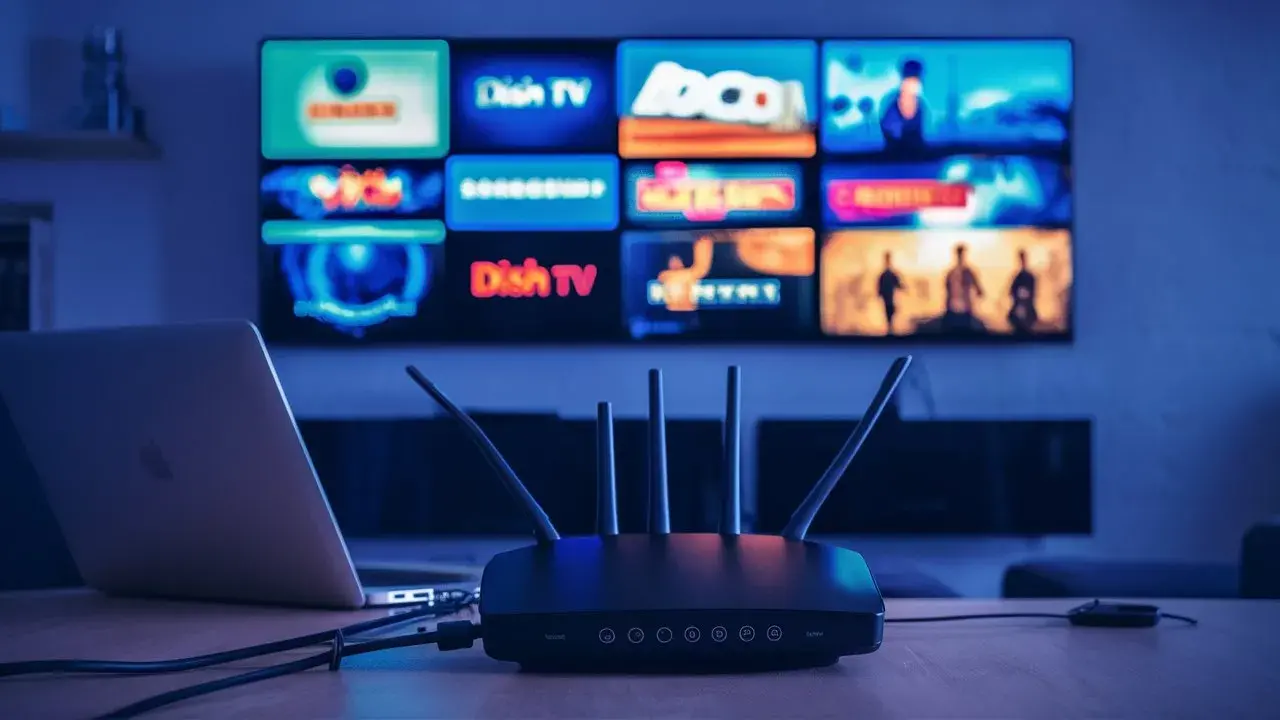
- Active Internet Service: This can be DSL, cable, fiber, or satellite internet.
- Modem and Router: Your internet service provider will typically supply a modem, and you'll likely need a router to create a Wi-Fi network within your home.
- Ethernet Cable or Wi-Fi: Your Dish Network receiver will need to be connected to your home network. This can be done via an Ethernet cable plugged directly into your router or wirelessly via Wi-Fi, depending on your receiver's capabilities.
- Sufficient Bandwidth: As mentioned earlier, ensure your internet plan has adequate download speeds to support streaming and other online activities.
The setup process for connecting your receiver to the internet is usually guided by on-screen prompts within the receiver's menu system.
Dish TV vs. Streaming Services: A Modern Perspective
The landscape of home entertainment has dramatically shifted with the rise of streaming services. Understanding how Dish TV, with or without internet, stacks up against these alternatives is crucial for making an informed decision in 2025-26.
Dish TV Internet Dependence Comparison
The fundamental difference lies in their reliance on internet infrastructure.
| Service Type | Internet Required for Core Functionality? | Internet Required for Advanced Features? | Key Advantage | Key Disadvantage |
|---|---|---|---|---|
| Dish TV (Core) | No | Yes (for On-Demand, Apps, Anywhere) | Reliable live TV delivery independent of internet; broad channel selection. | Limited on-demand content without internet; less flexibility than pure streaming. |
| Pure Streaming Services (Netflix, Hulu, etc.) | Yes | Yes | Vast on-demand libraries; flexibility to watch anytime, anywhere. | Requires stable, high-speed internet; can be costly with multiple subscriptions; live TV can be limited. |
| Live TV Streaming Services (Sling TV, YouTube TV) | Yes | Yes | Combines live TV with on-demand features; often cheaper than traditional cable/satellite. | Requires stable internet; channel lineups may be more limited than Dish; potential for price increases. |
For users in areas with unreliable internet, Dish TV's core service offers a significant advantage. However, for those with robust internet, the lines blur as Dish integrates streaming capabilities.
Cost Considerations in 2025-26
The cost comparison between Dish TV and streaming services in 2025-26 is complex and depends heavily on individual viewing habits.
- Dish TV: Offers tiered packages starting from around $70-$80 per month for basic channels, with prices increasing for more comprehensive lineups. Adding internet service can add another $50-$100+ per month, depending on speed and provider. Bundles can offer savings.
- Streaming Services: Individual services range from $7-$20 per month. However, subscribing to multiple services to replicate a Dish TV channel lineup can quickly exceed the cost of a Dish package. Live TV streaming services often fall in the $50-$80 per month range.
- Overall Value: For heavy viewers of live sports and news, Dish TV can offer a more cost-effective and stable solution, especially when bundled with internet. For those who primarily watch on-demand content and a few specific live channels, a combination of streaming services might be more economical.
A 2025 survey found that the average US household spends over $100 per month on video entertainment, including TV subscriptions and streaming services, indicating that cost is a significant factor for consumers.
Troubleshooting Common Issues
When using Dish TV, especially with internet-connected features, users might encounter occasional issues. Understanding these and their relation to internet connectivity is key.
Impact of No Internet Connection on Features
If your Dish TV receiver is not connected to the internet, the following features will be unavailable or limited:
- On-Demand and Streaming Apps: Cannot access any content from Dish On Demand or third-party streaming applications.
- Voice Remote: Voice commands will not function, as they rely on internet-based processing.
- Dish Anywhere App: Cannot stream live TV, manage DVR recordings, or access the TV guide remotely.
- Software Updates: The receiver will not receive automatic updates, potentially leading to outdated features or security vulnerabilities.
- Interactive Program Guide: Advanced search functions, detailed program information pulled from online sources, and some interactive features will not work.
- Pay-Per-View Ordering: Ordering new PPV events through the receiver will not be possible.
Essentially, the absence of an internet connection reverts the receiver to its most basic function: displaying live satellite channels.
Resolving Connectivity Problems
If you are experiencing issues with internet-dependent features, here are steps to troubleshoot:
- Check Your Internet Service: Ensure your home internet is working correctly by testing it on other devices (e.g., smartphone, computer). If your internet is down, contact your Internet Service Provider (ISP).
- Verify Receiver Connection:
- Wired (Ethernet): Ensure the Ethernet cable is securely plugged into both the receiver and your router. Try a different Ethernet cable if possible.
- Wireless (Wi-Fi): Go to your receiver's network settings menu. Ensure Wi-Fi is enabled and that you are connected to the correct network. You may need to re-enter your Wi-Fi password. Check the signal strength.
- Restart Your Equipment: Power cycle your Dish receiver, modem, and router. Unplug them from the power source for about 30 seconds, then plug them back in, starting with the modem, then the router, and finally the receiver.
- Receiver Network Settings: Navigate to the network settings on your Dish receiver and run a network test. This can often diagnose specific connection issues.
- Router Placement: If using Wi-Fi, ensure your router is centrally located and not obstructed by walls or large appliances, which can weaken the signal.
- Contact Dish Support: If you've tried the above steps and are still experiencing issues, contact Dish Network customer support. They can perform remote diagnostics and guide you through advanced troubleshooting.
Many connectivity problems are resolved by simply restarting the network equipment or re-establishing the Wi-Fi connection.
The Future of Dish TV and Internet Integration
The trend towards convergence in the entertainment industry shows no signs of slowing down. Dish Network, like other major players, is continuously evolving its offerings to integrate seamlessly with the digital landscape.
In the coming years, we can expect:
- Deeper Smart Home Integration: Dish receivers may become even more central to the smart home, offering enhanced control over connected devices and potentially acting as a central hub for various smart home ecosystems.
- Enhanced AI and Personalization: Artificial intelligence will likely play a larger role in recommending content across live TV and streaming apps, creating a more personalized viewing experience. Voice control will become more sophisticated and conversational.
- 5G Network Expansion: Dish's investment in its 5G network could lead to new home internet solutions and mobile TV streaming options that are faster and more reliable.
- Virtual Reality (VR) and Augmented Reality (AR) Content: While still nascent, the possibility of integrating VR/AR experiences for live events or interactive content could emerge, requiring robust internet connectivity.
The future of television is undoubtedly connected. While Dish TV maintains its strength in delivering live broadcast content independently, its long-term success will hinge on its ability to provide a compelling, integrated experience that rivals or surpasses the convenience and features offered by pure streaming platforms.
Conclusion: Making Your Dish TV Internet Decision
To definitively answer "Does Dish TV require internet?": no, not for its fundamental purpose of delivering live television channels via satellite. This makes Dish an excellent choice for individuals seeking reliable entertainment in areas with limited or no internet access, or for those who prefer a service that is not dependent on broadband. The satellite dish and receiver box are all that's needed for a complete live TV experience.
However, connecting your Dish TV to the internet transforms it into a far more versatile and modern entertainment system. It unlocks a world of on-demand content, integrated streaming apps, interactive features, voice control, and the convenience of the Dish Anywhere app. For the vast majority of users in 2025-26, this enhanced experience is highly desirable and significantly improves the value proposition of the service.
Your decision ultimately hinges on your viewing habits and internet availability. If you're a traditional viewer prioritizing live TV, you can forgo internet. If you enjoy streaming, want the latest features, or plan to use the Dish Anywhere app, then an internet connection is a necessary and worthwhile addition. Consider bundling your Dish TV and internet services for potential cost savings and a simplified billing process. Assess your needs, check local internet options, and make the choice that best suits your home entertainment goals.