Navigating the world of streaming services can be confusing, especially when it comes to the equipment needed. If you're wondering, "What equipment is needed for DIRECTV Stream?" you're in the right place. This comprehensive guide will break down all the essential hardware, from streaming devices to internet requirements, ensuring you have everything you need for a seamless viewing experience in 2025-26.
Understanding DIRECTV Stream: What It Is and How It Works
DIRECTV Stream, formerly known as AT&T TV, is a popular live TV streaming service that offers a comprehensive alternative to traditional cable or satellite television. It provides a wide array of live channels, on-demand content, and premium movie networks, all delivered over your existing internet connection. Unlike traditional DIRECTV services that require a satellite dish and professional installation, DIRECTV Stream is entirely internet-based. This means you can watch your favorite shows and live sports on a variety of devices without any bulky hardware. The service operates on a subscription model, offering different packages with varying channel lineups and features. Essentially, it bridges the gap between the convenience of streaming and the channel selection of traditional pay TV, making it a compelling option for cord-cutters and cord-shavers alike. Understanding this fundamental shift from satellite to IP-based delivery is key to grasping the equipment requirements.
Essential Equipment for DIRECTV Stream
The beauty of DIRECTV Stream lies in its flexibility. Because it's an internet-based service, you don't need proprietary hardware like a satellite dish or a specific set-top box (though they do offer an optional branded device). Instead, you can leverage devices you likely already own or can easily acquire. The core requirement is a reliable internet connection, but the device you use to access the service is equally important.
Streaming Devices
These are dedicated hardware units designed specifically for streaming content from the internet to your TV. They connect to your TV via HDMI and to your home network (Wi-Fi or Ethernet). DIRECTV Stream is compatible with a wide range of popular streaming devices, making it incredibly accessible.
- Roku Devices: Roku is a leading platform known for its user-friendly interface and extensive app support. Models like the Roku Streaming Stick+, Roku Ultra, and various Roku TVs are excellent choices.
- Amazon Fire TV Devices: Amazon's Fire TV ecosystem, including the Fire TV Stick, Fire TV Cube, and Fire TV Edition smart TVs, also offers robust support for DIRECTV Stream.
- Google Chromecast with Google TV: This device combines the casting functionality of Chromecast with a full-fledged smart TV interface, making it a versatile option.
- Apple TV: Apple's premium streaming box is another excellent platform for DIRECTV Stream, offering a smooth and high-quality viewing experience.
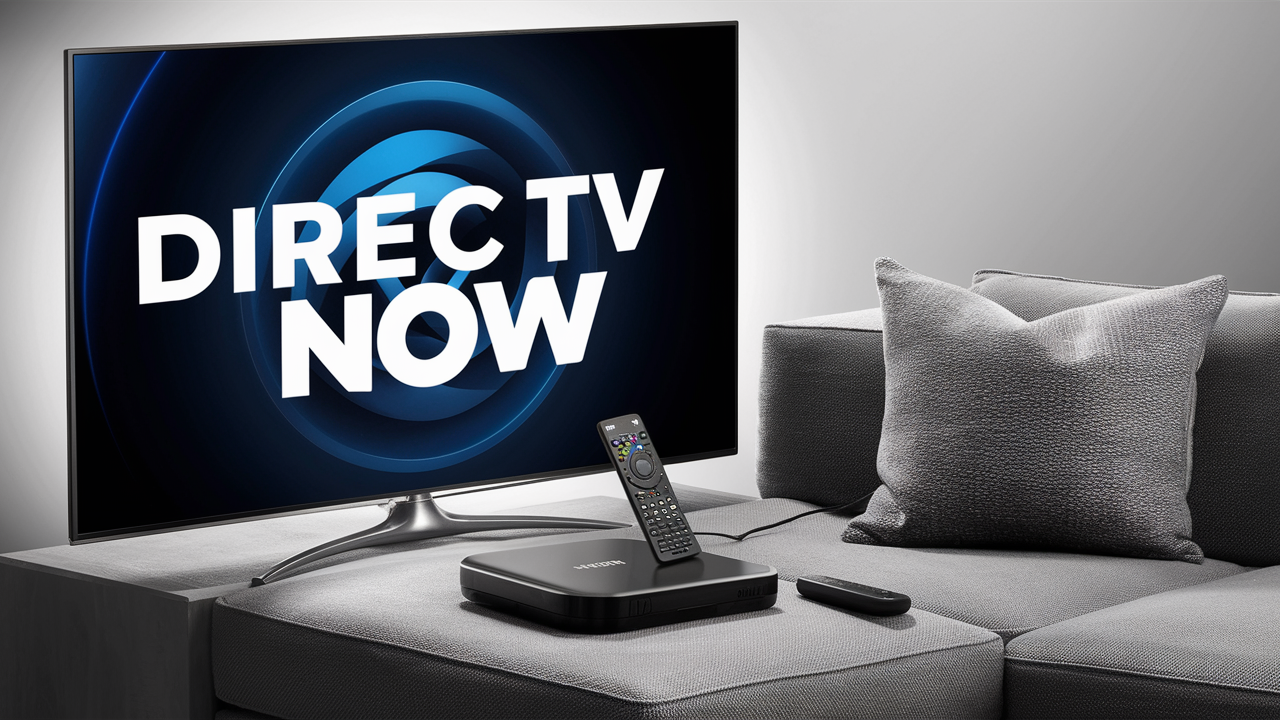
- DIRECTV Stream Osprey Box (Optional): While not strictly required, DIRECTV does offer its own branded streaming device, the Osprey Box (often referred to as the DIRECTV Stream box). This device is designed to provide an optimized DIRECTV Stream experience, including a dedicated remote and integration with DIRECTV's features. It can be purchased or sometimes leased as part of a package.
Smart TVs
Many modern televisions come with built-in "smart" capabilities, meaning they have an operating system and can connect directly to the internet to run apps. If you have a smart TV from a major brand like Samsung, LG, Sony, Vizio, or TCL, there's a good chance it supports the DIRECTV Stream app. You'll simply need to navigate to your TV's app store, search for DIRECTV Stream, and download it. This eliminates the need for an external streaming device, simplifying your setup. As of 2025-26, a significant percentage of new TVs sold are smart TVs, making this a very common and convenient option.
Gaming Consoles
For gamers, your PlayStation or Xbox console can often double as a streaming device. Both PlayStation (PS4, PS5) and Xbox (Xbox One, Xbox Series X/S) consoles have app stores where you can download and install the DIRECTV Stream app. This is a great way to consolidate your entertainment devices, especially if you're already invested in a gaming ecosystem. The performance can vary, but for standard HD streaming, most modern consoles handle it well.
Mobile Devices
DIRECTV Stream is also fully accessible on smartphones and tablets. You can download the DIRECTV Stream app from the Apple App Store (for iOS devices) or the Google Play Store (for Android devices). This allows you to watch live TV, on-demand content, and even manage your DVR recordings while on the go, provided you have a stable internet connection (Wi-Fi or cellular data). While not ideal for primary TV viewing, it's invaluable for entertainment away from your main television.
Internet Connection: The Backbone of Your Stream
This is the single most critical component. Without a robust and reliable internet connection, none of your streaming devices will function correctly. DIRECTV Stream relies entirely on the quality of your broadband service. The speed, stability, and latency of your internet connection will directly impact the quality of your viewing experience, from picture resolution to the absence of buffering.
Understanding Internet Speed Requirements
Choosing the right internet plan is paramount for a smooth DIRECTV Stream experience. Streaming video, especially in high definition (HD) and 4K, consumes significant bandwidth. DIRECTV Stream's requirements are in line with other major streaming services, but it's crucial to understand the nuances.
Minimum Recommended Speeds
DIRECTV Stream officially recommends certain minimum speeds to ensure a decent viewing experience. These are generally considered the baseline for single-device streaming without significant issues.
- For HD Streaming (720p/1080p): DIRECTV recommends a minimum download speed of 8 Mbps per stream. This is the absolute minimum and might result in occasional buffering or reduced picture quality during peak internet usage times in your area or if other devices are consuming bandwidth.
- For 4K Streaming: If you plan to watch content in 4K Ultra High Definition, the requirements increase significantly. DIRECTV recommends a minimum of 20 Mbps download speed per stream for 4K content.
It's important to note that these are *per stream* recommendations. If you have multiple people in your household watching different content simultaneously, or if other devices are using the internet for downloads, gaming, or video calls, these minimums will not suffice.
Optimal Speeds for Multiple Devices
In a modern household, it's rare to have only one device streaming at a time. For a truly seamless experience with multiple users and devices, you need to consider aggregate bandwidth.
- General Household Recommendation: For a typical household with 2-4 people, where multiple devices might be streaming, browsing, or gaming concurrently, a download speed of 50-100 Mbps is highly recommended. This provides ample headroom for simultaneous HD streams and other internet activities.
- Power User/Large Household Recommendation: If you have a larger family, a home office, or frequent use of bandwidth-intensive applications, consider plans offering 100 Mbps and above, potentially reaching 200-500 Mbps or even gigabit speeds. This ensures smooth 4K streaming on multiple TVs, seamless online gaming, and fast downloads for everyone.
As of 2025-26, average broadband speeds have increased, but availability varies greatly by region. Fiber optic internet generally offers the best performance and consistency.
Factors Affecting Internet Performance
Beyond raw download speed, several other factors influence your streaming quality:
- Upload Speed: While download speed is crucial for receiving data, upload speed is important for sending data. For streaming, it's less critical unless you're video conferencing or uploading large files. However, a disproportionately low upload speed compared to download speed can sometimes indicate network congestion issues.
- Latency (Ping): This measures the time it takes for data to travel from your device to the server and back. High latency can cause delays in channel changes, DVR commands, and can impact interactive features. For streaming, lower is better, but typically less critical than download speed.
- Jitter: This refers to the variation in latency. High jitter can lead to choppy audio and video.
- Network Congestion: Both within your home (too many devices) and in your neighborhood (too many users on the same local network infrastructure), congestion can slow down your connection.
- Wi-Fi vs. Ethernet: Wi-Fi is convenient but can be susceptible to interference and signal degradation. Ethernet provides a more stable and often faster connection.
To check your current internet speed, you can use online speed test tools like Speedtest.net or Fast.com.
Routers and Modems: Your Gateway to the Internet
Your modem and router are the hardware that connects your home to your Internet Service Provider (ISP) and distributes that connection throughout your house. The quality and capabilities of these devices significantly impact your DIRECTV Stream experience.
Router Considerations
The router is responsible for creating your home Wi-Fi network and managing traffic between your devices and the modem.
- Wi-Fi Standards: Look for routers that support modern Wi-Fi standards like Wi-Fi 5 (802.11ac) or, ideally, Wi-Fi 6 (802.11ax). Wi-Fi 6 offers improved speeds, better performance in crowded environments, and more efficient handling of multiple devices, which is crucial for streaming.
- Dual-Band or Tri-Band: Routers with dual-band (2.4 GHz and 5 GHz) or tri-band capabilities allow you to separate your devices onto different frequencies. The 5 GHz band is generally faster and less congested, making it ideal for streaming devices.
- Mesh Wi-Fi Systems: If you have a larger home or areas with weak Wi-Fi signals, a mesh Wi-Fi system (e.g., Eero, Google Nest Wifi, TP-Link Deco) can provide consistent coverage throughout your entire house. These systems use multiple nodes to create a single, seamless Wi-Fi network.
- Router Placement: Proper placement is key. Position your router in a central, open location, away from obstructions like thick walls, metal objects, and other electronic devices that can cause interference.
Modem Requirements
The modem is the device that translates the signal from your ISP (cable, DSL, fiber) into a format your router can understand.
- ISP Compatibility: Ensure your modem is compatible with your ISP's service. If you rent a modem from your ISP, they will typically provide a compatible one. If you purchase your own, check your ISP's approved modem list.
- DOCSIS Standard (for Cable Internet): If you have cable internet, look for modems that support the latest DOCSIS standard (e.g., DOCSIS 3.0 or DOCSIS 3.1). DOCSIS 3.1 offers significantly higher speeds and better performance than older standards, essential for higher-tier internet plans needed for 4K streaming.
- Combined Modem/Router Units: Many ISPs provide a single device that acts as both a modem and a router (often called a gateway). While convenient, these integrated units may not always offer the same performance or flexibility as separate, high-quality modems and routers.
In 2025-26, ISPs are increasingly pushing higher-speed plans, so ensuring your modem can keep up is vital.
Optional Equipment Enhancements
While the core equipment is a streaming device and a good internet connection, several optional items can enhance your DIRECTV Stream experience.
Ethernet Cables for Stable Connections
For the most stable and reliable connection, especially for your primary streaming device or smart TV, using an Ethernet cable is highly recommended over Wi-Fi. Ethernet provides a direct, wired connection to your router, eliminating potential Wi-Fi interference and ensuring consistent speeds. Ensure you use Cat 5e, Cat 6, or Cat 6a cables for optimal performance with modern networks.
External Storage for Recordings
DIRECTV Stream offers cloud DVR functionality, allowing you to record shows and movies. The amount of cloud storage available depends on your subscription package. However, if you find yourself needing more space or prefer local storage, some streaming devices (like certain Roku models or the DIRECTV Stream Osprey box) might support external USB storage devices. Always check the specific device's specifications and DIRECTV Stream's terms for compatibility.
Soundbars and Surround Sound Systems
While not directly related to the *functionality* of DIRECTV Stream, audio equipment can significantly enhance your viewing pleasure. Many streaming devices and smart TVs support advanced audio formats like Dolby Digital or Dolby Atmos. Connecting a soundbar or a full surround sound system via HDMI ARC (Audio Return Channel) or optical cable can transform your living room into a cinematic experience, especially for live sports and action-packed movies.
Choosing the Right Streaming Device for You
With numerous options available, selecting the best streaming device for DIRECTV Stream can seem daunting. Here’s a breakdown of factors to consider and a comparison of popular choices in 2025-26.
Factors to Consider
- Budget: Streaming devices range from under $30 for basic sticks to over $150 for premium boxes.
- Ease of Use: Some interfaces are more intuitive than others. Roku and Amazon Fire TV are generally considered very user-friendly.
- Features: Do you need 4K HDR support? Voice control? Gaming capabilities? Specific app availability beyond DIRECTV Stream?
- Existing Ecosystem: If you're heavily invested in Apple, Amazon, or Google products, their respective streaming devices might offer better integration.
- Remote Control: Some remotes have voice search, dedicated app buttons, or TV power/volume controls.
- Connectivity: Ensure the device has the necessary ports (HDMI) and supports your home network (Wi-Fi standards, Ethernet).
Popular Device Comparisons (2025-26)
Here's a simplified comparison table. Note that specific model features and prices can change rapidly.
| Device Type | Key Features | DIRECTV Stream Compatibility | Typical Price Range (2025-26) | Best For |
|---|---|---|---|---|
| Roku Streaming Stick+ / Ultra | User-friendly interface, wide app support, 4K HDR, voice remote | Excellent | $40 - $100 | Overall ease of use, broad compatibility |
| Amazon Fire TV Stick 4K Max | Fast performance, Alexa voice control, 4K HDR, good integration with Amazon services | Excellent | $40 - $60 | Amazon users, voice control enthusiasts |
| Apple TV 4K | Premium performance, sleek interface, strong ecosystem integration, gaming capabilities | Excellent | $120 - $200 | Apple users, those seeking top performance and integration |
| Google Chromecast with Google TV | Combines casting with a full interface, 4K HDR, Google Assistant | Excellent | $50 - $70 | Android users, those who cast frequently |
| DIRECTV Stream Osprey Box | Optimized DIRECTV Stream experience, dedicated remote, voice search | Native | $120 - $150 (purchase) or included in some plans | Users wanting a dedicated, integrated DIRECTV Stream experience |
Remember to always check the latest reviews and specifications before purchasing.
Setting Up Your DIRECTV Stream Experience
Once you have your equipment, setting up DIRECTV Stream is generally straightforward. Here’s a step-by-step guide:
Step 1: Ensure Internet Connectivity
This is the foundational step. Power on your modem and router. Ensure they are connected to your ISP's service and broadcasting a Wi-Fi signal, or have your streaming device connected via Ethernet. Verify that your internet connection is active and performing at the speeds you expect. You can do this by browsing a website or running a speed test on a computer or mobile device connected to the same network.
Step 2: Connect Your Streaming Device
If you're using an external streaming device (Roku, Fire TV, Apple TV, etc.), connect it to your TV using an HDMI cable. Plug in the power adapter for the streaming device. If using a smart TV, this step is bypassed as the app will run directly on the TV.
Step 3: Download the DIRECTV Stream App
Turn on your TV and navigate to your streaming device's home screen or your smart TV's app store. Search for "DIRECTV Stream" and select the official app for download and installation. This process is similar to downloading any other app on your phone or tablet.
Step 4: Log In and Start Watching
Once the app is installed, open it. You will be prompted to log in using your DIRECTV Stream account credentials (username and password). If you don't have an account, you'll need to sign up on the DIRECTV Stream website first. After logging in, you can browse channels, set up your preferences, and begin watching live TV and on-demand content.
Troubleshooting Common Equipment Issues
Even with the right equipment, you might encounter occasional hiccups. Here are solutions to common problems:
Internet Connectivity Problems
- Symptoms: Buffering, pixelation, "no internet" errors.
- Solutions:
- Restart your modem and router. Unplug them, wait 30 seconds, and plug them back in.
- Check your Wi-Fi signal strength. Move closer to the router or consider a Wi-Fi extender/mesh system.
- Test your internet speed to ensure it meets DIRECTV Stream's recommendations. Contact your ISP if speeds are consistently low.
- If using Wi-Fi, try connecting your streaming device via Ethernet cable for a more stable connection.
- Ensure no other devices are hogging bandwidth (e.g., large downloads, multiple 4K streams).
App Crashing or Freezing
- Symptoms: The DIRECTV Stream app closes unexpectedly or becomes unresponsive.
- Solutions:
- Force close the app and reopen it.
- Restart your streaming device or smart TV.
- Check for app updates within your device's app store.
- Clear the app's cache and data (this may require logging back in).
- Uninstall and reinstall the DIRECTV Stream app.
- Ensure your streaming device's firmware or operating system is up to date.
Audio or Video Sync Issues
- Symptoms: The audio is ahead of or behind the video.
- Solutions:
- Restart your streaming device and TV.
- Check your audio settings on the streaming device and TV. Ensure they are set to "Auto" or a compatible format.
- Try switching to a different channel or on-demand program to see if the issue persists.
- If using external audio equipment (soundbar, receiver), check its connection and settings. Try bypassing it temporarily to see if it's the source of the problem.
- Ensure your internet connection is stable and fast enough, as poor connectivity can sometimes cause sync issues.
Future-Proofing Your Setup
As technology evolves, so do streaming services and hardware. To ensure your setup remains relevant and performs optimally for DIRECTV Stream in the coming years (2025-26 and beyond), consider these points:
- Invest in Higher Speeds: While 8 Mbps is the minimum for HD, consider a plan with at least 100 Mbps for a household, and even higher if 4K streaming or extensive smart home device usage is common. Fiber optic internet is generally the most future-proof option.
- Upgrade Your Router: If your router is several years old, consider upgrading to a Wi-Fi 6 or Wi-Fi 6E compatible model. This will provide better performance, especially with the increasing number of connected devices in homes.
- Choose Devices with 4K HDR Support: Even if you don't have a 4K TV now, most new streaming devices offer 4K and HDR capabilities. Investing in such a device will ensure compatibility when you upgrade your television.
- Consider HDMI 2.1: For the absolute latest in video and audio transmission, look for devices and TVs that support HDMI 2.1, which is crucial for higher frame rates and advanced gaming features, and can benefit future high-fidelity streaming.
- Stay Updated: Regularly check for firmware and software updates for your router, modem, streaming devices, and smart TV. These updates often include performance improvements and security patches.
By keeping these considerations in mind, you can build a robust and adaptable DIRECTV Stream setup that will serve you well for years to come.
In conclusion, the equipment needed for DIRECTV Stream is refreshingly flexible, primarily revolving around a reliable internet connection and a compatible streaming device. Whether you opt for a dedicated streaming stick, your smart TV's built-in apps, or even your gaming console, the key is ensuring your internet speeds are adequate (at least 8 Mbps for HD, 20 Mbps for 4K per stream) and your router is capable of handling the demand. Prioritizing a stable, high-speed internet plan and a modern router will lay the groundwork for an exceptional DIRECTV Stream experience, allowing you to enjoy live TV and on-demand content without interruption.