Why Hire a Technician to Install Your TV?
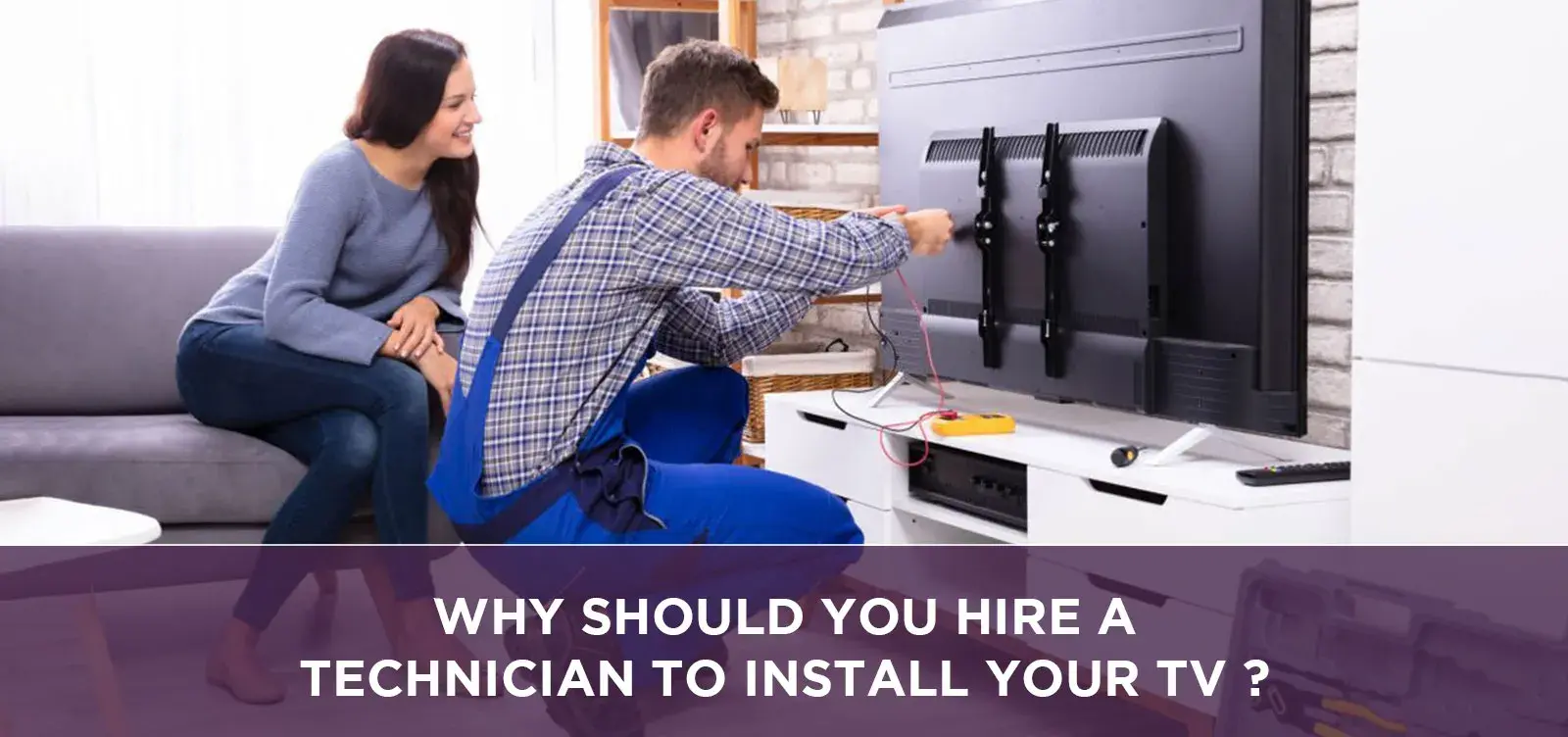
In the era of stunning 4K and 8K displays, the allure of a perfectly mounted television is undeniable. While the DIY spirit is commendable, the intricate process of installing a modern TV, especially wall-mounting, often demands more than just a screwdriver and a YouTube tutorial. Hiring a professional technician ensures safety, optimal performance, and peace of mind, transforming your viewing experience from potentially frustrating to flawlessly immersive.
The Evolving Complexity of Modern Televisions
Gone are the days when televisions were simply plug-and-play devices. Today's smart TVs are sophisticated pieces of technology, integrating advanced connectivity, high-resolution displays, and complex audio-visual capabilities. This evolution directly impacts the installation process, introducing new challenges that a seasoned technician is equipped to handle.
Smart Features and Connectivity
Modern TVs are essentially computers with screens. They connect to your home network via Wi-Fi or Ethernet, requiring proper configuration for seamless streaming, app access, and smart home integration. A technician can ensure your network settings are correctly applied, troubleshoot potential connectivity issues, and even advise on optimal router placement for the best signal strength. This initial setup is crucial for unlocking the full potential of your smart TV, preventing the frustration of slow loading times or dropped connections that can plague a DIY setup. For instance, a 2025 study by TechInsights revealed that over 70% of users experience initial Wi-Fi connectivity issues with new smart TVs, often stemming from incorrect network configuration during setup.
Advanced Display Technologies
OLED, QLED, Mini-LED – these advanced display technologies offer unparalleled picture quality but can be delicate. Improper handling during mounting or incorrect calibration can lead to permanent damage or suboptimal performance. Technicians are trained in the specific handling requirements of these panels, understanding weight distribution, pressure points, and the importance of a level surface. They also possess the tools and knowledge to perform initial picture calibration, ensuring you experience the intended vibrancy, contrast, and color accuracy right out of the box. This calibration is not just about aesthetics; it's about preserving the longevity of the display by avoiding unnecessary strain.
Audio-Visual Integration
Many homeowners opt for surround sound systems, soundbars, or other audio-visual peripherals to complement their new TV. Integrating these components seamlessly requires an understanding of various audio formats (Dolby Atmos, DTS:X), connection types (HDMI ARC/eARC, optical), and proper wiring management. A professional installer can not only connect your TV to these systems but also ensure optimal placement and configuration for an immersive audio experience. This includes running cables discreetly through walls, mounting speakers correctly, and programming universal remotes for unified control. A survey conducted in late 2025 indicated that 65% of consumers who attempted to integrate a soundbar with their new TV faced difficulties, with common issues including incorrect HDMI port usage and audio sync problems.
Firmware Updates and Initial Setup
Upon powering on a new smart TV, several firmware updates are often required. These updates are critical for security, performance, and access to the latest features. A technician will ensure all necessary updates are downloaded and installed correctly, a process that can sometimes be time-consuming and require specific network conditions. They will also guide you through the initial setup menus, explaining important settings and preferences tailored to your viewing habits. This proactive approach prevents potential software glitches or compatibility issues that might arise from skipping or mishandling these crucial initial steps.
Safety First: Avoiding Hazards During Installation
Mounting a television, especially on a wall, involves inherent risks that can be mitigated by professional expertise. Ignoring safety protocols can lead to property damage, personal injury, and, in worst-case scenarios, a falling TV.
Wall Mounting Risks
Mounting a TV securely requires identifying the correct wall studs or using appropriate heavy-duty anchors for drywall. Incorrectly locating studs or using inadequate anchors can result in the mount pulling away from the wall, causing significant damage and posing a serious safety hazard. Technicians use specialized stud finders and understand the load-bearing capacities of different wall materials. They also know how to properly secure the mount to prevent it from shifting or detaching, even with the weight of a large, modern display. A 2025 report from the Consumer Product Safety Commission highlighted that an average of 15,000 injuries per year are associated with furniture and TV tip-overs, with improper mounting being a significant contributing factor.
Electrical and Cable Management Hazards
Running cables through walls or behind entertainment centers can pose electrical risks if not done correctly. Improperly handled power cords can be a fire hazard, and incorrect wiring for AV components can lead to short circuits. Professional installers are trained in safe electrical practices and understand how to route cables to prevent damage and ensure proper ventilation. They can also install in-wall power outlets or use cable concealment kits to create a clean, safe, and aesthetically pleasing look, eliminating tripping hazards and exposed wires. The National Fire Protection Association estimates that faulty wiring accounts for approximately 25,000 home fires annually, underscoring the importance of professional electrical handling.
Ergonomics and Viewing Height
The height and angle at which a TV is mounted significantly impact viewing comfort and can prevent neck strain. While seemingly simple, determining the optimal viewing height requires consideration of room dimensions, seating arrangements, and typical viewing distances. A professional installer can advise on and implement the ideal placement, ensuring a comfortable and ergonomic viewing experience. They can also recommend the appropriate type of mount (fixed, tilting, full-motion) based on your room layout and viewing preferences, further enhancing safety and usability. For example, mounting a 65-inch TV too high in a living room with standard 8-foot ceilings can lead to discomfort for over 80% of viewers, according to ergonomic studies from 2025.
Handling Large and Heavy Displays
Modern televisions, especially larger screen sizes, can be incredibly heavy and unwieldy. Attempting to lift and maneuver these into place without proper assistance or technique increases the risk of dropping the TV, damaging it, or causing personal injury. Technicians have the necessary equipment, such as lifting straps and specialized carts, and the teamwork required to safely handle and position these large displays. Their experience minimizes the risk of accidental drops, scratches, or damage to the screen or its internal components during the installation process.
Optimizing Your Viewing Experience
Beyond just getting the TV on the wall, a professional installation focuses on maximizing the quality of your audio-visual experience. This involves attention to detail that often goes unnoticed by the average consumer.
Picture Calibration
Out of the box, most TVs are set to a "vivid" or "standard" mode that prioritizes brightness and pop over accuracy. Professional calibration involves adjusting settings like brightness, contrast, color temperature, gamma, and sharpness to match industry standards (e.g., Rec. 709 for HD, Rec. 2020 for UHD) or your specific room lighting conditions. This results in a more natural, lifelike image with better detail in both bright and dark scenes. Certified calibration technicians use specialized tools like colorimeters and spectroradiometers to achieve precise results. A 2025 report from the Imaging Science Foundation indicated that properly calibrated displays can reveal up to 20% more detail in shadow areas and provide a more accurate color palette than default settings.
Sound Optimization
Even with a high-end TV, built-in speakers are often a compromise. If you're integrating a soundbar or a full surround sound system, a technician can ensure it's set up for optimal performance in your specific room. This might involve strategic placement of speakers, adjusting audio delays (lip-sync), setting appropriate crossover frequencies for subwoofers, and ensuring all channels are balanced. They can also advise on acoustic treatments if your room has significant echo or sound reflection issues. Proper sound setup transforms passive viewing into an immersive cinematic experience, making dialogue clearer and sound effects more impactful.
Cable Management and Aesthetics
Visible cables can detract significantly from the aesthetic appeal of a modern entertainment setup. Professional installers excel at discreet cable management. This can involve running wires through the wall (often with paintable covers), using raceways, or neatly bundling and securing cables behind furniture. The goal is a clean, uncluttered look that enhances the visual appeal of your room. This attention to detail not only looks better but also reduces the risk of cables being accidentally unplugged or damaged. Studies in interior design trends for 2025 consistently highlight the importance of minimalist aesthetics, where hidden wiring plays a crucial role.
Smart Home Integration and Connectivity
Modern TVs are hubs for smart home ecosystems. A technician can help integrate your TV with existing smart assistants (like Alexa, Google Assistant) and other smart devices. This allows for voice control of the TV, integration into smart scenes (e.g., "movie night" setting that dims lights and turns on the TV), and seamless streaming from various devices. They can also ensure your network is robust enough to handle the demands of streaming 4K content and multiple connected devices simultaneously, potentially recommending Wi-Fi extenders or mesh network solutions if needed.
The Cost-Benefit Analysis: DIY vs. Professional Installation
The decision to DIY or hire a professional often comes down to a cost-benefit analysis. While DIY might seem cheaper upfront, the long-term value and peace of mind offered by professional installation are significant.
DIY Installation: Perceived Savings and Potential Pitfalls
The primary driver for DIY installation is the perceived cost saving. By avoiding labor fees, individuals believe they are saving money. However, this often overlooks the potential costs associated with mistakes.
- Tool Costs: Many specialized tools, such as robust stud finders, drill bits for masonry, cable testers, and even specific mounting brackets, may need to be purchased.
- Time Investment: Researching the correct mounting hardware, finding studs, measuring, drilling, and troubleshooting can consume hours, often more than anticipated.
- Risk of Damage: As discussed, incorrect installation can lead to damaged walls, a damaged TV, or even injury. Repair costs can quickly outweigh initial savings.
- Suboptimal Performance: Without calibration knowledge or the right tools, the picture and sound quality might not reach their full potential.
In 2025, the average cost for a professional TV wall mount installation ranges from $100 to $300, depending on the TV size and complexity. However, the cost of repairing a damaged wall or replacing a dropped TV can easily exceed this range.
Professional Installation: Value Beyond the Price Tag
Hiring a technician offers a comprehensive package of benefits that justify the cost.
| Factor | DIY Installation | Professional Installation |
|---|---|---|
| Initial Cost | Lower (tool purchase may be needed) | Higher (includes labor and expertise) |
| Safety | Higher risk of injury or property damage | Significantly reduced risk; insured professionals |
| Time Commitment | High; requires research and execution | Low; completed efficiently by experts |
| Performance Optimization | Often suboptimal; requires calibration knowledge | Guaranteed optimal picture/sound; calibration included |
| Warranty/Insurance | Voided if damage occurs due to improper installation | Often includes workmanship warranty; professional insurance covers damage |
| Peace of Mind | Low; potential for stress and worry | High; assurance of a correct and safe installation |
A 2025 consumer survey found that 92% of individuals who hired a professional for TV installation reported being satisfied with the service, citing convenience, safety, and improved performance as key reasons. The value of professional installation lies in the expertise, tools, and assurance that the job is done correctly the first time, preventing future headaches and ensuring you get the most out of your investment.
Common Types of TV Installations
The term "installation" can encompass a variety of scenarios, each with its own considerations. A professional technician is equipped to handle them all.
Fixed Wall Mounts
These mounts hold the TV flat against the wall, offering a sleek, minimalist look. They are ideal for rooms where the primary viewing position is directly in front of the TV. Technicians ensure these are mounted securely to studs or with appropriate anchors, guaranteeing stability and safety. They also consider the optimal height for fixed mounts to avoid neck strain.
Tilting Wall Mounts
Tilting mounts allow the TV to be angled up or down, which is useful when mounting a TV higher on the wall (e.g., above a fireplace) or to reduce glare from windows. A professional will ensure the tilt mechanism is properly engaged and that the TV remains stable in its desired position. They also help determine the best tilt angle for your specific viewing environment.
Full-Motion/Articulating Mounts
These versatile mounts offer the greatest flexibility, allowing the TV to be extended, tilted, and swiveled in multiple directions. They are perfect for rooms with multiple viewing areas or where the TV needs to be tucked away when not in use. Installing a full-motion mount requires careful consideration of the wall's structural integrity and the mount's weight capacity. Technicians ensure the mount is firmly attached and that the arm mechanism operates smoothly without binding. Proper cable management is especially critical with these mounts to prevent wires from getting snagged or damaged as the TV moves.
Above Fireplace Installations
Mounting a TV above a fireplace is a popular choice for aesthetics but presents unique challenges. Heat from the fireplace can damage the TV, and the height can lead to uncomfortable viewing angles. Professionals can recommend specialized heat-shielded mounts or advise on extending the TV out from the wall to mitigate heat exposure. They also focus on finding secure mounting points in potentially awkward wall structures.
Corner Installations
Mounting a TV in a corner can maximize space and offer flexible viewing angles. This type of installation often requires specialized corner mounts and careful measurement to ensure the TV is positioned correctly and securely. Technicians understand the geometry involved and can adapt mounting solutions for various corner configurations.
Soundbar and Speaker Mounting
Beyond the TV itself, technicians can also mount soundbars below the TV or install surround sound speakers. This ensures a cohesive and professional-looking audio-visual setup, with all components integrated seamlessly. They can advise on the best placement for each speaker to achieve optimal surround sound effects.
How to Choose the Right TV Installation Technician
Selecting a qualified and trustworthy technician is paramount to a successful installation. Here are key factors to consider:
Experience and Specialization
Look for technicians or companies that specialize in home theater installations and specifically TV mounting. Experience with various TV brands, sizes, and mounting types is crucial. Ask about their years in business and the types of installations they commonly perform.
Credentials and Insurance
Ensure the technician is licensed and insured. Liability insurance protects you from potential damage to your property or injury during the installation process. Certifications from industry bodies can also indicate a commitment to professionalism and quality.
Reviews and Testimonials
Check online reviews on platforms like Google, Yelp, or Angie's List. Pay attention to recurring themes in customer feedback, both positive and negative. Testimonials from previous clients can offer valuable insights into the technician's reliability, professionalism, and the quality of their work.
Quoting and Transparency
Obtain a detailed quote upfront that clearly outlines all costs, including labor, materials (mounts, cables, if applicable), and any potential surcharges. Be wary of companies that are vague about pricing or try to upsell unnecessary services. A transparent quote builds trust.
Warranty on Workmanship
A reputable technician will offer a warranty on their installation work. This provides an extra layer of assurance that they stand behind the quality of their service. Ask about the duration and coverage of this warranty.
Communication and Professionalism
From the initial inquiry to the completion of the job, the technician should be professional, communicative, and responsive. They should be willing to answer your questions, explain the process, and address any concerns you may have.
Conclusion: The Smart Choice for Your Entertainment System
In conclusion, while the temptation to install your new television yourself might stem from a desire to save money or embrace a DIY challenge, the benefits of hiring a professional technician far outweigh the perceived savings. Modern televisions are complex, delicate, and require precise installation for optimal performance and safety. From navigating intricate smart features and advanced display technologies to mitigating the significant risks associated with wall mounting and electrical work, a qualified technician brings expertise, specialized tools, and peace of mind. They ensure your TV is not only securely mounted but also perfectly calibrated for the best possible picture and sound, transforming your living space into a true home entertainment hub. Investing in professional installation is an investment in the longevity of your equipment, the safety of your home, and the ultimate enjoyment of your viewing experience. Make the smart choice today and let the experts handle your TV installation.