-
Posted on: 07 Jan 2026
-
Navigating the world of satellite dishes can seem daunting, but with the right approach, you can secure a reliable connection for your home entertainment and communication needs. This guide offers five essential tips to help you buy the perfect satellite dish, ensuring you make an informed decision that aligns with your budget and requirements.
Tip 1: Understand Your Needs: What Do You Want to Watch and Where?
Before you even begin looking at specific satellite dishes or providers, the most crucial first step is to thoroughly assess your own needs. This foundational understanding will guide every subsequent decision, preventing you from overspending on features you don't require or, conversely, ending up with a system that doesn't meet your expectations. Think of this as building a blueprint before you start construction; without it, you're likely to encounter problems down the line.
Identifying Your Viewing Habits
The primary driver for most people seeking a satellite dish is television viewing. However, "television viewing" is a broad term. Are you a casual viewer who enjoys a few popular channels, or are you a cinephile who craves a vast library of movies and documentaries? Do you follow specific sports leagues that require specialized channels? Are you interested in international programming? Your answers to these questions will dictate the type and breadth of channels you'll need access to.
Channels and Content Categories
In 2025-26, the landscape of available content continues to diversify. Satellite providers offer a range of packages, from basic local channels to premium movie networks, sports packages, and international programming. Consider the following categories:
- Local Channels: Essential for news, weather, and general programming. Most satellite packages include these, but verify their availability in your area.
- Entertainment Channels: This includes a wide array of general entertainment, drama, comedy, and reality TV channels. Think networks like HBO, Showtime, AMC, and FX.
- Sports Channels: For sports enthusiasts, this is paramount. Packages often include ESPN, NFL Network, NBA TV, MLB Network, and regional sports networks. Some niche sports might require add-on packages.
- Movie Channels: Dedicated movie channels like Turner Classic Movies (TCM), Starz, and Encore are popular. Premium movie networks like HBO and Showtime also offer extensive film libraries.
- Documentary Channels: Networks such as National Geographic, Discovery Channel, and History Channel cater to those interested in learning and exploration.
- Children's Programming: Channels like Disney Channel, Nickelodeon, and Cartoon Network are vital for families.
- News Channels: Beyond local news, consider national and international news outlets like CNN, Fox News, MSNBC, and BBC World News.
- International Channels: If you have specific cultural or linguistic interests, many providers offer packages with channels from various countries and regions.
By listing the specific channels or types of content you absolutely cannot live without, you can begin to narrow down which providers and packages are most suitable. For instance, if you're a die-hard football fan, a package with the NFL Network and extensive sports channels will be a priority, potentially influencing your choice of provider more than a vast movie selection.
Assessing Your Location and Signal Strength
The physical location of your home plays a significant role in satellite reception. Satellite dishes require a clear, unobstructed view of the southern sky (in the Northern Hemisphere) to receive signals from orbiting satellites. This means you need to consider:
- Obstructions: Tall trees, adjacent buildings, hills, or even overhangs on your own house can block the signal. Scout your property for the best possible location for the dish.
- Climate: While satellite dishes are designed to withstand various weather conditions, extremely heavy rain, snow, or ice can temporarily disrupt signals. Areas prone to severe weather might benefit from a slightly larger dish or a provider known for robust signal technology.
- Geographic Constraints: Some rural or remote areas might have limited provider options due to infrastructure challenges or satellite coverage limitations.
In 2025-26, advancements in satellite technology have improved signal resilience, but a clear line of sight remains paramount. Some providers offer online tools where you can input your address to check for signal availability and potential obstructions. This is a critical step often overlooked by first-time buyers.
Determining Your Internet Needs (If Applicable)
While this guide primarily focuses on satellite television dishes, it's important to acknowledge the growing convergence of satellite TV and internet services. Many households now rely on satellite internet for their broadband needs, especially in areas where traditional cable or DSL is unavailable. If you're considering a bundled service, or if you anticipate needing satellite internet in the future, factor this into your decision-making process. Satellite internet speeds and data caps vary significantly between providers, and understanding these differences is crucial for a seamless online experience. For example, services like Starlink have revolutionized satellite internet, offering much higher speeds and lower latency than traditional geostationary satellite internet. However, traditional satellite TV providers also offer their own internet solutions, which may be more cost-effective if you're already subscribing to their TV service.
By thoroughly understanding your viewing habits, your home's location, and any potential internet requirements, you lay a solid foundation for making an informed decision about purchasing a satellite dish. This self-assessment phase is the most critical for ensuring long-term satisfaction.
Tip 2: Researching Dish Types and Sizes: Finding the Right Fit
Once you've clarified your needs, the next logical step is to delve into the technical aspects of satellite dishes themselves. The type and size of the dish directly impact signal reception quality, the number of channels you can access, and the overall performance of your satellite system. In 2025-26, while the fundamental principles remain, there are nuances in technology and available options that are worth exploring.
Understanding Dish Materials and Construction
Satellite dishes are primarily constructed from two types of materials::
- Mesh Dishes: These dishes have a perforated surface, resembling a fine net. The perforations allow wind to pass through, reducing the risk of the dish being blown off its mount during high winds. They are generally lighter and can be more cost-effective. However, the perforations can sometimes lead to a slight degradation in signal quality compared to solid dishes, especially in very adverse weather.
- Solid Dishes: Made from a solid piece of metal (often aluminum or steel), these dishes offer superior signal reflection and are generally more durable. They are less susceptible to signal interference from wind. However, they are heavier and can act like a sail, making them more vulnerable to strong gusts if not securely mounted.
For most residential users in 2025-26, the choice between mesh and solid often comes down to local wind conditions and budget. If you live in an area with frequent high winds, a well-mounted mesh dish might be a safer bet. For areas with more moderate weather, a solid dish might offer slightly better performance.
The Importance of Dish Size (Diameter)
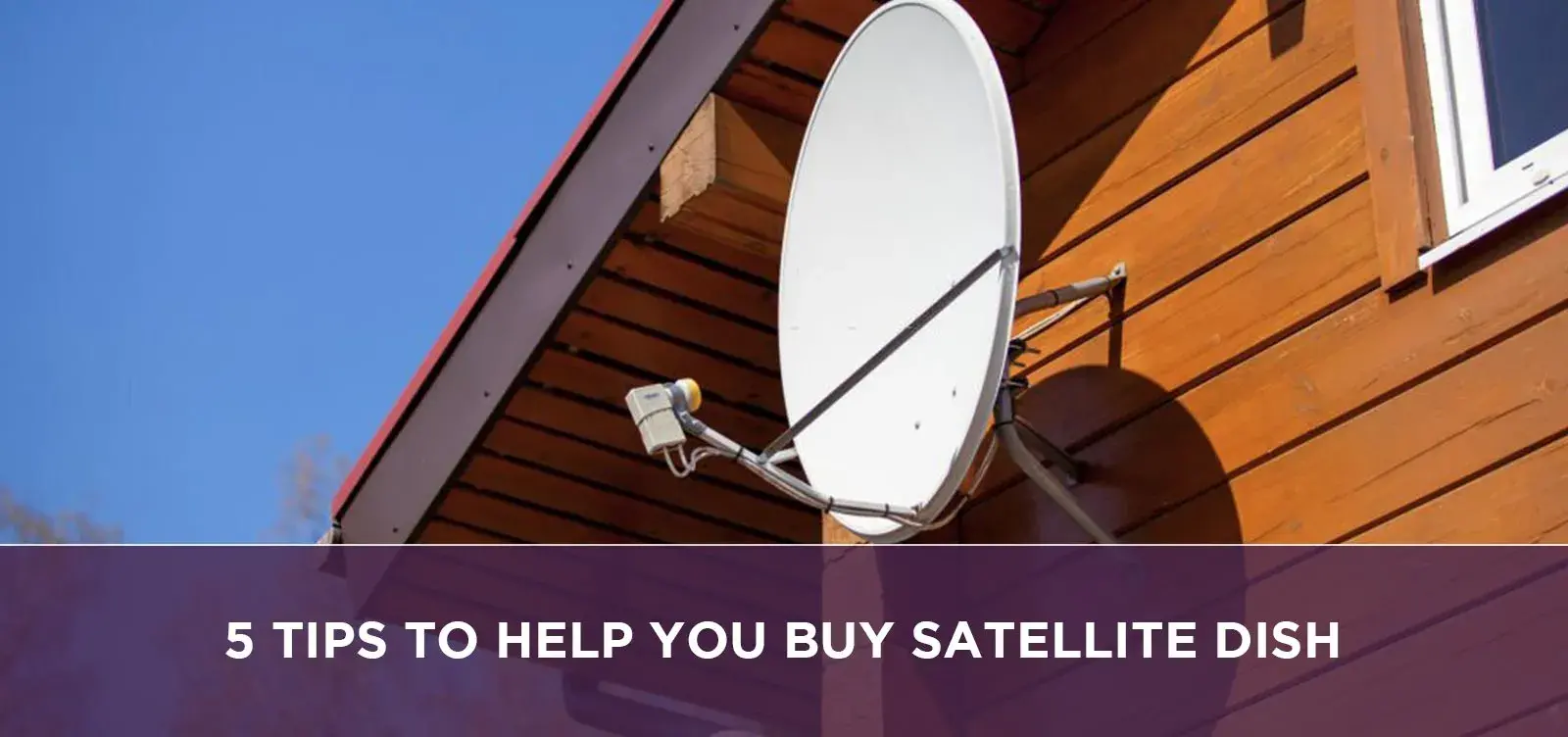
The diameter of the satellite dish is arguably the most critical factor influencing its signal reception capability. A larger dish has a greater surface area to collect and focus satellite signals onto the LNB (Low-Noise Block downconverter), the component at the focal point of the dish that receives the signal.
Dish Size and Signal Strength
In general, a larger dish will provide a stronger signal. This is particularly important in several scenarios:
- Areas with Weaker Satellite Footprints: Satellites broadcast their signals over specific geographic areas, known as footprints. The signal strength within a footprint can vary. If you are at the edge of a satellite's footprint, a larger dish is necessary to capture a sufficient signal.
- Dealing with Adverse Weather: During heavy rain or snow, the signal can be attenuated (weakened) as it passes through the atmosphere. A larger dish can compensate for this signal loss, helping to maintain a stable connection.
- Accessing More Satellites: Some advanced satellite systems, particularly those used for receiving signals from multiple satellites simultaneously (multi-satellite dishes or "dish farms"), may require larger dishes to align with the precise orbital positions of each satellite.
Common Dish Sizes and Their Applications (2025-26):
Satellite dish sizes are typically measured in diameter, ranging from around 18 inches to over 30 inches for residential use. Here's a general guide:
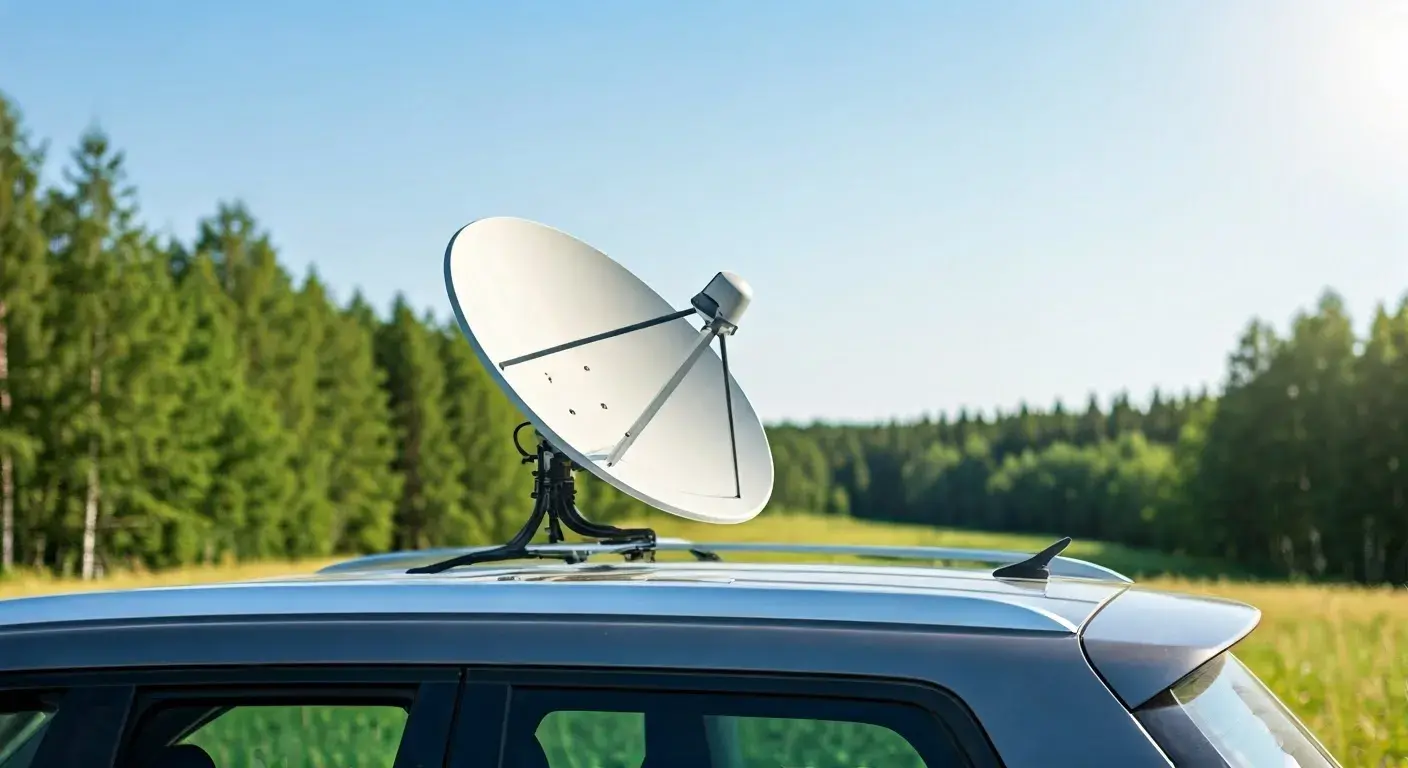
Dish Diameter (Approx.) Typical Use Cases Notes 18-20 inches Basic local channels, areas with very strong satellite signals. Often used for RVs or temporary setups. May struggle with weaker signals or bad weather. 24 inches Standard for most residential satellite TV packages, good balance of performance and size. Adequate for most regions and common weather conditions. 30+ inches Areas with weaker satellite footprints, regions prone to severe weather, multi-satellite reception. Requires more robust mounting and can be more visually intrusive. It's important to note that the "size" can also refer to the focal length and curvature of the dish, which affects how well it concentrates the signal. However, for the average consumer, diameter is the primary metric to consider.
Understanding the LNB (Low-Noise Block Downconverter)
The LNB is a crucial component mounted on the arm of the satellite dish. Its job is to amplify the weak satellite signals received by the dish and convert them to a lower frequency range that can be transmitted down the coaxial cable to your receiver. Different types of LNBs exist:
- Single LNB: Outputs a signal to one receiver.
- Dual LNB: Outputs signals to two receivers simultaneously, allowing two different channels to be watched or recorded at the same time.
- Quad LNB: Outputs signals to four receivers.
- Octo LNB: Outputs signals to eight receivers.
The type of LNB you need depends on how many TVs you plan to connect and whether you intend to use features like multi-room viewing or simultaneous recording. In 2025-26, dual and quad LNBs are very common for households with multiple televisions.
Advanced Dish Technologies (2025-26)
While most residential users will opt for standard parabolic dishes, it's worth noting some advancements:
- Flat Panel Antennas: These are becoming more prevalent, especially for satellite internet and in situations where a traditional dish is aesthetically undesirable or impractical. They are compact and can be integrated more discreetly. However, their signal reception capabilities might not always match that of a larger parabolic dish for TV broadcasting.
- Motorized Dishes: These are less common for residential TV but are used in RVs or for professional applications. They can automatically track satellites as they move across the sky, allowing access to a wider range of channels or services.
When researching, pay attention to the specifications provided by manufacturers and providers. Understanding the interplay between dish size, material, and LNB type will empower you to select a system that offers optimal performance for your specific location and viewing needs in 2025-26.
Tip 3: Evaluating Satellite Providers and Packages: Beyond the Dish Itself
The satellite dish is merely the hardware; the real value lies in the services and content provided by the satellite provider. Choosing the right provider and package is paramount to ensuring you get the channels you want at a price you can afford, with reliable service. In 2025-26, the competitive landscape continues to evolve, with providers offering increasingly sophisticated packages and bundling options.
Identifying Major Satellite TV Providers
In most regions, a few dominant satellite TV providers cater to the majority of the market. It's essential to research the providers available in your specific geographic area. The primary players often include:
- DirecTV (in North America): Known for its extensive sports packages, premium movie channels, and high-definition content.
- Dish Network (in North America): Often competitive on price, offering a variety of packages and flexibility.
- Sky (in Europe): A major provider across the UK and other European countries, offering a wide range of entertainment, sports, and premium channels.
- Other Regional Providers: Depending on your country, there will be other national or regional satellite providers.
Your first step should be to visit the websites of these providers and enter your address to confirm service availability. Don't assume that a provider operating nationally is available in your specific town or rural area.
Deconstructing Channel Packages
Satellite providers structure their offerings into various packages, often tiered by price and content. Understanding these tiers is crucial:
Common Package Tiers and Features (2025-26):
Package Tier Typical Content Target Audience Potential Cost Range (Monthly) Basic/Starter Local channels, a few general entertainment channels, basic news. Budget-conscious viewers, those needing only essential channels. $30 - $50 Standard/Popular Includes everything in Basic, plus a wider selection of entertainment, sports, and movie channels. Most families, general viewers wanting a good variety. $60 - $90 Premium/Ultimate All Standard channels, plus premium movie networks (HBO, Showtime, Cinemax), extensive sports packages, international channels, and HD channels. Movie buffs, sports fanatics, those seeking comprehensive entertainment. $100+ Specialty Packages Niche content like international channels, specific sports leagues (e.g., NFL Sunday Ticket), or language-specific programming. Viewers with specific interests not covered in general packages. Varies widely based on content. When evaluating packages, always check the *exact* channel lineup. Providers may use similar names for packages but offer different channels. Look for:
- Must-Have Channels: Does the package include all the specific channels you identified in Tip 1?
- HD Availability: Ensure that your desired channels are available in High Definition (HD). Most providers offer HD as standard in their mid-to-upper tier packages, but it's worth confirming.
- Sports and Movie Add-ons: If your preferred sports or movie channels aren't in the base package, what are the costs for add-ons? Sometimes, a higher-tier package becomes more cost-effective than adding multiple small packages.
Bundling Services: TV, Internet, and Phone
Many satellite providers offer bundled packages that combine satellite TV with satellite internet and sometimes landline phone service. Bundling can often lead to significant cost savings compared to subscribing to each service individually.
Pros and Cons of Bundling (2025-26):
- Pros:
- Cost Savings: Often the most significant advantage.
- Simplified Billing: One bill for multiple services.
- Convenience: Dealing with a single provider for support.
- Cons:
- Provider Lock-in: You may be tied to a single provider for all your essential services.
- Internet Limitations: If you're in an area with poor satellite internet coverage or if the provider's internet speeds are insufficient, bundling might not be ideal.
- Less Flexibility: If you're happy with your current internet provider, bundling might force you to switch.
If satellite internet is your only viable option, bundling with your satellite TV provider is often the most sensible route. However, if you have access to competitive cable or fiber internet, compare the bundled price against your current separate services before committing.
Understanding Contracts and Promotions
Satellite providers often entice new customers with attractive introductory offers, discounts, and free equipment. However, these promotions are almost always tied to a long-term contract, typically 12, 18, or 24 months.
Key Contractual Considerations:
- Contract Length: Be aware of how long you are committing to. Early termination fees can be substantial.
- Promotional Period: Understand when the promotional pricing ends and what the regular monthly rate will be afterward. Many customers are surprised by the price increase after the first year.
- Equipment Leases/Purchases: Clarify whether the receiver and other equipment are leased or purchased. Leased equipment usually means a monthly fee and must be returned if you cancel service. Purchased equipment is yours to keep but offers no upgrade path without further cost.
- Hidden Fees: Inquire about activation fees, installation fees, regional sports fees, broadcast TV fees, and any other potential surcharges that can add to your monthly bill.
In 2025-26, consumers are increasingly wary of long-term contracts. Some providers may offer no-contract options, but these often come with higher upfront costs or monthly rates. Always read the fine print carefully.
Customer Service and Reliability
While less tangible than channel lineups or pricing, customer service and overall system reliability are critical. Research online reviews, consumer reports, and ask friends or neighbors about their experiences with different providers in your area. Issues can range from billing disputes to technical problems, and how a provider handles these situations can significantly impact your satisfaction.
By thoroughly evaluating providers, understanding their package structures, considering bundling options, and scrutinizing contract terms, you can make an informed choice that ensures you get the best value and the content you desire.
Tip 4: Considering Installation and Maintenance: The Long-Term Picture
Purchasing a satellite dish isn't just about the hardware and the service; it also involves the process of installation and the ongoing need for maintenance. These factors can significantly impact your overall experience and long-term costs. In 2025-26, professional installation is still the norm for most residential satellite TV setups, but understanding the process and potential pitfalls is crucial.
Professional Installation vs. DIY
For most satellite TV systems, professional installation is highly recommended, and often required by the provider to activate service. Here's why:
Why Professional Installation is Crucial:
- Optimal Dish Alignment: This is the most critical aspect. The dish must be precisely aimed at the satellite's orbital position. Even a slight misalignment can result in a weak or non-existent signal. Professionals use specialized equipment to achieve the perfect alignment.
- Secure Mounting: The dish must be securely mounted to a stable structure (roof, wall, or pole) to withstand wind and weather. Improper mounting can lead to the dish falling, damaging your property, or losing signal.
- Proper Wiring: Coaxial cables need to be run correctly from the dish to the receiver, often through walls or attics. Professionals ensure these connections are weatherproof and signal-loss is minimized.
- System Activation: Providers often require their certified technicians to activate the system, ensuring it's properly registered and functioning with their network.
DIY Considerations (Generally Not Recommended for TV):
While some technically proficient individuals might attempt a DIY installation, it's generally not advisable for satellite TV. The precision required for dish alignment is very high. For satellite internet (like Starlink), DIY installation is often the primary method, but the setup is typically simpler and designed for user-friendliness. If you are considering DIY for satellite TV, be prepared for:
- Significant Research: You'll need to understand satellite aiming procedures, signal meters, and mounting techniques.
- Specialized Tools: A signal meter is essential, which can be expensive.
- Potential for Repeated Adjustments: It's common to spend hours fine-tuning the dish alignment.
- Voiding Warranties: Some providers may void equipment warranties if installation is not performed by their technicians.
In 2025-26, the complexity of satellite alignment and the need for specialized tools still make professional installation the most practical and reliable option for satellite television.
Installation Costs and What to Expect
Installation costs can vary significantly depending on the provider, your location, and any promotional offers. Here's what to generally expect:
- Included in Promotions: Many providers offer "free installation" as part of a new customer promotion. However, this often covers standard installation only.
- Standard Installation: This typically includes mounting the dish on a single-story roof or wall, running a specified length of cable, and connecting one receiver.
- Additional Charges: Be prepared for extra charges if you have a multi-story home, need extensive cable runs, require specialized mounts (e.g., for chimneys or balconies), or need multiple receivers connected.
- Complex Installations: If your property has unusual mounting requirements or significant obstructions that necessitate a more complex setup (like a taller mast), expect higher fees.
Always get a clear breakdown of potential additional charges *before* the installation begins. Don't hesitate to ask the technician to explain any charges you don't understand.
Ongoing Maintenance and Troubleshooting
Once installed, satellite systems generally require minimal ongoing maintenance, but occasional issues can arise.
Common Maintenance Tasks and Issues:
- Weather-Related Issues:
- Signal Degradation: Heavy rain, snow, or ice can temporarily block or weaken the signal. This is usually a temporary issue that resolves once the weather clears. A larger dish or a more robust LNB can help mitigate this.
- Dish Movement: Extreme winds can sometimes cause the dish to shift slightly, affecting alignment. If you notice persistent signal problems after high winds, a technician may need to re-align the dish.
- Physical Damage: The dish or LNB can be damaged by falling branches, hail, or vandalism.
- Cable Issues: Coaxial cables can degrade over time, especially if exposed to the elements. Look for cracks or damage to the insulation.
- Receiver/Set-Top Box: Like any electronic device, receivers can occasionally malfunction. They may need to be reset, or in some cases, replaced.
Troubleshooting Tips:
Before calling for service, try these basic troubleshooting steps:
- Check for Obstructions: Ensure nothing has fallen in front of the dish.
- Restart Your Receiver: Unplug the receiver from the power outlet for 30 seconds, then plug it back in.
- Check Connections: Ensure all coaxial cables are securely connected to the dish, the receiver, and any splitters.
- Consult Provider's Online Resources: Most providers have extensive online FAQs and troubleshooting guides.
Warranty and Service Plans
Understand the warranty provided for the equipment and installation. Many providers offer a limited warranty on both. Some may also offer optional "protection plans" or "service plans" that cover future service calls, equipment malfunctions, or accidental damage for a monthly fee.
Evaluate whether a service plan is worthwhile based on your risk tolerance and the provider's typical service call fees. If you have a history of frequent issues with electronics or live in an area prone to severe weather, a service plan might offer peace of mind and cost savings.
Considering the installation process and potential maintenance needs upfront will help you avoid surprises and ensure a smooth, long-term satellite TV experience. It's an investment in reliable entertainment.
Tip 5: Budgeting and Comparing Costs: Making the Smart Financial Choice
The final, and often most influential, tip in buying a satellite dish is to approach the process with a clear budget and a commitment to comparing costs across different providers and packages. This involves looking beyond the advertised monthly price and understanding the total cost of ownership. In 2025-26, with evolving pricing structures and promotional offers, diligent comparison is more critical than ever.
Understanding the Total Cost of Ownership
The monthly subscription fee is just one part of the equation. To make a truly informed financial decision, you need to consider all associated costs:
- Monthly Subscription Fees: This is the recurring cost for the channel package.
- Equipment Costs: Are receivers, dishes, and installation kits leased or purchased? Leased equipment incurs monthly fees, while purchased equipment is a one-time upfront cost.
- Installation Fees: As discussed in Tip 4, standard installation might be free with promotions, but additional charges can apply.
- Activation Fees: Some providers charge a one-time fee to activate your service.
- Taxes and Surcharges: These can add a significant percentage to your monthly bill. Common surcharges include broadcast TV fees, regional sports fees, and various regulatory fees.
- Premium Channel/Sports Package Add-ons: If you opt for additional content beyond your base package, factor in these extra monthly costs.
- Internet and Phone Bundling Costs: If you bundle services, ensure you understand the total cost and compare it to standalone services.
- Early Termination Fees (ETFs): If you sign a contract, the ETF for breaking it early can be substantial.
By calculating the total cost over the contract period (e.g., 12 or 24 months), you get a more accurate picture of the financial commitment.
Comparing Provider Pricing Structures
Providers often use different strategies to present their pricing:
- Introductory Offers: These are attractive low prices for the first 3-12 months, after which the price increases significantly. Always find out the "regular" price after the promotion ends.
- Bundled Discounts: As mentioned, bundling TV, internet, and phone can offer savings, but ensure the bundled price is truly better than individual services from different providers.
- Tiered Pricing: Packages are priced based on the number and type of channels included. Higher tiers with more premium content naturally cost more.
Create a spreadsheet to compare providers side-by-side. List each provider, their available packages, the monthly cost (both promotional and regular), equipment fees, installation fees, and estimated taxes/surcharges. This structured approach helps prevent you from being swayed by misleading advertised prices.
Negotiating and Seeking Discounts
Don't be afraid to negotiate, especially if you are a new customer or if you are considering switching from a competitor. Providers are often willing to offer discounts or waive certain fees to win your business.
Negotiation Tactics:
- Mention Competitor Offers: Let providers know if a competitor is offering a better deal.
- Ask About Promotions: Inquire about any current or upcoming promotions that might not be advertised.
- Request Fee Waivers: See if installation fees or activation fees can be waived.
- Be Polite but Firm: A respectful approach often yields better results.
In 2025-26, the competitive landscape means there's often room for negotiation, particularly with established providers like DirecTV and Dish Network.
Evaluating Value for Money
Beyond just the lowest price, consider the "value for money." A slightly more expensive package might offer significantly more channels, better HD quality, or superior sports coverage that is worth the extra cost to you.
Ask yourself:
- Does this package provide all the channels I actually watch?
- Is the quality of the service reliable in my area?
- Are there any hidden costs that will make this package more expensive than it appears?
- Does the provider offer good customer service?
For example, a package that costs $80 per month but includes all your essential sports channels and premium movies might offer better value than a $60 package that requires you to purchase expensive add-ons for the same content.
Considering Long-Term Costs vs. Short-Term Savings
It's easy to be drawn in by a low introductory price, but remember that this is often temporary. Always factor in the price increase after the promotional period. If your budget is tight, a slightly more expensive but stable monthly rate might be preferable to a steep price jump after a year.
For instance, a provider offering $50/month for 12 months with a subsequent jump to $100/month should be compared to a provider offering $75/month for the entire contract period. Over 12 months, the first option is cheaper ($900 vs. $900), but the second option offers more predictable budgeting. However, if the first provider's regular rate is $90, then the first option becomes $50*12 + $90*12 = $1560, while the second is $75*12 = $900, making the second option clearly superior in total cost.
By diligently budgeting, comparing all costs, negotiating where possible, and evaluating the true value of each offer, you can ensure that your satellite dish purchase is a financially sound decision that provides entertainment and connectivity without breaking the bank.
Conclusion
Purchasing a satellite dish involves more than just picking the first option you see. By diligently following these five tips – understanding your needs, researching dish types and sizes, evaluating providers and packages, considering installation and maintenance, and carefully budgeting – you equip yourself to make an informed and satisfying decision. Remember, a clear line of sight, the right dish size, a package that matches your viewing habits, a reliable provider, and a transparent cost structure are the pillars of a successful satellite TV setup. In 2025-26, with an ever-evolving media landscape, taking these steps ensures you invest wisely in your home entertainment for years to come.
5 Tips to Help You Buy Satellite Dish
Research, Compare & Choose With Confidence
Last updated: June 25, 2026