-
Posted on: 07 Jan 2026

-
Choosing between cable TV and satellite TV in 2025-26 involves understanding your unique needs, local availability, and desired features. This guide breaks down the pros and cons to help you make an informed decision for your home entertainment.
Introduction: The Evolving Landscape of Home Entertainment
The world of television delivery is constantly shifting, with streaming services dominating headlines. However, traditional providers like cable and satellite TV remain significant players, offering comprehensive packages and reliable service to millions. For consumers in 2025-26, the question isn't just about cutting the cord, but about choosing the *right* cord, or no cord at all. This in-depth comparison will dissect the intricacies of cable TV versus satellite TV, empowering you to make the most informed decision for your home entertainment needs.
Cable TV Explained: The Familiar Standard
Cable television has been a staple in homes for decades, providing a wide array of channels delivered through a network of coaxial cables. It's a system many are familiar with, offering a blend of live programming, on-demand content, and often, bundled internet and phone services.
How Cable TV Works
Cable TV signals are transmitted from a local headend station through underground or overhead coaxial cables directly to subscribers' homes. These cables carry analog and digital signals, with digital transmission becoming the standard for high-definition content and a greater channel capacity. Fiber optic technology is increasingly being integrated into cable networks, enhancing speed and quality.
Pros of Cable TV
- Widespread Availability: In most urban and suburban areas, cable infrastructure is well-established, making it readily accessible.
- Bundling Advantages: Cable providers often offer attractive bundles that combine TV, high-speed internet, and home phone services, potentially leading to cost savings. As of 2025, many providers are leveraging their robust internet infrastructure to offer competitive speeds and data allowances.
- Consistent Performance: Cable signals are generally less susceptible to atmospheric interference than satellite signals, leading to more stable reception, especially during inclement weather.
- Lower Latency for Gaming: For households that rely on cable for internet, the lower latency compared to satellite internet can be a significant advantage for online gaming and real-time applications.
- Local Channel Access: Cable typically offers seamless access to local broadcast channels, often included in basic packages.
Cons of Cable TV
- Installation Requirements: While widely available, installation can sometimes be disruptive, requiring technicians to run cables to your home.
- Limited Channel Choice in Basic Tiers: Basic cable packages might feel limited, and accessing a wide variety of channels often requires subscribing to more expensive tiers.
- Potential for Price Increases: Introductory offers can be attractive, but prices often rise significantly after the promotional period.
- Dependence on Local Infrastructure: If your area has outdated cable infrastructure, you might experience slower internet speeds or less reliable TV service.
Satellite TV Explained: Reaching for the Stars
Satellite television utilizes signals transmitted from satellites orbiting Earth to a dish installed at your home. This technology offers a distinct set of advantages and disadvantages, particularly in terms of reach and content diversity.
How Satellite TV Works
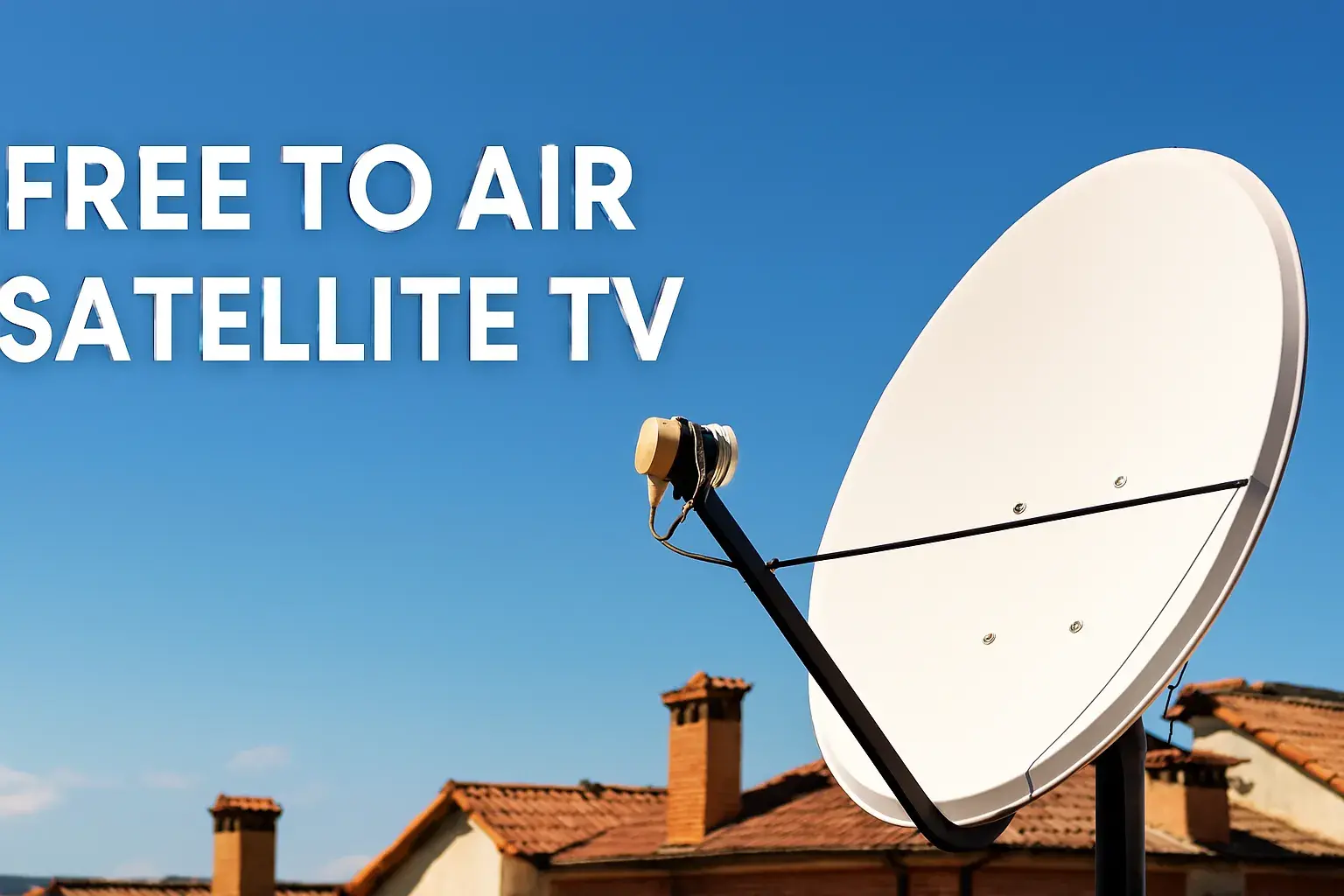
Signals are broadcast from a ground station to a geostationary satellite. This satellite then relays the signal back to Earth, where a satellite dish at the subscriber's residence captures it. The dish focuses the signal onto a receiver (LNB - Low-Noise Block downconverter), which converts it into a format that can be processed by the satellite receiver (set-top box) in your home. This process allows for broad coverage, reaching areas where cable infrastructure is not feasible.
Pros of Satellite TV
- Extensive Channel Selection: Satellite providers often boast the largest channel lineups, including a vast array of specialized sports, international, and niche programming not always available with cable.
- National Reach: Satellite TV is available virtually anywhere with a clear view of the southern sky, making it an excellent option for rural or remote areas where cable is not an option. By 2025, satellite technology has improved to offer more reliable service even in challenging climates.
- High-Definition Content: Satellite providers offer extensive HD channel options, delivering crisp and vibrant images.
- Advanced Features: Many satellite services include advanced DVR capabilities, allowing users to record multiple shows simultaneously and store hours of content.
- Potential for Bundling with Satellite Internet: While often slower than cable internet, satellite internet is a viable option for those in remote locations, and providers may offer bundles.
Cons of Satellite TV
- Weather Interference: Heavy rain, snow, or ice can temporarily disrupt satellite signals, leading to picture freezing or loss of service. While technology has improved, this remains a potential issue.
- Installation Complexity: Satellite dishes require precise alignment and a clear line of sight to the satellite, which can sometimes make installation more complex, especially in areas with obstructions like trees or buildings.
- Longer Contracts: Satellite providers often require longer contract commitments (e.g., 24 months) compared to some cable providers.
- Slower Internet Speeds (if bundled): Satellite internet, while improving, generally offers slower download and upload speeds and higher latency than cable or fiber internet, which can impact streaming and online activities.
- Equipment Costs: While installation might be free, the cost of satellite receivers and DVRs can sometimes be higher than cable equivalents.
Key Comparison Factors: Cable vs. Satellite in 2025-26
To make the best decision, let's break down the critical elements that differentiate cable and satellite TV services. These factors are crucial for evaluating which provider best aligns with your household's specific needs and preferences in the current market.
Channel Selection and Packages
Both cable and satellite providers offer a tiered approach to channel packages, ranging from basic local channels to comprehensive bundles with hundreds of options. However, there are nuances:
- Cable: Typically excels at providing local channels and a solid selection of popular national networks. Advanced sports packages and premium movie channels are readily available. As of 2025, many cable companies are integrating more streaming app access directly into their set-top boxes, offering a hybrid experience.
- Satellite: Often leads in the sheer number of channels offered, particularly in specialized categories like international programming, foreign language channels, and niche sports networks. They also offer extensive premium channel options.
Data Point (2025-26 estimate): The average cable subscriber has access to over 200 channels in mid-tier packages, while satellite subscribers can often find packages exceeding 300 channels. The cost per channel can vary significantly based on the package tier and provider.
Picture and Sound Quality
In 2025, both technologies deliver high-definition content, but there are subtle differences:
- Cable: Generally offers a stable HD signal. The quality is consistent as long as the cable infrastructure is robust. Compression ratios can sometimes affect picture quality on some channels, especially during peak usage times in an area.
- Satellite: Also provides excellent HD quality. However, due to the vast number of channels broadcast from a single satellite, some channels may experience higher compression to fit more content, potentially leading to a slightly less sharp image compared to cable in ideal conditions. Dolby Digital surround sound is standard on most premium channels for both.
Key Consideration: For the most discerning viewers, the difference might be noticeable in side-by-side comparisons, but for the average viewer, both are excellent. The stability of the signal is often a more significant factor than minor compression differences.
Internet Bundling Options
This is a major differentiator, especially as internet speeds and reliability become increasingly critical.
- Cable: Cable companies are also major internet service providers. They can offer high-speed broadband internet, often with unlimited data plans and speeds that rival or exceed fiber optics in many areas. Bundling TV and internet from the same cable provider is a common and often cost-effective strategy. As of 2025, gigabit speeds are becoming more commonplace with cable providers.
- Satellite: Satellite internet is an option for those in areas without cable or fiber. However, it typically comes with lower speeds, higher latency, and data caps, making it less ideal for heavy internet users, extensive streaming, or online gaming. Bundling TV and satellite internet is possible but usually doesn't offer the same performance as cable bundles.
Recommendation: If high-speed, reliable internet is a priority, cable TV is almost always the better choice due to the integrated internet service. If you are in a truly remote area, satellite internet might be your only option, but be prepared for its limitations.
Installation and Equipment
The process of getting service up and running and the hardware involved are distinct.
- Cable: Installation usually involves a technician connecting the cable line to your home and setting up the set-top box(es). Equipment is typically leased from the provider. DVRs and multi-room viewing options are available.
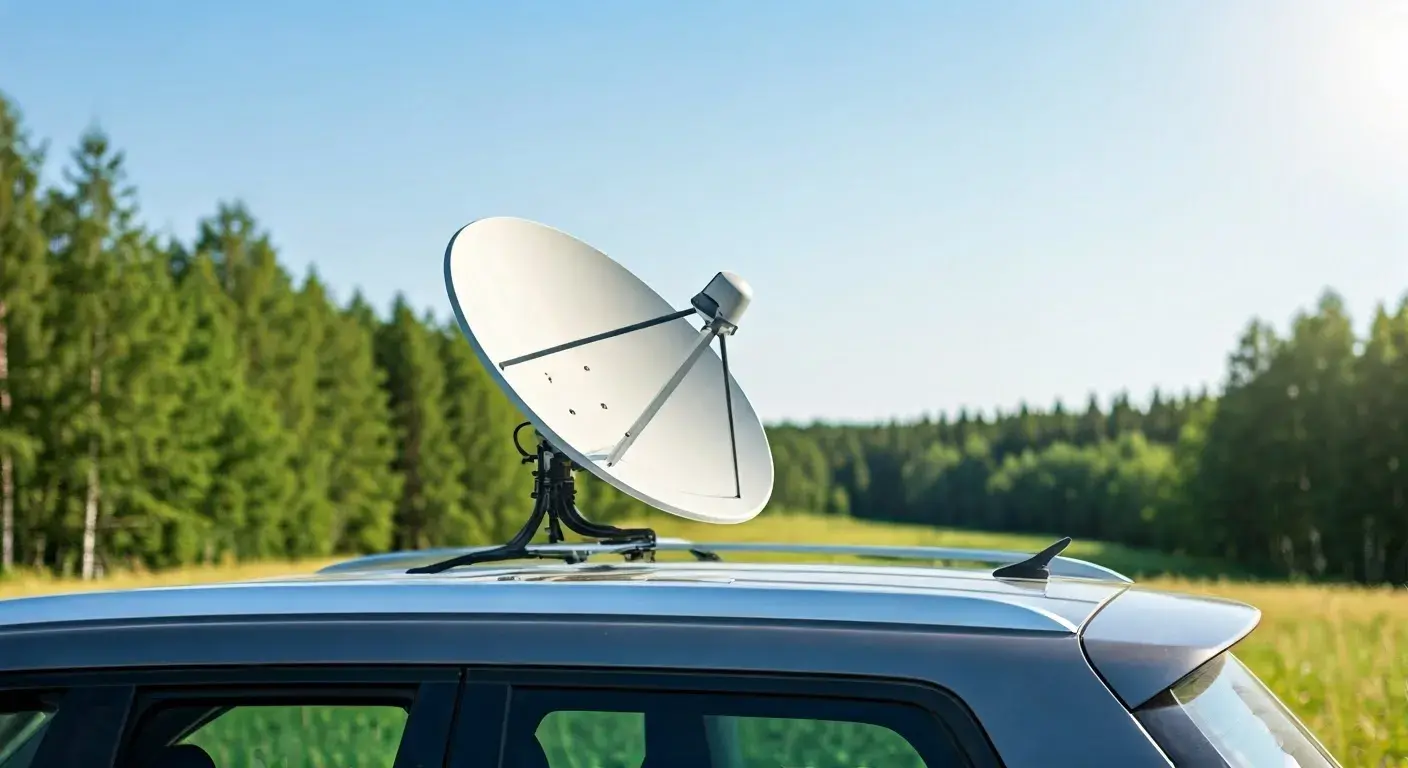
- Satellite: Requires a satellite dish to be mounted on your roof or a clear exterior wall, with a direct line of sight to the satellite. The dish is connected to the indoor receiver via coaxial cable. Installation can be more involved, and the dish's positioning is critical. Leased equipment is standard, with advanced DVRs and multi-room capabilities being popular features.
Considerations: Satellite dish installation might be restricted by homeowner association rules or aesthetic preferences. Cable installation is generally less visually intrusive once completed, assuming existing infrastructure is present.
Pricing and Contracts
Understanding the long-term cost is vital.
- Cable: Often features attractive introductory pricing for the first 12 months. However, prices tend to increase significantly after the promotional period. Contracts are common but can sometimes be shorter (e.g., 12 months) or even month-to-month with some providers, though this may come at a higher rate.
- Satellite: Typically requires longer contracts, often 24 months. While pricing can be competitive, especially with bundles, expect similar promotional periods followed by price increases. Early termination fees for breaking these longer contracts can be substantial.
2025-26 Market Insight: With the rise of streaming, both cable and satellite providers are facing increased pressure to offer more flexible pricing and shorter contract terms. However, long-term commitments remain prevalent, especially for bundled services and premium packages.
Availability and Reliability
Where you live plays a significant role in your options and service quality.
- Cable: Availability is tied to the presence of existing cable infrastructure. It's widespread in urban and suburban areas but can be scarce in rural regions. Reliability is generally high, with minimal disruption from weather.
- Satellite: Offers near-universal availability across North America (and other continents), making it the go-to choice for rural and remote locations. However, its reliability can be impacted by severe weather conditions that obstruct the signal path.
Example: A homeowner in a dense city suburb will likely have excellent cable options. A rancher in a remote mountain valley might only have satellite as a viable TV service provider.
On-Demand and Streaming Integration
The line between traditional TV and streaming is blurring.
- Cable: Many cable providers now offer extensive on-demand libraries and have developed sophisticated set-top boxes that integrate streaming apps (like Netflix, Hulu, Disney+, etc.) directly. This allows for a consolidated entertainment experience, managing live TV and streaming from a single interface.
- Satellite: Satellite providers also offer on-demand content and have been improving their integration with popular streaming services. Some may offer apps on their receivers or provide guides that incorporate streaming options. However, the integration might not always be as seamless as with cable providers who also manage internet services.
Trend Watch (2025-26): Expect to see more providers offering hybrid solutions that blend traditional channel packages with direct access to streaming platforms, aiming to keep subscribers within their ecosystem.
Making the Choice for You: A Step-by-Step Guide
Now that we've explored the technical and service aspects, let's create a personalized decision-making process. This structured approach will help you weigh the pros and cons against your specific circumstances.
Step 1: Assess Your Viewing Habits
Before looking at providers, understand what and how you watch TV:
- What channels do you watch most? Make a list of your must-have channels.
- How often do you watch live TV versus on-demand or streaming?
- Do you watch a lot of sports, movies, or specific genres?
- How many people in your household will be using the service?
- Do you need multiple TVs connected?
Example: A family that watches local news, a few major networks, and a popular sports channel might find a basic cable package sufficient. A cinephile who watches foreign films and documentaries might need a satellite package with more specialized channels.
Step 2: Check Local Availability
This is a critical first step:
- For Cable: Visit the websites of major cable providers (e.g., Xfinity, Spectrum, Cox) and enter your address to see if they serve your area and what services they offer.
- For Satellite: Satellite TV is generally available everywhere, but it's still good to check specific provider coverage maps for any unusual limitations.
- For Internet: If internet is a factor, check availability for cable, fiber, DSL, and satellite internet services in your area.
Resource Tip: Use online comparison tools that allow you to enter your zip code to see available TV and internet providers simultaneously.
Step 3: Evaluate Channel Needs
Compare the channel lineups of potential providers against your must-have list:
- Basic Packages: See if they cover your essential local channels and a few preferred networks.
- Mid-Tier Packages: These often offer a good balance of popular entertainment, sports, and news channels.
- Premium Packages: If you need extensive sports, movie channels (HBO, Showtime, etc.), or international content, compare the costs and channel inclusions of these higher tiers.
- A La Carte Options: Some providers allow you to add specific channels or smaller themed packages.
Example: If your favorite niche sports channel is only available on a specific satellite provider's premium sports package, and it's not offered by your local cable company, satellite might become the clear winner, even with its other drawbacks.
Step 4: Consider Your Internet Strategy
This is where the decision often solidifies:
- If you need high-speed, reliable internet for streaming, gaming, or remote work: Cable TV is likely your best bet. Bundling TV and internet from the same provider can offer significant cost savings and performance benefits.
- If you live in a remote area with no other broadband options: Satellite TV with satellite internet might be your only choice, but be prepared for slower speeds and potential data limitations.
- If you already have a separate internet provider (e.g., fiber, DSL) and only need TV: You can focus solely on TV service, comparing cable and satellite based on channel selection and pricing without the internet bundling factor.
Data Point (2025-26): The average download speed for cable internet in the US is projected to be over 200 Mbps, while satellite internet averages around 25-50 Mbps. This difference is substantial for modern internet usage.
Step 5: Budget and Contract Analysis
Look beyond the initial price:
- Calculate the total cost over the contract period (e.g., 12 or 24 months). Factor in equipment rental fees, installation charges, and any potential price increases after promotional periods.
- Compare early termination fees (ETFs). These can be substantial if you need to break a contract.
- Look for hidden fees. Sometimes taxes, regulatory fees, and equipment surcharges can add up.
- Negotiate. Don't be afraid to call providers and ask if they can match competitor pricing or offer better deals.
Example: A satellite offer might seem cheaper initially, but a 24-month contract with a higher ETF could be more expensive overall than a 12-month cable contract with slightly higher monthly fees.
Step 6: Read Reviews and Seek Recommendations
Real-world experiences are invaluable:
- Check online reviews from reputable tech sites and consumer forums for specific providers in your region.
- Ask friends, family, or neighbors about their experiences with local cable and satellite providers.
- Pay attention to comments about customer service, installation quality, and reliability.
Tip: Look for reviews that discuss experiences with similar viewing habits or internet usage to yours.
Future Trends in TV Delivery
The television landscape continues to evolve rapidly. By 2025-26, we are seeing several key trends:
- Convergence of Services: Providers are increasingly blurring the lines between traditional TV, streaming, and internet services. Expect more integrated platforms that offer a unified experience.
- Increased Focus on Bundling: As competition intensifies, providers are looking to bundle services to increase customer loyalty and value. This could include mobile phone plans, smart home devices, and even music streaming.
- AI and Personalization: Artificial intelligence will play a larger role in recommending content, optimizing channel lineups, and personalizing user interfaces.
- 5G and Enhanced Connectivity: The rollout of 5G technology could impact how TV content is delivered, potentially enabling more robust mobile streaming and even new forms of interactive television.
- Continued Growth of Streaming: While cable and satellite remain strong, the growth of standalone streaming services will continue to influence package offerings and pricing strategies from traditional providers.
These trends suggest that the choice between cable and satellite might become less about the delivery method and more about the overall package of services, content access, and integration capabilities.
Conclusion: Your Path to the Best TV Experience
Navigating the choices between cable TV and satellite TV in 2025-26 requires a clear understanding of your priorities. Cable offers robust internet integration, widespread availability in populated areas, and generally stable reception. Satellite excels in offering the widest channel selection and is the only viable option for many rural homes, though it can be susceptible to weather disruptions. By assessing your viewing habits, checking local availability, evaluating channel needs, considering your internet strategy, analyzing costs and contracts, and seeking real-world feedback, you can confidently select the service that best fits your home. The future points towards greater integration, so look for providers offering a comprehensive entertainment solution that aligns with your evolving digital lifestyle.