-
Posted on: 07 Jan 2026
-
Satellite internet offers a unique solution for connectivity, especially in remote areas. This guide explores its viability, detailing key factors like speed, latency, cost, and suitability for various online activities in 2025-26, helping you determine if it's the right choice for your needs.
What is Satellite Internet?
Satellite internet is a wireless broadband service that transmits data between a user's satellite dish, a geostationary satellite orbiting Earth, and a ground station connected to the internet backbone. Unlike terrestrial broadband technologies that rely on physical cables (like fiber optic or DSL) or local radio towers (like fixed wireless or 5G), satellite internet uses space-based infrastructure to deliver connectivity. This makes it a viable option for users in rural, remote, or underserved areas where traditional internet infrastructure is unavailable or prohibitively expensive to deploy. As of 2025-26, satellite internet providers are continuously enhancing their services, aiming to improve speeds and reduce latency, though inherent limitations persist.
How Satellite Internet Works
The process of satellite internet connectivity involves several key components and steps:
- User Equipment: A satellite dish, also known as a customer-premises equipment (CPE), is installed at the user's location. This dish is crucial for sending and receiving signals.
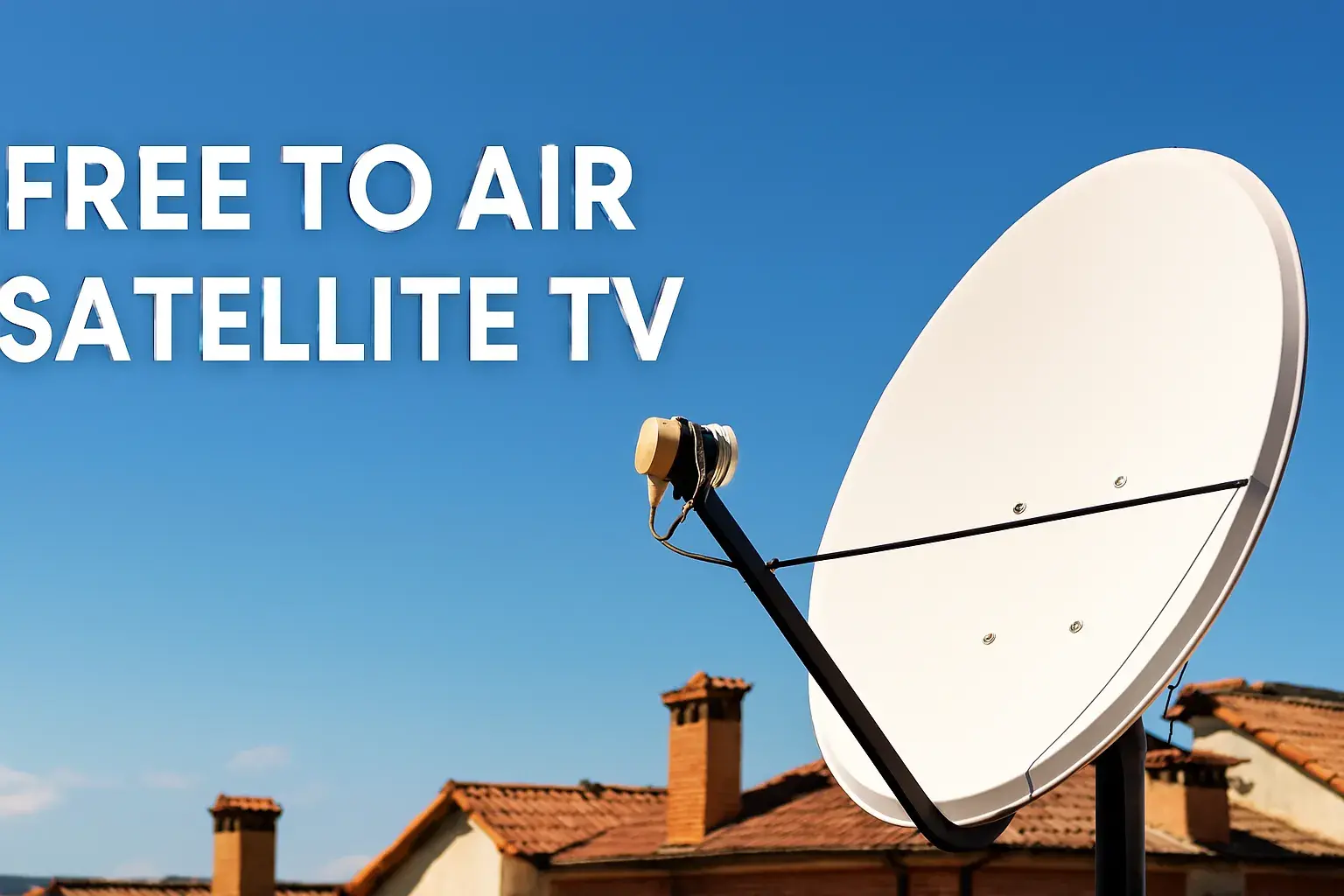
- Signal Transmission to Satellite: When you request data (e.g., load a webpage), your computer sends this request through your modem and router to the satellite dish. The dish then transmits the request as a radio signal upwards to a satellite orbiting the Earth, typically in a geostationary orbit (GEO) about 22,000 miles above the equator.
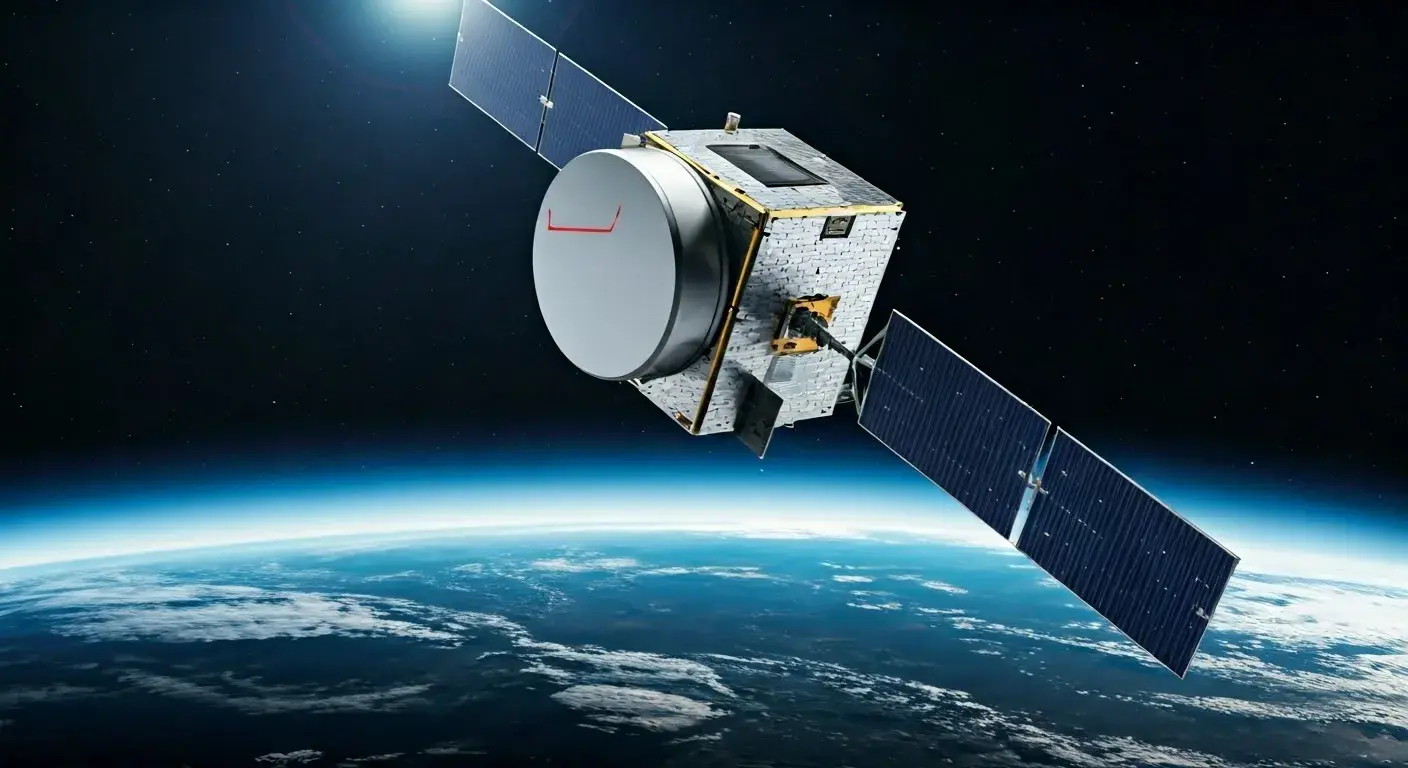
- Satellite Relay: The geostationary satellite acts as a relay station. It receives the signal from your dish and beams it back down to a ground station (also called a teleport or gateway).
- Ground Station Connection: The ground station is a large facility equipped with powerful antennas and network infrastructure that connects directly to the global internet backbone. It processes your request and retrieves the requested data.
- Signal Transmission Back to Satellite: The ground station then sends the retrieved data back up to the satellite.
- Signal Reception by User: The satellite relays this data signal back down to your satellite dish, which then passes it to your modem and router, making it accessible on your devices.
This round-trip journey, involving long distances through space, is what contributes to the characteristic latency associated with satellite internet. Providers like Viasat and HughesNet have been refining this process for decades, with newer generations of satellites and ground technology aiming to mitigate some of these inherent challenges.
Key Considerations for Satellite Internet
Before deciding if satellite internet is the right fit, it's crucial to understand its performance characteristics, costs, and limitations. In 2025-26, these factors remain central to the decision-making process for consumers.
Speed and Performance
Satellite internet speeds have seen significant improvements over the years, but they still generally lag behind terrestrial options like fiber and cable. Download speeds can range widely, from as low as 12 Mbps to over 100 Mbps for the latest generation services. Upload speeds are typically much lower, often between 1 Mbps and 3 Mbps. While these speeds might be sufficient for basic browsing, email, and standard-definition streaming, they can struggle with high-definition video, large file downloads, or multiple simultaneous users. For instance, a typical HD movie download could take considerably longer than with faster broadband options. Providers are actively working on increasing bandwidth with new satellite constellations, but consistency can still be an issue.
Download vs. Upload Speeds
It's essential to differentiate between download and upload speeds. Download speeds determine how quickly you can receive data from the internet, crucial for streaming, browsing, and downloading files. Upload speeds dictate how fast you can send data, important for video calls, uploading photos, and online gaming. Satellite internet typically prioritizes download speeds, leaving upload speeds relatively slow. This asymmetry can be a significant drawback for users who frequently engage in activities requiring high upload bandwidth.
Impact on Streaming and Gaming
For streaming services, satellite internet can support standard-definition content, and sometimes even HD, depending on the plan and network congestion. However, buffering can be a common issue, especially during peak hours or when multiple devices are connected. Online gaming is where satellite internet often faces its biggest challenges. The high latency (discussed next) makes real-time, fast-paced games nearly unplayable due to significant delays between your actions and what happens on screen. Even less latency-sensitive games might experience occasional lag spikes.
Latency and Its Impact
Latency, often referred to as "lag," is the time it takes for data to travel from your device to the internet and back. For satellite internet, this delay is significant due to the vast distance the signal must travel to and from the orbiting satellite. Typical latency for GEO satellite internet can range from 500 to 700 milliseconds (ms), whereas fiber optic internet might have latency as low as 10-20 ms. This high latency impacts real-time applications most severely. Video conferencing can feel disjointed, with noticeable delays in conversations. Online gaming, as mentioned, becomes problematic. Even simple actions like clicking a link can feel sluggish because of this delay. Newer Low Earth Orbit (LEO) satellite services, like Starlink, aim to significantly reduce latency by using satellites in much closer orbits, potentially bringing it down to levels comparable to terrestrial broadband, but these services are not yet universally available and may have different pricing structures.
What is Latency?
Latency is measured in milliseconds (ms) and represents the time delay in data transfer. It's often described as the "ping" in online gaming. A lower ping is better, indicating a faster response time. High latency means a longer delay, which can lead to a poor user experience for interactive applications.
Latency and Real-Time Applications
Real-time applications are those where immediate feedback is crucial. This includes:
- Online Gaming: Fast-paced games are almost unplayable with high latency.
- Video Conferencing: Conversations can become awkward with significant delays.
- Voice over IP (VoIP) Calls: Similar to video conferencing, delays can disrupt natural conversation flow.
- Live Streaming (Interactive): While passive streaming might work, interactive live streams requiring quick responses can suffer.
For many users, the latency of traditional GEO satellite internet is its most significant drawback, even if download speeds are adequate.
Data Caps and Usage Policies
Many satellite internet plans come with data caps, which are limits on the amount of data you can use per month. Exceeding these caps can result in throttled speeds (significantly reduced performance) or additional charges. While some providers are moving towards "unlimited" data plans, these often still have "prioritization policies" or "deprioritization thresholds." This means that after a certain amount of high-speed data usage, your speeds might be reduced during periods of network congestion. For example, a plan might offer 100 GB of high-speed data, after which your speeds are reduced to 1-3 Mbps. This can be a major limitation for households with multiple users or those who stream a lot of video, download large files, or use the internet for work that involves significant data transfer. It's crucial to review the specific data allowance and any associated policies before signing up.
Understanding Data Allowances
Data allowances are typically measured in Gigabytes (GB) per month. It's important to estimate your household's typical monthly data usage. Streaming a standard-definition movie can consume around 1-2 GB, while HD streaming can use 3-7 GB per hour. Downloading a single large game update could easily consume 50 GB or more. Providers often offer tools to monitor your data usage, which is highly recommended.
Deprioritization and Throttling
Deprioritization means that during busy times, your connection speed is slowed down because your data is given lower priority than that of users who haven't exceeded their high-speed data allowance. Throttling, on the other hand, is a permanent reduction in speed after a certain data threshold is met. Understanding these policies is vital to avoid unexpected performance degradation.
Cost and Affordability
Satellite internet is often one of the more expensive options for broadband, especially when considering the monthly service fee, equipment lease or purchase costs, and potential installation fees. Monthly plans can range from $60 to $150 or more, depending on the provider, speed, and data allowance. The equipment, which includes the satellite dish and modem, can cost several hundred dollars if purchased outright or may be leased for a monthly fee, often around $10-$20. Installation fees can also add to the initial cost, sometimes ranging from $100 to $300, though some providers offer free installation promotions. When comparing costs, it's essential to look at the total cost of ownership over the contract period, not just the advertised monthly price. For many, the higher cost is a necessary trade-off for having any form of broadband connectivity in their location.
Monthly Service Fees
These fees vary significantly based on the speed tier and data package. Higher speeds and larger data allowances naturally come with higher monthly costs. It's important to find a balance between your budget and your actual internet needs.
Equipment Costs and Leases
The upfront cost of a satellite dish and modem can be substantial. Leasing is a common alternative, spreading the cost over time, but it means you'll be paying a recurring fee for the equipment, which you don't own. Some providers offer incentives like free equipment or installation for long-term contracts.
Installation Fees
Professional installation is usually required for satellite internet to ensure the dish is correctly aligned for optimal signal reception. These fees can be a one-time expense that adds to the overall cost of getting started.
Equipment and Installation
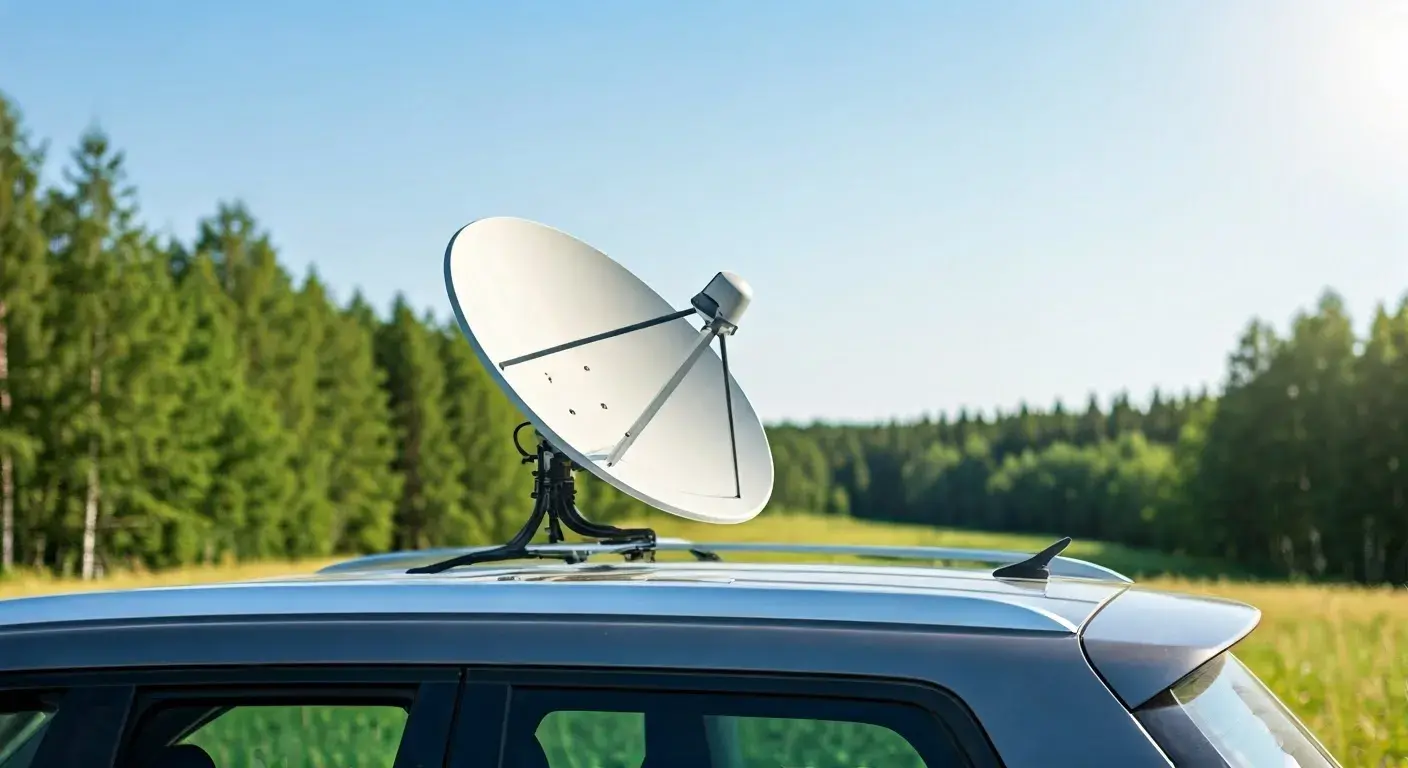
Setting up satellite internet requires specialized equipment: a satellite dish (CPE) and a modem. The dish needs to be mounted outdoors, typically on a roof or pole, with a clear, unobstructed view of the southern sky (in the Northern Hemisphere) to receive signals from the geostationary satellite. Professional installation is almost always required to ensure the dish is properly aligned for optimal signal strength and to connect it to your indoor modem. The installation process can take a few hours. The equipment itself can be bulky and may require drilling holes in walls for cable routing. Maintenance is generally minimal, but the dish must remain clear of obstructions like tree branches or snow, which can interfere with the signal.
Satellite Dish Placement
Proper placement is critical. The dish must have an unimpeded line of sight to the satellite. This often means mounting it on a high point, such as a roof or a tall pole. Obstructions can lead to signal loss and intermittent connectivity.
Modem and Router Requirements
The satellite modem translates the signals received by the dish into a format your home network can understand. Most satellite internet packages include a modem, and often a Wi-Fi-enabled router is integrated into the modem unit or provided separately. Ensure your home network is set up to handle the speeds and latency characteristics of satellite internet.
Weather Dependency
One of the most significant drawbacks of satellite internet is its susceptibility to adverse weather conditions. Heavy rain, snow, thunderstorms, and even dense fog can interfere with the satellite signal, leading to intermittent service or complete outages. This phenomenon is known as "rain fade." While modern satellite systems are designed to mitigate this to some extent, severe weather can still disrupt connectivity. This makes satellite internet less reliable for users who depend on uninterrupted service for critical tasks like remote work or telehealth appointments. LEO satellite systems, due to their lower altitude, may experience less rain fade than GEO systems, but they are not immune.
Rain Fade Explained
Rain fade occurs when precipitation absorbs or scatters the radio waves used for satellite communication. The denser the precipitation, the greater the signal attenuation. This is a common issue for all satellite-based services, including satellite TV.
Mitigation Strategies
Providers often employ technologies to combat rain fade, such as using higher frequencies or adaptive power control. However, these are not foolproof. Users in areas prone to severe weather may experience more frequent disruptions.
Availability and Coverage
Satellite internet's primary advantage is its broad availability. It can provide broadband access to virtually any location with a clear view of the sky, making it ideal for rural, remote, and geographically challenging areas where laying cable or building cell towers is impractical. However, the quality and speed of service can vary by provider and region. Major providers like HughesNet and Viasat offer nationwide coverage in many countries. Newer LEO constellations are expanding coverage rapidly, but availability can still be limited by demand and the rollout schedule. It's essential to check the specific coverage map for your exact address to see which providers and plans are available.
Rural and Remote Areas
This is where satellite internet truly shines. If you live far from urban centers and have no access to DSL, cable, or fiber, satellite is often the only high-speed internet option available.
Urban vs. Rural Performance
While satellite internet is available in urban areas, it's generally not recommended due to the availability of superior terrestrial options. In rural areas, it's often the best, or only, choice, despite its limitations.
Factor Satellite Internet (GEO) Considerations Speed (Download) 12-100+ Mbps Sufficient for basic use, but can struggle with heavy streaming or large downloads. Speed (Upload) 1-3 Mbps Very slow, impacts video calls and file uploads. Latency 500-700+ ms High, significantly impacts real-time applications like gaming and video conferencing. Data Caps Common (e.g., 50-200 GB high-speed data) Exceeding caps leads to throttled speeds or extra charges. Cost $60-$150+ per month + equipment/installation Generally more expensive than terrestrial options. Weather Impact Susceptible to rain fade, snow, etc. Can cause intermittent service or outages. Availability Widespread, especially in rural/remote areas Primary advantage for underserved regions. Satellite Internet vs. Other Connectivity Options
Understanding how satellite internet stacks up against other common broadband technologies is crucial for making an informed decision. Each technology has its strengths and weaknesses, making them suitable for different user needs and locations.
Satellite vs. DSL
Digital Subscriber Line (DSL) internet uses existing telephone lines to transmit data. Its performance depends heavily on the distance from the telephone company's central office; the farther away you are, the slower the speeds. DSL speeds typically range from 1 Mbps to 100 Mbps download, with upload speeds being significantly lower. Latency for DSL is generally much lower than satellite, often in the 20-50 ms range, making it better for real-time applications. However, DSL is not available in many rural areas where satellite internet excels. Satellite generally offers higher download speeds than DSL in very remote locations but suffers from much higher latency and potential weather disruptions. For areas with decent DSL availability, it's often a more reliable and responsive choice than satellite.
Satellite vs. Cable
Cable internet uses coaxial cables originally laid for cable television to deliver broadband. It's widely available in suburban and urban areas and typically offers download speeds ranging from 50 Mbps to over 1 Gbps. Upload speeds are usually a fraction of download speeds but are still generally faster than satellite. Latency for cable internet is also significantly lower than satellite, typically between 10-30 ms. Cable internet is generally more reliable than satellite, less affected by weather, and offers higher bandwidth. Satellite internet is only a competitive option when cable is not available.
Satellite vs. Fiber Optic
Fiber optic internet uses strands of glass or plastic to transmit data using light signals. It is the fastest and most reliable internet technology available, offering symmetrical download and upload speeds that can reach 10 Gbps or more. Latency is exceptionally low, often below 10 ms. Fiber is also highly resistant to interference and weather. However, fiber optic infrastructure is expensive and complex to deploy, making it available primarily in densely populated urban and suburban areas. Satellite internet cannot compete with fiber optic in terms of speed, latency, or reliability. It serves as an alternative only where fiber is entirely absent.
Satellite vs. 5G Home Internet
5G home internet is a wireless service that uses the 5G cellular network to provide broadband to homes. It's becoming increasingly available in urban and suburban areas and offers speeds that can rival cable, often ranging from 100 Mbps to 1 Gbps download. Latency is generally much lower than traditional satellite internet, often in the 20-50 ms range, making it suitable for many real-time applications. 5G home internet is less affected by weather than satellite. However, its availability is limited to areas with robust 5G cellular coverage, and performance can vary based on signal strength and network congestion. In areas where both are available, 5G home internet is generally a superior choice due to lower latency and better reliability, but satellite remains the primary option for truly remote locations.
Satellite vs. Fixed Wireless
Fixed wireless internet uses radio signals to connect a fixed location (like a home) to a nearby tower or access point. It's often deployed in rural and suburban areas where traditional wired infrastructure is lacking. Speeds can vary widely, from 25 Mbps to over 100 Mbps download, and latency is typically better than satellite, often in the 50-100 ms range. Fixed wireless is less affected by weather than satellite but can be impacted by distance from the tower, line-of-sight obstructions, and network congestion. If available, fixed wireless is often a more responsive and sometimes more affordable alternative to satellite internet for rural users, but satellite offers broader reach into extremely remote areas.
Who is Satellite Internet Best For?
Satellite internet's primary niche is providing broadband access to individuals and households in locations where no other reliable internet options exist. This includes:
- Residents of Rural and Remote Areas: People living far from urban centers, in the countryside, or in areas with challenging terrain where laying fiber optic or cable lines is economically unfeasible.
- Seasonal Homes or Cabins: Providing connectivity to vacation properties or remote cabins that are not occupied year-round.
- Businesses in Underserved Locations: Small businesses, farms, or ranches located outside of areas with terrestrial broadband.
- Emergency Preparedness: As a backup internet connection in areas prone to outages of other services.
- Users with Basic Internet Needs: Individuals who primarily use the internet for email, basic web browsing, and occasional standard-definition streaming, and can tolerate higher latency.
It is generally *not* the best choice for:
- Gamers: The high latency makes real-time online gaming nearly impossible.
- Heavy Streamers: While possible, buffering and data caps can be significant issues for extensive HD/4K streaming.
- Remote Workers Requiring Real-Time Collaboration: Video conferencing and VoIP calls can be frustrating due to lag.
- Users Needing Fast Upload Speeds: Upload speeds are typically very slow.
- Budget-Conscious Consumers: Satellite internet is often more expensive than comparable terrestrial services.
For these users, exploring options like mobile hotspot usage or waiting for advancements in LEO satellite technology might be more suitable if available.
Common Misconceptions About Satellite Internet
Several myths and outdated perceptions surround satellite internet. Understanding these can help set realistic expectations:
- "Satellite internet is the same as it was 10 years ago." While traditional GEO satellite internet still has its limitations, newer generations of satellites and technologies are improving speeds and, in the case of LEO systems, drastically reducing latency.
- "All satellite internet is extremely slow." While historically true, modern satellite plans offer speeds that are sufficient for many basic internet tasks, and LEO systems are aiming for speeds comparable to cable.
- "It's impossible to stream video on satellite internet." You can stream video, but it's often best suited for standard definition, and HD/4K streaming can be challenging due to bandwidth limitations, latency, and data caps.
- "Satellite internet is completely unreliable due to weather." While weather can cause temporary disruptions (rain fade), modern systems are more resilient than older ones. However, it remains a factor to consider.
- "Satellite internet is only for the absolute middle of nowhere." While its primary market is remote areas, it's available anywhere with a clear sky view, though it's rarely the best option in urban or suburban settings.
It's important to research the specific service and plan from a reputable provider, as performance and features can vary significantly.
Choosing the Right Satellite Internet Provider
When selecting a satellite internet provider, consider the following steps:
- Check Availability: The first and most crucial step is to verify which satellite internet providers offer service at your exact address. Major providers include HughesNet and Viasat for traditional GEO satellite, and Starlink for LEO satellite.
- Compare Plans: Look at download/upload speeds, data allowances (including any soft caps or prioritization policies), contract lengths, and monthly costs.
- Evaluate Equipment Costs: Determine if you will lease the equipment or purchase it outright. Factor in installation fees.
- Read Reviews: Seek out reviews from customers in your region if possible. Pay attention to comments about reliability, customer service, and actual speeds experienced.
- Understand Contract Terms: Be aware of contract lengths, early termination fees, and any promotional pricing that might increase after an introductory period.
- Consider LEO vs. GEO: If available, compare LEO (like Starlink) for lower latency and potentially higher speeds against GEO (HughesNet, Viasat) for potentially wider availability and different pricing structures.
For instance, a user in a very remote area might find Viasat's higher data allowance appealing, while someone prioritizing lower latency for occasional gaming might lean towards Starlink if it's available and within budget.
Tips for Optimizing Satellite Internet Performance
Even with the inherent limitations of satellite internet, several strategies can help you get the most out of your connection:
- Minimize Data Usage: Be mindful of your data consumption. Stream videos in standard definition when possible, avoid downloading large files during peak hours, and close unnecessary applications that consume bandwidth in the background.
- Schedule Large Downloads: If your plan allows for off-peak data usage or has a grace period, schedule large downloads or updates for late at night or early morning when network congestion is typically lower.
- Optimize Wi-Fi: Ensure your Wi-Fi router is placed in a central location in your home and is free from obstructions. Consider upgrading to a newer router if yours is old.
- Limit Simultaneous Users/Devices: The more devices actively using the internet, the more each device's speed and data allowance will be divided.
- Use Ethernet When Possible: For critical devices like gaming consoles or work computers, a wired Ethernet connection can sometimes offer a more stable connection than Wi-Fi.
- Keep Equipment Clear: Ensure the satellite dish is free from snow, ice, leaves, or any other obstructions that could block the signal.
- Monitor Data Usage: Regularly check your data usage through your provider's portal to avoid exceeding your allowance and incurring extra charges or speed reductions.
- Understand Your Plan: Know your data cap, peak/off-peak hours, and any specific usage policies to manage your internet experience effectively.
Implementing these tips can help mitigate some of the common frustrations associated with satellite internet and ensure a smoother online experience.
The Future of Satellite Internet
The satellite internet landscape is rapidly evolving, driven by advancements in technology and the increasing demand for global connectivity. The most significant development is the rise of Low Earth Orbit (LEO) satellite constellations, such as SpaceX's Starlink. These satellites orbit much closer to Earth (a few hundred miles versus 22,000 miles for GEO satellites), dramatically reducing latency to levels comparable to terrestrial broadband. This has the potential to make satellite internet a viable option for activities previously impossible, like high-speed gaming and seamless video conferencing. Other companies are also investing in LEO and Medium Earth Orbit (MEO) constellations, promising increased competition and further improvements in speed, capacity, and affordability. By 2025-26, LEO services are becoming more mainstream, offering a compelling alternative for many users. While GEO satellite internet will likely continue to serve the most remote locations where LEO might not yet reach or be cost-effective, the future points towards lower latency and higher performance across the board.
Conclusion
Determining if satellite internet is good for you in 2025-26 hinges on a clear understanding of your location's connectivity options and your specific online needs. For those in rural or remote areas lacking any terrestrial broadband, satellite internet remains a crucial lifeline, offering speeds that enable basic online activities. However, it's essential to weigh its significant drawbacks: high latency, potential weather disruptions, data caps, and often higher costs compared to cable or fiber. If your primary use cases involve real-time applications like online gaming or frequent high-definition video conferencing, traditional GEO satellite internet will likely prove frustrating. Newer LEO satellite services are rapidly changing this narrative, offering significantly reduced latency and higher speeds, making them a more attractive option if available and within budget. Always verify coverage, compare plans meticulously, and consider your household's typical data usage and online activities before committing to a satellite internet service.