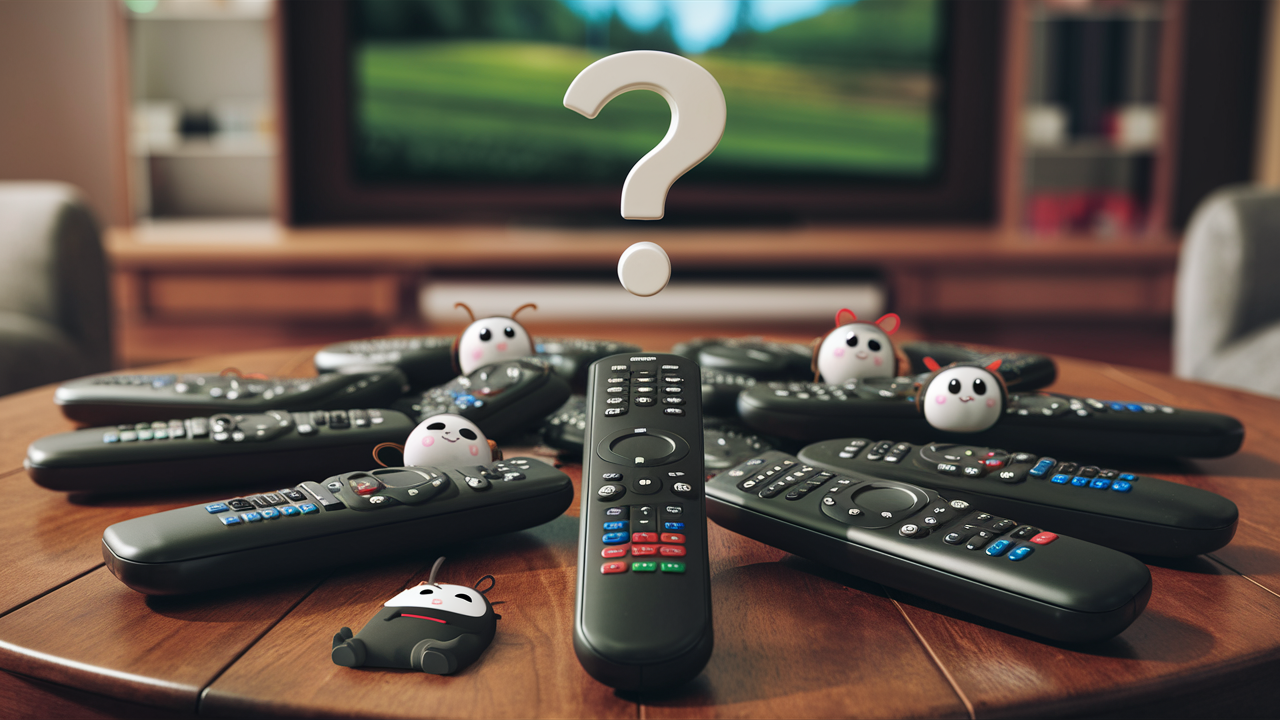
Navigating the end of your DIRECTV service can bring up many questions, and a common one is: "Do you have to return DIRECTV remotes?" This guide provides a definitive answer, detailing the policies, potential charges, and what to do with your equipment to avoid unexpected fees.
Understanding DIRECTV's Equipment Policy
When you subscribe to DIRECTV, you're essentially entering into an agreement that often involves the use of company-owned equipment. This equipment, which includes satellite receivers, Genie clients, and yes, the remotes that control them, is typically leased to you as part of your service package. DIRECTV's business model, like many other satellite and cable providers, relies on retaining ownership of these devices to ensure service quality, manage inventory, and facilitate upgrades. Understanding this fundamental aspect of their policy is the first step in answering whether you need to return your DIRECTV remote. The company aims to maintain a closed-loop system where equipment is returned, refurbished, and redeployed, minimizing waste and controlling costs. This strategy is crucial for their operational efficiency and their ability to offer competitive service packages. The equipment you receive is not a gift; it's a tool provided for your use during your subscription period. Therefore, the terms of service you agree to at sign-up invariably outline your responsibilities regarding the return of this leased property.
The equipment provided by DIRECTV is integral to the delivery of their satellite television service. This includes the main receiver (like the Genie or Genie 2), any secondary Genie clients, Wi-Fi connectors, and, of course, the remote controls. These remotes are specifically programmed and designed to communicate with DIRECTV's proprietary hardware. They are not generic universal remotes, although some models may offer limited universal functionality for controlling other home entertainment devices like TVs and soundbars. The company invests heavily in developing and manufacturing these remotes to ensure a seamless user experience. Consequently, when your service ends, or when you upgrade your equipment, DIRECTV needs to reclaim these devices. This allows them to track their assets, ensure they are properly decommissioned if faulty, or prepared for reuse by another customer. The policy isn't arbitrary; it's a standard business practice designed to protect their assets and maintain the integrity of their service infrastructure. Failing to adhere to these policies can lead to financial repercussions, which we will explore in detail.
Do You Really Need to Return Your DIRECTV Remote?
The short answer to "Do you have to return DIRECTV remotes?" is generally **yes**, especially if the remote was provided as part of your leased equipment package. DIRECTV's standard policy is that all equipment provided to you remains the property of DIRECTV. This includes the remote control. When you cancel your service or upgrade your equipment, you are typically required to return all leased hardware to avoid incurring unreturned equipment fees. These fees can be substantial and are often equivalent to the retail value of the equipment. It's crucial to differentiate between remotes that came with your DIRECTV system and remotes you may have purchased separately as accessories. However, in most standard residential installations, the remote is considered part of the leased system. Therefore, assuming your remote was issued by DIRECTV as part of your service agreement, you are obligated to return it. This applies to all models, from older infrared remotes to the more advanced Bluetooth-enabled remotes that come with Genie systems.
The rationale behind this requirement is straightforward from DIRECTV's perspective. They need to account for all their assets. Unreturned remotes represent a loss for the company. Furthermore, these remotes are often proprietary and designed to work with specific DIRECTV receivers. If a customer keeps a remote after their service ends, it's unlikely to be compatible with any other system, rendering it useless to the customer and a loss to DIRECTV. The company also has recycling and refurbishment programs for their equipment, and returning the remotes allows them to participate in these environmentally conscious initiatives. So, while it might seem like a small item, the remote is a piece of leased equipment, and its return is generally expected and required by the terms of service. Ignoring this can lead to unexpected charges on your final bill or subsequent invoices.
DIRECTV Remote Return Policy Explained
DIRECTV's remote return policy is intrinsically linked to their broader equipment return policy. The key distinction lies in whether the equipment you possess is leased or if you purchased it outright. For the vast majority of DIRECTV customers, the equipment, including the remote, is leased.
Leased Equipment vs. Owned Equipment
When you sign up for DIRECTV service, you are typically provided with leased equipment. This means DIRECTV retains ownership, and you are granted the right to use it for the duration of your subscription. This leased equipment usually includes:
- Satellite Receiver (e.g., Genie, Genie 2, H25)
- Genie Clients (if you have multiple TVs)
- Wi-Fi Connectors
- Remote Controls
The terms of your lease agreement stipulate that all leased equipment must be returned upon termination of service or upgrade. Failure to do so results in charges for unreturned equipment. These charges are designed to recoup the cost of the equipment that DIRECTV can no longer recover or reuse.
In rare cases, some customers might have purchased equipment outright, especially older models or specific components. However, this is uncommon for standard residential installations in recent years. If you are absolutely certain you purchased your remote control outright and it wasn't part of a leased package, then you would not be required to return it. Verification of ownership is critical here. Most customers will find their remote falls under the leased equipment category. The invoice or service agreement you signed at the beginning of your service should clearly outline whether the equipment is leased or owned. If there's any ambiguity, it's always safer to assume it's leased and proceed with the return process.
What Happens If You Don't Return Your Remote?
If you fail to return your DIRECTV remote (and any other leased equipment) as per their policy, you will likely face charges for unreturned equipment. These fees are not minor inconveniences; they are calculated to reflect the value of the missing items.
For a DIRECTV remote, the unreturned equipment fee can range from approximately $25 to $75, depending on the specific model and its features. More advanced remotes, like those with voice control or advanced Bluetooth capabilities, will typically incur higher fees. These charges are usually added to your final bill. If you have a balance due, the unreturned equipment fee will be added to it. If you are due a refund, the fee will be deducted from that refund.
In some instances, if the unreturned equipment fees are significant, DIRECTV might also report the unreturned equipment as unrecovered property to credit bureaus, which could negatively impact your credit score. While this is less common for just a remote, it's a possibility if multiple pieces of equipment are missing. The primary consequence, however, is the financial penalty. It's far more cost-effective to return the remote than to pay the unreturned equipment fee. For example, if a remote costs $50 to replace, paying that fee is essentially like buying the remote at full retail price, which you wouldn't have done if you knew you had to return it.
It's important to note that these fees are subject to change. DIRECTV periodically updates its equipment values and associated penalties. Always refer to your most recent service agreement or contact DIRECTV customer service directly for the most current information regarding unreturned equipment charges. The company's terms of service, which you agreed to when you signed up, will contain the definitive details. It's wise to review these terms before terminating your service to ensure you are fully aware of your obligations.
How to Return Your DIRECTV Equipment
Returning your DIRECTV equipment, including your remote, is a straightforward process designed to be as hassle-free as possible. DIRECTV typically provides a few convenient options for customers to send back their leased hardware. The key is to ensure you follow the instructions carefully to avoid any potential issues or additional charges.
Packaging Your DIRECTV Remote and Other Devices
When you initiate the cancellation of your DIRECTV service, or if you are upgrading, the company will usually provide you with instructions on how to package your equipment. If you are returning multiple items, such as a receiver, power cords, and the remote, it's best to pack them together in one box.
Step 1: Gather all DIRECTV equipment. This includes the receiver, any Genie clients, Wi-Fi connectors, power cords, and, crucially, your remote control(s).
Step 2: Use the original packaging if possible. If you still have the original box your equipment came in, that's ideal. If not, find a sturdy cardboard box that can adequately protect the items during transit.
Step 3: Securely pack the items. Wrap each item, especially the satellite receiver and any fragile components, in bubble wrap or packing paper to prevent damage. Place the remote control and any accessories (like power cords) in the box with the main receiver. Ensure there's no excessive movement within the box.
Step 4: Seal the box. Use strong packing tape to seal all seams and edges of the box securely.
Step 5: Attach the shipping label. DIRECTV will typically provide you with a pre-paid shipping label. If you are shipping it yourself, ensure you have the correct return address and tracking information. If you received a label by mail or email, affix it clearly to the outside of the box. If you are dropping it off at a retail location, they will often provide a label or handle the labeling process for you.
It is highly recommended to take photos of the packed equipment before sealing the box and again with the shipping label attached. This serves as documentation in case of any disputes.
Shipping Your DIRECTV Equipment
DIRECTV often partners with shipping carriers like UPS or FedEx for equipment returns.
Option 1: UPS Drop-off. DIRECTV frequently uses UPS for returns. You will be provided with a prepaid UPS shipping label. You can then drop off your securely packaged equipment at any authorized UPS Store or drop-off location. The UPS Store personnel will typically scan the label, take the package, and provide you with a receipt. This receipt is your proof of shipment and is crucial for your records. Make sure to get a printed receipt.
Option 2: FedEx Drop-off. In some cases, DIRECTV may use FedEx. The process is similar: you'll receive a prepaid FedEx shipping label, and you can drop off the package at an authorized FedEx drop-off location. Again, always obtain a receipt.
Option 3: Mail via USPS. While less common for DIRECTV, some providers might offer returns via the United States Postal Service. If this is an option, ensure you use a trackable shipping method and keep your tracking number.
Tracking Your Return: Once you have shipped your equipment, keep the tracking number provided on your receipt. You can usually track the shipment's progress on the carrier's website (e.g., UPS.com or FedEx.com). This allows you to confirm when the equipment has been delivered back to DIRECTV's return facility.
Importance of Timeliness: DIRECTV usually sets a deadline for equipment returns after service termination, often around 30 days. Missing this deadline can result in unreturned equipment fees being applied. Therefore, it's best to initiate the return process as soon as you know your service is ending.
Drop-Off Locations and Options
For customers who prefer not to ship, or if a shipping label isn't readily available, DIRECTV may offer direct drop-off locations.
UPS Store: As mentioned, the UPS Store is a common drop-off point. You don't need to box the items yourself if you go to a UPS Store; they can often pack and label it for you for a fee, or if you have the prepaid label, they will handle it.
Best Buy: In some regions, DIRECTV has partnered with retailers like Best Buy to accept returned equipment. You would typically bring your boxed equipment to a designated customer service desk at a participating Best Buy store. It's advisable to call your local Best Buy store beforehand to confirm if they accept DIRECTV equipment returns and what their specific process is.
DIRECTV Service Centers (Rare): While not common for residential customers, some authorized DIRECTV service centers might accept equipment returns. However, this is typically reserved for business accounts or specific circumstances.
Confirming Return Locations: The most reliable way to find out where to return your equipment is to:
- Check the instructions provided by DIRECTV when you cancel your service.
- Visit the DIRECTV website and navigate to their support or equipment return section.
- Contact DIRECTV customer service directly. They can provide you with the most up-to-date information on return methods and locations specific to your account and region.
Always ensure you get a receipt for your return, regardless of the method you choose. This receipt is your proof that you fulfilled your obligation to return the leased equipment.
Common DIRECTV Remote Models and Their Return Status
DIRECTV has produced a variety of remote controls over the years, each designed to work with their specific receiver models. Regardless of the model, if it was provided as part of your leased DIRECTV system, it needs to be returned. Here are some common models and their general return status:
Standard Infrared (IR) Remotes: These are the older, more basic remotes. Examples include the RC1, RC2, RC3, and RC7xx series (though some RC7xx models have advanced features). If this came with your receiver, it is leased equipment and must be returned.
Advanced RF/Bluetooth Remotes: These are typically the remotes that come with Genie systems (e.g., RC71, RC72, RC73, and newer models like the "Voice Remote"). These remotes offer features like radio frequency (RF) or Bluetooth connectivity, allowing them to control receivers without direct line-of-sight. Due to their more advanced technology and higher replacement cost, they are definitely considered leased equipment and must be returned.
Universal Remotes (Provided by DIRECTV): Some DIRECTV packages might have included remotes that offer more extensive universal control capabilities. If DIRECTV provided this remote as part of your service package, it is considered leased equipment and must be returned.
Aftermarket or Purchased Remotes: If you purchased a replacement remote from a third-party retailer or DIRECTV directly (as a separate purchase, not part of a lease agreement), then you are not obligated to return it. However, it's crucial to have proof of purchase for such remotes. If there's any doubt, it's always best to err on the side of caution and return it.
Example Scenario:
Let's say you have a DIRECTV Genie system (Model HR44 or HR54) with two Genie clients. Your setup likely came with one primary remote (e.g., RC73) for the main Genie and possibly another remote for a secondary TV, or the primary remote is capable of controlling multiple devices. All these remotes, along with the Genie receiver and clients, are leased. Upon cancellation, you must return all these components. If you fail to return the primary RC73 remote, you could be charged an unreturned equipment fee, typically in the range of $50-$75.
It's worth noting that DIRECTV's specific equipment models and their associated return policies can evolve. The most definitive source of information for your specific situation is always your DIRECTV service agreement or a direct inquiry with their customer support. However, the overarching principle remains consistent: any equipment provided by DIRECTV as part of your service subscription is their property and must be returned upon termination.
Alternative Remote Solutions If You Lose or Forget to Return
Mistakes happen. You might misplace your DIRECTV remote, or in the rush of moving or canceling service, forget to pack it for return. If you find yourself in this situation, don't panic. There are alternative solutions, though they generally involve additional costs.
1. Purchase a Replacement DIRECTV Remote:
The most direct solution is to buy a replacement remote. You can find DIRECTV remotes on various online marketplaces like Amazon, eBay, or directly from electronics retailers.
- Pros: You can get a replacement quickly and ensure compatibility with your existing DIRECTV equipment.
- Cons: Replacement remotes can cost anywhere from $25 to $75 or more, depending on the model. This is often more expensive than the unreturned equipment fee DIRECTV would charge, but it allows you to keep the remote if you wish. You'll need to know the specific model number of your remote for best results.
2. Use a Universal Remote:
Many modern universal remotes are capable of being programmed to control DIRECTV receivers. Brands like Logitech Harmony (though discontinued, still widely available and functional), or other universal remote manufacturers offer models that can be set up for DIRECTV.
- Pros: A good universal remote can consolidate multiple remotes into one, offering enhanced functionality and convenience.
- Cons: Programming can sometimes be complex, and not all universal remotes are guaranteed to have the specific codes for every DIRECTV receiver model. The cost of a good universal remote can also be significant ($50-$150+).
3. Smartphone Apps (Limited Functionality):
Some DIRECTV receivers and setups might support control via smartphone apps. DIRECTV has had apps in the past that could function as remotes, especially for Genie systems.
- Pros: Free if your phone and receiver are compatible. Always with you.
- Cons: Functionality can be limited compared to a physical remote. Requires Wi-Fi connectivity between your phone and receiver. Compatibility varies greatly by receiver model and app availability. This is not a reliable long-term solution for everyone.
4. Contact DIRECTV for Options:
If you've realized you forgot to return a remote after the fact and are facing charges, contact DIRECTV customer service. Explain the situation. While they may still charge you the unreturned equipment fee, they might offer a payment plan or have specific guidance. In some rare cases, if you are a long-time customer or have a specific circumstance, they might waive a portion of the fee, though this is not guaranteed.
Important Consideration: If you decide to purchase a replacement remote, be aware that if you later discover you are still being charged by DIRECTV for the unreturned item, you will have paid for two remotes – one to DIRECTV and one for your replacement. Always prioritize returning the leased equipment to avoid these double charges. If you choose to buy a replacement, ensure you have documented that you are no longer responsible for the original leased item.
DIRECTV Equipment Return Statistics and Trends (2025-26)
While specific, granular statistics on DIRECTV remote return rates are proprietary and not publicly disclosed, we can infer trends and general statistics based on industry practices and customer behavior in the 2025-26 period. The satellite TV industry, including DIRECTV, faces ongoing challenges with equipment management, and returns are a critical component of their operational efficiency and cost control.
Industry Benchmarks: Across the broader pay-TV sector, equipment return rates can vary significantly. Factors influencing these rates include the clarity of return policies, the ease of the return process, customer education, and the severity of penalties for non-compliance. Generally, companies aim for return rates above 90% for high-value items like receivers. For smaller accessories like remotes, the rate might be slightly lower due to oversight or perceived lower value, but still targeted to be high.
Estimated Return Rates for Remotes (2025-26): Based on industry averages and DIRECTV's known policies, it's estimated that DIRECTV likely achieves a return rate for remotes in the range of 85-95% of all leased units. This means that for every 100 remotes leased, approximately 5-15 might not be returned.
Factors Influencing Trends:
- Increased Digital Communication: DIRECTV, like many companies, has been leveraging digital channels (email, app notifications, SMS) to communicate return instructions. This has likely improved awareness and compliance in 2025-26 compared to previous years.
- Streamlined Return Processes: Partnerships with carriers like UPS and retailers like Best Buy make it more convenient for customers to drop off equipment, potentially boosting return rates.
- Heightened Awareness of Fees: As customers become more aware of unreturned equipment fees, they are more incentivized to comply. Social media and online forums often share experiences, making potential penalties more visible.
- Shift Towards Streaming: While DIRECTV still has a significant subscriber base, the overall trend in the media landscape is a move towards streaming services. This can lead to more customers discontinuing satellite service, increasing the volume of equipment that needs to be returned. Efficient return processes are therefore more critical than ever for DIRECTV.
- Focus on Sustainability: Many companies, including DIRECTV, are increasingly emphasizing their environmental commitments. This includes refurbishing and recycling returned equipment. Promoting these initiatives can also encourage customers to return items.
Unreturned Equipment Costs: The cost of unreturned equipment to providers like DIRECTV is substantial. While a single remote might cost $50-$75 to replace, when multiplied by millions of subscribers, this adds up. This is why robust return policies and enforcement are in place. For 2025-26, the estimated industry-wide cost of unreturned equipment for satellite and cable providers could run into hundreds of millions of dollars annually, with remotes representing a portion of this.
Customer Behavior Insights: Surveys and customer feedback from 2025-26 suggest that the primary reasons for not returning equipment are:
- Forgetting to pack it during a move.
- Misplacing the item in the chaos of service cancellation.
- Lack of clear instructions or perceived inconvenience of the return process.
- Belief that the remote is inexpensive and not worth returning (which is a misconception given the fees).
Therefore, while the majority of DIRECTV remotes are returned, the segment that isn't represents a significant operational and financial concern for the company, driving their continued emphasis on clear communication and enforcement of their return policies.
Customer Experiences and Common Pitfalls
Customer experiences with DIRECTV equipment returns, including remotes, are varied. While many customers successfully return their equipment without issue, several common pitfalls can lead to frustration and unexpected charges. Understanding these pitfalls can help you avoid them.
Pitfall 1: Not Receiving or Losing Return Instructions:
When you cancel DIRECTV service, you should receive clear instructions on how to return your equipment. However, these instructions can sometimes get lost in email spam, arrive too late, or be misplaced during the transition.
Customer Experience: "I cancelled my service and moved a week later. I thought I had the return box, but it must have gotten packed with other stuff. I never got a clear label or instructions and ended up being charged for the remote."
How to Avoid: Proactively seek out return instructions as soon as you know you're canceling. Visit the DIRECTV website, check your account portal, or call customer service to get the information. Print out or save a digital copy of the instructions and shipping label.
Pitfall 2: Failing to Return All Components:
DIRECTV requires the return of ALL leased equipment. This includes the main receiver, power cords, Genie clients, Wi-Fi connectors, and the remote control. Forgetting even one small item, like a power cord or the remote, can trigger an unreturned equipment fee.
Customer Experience: "I returned the big Genie box, but I forgot about the small remote. I was surprised when I got a $50 charge on my final bill for the unreturned remote."
How to Avoid: Make a checklist of all the equipment you received from DIRECTV. Before packing, verify that every item on the list is accounted for and placed in the return box.
Pitfall 3: Improper Packaging Leading to Damage:
If equipment is damaged during return shipping due to inadequate packaging, DIRECTV may charge you for the damaged item.
Customer Experience: "I put the remote in the box with the receiver without any padding. The receiver arrived fine, but I guess the remote got banged up, and they charged me for it."
How to Avoid: Use adequate padding (bubble wrap, packing paper) for all items, especially fragile ones. Ensure the box is sturdy and securely sealed. Take photos of the packed items before sealing.
Pitfall 4: Not Getting a Return Receipt:
This is perhaps the most critical pitfall. If you don't have proof of return, DIRECTV can still claim the equipment was never received.
Customer Experience: "I dropped off the box at the UPS Store, but I tossed the receipt. A month later, I was charged for the equipment, and they said they had no record of my return. I couldn't prove I sent it."
How to Avoid: ALWAYS get a dated receipt from the shipping carrier or drop-off location. This receipt, along with the tracking number, is your proof that you fulfilled your obligation. Keep it for at least 60-90 days after your service ends.
Pitfall 5: Assuming the Remote is Not Important:
Many customers underestimate the value DIRECTV places on remotes. They might think, "It's just a remote, why would they care?" However, as we've seen, unreturned equipment fees for remotes can be significant.
Customer Experience: "I thought it was fine to keep the remote since I wasn't using DIRECTV anymore. Then I saw the $50 charge."
How to Avoid: Treat every piece of equipment provided by DIRECTV as leased property that must be returned. Consult their policy or customer service if you are unsure about any specific item.
By being aware of these common pitfalls and taking proactive steps, you can ensure a smooth and hassle-free return process for your DIRECTV remote and other equipment, avoiding unnecessary charges and potential disputes.
Conclusion: Your DIRECTV Remote Return Checklist
So, to definitively answer the question, "Do you have to return DIRECTV remotes?" – **yes, in most standard residential service scenarios, you absolutely do.** The remote control is considered leased equipment, and failure to return it upon service termination will likely result in unreturned equipment fees. These fees can range from $25 to $75 or more, depending on the remote model.
Your primary goal should be to return all leased DIRECTV equipment promptly and with proof of return. This includes your satellite receiver, Genie clients, power cords, and the remote control. DIRECTV provides return options, typically involving shipping via UPS or FedEx, or sometimes drop-off at retail partners.
Your Actionable Checklist:
- Confirm Ownership: Verify if your remote was leased or purchased separately. If leased, it must be returned.
- Gather All Equipment: Collect your receiver, clients, cords, and remote(s).
- Package Securely: Use a sturdy box with adequate padding for all items.
- Obtain and Attach Shipping Label: Use the prepaid label provided by DIRECTV or follow their instructions for shipping.
- Ship Promptly: Adhere to the return deadline (usually 30 days) to avoid fees.
- GET A RECEIPT: This is non-negotiable. Ensure the carrier provides a dated receipt with tracking information.
- Track Your Shipment: Monitor the return's progress online.
- Keep Records: Retain your return receipt and tracking information for at least 90 days.
By following these steps, you can successfully navigate the DIRECTV equipment return process, avoid unexpected charges, and maintain a clear record of your account. If you are unsure about any aspect of the return policy or your specific situation, always contact DIRECTV customer service for clarification. Proactive communication and careful execution are key to a positive outcome.