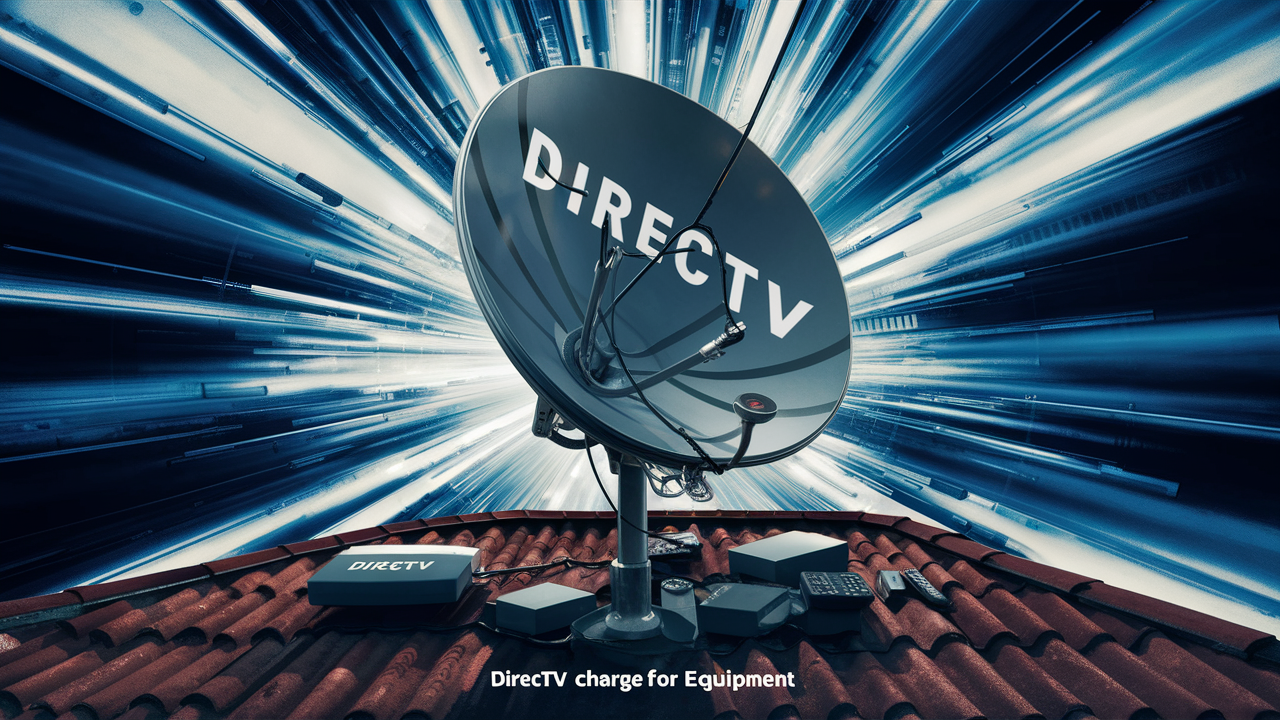
Understanding DIRECTV equipment charges is crucial for new and existing customers. This guide clarifies whether DIRECTV charges for receivers, Genie devices, remotes, and installation, providing a clear breakdown of costs and potential waivers for 2025-2026.
Understanding DIRECTV Equipment Charges
For many consumers exploring satellite television, a primary concern revolves around the cost of the necessary hardware. When it comes to DIRECTV, the question "Does DIRECTV charge for equipment?" is a frequent one. The answer, like many service-related queries, is nuanced. While DIRECTV often provides equipment on a lease basis, meaning you don't outright purchase it, there are indeed associated costs. These can manifest as upfront fees, monthly equipment charges, or charges incurred due to damage or loss. Understanding these potential costs is vital for budgeting and making an informed decision about their service packages for 2025-2026.
DIRECTV's model typically involves providing customers with essential equipment, such as satellite receivers (including their advanced Genie systems), dishes, and sometimes even installation services, as part of a new customer agreement. However, this doesn't always mean the equipment is free. The costs are often structured in a way that they are either bundled into promotional offers, included in the monthly service fee, or charged as separate line items. It's important to differentiate between the initial setup and ongoing use of the equipment. For instance, while installation might be free under certain promotions, subsequent equipment upgrades or replacements could incur fees.
The complexity arises from various factors, including the type of equipment leased, the duration of customer contracts, and the specific promotions active at the time of signup. For example, a standard receiver might have different associated costs than a Genie DVR, which offers advanced features. Furthermore, if a customer chooses to upgrade their equipment or requires additional receivers for secondary TVs, these often come with their own set of charges. This guide aims to demystify these charges, providing a comprehensive overview of what to expect regarding DIRECTV equipment costs in 2025-2026.
DIRECTV Receiver and Genie Costs
The core of any DIRECTV setup is the satellite receiver, and for many, this means the advanced Genie system. DIRECTV's strategy has long been to lease this equipment to customers rather than sell it. This means that you, as the subscriber, do not own the receivers or Genie clients. Instead, you pay a monthly fee or have these costs bundled into your overall package price. For new customers signing up in 2025-2026, the situation regarding these primary devices is as follows:
Standard Receiver vs. Genie System
DIRECTV offers different tiers of receivers, with the Genie line being their flagship product. The Genie system, particularly the Genie DVR, allows for whole-home viewing, meaning you can watch and record multiple shows simultaneously and access them from different rooms via Genie clients. This advanced functionality comes with specific leasing costs.
- Standard Receivers: For basic setups, especially in homes with fewer TVs or simpler viewing needs, DIRECTV might offer standard receivers. The cost associated with these is generally lower than the Genie system. In many promotional offers for 2025-2026, a standard receiver might be included with installation or have a nominal monthly lease fee, often around $7-$10 per month if not covered by a promotion.
- Genie DVR (HR54/HR54R): This is the central hub for most modern DIRECTV installations. It allows for up to 5 simultaneous recordings and can support up to 4 Genie clients. The lease cost for the Genie DVR itself is typically higher, often in the range of $10-$15 per month. However, many new customer promotions in 2025-2026 waive this fee for the first 12-24 months, effectively making it "free" for the promotional period.
- Genie Clients (C41/C41W): These are smaller boxes that connect to the Genie DVR to enable viewing and recording capabilities on additional TVs. Each Genie client usually incurs a separate monthly lease fee, often around $7-$10 per client. Again, promotions can significantly reduce or eliminate these costs for a specified period.
Lease Fees and Potential Waivers
The monthly lease fee for DIRECTV equipment is a critical component of your bill. While DIRECTV advertises packages that seem attractively priced, it's essential to look at the fine print regarding equipment lease costs. For 2025-2026, DIRECTV continues to offer incentives to new subscribers:
- Promotional Waivers: Many introductory offers for new DIRECTV customers include waivers for the monthly equipment lease fees for the primary receiver (Genie DVR) for the first 12 to 24 months. This is a significant cost saving during the initial contract period.
- Standard Lease Fees: If you are not on a promotional plan or your promotional period has ended, you will typically see a monthly charge for each piece of equipment. For example, a setup with one Genie DVR and two Genie clients could incur monthly lease fees ranging from $24 to $35 ($10-$15 for the DVR + $7-$10 per client).
- Upgrades: If you request an equipment upgrade outside of a standard service package or after your contract ends, you will likely be charged for the new equipment. This could be a one-time fee or a change in your monthly lease cost.
Examples of 2025-2026 Pricing Structures (Illustrative)
Let's consider a hypothetical new customer scenario for 2025-2026:
Scenario 1: New Customer with 24-Month Promotion
- Equipment: 1 Genie DVR (HR54), 2 Genie Clients (C41)
- Promotional Offer: Monthly lease fee for Genie DVR waived for 24 months. Monthly lease fee for Genie Clients waived for 12 months.
- What You Pay (Monthly): $0 for Genie DVR (promotional). $7-$10 per client for months 1-12. After 12 months, $7-$10 per client will apply.
- What You Pay (After Promo): If not renewed with new offers, you'd pay approximately $10-$15 for the DVR and $7-$10 for each client, totaling $24-$35 per month for equipment.
Scenario 2: Existing Customer Without Promotion or After Promo Ends
- Equipment: 1 Genie DVR (HR54), 1 Genie Client (C41)
- Standard Fees: Genie DVR Lease: $10-$15/month. Genie Client Lease: $7-$10/month.
- Total Equipment Cost: $17-$25 per month.
It is crucial to verify the exact lease terms and fees with DIRECTV at the time of signup or when reviewing your service agreement, as these can change and vary based on specific packages and ongoing promotions.
Installation Fees and Equipment
The initial setup of your DIRECTV service involves professional installation, which includes the mounting of the satellite dish, running cables, and connecting the receivers. The cost associated with this installation and the equipment provided is another area where charges can apply, though often mitigated by promotions.
Professional Installation Costs
DIRECTV typically uses certified, third-party technicians for installations. The cost of this professional service can vary:
- Standard Installation: For new customers signing up for a minimum 24-month agreement in 2025-2026, DIRECTV often offers "Free Professional Installation." This means the technician's labor and the basic setup are covered. This is a significant incentive to attract new subscribers.
- Self-Installation Kits: In some limited cases, if you are a returning customer or have a very simple setup (e.g., relocating an existing dish), DIRECTV might offer a self-installation kit. This usually involves a reduced or waived installation fee but requires the customer to perform the setup themselves, which can be challenging.
- Complex Installations: If your installation requires more than the standard setup—for example, long cable runs, installation on a difficult roofline, or multiple dish alignments—additional charges may apply. These are typically communicated by the installer before work begins and can range from $50 to $200 or more, depending on the complexity.
- Additional Outlets/Receivers: If you decide during the installation to add more receivers (Genie clients) than initially planned, the technician may charge an additional fee per outlet for the setup and connection, often around $49-$99 per outlet, in addition to the monthly lease fee for the client.
Equipment Included with Installation
The installation fee, whether waived or charged, covers the setup of the essential equipment. This usually includes:
- Satellite Dish: The dish is provided and installed by the technician.
- Primary Receiver: Typically a Genie DVR (HR54 or newer model).
- Cabling and Connectors: Necessary wiring to connect the dish to the receiver and the receiver to your TV.
- Basic Setup and Activation: The technician ensures the system is operational and activated with DIRECTV.
It's important to note that the equipment itself (dish, receivers) is leased, not purchased, as discussed in the previous section. The installation fee is for the service of setting it up. For 2025-2026, the "Free Professional Installation" remains a strong promotional tool for DIRECTV.
What if the Installer Leaves Equipment Behind?
Sometimes, after an installation or service call, customers might find unused equipment left by the technician. This could include extra cables, connectors, or even a secondary dish if an upgrade or troubleshooting occurred. DIRECTV's policy is that all provided equipment, unless explicitly purchased or stated otherwise, remains the property of DIRECTV. Customers are generally not charged for standard installation materials left behind, but any leased equipment not returned upon cancellation will incur fees.
Example of Installation Fee Structure (Illustrative 2025-26)
Scenario: New Customer Signing a 24-Month Contract
- Base Package: Select, Choice, Ultimate, Premier
- Offer: Free Professional Installation.
- Equipment Provided: 1 Genie DVR, 1 Genie Client.
- What You Pay for Installation: $0 (promotional).
- Potential Additional Costs: If the customer requests a third TV to be connected with another Genie Client during the visit, the installer might charge an additional $49-$99 for the setup of that extra outlet.
Scenario: Existing Customer Requesting a Service Call for a Faulty Dish Alignment
- Issue: Signal loss due to dish misalignment.
- Service: Technician visits to realign the dish.
- Cost: If the misalignment is due to external factors (e.g., severe weather, tree growth), DIRECTV might charge a service fee, potentially ranging from $50-$100. If the issue is determined to be faulty equipment or installation error, the service call and realignment may be free. This is where an Equipment Protection Plan can be beneficial.
Always clarify any potential installation or service fees with the DIRECTV representative or the technician before agreeing to the work. For 2025-2026, the emphasis on free installation for new contracts is a key selling point.
Remote Controls and Accessories
Beyond the primary receivers, customers often require or wish to purchase additional accessories to enhance their viewing experience. The most common of these is the remote control, but other items like additional cables or even external hard drives for DVRs can also be considered.
Remote Control Costs
DIRECTV remotes are designed to work seamlessly with their receivers and Genie systems. The cost associated with remotes generally falls into these categories:
- Included with Receiver: Each DIRECTV receiver (Genie DVR or client) comes with at least one remote control. This remote is considered part of the leased equipment.
- Replacement Remotes: If you lose or damage the remote that came with your receiver, you will likely be charged for a replacement. For 2025-2026, the cost for a standard DIRECTV remote replacement can range from $15 to $30. This fee is typically a one-time charge.
- Advanced Remotes: DIRECTV may offer more advanced remotes with features like voice control or enhanced backlighting. These premium remotes, if purchased separately, can cost $30-$50 or more. However, they are usually included with the latest Genie systems.
- Remote Protection Plans: As discussed later, some protection plans may cover the cost of lost or damaged remotes.
Other Accessories
While less common for direct charges, certain accessories can incur costs:
- Additional Cables: Standard HDMI cables and coaxial cables are usually provided during installation. If you require exceptionally long cables or specialized connectors for a unique setup, you might need to purchase these separately from retail stores. DIRECTV generally does not charge for standard cabling materials.
- External Hard Drives (for older DVRs): Some older DIRECTV DVR models allowed for external hard drive expansion to increase recording capacity. If you have such a model and wish to add storage, you would purchase an external hard drive from a retailer. Newer Genie DVRs have substantial internal storage, making external drives largely unnecessary.
- Wi-Fi Adapters: While most modern Genie systems have built-in Wi-Fi for on-demand features, older models might have required a separate Wi-Fi adapter. If you have an older system and need this adapter, it would typically be a one-time purchase cost of $30-$50.
Fees for Damaged or Lost Equipment
It's crucial to understand that all leased equipment, including receivers, Genie clients, dishes, and remotes, remains the property of DIRECTV. If any of this equipment is lost, stolen, or damaged beyond normal wear and tear, you will be charged a fee for its replacement. These fees can be substantial, often ranging from $150 to $350 or more per item, depending on the specific device. For 2025-2026, DIRECTV continues to enforce these charges to protect their asset investment.
Example Fee Ranges for Damaged/Lost Equipment (2025-26):
| Equipment Type | Estimated Replacement Fee |
|---|---|
| Standard Receiver | $150 - $250 |
| Genie DVR (HR54/HR54R) | $250 - $350 |
| Genie Client (C41/C41W) | $150 - $250 |
| Satellite Dish | $100 - $200 |
| Remote Control | $15 - $30 |
These figures are approximate and can vary. Always refer to your service agreement or contact DIRECTV customer service for precise replacement costs. This is a key reason why considering an equipment protection plan is often recommended for new subscribers.
Equipment Protection Plans and Waivers
To mitigate the risk of unexpected charges for damaged or lost equipment, DIRECTV offers Equipment Protection Plans. These plans are essentially insurance policies for your leased hardware, and understanding their value is key to managing your overall costs.
What is the DIRECTV Equipment Protection Plan?
The DIRECTV Equipment Protection Plan (EPP) is an optional service that customers can add to their monthly bill. For a small monthly fee, it covers the cost of replacing leased equipment that is lost, stolen, or damaged due to accidental issues. For 2025-2026, the EPP typically costs around $6-$10 per month, depending on the package and any ongoing promotions.
Benefits of the Protection Plan
- Coverage for Accidental Damage: If your Genie DVR is accidentally dropped, or a Genie client is damaged by a pet, the EPP would cover the replacement cost, saving you hundreds of dollars.
- Coverage for Loss/Theft: In the unfortunate event of theft or if equipment is lost during a move, the EPP can waive the hefty replacement fees.
- Free Service Calls: Some tiers of the EPP may also include free or discounted service calls for issues that are not related to damage or loss, such as signal problems or equipment malfunctions.
- Priority Support: Subscribers to the EPP might receive priority customer service, leading to quicker resolution of issues.
- Waived Upgrade Fees: Occasionally, the EPP might offer discounted or waived fees for voluntary equipment upgrades.
When is the Protection Plan Worth It?
The decision to purchase an EPP depends on your risk tolerance and living situation. Consider the following:
- Families with Children or Pets: Homes with young children or pets are at a higher risk of accidental equipment damage.
- Renters or Frequent Movers: If you move frequently, the risk of equipment loss or damage during transit is higher.
- Remote or Difficult-to-Access Locations: If your home is in a location prone to severe weather (hail, high winds) that could damage the dish, or if access for technicians is difficult, the EPP can provide peace of mind.
- Cost vs. Risk: Compare the monthly EPP fee ($6-$10) against the potential replacement cost of a Genie DVR ($250-$350). Over a typical 24-month contract, paying $7/month for the EPP amounts to $168. If you never need to use it, it's an added expense. However, if you do experience a major incident, the savings are substantial.
Waivers and Promotions
DIRECTV frequently offers promotions that may include a temporary waiver of the EPP fee for the first few months or even the entire first year of service. This allows customers to try the service and the protection plan without immediate added cost. However, it's crucial to note when these waivers expire and the EPP fee will begin appearing on your bill.
Example: A new customer signs up in 2025 with a 24-month agreement. The EPP is offered at $8/month, but the promotion waives this fee for the first 12 months. After 12 months, the $8/month charge will be added to their bill. If during the first 12 months, their Genie DVR is damaged, the EPP covers the replacement cost, saving them $250-$350.
Exclusions from Protection Plans
It's important to be aware that EPPs typically do not cover:
- Cosmetic Damage: Minor scratches or dents that do not affect functionality are usually not covered.
- Intentional Damage: If equipment is deliberately damaged, the plan will not apply.
- Pre-existing Conditions: Issues that existed before the EPP was activated may not be covered.
- Damage from Unauthorized Modifications: Any tampering with the equipment will void the protection.
For 2025-2026, DIRECTV continues to promote the EPP as a valuable add-on for customers seeking to safeguard their investment in leased equipment. Always read the terms and conditions carefully to understand the full scope of coverage and any limitations.
What Happens to Equipment When You Cancel?
A common point of confusion for DIRECTV customers arises when they decide to discontinue their service. The question of what happens to the leased equipment and whether there are any associated costs upon cancellation is paramount.
Return Policy for Leased Equipment
As established, DIRECTV equipment—receivers, Genie clients, dishes, remotes—is leased, not owned by the customer. Therefore, upon cancellation of your DIRECTV service, you are contractually obligated to return all leased equipment to DIRECTV. Failure to do so will result in significant charges.
The Return Process
DIRECTV typically provides a return kit to customers who are canceling their service. This kit usually includes:
- Pre-paid Shipping Labels: To send the equipment back to DIRECTV.
- Packaging Materials: Boxes or bags to pack the equipment securely.
- Instructions: A guide detailing how to pack and ship the items.
Customers are usually given a specific timeframe (e.g., 30 days) from their service disconnection date to return the equipment. It is crucial to adhere to this deadline. The return process generally involves:
- Packing the Equipment: Carefully pack all receivers, clients, remotes, power cords, and any other DIRECTV-branded hardware.
- Attaching Shipping Labels: Securely affix the provided pre-paid shipping labels to the package(s).
- Dropping off the Package: Take the package to the designated shipping carrier (e.g., UPS, FedEx).
- Obtaining a Receipt: Always get a receipt from the shipping carrier as proof of return. Keep this receipt until you have confirmed DIRECTV has received the equipment and no charges have been applied.
Charges for Unreturned or Damaged Equipment
If DIRECTV does not receive the leased equipment within the specified timeframe, or if the returned equipment is damaged beyond normal wear and tear, you will be billed for the full replacement cost of the unreturned or damaged items. As previously mentioned, these fees can be substantial, often ranging from $150 to $350 per device. For 2025-2026, DIRECTV continues to enforce these charges to recover the value of their assets.
Example: A customer cancels their service and fails to return their Genie DVR and two Genie clients. They could face charges totaling approximately $550-$1050 ($250-$350 for the DVR + $150-$250 for each client).
What About Installation Equipment?
The satellite dish and any internal wiring installed by the technician are generally considered permanent fixtures and do not need to be returned. The responsibility lies with returning the receivers, Genie clients, and remotes that are connected to your TVs.
Canceling During a Contract Term
If you cancel your DIRECTV service before the end of your minimum contract term (typically 24 months), you will likely incur an Early Termination Fee (ETF). This ETF is separate from any charges for unreturned equipment. For 2025-2026, the ETF can range from $15 to $20 per month remaining on the contract, potentially totaling several hundred dollars.
Tips for a Smooth Cancellation and Return
- Contact DIRECTV: Initiate the cancellation process by contacting DIRECTV customer service directly.
- Request Return Kit: Ensure you receive the return kit and understand the instructions.
- Document Everything: Take photos of the equipment before packing and keep shipping receipts.
- Track Your Shipment: Use the tracking number provided by the carrier to monitor the return shipment.
- Check Your Final Bill: Carefully review your final bill from DIRECTV to ensure no erroneous equipment charges have been applied.
Understanding these procedures is crucial to avoid unexpected costs when ending your DIRECTV subscription.
Tips for Minimizing Equipment Costs
While DIRECTV's pricing structure can seem complex, several strategies can help you minimize the costs associated with their equipment, both at the time of signup and throughout your subscription.
Leverage New Customer Promotions
DIRECTV heavily relies on promotional offers to attract new subscribers. These often include significant discounts or waivers on equipment lease fees and installation. For 2025-2026:
- Negotiate: Don't hesitate to negotiate with the sales representative. Ask explicitly about current promotions for equipment waivers, free installation, or bundled discounts.
- Read the Fine Print: Understand the duration of the promotional period. Be aware of when standard fees will begin to apply.
- Bundle Services: Sometimes, bundling DIRECTV with other services (like internet or mobile, if available through AT&T partnerships) can unlock additional equipment discounts or promotional credits.
Understand Your Equipment Needs
Assess how many TVs you actually need satellite service for. Each additional receiver (Genie client) incurs a monthly lease fee. If you only watch TV in one or two rooms, avoid adding unnecessary clients.
- Genie Mini vs. Standard Receiver: For rooms with minimal use, inquire if a less expensive standard receiver is an option, though DIRECTV is phasing these out in favor of Genie clients.
- One Genie DVR is Key: The Genie DVR is essential for whole-home DVR functionality. Focus on getting the best deal for this primary device.
Consider an Equipment Protection Plan Wisely
As discussed, the Equipment Protection Plan (EPP) has a monthly cost. Evaluate if it's necessary for your situation. If you are in a stable home environment with no pets or young children, and you are generally careful with electronics, you might opt out of the EPP to save on monthly fees. However, if you have a higher risk of damage or loss, the EPP can be a cost-saver in the long run.
- Check for EPP Waivers: Look for promotions that waive the EPP fee for an introductory period.
- Weigh the Risk: Calculate the potential savings versus the monthly cost over your contract term.
Be Diligent with Returns Upon Cancellation
This is one of the most critical areas to avoid significant, unexpected charges. When you decide to cancel your DIRECTV service:
- Request the Return Kit Promptly: As soon as you initiate cancellation, ask for the return kit.
- Pack Carefully and Ship On Time: Ensure all leased equipment is returned within the specified timeframe using the provided labels.
- Get Proof of Shipment: Always obtain a tracking number and receipt from the shipping carrier.
- Confirm Receipt: Follow up with DIRECTV to confirm they have received the equipment and that no charges have been applied.
Avoid Damaging or Losing Equipment
This sounds obvious, but it's the most direct way to avoid replacement fees. Treat the leased equipment with care. Secure receivers and clients to prevent them from falling, and keep remotes in a safe place.
Explore Upgrade Options Strategically
If DIRECTV offers you an equipment upgrade, carefully review the associated costs. Sometimes, upgrades come with new contract commitments or increased monthly lease fees. Ensure the benefits of the upgrade outweigh the additional costs.
Negotiate Existing Account Fees
If you are an existing customer whose promotional period has ended, contact DIRECTV customer service. Explain that you are reviewing your budget and inquire about any available loyalty discounts or new promotions that could reduce your monthly equipment lease costs or bundle them into a more favorable package.
By being an informed consumer and employing these strategies, you can effectively manage and minimize the equipment-related expenses associated with your DIRECTV service in 2025-2026.
DIRECTV Equipment Charges vs. Competitors (2025-26)
To truly understand DIRECTV's equipment charges, it's beneficial to compare them with those of other major pay-TV providers in the 2025-2026 market. The landscape of satellite and cable TV providers often involves similar equipment leasing models, but the specific fees and promotional strategies can differ significantly.
Satellite Competitors (e.g., Dish Network)
Dish Network, DIRECTV's primary satellite competitor, employs a similar leasing model for its receivers and DVRs (known as the Hopper system). For 2025-2026, the comparison often looks like this:
- Lease Fees: Both DIRECTV and Dish Network typically charge monthly lease fees for their primary DVRs and any additional receivers. These fees are often in a similar range, roughly $10-$15 for the main DVR and $7-$10 for each additional receiver.
- Promotions: Both providers frequently offer introductory promotions that waive these lease fees for a specified period (e.g., 12-24 months) for new customers signing a contract. The duration and depth of these waivers can vary.
- Installation: Free professional installation is a common promotional offer for both companies when signing a long-term contract.
- Equipment Protection: Both offer optional equipment protection plans for a monthly fee, covering accidental damage or loss.
- Key Difference: Historically, Dish Network has sometimes been perceived as more flexible with older equipment or offers slightly different contract structures. However, for 2025-2026, their core equipment charging models remain quite comparable to DIRECTV.
Cable Competitors (e.g., Spectrum, Xfinity)
Cable providers often have a slightly different approach, though leasing is still prevalent. For 2025-2026:
- Lease Fees: Cable companies also charge monthly fees for cable boxes and DVRs. These fees can sometimes be slightly lower than satellite providers, or they may offer bundled packages where equipment costs are less transparently itemized. For instance, a standard cable box might lease for $7-$12, and a DVR for $10-$18 per month.
- Promotions: Cable providers are aggressive with promotions, often including free installation and temporary equipment fee waivers, similar to satellite services.
- Equipment Ownership Options: Some cable providers may offer customers the option to purchase their own compatible cable boxes and DVRs from retail stores. This can lead to significant long-term savings, as you avoid monthly lease fees. DIRECTV generally does not offer this option for its proprietary Genie systems.
- Bundling: Cable companies are strong proponents of bundling TV, internet, and phone services. Equipment costs are often integrated into these bundles, making direct comparisons difficult.
- Installation: Free professional installation is common, especially when signing up for bundled services.
Streaming Services (e.g., YouTube TV, Hulu + Live TV, Sling TV)
These services operate on a fundamentally different model and do not involve leased hardware in the traditional sense.
- No Leased Equipment: Streaming services do not require you to lease satellite dishes or receivers. You use your own internet-connected devices (smart TVs, streaming sticks like Roku or Fire TV, gaming consoles, computers, smartphones).
- Device Costs: The only "equipment cost" is the purchase of your streaming device, if you don't already own one. These devices range from $30 (basic streaming sticks) to $100+ (advanced streaming boxes or smart TVs).
- Monthly Subscription Fees: The primary cost is the monthly subscription fee for the streaming service itself, which covers access to channels. For 2025-2026, these fees typically range from $40 to $80+ per month, depending on the channel lineup.
- DVR Functionality: Most streaming services offer cloud-based DVR storage, which is usually included or available as an add-on for a small fee, rather than requiring a physical DVR.
- Advantage: The main advantage is flexibility, no long-term contracts, and no leased equipment fees. The disadvantage can be reliance on internet stability and potentially less comprehensive channel lineups compared to premium satellite/cable packages.
Summary of Comparisons (2025-26)
DIRECTV's equipment charges are largely in line with its direct satellite competitor, Dish Network. Both rely heavily on leased equipment and promotional waivers for new customers. Cable providers offer a similar leasing model but may provide more options for customer-owned equipment and aggressive bundling. Streaming services eliminate leased equipment entirely, shifting costs to device ownership and monthly subscription fees. For consumers concerned about equipment charges, understanding these different models is key. DIRECTV's primary strategy for minimizing perceived equipment costs is through attractive, time-limited waivers for new subscribers on long-term contracts.
Conclusion
In conclusion, the question "Does DIRECTV charge for equipment?" is answered with a qualified "yes, but often with significant promotional waivers." For 2025-2026, DIRECTV primarily leases its satellite receivers, Genie DVRs, Genie clients, and remotes. While these devices are not purchased outright, customers are typically responsible for monthly lease fees. However, DIRECTV frequently offers robust introductory promotions that waive these fees for the primary equipment for the first 12-24 months of a new customer contract. Installation fees are also often waived for new subscribers signing a minimum 24-month agreement. Be aware that lost, stolen, or damaged leased equipment will incur substantial replacement fees, making the optional Equipment Protection Plan a worthwhile consideration for many. Upon cancellation, all leased equipment must be returned to avoid these charges, and early termination fees apply if contracts are broken. By understanding these structures, leveraging promotions, and being diligent with equipment returns, customers can effectively manage their DIRECTV equipment costs.