Wondering if your DIRECTV setup demands a smart TV? The answer is nuanced. While a smart TV offers enhanced features and convenience, DIRECTV itself primarily relies on its proprietary receiver or streaming device, not necessarily the intelligence of your television. This guide clarifies the requirements and explores the benefits of pairing DIRECTV with a smart TV.
Understanding DIRECTV Receivers and Your TV
When it comes to traditional DIRECTV satellite service, the core of your viewing experience lies not in your television's capabilities, but in the DIRECTV receiver box provided by the company. These receivers are sophisticated devices that decode the satellite signal, manage your channel subscriptions, and provide access to on-demand content and DVR functionalities. Therefore, for a standard DIRECTV satellite installation, the primary requirement is a television with compatible input ports, typically HDMI, to connect to the receiver. The television itself doesn't need to be "smart" in the sense of having built-in internet connectivity or apps.
The DIRECTV receiver acts as the intermediary between the satellite dish and your screen. It handles all the heavy lifting of signal processing and content delivery. Think of your TV as the display monitor; it needs to be able to receive a video and audio signal, which is precisely what the DIRECTV receiver outputs. As of 2025-26, most televisions manufactured in the last decade or more come equipped with HDMI ports, making them compatible with modern DIRECTV receivers. Older televisions that might only have component or composite video inputs could present compatibility challenges, but these are increasingly rare in the consumer market.
The technology powering DIRECTV's traditional service is designed to be hardware-centric, meaning the specialized receiver is the key component. This approach has historically allowed DIRECTV to cater to a wide range of television sets, ensuring accessibility for a broad customer base. The receiver handles features like channel tuning, recording (with Genie or other DVR models), and interactive services. The TV's role is simply to display the output from this receiver. This fundamental distinction is crucial when understanding whether a smart TV is a prerequisite.
In essence, the DIRECTV receiver is the "smart" component in this equation for satellite TV. It manages the complex tasks of signal reception, decoding, and user interface navigation. Your television, whether it's a basic HD model from 2015 or a cutting-edge 4K QLED in 2026, primarily serves as the visual output device. The connection is typically made via an HDMI cable, which transmits both high-definition video and audio signals. This simplicity in connection requirements means that the intelligence of the TV itself is not a direct dependency for the satellite service to function.
However, it's important to distinguish between the satellite service and DIRECTV's newer streaming offerings. While the satellite service is largely independent of TV intelligence, the streaming platform operates differently. This leads us to the next crucial question: does DIRECTV Stream, the company's internet-based television service, have different requirements?
Does DIRECTV Stream Require a Smart TV?
This is where the landscape shifts significantly. DIRECTV Stream is an internet-based television service, and as such, its delivery mechanism is fundamentally different from the traditional satellite model. DIRECTV Stream is designed to be accessed through various internet-connected devices, and while a smart TV is a convenient option, it is not the *only* requirement. The service can be accessed via dedicated DIRECTV Stream streaming devices, or through apps on smart TVs, streaming sticks, and other connected devices.
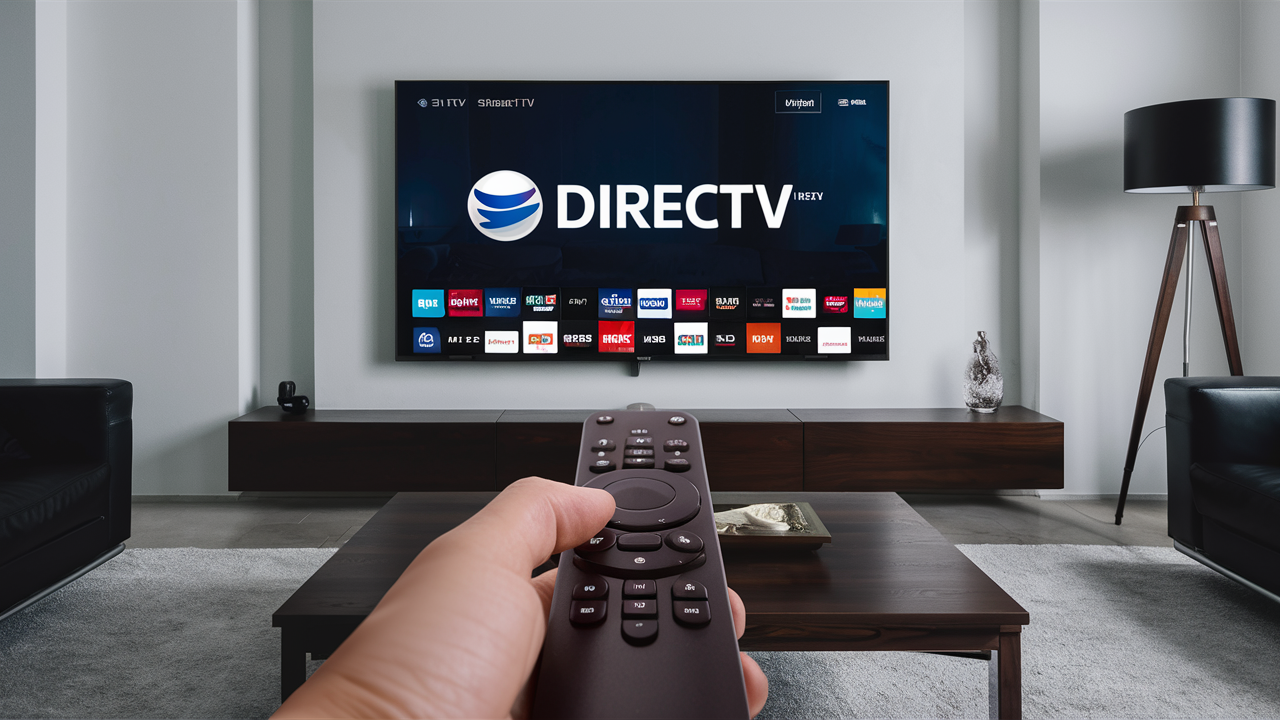
For smart TVs, DIRECTV Stream typically offers a dedicated app. This app allows users to access live channels, on-demand content, and DVR functionalities directly through their television's interface, leveraging the TV's internet connectivity and operating system. In this scenario, the smart TV acts as both the display and the primary gateway for the DIRECTV Stream service. This offers a streamlined, integrated experience, often eliminating the need for additional hardware like a separate streaming box.
However, if you do not have a smart TV, or if your smart TV's app store does not support the DIRECTV Stream app, you are not out of luck. DIRECTV offers its own proprietary streaming device, the DIRECTV Stream device. This device connects to your television via HDMI and provides access to the DIRECTV Stream service, effectively turning any TV with an HDMI port into a DIRECTV Stream-ready television. This device handles the internet connection and the app functionality, similar to how a smart TV would, but as an external component.
Furthermore, DIRECTV Stream is also compatible with popular third-party streaming devices such as Amazon Fire TV, Roku, Apple TV, and Google Chromecast with Google TV. These devices plug into your TV's HDMI port, connect to your home Wi-Fi, and allow you to download and run the DIRECTV Stream app. In this case, your television simply needs to be able to display the output from these streaming devices, which is a standard HDMI connection. This offers flexibility, allowing users to choose their preferred ecosystem or to upgrade an older non-smart TV into a streaming-capable device.
So, to directly answer the question: DIRECTV Stream does not *strictly* require a smart TV. It requires an internet connection and a device capable of running the DIRECTV Stream app or accessing the service. This can be a smart TV with the app, a dedicated DIRECTV Stream device, or a compatible third-party streaming device. The key is the ability to connect to the internet and run the necessary software. As of 2025-26, the prevalence of smart TVs is high, but the availability of these alternative streaming solutions ensures that users with non-smart TVs are not excluded from DIRECTV's internet-based offerings.
Smart TV vs. Non-Smart TV with DIRECTV: A Comparison
Understanding the differences in user experience and functionality when using DIRECTV with a smart TV versus a non-smart TV is crucial for making an informed decision. The choice often boils down to convenience, integration, and the desire for a consolidated entertainment hub.
| Feature | Smart TV with DIRECTV (Satellite) | Non-Smart TV with DIRECTV (Satellite) | Smart TV with DIRECTV Stream | Non-Smart TV with DIRECTV Stream |
|---|---|---|---|---|
| Core Requirement | TV with HDMI input | TV with HDMI input | TV with HDMI input and internet connectivity (built-in or via device) | TV with HDMI input and an external streaming device |
| DIRECTV Hardware | DIRECTV Receiver (e.g., Genie) | DIRECTV Receiver (e.g., Genie) | Optional: DIRECTV Stream device | Required: DIRECTV Stream device or compatible third-party streamer (Roku, Fire TV, Apple TV, etc.) |
| App Integration | None directly on TV for DIRECTV service | None directly on TV for DIRECTV service | Direct app access, integrated interface | App accessed via external streaming device |
| Internet Connectivity | Not required for core TV service | Not required for core TV service | Required for service delivery | Required for service delivery (via external device) |
| Additional Streaming Apps | Requires separate streaming device or smart TV features | Requires separate streaming device | Can access other apps natively on TV | Apps accessed via external streaming device |
| Setup Complexity | Simple: Connect receiver to TV | Simple: Connect receiver to TV | Can be simpler if app is native; otherwise, similar to non-smart TV setup with streamer | Requires setup of external streaming device and connection to Wi-Fi |
| User Interface | DIRECTV receiver interface | DIRECTV receiver interface | Integrated DIRECTV Stream interface on TV | DIRECTV Stream interface on external device's display |
| Cost Implications | Cost of DIRECTV service and receiver | Cost of DIRECTV service and receiver | Cost of DIRECTV Stream service; potential cost of DIRECTV Stream device or third-party streamer | Cost of DIRECTV Stream service and external streaming device |
For DIRECTV satellite users, the distinction between a smart and non-smart TV is minimal regarding the core service. The DIRECTV receiver handles all the essential functions. However, if you wish to access other streaming services (like Netflix, Hulu, Disney+) alongside your DIRECTV satellite subscription on a non-smart TV, you would need to purchase a separate streaming device. A smart TV would offer these capabilities natively.
With DIRECTV Stream, the situation is different. A smart TV allows for a more integrated experience, with the DIRECTV Stream app residing directly on the TV. This means a single interface for both live TV and other streaming apps. On the other hand, a non-smart TV can be perfectly equipped to handle DIRECTV Stream by adding an external device. The DIRECTV Stream device or a popular alternative like a Roku or Fire TV Stick provides the necessary "smarts" and app access. The user experience might feel slightly less integrated, as you'd switch between the TV's native interface (if any) and the streaming device's interface, but the functionality is identical.
The choice between these options often depends on your current TV setup and your budget. If you already have a smart TV, using the native DIRECTV Stream app is likely the most convenient path. If you have a perfectly good non-smart TV that you're happy with, investing in an affordable streaming device is a cost-effective way to access DIRECTV Stream and a world of other content. The key takeaway is that neither DIRECTV satellite nor DIRECTV Stream *mandates* a smart TV, but a smart TV can offer a more seamless experience, particularly with the streaming service.
Benefits of Using a Smart TV with DIRECTV
While not always a strict requirement, pairing DIRECTV, especially DIRECTV Stream, with a smart TV offers a compelling array of benefits that enhance the overall home entertainment experience. These advantages primarily revolve around convenience, integration, and access to a wider ecosystem of digital content.
One of the most significant benefits is the integrated user interface. With DIRECTV Stream, the app is often built directly into the smart TV's operating system. This means you can navigate between live DIRECTV channels, on-demand libraries, and other streaming applications (like Netflix, Amazon Prime Video, Hulu, Disney+, etc.) using a single remote and a consistent interface. This eliminates the need to switch input sources or juggle multiple remotes, providing a much smoother and more intuitive user experience. As of 2025-26, smart TV interfaces are increasingly sophisticated, aiming for a unified content discovery experience.
Simplified setup and reduced clutter are also major advantages. When using the DIRECTV Stream app on a smart TV, you typically don't need an additional streaming box. This means fewer cables, fewer power adapters, and less space occupied behind your television. The setup process is often as simple as downloading the app from the TV's app store and logging in with your DIRECTV Stream credentials. This is particularly appealing for those who prefer a clean and minimalist entertainment center.
Enhanced connectivity and features are another perk. Smart TVs, by their nature, are designed for internet connectivity. This allows for features like voice control (often integrated with smart assistants like Google Assistant or Amazon Alexa), personalized recommendations based on viewing habits, and seamless integration with other smart home devices. While DIRECTV Stream itself provides many of these features, the smart TV platform can amplify them, offering a more interactive and personalized viewing environment.
Future-proofing your entertainment system is also a consideration. As technology evolves, smart TVs are continually updated with new features and improved performance. By using a smart TV, you're investing in a device that is designed to adapt to future streaming standards and content delivery methods. While DIRECTV itself will continue to innovate, having a modern smart TV ensures that your display hardware is ready to take advantage of these advancements.
For DIRECTV satellite users, the benefits of a smart TV are more about augmenting the experience rather than fulfilling a core requirement. A smart TV allows you to access other streaming services natively, alongside your DIRECTV satellite channels. This means you can have a single device and remote to access virtually all your entertainment content, rather than needing a separate streaming stick for Netflix, for example. This consolidation is a significant convenience factor for many households.
Finally, the visual experience can sometimes be enhanced. While the video quality is primarily determined by the broadcast signal and your internet connection (for streaming), smart TVs often come with advanced picture processing technologies, higher refresh rates, and better color reproduction capabilities. When combined with high-definition or 4K content from DIRECTV, this can lead to a more immersive and visually stunning viewing experience. For instance, HDR (High Dynamic Range) support on many 2025-26 smart TVs can make DIRECTV's 4K content pop with greater contrast and a wider color spectrum.
In summary, while DIRECTV doesn't strictly mandate a smart TV, leveraging one, especially with DIRECTV Stream, offers a more integrated, convenient, and feature-rich entertainment ecosystem. It streamlines your setup, enhances usability, and provides a platform ready for future technological advancements.
Connecting DIRECTV to Any TV: The Essential Steps
Connecting DIRECTV to your television, whether it's a smart TV or a standard HD model, is generally a straightforward process. The specific steps might vary slightly depending on whether you are setting up DIRECTV satellite or DIRECTV Stream, but the fundamental principles remain the same: establishing a physical or network connection and ensuring compatibility.
For DIRECTV Satellite Service:
This is the traditional method, relying on a satellite dish and a receiver box.
- Professional Installation: For most DIRECTV satellite subscribers, the initial setup is handled by a certified DIRECTV technician. They will install the satellite dish, run the necessary cables, and connect the DIRECTV receiver to your television.
- Receiver Placement: The technician will place the DIRECTV receiver in a convenient location near your television.
- Connection to TV: The primary connection is made using an HDMI cable. The HDMI cable connects from the "HDMI Out" port on the back of the DIRECTV receiver to an "HDMI In" port on your television. HDMI is the standard for transmitting high-definition video and audio signals.
- Power Up: Both the TV and the DIRECTV receiver are plugged into power outlets and turned on.
- Select Input Source: On your TV's remote control, you will need to select the correct input source. This is usually labeled "Input," "Source," or "HDMI." You'll cycle through the options until you see the DIRECTV receiver's startup screen or menu.
- Initial Setup (Receiver): The DIRECTV receiver will guide you through an initial setup process, which may include language selection, signal check, and activation.
Note: If you are connecting to an older TV that lacks HDMI ports, DIRECTV may offer adapters or alternative connection methods (like component or composite cables), but HDMI is highly recommended for the best picture and sound quality. As of 2025-26, HDMI is ubiquitous on virtually all modern televisions.
For DIRECTV Stream Service:
This service is internet-based and can be accessed in several ways.
Option 1: Using a Smart TV with the DIRECTV Stream App
- Ensure Internet Connectivity: Your smart TV must be connected to your home's Wi-Fi network or via an Ethernet cable.
- Access App Store: Navigate to your smart TV's app store (e.g., Samsung App Store, LG Content Store, Google Play Store for Android TVs, etc.).
- Search and Download: Search for "DIRECTV Stream" and download the official app.
- Launch and Log In: Open the DIRECTV Stream app and log in using your DIRECTV Stream account credentials.
- Start Streaming: You can now access DIRECTV Stream channels and content directly through your smart TV.
Option 2: Using the DIRECTV Stream Device
- Connect the Device: Plug the DIRECTV Stream device into an available HDMI port on your television.
- Connect Power: Connect the power adapter to the DIRECTV Stream device and plug it into a power outlet.
- Connect to Internet: The DIRECTV Stream device will need to connect to your home internet. You can do this wirelessly via Wi-Fi or by using an Ethernet cable connected to your router.
- Power On and Setup: Turn on your TV and select the HDMI input where the DIRECTV Stream device is connected. The device will guide you through an initial setup process, including Wi-Fi connection and account login.
- Log In: Log in with your DIRECTV Stream account credentials.
Option 3: Using a Compatible Third-Party Streaming Device (Roku, Fire TV, Apple TV, etc.)
- Connect the Device: Plug your chosen streaming device into an available HDMI port on your television.
- Connect Power: Connect the power adapter to the streaming device and plug it into a power outlet.
- Connect to Internet: Connect the streaming device to your home internet (Wi-Fi or Ethernet).
- Initial Device Setup: Follow the on-screen instructions for your specific streaming device to complete its initial setup and connect to your network.
- Download DIRECTV Stream App: Navigate to the app store on your streaming device, search for "DIRECTV Stream," and download the app.
- Log In: Launch the DIRECTV Stream app and log in with your DIRECTV Stream account credentials.
In all scenarios, the fundamental requirement for the TV is a functional HDMI port. For DIRECTV Stream, a stable internet connection is paramount. By following these steps, you can ensure that DIRECTV is connected and ready to go, regardless of whether your television is a smart model or a traditional one.
Alternative Devices for Non-Smart TVs
For households that still utilize non-smart televisions, the inability to run apps natively might seem like a barrier to accessing modern streaming services. However, this is far from the case, especially with DIRECTV Stream. A variety of external devices exist that can effectively transform any TV with an HDMI port into a smart, internet-connected entertainment hub. These devices bridge the gap, providing the necessary "smarts" and app capabilities that a non-smart TV lacks.
The most direct solution offered by DIRECTV is the DIRECTV Stream device. This dedicated streaming box is designed to work seamlessly with the DIRECTV Stream service. It connects via HDMI, plugs into your home network, and provides access to the DIRECTV Stream app and interface. It's essentially an external smart TV operating system tailored for the DIRECTV Stream experience. This device ensures that users with older televisions can enjoy all the features and channels offered by DIRECTV Stream without needing to purchase a new TV.
Beyond DIRECTV's own offering, a plethora of popular third-party streaming devices are readily available and highly compatible with DIRECTV Stream. These devices have become incredibly popular due to their affordability, ease of use, and extensive app support. Among the leading options are:
- Roku Devices: Roku offers a wide range of streaming sticks and boxes (e.g., Roku Express, Roku Streaming Stick, Roku Ultra). These devices are known for their simple interface and vast library of channels and apps, including DIRECTV Stream. They connect via HDMI and Wi-Fi, making them easy to set up on any TV.
- Amazon Fire TV Devices: Amazon's Fire TV lineup (e.g., Fire TV Stick Lite, Fire TV Stick 4K, Fire TV Cube) also provides excellent support for DIRECTV Stream. These devices integrate with the Amazon ecosystem and offer voice control via Alexa. Like Roku, they are plug-and-play solutions that enhance non-smart TVs.
- Apple TV: For users invested in the Apple ecosystem, Apple TV offers a premium streaming experience. It supports the DIRECTV Stream app and provides a sleek interface, robust performance, and integration with other Apple services. While generally more expensive than Roku or Fire TV, it offers high-quality streaming and a refined user experience.
- Google Chromecast with Google TV: This device combines the casting functionality of Chromecast with a full-fledged smart TV interface powered by Google TV. It allows users to download apps directly, including DIRECTV Stream, and offers voice control through Google Assistant. It's a versatile option that works well with both Android and iOS devices.
The setup process for these alternative devices is generally consistent. You connect the device to your TV's HDMI port, power it on, connect it to your home Wi-Fi network, and then download the DIRECTV Stream app from the device's respective app store. Once logged in with your DIRECTV Stream credentials, you'll have full access to the service. These devices also typically offer access to hundreds of other streaming apps, turning your non-smart TV into a comprehensive entertainment center.
The cost of these devices varies, with basic streaming sticks often available for under $30-$50, making them a significantly more affordable option than purchasing a new smart TV. For instance, a 2025-26 price analysis shows that a Roku Express or Fire TV Stick can be acquired for approximately $25-$40, while higher-end models with 4K and HDR capabilities might range from $50-$150. This makes them an excellent solution for budget-conscious consumers or those who are not yet ready to upgrade their television.
In conclusion, if you have a non-smart TV and are interested in DIRECTV Stream, you have numerous excellent options. The DIRECTV Stream device itself is a reliable choice, and popular third-party streamers like Roku, Fire TV, Apple TV, and Chromecast with Google TV provide flexible and feature-rich alternatives. These devices ensure that the intelligence of your television is not a prerequisite for enjoying modern streaming television services.
Future Trends and DIRECTV Compatibility
The landscape of television consumption is constantly evolving, driven by advancements in technology and shifting consumer preferences. As we look towards the future, understanding how these trends might impact DIRECTV's compatibility, particularly with smart TVs, is essential. The industry is moving towards greater integration, higher resolutions, and more personalized viewing experiences.
One of the most significant ongoing trends is the widespread adoption of 4K Ultra HD and High Dynamic Range (HDR). As of 2025-26, 4K resolution is becoming standard for new televisions, and HDR content is increasingly available. DIRECTV has been investing in 4K content delivery, and this trend is expected to accelerate. Smart TVs are inherently better equipped to handle these advanced formats, offering superior picture quality. While DIRECTV satellite receivers can output 4K, the seamless integration and optimal display of HDR content are often best realized on modern smart TVs that are designed with these technologies in mind. For DIRECTV Stream, compatibility with 4K/HDR streaming is crucial, and most smart TVs released in recent years support these formats.
Increased reliance on streaming and Over-The-Top (OTT) services is another dominant trend. DIRECTV Stream is DIRECTV's direct response to this shift. The future will likely see further development and refinement of these internet-based services, potentially with more personalized content recommendations, interactive features, and integration with other digital platforms. Smart TVs, with their built-in internet connectivity and app ecosystems, are perfectly positioned to capitalize on these trends. They offer a unified platform for accessing both traditional broadcast/cable-like content and a vast array of on-demand streaming services.
Artificial Intelligence (AI) and Machine Learning (ML) are also playing a growing role. Smart TV operating systems are increasingly using AI to personalize user experiences, offer smarter search functionalities, and provide more relevant content recommendations. DIRECTV, through its platforms, can leverage these AI capabilities to enhance user engagement. For example, AI could help DIRECTV Stream learn your viewing habits and proactively suggest shows or movies you might enjoy, displayed prominently on your smart TV's home screen.
Voice control and smart home integration are becoming standard features. Most new smart TVs come with built-in microphones or support for external voice assistants. This allows users to control their TV, search for content, and even interact with other smart home devices using voice commands. DIRECTV's integration with these voice platforms, through its apps or dedicated devices, will likely deepen, offering a more hands-free and convenient way to manage your entertainment. This is a natural extension of the smart TV's capabilities.
The role of proprietary streaming devices like the DIRECTV Stream device will continue to be important for users with non-smart TVs. However, the industry trend is towards convergence. As smart TV technology becomes more affordable and ubiquitous, the need for separate streaming boxes might diminish for some users. DIRECTV will likely continue to support its dedicated device to cater to this segment, but the primary focus for new developments will probably be on enhancing the smart TV app experience.
Connectivity standards are also evolving. Wi-Fi 6E and future iterations will offer faster and more reliable internet connections, which are critical for high-quality streaming of 4K and potentially higher-resolution content. Smart TVs are increasingly equipped with these advanced Wi-Fi capabilities, ensuring a smooth streaming experience without buffering. For DIRECTV Stream, robust network performance is key, and smart TVs are often designed to take full advantage of the latest connectivity standards.
In essence, the future of television is increasingly intertwined with smart technology. DIRECTV's strategy, particularly with DIRECTV Stream, aligns with these trends by focusing on internet-based delivery and app-centric experiences. While DIRECTV satellite service will likely remain available for some time, the company's innovation and future development efforts will undoubtedly be geared towards smart TV platforms and connected devices. This means that while a smart TV isn't strictly required today for all DIRECTV services, it represents the direction the industry is heading and offers the most integrated and future-proof viewing experience.
Conclusion: Making the Right Choice for Your Viewing
The question "Does DIRECTV require a smart TV?" is best answered by understanding the distinction between DIRECTV's satellite service and its streaming offering, DIRECTV Stream. For traditional DIRECTV satellite, the answer is a resounding no. Your television primarily needs to have compatible input ports, typically HDMI, to connect to the DIRECTV receiver. The receiver itself handles the decoding and delivery of content, rendering the TV's "smart" capabilities unnecessary for the core service.
However, when it comes to DIRECTV Stream, the landscape shifts. While a smart TV is a highly convenient and integrated way to access the service, it is not the sole requirement. DIRECTV Stream can be enjoyed on non-smart TVs through the use of the dedicated DIRECTV Stream device or by utilizing popular third-party streaming devices such as Roku, Amazon Fire TV, Apple TV, or Chromecast with Google TV. These external devices provide the necessary internet connectivity and app platform, effectively transforming any TV with an HDMI port into a DIRECTV Stream-ready entertainment center.
The benefits of using a smart TV with DIRECTV Stream are undeniable, including a more seamless user interface, reduced clutter, and enhanced connectivity. Yet, the availability of affordable alternative streaming devices ensures that users with existing non-smart televisions are not excluded from the modern streaming experience. As of 2025-26, the technology exists to provide excellent DIRECTV service on virtually any modern television.
Ultimately, the decision hinges on your current television setup, your budget, and your preference for convenience. If you have a smart TV, leveraging the DIRECTV Stream app offers a streamlined experience. If you have a non-smart TV, investing in an external streaming device is a cost-effective and highly functional solution. Both paths lead to enjoying the comprehensive entertainment DIRECTV offers. Choose the option that best fits your home and your viewing habits.