Does DIRECTV Want Old Equipment Back? The Comprehensive 2025-26 Guide
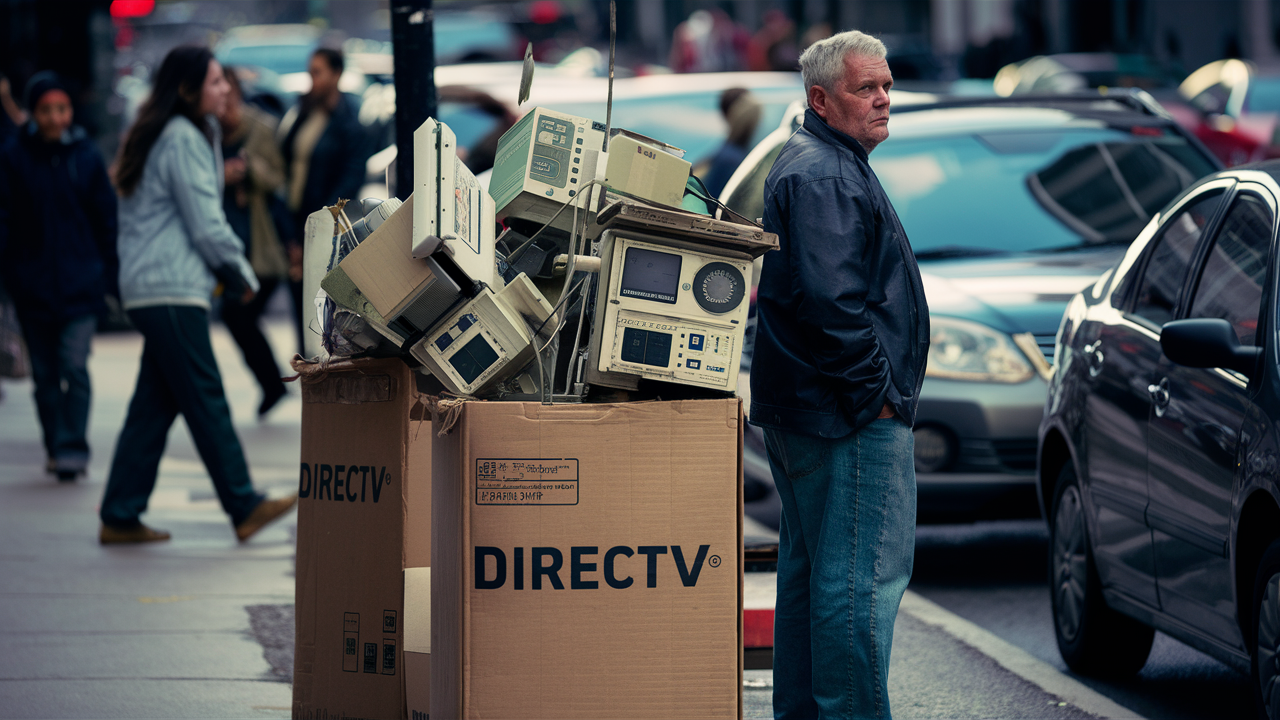
Yes, DIRECTV generally wants old equipment back, especially if it was leased or is part of an upgrade program. Understanding their policy ensures you avoid unnecessary charges and dispose of your devices responsibly. This guide breaks down everything you need to know for 2025-26.
Understanding DIRECTV's Equipment Return Policy
DIRECTV's stance on retrieving old equipment is a nuanced one, driven by a combination of operational efficiency, customer service, and environmental considerations. For most customers, especially those who have recently upgraded their service or terminated their contract, the question of "Does DIRECTV want old equipment back?" is a critical one to address promptly. The short answer is overwhelmingly yes, particularly for equipment that was never owned outright by the customer. This policy is designed to manage their inventory, facilitate recycling or refurbishment, and prevent unauthorized use or disposal of their proprietary technology.
In the dynamic landscape of satellite and streaming television, technology evolves rapidly. DIRECTV, like other major providers, constantly updates its hardware to offer better picture quality, more features, and improved user experiences. This continuous innovation cycle means that older models of receivers, remotes, and even Genie servers eventually become obsolete or are replaced by newer, more advanced units. When this happens, DIRECTV needs a systematic way to reclaim these devices. This is where their equipment return policy comes into play. It's not just about collecting old hardware; it's about managing a complex ecosystem of technology that powers millions of households.
The primary driver behind DIRECTV's desire to get equipment back is its ownership. For the vast majority of DIRECTV installations, the receivers, satellite dishes, and other essential components are not purchased by the customer. Instead, they are leased as part of the service agreement. This leasing model is standard in the pay-TV industry. Because DIRECTV retains ownership, they have a vested interest in ensuring these devices are returned when the service is no longer active or when an upgrade is performed. Failure to return leased equipment can result in significant fees, often reflecting the depreciated value of the hardware plus administrative costs. These fees can range from $150 for a standard receiver to over $500 for more complex systems like the Genie DVRs.
Beyond leased equipment, DIRECTV also has processes for retrieving older models when customers upgrade to newer technology, even if the older unit was technically purchased or part of a previous lease. This is often part of promotional offers or upgrade incentives where returning the old device is a condition for receiving the new one at a reduced cost or with special features. The company uses these returned devices for several purposes: refurbishment for reuse, cannibalization of parts, or responsible recycling. This multi-pronged approach ensures that their technology infrastructure remains efficient and that they minimize their environmental footprint.
Navigating DIRECTV's equipment return process can sometimes feel complex, but understanding the underlying reasons and procedures can make it a smooth experience. This guide aims to demystify the process for 2025-26, providing clear answers and actionable advice for anyone wondering about their DIRECTV equipment.
Why DIRECTV Wants Your Old Equipment Back
DIRECTV's interest in retrieving old equipment is multifaceted, extending beyond simple inventory management. Understanding these reasons can help customers appreciate the importance of adhering to the return policy and avoid potential penalties.
Asset Recovery and Management
The most significant reason DIRECTV wants old equipment back is that much of it is considered their property. When you sign up for DIRECTV service, you typically lease the satellite receivers, DVRs (like the Genie models), and sometimes even the dish. These are valuable assets that DIRECTV needs to account for. By having customers return this equipment, DIRECTV can:
- Track Inventory: Maintain an accurate count of all active and inactive hardware.
- Refurbish and Reuse: Many returned units, especially those that are still functional, are refurbished and then redeployed to new customers or as replacements for existing ones. This significantly reduces costs associated with manufacturing new equipment. For example, a refurbished Genie receiver might be returned, tested, cleaned, and then sent out to another customer, saving DIRECTV the cost of producing a brand-new unit.
- Salvage Parts: Even if a piece of equipment is not fully functional, it may contain usable parts that can be harvested and used in the repair of other units.
Technological Upgrades and Standardization
The technology behind satellite television is constantly advancing. DIRECTV continuously introduces newer, more capable receivers and DVRs that offer better performance, higher resolution (like 4K capabilities), and enhanced features. To maintain a standardized network and offer the latest services, DIRECTV needs to transition its customer base to newer hardware. This often involves:
- Phasing Out Older Models: As new models are rolled out, older ones may become unsupported or less efficient. DIRECTV needs to collect these to ensure their network operates smoothly and securely. For instance, older receivers might not support the latest encryption standards or streaming integrations, making them a security risk or functionally obsolete.
- Promotional Offers: Often, upgrade programs that offer customers new equipment at a discounted price or with special benefits require the return of the older leased equipment. This incentivizes customers to upgrade and helps DIRECTV efficiently manage the transition.
Environmental Responsibility and Recycling
Electronic waste (e-waste) is a growing global concern. DIRECTV, like many large corporations, has a responsibility to manage its electronic waste in an environmentally sound manner. By collecting old equipment, they can ensure that:
- Responsible Recycling: Devices that cannot be refurbished or reused are sent to certified e-waste recycling facilities. These facilities break down the equipment into its component materials (metals, plastics, etc.) for reuse, preventing hazardous substances from entering landfills.
- Compliance with Regulations: Many regions have regulations regarding the disposal of electronic waste. DIRECTV's return program helps them comply with these environmental laws.
In 2025-26, the emphasis on corporate sustainability is stronger than ever. DIRECTV's commitment to responsible e-waste management is a key part of its public image and operational strategy. A report from the Environmental Protection Agency (EPA) in late 2024 highlighted that the electronics industry is a significant contributor to e-waste, underscoring the importance of take-back programs like DIRECTV's.
Customer Service and Avoiding Penalties
Finally, DIRECTV wants old equipment back to ensure customers are not incurring unnecessary charges. If a customer cancels their service or upgrades their equipment without returning the old units, they will likely be billed for the unreturned items. These charges can be substantial. By having a clear and accessible return process, DIRECTV aims to:
- Prevent Billing Disputes: A straightforward return process minimizes confusion and potential disputes over unreturned equipment fees.
- Maintain Customer Relationships: Facilitating a smooth return process contributes to a positive customer experience, even during service termination.
In summary, DIRECTV's desire to retrieve old equipment is driven by asset management, technological advancement, environmental stewardship, and customer service. Adhering to their return policy is beneficial for both the customer and the company.
What DIRECTV Equipment Needs to Be Returned?
Not all equipment associated with your DIRECTV service needs to be returned. The key differentiator is typically whether the equipment was leased or purchased outright, and the circumstances under which your service ended or was upgraded. As of 2025-26, the general rule of thumb is that if DIRECTV owns it, they want it back.
Leased Equipment (Most Common Scenario)
The vast majority of DIRECTV customers lease their primary equipment. This includes:
- Satellite Receivers: These are the boxes that decode the satellite signal and allow you to watch TV. This includes standard receivers and DVR models.
- Genie DVRs and Clients: The Genie HD DVR (HR series) and its associated Genie Mini clients are almost always leased. These are the core of modern DIRECTV systems, enabling whole-home viewing and advanced recording features.
- Satellite Dish: In some installation scenarios, the satellite dish itself might be considered leased equipment, especially if it was part of a promotional package or a specific installation type. However, often the dish is considered a permanent fixture once installed. It's crucial to check your specific agreement.
- Remotes and Power Cords: While seemingly minor, these accessories are often bundled with the leased receivers and are expected to be returned as part of the complete system.
When to Return Leased Equipment:
- Upon cancellation of your DIRECTV service.
- When upgrading to newer DIRECTV equipment (e.g., from an older Genie model to the latest Genie 2 or a 4K receiver).
- If DIRECTV initiates a mandatory hardware upgrade program.
Purchased Equipment (Less Common)
In rare cases, customers might have purchased certain equipment outright. This is far less common for the core components like receivers and DVRs. However, if you did purchase a specific piece of hardware from DIRECTV (e.g., a secondary receiver not part of a lease agreement), the return policy may differ. Generally, if you own it, DIRECTV has no claim to it unless it was part of a specific trade-in or upgrade promotion that explicitly required its return.
Equipment NOT Typically Returned
There are certain items that DIRECTV usually does not require you to return:
- Cables (HDMI, Coaxial, Ethernet): Standard cables used for connecting your equipment are generally not requested back.
- Installation Materials: Items like mounting brackets, screws, or conduit used during the initial installation are typically left behind.
- Older, Obsolete, or Damaged Equipment (sometimes): While DIRECTV prefers all leased equipment back, if a unit is severely damaged or extremely old and no longer supported, they might, in some specific cases, advise you to dispose of it responsibly rather than return it. However, this is an exception, and you should always confirm with DIRECTV before assuming you don't need to return something.
- Your Own Router/Modem: If you use your own internet equipment for DIRECTV streaming services, this is not DIRECTV's property and does not need to be returned.
How to Confirm What to Return
The most reliable way to know exactly what equipment needs to be returned is to:
- Check Your Service Agreement: Your original contract or any addendums detailing equipment leases will specify what is leased.
- Contact DIRECTV Customer Service: When you are considering canceling service or upgrading, DIRECTV representatives will provide you with a detailed list of the equipment that needs to be returned and the instructions on how to do so. This is usually provided via email or a printed form.
- Review Your Cancellation/Upgrade Confirmation: Any official communication from DIRECTV regarding the end of your service or an equipment upgrade should include a list of required returns.
In 2025-26, DIRECTV is increasingly using digital communication for these processes. Expect to receive return instructions via email, including shipping labels and packaging guidance.
Returning Leased Equipment: The Standard Process
When you cancel your DIRECTV service or upgrade your equipment, the company has a standardized process for you to return the leased hardware. Following these steps carefully is crucial to avoid any unreturned equipment fees.
Step 1: Receive Return Instructions
After you initiate service cancellation or an equipment upgrade, DIRECTV will typically send you detailed instructions on how to return your equipment. This usually comes via email, and sometimes a physical mailer, within a few business days. These instructions will include:
- A list of the specific equipment you need to return.
- A pre-paid shipping label.
- Packaging guidelines.
- A deadline for returning the equipment (usually 30 days from service termination or upgrade).
Crucially, do not discard any equipment until you have received these official instructions.
Step 2: Gather Your Equipment
Carefully collect all the items listed in your return instructions. This typically includes the main receiver/DVR, any client boxes, remotes, and power cords associated with the leased system. Ensure you have all the necessary components to avoid partial return penalties.
Step 3: Package Your Equipment
DIRECTV usually provides specific packaging guidelines. They may:
- Send a Return Kit: Sometimes, DIRECTV will mail you a box with appropriate packing materials.
- Instruct You to Use Your Own Box: In other cases, you'll be instructed to use a sturdy box (like one you might have received the new equipment in, or a standard shipping box) and use adequate padding (bubble wrap, packing peanuts) to protect the equipment during transit.
Important Packaging Tips:
- Wrap each component individually.
- Fill any empty space in the box to prevent items from shifting.
- Securely seal the box with strong packing tape.
Step 4: Attach the Shipping Label
Your return instructions will include a pre-paid shipping label. Print this label clearly and affix it securely to the outside of the package. Make sure it covers any old shipping labels if you are reusing a box.
Step 5: Ship the Equipment
The shipping label will indicate the carrier (e.g., UPS, FedEx). Take the packaged equipment to an authorized drop-off location for that carrier. Keep your shipping receipt as proof of return. This receipt is your documentation in case of any disputes.
Step 6: Track Your Return (Optional but Recommended)
Most shipping carriers provide tracking numbers. You can use this number on the carrier's website to monitor the progress of your return shipment. This can provide peace of mind and documentation.
Step 7: Confirmation and Final Billing
Once DIRECTV receives and processes your returned equipment, they will update your account. You should receive a final bill that reflects any prorated charges for your last billing cycle and confirms that all leased equipment has been returned. If you are charged for unreturned equipment and you have proof of return (shipping receipt), contact DIRECTV customer service immediately.
Potential Pitfalls and How to Avoid Them
- Missing the Deadline: Returning equipment within the specified timeframe (usually 30 days) is critical. Late returns can incur fees.
- Not Returning All Components: Failing to return all leased items (e.g., forgetting a remote or a client box) can lead to charges for the missing items.
- Damaging Equipment During Return: While minor cosmetic wear is usually acceptable, significant damage caused by poor packaging could potentially lead to charges.
- Not Getting a Shipping Receipt: This is your only proof that you sent the equipment back. Always get one.
For 2025-26, DIRECTV is enhancing its digital tools, so expect more streamlined online tracking and communication regarding returns.
Returning Purchased Equipment: When and Why
The scenario of returning purchased DIRECTV equipment is less common than returning leased items, but it does arise. Understanding when and why this might happen is important for customers who may have acquired hardware through specific programs or older service plans.
When You Might Return Purchased Equipment
While DIRECTV's primary model involves leasing, there are specific circumstances where you might have purchased equipment and then need to return it:
- Upgrade Promotions Requiring Trade-in: DIRECTV often runs promotions where customers can upgrade to new hardware (e.g., a 4K Genie system) by trading in their old, potentially purchased, equipment. In these cases, the return of the old unit is a condition for receiving the discounted new equipment. The value of the trade-in might be applied as a credit.
- Specific Service Plans or Bundles: In the past, or with certain niche service offerings, DIRECTV might have offered options for customers to purchase certain components outright. If such a plan is being discontinued or upgraded, a return might be mandated.
- Bundled Equipment with Non-DIRECTV Services: If you acquired DIRECTV equipment as part of a larger bundle with another service provider (e.g., internet or phone), and that bundle is being altered or terminated, the equipment's return policy, even if purchased, might be dictated by the primary service provider or the terms of the bundle agreement.
- Accidental Purchase or Misunderstanding: Occasionally, a customer might mistakenly believe they purchased equipment when it was actually leased, or vice-versa. Upon clarification, if it turns out the equipment was indeed purchased but DIRECTV has a program that allows or requires its return (perhaps for refurbishment or recycling), they may facilitate this.
Why DIRECTV Might Want Purchased Equipment Back
Even if you technically own the equipment, DIRECTV may still have reasons for wanting it returned:
- Inventory Management and Refurbishment: DIRECTV's operational infrastructure is built around managing its hardware. Even purchased units might be compatible with their systems and can be refurbished for reuse, especially if they are relatively modern. This reduces their reliance on manufacturing new units.
- Standardization of Technology: To maintain a consistent and efficient network, DIRECTV benefits from having its customers use standardized hardware. If older purchased equipment is no longer supported or poses compatibility issues, they may encourage or require its return to facilitate a smoother transition to newer, supported models.
- Environmental Recycling Programs: As mentioned earlier, DIRECTV is committed to responsible e-waste management. They may offer take-back programs for purchased equipment to ensure it is recycled properly, especially if the customer would otherwise dispose of it improperly.
- Promotional Value: The "purchase" price of equipment might have been subsidized or tied to long-term service commitments. In such cases, DIRECTV may still want the equipment back as part of the overall value proposition or to recoup some of their investment when the customer moves to a new system.
How to Handle Returning Purchased Equipment
The process for returning purchased equipment will largely depend on the specific circumstances and DIRECTV's policy at the time:
- Consult Your Agreement: Always refer to the terms and conditions under which you acquired the equipment. This will outline any return obligations.
- Contact DIRECTV Customer Service: If you are unsure whether your purchased equipment needs to be returned, or if you are participating in an upgrade program that requires it, contact DIRECTV directly. They will be able to clarify the situation and provide specific instructions.
- Follow Provided Instructions: If a return is necessary, DIRECTV will provide instructions, which may include shipping labels and packaging guidelines, similar to the process for leased equipment.
It's important to note that if you purchased equipment and DIRECTV does not have a specific program or requirement for its return, you are generally free to keep, sell, or dispose of it as you see fit. However, always verify this with DIRECTV to avoid any potential misunderstandings or unexpected charges.
Troubleshooting Common Equipment Return Issues
While DIRECTV aims for a smooth return process, customers can sometimes encounter issues. Being prepared to troubleshoot can save you time, money, and frustration.
Issue 1: Not Receiving Return Instructions
Problem: You've canceled service or upgraded, but haven't received any email or mail with return instructions and a shipping label.
Solution:
- Check Spam/Junk Folders: The email might have been misrouted.
- Verify Contact Information: Ensure DIRECTV has your correct email address and mailing address on file.
- Contact DIRECTV Customer Service: This is the most direct solution. Call them and request the return instructions be resent. Be prepared to provide your account details.
- Check Your Online Account: Some providers offer return status and instructions within their customer portal.
Issue 2: Missing Equipment from Return Instructions
Problem: The list of equipment DIRECTV wants back doesn't match what you have, or it's missing items you believe should be included.
Solution:
- Review Your Agreement: Double-check your original lease agreement or purchase details to confirm ownership and leasing terms.
- Document Your Equipment: Take photos or videos of all the equipment you have before packaging it.
- Contact DIRECTV Customer Service: Immediately call DIRECTV to clarify the discrepancy. Explain what you have and what you believe is missing from their list. They may need to update your return manifest.
Issue 3: Damaged Equipment During Transit
Problem: The equipment you returned was damaged during shipping, and you're concerned about being charged.
Solution:
- Document Packaging: If you took photos of the equipment before shipping, this can be helpful.
- Keep Shipping Receipt: Your shipping receipt is proof you sent it.
- Contact DIRECTV Immediately: If you suspect damage occurred, inform DIRECTV as soon as possible. They may have insurance or a process for handling transit damage. If you used a return kit provided by DIRECTV, they may be more lenient.
Issue 4: Charged for Unreturned Equipment Despite Returning It
Problem: You received a bill with charges for equipment you know you returned.
Solution:
- Gather Proof of Return: This is your most important asset. Locate your shipping receipt with the tracking number.
- Track the Shipment: Use the tracking number on the carrier's website to show the package was delivered to DIRECTV's return facility.
- Contact DIRECTV Customer Service: Call their billing or customer service department. Clearly explain the situation and provide your proof of return. Be persistent and polite.
- Escalate if Necessary: If the initial representative cannot resolve the issue, ask to speak with a supervisor or a dedicated retention/billing specialist.
- File a Dispute: If DIRECTV refuses to acknowledge your proof of return, you may need to file a formal dispute with your credit card company (if applicable) or a consumer protection agency.
Issue 5: Difficulty Packaging Equipment
Problem: You don't have a suitable box or enough packing materials.
Solution:
- Request a Return Kit: Contact DIRECTV to see if they can send you a pre-paid return kit.
- Reuse Original Packaging: If you still have the box the new equipment came in, that's often ideal.
- Visit a Shipping Store: Stores like UPS or FedEx sell boxes and packing materials. You can also purchase them at office supply stores or general retailers.
- Ask the Shipping Carrier: When you take the items to a UPS or FedEx store, they can often pack it for you for a fee.
For 2025-26, DIRECTV is expected to further integrate its customer service with digital platforms, meaning more issues might be resolvable through their app or website chat features.
Alternatives to Returning DIRECTV Equipment
While returning leased DIRECTV equipment is generally mandatory, there are a few scenarios where alternatives might exist or where customers might explore other options, particularly concerning equipment they might own or are looking to replace.
1. Keeping Equipment After Service Termination (Not Recommended for Leased Items)
Scenario: You've canceled service and are wondering if you can just keep the leased receiver.
DIRECTV's Stance: This is strongly discouraged and will almost certainly result in significant unreturned equipment fees. DIRECTV retains ownership of leased hardware, and failure to return it is treated as theft or loss of their assets, leading to charges that can range from $150 to over $500 per device, depending on the model.
Recommendation: Always return leased equipment as per DIRECTV's instructions to avoid these charges.
2. Selling Purchased Equipment
Scenario: You purchased a DIRECTV receiver or other hardware outright and no longer need it.
DIRECTV's Stance: If you own the equipment, DIRECTV has no claim to it. You are free to sell it.
Alternatives:
- Online Marketplaces: Platforms like eBay, Facebook Marketplace, or Craigslist are popular for selling used electronics. Be honest about the equipment's condition and its compatibility (or lack thereof) with current DIRECTV service if it's tied to an old account.
- Local Electronics Recyclers/Resellers: Some local businesses might buy used electronics, though the payout might be lower.
Considerations: Ensure the equipment is unlocked or not tied to your old DIRECTV account if you intend for a new user to activate it with their own service. However, most DIRECTV receivers require activation through DIRECTV's system, so selling them might be more about recouping some cost for the hardware itself rather than enabling someone else to use DIRECTV service with it.
3. Donating Equipment
Scenario: You have purchased equipment that is still functional and want to donate it.
DIRECTV's Stance: If you own the equipment, donation is an option.
Alternatives:
- Charitable Organizations: Many local charities, community centers, or schools might accept working electronics. However, confirm with them first, as they may have specific needs or limitations regarding the type of electronics they can accept.
- Recycling Centers: If the equipment is not suitable for resale or donation, ensure it's taken to an e-waste recycling facility.
4. Upgrading to Streaming Services
Scenario: You are moving away from satellite and considering streaming options.
DIRECTV's Stance: While not a direct alternative to returning leased equipment, this is a common reason for service termination. DIRECTV itself offers streaming services (DIRECTV Stream), which use different hardware (streaming devices, smart TVs) than traditional satellite receivers.
Alternatives:
- DIRECTV Stream: This service uses apps on various streaming devices (Roku, Fire TV, Apple TV, etc.) or DIRECTV's own streaming boxes.
- Other Streaming Providers: Services like YouTube TV, Hulu + Live TV, Sling TV, FuboTV, etc., offer live TV streaming without satellite dishes or leased receivers.
If you are switching to a streaming service, you will still need to return any leased DIRECTV satellite equipment. The transition to streaming is more about the service delivery method than the equipment return policy itself.
Important Note on Leased Equipment
It is critical to reiterate that for equipment leased from DIRECTV, there are generally no "alternatives" to returning it if you wish to avoid substantial fees. The company's business model and contracts are structured around the return of these assets. Exploring alternatives is primarily relevant for equipment you own outright or for the broader decision-making process when ending satellite service.
The Environmental Impact of Equipment Returns
The practice of returning old electronics, including DIRECTV equipment, plays a vital role in mitigating the growing problem of electronic waste (e-waste). As technology advances at an unprecedented pace, older devices are discarded more frequently, leading to significant environmental challenges if not managed properly.
The E-Waste Crisis
Electronic waste is one of the fastest-growing waste streams globally. It contains a complex mix of valuable materials (gold, silver, copper, palladium) and hazardous substances (lead, mercury, cadmium, flame retardants). Improper disposal can lead to:
- Landfill Contamination: Hazardous materials can leach into the soil and groundwater, posing risks to ecosystems and human health.
- Air Pollution: Burning e-waste to recover valuable metals releases toxic fumes into the atmosphere.
- Resource Depletion: Discarding electronics means valuable, finite resources are lost, requiring more energy-intensive mining and manufacturing to replace them.
According to the Global E-waste Monitor 2024 report, the world generated an estimated 62 million metric tons of e-waste in 2023 alone, a figure projected to rise significantly in the coming years. DIRECTV's equipment return program directly addresses this issue.
How DIRECTV's Return Program Contributes to Sustainability
By actively seeking the return of its leased equipment, DIRECTV implements several environmentally beneficial practices:
- Refurbishment and Reuse: A significant portion of returned receivers and DVRs are tested, cleaned, and refurbished. These devices are then redeployed to new customers or used as replacements, extending their lifespan and reducing the need for manufacturing new units. This conserves the energy and resources required for production.
- Responsible Recycling: Equipment that cannot be refurbished is sent to certified e-waste recycling partners. These partners use specialized processes to:
- Safely dismantle the devices.
- Recover valuable materials like precious metals and plastics for reuse in new products.
- Dispose of hazardous components in an environmentally sound manner, preventing pollution.
This circular economy approach minimizes waste and maximizes resource utilization.
- Compliance with Environmental Regulations: DIRECTV's return program helps the company comply with national and international regulations concerning e-waste management and producer responsibility.
- Reduced Carbon Footprint: By reusing and recycling components, DIRECTV can reduce its overall carbon footprint associated with manufacturing, transportation, and waste disposal.
Customer's Role in Environmental Responsibility
As a DIRECTV customer, your participation in the equipment return program is a crucial part of this environmental effort. By ensuring you return all leased equipment promptly and correctly:
- You contribute to the circular economy by enabling refurbishment and recycling.
- You help prevent potentially hazardous materials from entering landfills.
- You support DIRECTV's commitment to corporate social responsibility and environmental stewardship.
In 2025-26, consumer awareness of environmental issues is at an all-time high. Choosing service providers with robust sustainability programs, like DIRECTV's equipment return and recycling initiatives, is becoming an increasingly important factor for many households.
The Future of DIRECTV Equipment Management
The landscape of television delivery is continuously evolving, and DIRECTV's equipment management strategies are adapting to these changes. As we look ahead into 2025-26 and beyond, several trends are likely to shape how DIRECTV handles its hardware.
Increased Emphasis on Streaming and App-Based Delivery
While satellite remains a core part of DIRECTV's offering, the shift towards internet-based streaming is undeniable. DIRECTV Stream, their primary streaming service, already utilizes app-based delivery on smart TVs and streaming devices, reducing reliance on proprietary satellite receivers for some customers.
- Future Implications: This could lead to a gradual phasing out of traditional satellite receivers for new customers or those upgrading. DIRECTV might focus more on providing its service through customer-owned streaming devices or offering its own streamlined streaming boxes. This would change the nature of "leased equipment" from complex satellite receivers to simpler streaming devices.
Smart Hardware and IoT Integration
Modern electronics are becoming "smarter," with increased connectivity and data capabilities. DIRECTV's future equipment may incorporate more advanced features:
- Enhanced Diagnostics: Devices could offer more sophisticated self-diagnostic capabilities, allowing DIRECTV to predict failures or optimize performance remotely, potentially reducing the need for physical returns due to minor issues.
- Integration with Smart Homes: Receivers might become more integrated with smart home ecosystems, enabling voice control and automation.
- Data Analytics: Equipment might provide more detailed usage data (with customer consent) to help DIRECTV personalize recommendations and improve service delivery, which could also inform hardware lifecycle management.
Sustainability and Circular Economy Models
Environmental concerns will continue to drive innovation in equipment management. DIRECTV is likely to further invest in:
- Advanced Recycling Technologies: Partnering with or developing more efficient methods for extracting valuable materials and safely disposing of hazardous components from returned electronics.
- Modular Design: Future hardware might be designed with modular components, making repairs and upgrades easier, thereby extending the product's life and reducing the frequency of full unit replacements and returns.
- Extended Product Lifecycles: Efforts to maximize the lifespan of hardware through robust refurbishment programs and proactive maintenance.
Digital-First Return Processes
The trend towards digital-first customer interactions will continue. DIRECTV is likely to enhance its online portals and mobile apps to manage the entire equipment return process:
- Automated Return Label Generation: Customers may be able to initiate returns and generate pre-paid shipping labels directly through their online account or app.
- Real-time Tracking and Notifications: Enhanced visibility into the return status, from pickup to processing at the return facility.
- Virtual Support: AI-powered chatbots and virtual assistants may handle initial inquiries about returns, guiding customers through the process.
Potential for Buy-Back or Trade-In Programs for Owned Devices
While DIRECTV's primary model is leasing, if they continue to offer options for customers to purchase equipment, they might expand buy-back or trade-in programs for these owned devices. This would align with broader consumer electronics industry trends and further support their sustainability goals.
In essence, DIRECTV's future equipment management will likely be characterized by a blend of satellite and streaming technologies, increased digital integration, a stronger focus on sustainability, and a continuous effort to streamline the customer experience, including the return of hardware.
Conclusion
To definitively answer the question, "Does DIRECTV want old equipment back?" – yes, they absolutely do, particularly for leased hardware. Understanding this policy is crucial for all DIRECTV customers, whether you're terminating service, upgrading your equipment, or simply ensuring you're compliant with your service agreement. For 2025-26, the process remains largely consistent: leased receivers, DVRs, and associated accessories must be returned to avoid substantial fees. While purchased equipment may have different protocols, always verify with DIRECTV. By following the provided return instructions, packaging items carefully, and obtaining proof of shipment, you can navigate this process smoothly. Your cooperation not only helps you avoid penalties but also significantly contributes to DIRECTV's environmental efforts through refurbishment and responsible e-waste recycling, supporting a more sustainable future for technology.