Understanding the cost of a new DIRECTV receiver is crucial for anyone looking to upgrade their home entertainment system. This guide breaks down the various factors influencing the price, from equipment fees to installation and subscription packages, ensuring you make an informed decision in 2025-26.
Understanding DIRECTV Receiver Costs in 2025-26
The question, "How much does a new DIRECTV receiver cost?" is a common one for consumers exploring their home entertainment options. In the dynamic landscape of satellite television, understanding the financial commitment involved with acquiring new equipment is paramount. DIRECTV, a leading provider, offers various receiver models, each with its own set of features and associated costs. These costs aren't always a straightforward purchase price; they often involve a combination of equipment fees, installation charges, and the ongoing monthly subscription. For 2025-26, DIRECTV continues to evolve its offerings, meaning the pricing structure can be influenced by promotions, bundled packages, and the specific type of receiver you choose. This comprehensive guide will dissect these elements, providing clarity on the total investment required to get a new DIRECTV receiver up and running in your home. We aim to equip you with the knowledge to navigate the pricing, avoid unexpected expenses, and ultimately select the best option for your viewing needs and budget.
Types of DIRECTV Receivers and Their Impact on Price
DIRECTV offers a range of receiver models, and the type you select will significantly influence the overall cost. Understanding the capabilities and limitations of each model is the first step in determining your investment. The most common receivers available in 2025-26 are typically the Genie® series, known for their advanced features, and older standard definition or high definition receivers for less demanding users or specific installation scenarios.
DIRECTV Genie® HD DVR Receivers
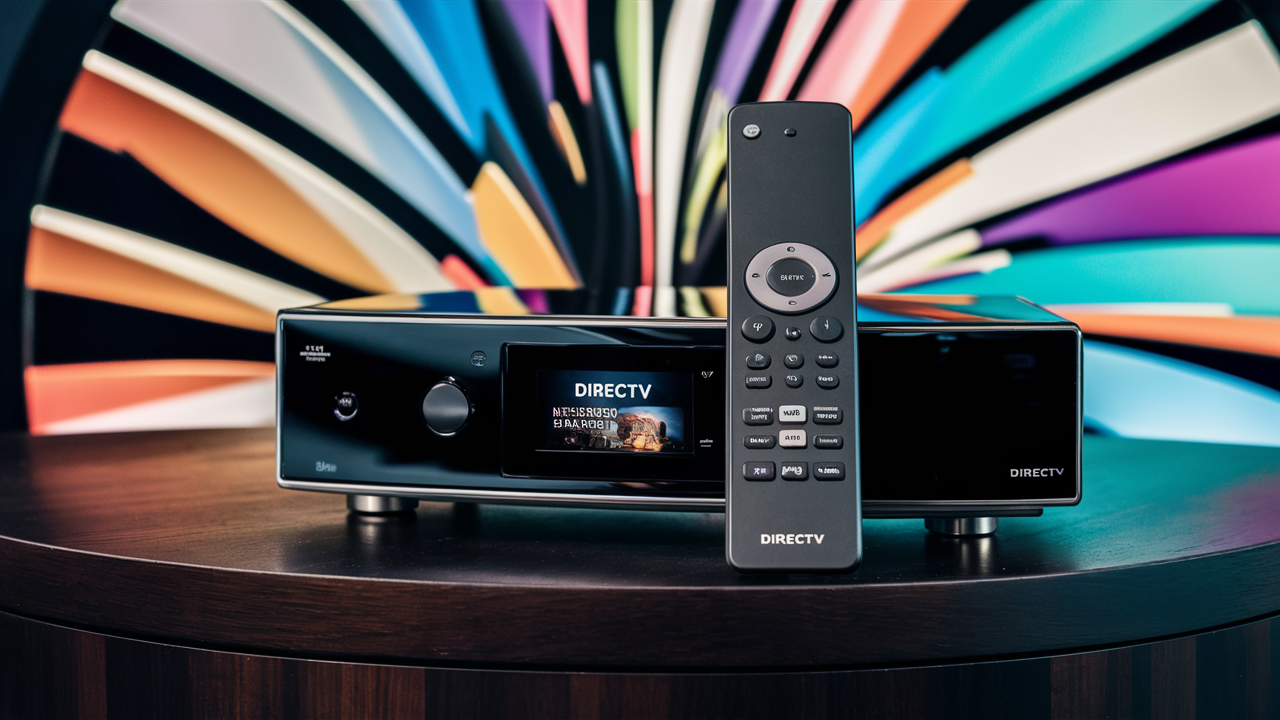
The Genie® system is DIRECTV's flagship receiver technology. These devices are designed to be the central hub of your home entertainment, offering DVR capabilities, whole-home viewing, and access to a vast library of content. The primary Genie® model is often a single box that can support multiple "client" devices in other rooms, eliminating the need for separate receivers in each television location. This integration is a major selling point and contributes to its perceived value.
Key Features:
- DVR Capabilities: Record multiple shows simultaneously (typically 5 or more, depending on the model) and store hundreds of hours of HD programming.
- Whole-Home Viewing: Watch and record live TV on any connected television in your home. You can even start a show in one room and finish it in another.
- 4K Ultra HD Support: Select Genie® models are capable of delivering content in stunning 4K resolution, offering a significantly more immersive viewing experience for compatible programming.
- Built-in Wi-Fi: Enables access to on-demand content and interactive features.
Cost Implications: Due to their advanced technology and multi-room capabilities, Genie® receivers typically come with a higher equipment fee compared to standard receivers. However, DIRECTV often offers these at a reduced or even free promotional price when bundled with specific subscription packages, making the upfront cost more manageable.
DIRECTV Genie® Mini Clients
These are not standalone receivers but rather extensions of the main Genie® DVR. They connect to the primary Genie® box and allow you to access its features on additional televisions. Each Genie® Mini client effectively turns a TV into a viewing station that can access live TV, recorded programs, and on-demand content from the main Genie®.
Key Features:
- Seamless Integration: Provides access to the full Genie® experience without requiring a separate DVR in each room.
- Compact Design: Small and unobtrusive, easily placed behind a TV.
- HD Output: Delivers high-definition video to your television.
Cost Implications: Genie® Mini clients are generally less expensive than a full Genie® DVR. DIRECTV often includes one or two Genie® Minis for free with a Genie® system installation, but additional clients will incur an extra monthly equipment fee. The cost per client is typically in the range of $7-$15 per month, depending on the package and promotions.
Standard HD Receivers
For households that do not require the advanced features of the Genie® system, or for secondary televisions where whole-home viewing isn't a priority, standard HD receivers are an option. These are simpler devices that provide access to live TV and basic DVR functionality if they are equipped with a hard drive (though this is less common with newer standard models).
Key Features:
- HD Viewing: Delivers standard high-definition picture quality.
- Basic Functionality: Access to live channels and channel guides.
- Simpler Interface: Easier to navigate for users who prefer a less complex system.
Cost Implications: Standard HD receivers usually have the lowest monthly equipment fee. If you are not subscribing to a package that includes a Genie® or if you need a receiver for a room without a Genie® client, this might be your choice. However, DIRECTV's strategy in 2025-26 heavily favors the Genie® system, so standalone standard receivers might be less readily available or promoted.
4K Genie® Client
This is a specialized client that works with a 4K-capable Genie® DVR to provide 4K viewing on a television that supports it. It's essentially a Genie® Mini with enhanced 4K capabilities.
Cost Implications: Similar to Genie® Mini clients, these usually have a monthly equipment fee, often slightly higher than a standard Genie® Mini due to the 4K support.
It's important to note that DIRECTV's equipment policies can change. Historically, DIRECTV has offered its primary receiver (like the Genie®) at a promotional price, often free or for a nominal one-time fee, provided you commit to a certain subscription package and contract length. However, subsequent receivers or additional clients almost always carry a monthly equipment charge. For 2025-26, expect the Genie® system to be the default offering for new subscribers looking for the full DIRECTV experience.
Key Factors Influencing the Cost of a New DIRECTV Receiver
When you ask, "How much does a new DIRECTV receiver cost?", the answer isn't a single number. Several variables come into play, making it essential to understand each component that contributes to the final price. These factors can range from the type of equipment you choose to the installation process and the subscription plan you select. By dissecting these elements, you can better anticipate the financial outlay and identify potential savings.
Promotional Offers and Bundles
DIRECTV, like most pay-TV providers, frequently uses promotional offers to attract new customers and incentivize upgrades. These promotions can significantly reduce the upfront cost of a receiver. For 2025-26, common promotions might include:
- Free Primary Receiver: The main Genie® DVR might be offered at no upfront cost or for a very low one-time fee (e.g., $0-$50).
- Discounted or Free Genie® Minis: The first one or two Genie® clients might be included at no additional charge.
- Bundled Services: Discounts on receivers can be tied to subscribing to specific TV packages, internet services (if bundled through partners), or even mobile plans.
These offers are typically contingent on signing a long-term contract, usually 24 months. Failing to fulfill the contract term can result in early termination fees, which offset the initial savings.
Contract Length and Commitment
The duration of your commitment to DIRECTV is a major factor in receiver pricing. As mentioned, promotional pricing for receivers is almost always tied to a 24-month agreement. If you opt for a no-contract plan, the upfront cost for the equipment will likely be substantially higher. For instance, a Genie® receiver that might be $0 upfront on a contract could cost several hundred dollars if purchased outright without a contract.
Example:
- With 24-Month Contract: Genie® DVR = $0 upfront.
- Without Contract: Genie® DVR = $300-$500 upfront (estimated for 2025-26).
This illustrates the trade-off between upfront cost and long-term flexibility.
Subscription Package Tiers
The channel package you choose can also influence receiver costs, though indirectly. While the receiver itself might not change price based on the package, certain premium packages or bundles might be required to qualify for the best receiver promotions. Furthermore, if you opt for a more basic package, you might be steered towards older or less feature-rich receivers, which could have different equipment fees or availability.
Conversely, higher-tier packages often include more advanced receivers like the Genie® DVR as standard, ensuring you have the best equipment to enjoy all the channels you're paying for.
Number of Receivers/Clients Needed
The total cost is not just about the primary receiver. If you have multiple televisions, you'll need additional receivers or Genie® Mini clients. While the first few might be included or heavily discounted, each subsequent unit will add to your monthly bill. This is a crucial point when calculating the long-term cost of a DIRECTV system.
Example Monthly Cost Increase (estimated for 2025-26):
- First Genie® DVR: Often included or low upfront cost.
- First Genie® Mini: Often included or low upfront cost.
- Second Genie® Mini: ~$7-$10 per month.
- Third Genie® Mini: ~$7-$10 per month.
- Fourth Genie® Mini: ~$7-$10 per month.
So, a system with one Genie® DVR and three Genie® Minis could add $14-$30 to your monthly bill purely for equipment rental, on top of your subscription package.
New vs. Refurbished Equipment
DIRECTV, like many service providers, often uses refurbished equipment for replacements or for customers who opt out of contracts. While refurbished equipment is thoroughly tested and certified, it might have a slightly different pricing structure or be less readily available for new installations compared to brand-new units. For new installations in 2025-26, DIRECTV will likely prioritize providing new equipment, especially the latest Genie® models, to ensure customer satisfaction and leverage the newest technology.
Equipment Fees and Purchase Options
Understanding the various ways you can acquire a DIRECTV receiver is key to managing costs. DIRECTV primarily operates on a lease or rental model for its equipment, though purchase options, especially for older models or when opting out of contracts, might exist. For 2025-26, the landscape is largely dominated by the rental model, especially for new subscribers.
Rental/Lease Model (Most Common)
This is the standard approach for DIRECTV. You don't own the receiver; you pay a monthly fee to use it. This model has several advantages:
- Lower Upfront Cost: As discussed, promotional pricing often makes the initial acquisition very affordable, sometimes free.
- Free Replacements: If the leased equipment malfunctions due to normal wear and tear, DIRECTV typically replaces it at no additional cost.
- Access to Latest Technology: This model allows DIRECTV to easily upgrade customers to newer models as they become available.
Typical Monthly Fees (2025-26 Estimates):
- Primary Genie® DVR: Often $0-$15/month (often waived or heavily discounted with a contract and specific packages).
- Genie® Mini Client: ~$7-$10/month per client.
- Standard HD Receiver: ~$10-$15/month (less common for new installations).
- 4K Genie® Client: ~$10-$15/month.
It's crucial to scrutinize your bill to ensure you understand which fees are associated with which piece of equipment. The primary Genie® DVR fee is often waived for the first unit with a 24-month agreement, but additional Genie® Minis will almost certainly incur a monthly charge.
Purchase Option (Less Common for New Subscribers)
While less common for new subscribers signing contracts, there might be instances where purchasing a receiver is an option, particularly if you are:
- Opting for a No-Contract Plan: If you don't want to commit to a 24-month agreement, DIRECTV may offer the option to purchase the equipment outright. This significantly increases the upfront cost but provides flexibility.
- Replacing Existing Equipment (outside of warranty/lease): If your leased equipment is damaged beyond normal wear and tear, or if you are no longer under contract and want to own your equipment, a purchase might be offered.
Estimated Purchase Prices (2025-26):
- Genie® DVR: $300 - $500+
- Genie® Mini Client: $150 - $300+
- Standard HD Receiver: $100 - $250+
Purchasing equipment means you are responsible for its maintenance and replacement. If it breaks, you'll need to pay for a new one or a repair. This option is generally less cost-effective in the long run compared to the rental model with promotions, unless you plan to keep the equipment for a very extended period without needing upgrades and are certain you won't break the contract.
Refurbished Equipment
DIRECTV commonly uses refurbished equipment. This is equipment that has been returned, inspected, refurbished, and certified to work like new. It's a cost-effective way for DIRECTV to manage its inventory and offer services at competitive prices. For new subscribers, the primary Genie® receiver is often new, but subsequent clients or replacements might be refurbished. The monthly rental fees are typically the same whether the equipment is new or refurbished.
Understanding Your Agreement
Before signing any contract, carefully read the terms and conditions regarding equipment. Pay close attention to:
- Monthly Equipment Fees: For every piece of equipment.
- Contract Length: And associated early termination fees.
- Ownership: Clarify whether you are renting or purchasing.
- Warranty and Replacement Policy: For leased equipment.
For 2025-26, the rental model with promotional pricing tied to a 24-month contract remains the most prevalent and cost-effective way for new customers to get a DIRECTV receiver.
Installation Costs: Professional vs. DIY
The cost of getting your new DIRECTV receiver up and running isn't just about the equipment itself; installation is a significant component. For satellite TV, professional installation is almost always required, especially for new setups. While DIRECTV aims to make this process as seamless as possible, understanding the associated costs and what's included is important.
Professional Installation (Standard for New Subscribers)
DIRECTV mandates professional installation for new satellite dish and receiver setups. This is to ensure the dish is correctly aligned for optimal signal reception, the wiring is installed safely and correctly, and the receiver is properly configured. This service is typically included in the overall package deal for new customers, often as part of the promotional offers.
What's Included:
- Site Survey: The technician will assess the best location for the satellite dish.
- Dish Installation: Mounting the dish securely to your home.
- Wiring: Running coaxial cable from the dish to your receiver location(s).
- Receiver Setup: Connecting and configuring the DIRECTV receiver(s).
- Basic System Test: Ensuring signal strength and channel access.
- Demonstration: The technician will usually provide a brief overview of how to use the receiver and remote.
Cost in 2025-26:
For new customers signing a 24-month agreement, the standard professional installation is often included at no additional charge or for a very low one-time fee (e.g., $0-$99, with waivers common for specific packages). This is another incentive tied to the long-term contract.
Potential Additional Installation Charges:
While standard installation is usually covered, you might incur extra charges for:
- Complex Wiring: If significant wiring is needed (e.g., multiple floors, long distances, difficult wall penetrations), there might be additional labor or material costs.
- Multiple Receiver/Client Installations: While the setup of the primary receiver is included, installing additional Genie® Minis in different rooms might incur a small fee per additional outlet, though this is often bundled into the overall promotion.
- Mounting on Non-Standard Surfaces: Installation on RVs, boats, or certain roof types might require specialized equipment or labor.
- Extended Cable Runs: If the distance between the dish and the receiver exceeds a certain threshold (e.g., 100 feet), additional cable and labor charges may apply.
- Second Dish Installation: If you require a second satellite dish for specialized services or redundancy, this will incur separate charges.
It's always best to clarify with the sales representative or installer about potential extra charges before the installation appointment.
DIY Installation (Not Recommended/Possible for New Setups)
For a new DIRECTV satellite installation, DIY is generally not an option or recommended. The precise alignment of the satellite dish is critical for receiving a clear signal. This requires specialized tools and knowledge to aim the dish at the correct satellite(s) in orbit. Misalignment can lead to pixelation, signal loss, and an inability to receive channels. Furthermore, improper wiring can lead to signal degradation or safety hazards.
When DIY might be considered:
The only scenario where DIY might be relevant is if you are moving your existing DIRECTV system to a new home and already have all the equipment. In such cases, you might be able to uninstall and reinstall the dish and receiver yourself. However, even then, professional relocation services are available and often recommended to ensure proper alignment and signal strength at the new location. If you are simply swapping out an old receiver for a new one in the same location and the wiring is already in place, a technician might be able to guide you through a self-installation process, but this is less common for primary receiver upgrades.
In summary, for new DIRECTV receiver setups in 2025-26, expect professional installation to be the standard. The cost is typically bundled into promotions, making it appear "free" or low-cost with a contract, but be aware of potential additional charges for complex installations or extensive wiring.
Subscription Packages and Receiver Bundling
The cost of a new DIRECTV receiver is intricately linked to the subscription package you choose. DIRECTV doesn't typically sell receivers outright as a standalone purchase for new customers; instead, the equipment is provided as part of a service bundle. This bundling strategy influences both the upfront cost of the receiver and its ongoing monthly charges.
How Packages Affect Receiver Costs
Promotional Pricing: The most significant way subscription packages impact receiver cost is through promotions. DIRECTV often offers its primary receiver (like the Genie® DVR) for free or at a very low one-time fee when you sign up for specific, higher-tier channel packages and commit to a 24-month contract. Lower-tier packages might still include a Genie® but perhaps with a small monthly fee, or they might steer you towards older, less capable receivers if available.
Included Equipment: Many of DIRECTV's popular packages, especially those aimed at sports enthusiasts or premium channel subscribers, will automatically include the Genie® HD DVR as the primary receiver. Packages designed for smaller households or basic viewing might include a standard HD receiver or a Genie® Mini as the primary device, with the option to upgrade for an additional monthly fee.
Contract Requirements: To get the most favorable receiver pricing (e.g., a free Genie®), you'll almost always need to agree to a 24-month service agreement. This contract is often tied to the subscription package you select.
Common DIRECTV Packages and Associated Receiver Implications (2025-26 Estimates)
DIRECTV offers a variety of packages, generally categorized by the number of channels and premium content included. Here's a look at how they might relate to receiver costs:
SELECT™ Package
- Content: Around 150+ channels, including popular sports, news, and entertainment networks.
- Receiver Implications: Typically includes a Genie® HD DVR at no upfront cost or a very low fee with a 24-month contract. One Genie® Mini client might also be included. Additional clients will have a monthly fee.
ENTERTAINMENT ALL INCLUDED™ Package
- Content: Over 180 channels, adding more sports and entertainment options.
- Receiver Implications: Similar to the SELECT™ package, often includes a Genie® HD DVR and potentially one Genie® Mini client at no additional upfront cost with a contract.
CHOICE™ Package
- Content: Over 200 channels, including more regional sports networks and premium movie channels.
- Receiver Implications: This tier almost certainly includes the Genie® HD DVR and often includes the first Genie® Mini client at no upfront cost with a 24-month agreement.
ULTIMATE Package
- Content: Over 250 channels, adding more premium movie channels and sports networks.
- Receiver Implications: The Genie® HD DVR and potentially multiple Genie® Minis are typically included at no upfront cost with a contract.
PREMIER™ Package
- Content: Over 330 channels, including all premium movie channels (HBO®, SHOWTIME®, STARZ®, etc.) and extensive sports coverage.
- Receiver Implications: This top-tier package usually comes with the most advanced Genie® HD DVR and multiple Genie® Minis included at no upfront cost with a contract. It's also the most likely to qualify for 4K equipment if available and supported.
Bundling with Other Services
DIRECTV sometimes partners with other service providers (e.g., internet providers) to offer bundled deals. These bundles can sometimes lead to further discounts on the overall service, which might indirectly affect the perceived cost of the receiver by reducing your total monthly bill. However, the receiver's cost is still primarily tied to the DIRECTV subscription package itself.
The Role of the Genie® System
It's important to reiterate that DIRECTV's strategy in 2025-26 heavily favors the Genie® system. Most new subscriber offers will revolve around the Genie® HD DVR and its associated Genie® Mini clients. This means that understanding the cost of the Genie® system is synonymous with understanding the receiver cost for most new DIRECTV customers.
Monthly Equipment Fees vs. Upfront Costs
While promotions can make the upfront cost of a receiver very low, the monthly equipment rental fees are a persistent cost. For a Genie® DVR, this might be $0-$15/month, and for each Genie® Mini client, it could be $7-$10/month. Over the 24-month contract, these monthly fees add up. For example, a Genie® DVR at $10/month and two Genie® Minis at $8/month each would add $26 per month to your bill for equipment alone, totaling $624 over two years. This is in addition to the cost of your channel package.
When evaluating the cost, consider both the initial outlay and the ongoing monthly charges for equipment rental. The best value is often found by leveraging promotional offers tied to higher-tier packages and a 24-month commitment, but always be aware of the total cost over the contract term.
Hidden Fees and Other Important Considerations
Beyond the sticker price of a receiver and the monthly equipment rental, several other fees and considerations can impact the total cost of a DIRECTV subscription. Being aware of these "hidden" costs in 2025-26 can prevent unwelcome surprises on your bill.
Early Termination Fees (ETFs)
As mentioned, the most attractive receiver pricing is typically tied to a 24-month contract. If you cancel your service before the contract term is up, you will be charged an Early Termination Fee. This fee is usually prorated, meaning it decreases over time. For example, it might start at $20 per month remaining on the contract and decrease by $1.50-$2 each month.
Example: If you cancel with 12 months remaining on a contract with a $20/month ETF prorated, your ETF would be approximately $240.
This fee is designed to recoup the promotional discounts and installation costs DIRECTV absorbed when you signed up.
Activation Fees
Some service providers charge an activation fee for new accounts. While DIRECTV frequently waives activation fees as part of new customer promotions, it's possible that under certain circumstances or for specific package types, a one-time activation fee (e.g., $35-$99) might apply. Always confirm if this fee is included in the promotional offer.
Regional Sports Fees
If your chosen package includes regional sports networks (RSNs), you may be subject to a Regional Sports Fee. This fee is charged monthly and varies by location, reflecting the cost of broadcasting local sports. It can range from a few dollars to over $10 per month, depending on the RSNs available in your area.
Example: A fee of $8.99/month for RSNs.
Premium Channel Costs
If you add premium channels like HBO®, SHOWTIME®, CINEMAX®, or STARZ®, these come with significant additional monthly costs. For example, HBO® alone can cost $15-$20 per month, and a bundle of premium channels could easily add $30-$50+ to your bill.
Pay-Per-View (PPV) and On-Demand Purchases
While DIRECTV offers a vast library of on-demand content, many premium movies or live events (like major boxing matches or UFC fights) are available only on a pay-per-view basis. These can be expensive, often ranging from $40-$60 for a single event.
Equipment Damage or Loss Fees
If you are renting your equipment and it is damaged, lost, or stolen, you will be responsible for replacement costs. These fees can be substantial, mirroring the purchase price of the equipment (e.g., $150-$500+ for a Genie® DVR). This is another reason why the rental model with included replacements for normal wear and tear is often preferred.
Service Calls and Technician Visits
While routine service calls to fix equipment issues (under warranty or lease) are usually free, if a technician visit is required due to customer-caused damage, incorrect installation by the customer (if attempting DIY), or issues not covered by the standard warranty, you may be charged a service call fee. This could range from $50-$100 or more.
Sales Tax
Don't forget that sales tax will be applied to your monthly bill, including equipment rental fees and subscription costs, depending on your local tax laws.
Understanding Your Bill
The best way to avoid surprises is to meticulously review your monthly bill. Look for line items such as:
- Monthly Equipment Fees (for each receiver/client)
- Subscription Package Price
- Regional Sports Fee
- Broadcast TV Fee (sometimes applied)
- Taxes and Surcharges
- Any other promotional discounts applied or expired
For 2025-26, DIRECTV's pricing structure emphasizes bundled offers with contracts. Be vigilant about understanding all the components of your total monthly cost, not just the advertised price of the channel package.
Comparing DIRECTV Receiver Costs vs. Competitors
When evaluating "How much does a new DIRECTV receiver cost?", it's essential to place it within the broader context of the pay-TV market. DIRECTV competes with other satellite providers like Dish Network, as well as numerous cable companies and the rapidly growing landscape of live TV streaming services. Each offers a different approach to equipment and pricing.
DIRECTV vs. Dish Network
DIRECTV: As detailed, DIRECTV's model for new subscribers in 2025-26 heavily favors the Genie® system, often with a free primary receiver and low upfront costs tied to a 24-month contract. Monthly fees apply to additional Genie® Minis. Installation is typically included.
Dish Network: Dish also employs a similar model, often offering free or low-cost receivers (like the Hopper® whole-home DVR) with a 2-year contract. They also have monthly fees for additional Joey® clients. Installation is usually included. The core strategy is very similar, with pricing and promotional offers being the main differentiators at any given time.
Key Difference: Historically, DIRECTV's Genie® system has been praised for its user interface and whole-home functionality. Dish's Hopper® is also a robust system. The actual cost comparison often comes down to current promotions, specific package channel lineups, and regional availability.
DIRECTV vs. Cable Providers (e.g., Spectrum, Xfinity)
Cable Providers: Cable companies typically offer their own DVRs and set-top boxes. The pricing models vary:
- Rental Fees: Most cable providers charge a monthly rental fee for each box, which can range from $8-$20+ per month per device.
- Purchase Options: Some cable companies allow you to purchase your own compatible cable cards or devices, which can save on monthly rental fees but requires a significant upfront investment.
- Bundles: Like DIRECTV, cable providers heavily bundle TV with internet and phone services, often offering discounts on equipment as part of these bundles.
- Installation: Professional installation is usually included or has a nominal fee for new customers.
Comparison: DIRECTV's promotional offers for a "free" primary receiver with a contract can sometimes make its upfront cost lower than a cable provider's initial setup, even if the monthly equipment fees for additional devices are comparable. However, cable providers might offer more flexibility in terms of avoiding long-term contracts or allowing customer-owned equipment.
DIRECTV vs. Live TV Streaming Services (e.g., YouTube TV, Hulu + Live TV, Sling TV)
Live TV Streaming: These services operate on a completely different model. They deliver live TV channels over the internet, eliminating the need for a satellite dish or traditional set-top box. Equipment costs are generally minimal:
- Streaming Devices: You use your own smart TV, streaming stick (Roku, Fire TV, Apple TV), or gaming console. The cost is the one-time purchase of the device itself, which can range from $30-$150.
- No Monthly Equipment Fees: There are no additional monthly charges for the "receiver" beyond the subscription fee for the service.
- Cloud DVR: Most streaming services offer cloud-based DVR functionality, which is usually included in the subscription price or available for a small add-on fee.
Comparison: From a pure equipment cost perspective, live TV streaming services are significantly cheaper. You don't have the upfront costs associated with a satellite dish installation or the monthly rental fees for multiple receivers. However, the overall cost comparison depends on the channel lineup, DVR features, and the stability of your internet connection. For users who already have reliable high-speed internet and prefer flexibility without long-term contracts, streaming is often more cost-effective.
Key Takeaways for Comparison (2025-26):
- Upfront Cost: DIRECTV and Dish often have the lowest upfront cost for their primary receiver due to contract-based promotions. Cable can be similar or slightly higher. Streaming services have the lowest upfront cost (just the streaming device).
- Monthly Equipment Fees: DIRECTV and Dish have monthly fees for additional clients. Cable providers have monthly fees for all boxes. Streaming services have no additional equipment fees.
- Contracts: DIRECTV and Dish heavily rely on 2-year contracts for best pricing. Cable can vary. Streaming services are typically month-to-month.
- Technology: DIRECTV's Genie® system offers advanced whole-home DVR capabilities. Streaming services rely on cloud DVR and internet streaming.
When asking "How much does a new DIRECTV receiver cost?", remember to compare not just the receiver but the entire package: subscription fees, equipment rental, contract terms, installation, and potential for hidden fees, against alternative providers.
Making the Right Choice for Your Budget
Navigating the costs associated with a new DIRECTV receiver requires a strategic approach to ensure you get the best value without overspending. By understanding your needs and the available options, you can make an informed decision that aligns with your budget in 2025-26.
Assess Your Viewing Habits
Before diving into costs, consider how you actually watch TV:
- How many TVs do you need service for? If it's just one, the need for a complex whole-home system might be minimal. If you have multiple TVs and want to watch different content simultaneously or access recordings everywhere, the Genie® system's capabilities become more valuable.
- Do you need extensive DVR capabilities? If you record many shows, the capacity and multi-tuner functionality of a Genie® DVR are essential. If you mainly watch live TV or only record a few shows, a simpler setup might suffice.
- What channels are essential? Your must-have channels will dictate the subscription package, which in turn influences receiver promotions.
- Do you watch a lot of 4K content? If so, ensure the receiver and package support 4K.
Leverage Promotions Wisely
DIRECTV's promotional offers are designed to attract new customers. For 2025-26, these typically involve a free or low-cost primary receiver (Genie® DVR) and potentially one or two free Genie® Minis, contingent on a 24-month contract. This is often the most cost-effective way to get the full DIRECTV experience upfront.
Pros of Contract Promotions:
- Significantly lower upfront equipment costs.
- Access to the latest Genie® technology.
- Installation is usually included.
Cons of Contract Promotions:
- Early Termination Fees (ETFs) if you cancel early.
- Less flexibility if your needs change.
If you are budget-conscious and don't anticipate moving or changing your entertainment needs drastically within two years, taking advantage of these promotions is likely your best bet.
Consider the Long-Term Monthly Costs
While upfront costs might be low, remember to factor in the ongoing monthly equipment rental fees for additional Genie® Minis. If you need service for 3-4 TVs, these fees can add up. For example, $7-$10 per Mini per month for two years can total $168-$240 per device over the contract term. Always calculate the total monthly bill, including subscription, equipment fees, and any other surcharges.
Explore No-Contract Options (If Available and Necessary)
If flexibility is your top priority and you absolutely want to avoid a 24-month contract, be prepared for higher upfront costs for the equipment. DIRECTV may offer a no-contract option where you purchase the receiver outright. While this eliminates ETFs, the initial investment can be several hundred dollars per device. Weigh this against the potential ETFs and the value of contract-based promotions.
Compare with Alternatives
As discussed, live TV streaming services offer a contract-free alternative with lower equipment costs (you use your own devices). If your primary goal is to save money on equipment and you have reliable internet, streaming services might be a more budget-friendly choice. However, they may lack the specific channel lineups or the integrated whole-home DVR experience that DIRECTV's Genie® system provides.
Negotiate and Ask Questions
Don't hesitate to negotiate with sales representatives. Ask about:
- Current promotions and discounts.
- All applicable fees (activation, installation, regional sports, etc.).
- The exact monthly cost for each piece of equipment.
- The terms of the contract and ETF structure.
Clarifying all these points upfront will help you accurately estimate the total cost and make a decision that fits your budget.
By carefully assessing your needs, understanding the pricing structures, and comparing options, you can confidently determine "How much does a new DIRECTV receiver cost?" for your specific situation and make a choice that provides the best value.
Conclusion: Your DIRECTV Receiver Investment
In conclusion, the cost of a new DIRECTV receiver in 2025-26 is not a single, fixed price but rather a variable that depends on several interconnected factors. The most common scenario for new subscribers involves leveraging promotional offers tied to a 24-month contract, which often results in a primary Genie® HD DVR being provided at little to no upfront cost. However, additional Genie® Mini clients typically incur a monthly equipment rental fee, which accumulates over the contract term. While the upfront cost can be attractively low, it's crucial to consider the total monthly expenditure, including subscription packages, equipment fees, and potential surcharges like regional sports fees.
For those prioritizing flexibility, DIRECTV may offer no-contract options, but these usually come with a significantly higher upfront purchase price for the receiver. When comparing DIRECTV's receiver costs to competitors, satellite rivals like Dish Network often present similar contract-based promotional structures. Cable providers may offer comparable monthly fees for equipment, while live TV streaming services present a more budget-friendly alternative regarding equipment costs, as they utilize existing user devices. Ultimately, making the right choice involves a thorough assessment of your viewing habits, a clear understanding of contract terms and all associated fees, and a realistic calculation of the long-term financial commitment. By carefully weighing these elements, you can ensure your DIRECTV receiver investment provides optimal value and entertainment for your household.