Introduction: Your Second TV Awaits!
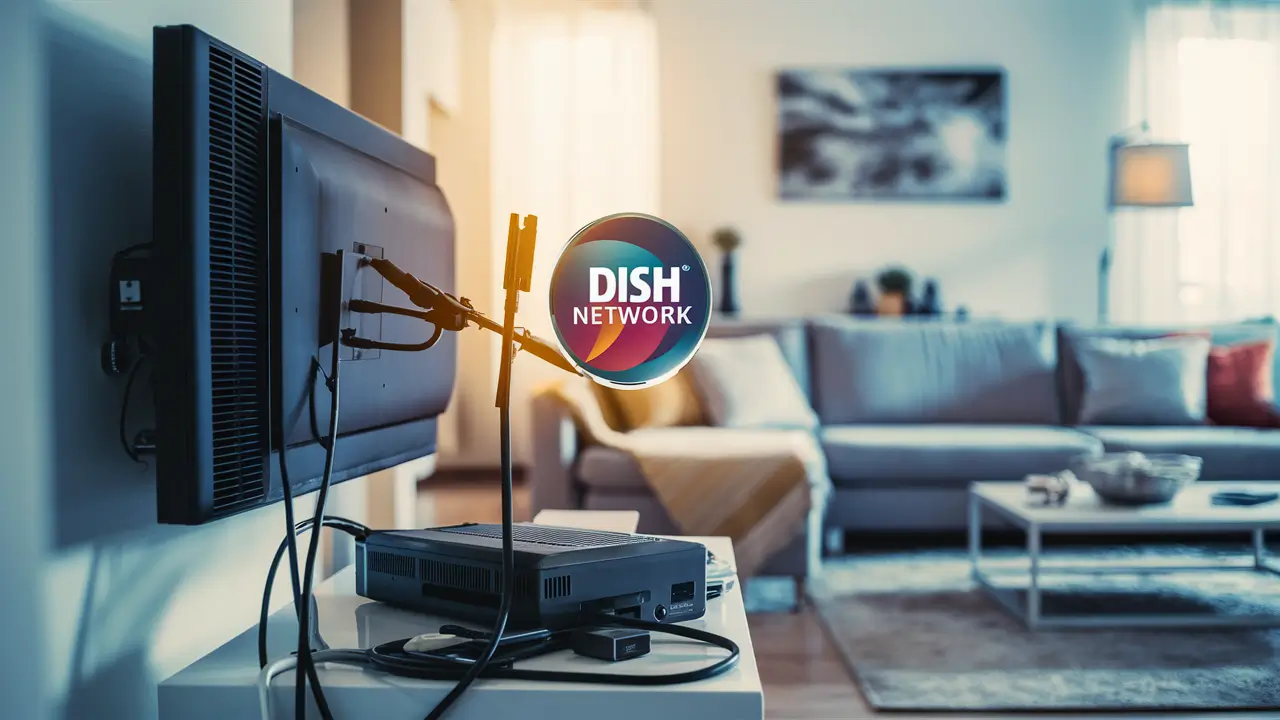
Are you looking to expand your home entertainment by adding a second TV with Dish Network service? This comprehensive guide will walk you through exactly how to hook up a second TV with Dish Network, covering all the essential options, equipment, and setup processes. We'll ensure you can enjoy your favorite channels and On Demand content on multiple screens simultaneously or independently, making the most of your subscription.
Understanding Your Dish Network Options for a Second TV
Dish Network offers several flexible solutions for multi-room viewing, catering to different needs and budgets. The primary distinction lies in whether you want to share the same programming across multiple TVs or have independent viewing experiences. Understanding these core differences is the first step in choosing the right setup for your home.
The Single Receiver, Multi-Room Solution
This is often the most cost-effective and integrated approach, primarily facilitated by Dish Network's Hopper whole-home DVR system. With a central Hopper receiver (the main DVR unit), you can distribute its signal to additional "Joey" receivers in other rooms. These Joeys act as extensions of the main Hopper, allowing you to watch live TV, access recorded programs, and even pause live TV on one screen and resume on another. This method is ideal for families where multiple people might want to watch different shows from the same channel lineup, or for those who want to access their DVR recordings in bedrooms or other living areas without needing separate subscriptions. The primary advantage is a unified system with shared recordings and a single subscription, simplifying management and often reducing monthly costs.
The Multiple Receiver Solution
Alternatively, you can opt to install a completely separate Dish Network receiver at your second TV. This means each TV has its own dedicated receiver, which connects directly to the satellite dish (or shares a connection with a specialized splitter, depending on the installation). This approach provides complete independence for each television. Viewers can watch entirely different channels, record different programs (if the receiver has DVR capabilities), and manage their own channel guides and preferences. This is a good option for households with distinct viewing habits, where individuals or separate groups of people frequently watch different content simultaneously and don't necessarily need to share DVR recordings. It offers maximum flexibility but may incur higher monthly fees due to additional receiver charges and potentially separate service tiers.
Comparing the Solutions (2025-26)
As of 2025-26, Dish Network continues to emphasize its Hopper system for multi-room solutions due to its integrated features and cost-effectiveness for many households. The Hopper system, with its Joey companions, offers a seamless experience for sharing content and recordings. The primary advantages of the Hopper system include:
- Shared Recordings: Access all your DVR recordings from any Joey.
- Single Interface: Consistent user experience across all TVs.
- Portability: Pause live TV on one screen and resume on another.
- Cost Efficiency: Often more economical than multiple independent receivers.
However, the multiple receiver solution still holds value for specific scenarios. If you require complete viewing independence or have very different channel package needs for each TV, a second independent receiver might be the better choice.
| Feature | Hopper System (Single Receiver + Joeys) | Multiple Independent Receivers |
|---|---|---|
| Viewing Independence | Limited (shares content from main Hopper) | Full (each TV is independent) |
| DVR Sharing | Yes (all recordings accessible from Joeys) | No (each receiver records independently) |
| Monthly Fees (Typical) | One primary receiver fee + Joey fees | Fee per receiver |
| Installation Complexity | Can be more complex initially, but Joeys are often simpler to connect. | Standard receiver installation per TV. |
| Ideal For | Families, sharing recordings, unified experience. | Independent viewers, distinct channel needs, separate households. |
Getting Started: Equipment Check and Compatibility
Before you embark on setting up your second TV, it's crucial to ensure you have the right equipment and that it's compatible with your existing Dish Network service. This involves checking your primary receiver, understanding the requirements for your second television, and verifying your cabling.
Your Primary Dish Receiver
The type of primary receiver you have is a major determinant of your second TV options.
- Hopper Receivers (Hopper 3, Hopper Duo, etc.): If you have a Hopper, you are likely set up for the multi-room solution using Joeys. These are Dish's flagship DVRs designed for whole-home systems.
- Other Dish Network Receivers (e.g., Wally, ViP series): If you have an older or non-Hopper receiver, you might be limited to adding a second, independent receiver. Check your account or contact Dish Network to confirm your receiver model and its capabilities for multi-room setups.
You can usually find your receiver model information on the unit itself or by navigating through its on-screen menus. Knowing this will help you decide whether to pursue a Joey setup or a separate receiver.
The Second TV Requirements
Your second television needs to be compatible with the connection method you choose.
- HDMI Input: Virtually all modern Dish Network receivers and Joeys use HDMI for video and audio output. Ensure your second TV has at least one available HDMI input port.
- Resolution Support: Most Dish receivers output in HD (1080p) or 4K. Your TV should support these resolutions for the best viewing experience.
- Location: The TV must be located within a reasonable distance from the primary receiver (for wired Joeys) or within range of the wireless transmitter (for wireless Joeys), or have a direct line of sight to the satellite dish if a separate dish or LNB is required for an independent receiver.
For wireless Joeys, ensure the room where the TV is located has a stable Wi-Fi signal if you're using a wireless Joey that relies on your home network for certain features, or a strong enough signal from the Hopper's wireless transmitter.
Cabling and Connections
The type of cabling required depends on your chosen method.
- HDMI Cables: You will need an HDMI cable to connect the receiver/Joey to your TV. Ensure it's of sufficient quality for the resolution you intend to use (e.g., a High-Speed HDMI cable for 4K).
- Ethernet Cables (for wired Joeys): If you are using wired Joeys, you will need an Ethernet cable to connect the Joey to your primary Hopper or to a network switch/router. The distance between the Hopper and the Joey will dictate the length of the Ethernet cable needed.
- Coaxial Cables (for independent receivers): If you are installing a completely separate receiver, it will need its own coaxial cable connection from the satellite dish, potentially requiring a new run of cable or a specialized splitter.
- Power Outlets: Ensure there are available power outlets for both the TV and the Dish Network receiver/Joey.
It's always a good idea to have spare cables on hand, especially HDMI and Ethernet, as they are the most common connection points.
Method 1: The Hopper System - Seamless Multi-Room Viewing
The Hopper system, Dish Network's premier whole-home DVR solution, is designed precisely for scenarios like yours. It allows you to extend the capabilities of your main Hopper receiver to other televisions in your home using smaller, satellite receivers called "Joeys."
What is the Hopper System?
The Hopper is the central hub of this system. It's a powerful DVR that can record multiple channels simultaneously, store a vast amount of content, and stream live TV and recorded programs to other devices within your home network. Joeys are satellite receivers that connect to the Hopper, enabling you to watch TV on additional screens. They don't have their own tuners or hard drives; they rely entirely on the Hopper for programming and functionality. This means you can watch what's on the Hopper, access its recordings, and even pause live TV on one Joey and resume it on another. Dish offers various Joey models, including standard Joeys, Wireless Joeys, and Super Joeys, each with slightly different features and connection requirements.
Setting Up Your Hopper and Joeys
The setup process for the Hopper system is generally straightforward, especially if you're adding a Joey to an existing Hopper installation.
- Identify Your Hopper Model: Ensure you have a compatible Hopper receiver (Hopper 3, Hopper Duo, etc.).
- Choose Your Joey: Decide whether a wired Joey, a Wireless Joey, or a Super Joey best suits your needs and home layout. Wireless Joeys are ideal for rooms without easy cable access, while wired Joeys offer a more stable connection.
- Placement: Position your second TV and the Joey receiver. Ensure the Joey is within range of the Hopper (for wired) or the Hopper's wireless signal (for wireless).
- Connections: Connect the Joey to the TV via HDMI. Connect the Joey to the Hopper or your home network (for wireless Joeys) according to the specific Joey's instructions.
Dish Network often provides specific installation kits for Joeys, which include necessary cables and instructions.
Step-by-Step Installation Guide
Here's a general step-by-step guide for installing a Joey. Always refer to the specific manual that came with your Joey for the most accurate instructions.
- Power Down: Turn off both your primary Hopper receiver and the Joey receiver (if it has a power switch).
- Connect Joey to TV: Using an HDMI cable, connect the Joey's HDMI OUT port to an available HDMI IN port on your second television.
- Connect Joey to Network/Hopper:
- Wired Joey: Connect an Ethernet cable from the Joey's Ethernet port to an available Ethernet port on your Hopper receiver or your home router/switch.
- Wireless Joey: Follow the on-screen prompts during the Joey's setup to connect it wirelessly to your Hopper's built-in wireless network or your home Wi-Fi. This often involves pressing a WPS button or entering network credentials.
- Connect Power: Plug the power adapter into the Joey and then into a power outlet.
- Power On: Turn on your second television and select the correct HDMI input source. Then, power on your Hopper receiver.
- Follow On-Screen Prompts: The Joey should boot up and begin communicating with the Hopper. You will likely see on-screen instructions to guide you through the initial setup and pairing process. This may involve confirming your account or pairing the Joey with your Hopper.
- Test Functionality: Once setup is complete, test live TV, channel changing, and try accessing recordings from the Hopper to ensure everything is working correctly.
If you encounter issues, restarting both the Hopper and the Joey, and double-checking all connections is usually the first troubleshooting step.
Troubleshooting Common Hopper Issues
While the Hopper system is robust, occasional issues can arise.
- "No Signal" or "Cannot Connect to Hopper": This is the most common problem.
- Check Connections: Ensure all HDMI and Ethernet (for wired) or wireless connections are secure.
- Restart Devices: Power cycle both the Hopper and the Joey. Unplug them from power for 30 seconds, then plug them back in.
- Wireless Signal: For Wireless Joeys, ensure the Joey is within range of the Hopper's wireless signal. Try moving it closer or checking for interference.
- Network Issues: If using your home network for wireless Joeys, ensure your router is functioning correctly and the Joey is connected to the network.
- Slow Performance or Freezing: This can sometimes be due to network congestion or an overloaded Hopper. Restarting both devices can often resolve this. Ensure your home network (if used for wireless) is not experiencing issues.
- Inability to Access Recordings: This usually indicates a communication breakdown between the Joey and the Hopper. Verify the Joey is properly paired and connected.
If problems persist, consulting Dish Network's online support resources or contacting their customer service is recommended. They can often diagnose issues remotely or guide you through more advanced troubleshooting.
Method 2: Adding a Second Receiver - Independent Viewing
If the Hopper system's shared viewing model doesn't align with your household's needs, adding a second, independent Dish Network receiver is a viable alternative. This approach provides complete autonomy for each television.
When to Choose a Second Receiver
This method is ideal in several scenarios:
- Complete Viewing Independence: When different members of the household want to watch entirely different channels simultaneously, without any overlap or need to share recordings.
- Separate Channel Packages: If you want a different tier of service or specific premium channels on one TV compared to another.
- No Need for DVR Sharing: If DVR functionality is not critical for the second TV, or if you're comfortable with each receiver having its own storage.
- Older System Compatibility: If your primary receiver is not a Hopper and doesn't support Joey add-ons.
- Guest House or Detached Building: For a separate dwelling on your property where a full, independent service is more practical.
While offering flexibility, it's important to note that this usually means a higher monthly bill, as each receiver typically incurs a separate monthly fee.
Selecting Your Second Receiver
Dish Network offers various receiver models. For a second TV, you might consider:
- Wally Receiver: A popular choice for secondary TVs, the Wally is a compact, portable receiver that supports HD and offers access to Dish's On Demand library. It's a good option if you don't need extensive DVR capabilities on this TV.
- Standard HD Receiver: Dish may offer other non-Hopper HD receivers that can be added to your account.
- Another Hopper (less common for second TV): While possible, adding another full Hopper is usually unnecessary and more expensive for a second TV unless you require independent, high-capacity DVR functionality on both.
When selecting, consider whether you need DVR functionality on this second TV. If so, you'll need a receiver with a built-in hard drive or the option to add one. Dish Network's customer service can guide you on the best receiver models available for your specific needs and account.
Installation Process for a Second Receiver
Installing a second independent receiver involves a few more steps than adding a Joey, as it requires its own connection to the satellite signal.
- Order the Receiver: Contact Dish Network to order your second receiver. They will confirm compatibility and pricing.
- Schedule Professional Installation (Recommended): For most users, it's best to have Dish Network schedule a professional installation. This ensures the satellite dish is properly configured to send a signal to both receivers (if using a single dish with a multi-output LNB or a splitter) or that a second dish is installed if necessary. The technician will run new coaxial cable to the location of your second TV.
- DIY Installation (Advanced Users): If you are comfortable with satellite installation, you might be able to perform a DIY installation. This typically involves:
- Connecting to the Dish: Run a coaxial cable from your satellite dish's LNB (the component on the dish that receives the signal) to the new receiver. This might involve using an existing port if your LNB has multiple outputs, or installing a new LNB and/or a satellite splitter.
- Connecting Receiver to TV: Use an HDMI cable to connect the receiver's HDMI OUT port to an HDMI IN port on your second television.
- Connecting Power: Plug the receiver's power adapter into a power outlet.
- Powering On and Activation: Turn on the TV and select the correct HDMI input. Then, power on the receiver. Follow the on-screen prompts to activate the receiver. This will likely involve calling Dish Network or activating it through their online portal.
- Tuning and Setup: Once activated, the receiver will download guide data and perform a system check. You may need to run a satellite scan to ensure optimal signal strength.
Important Note: Dish Network's policies and technician availability can vary. Professional installation is generally recommended to ensure proper signal alignment and avoid potential service disruptions.
Understanding Receiver Fees (2025-26)
As of 2025-26, Dish Network typically charges a monthly fee for each receiver on your account, beyond the first one.
- Primary Receiver: Often included in your base programming package cost.
- Additional Receivers (Joeys): Joeys usually have a lower monthly fee compared to full receivers. These fees can range from $5 to $10 per month, depending on the Joey model and any promotions.
- Independent Receivers: A second independent receiver will generally incur a fee similar to, or slightly less than, your primary receiver's base cost, as it's essentially a separate service point. These can range from $10 to $20+ per month.
These fees are in addition to your monthly programming package costs. It's crucial to confirm the exact pricing with Dish Network when you add a second receiver, as promotions and package details can significantly impact the total monthly bill. Always ask about any one-time activation or equipment purchase fees as well.
Wireless Solutions for Your Second TV
For those who want the benefits of multi-room viewing without the hassle of running new cables, wireless solutions are an excellent option. Dish Network has embraced wireless technology, particularly with its Hopper system.
Dish Network Wireless Joeys
Dish Network's Wireless Joeys are designed to connect to a Hopper receiver wirelessly, eliminating the need for Ethernet cables running to the second TV location.
- How They Work: The Wireless Joey communicates directly with the Hopper receiver, typically using a dedicated wireless network broadcast by the Hopper itself or by connecting to your home's Wi-Fi network. This allows for greater flexibility in placing your second TV, even in rooms where running cables would be difficult or impossible.
- Benefits: The primary benefit is ease of installation and flexibility. You can place your second TV in almost any room with a power outlet and sufficient wireless signal strength.
- Considerations: Wireless connections can sometimes be more susceptible to interference than wired connections. The range and reliability of the wireless signal will depend on your home's layout, construction materials, and the presence of other wireless devices.
Dish Network offers different versions of Wireless Joeys, so ensure you choose one compatible with your specific Hopper model.
Pros and Cons of Wireless
Wireless solutions offer significant advantages but also come with potential drawbacks.
| Pros | Cons |
|---|---|
| Flexibility: Place TVs anywhere within wireless range. | Signal Interference: Susceptible to interference from other devices or physical obstructions. |
| Easy Installation: No need to run cables through walls. | Range Limitations: Performance can degrade with distance from the source (Hopper or router). |
| Aesthetics: Cleaner look with fewer visible wires. | Potential for Lag/Buffering: In weaker signal areas, you might experience occasional stuttering or buffering. |
| Convenience: Quick setup and relocation. | Dependence on Network: If using home Wi-Fi, your home network's stability is crucial. |
For optimal wireless performance, ensure your Hopper is centrally located and that there are minimal obstructions between the Hopper and the Wireless Joey. Dish Network may offer signal boosters or recommend specific router placements if you encounter issues.
Optimizing Your Dish Network Setup for Multiple TVs
Once your second TV is hooked up, a few optimization steps can ensure you're getting the best possible experience from your Dish Network service.
Signal Strength Considerations
While your primary receiver's signal strength is paramount, the signal quality to your secondary receivers (especially Joeys) is also important.
- Hopper System: For wired Joeys, ensure the Ethernet connection is solid. For wireless Joeys, monitor the wireless signal strength indicator in the Joey's settings menu. If it's weak, try moving the Joey closer to the Hopper or reducing potential interference.
- Independent Receivers: If you installed a second independent receiver, ensure the coaxial cable connection is secure and that the receiver is properly aligned with the satellite. Dish Network technicians perform a signal strength test during installation, but it's good to be aware of it.
Poor signal strength can lead to pixelation, freezing, or complete loss of service, so it's worth addressing if you notice any of these issues.
Remote Control Management
With multiple TVs, managing remotes becomes important.
- Hopper System: All Joeys typically use a variation of the Dish remote, often programmed to control that specific Joey. You can usually program a single remote to control multiple receivers or use the Dish Anywhere app for smartphone control.
- Independent Receivers: Each receiver will come with its own remote. Ensure each person knows which remote controls which TV. Some Dish remotes can be programmed to control multiple receivers, but this can sometimes lead to accidental channel changes if not managed carefully.
Consider labeling remotes or using universal remotes if managing multiple distinct remotes becomes cumbersome. The Dish Anywhere app is a powerful tool for controlling any Dish receiver from your smartphone or tablet.
Maximizing Your Entertainment Experience
Beyond just getting the second TV working, think about how to enhance your overall entertainment.
- Utilize DVR Features: If you have a Hopper, make full use of its multi-room DVR capabilities. Record shows on the main Hopper and watch them on any Joey.
- Explore On Demand: Dish Network offers a vast On Demand library. Ensure both your primary receiver and any Joeys or independent receivers are connected to the internet (if required by the model) to access this content.
- Voice Control: Many modern Dish remotes and receivers support voice commands. Learn the commands to quickly find channels, search for content, or control playback.
- Channel Lineup Review: With multiple TVs, you might find you need different channel packages. Review your subscription periodically to ensure it still meets your viewing needs across all screens.
By optimizing these aspects, you can ensure your multi-TV Dish Network setup provides maximum enjoyment and convenience.
Cost Considerations (2025-26)
Understanding the financial implications is key when adding a second TV to your Dish Network service. Costs can be broken down into equipment, monthly fees, and installation.
Equipment Costs
The cost of the receiver itself varies significantly.
- Joeys: These are generally the most affordable equipment. Dish Network often offers promotions where the first Joey might be included or heavily discounted, with subsequent Joeys incurring a fee. As of 2025-26, expect Joey equipment costs to range from $50 to $150, depending on the model and current offers.
- Independent Receivers (e.g., Wally): A standalone receiver like the Wally might cost between $100 and $200. Again, promotions can significantly alter these prices.
- Hopper Receivers: If you don't have a Hopper and are considering upgrading to enable the Joey system, the Hopper itself can cost $200-$300 or more, though often bundled into package deals.
It's important to distinguish between outright purchase costs and monthly equipment rental fees, which are more common with Dish.
Monthly Fees
This is where the ongoing cost is most apparent.
- Joey Monthly Fee: Typically $5-$10 per month per Joey.
- Independent Receiver Monthly Fee: Usually higher, potentially $10-$20+ per month per receiver. This fee is often similar to the base receiver fee for your primary TV.
- Programming Package: Your core programming package cost remains the same, but adding more channels or premium content to the second TV (if using independent receivers) would increase this.
Always verify these monthly fees with Dish Network, as they are subject to change and depend on your specific package and any ongoing promotions.
Installation Costs
Installation fees can also vary.
- Professional Installation: If you opt for professional installation (highly recommended for independent receivers or complex Joey setups), expect fees ranging from $50 to $200, depending on the complexity of the job (e.g., running new cables, installing new LNBs). Dish Network sometimes offers free installation promotions, especially for new customers or when signing up for certain packages.
- DIY Installation: If you install it yourself, the primary cost is your time and any tools or cables you might need to purchase. However, if you make a mistake, you could incur costs for service calls to fix it.
For the most accurate and up-to-date pricing, always consult directly with Dish Network or their authorized installers.
Conclusion: Enjoying Your Expanded Dish Network Experience
Hooking up a second TV with Dish Network is an achievable goal that significantly enhances your home entertainment. Whether you opt for the integrated, seamless experience of the Hopper system with Joeys, or the complete independence offered by a second receiver, Dish provides flexible solutions. The Hopper system, particularly with Wireless Joeys, stands out in 2025-26 for its convenience and cost-effectiveness in sharing content and recordings across multiple rooms. However, for those requiring absolute viewing autonomy, a dedicated receiver remains a strong choice. By carefully assessing your household's viewing habits, understanding the equipment requirements, and considering the associated costs, you can confidently select and implement the best setup. Don't hesitate to contact Dish Network directly for personalized advice and to explore current promotions. With the right setup, you'll be enjoying your favorite shows on every screen in no time.