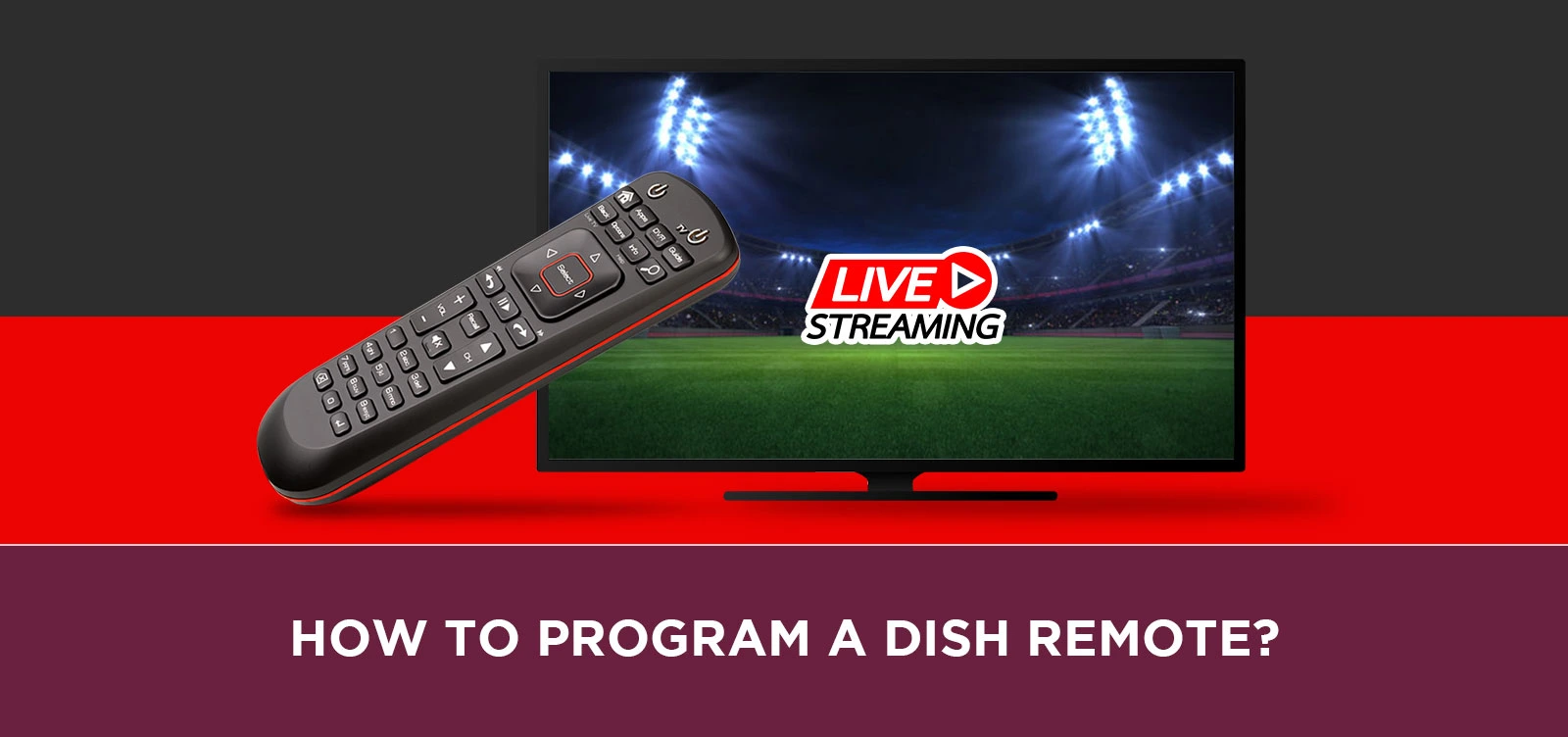
Navigating the world of home entertainment can be complex, but programming your DISH remote shouldn't be. This comprehensive guide will walk you through every step, from understanding your remote's capabilities to troubleshooting common issues, ensuring you can control your TV, audio equipment, and DISH receiver seamlessly.
Understanding Your DISH Remote
DISH remotes are sophisticated devices designed to simplify your entertainment experience. They act as a universal controller, allowing you to manage not just your DISH receiver but also your television, soundbar, Blu-ray player, and other audio-visual (AV) components. The primary function of a DISH remote is to send infrared (IR) or radio frequency (RF) signals to these devices, commanding them to perform actions like changing channels, adjusting volume, powering on/off, and navigating menus. Understanding the basic principles behind how these remotes work is the first step to effective programming.
How Remotes Communicate
Most remotes, including older DISH models, use infrared (IR) signals. These are invisible light beams that carry specific codes. Your TV or receiver has an IR receiver that detects these beams. Newer DISH remotes, particularly those paired with advanced receivers like the Hopper series, often utilize radio frequency (RF) technology. RF signals are more robust, don't require a direct line of sight, and can control devices through cabinets or walls, offering greater flexibility. The programming process involves teaching the remote the unique codes that correspond to your specific AV equipment.
Key Remote Buttons and Their Functions
Familiarizing yourself with the standard buttons on your DISH remote is crucial. While designs vary, most remotes include:
- Power Button: Turns the DISH receiver and often the TV on or off.
- Number Pad: For direct channel entry.
- Channel Up/Down: To cycle through channels sequentially.
- Volume Up/Down: Controls the audio level.
- Mute: Silences the audio.
- Menu/Guide: Accesses the DISH program guide or receiver menus.
- Navigation Arrows (Up, Down, Left, Right) and Select/OK: For navigating menus and guides.
- Back/Exit: Returns to the previous screen or closes menus.
- Input/Source: Switches between different inputs on your TV (e.g., HDMI 1, HDMI 2).
- Record, Play, Pause, Stop, Fast Forward, Rewind: For DVR functions.
- Mode Buttons (e.g., TV, SAT, DVD): Indicate which device the remote is currently controlling.
The Role of the DISH Receiver
Your DISH receiver is the central hub for your satellite television service. It receives the satellite signal, decodes it, and sends it to your TV. The remote communicates with the receiver, and the receiver, in turn, sends commands to your TV or other devices, often through HDMI-CEC (Consumer Electronics Control) or by transmitting its own IR codes. Understanding this hierarchy helps in troubleshooting and programming. For instance, if your volume controls aren't working, the remote might be programmed to control the TV's volume, but the TV itself might not be receiving the signal correctly from the receiver, or the remote might be set to control the receiver's audio output.
Types of DISH Remotes
DISH offers a variety of remote controls, each with different features and capabilities. The programming methods can vary slightly depending on the model. As of 2025, DISH continues to refine its remote technology, offering enhanced user experiences.
Common DISH Remote Models
Here are some of the commonly encountered DISH remote models and their general characteristics:
- 3.4 Universal Remote (e.g., 54.0, 54.1): A standard universal remote capable of controlling DISH receivers and a wide range of TVs, VCRs, and DVD players. These typically use IR and require manual code entry or a code search.
- Voice Remote (e.g., Voice Remote Pro): These remotes integrate voice command functionality, allowing users to search for content, change channels, and control playback using spoken commands. They often utilize RF for better range and responsiveness and may have simpler programming interfaces, sometimes guided by on-screen prompts.
- Hopper Remotes (e.g., 20.1, 20.2): Designed specifically for DISH's Hopper DVR systems, these remotes are highly advanced. They are typically RF-enabled, offer voice control, and are pre-programmed for seamless integration with Hopper receivers and common AV equipment.
IR vs. RF Remotes
The distinction between Infrared (IR) and Radio Frequency (RF) remotes is significant for programming and usage:
| Feature | IR Remotes | RF Remotes |
|---|---|---|
| Signal Type | Infrared light pulses | Radio waves |
| Line of Sight | Required; must point directly at the device | Not required; can control through obstacles |
| Range | Typically shorter (up to 20-30 feet) | Generally longer (up to 100 feet or more) |
| Interference | Can be affected by sunlight or other IR sources | Less susceptible to direct environmental interference |
| Programming Complexity | Often involves manual code entry or code search | Can be simpler, sometimes with auto-discovery or on-screen guides |
| Common Use Cases | Older receivers, basic TVs, DVD players | Modern DISH receivers (Hopper), voice remotes, complex home theater setups |
Most modern DISH setups, especially those with Hopper receivers, will come with an RF remote. This offers a superior user experience due to its ability to control devices without direct line of sight.
Identifying Your Remote Model
To program your remote effectively, you need to know its model number. This is usually printed on the back of the remote. Look for numbers like "54.0," "20.1," or specific DISH branding. If you're unsure, consult your DISH user manual or the DISH website. Knowing your remote model will help you find the correct programming instructions and codes.
Basic Remote Programming for TV
The most common programming task is to get your DISH remote to control your television's power and volume. This process typically involves teaching the remote the correct code for your TV brand.
Method 1: Direct Code Entry
This is the most efficient method if you know the codes for your TV brand.
- Turn on your TV. Ensure it's powered on.
- Turn on your DISH receiver.
- Locate your remote's code list. These are usually included in the remote's manual or can be found on the DISH website by searching for your remote model. The list is organized by device type (TV, VCR, DVD, etc.) and then by brand.
- Put the remote in programming mode. Press and hold the SAT button (or the device button you want to program, like TV) and the OK button simultaneously for about 5 seconds, until the light at the top of the remote blinks twice.
- Enter the code. Using the number pad, enter the 4-digit code for your TV brand. For example, if you have a Samsung TV and the code is 1175, enter 1-1-7-5. The light at the top of the remote should blink twice after each digit, or once after the last digit, confirming the code entry.
- Test the remote. Point the remote at your TV and press the Power button. If the TV turns off, the code is correct. If not, repeat steps 4 and 5 with the next code listed for your brand.
- Program volume. Once the power works, test the volume buttons. If they control your TV's volume, you're done. If not, you may need to program the volume separately. Press and hold the SAT button and MUTE button simultaneously for 5 seconds until the light blinks twice. Then, press the VOLUME UP button. The remote will cycle through volume codes. Press the MUTE button to lock in the code that works.
Method 2: Code Search (If Direct Entry Fails)
If direct code entry doesn't work, or you can't find the code for your TV, a code search is the next step. This method cycles through all available codes for your device type until it finds one that works.
- Turn on your TV.
- Turn on your DISH receiver.
- Put the remote in programming mode. Press and hold the SAT button (or TV) and the OK button simultaneously for about 5 seconds, until the light blinks twice.
- Initiate the code search. Press and hold the POWER button. The remote will send a power-off signal to your TV every 3 seconds. Keep holding the POWER button until your TV turns off. This can take several minutes.
- Lock in the code. As soon as your TV turns off, release the POWER button. Then, press the SAT button (or TV) to lock in the code. The light at the top should blink twice.
- Test the remote. Turn your TV back on using the remote's power button. Then, test the channel and volume controls. If they work, you have successfully programmed the remote. If not, you may need to repeat the code search process, potentially starting from step 3 again. Sometimes, the remote might lock onto a code that only partially works (e.g., powers on but not off, or volume doesn't work). In such cases, you might need to perform a specific volume programming sequence as described in Method 1, step 6.
Method 3: Auto-Tune (for specific DISH remotes)
Some DISH remotes, particularly newer ones, have an "Auto-Tune" feature that simplifies the process. This is often integrated into the receiver's on-screen setup.
- Navigate to the remote setup menu on your DISH receiver. This is usually found under System Settings or Remote Setup.
- Select "Program Remote" or "Auto-Tune."
- Follow the on-screen prompts. The receiver will guide you through the process, often by asking you to press specific buttons on the remote or by automatically testing codes.
- Confirm when successful. The system will indicate when it has found a working code for your TV.
Advanced Remote Programming for AV Equipment
Beyond your TV, your DISH remote can often control other components like soundbars, Blu-ray players, and even some audio receivers. The process is similar to TV programming but requires selecting the correct device mode.
Programming for Soundbars and Audio Receivers
To control your soundbar or audio receiver for volume:
- Ensure your soundbar/receiver is on.
- Put the remote in programming mode. Press and hold the device button you want to program (e.g., AUDIO or SOUNDBAR if available, otherwise AUX or DVD) and the OK button simultaneously for 5 seconds until the light blinks twice.
- Enter the code for your audio device. Consult your remote's code list for audio devices and enter the corresponding 4-digit code for your brand.
- Test the volume. Press the volume up and down buttons. If they control your audio device, the code is correct.
- If volume doesn't work: You may need to program the remote to send volume commands to the audio device instead of the TV. This is often done by pressing and holding the AUDIO (or programmed device) button and the MUTE button for 5 seconds, then pressing VOLUME UP, and finally pressing the MUTE button to lock in the code.
Programming for Blu-ray Players and DVD Players
For controlling playback functions:
- Ensure your player is on.
- Put the remote in programming mode. Press and hold the DVD (or AUX) button and the OK button simultaneously for 5 seconds until the light blinks twice.
- Enter the code for your player. Use the code list for DVD/Blu-ray players and enter the 4-digit code for your brand.
- Test playback controls. Try the play, pause, stop, and fast-forward buttons.
Using the "AUX" or "Other" Device Mode
If your remote doesn't have dedicated buttons for all your devices (like a soundbar), you can often use the "AUX" (Auxiliary) or "Other" device mode. This works similarly to programming a DVD player. You'll need to find the appropriate code list for these generic modes.
Programming with RF Remotes and Voice Commands
RF remotes, especially those with voice capabilities, often have a more streamlined programming process.
- On-Screen Guided Setup: Many modern DISH receivers (like the Hopper series) will prompt you to program your remote during initial setup or when you navigate to the remote settings menu. These prompts guide you through pairing the remote (which is often automatic for RF) and then selecting your TV and other devices.
- Voice Command Programming: For voice remotes, you might simply need to say, "Program my remote" or navigate to a specific menu option. The receiver then communicates with the remote to identify compatible devices. For example, you might say, "Change input to HDMI 2," and if the remote isn't set up for your TV's input switching, it might prompt you through the process.
- Pairing RF Remotes: If your RF remote is not automatically paired with your receiver, there's usually a pairing process. This might involve pressing a specific button combination on the remote and then pressing a "Pair" button on the receiver itself. Consult your receiver's manual for specific instructions.
Understanding Device Modes and Switching
When you program a device, the remote enters a specific mode for it.
- Dedicated Buttons: If your remote has buttons like TV, SAT, DVD, AUDIO, pressing one of these buttons tells the remote to send commands for that specific device.
- Automatic Switching: Some remotes, especially newer ones, can automatically switch modes. For example, when you press the volume buttons, it might default to controlling the TV, but if you've programmed an audio device, it might automatically switch to sending volume commands to the soundbar.
- Manual Switching: In other cases, you might need to manually switch modes. For instance, if you've programmed your TV and DVD player, you'd press the TV button to control your television and the DVD button to control your Blu-ray player.
Troubleshooting Common Programming Issues
Even with the best instructions, you might encounter problems. Here are solutions to common issues encountered when programming DISH remotes.
Remote Not Responding
- Check Batteries: The most common culprit. Replace the batteries with fresh ones.
- Line of Sight (IR Remotes): Ensure there's a clear path between the remote and the device's IR receiver. Remove any obstructions.
- RF Pairing: For RF remotes, ensure they are properly paired with the receiver. Try re-pairing them as per your receiver's manual.
- Correct Device Mode: Make sure you're in the correct device mode (e.g., TV mode to control the TV).
- Receiver Status: Ensure your DISH receiver is powered on and functioning correctly.
Incorrect Codes or Partial Functionality
- Try All Codes: If a code only partially works (e.g., powers on but not off), try the next code in the list for your brand.
- Code Search: If direct entry fails, perform a thorough code search.
- Check Remote Model: Ensure you're using the correct code list for your specific DISH remote model.
- Volume Programming: If volume doesn't work after programming power, you might need to perform a separate volume programming sequence for your TV or audio device.
- Device Compatibility: Some older or obscure devices might not be compatible with universal remotes. Check if your device is listed in the code database.
Programming Mode Won't Engage
- Press and Hold Correctly: Ensure you're pressing and holding the correct combination of buttons (e.g., SAT + OK, or the specific device button + OK) for the required duration (usually 5 seconds).
- Light Confirmation: Watch for the confirmation light (usually at the top of the remote) to blink twice, indicating it has entered programming mode.
- Remote Reset: Try resetting the remote by removing the batteries for a minute, then reinserting them.
Voice Commands Not Working
- Check Microphone: Ensure the microphone on the remote is not blocked.
- RF Pairing: Voice commands rely on RF. Ensure the remote is properly paired with the receiver.
- Receiver Software: Make sure your DISH receiver has the latest software updates installed.
- Voice Command Enabled: Confirm that voice commands are enabled in your receiver's settings.
- Clear Commands: Speak clearly and directly into the remote. Avoid background noise.
Resetting the Remote
If all else fails, you might need to reset the remote to its factory defaults. The process varies by model. Often, it involves removing batteries for an extended period or pressing a specific button combination. Consult your remote's manual or DISH support for the exact procedure for your model. A factory reset will erase all programmed codes, requiring you to reprogram the remote from scratch.
Tips for Optimal Remote Performance
Once programmed, a few best practices can ensure your DISH remote functions smoothly for years to come.
Battery Management
- Use Quality Batteries: Invest in good quality alkaline batteries. Avoid rechargeable batteries unless specifically recommended by DISH, as their voltage can sometimes cause issues.
- Replace Batteries Promptly: Don't wait for the remote to stop working entirely. Replace batteries when you notice sluggish performance or intermittent issues.
- Store Batteries Properly: If storing spare batteries, keep them in a cool, dry place to prevent leakage.
Cleaning and Maintenance
- Regular Cleaning: Dust and grime can interfere with button functionality. Gently clean the remote with a soft, dry cloth. For stubborn dirt, use a slightly damp cloth (water only, no harsh chemicals) and ensure the remote is completely dry before use.
- Avoid Spills: Keep liquids away from your remote. Accidental spills can cause permanent damage.
Understanding RF Signal Strength
For RF remotes, signal strength is key.
- Minimize Interference: While RF is less susceptible than IR, large metal objects or certain electronic devices can sometimes interfere. Try to keep the receiver and remote in relatively open areas.
- Receiver Placement: Ensure your DISH receiver is placed in a location where it can effectively communicate with the remote.
Utilizing On-Screen Guides
Modern DISH receivers offer extensive on-screen menus for remote setup and troubleshooting. Take advantage of these. They often provide step-by-step guidance tailored to your specific receiver and remote model, making the process much easier than relying solely on paper manuals.
Keeping Code Lists Updated
Manufacturers frequently update device codes. If you're programming a new AV component, always check the DISH website for the most current code lists for your remote model.
The Future of DISH Remote Technology
The evolution of remote control technology is constant, driven by the desire for more intuitive and integrated home entertainment experiences. DISH is at the forefront of these advancements, continually enhancing its remote offerings.
Increased Voice Integration and AI
As seen with current voice remotes, the trend is towards more sophisticated voice control. Future DISH remotes will likely feature advanced AI that understands more complex natural language commands, anticipates user needs, and offers personalized recommendations based on viewing habits. Imagine saying, "Find me a comedy movie from the 90s with Tom Hanks," and the remote not only searches but suggests options based on your past preferences.
Smart Home Integration
The integration of DISH remotes with broader smart home ecosystems is a logical next step. By 2026, we can expect DISH remotes to not only control your TV and AV gear but also to act as a central hub for smart lighting, thermostats, and security systems. This could allow for commands like, "When I say 'Movie Time,' dim the lights, turn on the TV, and set the soundbar to the correct input."
Gesture Control and Haptic Feedback
While still in early stages for consumer electronics, gesture control could become more prevalent. Imagine subtle hand movements to adjust volume or navigate menus. Haptic feedback, providing tactile responses to button presses or on-screen interactions, will also enhance the user experience, making interactions feel more tangible and responsive.
Personalized User Profiles
Future remotes may support multiple user profiles, allowing each family member to have their own customized settings, favorite channels, and viewing preferences accessible with a simple voice command or button press. This personalization will further streamline the entertainment experience.
Sustainability and Ergonomics
With growing environmental awareness, expect future remotes to incorporate more sustainable materials and energy-efficient designs, possibly including solar charging capabilities or kinetic energy harvesting. Ergonomic designs will continue to be refined for maximum comfort and ease of use.
The journey of programming your DISH remote, from basic TV control to advanced AV integration and looking towards the future, is about empowering you with seamless control over your entertainment. By understanding the types of remotes, following the programming steps carefully, and utilizing troubleshooting tips, you can unlock the full potential of your DISH system. As technology advances, your remote will become an even more integral and intelligent part of your connected home.
In conclusion, programming your DISH remote is an achievable task that significantly enhances your home entertainment experience. Whether you're using a simple IR remote or a sophisticated RF voice remote, the methods outlined—direct code entry, code search, and guided on-screen setup—cover the vast majority of scenarios. Remember to identify your remote model, consult the correct code lists, and be patient during the process. Troubleshooting common issues like unresponsive buttons or incorrect functionality is straightforward once you know the common causes and solutions. By following these comprehensive instructions and tips, you can ensure your DISH remote reliably controls all your devices, making channel surfing, volume adjustments, and playback management effortless.