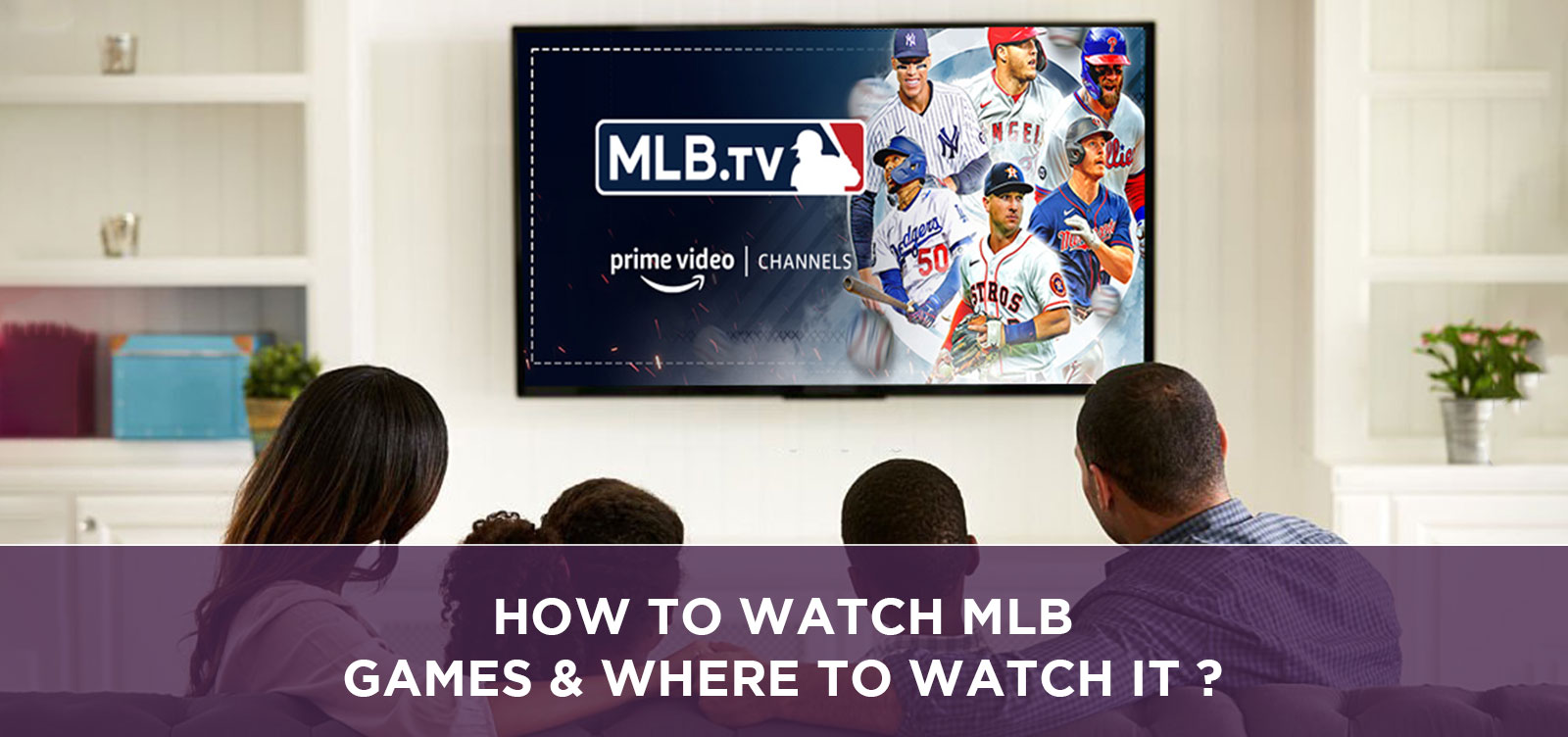
Never miss a pitch again! This comprehensive guide reveals exactly how to watch MLB games and where to find them, covering every option from live TV to streaming services and international broadcasts, ensuring you catch all the 2025-26 season action.
Understanding MLB Broadcasts: Local vs. National
Navigating the world of Major League Baseball broadcasts in the 2025-26 season can feel like a complex defensive play, but understanding the core differences between local and national broadcasts is the first step to a home run viewing experience. Most MLB games are broadcast regionally by RSNs (Regional Sports Networks), meaning they are primarily shown to viewers within the specific team's geographic market. These RSNs are crucial for following your favorite team's day-to-day performance. For instance, if you're a die-hard New York Yankees fan living in the tri-state area, you'll likely catch most of their games on the YES Network. Similarly, a Los Angeles Dodgers fan in Southern California will tune into Spectrum SportsNet LA.
However, certain marquee matchups, playoff games, and nationally televised series are broadcast across the country on major networks. These include games featured on ESPN, FOX, FS1, TBS, and MLB Network. The key distinction here is that national broadcasts are generally available to anyone with a subscription to the relevant cable or satellite package, regardless of their geographic location. This also means that if a game is being broadcast nationally, it might be subject to blackout restrictions on local RSNs or MLB.TV in that team's home market. Understanding these blackout rules is paramount to avoiding frustration and ensuring you can watch the games you want, when you want them.
The Role of Regional Sports Networks (RSNs)
Regional Sports Networks are the backbone of local MLB fandom. These networks invest heavily in broadcasting games for teams within their territory. They offer comprehensive coverage, including pre-game shows, post-game analysis, and often exclusive interviews and behind-the-scenes content. The number of RSNs has grown significantly over the years, with major players like Bally Sports (formerly Fox Sports RSNs), NBC Sports Regional Networks, and ATT Sports Networks dominating different regions. Each RSN carries a specific slate of games for the teams it partners with. For example, during the 2025-26 season, fans of the Chicago Cubs will rely on Marquee Sports Network, a joint venture between Sinclair Broadcast Group and the Cubs themselves, for the vast majority of their games.
The challenge for many fans, especially those who have cut the cord from traditional cable, is accessing these RSNs. Historically, RSNs were exclusively available through cable and satellite subscriptions. While some RSNs have begun to offer direct-to-consumer streaming options (more on that later), many still require a traditional TV package. This creates a significant barrier for cord-cutters who want to follow their local team. The financial model of RSNs is built on carriage fees paid by cable providers, which are then passed on to subscribers, making them a costly component of many TV bills.
National Broadcasts: The Big Games
National broadcasts bring the excitement of Major League Baseball to a wider audience. Networks like ESPN are known for their Sunday Night Baseball games, often featuring two of the league's most popular teams. FOX typically airs Saturday afternoon games, while TBS and MLB Network broadcast a variety of weekday and weekend matchups throughout the season. These games are crucial for national storylines, rivalries, and showcasing rising stars. For instance, a highly anticipated series between the Atlanta Braves and the Philadelphia Phillies might be picked up for a national broadcast on FOX, making it accessible to fans across the country.
The appeal of national broadcasts lies in their accessibility and the quality of production. They often feature top-tier announcers, extensive pre- and post-game coverage, and highlight reels that capture the biggest moments. However, the flip side is that these games are often subject to local blackouts if you live within the home market of either participating team. This means that even if you have ESPN, you might not be able to watch a game featuring your hometown team if it's also being broadcast nationally. This is a common point of confusion and frustration for MLB fans, and it underscores the importance of understanding your specific viewing situation.
Live TV Options for Watching MLB Games
For many baseball enthusiasts, traditional live TV packages remain a reliable, albeit sometimes expensive, way to catch all the action. These packages offer access to a wide array of channels, including those that carry both national MLB broadcasts and your local RSNs. While the landscape of cable and satellite providers is constantly evolving, several major players continue to offer comprehensive sports coverage. Understanding which providers carry which RSNs is key to making an informed decision.
Cable and Satellite Providers
Cable and satellite providers like Xfinity, Spectrum, DirecTV, and Dish Network have historically been the primary gateways to RSNs. If you subscribe to a package that includes your local RSN, you'll be able to watch most of your favorite team's games live. For example, a subscriber to Xfinity in the Philadelphia area would likely have access to NBC Sports Philadelphia, which broadcasts Phillies games. Similarly, a DirecTV subscriber in the Boston area would have access to NESN for Red Sox games.
These providers also offer packages that include channels like ESPN, FOX, FS1, TBS, and MLB Network, ensuring you don't miss out on nationally televised games. The cost of these packages can vary significantly, often ranging from $70 to over $150 per month, depending on the channel selection and internet/phone bundles. While these options provide a complete solution for many, the rising costs and the desire for more flexibility have led many consumers to explore other avenues.
Key Considerations for Cable/Satellite
- RSN Availability: Verify that the provider offers your specific local RSN. This is the most critical factor for following a single team.
- Channel Tiers: Ensure the package includes national sports channels like ESPN, FS1, and MLB Network.
- Contract Length: Be aware of any long-term contracts, which can limit flexibility.
- Bundling: Providers often offer discounts for bundling TV, internet, and phone services.
The Rise of "Skinny Bundles" and Live TV Streaming Services
Recognizing the demand for more flexible and often more affordable options, live TV streaming services have emerged as a popular alternative to traditional cable and satellite. Services like YouTube TV, Hulu + Live TV, Sling TV, and FuboTV offer packages that include many of the same channels found in traditional TV bundles, but they are delivered over the internet. This means you can watch on a variety of devices, including smart TVs, streaming sticks, computers, and mobile devices, without needing a cable box.
These services are often referred to as "skinny bundles" because they typically offer a more curated selection of channels compared to the extensive, and often overwhelming, packages from traditional providers. However, many have expanded their offerings to include robust sports channels. For example, YouTube TV and Hulu + Live TV generally include ESPN, FS1, and TBS, and crucially, they often carry a wide range of RSNs, making them strong contenders for MLB fans. Sling TV offers more customizable packages, allowing users to pick and choose channel add-ons, which can be cost-effective if you only need specific sports channels. FuboTV is particularly strong for sports enthusiasts, boasting a vast selection of sports channels, including many RSNs.
Comparing Live TV Streaming Services for MLB
When choosing a live TV streaming service for MLB, several factors come into play:
- RSN Coverage: This is paramount. Check which services carry your local RSN. For instance, if you're a San Francisco Giants fan, you'll need a service that carries NBC Sports Bay Area.
- National Channel Availability: Ensure the service includes ESPN, FS1, TBS, and MLB Network if you want to catch national broadcasts.
- Price: Costs vary, with services like Sling TV being more budget-friendly and others like FuboTV or YouTube TV being more comprehensive but pricier.
- Device Compatibility: Ensure the service works with your preferred streaming devices.
- Blackout Policies: Be aware that even with these services, local blackouts for your team's games may still apply if the game is broadcast on your local RSN and you are within that market.
For the 2025-26 season, here's a general overview of popular options:
| Service | Base Price (Approx. 2025-26) | Key MLB Channels | RSN Availability | Notes |
|---|---|---|---|---|
| YouTube TV | $70-80/month | ESPN, FS1, TBS, MLB Network (often requires add-on) | Good, covers many major RSNs | Unlimited DVR, good channel selection. |
| Hulu + Live TV | $70-85/month | ESPN, FS1, TBS, MLB Network (often requires add-on) | Good, covers many major RSNs | Includes Hulu on-demand library, unlimited DVR. |
| Sling TV | $40-60/month (for Orange/Blue packages) | ESPN (Orange), FS1, TBS (Blue) | Varies by RSN, often requires add-ons | Most customizable and affordable, but can require multiple add-ons for full coverage. MLB Network not in base packages. |
| FuboTV | $80-100/month | ESPN, FS1, TBS, MLB Network | Excellent, extensive RSN coverage | Sports-focused, good for international sports as well. |
Note: Prices and channel lineups are subject to change for the 2025-26 MLB season. Always check the provider's website for the most up-to-date information.
Top Streaming Services for MLB Fans
The streaming revolution has profoundly impacted how fans consume sports, and Major League Baseball is no exception. Beyond the live TV streaming services, several other platforms offer access to MLB games, either through dedicated sports packages or as part of broader entertainment offerings. Understanding these options can help you tailor your viewing strategy to your specific needs and budget.
ESPN+
ESPN+ has become a significant player in sports streaming, offering a vast library of live games and exclusive content. For MLB fans, ESPN+ provides access to out-of-market games that are *not* being broadcast nationally or on your local RSN. This is a crucial distinction. If you're a fan of a team outside your local market, ESPN+ can be an excellent way to follow them. For example, a fan in Florida wanting to watch the Seattle Mariners play a game against the Texas Rangers might find that game available on ESPN+ if it's not being broadcast nationally or on an RSN they subscribe to.
However, it's vital to remember ESPN+'s blackout policy. Games broadcast on national networks (ESPN, FOX, FS1, TBS) and games broadcast on your local RSN will *not* be available on ESPN+. Therefore, ESPN+ is best suited for supplementing your viewing of out-of-market games or for accessing content like the Minor League Baseball stream, classic games, and original series.
What ESPN+ Offers for MLB Fans
- Out-of-Market Games: Access to hundreds of MLB games not subject to local blackouts.
- Minor League Baseball: Extensive coverage of MiLB games.
- Exclusive Content: Original series, documentaries, and classic MLB games.
- Price Point: Generally more affordable than full live TV streaming services, often bundled with Disney+ and Hulu.
Peacock
Peacock, NBCUniversal's streaming service, has also been expanding its sports offerings, including MLB. For the 2025-26 season, Peacock is expected to continue broadcasting a selection of Sunday morning MLB games, often featuring the Philadelphia Phillies or other teams associated with NBC Sports RSNs. These games are typically exclusive to Peacock and are not broadcast on traditional television networks. This makes Peacock a necessary subscription for fans who want to catch these specific matchups.
The key takeaway for Peacock is its specific slate of games. It's not a comprehensive solution for all MLB viewing, but it's essential if you want to watch the games it carries. The service also offers other sports content, which might be a bonus for some users. Like other services, local blackouts might apply if you are in the home market of one of the participating teams, though this is less common for games exclusively aired on Peacock.
Amazon Prime Video
Amazon Prime Video has been steadily increasing its sports footprint, and for the 2025-26 MLB season, it's expected to continue offering a selection of nationally televised games. These games are typically exclusive to Prime Video and are often scheduled for specific days, such as Tuesday nights. This means that if you're a Prime member, you get access to these games as part of your membership. Amazon's involvement signifies a growing trend of tech giants investing in live sports rights, aiming to attract and retain subscribers.
The advantage of Amazon Prime Video is that it's bundled with the broader Prime membership, which offers benefits like free shipping, Prime Music, and more. If you're already a Prime member, these games are essentially a free bonus. However, it's important to check the specific schedule for which games Amazon will be broadcasting, as it's a curated selection and not a full slate of MLB games.
MLB's Own Streaming Options: MLB.TV
For the most dedicated MLB fans, especially those who want to follow their favorite team or watch games from across the league without local blackouts, MLB.TV remains the premier direct-to-consumer streaming service. Launched by Major League Baseball itself, MLB.TV offers the ability to stream virtually every out-of-market game live or on-demand. This is the ultimate solution for fans who have moved away from their hometown team or simply want to follow multiple teams with a single subscription.
How MLB.TV Works
MLB.TV provides access to live streaming of games broadcast by the other 29 MLB teams. You can choose to subscribe to follow a single team (Team Choice) or get access to all teams (All Teams). The service is available on a wide range of platforms, including web browsers, mobile apps (iOS and Android), streaming devices (Roku, Apple TV, Amazon Fire TV, Chromecast), and smart TVs. The quality of the streams is generally high, often offering HD resolution.
The most significant aspect of MLB.TV is its handling of blackouts. While it offers out-of-market games, it strictly adheres to local blackout rules. This means that if you live within the broadcast territory of a specific team, you will *not* be able to watch that team's games live on MLB.TV. Those games will be blacked out. However, they will become available on-demand approximately 90 minutes after the game concludes. This is a crucial detail for fans to understand before subscribing. For example, a fan living in San Diego wanting to watch the Padres play the Arizona Diamondbacks will find that game blacked out on MLB.TV, but they can watch it live on their local RSN (e.g., Bally Sports San Diego) or stream it via a live TV streaming service that carries that RSN.
MLB.TV Subscription Options and Pricing (2025-26 Season Estimates)
MLB.TV typically offers a few subscription tiers:
- MLB.TV All Teams: This is the most popular option, granting access to live streams of all out-of-market games for the entire season. Pricing is usually around $119.99 for the season or a monthly payment option.
- MLB.TV Single Team: For fans who only want to follow one specific team, this option is typically priced lower, around $89.99 for the season.
- MLB Audio: For those who primarily want to listen to games, an audio-only subscription is also available at a lower price point.
MLB.TV is often included as part of certain packages with providers like YouTube TV or Hulu + Live TV, or it might be available as an add-on. Additionally, MLB.TV subscriptions are sometimes bundled with Amazon Prime Video Channels or other services, so it's worth checking for these offers.
Navigating MLB.TV Blackouts
The blackout policy is the single biggest hurdle for MLB.TV users. It's designed to protect the rights of local RSNs and national broadcasters. Here's how to navigate it:
- Know Your Market: Understand which MLB teams fall within your designated broadcast market. MLB defines these markets, and they can sometimes be broader than just your immediate city.
- Check the Schedule: MLB.TV provides a daily schedule that indicates which games are subject to blackout.
- Use a VPN (with caution): Some users employ Virtual Private Networks (VPNs) to appear as if they are browsing from a different geographic location, thereby bypassing local blackouts. However, MLB's terms of service may prohibit VPN use, and it can sometimes lead to unreliable streaming.
- Alternative Viewing: If a game is blacked out on MLB.TV, you will need to rely on your local RSN or a live TV streaming service that carries it.
For fans living outside the US, MLB.TV is often a fantastic option as it typically does not have the same blackout restrictions. This makes it a popular choice for international baseball fans wanting to follow MLB.
Free and Alternative Ways to Watch MLB Games
While most MLB viewing requires a subscription, there are a few avenues for catching some games without a direct cost, or through alternative means that might already be part of your existing subscriptions.
Over-the-Air (OTA) Broadcasts
A select number of MLB games are broadcast over the air on major networks like FOX. These games are free to watch for anyone with a digital antenna. FOX typically airs Saturday afternoon games during the MLB season. While this is not a comprehensive solution for watching all games, it's a great way to catch some high-profile matchups without paying for a subscription. All you need is a digital antenna and a TV with a digital tuner (most modern TVs have this built-in).
The advantage of OTA broadcasts is their reliability and lack of blackouts. If a game is scheduled to air on FOX in your area, you can watch it. The limitation, of course, is the limited number of games available this way.
Radio Broadcasts
For the purists, or for those who can't watch visually, listening to MLB games on the radio is a classic and beloved method. Most MLB teams have flagship radio stations that broadcast all their games. You can often find these broadcasts through local AM/FM radio or through streaming audio services. MLB.TV offers an audio-only subscription, and many live TV streaming services include RSNs that also carry the radio feed. For many, the commentary of a seasoned radio announcer can be just as engaging as watching the game itself, especially during long commutes or while multitasking.
Highlights and Condensed Games
If you're not concerned with watching games live but want to stay up-to-date on the action, many platforms offer free highlights and condensed game recaps. MLB's official YouTube channel, various sports news websites, and social media platforms are excellent sources for these. While not a substitute for live viewing, they provide a quick way to catch the key plays and outcomes of the 2025-26 season.
Promotional Offers and Free Trials
Many streaming services, including live TV streaming platforms and MLB.TV, offer free trial periods. These can be a great way to test out a service before committing to a subscription, or to catch a specific series or important games without paying. Always be mindful of the auto-renewal policies when signing up for free trials.
Watching MLB Games Internationally
For baseball fans residing outside of the United States and Canada, accessing MLB games can present unique challenges due to broadcast rights and blackout restrictions. However, MLB.TV is often the most straightforward solution, as it typically does not enforce the same local blackout rules internationally. This means fans in Europe, Asia, or Australia can usually subscribe to MLB.TV and watch any game they desire without blackout issues.
Some countries may also have specific broadcast agreements with local sports networks that carry MLB games. Researching these local options is advisable. For example, in Japan, Nippon Professional Baseball (NPB) games are widely broadcast, but MLB games might be available through specialized sports streaming services or apps. The key for international viewers is to check MLB.TV's international availability and blackout policy for their specific region, as it can vary slightly.
MLB.TV for International Viewers
As mentioned, MLB.TV is generally the go-to for international fans. It offers comprehensive access to the league's games, allowing fans worldwide to follow their favorite teams. The pricing for international subscriptions may differ from domestic rates, so it's essential to check the official MLB.TV website for the most accurate pricing and availability in your region. The service provides high-quality streams and often includes features like multiple camera angles and home/away broadcast options.
Local Broadcasters and Streaming Services Abroad
In some countries, specific sports broadcasters may hold exclusive rights to MLB games. For instance, in certain parts of Europe, services like BT Sport or Sky Sports might carry a selection of MLB games. In other regions, dedicated baseball streaming platforms might exist. It's always recommended to search for "MLB broadcast rights [your country]" to identify any local options. These local services can sometimes be more affordable or offer a more localized viewing experience.
Choosing the Right Plan for Your Viewing Habits
With so many options available, selecting the best plan for watching MLB games in the 2025-26 season boils down to understanding your personal viewing habits. Are you a die-hard fan of a single team, or do you enjoy following the league as a whole? Do you primarily watch live, or are you happy catching highlights? Your answers will guide you toward the most cost-effective and satisfying solution.
The Single-Team Fan
If your loyalty lies with one specific MLB team, your primary goal is to ensure you can watch all of their games. In this scenario, the most crucial step is identifying which RSN carries your team. Once you know that, you can assess:
- Live TV Streaming Services: Check if YouTube TV, Hulu + Live TV, or FuboTV carry your RSN. This is often the most comprehensive solution, as it also gives you access to national broadcasts.
- MLB.TV Single Team: If you live *outside* your team's market, MLB.TV's single-team package is an excellent, often more affordable, option. Remember, it will be blacked out if you are within the market.
- Cable/Satellite: If streaming isn't your preference, a traditional cable or satellite package that includes your RSN is still a viable option.
The League-Wide Fan
For those who enjoy watching multiple teams, following pennant races, or simply want to see the best matchups across the league, MLB.TV's All Teams package is likely your best bet. This subscription allows you to watch any out-of-market game, giving you unparalleled access to the entire league. Combined with a basic live TV streaming service that includes ESPN, FS1, and TBS for national broadcasts, you'll have nearly every game covered.
The Cord-Cutter on a Budget
If cost is a major concern, a combination of strategies might be necessary:
- Sling TV: This service offers the most affordable entry point into live TV streaming. You can customize packages to include the channels you need, such as ESPN and FS1, and add RSNs if available and affordable.
- Over-the-Air (OTA) Broadcasts: Utilize a digital antenna for free FOX Saturday games.
- ESPN+: Supplement with ESPN+ for out-of-market games not covered by your primary service.
- Free Trials: Leverage free trials strategically to catch specific series or events.
The Occasional Viewer
If you only watch a handful of games per season, perhaps for major rivalries or playoff contention, a full-season subscription might be overkill. In this case:
- National Broadcasts: Rely on services that carry ESPN, FOX, FS1, and TBS.
- Promotional Offers: Keep an eye out for short-term deals or monthly options for MLB.TV if available.
- Friends and Family: Sometimes, sharing an account with someone who has a subscription can be an option, though always check the terms of service.
Troubleshooting and Essential Viewing Tips
Even with the best plans, you might encounter issues. Here are some common troubleshooting tips and essential advice to ensure a smooth MLB viewing experience throughout the 2025-26 season.
Common Issues and Solutions
- Blackouts: As repeatedly stressed, blackouts are the most common frustration. Always confirm your location relative to team markets and check the blackout status on MLB.TV or your streaming service's schedule. If a game is blacked out, switch to your RSN feed via a live TV streaming service or traditional TV.
- Buffering and Poor Quality: This is usually an internet connection issue. Ensure you have a stable, high-speed internet connection. Restarting your modem and router can often resolve temporary glitches. If using Wi-Fi, try moving closer to the router or using a wired Ethernet connection for maximum stability.
- App Crashes or Errors: Make sure your streaming app and device software are up-to-date. Clearing the app's cache or reinstalling it can sometimes fix persistent issues.
- Account Login Problems: Double-check your username and password. If you've forgotten them, use the "forgot password" option. Contacting customer support for your service provider is the next step.
Maximizing Your Viewing Experience
- Device Compatibility: Ensure the streaming service you choose is compatible with your preferred viewing devices.
- DVR Functionality: For live TV streaming services, check if they offer DVR capabilities. This allows you to record games and watch them later, avoiding potential conflicts with other commitments or live blackouts.
- Multi-Device Streaming: Understand how many devices can stream simultaneously on a single account. This is important if multiple people in your household want to watch different games.
- Explore Broadcast Options: Many services allow you to choose between the home and away team's broadcast feed. This can be a fun way to experience different commentary styles or listen to your favorite local announcers.
- Stay Informed: Keep up-to-date with MLB schedules and broadcast information. Websites like MLB.com, ESPN.com, and your specific streaming provider's website are valuable resources.
The 2025-26 Season Outlook
As we look towards the 2025-26 MLB season, the broadcasting landscape continues to evolve. We may see further consolidation of RSNs, new streaming partnerships, and potentially more direct-to-consumer offerings from individual teams or leagues. Staying adaptable and informed will be key for fans to ensure they always have a way to watch their favorite team and enjoy the excitement of Major League Baseball.
Conclusion
Mastering how to watch MLB games in the 2025-26 season is achievable with a clear understanding of your options. From the essential local RSNs and national broadcasts carried by traditional cable and live TV streaming services, to the comprehensive out-of-market coverage of MLB.TV, there's a solution for every fan. Whether you're a dedicated follower of a single team or a league-wide enthusiast, remember to prioritize RSN availability if you're in-market, and consider MLB.TV for out-of-market games. For budget-conscious viewers, combining over-the-air broadcasts with affordable streaming packages like Sling TV or leveraging free trials can be effective. Always be mindful of local blackout restrictions, as they remain the primary hurdle for accessing live games. By carefully assessing your viewing habits and comparing the features and costs of various providers, you can construct the perfect MLB viewing strategy to ensure you don't miss a single thrilling moment of the 2025-26 season.