-
Posted on: 07 Jan 2026
-
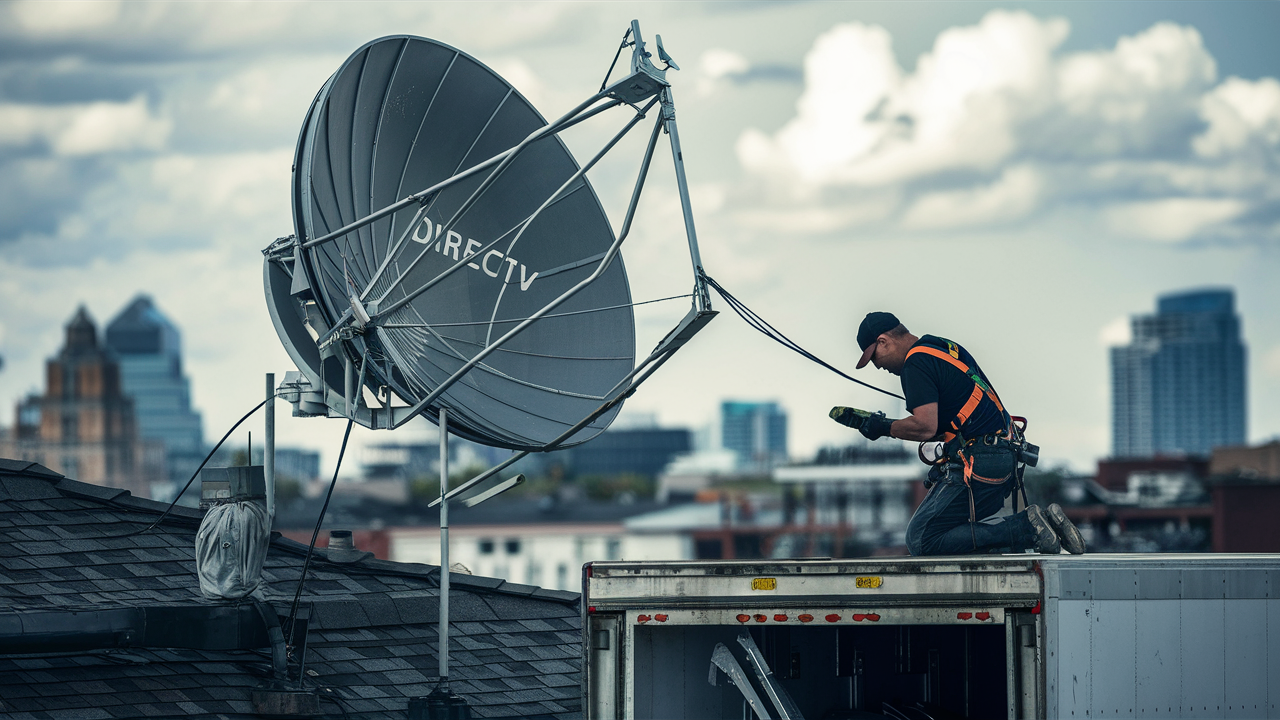
Understanding who is responsible for satellite dish removal is crucial for DIRECTV customers. This guide clarifies DIRECTV's role, customer responsibilities, and the process involved, ensuring you're prepared for a smooth transition whether you're moving, upgrading, or discontinuing service.
Understanding DIRECTV Satellite Dish Removal
For many households across the United States, DIRECTV has been a long-standing provider of satellite television. As technology evolves and viewing habits change, customers may find themselves needing to disconnect their service or relocate. A common question that arises during these transitions is: "Is DIRECTV responsible for removing the satellite dish?" This query is central to understanding the logistics and potential costs associated with ending your service or moving your equipment. The answer, as with many service-related policies, is nuanced and depends on several factors, including the terms of your contract, the reason for service termination, and whether you own or lease the equipment. In 2025-26, with the increasing adoption of streaming services and DIRECTV's own expansion into internet-based options, understanding these policies is more relevant than ever for consumers seeking clarity and avoiding unexpected charges. This comprehensive guide aims to demystify the process, providing clear answers and actionable advice for DIRECTV customers.
DIRECTV's Official Policy on Dish Removal
DIRECTV's official stance on satellite dish removal is not a one-size-fits-all declaration. Instead, it's a framework that outlines responsibilities based on contractual agreements and specific circumstances. Generally, DIRECTV considers the satellite dish and associated equipment as part of the service installation. However, the ownership and responsibility for removal can shift. Understanding the core tenets of their policy is the first step.
In many standard installation scenarios, particularly for customers who have been with DIRECTV for a significant period or who have a lease agreement on the equipment, DIRECTV may offer removal services, sometimes at a fee. This is often the case when a customer is discontinuing service and the dish is no longer needed. The company aims to ensure that their equipment is returned or properly decommissioned to prevent potential hazards or property damage.
Conversely, if a customer owns the dish outright (which is less common for professionally installed systems but can occur if purchased separately), or if the dish was installed under specific promotional terms that shifted ownership, the responsibility for removal typically falls on the customer. Furthermore, if the dish was installed on a property that the customer does not own (e.g., a rental property), the terms of the lease agreement with the landlord will often dictate who is responsible for the removal of any fixtures, including the satellite dish.
It's important to note that DIRECTV's policies can evolve. As of 2025-26, with the increasing shift towards streaming and the potential for DIRECTV to offer services that do not require a traditional satellite dish, their approach to equipment removal is subject to ongoing review and updates. Customers are strongly advised to consult their specific service agreement or contact DIRECTV customer support directly for the most accurate and up-to-date information regarding their individual situation. This direct consultation is crucial to avoid misunderstandings and ensure compliance with all terms and conditions.
Contractual Agreements and Equipment Leases
The cornerstone of determining responsibility for satellite dish removal lies within the customer's service agreement. When a customer signs up for DIRECTV service, they typically enter into a contract that specifies the terms of equipment use and eventual removal. Most commonly, DIRECTV provides the satellite dish and associated hardware as part of a lease agreement. Under a lease, the equipment remains the property of DIRECTV. This ownership by the provider often implies that they retain responsibility for its installation and, in many cases, its removal upon termination of service.
However, these lease agreements are not without their own conditions. Some contracts might stipulate that the customer is responsible for returning the equipment, or that removal fees will apply. The duration of the contract also plays a role. For example, early termination of a service contract might incur penalties that could include the cost of equipment removal, regardless of who is typically responsible.
Conversely, some customers may have purchased their equipment outright. This is less common with professionally installed systems but can happen if a customer acquired a dish and receiver independently. In such cases, the equipment is considered the customer's property, and thus, the responsibility for its removal, installation, and disposal rests entirely with the customer.
In 2025-26, with DIRECTV exploring various service models, including internet-based streaming, the nature of these agreements might be changing. It's imperative for customers to carefully review the specific terms and conditions of their current service contract. This document will contain the definitive clauses regarding equipment ownership, lease terms, and the obligations of both parties concerning the satellite dish at the end of the service period. For any ambiguity, direct communication with DIRECTV customer service is the most reliable path to clarification.
Installation Type and Ownership Implications
The way your DIRECTV satellite dish was installed significantly impacts who is responsible for its removal. Historically, DIRECTV installations have been managed by third-party contractors who are certified by DIRECTV. These installations typically involve mounting the dish on a roof, side of a house, or a pole in the yard. The equipment, including the dish, LNB (low-noise block downconverter), and sometimes the receiver, is often provided by DIRECTV under a lease agreement.
When the equipment is leased from DIRECTV, the company generally retains ownership. This ownership model is a key factor in determining responsibility for removal. If you are terminating service and the equipment is leased, DIRECTV is often responsible for arranging its removal to reclaim their property and ensure it's done safely and correctly. This is particularly true if the installation was complex or involved significant mounting.
However, there are exceptions. Some customers might have opted for a purchase agreement for their equipment, or perhaps they inherited a dish from a previous resident or installed it themselves. In these scenarios, where the customer is the legal owner of the dish, the responsibility for its removal, disposal, or repurposing falls squarely on them. This is a critical distinction.
Furthermore, the type of installation can influence the complexity and cost of removal. A dish mounted on a simple pole might be easier for a homeowner to remove than one bolted directly to a steep roof. DIRECTV's responsibility for removal is often tied to ensuring professional and safe decommissioning, especially for installations that pose potential risks if not handled correctly. As of 2025-26, with the increasing emphasis on safety and environmental regulations, professional removal by DIRECTV or its authorized agents is often preferred, even if it incurs a fee, to mitigate liability.
When DIRECTV is Responsible for Removal
DIRECTV typically assumes responsibility for the removal of its satellite dish and associated equipment under specific circumstances, primarily when the equipment remains their property and the customer is terminating service in good standing. This responsibility is often stipulated in the service agreement, especially for customers who have leased their equipment.
One of the most common scenarios where DIRECTV is responsible for removal is when a customer terminates their service contract. If the contract states that DIRECTV will remove their leased equipment, they will arrange for a technician to visit the property, safely detach the dish, and haul it away. This ensures that their property is recovered and that the removal is performed by trained personnel, minimizing any risk of damage to the customer's home or property.
Another instance where DIRECTV might take responsibility is if the dish is deemed defective or obsolete and needs to be replaced. In such cases, the company will usually handle the removal of the old unit as part of the upgrade or repair process. This is part of their commitment to maintaining the functionality of their service.
Relocation services can also sometimes involve DIRECTV's responsibility. If a customer is moving to a new location within DIRECTV's service area and wishes to continue their service, DIRECTV may offer to move and reinstall the dish. In this context, they are responsible for the removal from the old address. However, this is usually tied to signing a new service agreement or fulfilling the terms of an existing one.
It's crucial to understand that "responsible for removal" doesn't always mean "free of charge." While DIRECTV may be the party responsible for arranging and executing the removal, there might be associated fees, especially if the service termination occurs outside of the standard contract period or if the installation was particularly complex. As of 2025-26, DIRECTV's operational costs and service models continue to influence these potential charges. Always confirm the specifics with customer service when initiating a service termination or relocation request.
Service Termination Under Contract
When a customer decides to terminate their DIRECTV service while still under a contractual agreement, the responsibility for dish removal often falls to DIRECTV, provided the equipment is leased. This is a standard practice designed to ensure that the provider can reclaim their property and that the removal is conducted safely and professionally. The service agreement typically outlines these terms. If the contract specifies that DIRECTV will remove their leased equipment upon termination, they will schedule a technician to visit the customer's premises. The technician will then disconnect the dish from the mounting surface, remove all associated wiring, and take the dish and any other leased DIRECTV equipment.
However, this responsibility is not always without cost. If the termination occurs before the end of the minimum service term, customers may be subject to early termination fees. These fees can sometimes encompass the cost of equipment removal, or the removal might be an additional charge. It is imperative for customers to review their contract for clauses related to early termination and equipment return.
In some cases, especially with older contracts or specific promotional offers, the terms might differ. It's not uncommon for DIRECTV to offer a grace period for equipment return after service cancellation. If the customer fails to return the leased equipment within this period, they may be charged for the unreturned items, which could be more expensive than the removal fee itself. Therefore, adhering to the stipulated timelines for equipment return and removal is crucial.
For customers who have purchased their equipment outright, DIRECTV has no responsibility for removal. The equipment is considered personal property, and the customer is solely responsible for its disposition. This distinction is vital and is clearly defined in the terms of service. As of 2025-26, DIRECTV continues to emphasize the importance of understanding contract terms to avoid any surprises regarding equipment responsibilities.
Equipment Malfunction or Upgrade
When a DIRECTV satellite dish or related equipment malfunctions, DIRECTV typically assumes responsibility for its removal and replacement. This is part of their commitment to providing a functional service to their customers. If a dish is damaged due to weather, wear and tear, or a manufacturing defect, and it impacts the signal quality or the overall service, a technician will be dispatched. During this service call, the faulty equipment, including the dish itself, will be removed and replaced.
Similarly, if DIRECTV offers an upgrade to newer or more advanced equipment, they will usually manage the removal of the older dish and hardware as part of the installation process for the new system. This ensures a seamless transition for the customer and allows DIRECTV to retrieve older technology for recycling or refurbishment.
It is important to distinguish these scenarios from customer-initiated changes or damage caused by the customer. If a customer intentionally damages the dish, or if damage occurs due to improper handling or unauthorized modifications, DIRECTV may not be responsible for the removal, and the customer might incur charges for repair or replacement.
In 2025-26, with the ongoing development of satellite technology and potential shifts towards different service delivery methods, DIRECTV's policies on equipment replacement and removal remain robust. Customers experiencing issues with their satellite dish should contact DIRECTV customer support to assess the situation. They will guide the customer through the process, determine if the equipment is under warranty or covered by their service plan, and arrange for a technician if necessary. This proactive approach ensures that service disruptions are minimized and that equipment is managed according to DIRECTV's standards.
When the Customer is Responsible for Removal
While DIRECTV often handles dish removal, there are several common situations where the responsibility shifts entirely to the customer. Understanding these scenarios is crucial to avoid unexpected costs and ensure compliance with agreements and property regulations. The primary drivers for customer responsibility are equipment ownership, specific contractual clauses, and situations where the installation was not standard or was performed by a third party not directly contracted by DIRECTV for removal.
For instance, if a customer purchased their satellite dish and receiver outright, DIRECTV has no obligation to remove it. The equipment is considered personal property, and its removal, disposal, or repurposing is solely the customer's undertaking. This is a fundamental distinction from leased equipment.
Another significant factor is when a customer moves out of a property and is not transferring their DIRECTV service to the new location. If the service agreement, or lack thereof regarding removal, dictates that the customer must remove the dish, they must arrange for its safe detachment and disposal. This is particularly relevant for renters, where lease agreements might require the removal of any fixtures installed by the tenant.
Furthermore, if the satellite dish was installed in a non-standard location or by a third-party installer not authorized by DIRECTV for removal services, the customer may be held responsible. This can include DIY installations or installations performed by contractors hired independently by the homeowner. In such cases, DIRECTV has no contractual obligation to retrieve or uninstall the equipment.
As of 2025-26, DIRECTV continues to emphasize that customers should always refer to their specific service agreement and consult customer support if they are unsure about their responsibilities. Ignorance of these terms can lead to unexpected charges, potential disputes with property owners, or even safety hazards if the dish is not removed correctly.
Purchased Equipment and DIY Installations
If you have purchased your DIRECTV satellite dish and receiver outright, rather than leasing it through a service plan, then the responsibility for its removal rests entirely with you. This is a fundamental aspect of ownership: when you own something, you are responsible for its installation, maintenance, and eventual removal or disposal. DIRECTV has no obligation to uninstall equipment that they do not own. This scenario is less common for professionally installed systems, as most customers opt for the leasing model. However, for those who have acquired equipment independently, perhaps for a secondary location or a specific project, this distinction is critical.
Similarly, if you or someone you hired independently (not through a DIRECTV authorized installer for removal services) performed a DIY installation of a satellite dish, the responsibility for its removal will also fall on you. DIRECTV's installation and removal protocols are designed for their authorized technicians to ensure safety and adherence to their standards. When a third party or the homeowner undertakes the installation, DIRECTV is not involved in the process and therefore has no responsibility for de-installation.
In these situations, customers must ensure that the dish is removed safely, without causing damage to the property. This might involve hiring a professional handyman, a roofing contractor, or a specialized satellite installer if you are not comfortable performing the removal yourself. Proper disposal of the equipment should also be considered, adhering to local regulations for electronic waste. As of 2025-26, with increasing awareness of environmental impact, responsible disposal is a key consideration for any owned equipment. Always check your service agreement or consult DIRECTV customer service if there's any doubt about ownership and associated responsibilities.
Moving Out of a Rental Property
When a tenant moves out of a rental property where a DIRECTV satellite dish has been installed, the responsibility for its removal can become a point of contention. Generally, the terms of the lease agreement between the tenant and the landlord are paramount in determining who is responsible. Most lease agreements stipulate that tenants are responsible for removing any fixtures or installations they have added to the property, or that were installed for their specific use, unless otherwise agreed upon.
If the satellite dish was installed specifically for the tenant's DIRECTV service and the equipment is leased from DIRECTV, the tenant typically bears the responsibility for its removal. This is because the tenant is the one terminating the service and vacating the property. DIRECTV's responsibility for removal is usually tied to the continuation of service or a direct request related to their equipment ownership, not necessarily the tenant's departure from a rental unit.
However, if the lease agreement explicitly states that the landlord is responsible for the removal of all exterior fixtures, or if the dish was pre-existing and part of the property's infrastructure before the tenant moved in, then the landlord might be responsible. It is crucial for tenants to review their lease agreement thoroughly before moving out.
In cases where the tenant is responsible, they must ensure the dish is removed safely and professionally to avoid damaging the property. Failure to do so could result in deductions from their security deposit to cover repair costs. Tenants should also coordinate with their landlord regarding the removal process. As of 2025-26, it is advisable for tenants to communicate with both their landlord and DIRECTV customer service well in advance of their move-out date to clarify responsibilities and arrange for removal if necessary.
The Dish Removal Process: Step-by-Step
Whether DIRECTV or the customer is responsible for removing a satellite dish, the process generally follows a similar set of steps to ensure safety and completeness. Understanding this process can help manage expectations and prepare for the service call or DIY removal. The primary goal is to safely detach the dish, disconnect wiring, and seal any holes left in the property's exterior.
The process begins with scheduling. If DIRECTV is responsible, the customer will contact customer service to initiate a service termination or relocation, and a removal appointment will be scheduled. If the customer is responsible, they will need to arrange for a professional installer or perform the removal themselves.
On the scheduled day, a technician (or the customer) will arrive at the property. The first step is to assess the installation site. This involves identifying how the dish is mounted, the type of fasteners used, and the location of any wiring. Safety precautions are paramount, especially if the dish is mounted on a roof or a high location.
Next, all cables connected to the dish and running into the house are disconnected. These cables are then carefully removed from their entry points. Following this, the dish itself is detached from its mounting bracket. This often involves unscrewing bolts or removing fasteners. The mounting bracket, if it protrudes significantly or is no longer needed, may also be removed.
Once the dish and bracket are removed, the holes left in the exterior of the house (roof, wall, etc.) need to be properly sealed to prevent water damage and pest entry. This is a critical step that ensures the integrity of the property. Finally, the technician will ensure all tools and equipment are removed from the site, and any debris is cleaned up. If DIRECTV is performing the removal, they will also take the dish and associated hardware with them.
As of 2025-26, DIRECTV emphasizes that customers should be present during removal if they are responsible for the service, or to ensure the job is done to their satisfaction if DIRECTV is performing it. This ensures clarity on any issues that may arise.
Scheduling the Removal Appointment
The first critical step in the satellite dish removal process is scheduling the appointment. If DIRECTV is responsible for the removal, this typically occurs when a customer terminates their service or relocates and is not transferring their service to the new address. The customer will need to contact DIRECTV customer support directly. During this call, they will explain the reason for service termination and inquire about equipment removal.
DIRECTV customer service will then review the customer's account, contract terms, and equipment lease agreement to determine responsibility and any associated fees. If DIRECTV is indeed responsible, they will offer available appointment slots for a technician to visit the property. Customers are encouraged to book this appointment as soon as they know they will be discontinuing service to allow ample time before their move-out date or desired service end date.
If the customer is responsible for the removal (e.g., they own the equipment or are required by their lease), they will need to arrange for this service themselves. This might involve contacting a local satellite installation company, a handyman service, or a general contractor. When booking, customers should clearly state that they need a satellite dish removed, specify the location of the dish, and inquire about the technician's experience with safely removing such equipment and sealing any resulting holes.
It's important to confirm the details of the appointment, including the date, time window, and what the service will entail. For DIRECTV-scheduled removals, customers should ask if there are any fees associated with the service, as this can vary based on contract terms and the complexity of the installation. As of 2025-26, proactive scheduling is key to a smooth transition, avoiding last-minute rushes and potential complications.
Technician Arrival and Assessment
Upon arrival at the scheduled time, the DIRECTV technician (or the hired professional if the customer is responsible) will typically begin by introducing themselves and confirming the service address and the scope of work. They will then proceed to assess the satellite dish installation. This assessment is crucial for several reasons:
1. Safety Check: The technician will evaluate the mounting location (e.g., roof, wall, pole) and determine the safest method for detachment. This includes checking for any potential hazards like loose shingles, unstable surfaces, or electrical lines nearby.
2. Installation Method: They will identify how the dish is secured – whether it's bolted, screwed, or attached with brackets. Understanding the mounting hardware helps in planning the removal process.
3. Wiring Identification: The technician will trace the coaxial cables from the dish to the point where they enter the building. This helps in planning the disconnection and removal of the wiring.
4. Property Condition: They will note the condition of the mounting surface to anticipate any potential damage that might occur during removal and to plan for proper sealing afterward.
This initial assessment allows the technician to prepare the necessary tools and equipment, such as ladders, drills, wrenches, and sealing materials. It also provides an opportunity for the customer to ask any last-minute questions or point out specific concerns. For DIRECTV-responsible removals, this assessment also helps confirm that the equipment is indeed leased and eligible for removal by their service team. As of 2025-26, clear communication during this phase ensures that both the technician and the customer are on the same page regarding the removal process and expected outcomes.
Dish Detachment and Wiring Removal
This is the core of the physical removal process. Once the assessment is complete and safety measures are in place, the technician will proceed with detaching the dish and removing the associated wiring.
Dish Detachment:
- The technician will first loosen and remove the fasteners (bolts, screws) that secure the dish to its mounting arm or bracket.
- Carefully, they will then lift the dish off the mount. Depending on the size and weight, this might require two people.
- If the mounting bracket itself is no longer needed or is unsightly, the technician may also remove it. This involves unscrewing or unbolting the bracket from the wall or roof.
Wiring Removal:
- The coaxial cable(s) that run from the LNB (the component at the front of the dish) into the house will be disconnected at the dish end.
- The technician will then carefully pull the cables out from their entry point into the building. This might involve feeding them back through the same hole they entered or along the exterior of the house.
- If multiple cables were used, all will be removed.
Throughout this stage, the technician will work to minimize any damage to the property. Tools are used judiciously, and care is taken not to scratch or dent surfaces unnecessarily. As of 2025-26, best practices emphasize the use of specialized tools to avoid stripping screws or damaging mounting surfaces.
Sealing Holes and Cleanup
After the satellite dish and any visible wiring have been removed, the final and crucial steps involve properly sealing any holes left in the exterior of the property and cleaning up the work area. This phase is vital for preventing water damage, pest infestations, and maintaining the aesthetic appeal of the home.
Sealing Holes:
- Any holes left from the mounting bolts or cable entry points will be filled. The method of sealing depends on the material of the exterior surface.
- For roofs, appropriate roofing sealant or flashing may be used to ensure a watertight seal.
- For walls (siding, brick, stucco), exterior-grade caulk or patching compounds are typically used. The color of the sealant or patch should ideally match the surrounding surface as closely as possible.
- The goal is to create a durable, weather-resistant seal that prevents moisture from entering the building's structure.
Cleanup:
- The technician will gather all tools, equipment, and any removed hardware.
- Debris, such as old sealant, dust, or small fragments, will be swept or cleared away.
- If DIRECTV is performing the removal, they will take the satellite dish and any other leased equipment with them for proper disposal or recycling.
- The work area will be left tidy.
As of 2025-26, DIRECTV emphasizes the importance of this final step. A properly sealed hole prevents long-term damage to the property, which could otherwise lead to costly repairs. Customers should inspect the work to ensure the holes are adequately sealed and the area is clean before the technician departs.
Factors Influencing Dish Removal Responsibility
Several key factors determine whether DIRECTV or the customer is responsible for removing a satellite dish. These factors are interconnected and often dictated by the initial agreement and the circumstances surrounding the service termination or change. Understanding these elements can help customers navigate the process with clarity and avoid potential disputes or unexpected costs.
The most significant factor is the ownership of the equipment. If the dish and receiver are leased from DIRECTV, the company typically retains ownership and thus often retains responsibility for removal, especially upon service termination. Conversely, if the equipment was purchased outright by the customer, they own it and are solely responsible for its removal.
The terms of the service contract are also critical. Contracts outline the duration of service, early termination penalties, and specific clauses regarding equipment handling. Some contracts might explicitly state that the customer is responsible for removal under certain conditions, regardless of equipment ownership.
The reason for service termination or change plays a role. If service is terminated due to a technical issue that DIRECTV cannot resolve, their responsibility for removal might be handled differently than if a customer simply decides to switch providers. Similarly, if a customer is moving and transferring service, DIRECTV may handle the removal and reinstallation as part of that process.
The installation method and location can also indirectly influence responsibility. While not a direct determinant, a complex or hazardous installation might lead DIRECTV to insist on professional removal to mitigate liability, even if the customer would otherwise be responsible.
As of 2025-26, DIRECTV's evolving service offerings, including internet-based options, may also impact how equipment removal is handled. Customers should always refer to their specific contract and communicate directly with DIRECTV customer support for the most accurate information.
Equipment Ownership: Lease vs. Purchase
The distinction between leasing and purchasing DIRECTV equipment is the most fundamental factor in determining who is responsible for satellite dish removal.
Leased Equipment: In the vast majority of DIRECTV installations, the satellite dish, receiver, and other associated hardware are leased to the customer. This means that DIRECTV retains ownership of the equipment. When a customer terminates their service, DIRECTV is typically responsible for arranging the removal of their leased property. This is done to ensure the equipment is returned, accounted for, and removed safely by trained professionals. The process usually involves scheduling a technician to visit the property and uninstall the dish.
Purchased Equipment: In less common scenarios, a customer might have purchased their satellite dish and receiver outright. This could happen if they acquired the equipment independently or through a special purchase program. When a customer owns the equipment, it becomes their personal property. Consequently, DIRECTV has no obligation to remove it. The responsibility for uninstalling, disposing of, or repurposing the purchased equipment falls entirely on the customer. They would need to hire a professional or perform the removal themselves.
As of 2025-26, DIRECTV continues to emphasize the importance of understanding the terms of equipment ownership outlined in the service agreement. Customers are strongly advised to check their contract or contact customer service to confirm whether their equipment is leased or owned, as this directly impacts their responsibilities and potential costs related to dish removal.
Contract Terms and Early Termination
The specific terms of your DIRECTV service contract play a pivotal role in dictating responsibilities, especially concerning satellite dish removal and early termination. Most DIRECTV service plans come with a minimum commitment period, often 24 months. If you decide to cancel your service before this period ends, you will likely incur an early termination fee (ETF).
The contract will detail how this ETF is calculated and what it covers. In some cases, the ETF might implicitly cover the cost of equipment removal if DIRECTV is responsible for it. In other instances, the contract may stipulate that the customer is responsible for removal costs even if the equipment is leased, or that the ETF is separate from any equipment-related charges.
Furthermore, the contract will clarify the terms of equipment return. If the equipment is leased, the contract will specify the timeframe within which it must be returned after service termination. Failure to return leased equipment by the deadline can result in significant charges for the unreturned items, which can be substantially higher than any removal fee.
For customers who have purchased their equipment, the contract will confirm their ownership and thus their sole responsibility for removal. If a customer is terminating service due to a move, the contract might offer provisions for transferring service, which could involve relocation and reinstallation of the dish by DIRECTV.
As of 2025-26, DIRECTV continues to update its contract terms. It is imperative for customers to thoroughly read and understand their service agreement, particularly the sections on contract duration, termination fees, and equipment responsibilities, before signing and especially before initiating a service cancellation. Contacting DIRECTV customer service for clarification on specific clauses is always recommended.
Property Ownership: Homeowner vs. Renter
Whether you own your home or rent can significantly influence who is responsible for satellite dish removal, particularly in relation to the property owner's requirements.
Homeowners: As a homeowner, you generally have more control over your property. If you own the DIRECTV equipment, you are responsible for its removal. If the equipment is leased from DIRECTV, and you are terminating service, DIRECTV is typically responsible for removal. However, homeowners must also consider the aesthetics and structural integrity of their property. They may choose to have the dish removed even if DIRECTV is technically responsible, or they may opt for professional removal services for peace of mind, especially if the dish is on a difficult-to-access area like a steep roof.
Renters: Renters often face more complex situations. The primary determinant is the lease agreement. Most leases require tenants to return the property in the same condition it was in when they moved in, minus normal wear and tear. If a satellite dish was installed during the tenant's occupancy, it is usually considered a tenant-installed fixture, and the tenant is responsible for its removal. This includes ensuring that any holes from mounting are properly sealed to prevent damage to the property.
If the dish was pre-existing and part of the rental property's infrastructure, the landlord might be responsible for its removal, but this should be clearly stipulated in the lease. Tenants should always communicate with their landlord about any plans to install or remove a satellite dish to avoid disputes.
As of 2025-26, DIRECTV advises renters to consult their lease agreements and discuss removal plans with both their landlord and DIRECTV customer service to ensure all parties' expectations are met and responsibilities are clearly defined.
Alternatives to Full Dish Removal
While complete removal of a DIRECTV satellite dish is often necessary, there are situations where alternatives might be considered. These options can be particularly relevant if you are moving to a new location, planning to continue DIRECTV service, or if you are unsure about the long-term need for the dish. Exploring these alternatives can save time, money, and effort.
One of the most common alternatives is relocating the dish. If you are moving to a new home within DIRECTV's service area, and you intend to continue your service, DIRECTV can often arrange for the dish to be moved and reinstalled at your new address. This process usually involves a technician disconnecting the dish at your old location and setting it up at the new one. This is often part of a service transfer or relocation package.
Another consideration is repurposing the dish. While less common for DIRECTV customers, some individuals might find uses for the dish hardware itself, such as for amateur radio, weather monitoring, or even as garden art. However, this requires technical knowledge and is generally not a practical solution for most users.
For customers transitioning to streaming services or DIRECTV's internet-based offerings, the satellite dish might become obsolete. In such cases, if DIRECTV is responsible for removal, they will take it. If the customer is responsible, they might choose to leave it in place if it's not causing any issues and if the new property owner or future tenants might have a use for it, or if removal is particularly costly or difficult. However, it's generally advisable to remove any unused equipment to maintain property appearance and prevent potential hazards.
As of 2025-26, with DIRECTV's increasing focus on streaming and internet services, the need for traditional satellite dishes is diminishing for some customers. Therefore, understanding the options available, including professional removal, relocation, or even leaving it in place under specific circumstances, is important for making an informed decision.
Relocating the Dish with Service Transfer
If you are moving to a new residence within DIRECTV's service coverage area and wish to continue enjoying your satellite television service, the most practical alternative to full removal is relocating the dish. DIRECTV often facilitates this process as part of a service transfer.
When you notify DIRECTV of your move, they will typically guide you through the options. If you are eligible and choose to transfer your service, DIRECTV will schedule a technician to visit your current location. The technician will then professionally disconnect and remove the satellite dish and associated equipment. This is done with the intention of reinstalling it at your new home.
At the new address, another technician will install the dish, ensuring it is properly aligned for optimal signal reception. This process usually requires signing a new service agreement or fulfilling the terms of an existing one, often with a commitment period. There may also be a fee associated with the relocation service, which can vary depending on the complexity of the move and any new equipment required.
This option is generally more cost-effective and convenient than canceling service at one location and setting up a new account at another, especially if you want to keep your existing channel packages and equipment. As of 2025-26, DIRECTV continues to offer relocation services, making it a viable option for customers on the move who want to maintain their satellite TV service. It's crucial to discuss the specifics of relocation fees, equipment compatibility, and scheduling with DIRECTV customer service well in advance of your moving date.
Repurposing or Leaving the Dish in Place
In certain limited circumstances, customers might consider repurposing or simply leaving their DIRECTV satellite dish in place rather than removing it. These options are typically pursued when removal is particularly difficult, costly, or when the customer is not responsible for the property's exterior maintenance.
Repurposing: For technically inclined individuals, a satellite dish can sometimes be repurposed for other uses. This might include amateur radio, long-range Wi-Fi reception, or even as a component in experimental communication systems. However, this requires significant technical expertise and knowledge of radio frequencies and antenna systems. It is not a common or practical solution for the average DIRECTV customer.
Leaving in Place: If a customer is not responsible for the property's exterior (e.g., a renter where the lease doesn't mandate removal, or a homeowner who plans to sell the property soon and the buyer is amenable), they might opt to leave the dish. This is often considered if the dish is mounted in a discreet location and does not pose a safety hazard. However, it's important to consider that an unused dish can be an eyesore, may degrade over time, and could potentially cause minor damage if not properly maintained.
If the dish is leased from DIRECTV and the customer is responsible for removal, leaving it in place is generally not an option and could lead to charges for unreturned equipment. If DIRECTV is responsible for removal, they will take it.
As of 2025-26, DIRECTV generally encourages the removal of their equipment when service is terminated, especially if it is leased. However, for owned equipment or in specific rental situations where agreed upon by all parties, leaving it might be a temporary or permanent decision. It's always best to confirm any such arrangement with DIRECTV and the property owner.
Cost Considerations for Dish Removal
The cost associated with removing a DIRECTV satellite dish can vary significantly, depending on who is responsible for the removal and the specific circumstances. Understanding these potential costs is crucial for budgeting and avoiding unexpected expenses.
If DIRECTV is responsible for the removal, it may still incur a fee. This is often the case if the service is terminated outside of a contract period, or if the installation was particularly complex and requires specialized equipment or extra labor. Customers should always inquire about potential removal fees when they initiate a service termination request. These fees can range from $50 to $200 or more, depending on the provider's policies and the installation's complexity.
If the customer is responsible for removal, the costs can also vary. Hiring a professional satellite installation or handyman service to remove the dish can cost anywhere from $100 to $300 or more. This price typically includes the safe detachment of the dish, removal of wiring, and proper sealing of any holes. The cost will depend on the local labor rates, the accessibility of the dish, and the time required for the job.
DIY removal is technically free in terms of labor, but customers may need to purchase tools or sealing materials, which can add up. However, DIY removal carries risks of property damage or personal injury if not done correctly.
It's also important to consider potential hidden costs. For leased equipment, failure to have the dish removed and the equipment returned by DIRECTV (if they are responsible) can result in substantial charges for unreturned equipment, which can far exceed the cost of removal.
As of 2025-26, DIRECTV's pricing structures and those of independent installers are subject to change. Therefore, obtaining quotes and clarifying all costs upfront with both DIRECTV and any hired professionals is essential.
Fees Charged by DIRECTV
While DIRECTV may be responsible for removing its leased satellite dish, this service is not always provided free of charge. The specific fees associated with DIRECTV's dish removal can depend on several factors outlined in your service agreement.
One common scenario where a fee might apply is if you terminate your service contract early. The early termination fee (ETF) is designed to compensate DIRECTV for the loss of your business over the contracted period. While the ETF itself is not a removal fee, it can sometimes include or be associated with the cost of equipment recovery. It's crucial to understand if the ETF covers removal or if it's an additional charge.
In some cases, even if you are within your contract term or have completed it, DIRECTV might charge a specific removal fee. This is more likely if the installation was particularly complex, requiring specialized equipment or significant time for safe de-installation. For example, a dish mounted on a steep, hard-to-reach roof might incur a higher removal charge than one on a ground-level pole.
Customers should always confirm the exact charges when scheduling a service termination and removal. DIRECTV customer service representatives can provide details on any applicable fees based on your account status and contract. As of 2025-26, these fees are subject to change, so direct inquiry is the most reliable way to get accurate pricing information. Failure to pay any outstanding fees, including removal charges, could impact your credit or future service with DIRECTV.
Costs of Hiring Third-Party Installers
If you are responsible for removing your DIRECTV satellite dish, you will likely need to hire a third-party installer or handyman service. The cost for this service can vary based on several factors, including your geographic location, the complexity of the installation, and the specific service provider you choose.
Typical Cost Range: Generally, the cost to have a professional remove a satellite dish ranges from $100 to $300. This price usually includes:
- The technician's labor for safely detaching the dish.
- Removal of all associated wiring.
- Proper sealing of any holes left in the exterior of the property (e.g., roof, siding).
- Cleanup of the work area.
Factors Influencing Cost:
- Accessibility: A dish mounted on a steep roof or a high wall will likely cost more to remove than one on a ground-level pole due to increased safety precautions and difficulty.
- Complexity of Installation: Dishes installed with extensive brackets or multiple bolts might take longer to remove, increasing labor costs.
- Geographic Location: Labor rates vary significantly by region. Major metropolitan areas typically have higher service costs than rural areas.
- Included Services: Some installers may charge extra for sealing holes or extensive cleanup. Always clarify what is included in the quoted price.
Finding an Installer: You can find qualified professionals through local search engines, asking for recommendations, or checking with home improvement stores. It's advisable to get quotes from multiple providers and check reviews before making a decision.
As of 2025-26, it's important to ensure that any hired professional has experience with satellite dish removal and understands the importance of properly sealing any penetrations to prevent water damage.
Preparing for Dish Removal
Whether DIRECTV is performing the removal or you are hiring a third party, proper preparation can ensure the process goes smoothly and efficiently. Taking a few proactive steps can prevent delays, misunderstandings, and potential issues.
The first step is to confirm responsibility. Review your service agreement or contact DIRECTV customer service to understand who is obligated to remove the dish and what the associated costs might be. If you are responsible, ensure you have scheduled the service well in advance of any critical dates, such as your move-out date.
If DIRECTV is handling the removal, ensure you have informed them of any changes in access to your property. For example, if the dish is on a side of the house that requires access through a neighbor's yard, make sure that arrangement is clear.
If you are hiring a third party, provide them with as much information as possible about the installation. This includes the location of the dish, how it's mounted, and any known access issues. Clear communication upfront can help them prepare adequately.
Also, consider what you want done with the dish if you are responsible for its removal. Do you need it disposed of? Do you want to keep it for potential repurposing? Clarifying this beforehand can streamline the process.
As of 2025-26, it's also wise to ensure that any necessary tools or materials for sealing holes are readily available, whether provided by the installer or by you, depending on the agreement. This preparation ensures that the removal is not only complete but also leaves your property in good condition.
Clarifying Responsibilities and Scheduling
Before any removal work begins, the most critical preparatory step is to unequivocally clarify who is responsible for the satellite dish removal and to schedule the appointment accordingly. This prevents confusion and potential disputes down the line.
If DIRECTV is Responsible:
- Contact DIRECTV customer service.
- Explain that you are terminating service and need the satellite dish removed.
- Confirm that your account status and contract terms make DIRECTV responsible for removal.
- Inquire about any associated fees for the removal service.
- Schedule the appointment, ensuring it aligns with your moving date or desired service end date. Book as early as possible to secure a convenient slot.
If You Are Responsible:
- Review your lease agreement or service contract to confirm your obligation.
- Research and contact local satellite installers, handyman services, or contractors experienced in dish removal.
- Request quotes, clearly explaining the task (dish removal, wiring disconnection, hole sealing).
- Verify that the service includes proper sealing of any holes to prevent property damage.
- Schedule the appointment, ensuring it is completed before your move-out or deadline.
As of 2025-26, proactive communication is key. Confirming details via email or written correspondence can serve as a record. Ensure you have the technician's contact information and a clear understanding of the appointment window.
Access to Property and Dish Location
Ensuring clear access to your property and providing precise information about the satellite dish's location are vital for a smooth removal process. This is true whether DIRECTV technicians or a third-party installer is performing the work.
Property Access:
- If the dish is on your property, ensure the technician has unobstructed access. This means clearing pathways, gates, and any potential obstructions around the area where the dish is mounted.
- If the dish is located in a difficult-to-access area (e.g., a steep roof, a high wall, or a location requiring access through a neighbor's property), you must make arrangements in advance.
- For rental properties, inform your landlord about the scheduled removal and ensure they are aware of any access requirements, especially if it involves shared spaces or exterior walls.
Dish Location:
- Clearly communicate the exact location of the satellite dish to the service provider when scheduling. Is it on the roof, the side of the house, a detached garage, or a pole in the yard?
- If there are multiple dishes or antennas on the property, specify which one needs to be removed.
- If the dish is mounted in an unusual or hard-to-see spot, consider providing photos or a detailed description to help the technician locate it easily upon arrival.
As of 2025-26, providing this information upfront helps the technician come prepared with the right equipment and safety gear, reducing the chances of delays or the need for a second visit.
Common Misconceptions About Dish Removal
Navigating the process of satellite dish removal can be confusing, leading to several common misconceptions. Addressing these myths can help customers avoid unexpected charges and ensure they understand their responsibilities accurately.
One prevalent misconception is that DIRECTV *always* removes the dish for free. While they are often responsible for removing their leased equipment, this service may come with a fee, especially if you are terminating your contract early or if the installation was particularly complex.
<
Is DIRECTV responsible for removing satellite dish?
Related Articles




Recent Post
Satellite TV Providers
Satellite Internet Providers
SATTVFORME
Sattvforme offers a diverse selection of channels, including premium options and exclusive content. They enable viewers to access a variety of programming genres, such as news, sports, movies, and entertainment, catering to the diverse preferences of their audience.
(855) 212-8877© 2026 SatTvForMe All Rights Reserved.
Disclaimer: Sattvforme is a website dedicated to independent reviews, availability comparisons, and research. We gather data from providers, public sources, and government databases to ensure you have access to the latest deals and accurate information. We provide this data without representations or warranties of any kind, either expressed or implied. We assume no responsibility for errors or omissions and are not responsible for the provider's actions or charges. Actual download and upload Internet speeds may vary and are not guaranteed. Offers may be available to new residential customers only. A credit check or deposit may be required. Services subject to availability and specific features may change. After the promotional period, service price will revert to the regular retail rate.