-
Posted on: 07 Jan 2026
-
Understanding the cost of a satellite TV dish installation is crucial for anyone considering this service. This guide breaks down the expenses involved, from equipment purchase to professional installation, offering insights for budget-conscious consumers in 2025-26.
Satellite Dish Equipment Costs
The initial outlay for satellite TV equipment is a significant part of the overall expense. This typically includes the satellite dish itself, a receiver or set-top box, and sometimes a smart card for authorization. In 2025-26, the cost of this hardware can vary widely depending on the provider, the package you choose, and whether you opt for purchasing outright or leasing. Many providers offer free or heavily subsidized equipment as part of a promotional package or a long-term contract, which can significantly reduce your upfront investment. However, it's essential to understand the true cost if you were to buy it separately.
The Satellite Dish Itself
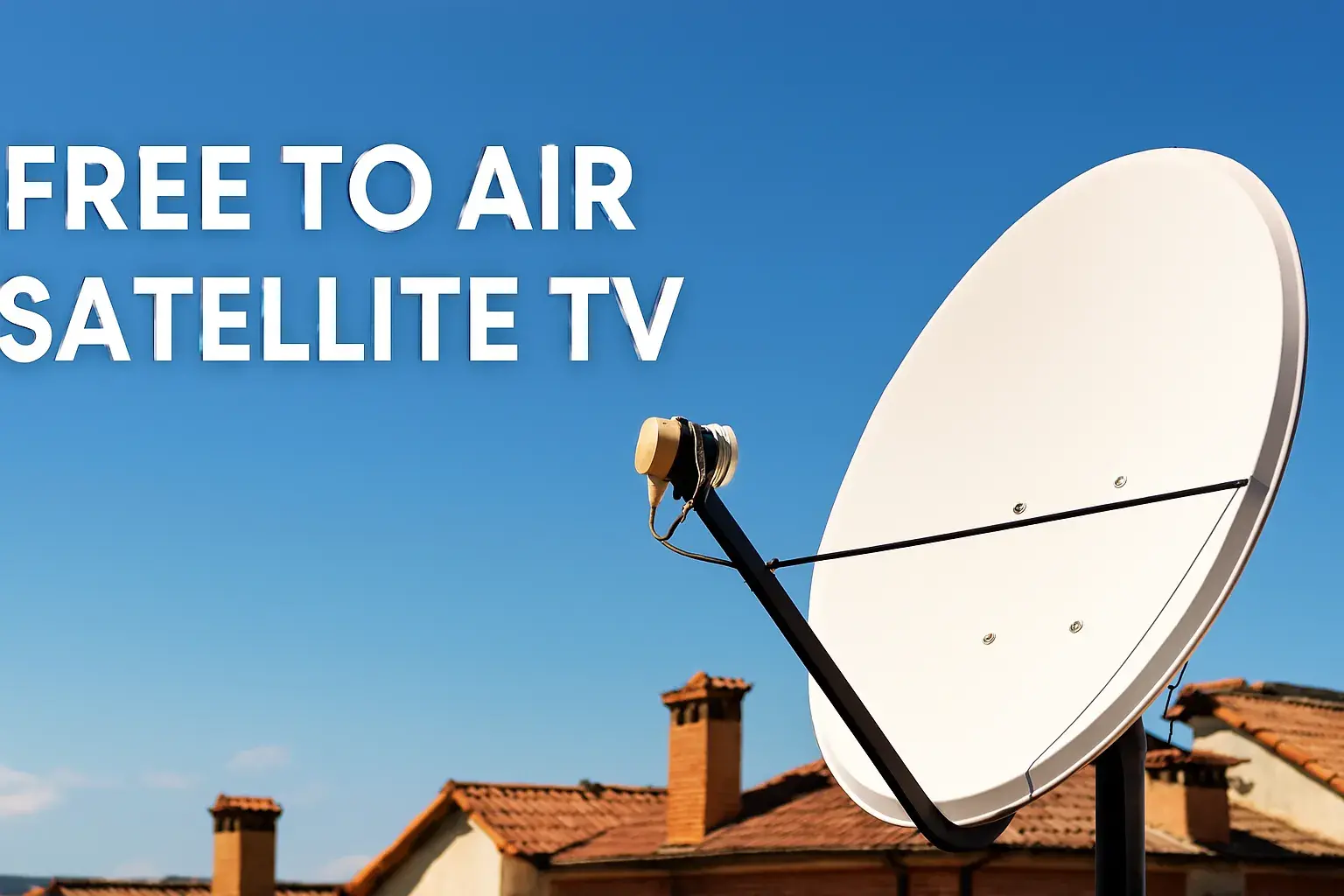
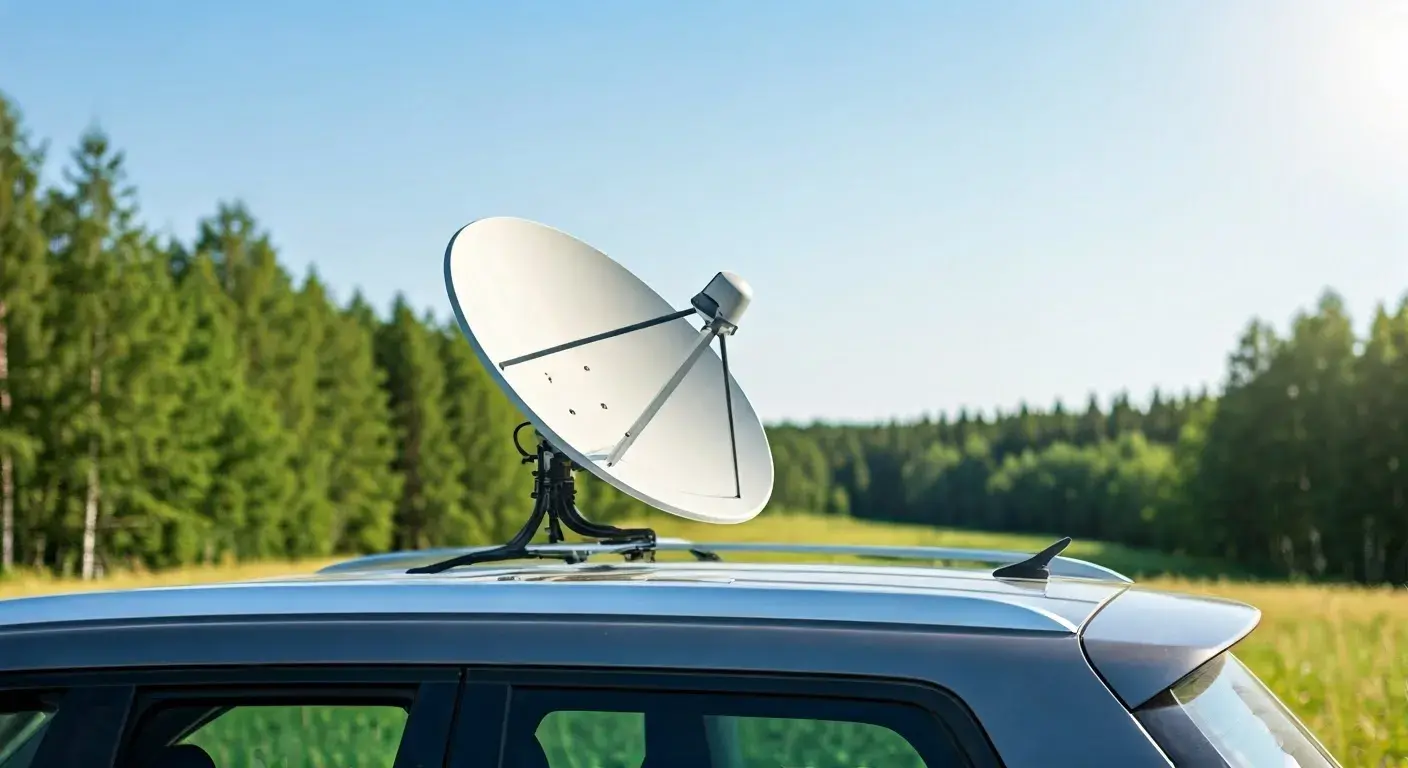
The physical satellite dish, often referred to as an antenna, is the primary piece of hardware. Its size and complexity can influence the price. For standard residential use, most dishes are between 18 to 30 inches in diameter. These are generally manufactured to withstand various weather conditions. The cost for a basic dish unit, if purchased independently without a service plan, might range from $50 to $150. However, this is rarely how consumers acquire them, as providers bundle it with service.
Receivers and Set-Top Boxes
The receiver, or set-top box (STB), is what decodes the satellite signal and delivers it to your television. High-definition (HD) receivers are standard now, and many come with advanced features like DVR (Digital Video Recorder) capabilities. The cost of a single receiver can range from $100 to $300. If you require multiple receivers for different rooms, this cost will multiply. Some providers may offer a free basic receiver with a new subscription, while premium models with DVR functionality might incur an additional monthly fee or a one-time purchase cost. For 2025-26, it's common to see providers offering one free HD receiver and charging $10-$20 per month for each additional receiver or DVR unit.
Smart Cards and LNBs
A smart card (or CAM module) is often included to authenticate your subscription. The LNB (Low-Noise Block downconverter) is the component attached to the dish that receives the satellite signal and converts it to a frequency the receiver can process. These are typically included in the dish hardware and don't represent a separate significant cost for the consumer, being part of the bundled equipment price.
Promotional Offers and Bundles
It's crucial to leverage promotional offers. In 2025-26, satellite TV providers frequently offer free equipment installation and sometimes even free receivers to new customers. These offers are often tied to signing a 12-month or 24-month contract. While this reduces the upfront cost to near zero, it's essential to factor in the contract length and potential early termination fees. For instance, a provider might advertise "$0 equipment cost," but this is contingent on you maintaining the service for the agreed period.
Estimated Equipment Cost Range (if purchased separately, not typical):
Item Estimated Cost (2025-26) Standard Satellite Dish $50 - $150 HD Receiver (Basic) $100 - $200 HD Receiver with DVR $200 - $300 Additional Receiver $100 - $250 Professional Installation Fees
Professional installation is almost always required for satellite TV. This ensures the dish is correctly aligned for optimal signal reception and that all wiring is safely and properly connected. The cost of this service is a significant factor in the total upfront expense, though many providers waive or discount it heavily with new subscriptions.
Standard Installation Costs
A standard professional installation typically involves mounting the dish on an exterior wall or roof, running coaxial cable from the dish to your primary receiver location, and setting up the receiver. In 2025-26, if you are paying for installation without a promotional offer, you can expect to pay anywhere from $100 to $300 for a single-room setup. This fee covers the technician's time, travel, and basic materials.
Complex Installations
Certain situations can increase installation costs. These include:
- Difficult Mounting Locations: If the dish needs to be mounted on a high roof, a chimney, or requires specialized scaffolding, the labor costs will rise.
- Long Cable Runs: If the distance between the dish and the receiver is significantly longer than average (e.g., over 100 feet), additional cable and labor may be charged.
- Multiple Rooms/Receivers: Each additional receiver installation will incur extra charges, often ranging from $50 to $100 per room, even if the equipment itself is leased.
- Underground Cabling: If you need cables run underground, this is a specialized service that can add hundreds of dollars to the installation cost.
- Apartment Buildings/HOAs: Restrictions or specific mounting requirements in multi-dwelling units or communities with Homeowners Associations can sometimes lead to higher installation fees.
Promotional Installation Offers
As mentioned earlier, free installation is a common incentive for new satellite TV subscribers. This can save you anywhere from $100 to $300. These offers are usually part of a bundle that includes equipment and a minimum service commitment. Always read the fine print to understand what constitutes a "standard" installation and what potential surcharges might apply.
Self-Installation vs. Professional
While some providers might offer a self-installation kit for basic setups, it's generally not recommended for satellite TV. Precise dish alignment is critical for signal quality, and a professional technician has the tools and expertise to achieve this. Incorrect alignment can lead to poor reception, pixelation, or no signal at all, and troubleshooting these issues yourself can be frustrating and costly. The savings from self-installation are often minimal compared to the risk of poor performance.
Estimated Installation Cost Range (without promotions):
Service Type Estimated Cost (2025-26) Standard Single-Room Installation $100 - $300 Additional Receiver Installation $50 - $100 per room Complex Installation Surcharges Variable ($50 - $200+) Monthly Satellite TV Service Plans
Beyond the initial equipment and installation costs, the ongoing expense of satellite TV is the monthly subscription fee. This is the most significant long-term cost and varies based on the channel packages you select, contract terms, and any premium add-ons. In 2025-26, providers offer a wide array of plans to cater to different viewing habits and budgets.
Basic Packages
These packages typically include a core selection of local channels (if available via satellite in your area), popular national networks (like ABC, CBS, NBC, Fox, CNN, ESPN, HGTV), and a variety of news, sports, and entertainment channels. Basic packages for 2025-26 generally start around $50 to $70 per month. These are ideal for viewers who want a good mix of general programming without a vast selection of niche channels.
Standard and Premium Packages
As you move up in package tiers, you gain access to more channels, including premium sports networks (like NFL RedZone, NBA League Pass), movie channels (HBO, Showtime, Cinemax), international channels, and a wider variety of niche entertainment and documentary channels. Standard packages might range from $70 to $100 per month, while premium packages can easily go from $100 to $150 or more. Some comprehensive packages, including all major sports and movie channels, can exceed $200 per month.
Contract Lengths and Pricing
Most satellite TV providers offer tiered pricing based on contract length. A 12-month or 24-month contract usually secures the lowest monthly rates. Month-to-month plans are typically available but come at a higher monthly cost. For 2025-26, expect that advertised prices are often for the first 12 months and may increase significantly thereafter, especially if you are not locked into a multi-year agreement.
Add-on Services and Premium Channels
Beyond the main channel packages, you can often add individual premium channels or bundles. For example:
- Movie Channels: HBO, Showtime, Cinemax, Starz typically cost an additional $10-$20 per month each.
- Sports Packages: Specific sports bundles can range from $10 to $60+ per month, depending on the leagues and channels included.
- International Channels: Packages for specific languages or regions are available for an extra fee.
- Pay-Per-View (PPV): Individual event purchases for movies or sports range from $20 to $60 per event.
Bundling with Internet and Phone
Many satellite TV providers also offer internet and home phone services. Bundling these services can sometimes lead to discounts on your overall monthly bill. For example, a triple-play bundle (TV, Internet, Phone) might offer a better per-service price than subscribing to each individually. However, it's crucial to compare the bundled internet speeds and phone features against standalone options to ensure you're getting the best value.
Estimated Monthly Service Cost Ranges (2025-26):
Package Type Estimated Monthly Cost Basic Package (Local + Popular Networks) $50 - $70 Standard Package (Expanded Entertainment & Sports) $70 - $100 Premium Package (All Major Channels, Movies, Sports) $100 - $150+ Individual Premium Channel (e.g., HBO) $10 - $20 Potential Additional Costs
While the equipment, installation, and monthly service fees are the primary expenses, several other costs can arise with satellite TV. Being aware of these potential charges can help you avoid unexpected bills and budget more effectively.
Equipment Leases vs. Purchases
As discussed, most providers prefer customers to lease equipment. While this lowers upfront costs, the cumulative lease fees over time can exceed the purchase price of the equipment. For example, leasing a DVR receiver at $15 per month for 24 months totals $360, which is often more than buying it outright. Some providers offer an option to buy the equipment after a certain period, or you might be able to purchase it upfront. Always compare the long-term cost of leasing versus purchasing.
Upgrade Fees
If you decide to upgrade your receiver to a newer model or one with more features (like 4K capability, which is becoming more common in 2025-26), you may incur an upgrade fee. This could be a one-time charge or an increase in your monthly equipment lease cost.
Service Calls and Repairs
While standard installation is often covered by promotions, subsequent service calls for issues not covered by warranty or related to customer-induced damage can be expensive. Expect to pay $50 to $150 for a technician visit if the problem isn't due to equipment failure or a provider issue. If the dish or receiver needs replacement outside of warranty, you might face additional charges for the parts and labor.
Early Termination Fees (ETFs)
Most satellite TV contracts are for 12 or 24 months. If you cancel your service before the contract term ends, you will likely be charged an Early Termination Fee. These fees can range from $15 to $20 per month for the remaining months on your contract, potentially totaling several hundred dollars. This is a significant deterrent to switching providers mid-contract.
Late Fees and Other Charges
Like any utility or subscription service, failing to pay your bill on time can result in late fees. Additionally, there might be administrative fees, reactivation fees if your service is suspended, or charges for returned checks.
Regional Sports Fees
In some areas, especially those with multiple professional sports teams, providers may add a "Regional Sports Fee" to your bill. This fee helps cover the costs of broadcasting local sports networks. It can fluctuate seasonally and might add $5 to $15+ to your monthly bill.
Data Overage Charges (for bundled internet)
If you bundle satellite TV with satellite internet, be mindful of data caps. Satellite internet often has stricter data limits than DSL or cable internet. Exceeding your data allowance can result in throttled speeds or overage charges, which can add significantly to your monthly bill. In 2025-26, satellite internet plans typically range from 50GB to 150GB per month, with overage costs potentially being $10-$20 per 10GB.
Summary of Potential Additional Costs:
Cost Item Estimated Range (2025-26) Equipment Lease (per receiver/DVR) $10 - $20 per month Service Call Fee (non-warranty) $50 - $150 Early Termination Fee (per month remaining) $15 - $20 Regional Sports Fee $5 - $15+ per month Satellite Internet Overage Charge $10 - $20 per 10GB DIY vs. Professional Installation: A Cost Comparison
The decision between attempting a DIY installation and hiring a professional for your satellite TV dish is primarily driven by cost and technical expertise. While DIY might seem appealing for saving money, it's crucial to weigh the potential savings against the risks and complexities involved.
The Case for Professional Installation
Professional installation is the standard and often mandatory approach for satellite TV. Here's why:
- Expertise: Technicians are trained to precisely align the satellite dish to achieve optimal signal strength and quality. This involves understanding satellite orbital positions and using specialized equipment like signal meters.
- Equipment: Professionals have the right tools, including ladders, safety harnesses, drills, and signal meters, which most homeowners don't possess.
- Warranty & Reliability: Professional installation usually comes with a guarantee. If the signal is poor or the setup fails shortly after, the provider is responsible for fixing it at no extra charge.
- Safety: Working on roofs or high ladders carries inherent risks. Professional installers are trained in safety protocols.
- Provider Requirements: Most satellite providers require professional installation to activate service and validate equipment warranties.
The cost for professional installation, as noted, can range from $100 to $300 or more for complex setups. However, this cost is frequently waived or heavily discounted for new customers signing a contract.
The (Limited) Case for DIY Installation
True DIY installation of a satellite dish is rarely feasible or recommended for optimal performance. However, some scenarios might involve a homeowner taking on partial responsibility:
- Relocation: If you move and need to have your existing satellite system reinstalled, you might be able to uninstall the dish yourself (though this is risky) and then pay for a professional to reinstall and realign it at the new location.
- Minor Adjustments: In rare cases, if a dish has been slightly knocked out of alignment by wind, a homeowner with some technical inclination might attempt minor adjustments. However, this is still best left to professionals.
The primary driver for considering DIY is cost savings. If a professional installation costs $200, and you believe you can manage it with purchased tools for $50, the saving is $150. However, this saving is negated if the alignment is incorrect, leading to poor reception, or if you damage equipment or your property.
Cost Comparison Summary
Professional Installation:
- Upfront Cost: $100 - $300+ (often waived/discounted with new service)
- Pros: Guaranteed signal quality, safety, warranty, convenience, often required.
- Cons: Higher upfront cost if no promotion, scheduling required.
DIY Installation:
- Upfront Cost: Potentially $50 - $150 (for tools, if not already owned) + cost of equipment if not provided.
- Pros: Potential to save money on installation fees (if successful).
- Cons: High risk of incorrect alignment leading to poor/no signal, potential equipment damage, safety hazards, likely voids warranty, often not permitted by providers.
For the vast majority of users in 2025-26, the cost-benefit analysis heavily favors professional installation, especially when promotional offers significantly reduce or eliminate the upfront installation fee. The long-term cost of poor signal quality or needing a professional to fix a DIY mistake far outweighs the initial savings.
Key Factors Influencing Your Satellite Dish Cost
The total cost of acquiring and setting up a satellite TV dish is not a fixed figure. Several variables play a crucial role in determining the final price you pay. Understanding these factors will help you navigate the options and make informed decisions.
Provider Choice
Different satellite TV providers (e.g., DISH Network, DirecTV) have distinct pricing structures for equipment, installation, and monthly packages. Some may offer more aggressive introductory promotions or have different tiers of service. Comparing offers from multiple providers is essential. For instance, one provider might offer a lower monthly rate but charge more for equipment, while another might have higher monthly fees but include premium equipment for free.
Package Selection
The number and type of channels you want directly impact your monthly bill. Basic packages are the most affordable, while those including premium movie channels (HBO, Showtime), sports packages, or international channels will significantly increase the cost. In 2025-26, the average cost for a mid-tier package is around $80-$100 per month, but this can climb rapidly with add-ons.
Promotional Offers and Contracts
As frequently highlighted, introductory offers are a major cost influencer. Free equipment, waived installation fees, and discounted monthly rates for the first 12-24 months are common. However, these often come with a commitment. The cost of the service after the promotional period ends is critical to consider. Month-to-month plans are generally more expensive than contract-based plans.
Equipment Options (Lease vs. Purchase)
The decision to lease or purchase your satellite equipment can affect both upfront and long-term costs. Leasing minimizes initial spending but can be more expensive over time. Purchasing outright has a higher upfront cost but eliminates monthly lease fees. For 2025-26, most providers push leasing, but understanding the buy-out option or alternative purchase prices is wise.
Number of Receivers/TVs
If you have multiple televisions in your home, you'll need additional receivers. While the first receiver might be included or heavily discounted, each subsequent receiver usually incurs an additional monthly lease fee and potentially an installation charge. This can add $10-$20 per month per additional receiver.
Installation Complexity
The location and ease of installing the satellite dish and running cables are significant factors. Difficult installations requiring specialized equipment, extensive cable runs, or work at heights will command higher installation fees if not covered by a promotion.
Location and Availability
While satellite TV is available in most areas, the specific providers operating in your region and their service offerings can influence pricing. Additionally, in some remote areas, the cost of service or installation might be higher due to logistical challenges.
Bundling Services
Combining satellite TV with internet and/or phone services from the same provider can sometimes lead to discounts. However, it's crucial to compare the bundled price against the cost of purchasing services separately from different providers to ensure you're getting the best overall value.
Provider's Service Area and Satellite Footprint
The satellite's "footprint" over your geographical area determines signal strength. In areas with weaker signals, more robust or specialized equipment might be needed, potentially affecting cost, though this is usually handled by the provider's standard equipment.
Example Scenario Breakdown (Illustrative 2025-26):
Consider a new customer signing a 2-year contract:
- Provider A: Free standard HD receiver, free installation, $70/month for basic package for 12 months, then $90/month. Additional DVR receiver: $15/month lease.
- Provider B: $99 equipment purchase fee, free installation, $60/month for basic package for 12 months, then $80/month. Additional DVR receiver: $10/month lease.
In this simplified example, Provider B has a higher upfront cost but lower monthly fees and a lower cost for the additional DVR. The total cost over two years would need to be calculated to determine the best value.
Evaluating the Long-Term Value of Satellite TV
When considering the cost of a satellite TV dish and service, it's essential to look beyond the initial price tag and evaluate the long-term value proposition. This involves comparing satellite TV to alternatives and understanding the benefits it offers relative to its ongoing expense.
Comparison with Alternatives
The primary alternatives to satellite TV are cable TV, streaming services (like Netflix, Hulu, YouTube TV), and over-the-air (OTA) antennas. Each has its own cost structure and value:
- Cable TV: Often offers a similar range of channels and packages to satellite. Pricing can be comparable, but cable availability is limited by infrastructure. Installation might be less complex in some areas.
- Streaming Services: Offer flexibility and often lower monthly costs for specific content libraries. However, accessing live TV channels requires services like YouTube TV or Sling TV, which can approach satellite/cable prices, especially for comprehensive packages. Streaming also requires reliable high-speed internet, which can be a limitation in rural areas where satellite TV excels.
- OTA Antennas: Provide free access to local broadcast channels (ABC, CBS, NBC, Fox, etc.) once you purchase the antenna (a one-time cost of $30-$100). However, this excludes all cable-specific channels like sports, news, and entertainment networks.
The long-term value of satellite TV is often highest in areas with poor or no access to reliable broadband internet, making streaming impractical. In such cases, satellite TV provides a comprehensive entertainment solution that alternatives cannot match.
Coverage and Reliability
Satellite TV offers broad coverage, reaching even remote and rural areas where cable infrastructure doesn't extend. The signals are transmitted from space, making them less susceptible to local ground-based disruptions. While severe weather (heavy rain, snow) can temporarily affect signal quality, modern satellite systems are designed to mitigate these issues. For many, this consistent availability is a key aspect of its value.
Channel Selection and Features
Satellite providers offer extensive channel lineups, often exceeding what basic cable or even many streaming bundles can provide, especially for niche sports, international programming, or premium movie channels. Features like DVR capabilities allow for recording live TV, providing flexibility comparable to streaming on-demand content.
Cost Over Time: Lease vs. Purchase
As discussed, the choice between leasing and purchasing equipment significantly impacts long-term costs. If you plan to keep satellite TV for many years (e.g., 5+), purchasing the equipment outright, if economically feasible, will likely be cheaper than perpetual leasing. For 2025-26, a typical DVR lease might cost $15/month, totaling $180/year or $360 over two years. Purchasing a comparable DVR might cost $250-$300. Over 5 years, leasing could cost $900 versus a one-time purchase.
Contractual Commitments and Flexibility
The value of satellite TV is also tied to its contractual nature. While contracts offer lower monthly rates, they reduce flexibility. If your viewing habits change, or if a better alternative emerges, early termination fees can be costly. Evaluating whether you anticipate needing flexibility in the coming years is part of assessing long-term value.
Total Cost of Ownership (TCO) Calculation
To truly assess long-term value, calculate the Total Cost of Ownership (TCO). This includes:
- Upfront Costs: Equipment purchase/deposit + installation fees (if any).
- Monthly Costs: Service plan + equipment lease fees + any add-ons.
- Potential Costs: Upgrade fees, service calls, late fees, ETFs.
Compare this TCO over a 3-5 year period with the TCO of alternative services. For instance:
- Satellite TV (2-year contract, then month-to-month): $70/month + $15/month DVR lease = $85/month. Over 3 years: ($85 * 12 * 2) + ($85 * 12) = $2040 + $1020 = $3060 (excluding ETFs if broken).
- Streaming Live TV (e.g., YouTube TV): $73/month. Over 3 years: $73 * 12 * 3 = $2628.
In this example, streaming appears cheaper, but it requires reliable internet, which might itself be a satellite service in rural areas, adding to the cost. The value of satellite is often in its bundled, all-in-one solution for areas lacking robust internet.
Choosing the Right Satellite TV Provider
Selecting the best satellite TV provider involves more than just comparing headline prices. A thorough evaluation of your needs, the provider's offerings, and potential long-term costs is crucial. In 2025-26, the primary players remain DISH Network and DirecTV, each with its strengths and weaknesses.
Assess Your Viewing Habits
Before comparing providers, list the channels you watch most frequently. Do you need extensive sports coverage? Are premium movie channels essential? Do you primarily watch local channels? Your answers will dictate which package tiers and add-ons are necessary, influencing the overall cost.
Compare Channel Lineups and Packages
Examine the channel lists for each provider's basic, standard, and premium packages. Pay attention to:
- Local Channel Availability: Ensure your local network affiliates are included.
- Sports Channels: Check for regional sports networks and national leagues.
- Premium Channels: See if HBO, Showtime, etc., are offered and at what price.
- Niche Channels: Look for specific interests like documentaries, international programming, or children's channels.
Evaluate Equipment Options
Understand the terms for receivers and DVRs. Are they leased or can they be purchased? What are the monthly lease costs for additional receivers? For 2025-26, providers often offer advanced DVRs with multi-room viewing capabilities, but these typically come with higher lease fees.
Scrutinize Installation and Fees
Look beyond "free installation." What does it include? Are there any hidden activation fees? What are the charges for complex installations or additional rooms? Confirm the Early Termination Fee (ETF) policy – this is critical if you anticipate moving or changing your mind.
Read the Fine Print on Promotions
Advertised prices are often introductory and valid for a limited time (usually 12 months). Understand the price increase after the promotional period. Check for any data caps if bundling with satellite internet, and understand the terms of any contracts. For 2025-26, providers are still heavily reliant on 2-year contracts for their best deals.
Customer Service and Reliability
Research customer reviews and satisfaction ratings for each provider. While satellite TV installation is usually done by the provider, ongoing customer service for billing issues, technical support, or service changes is important. Websites like the Better Business Bureau (BBB) or consumer review sites can offer insights.
Bundling Opportunities
If you also need internet and/or phone service, explore bundled packages. Providers like DISH and DirecTV may offer satellite internet. Compare these bundled prices against standalone options from other providers (e.g., DSL, fiber, cable internet) to ensure you're getting the best value and performance for all your services.
Example Comparison (Hypothetical 2025-26 Offers):
Feature DISH Network (Example) DirecTV (Example) Introductory Price (Basic) $59.99/mo (12 mos) $64.99/mo (12 mos) Contract Length 2 Years 2 Years Standard Installation Free Free DVR Equipment Lease ($10/mo) Lease ($15/mo) Early Termination Fee $20/mo remaining $20/mo remaining Bundled Internet Option Satellite Internet Satellite Internet By carefully considering these factors, you can make an informed choice that balances cost, features, and long-term satisfaction when selecting a satellite TV provider.
In conclusion, the cost of a satellite TV dish installation in 2025-26 is a multifaceted expense. While upfront costs for equipment and installation can be mitigated by promotions, the ongoing monthly service fees and potential additional charges require careful budgeting. By understanding all these components, comparing providers, and aligning choices with your viewing habits, you can determine the true cost and ensure you're making the most cost-effective decision for your home entertainment needs.
How much does a satellite TV DISH cost?
Research, Compare & Choose With Confidence
Last updated: June 25, 2026