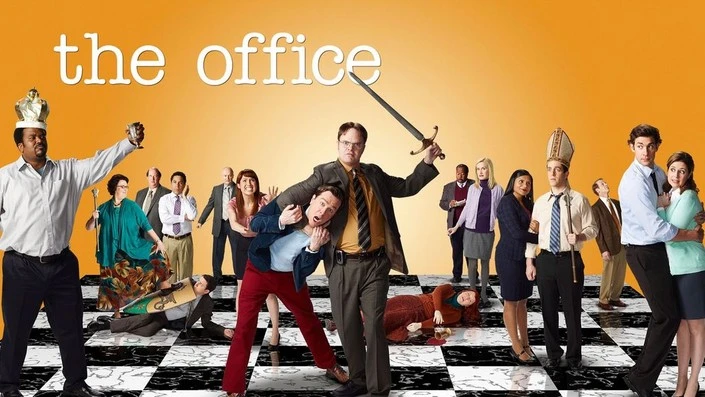
Discover the definitive pathway to immersing yourself in the comedic genius of "The Office." This ultimate guide provides everything a fan, new or returning, needs to know for an unparalleled viewing experience, from where to stream in 2025-26 to understanding the show's enduring legacy.
Where to Watch The Office in 2025-26
For fans eager to dive into the hilarious world of Dunder Mifflin Scranton, knowing the current streaming landscape is crucial. As of 2025-26, the primary home for "The Office" (US) is Peacock. NBCUniversal's streaming service secured exclusive streaming rights, making it the go-to platform for binge-watching Michael Scott's antics, Jim and Pam's romance, and Dwight Schrute's beet farming escapades.
Peacock offers various subscription tiers. The free tier might offer limited access or older content, but for the full "The Office" experience, including all seasons and potentially bonus content, a paid subscription is necessary. The Premium and Premium Plus tiers typically unlock the entire library. It's advisable to check Peacock's official website for the most up-to-date subscription options and pricing as these can change.
While Peacock is the dominant platform, availability can sometimes vary by region. For viewers outside the United States, "The Office" might be available on different streaming services or through digital purchase options on platforms like Amazon Prime Video, Apple TV, Google Play, or Vudu. Always verify local availability. For instance, in some territories, it might still be available on Netflix or Amazon Prime Video, though this is becoming less common for the US version.
Purchasing seasons or individual episodes digitally remains a viable option for those who prefer ownership or have inconsistent access to streaming services. This allows for offline viewing and permanent access, independent of subscription models.
Here's a quick overview of streaming and purchasing options for 2025-26:
| Platform | Availability (US) | Availability (International - Varies) | Notes |
|---|---|---|---|
| Peacock | Exclusive Streaming | Varies (check local providers) | Requires subscription for full access. |
| Amazon Prime Video | Digital Purchase (Seasons/Episodes) | Varies (Streaming or Purchase) | Not typically included with Prime membership for streaming. |
| Apple TV | Digital Purchase (Seasons/Episodes) | Digital Purchase (Seasons/Episodes) | Buy and own. |
| Google Play | Digital Purchase (Seasons/Episodes) | Digital Purchase (Seasons/Episodes) | Buy and own. |
| Vudu | Digital Purchase (Seasons/Episodes) | Varies | Buy and own. |
Key takeaway for 2025-26: For the most comprehensive and seamless viewing of "The Office" (US) in the United States, Peacock is your primary destination. Always confirm regional availability for international viewers.
Which Version of The Office Should You Watch?
When people talk about "The Office," they are most commonly referring to the American adaptation. However, it's essential to acknowledge its British origins and the existence of other international versions. The choice of which "The Office" to watch depends on your preference for humor, cultural context, and language.
The Office (US)
This is the version that has achieved massive global popularity and is the focus of this guide. Starring Steve Carell as the cringe-inducingly awkward regional manager Michael Scott, the US version ran for nine seasons (2005-2013) and is celebrated for its heartwarming character development, relatable workplace humor, and iconic running gags. It successfully adapted the mockumentary format to American sensibilities, expanding the cast and storylines significantly from its British predecessor.
Pros: Extensive character arcs, more episodes for binge-watching, a generally more optimistic and emotionally resonant tone in later seasons, a vast amount of memorable quotes and memes.
Cons: Some argue it loses some of its edge after Steve Carell's departure.
The Office (UK)
The original series, created by Ricky Gervais and Stephen Merchant, aired for two seasons (2001-2002) with two Christmas specials. Starring Ricky Gervais as the insufferable boss David Brent, the UK version is renowned for its sharp, observational, and often painfully realistic portrayal of mundane office life. Its humor is drier, more cynical, and relies heavily on awkward silences and uncomfortable social dynamics.
Pros: Groundbreaking mockumentary style, incredibly sharp and realistic humor, concise and impactful storytelling.
Cons: Shorter run, humor can be too bleak or uncomfortable for some viewers, fewer episodes to watch.
Other International Versions
Several other countries have produced their own adaptations of "The Office," each bringing a local flavor to the format. These include:
- Canada: Ran for five seasons, featuring a mix of familiar tropes and Canadian cultural references.
- France (Le Bureau): A short-lived but critically acclaimed adaptation.
- Australia: A popular version that ran for three seasons.
- Germany (Stromberg): Known for its darker, more satirical take.
- Sweden (Kontoret): Another adaptation that explored office dynamics in a Swedish context.
While these versions offer unique perspectives, the US and UK versions remain the most widely discussed and influential. For the purpose of this guide, we will focus primarily on "The Office" (US) due to its immense popularity and the search query's likely intent.
The Essential Viewing Guide: Seasons, Episodes, and Must-Watch Moments
Navigating nine seasons of "The Office" (US) can seem daunting, but with a structured approach, you can ensure you catch all the essential moments that define the show's legacy. This guide breaks down the series by season, highlighting key plot points and iconic episodes.
Season 1: The Awkward Beginnings
This season introduces the core cast and establishes the mockumentary format. It's more heavily influenced by the UK original, with a slightly more cynical tone.
- Key Plot Points: Introduction to Dunder Mifflin Scranton, Michael's misguided attempts at humor, the budding Jim and Pam romance, Dwight's eccentricities.
- Must-Watch Episodes:
- "Pilot": Sets the stage perfectly.
- "Diversity Day": A prime example of Michael's offensive humor.
- "Sexual Harassment": Another cringe-worthy but essential episode.
Season 2: Finding Its Voice
The show truly hits its stride, developing richer character dynamics and balancing humor with heart.
- Key Plot Points: Jim and Pam's relationship deepens, Michael Scott's character becomes more complex, the introduction of new characters like Ryan Howard.
- Must-Watch Episodes:
- "The Dundies": Michael's annual awards show.
- "The Fire": Features a memorable Dwight moment.
- "Booze Cruise": A pivotal episode for Jim and Pam.
- "Christmas Party": Iconic cold open and a memorable Secret Santa.
Season 3: The Jim/Pam Saga and Office Politics
This season is a rollercoaster for Jim and Pam, filled with dramatic developments and further exploration of office relationships.
- Key Plot Points: Jim's transfer to Stamford, the merger of branches, the ongoing saga of Jim and Pam's relationship, Andy Bernard's introduction.
- Must-Watch Episodes:
- "The Merger": The Stamford branch joins Scranton.
- "Dinner Party": Widely considered one of the most uncomfortable and brilliant episodes.
- "The Job": A major turning point for Jim and Pam.
Season 4: New Dynamics
The show continues to evolve, introducing new challenges and relationships.
- Key Plot Points: Jim and Pam are officially a couple, Michael dates Jan Levinson, Angela and Dwight's secret relationship.
- Must-Watch Episodes:
- "Fun Run": Michael runs a marathon for rabies awareness.
- "Dinner Party": (Re-watchable for its sheer awkwardness).
- "Goodbye, Toby": A significant event that changes the office dynamic.
Season 5: Peak Comedy and Character Growth
Many fans consider this season a high point, with consistently brilliant writing and performances.
- Key Plot Points: Michael quits Dunder Mifflin to start his own paper company, Pam goes to art school, the return of Ryan.
- Must-Watch Episodes:
- "Company Picnic": A heartwarming and emotional episode.
- "Stress Relief": Features the legendary "fire drill" cold open.
- "The Surplus": Michael's negotiation over office supplies.
Season 6: Married Life and New Beginnings
The show explores new phases of relationships and introduces new challenges.
- Key Plot Points: Jim and Pam get married, Andy and Angela's relationship, the Sabre acquisition of Dunder Mifflin.
- Must-Watch Episodes:
- "Niagara": The highly anticipated wedding of Jim and Pam.
- "Sabre": The introduction of Sabre and its eccentric CEO, Jo Bennett.
Season 7: The Departure of Michael Scott
This season is defined by the impending departure of its central character, leading to emotional goodbyes and a search for a new manager.
- Key Plot Points: Michael Scott's decision to leave Scranton, his relationship with Holly Flax, the search for a new regional manager.
- Must-Watch Episodes:
- "Garage Sale": Michael and Holly's adorable interactions.
- "Goodbye, Michael": The emotional farewell to Michael Scott.
- "Search Committee": A hilarious and star-studded episode.
Season 8: New Leadership and Shifting Dynamics
With Michael gone, the show navigates new leadership and character developments, though some fans note a dip in quality.
- Key Plot Points: Andy Bernard becomes manager, Robert California's tenure, the introduction of Nellie Bertram.
- Must-Watch Episodes:
- "The Return": Andy struggles with his new role.
- "Gettysburg": Andy's motivational speech.
Season 9: The Final Season and The Documentary Premiere
The series wraps up, bringing many character arcs to a satisfying conclusion and revealing the documentary's impact.
- Key Plot Points: Dwight becomes manager, Jim and Pam face challenges, the documentary airs, the return of beloved characters.
- Must-Watch Episodes:
- "Finale": The epic conclusion to "The Office."
- "A.A.R.M.": A significant step towards the finale.
This season-by-season breakdown provides a roadmap for both new viewers and returning fans looking to revisit the most impactful moments of "The Office."
Decoding the Mockumentary Magic: Understanding The Office's Humor
"The Office" is a masterclass in mockumentary comedy, a genre that uses the pretense of a documentary to create humor. Its unique style relies on several key elements that, when combined, generate cringe-worthy laughs, relatable observations, and genuine warmth.
The Mockumentary Format Itself
The core of the humor lies in the documentary crew's presence. Characters are aware they are being filmed, leading to:
- Direct Address to Camera: Characters often break the fourth wall, sharing their thoughts, reactions, or justifications directly with the audience. These "talking heads" reveal their true feelings, often contradicting their on-screen actions or statements.
- Awkward Pauses and Stares: The camera crew often lingers on uncomfortable moments, capturing characters' reactions or the sheer awkwardness of a situation. Jim Halpert's iconic glances at the camera are a prime example, communicating shared disbelief or amusement with the audience.
- Unfiltered Reality: The format allows for the depiction of mundane office life, complete with its inefficiencies, petty dramas, and moments of sheer boredom. This realism makes the comedic exaggerations even funnier.
Cringe Comedy
Michael Scott is the undisputed king of cringe comedy. His humor stems from:
- Misguided Attempts at Inclusivity: Michael desperately wants to be liked and seen as a cool boss, but his methods are often offensive, inappropriate, or simply out of touch. His attempts at humor often fall flat, creating uncomfortable situations for his employees and the audience.
- Lack of Self-Awareness: Michael rarely understands how his words or actions are perceived. This obliviousness is a constant source of humor, as he continues to dig himself deeper into awkwardness.
- Socially Inept Behavior: From inappropriate jokes to misguided team-building exercises, Michael's social ineptitude is a wellspring of comedic material.
Observational and Relatable Humor
Beyond the cringe, "The Office" excels at highlighting the universal absurdities of workplace life:
- Office Politics and Dynamics: The show expertly captures the subtle (and not-so-subtle) power struggles, alliances, and rivalries that exist in any office environment.
- Mundane Tasks and Bureaucracy: The humor derived from TPS reports, pointless meetings, and office supply management resonates with anyone who has ever worked in a corporate setting.
- Character Quirks: Each character has distinct, often exaggerated, personality traits that contribute to the comedic tapestry. Dwight's obsession with safety and authority, Angela's stern demeanor, Kevin's simple-mindedness – these traits are consistently mined for laughs.
Situational and Character-Driven Comedy
The show masterfully uses its characters and their interactions to drive the humor:
- Running Gags: From Dwight's love for beets and martial arts to Kevin's chili incident, recurring jokes become inside jokes with the audience, adding layers of familiarity and anticipation.
- Juxtaposition: The contrast between Michael's desperate need for attention and the employees' desire for a normal workday, or between Dwight's rigid adherence to rules and Jim's playful pranks, creates comedic tension.
- Heart and Empathy: Crucially, the humor is often balanced with genuine moments of heart. The audience laughs *with* the characters, not just *at* them, especially as their relationships evolve. This emotional depth makes the comedy more impactful and the show more enduring.
Understanding these elements allows viewers to appreciate the intricate layers of "The Office's" comedic genius, moving beyond simple jokes to a sophisticated portrayal of human interaction in a confined, everyday setting.
Character Deep Dive: Your Guide to the Dunder Mifflin Scranton Squad
The heart and soul of "The Office" lie in its brilliantly written and performed characters. Each member of the Dunder Mifflin Scranton branch is a unique individual, contributing to the show's rich comedic and emotional landscape.
Michael Scott (Steve Carell)
Regional Manager. A man who desperately craves love and friendship, often at the expense of professionalism. Michael's intentions are usually good, but his execution is frequently disastrous, leading to unparalleled levels of awkwardness. He sees his employees as family, though his methods of expressing this are often inappropriate.
Dwight Schrute (Rainn Wilson)
Salesman, Assistant (to the) Regional Manager. A beet farmer, volunteer sheriff's deputy, and martial arts enthusiast. Dwight is fiercely loyal, incredibly literal, and often socially inept. His unwavering belief in his own superiority and his bizarre worldview provide endless comedic fodder. He is a stickler for rules and safety, often to an absurd degree.
Jim Halpert (John Krasinski)
Salesman. The relatable everyman, often serving as the audience's surrogate. Jim's primary coping mechanism for the office's absurdity is his prank war with Dwight and his knowing glances at the camera. His journey from unrequited love to a stable family life with Pam is a central emotional arc of the series.
Pam Beesly (Jenna Fischer)
Receptionist, Saleswoman, Office Administrator. The artistic and often underestimated heart of the office. Pam's journey is one of self-discovery and finding her voice. Her initial shyness and artistic dreams evolve as she navigates her relationships, particularly with Jim, and grows more confident in her career and personal life.
Andy Bernard (Ed Helms)
Salesman, Regional Manager. A Cornell alumnus with a penchant for a cappella singing and anger management issues. Andy is eager to please but often insecure, leading to his own brand of comedic blunders. His character arc sees him struggle with leadership and personal relationships.
Angela Martin (Angela Kinsey)
Accountant. Stern, judgmental, and a devout cat lover. Angela's rigid personality and moralistic outlook often put her at odds with her colleagues, especially Michael. Her secret relationship with Dwight is a significant subplot for much of the series.
Kevin Malone (Brian Baumgartner)
Accountant. Known for his simple-mindedness, love of food, and surprisingly good drumming skills. Kevin's childlike innocence and occasional moments of surprising insight make him a beloved, if often exasperating, character. His accounting skills are questionable at best.
Oscar Martinez (Oscar Nunez)
Accountant. The intelligent, rational, and often exasperated voice of reason in the office. Oscar frequently finds himself correcting Michael's ignorance and navigating the absurdities of his colleagues. He is one of the few characters who consistently demonstrates a high level of competence.
Phyllis Lapin-Vance (Phyllis Smith)
Saleswoman. A kind, motherly figure who often has a surprisingly sharp wit. Phyllis's calm demeanor belies a history of being overlooked and a strong sense of self. Her marriage to Bob Vance (Vance Refrigeration) is a recurring theme.
Stanley Hudson (Leslie David Baker)
Salesman. Known for his perpetual apathy, love of crossword puzzles, and disdain for Michael's antics. Stanley's primary goal is to get through the workday with minimal effort, often dreaming of retirement in Florida. His rare moments of genuine anger or enthusiasm are memorable.
Ryan Howard (B.J. Novak)
Temp, Corporate Executive, Entrepreneur. Ryan's arc is one of ambition and ego, often characterized by his fluctuating levels of success and his complicated relationship with Kelly Kapoor. He represents the younger, more ambitious, and sometimes morally flexible element in the office.
Kelly Kapoor (Mindy Kaling)
Customer Service Representative. Obsessed with pop culture, fashion, and her tumultuous relationship with Ryan. Kelly is bubbly, often superficial, and prone to dramatic pronouncements, providing a high-energy contrast to the more subdued characters.
Toby Flenderson (Paul Lieberstein)
Human Resources Representative. The universally disliked employee whom Michael despises with a passion. Toby's quiet, mild-mannered nature and his attempts to enforce HR policies make him a constant target for Michael's ire, creating one of the show's most consistent running jokes.
These characters, and many others like Meredith Palmer, Creed Bratton, and Darryl Philbin, form the intricate social fabric of Dunder Mifflin Scranton, making "The Office" a rich tapestry of workplace relationships and comedic situations.
Behind-the-Scenes Secrets and Fun Facts
Beyond the on-screen antics, "The Office" is brimming with fascinating behind-the-scenes stories and fun facts that add another layer of appreciation for the show.
- The Original Pilot Was Different: The initial pilot episode was filmed with a different cast and a slightly different tone, closer to the UK original. It was deemed too similar and was reshot with the now-iconic cast.
- Rainn Wilson's Audition: Rainn Wilson was so passionate about playing Dwight Schrute that he created a mock Dwight Schrute audition tape, complete with a fake resume and character backstory, which helped him land the role.
- Jim and Pam's Real-Life Relationship: John Krasinski and Jenna Fischer, who played Jim and Pam, were actually friends before the show and even dated other people in real life during the early seasons, which they felt helped their on-screen chemistry feel more natural and less forced.
- The Iconic Opening Credits Song: The upbeat theme song was composed by Jay Ferguson and was chosen because producers felt it captured the show's blend of mundane reality and quirky optimism.
- The "Dwight Schrute" Character Inspired by Real People: Rainn Wilson has mentioned that aspects of Dwight's character were inspired by people he knew in real life, particularly their earnestness and unique perspectives.
- Meredith Palmer's "Accidents": Kate Flannery, who plays Meredith, has spoken about how many of Meredith's injuries and misfortunes were often improvised or inspired by real-life workplace hazards, adding to the character's chaotic energy.
- The "Dinner Party" Episode's Realism: The notoriously awkward "Dinner Party" episode was heavily influenced by the writers' own experiences with uncomfortable social gatherings. Steve Carell and Jenna Fischer reportedly improvised much of their dialogue.
- Creed Bratton's Past Life: Actor Creed Bratton was actually a member of the 1960s rock band The Grass Roots, and his character in "The Office" shares his name and a mysterious, often criminal, past.
- The "World's Best Boss" Mug: The iconic "World's Best Boss" mug owned by Michael Scott was a real mug that Steve Carell bought at a novelty store, and it became a central prop symbolizing Michael's desire for validation.
- The Documentary Crew Was Real: While the documentary crew was fictional within the show's narrative, the actual filming was done with a single-camera setup, mimicking the style of a real documentary, which allowed for more natural performances and reactions.
- The Final Scene's Emotional Impact: The final scene of the series finale, where the documentary crew finally shows the finished film to the office staff, was incredibly emotional for the cast and crew, as it marked the end of a significant chapter in their lives.
- Easter Eggs and Callbacks: The show is filled with subtle Easter eggs and callbacks to earlier episodes, rewarding long-time viewers who pay close attention.
These tidbits offer a glimpse into the creative process and the dedication of the cast and crew, further cementing "The Office's" place in television history.
The Office's Enduring Legacy and Cultural Impact
Over a decade after its finale, "The Office" (US) continues to hold a significant place in popular culture. Its legacy is not just measured in viewership numbers but in its pervasive influence on comedy, workplace dynamics, and online discourse.
A Modern Classic of Workplace Comedy
"The Office" redefined the workplace sitcom for the 21st century. By embracing the mockumentary format and focusing on the mundane absurdities of office life, it offered a refreshing alternative to traditional laugh-track comedies. Its blend of sharp observational humor, cringe comedy, and genuine emotional depth set a new standard for the genre. Many subsequent shows have adopted its style, proving its lasting impact on television storytelling.
The Rise of Binge-Watching and Streaming Culture
The show's move to streaming platforms, particularly Peacock in 2025-26, has been instrumental in its continued popularity. "The Office" became a prime candidate for binge-watching, allowing new generations of viewers to discover and fall in love with the characters and storylines. Its consistent presence on streaming charts highlights how the show has adapted to and thrived within the evolving media landscape. As of 2025, it remains one of the most-streamed shows globally, demonstrating its evergreen appeal.
Internet Culture and Meme Dominance
"The Office" has become a veritable goldmine for internet memes, GIFs, and quotable lines. From Michael Scott's "That's what she said" to Dwight's intense stares and Jim's reactions, the show's characters and moments are constantly referenced and repurposed in online conversations. This digital ubiquity ensures its relevance and introduces it to new audiences through social media and online communities. The show's dialogue and visual gags are perfectly suited for short-form online content, making them endlessly shareable.
Relatability and Enduring Themes
Despite its comedic exaggerations, the core themes of "The Office" resonate deeply: the search for meaning in everyday work, the complexities of human relationships, the desire for connection, and the challenges of navigating corporate life. Viewers see themselves, their colleagues, and their own workplaces reflected in the Dunder Mifflin Scranton office, fostering a sense of shared experience and empathy. The show captures the universal human experience of finding humor and connection in the mundane.
Impact on Actors and Writers
The show launched the careers of many talented individuals, including Steve Carell, John Krasinski, Jenna Fischer, Mindy Kaling, and B.J. Novak. Many of these actors and writers have gone on to achieve significant success in Hollywood, often citing their experience on "The Office" as a foundational element of their careers. The show served as a launching pad for a generation of comedic talent.
In 2025-26, "The Office" is more than just a TV show; it's a cultural touchstone. Its ability to consistently entertain, provoke thought, and generate laughter ensures its enduring legacy as one of the most beloved and influential sitcoms of all time.
Re-Watching Strategies for Maximum Enjoyment
For those returning to the familiar halls of Dunder Mifflin Scranton, or for newcomers looking to deepen their appreciation, re-watching "The Office" can be an even more rewarding experience with a few strategic approaches.
Focus on Character Arcs
Instead of just watching for laughs, pay close attention to the subtle development of each character throughout the nine seasons. Notice how Jim and Pam's relationship evolves from shy glances to a stable marriage, or how Michael Scott, despite his flaws, grows as a person and a manager. Observing these transformations adds emotional depth to subsequent viewings.
Appreciate the Subtle Details
"The Office" is packed with running gags, callbacks, and visual jokes that might be missed on a first watch. Look for recurring props, character mannerisms, or subtle background details. For example, pay attention to Creed Bratton's bizarre off-hand comments or the evolution of the office's decor. These details enrich the viewing experience and highlight the writers' meticulous craft.
The "Michael Scott Paper Company" Deep Dive
Season 5's "The Michael Scott Paper Company" arc is a masterclass in character-driven comedy and workplace satire. Re-watch these episodes specifically to analyze Michael's entrepreneurial spirit, Pam's growth as a salesperson, and Ryan's desperate attempts to regain relevance. It’s a pivotal moment that showcases the characters at their most resourceful and absurd.
The Jim and Dwight Prank War Retrospective
Dedicate a re-watch to solely appreciating the intricate and often brilliant pranks Jim pulls on Dwight. Catalog them, analyze their creativity, and consider Dwight's escalating reactions. This focused viewing highlights the unique dynamic between these two central characters and the show's commitment to consistent comedic elements.
The "Talking Head" Analysis
The "talking head" interviews are crucial to the show's humor and character development. During a re-watch, pay special attention to these segments. Notice how characters' direct addresses to the camera often reveal their true thoughts, insecurities, or justifications, adding layers of irony and insight to the on-screen action.
The "Guest Star" Spotting
"The Office" featured numerous guest stars and cameos, many of whom went on to become famous. Keep an eye out for early appearances by actors who later became household names, or for familiar faces in minor roles. This can be a fun game for discerning viewers.
The Emotional Rollercoaster
"The Office" is as much about heart as it is about humor. Re-watch with an emphasis on the emotional beats: the wedding of Jim and Pam, Michael's departure, the friendships that form. These moments provide the show with its lasting appeal and offer a different kind of satisfaction on subsequent viewings.
Thematic Exploration
Consider the underlying themes. How does the show portray loyalty, ambition, friendship, and the search for happiness in a mundane environment? Re-watching with a thematic lens can reveal deeper meanings and the show's commentary on modern work life.
By employing these strategies, you can transform a simple re-watch into an in-depth exploration, uncovering new layers of humor, character, and meaning in "The Office."
The Office Merchandise and Collectibles
The enduring popularity of "The Office" has spawned a massive industry of merchandise and collectibles, allowing fans to bring a piece of Dunder Mifflin Scranton into their own lives. From practical items to fan-focused memorabilia, there's something for every enthusiast.
Apparel
T-shirts, hoodies, and hats featuring iconic quotes ("That's what she said," "Bears. Beets. Battlestar Galactica."), character images, or Dunder Mifflin logos are ubiquitous. These are perfect for casual wear and showing off your fandom.
Home Goods and Decor
Bring the office vibe home with items like:
- Mugs: The "World's Best Boss" mug is a must-have, alongside other mugs featuring character quotes or Dunder Mifflin branding.
- Posters and Wall Art: Iconic scenes, character collages, or minimalist designs inspired by the show.
- Coasters: Featuring Dunder Mifflin logos or character catchphrases.
- Doormats: Welcoming guests with a quote like "Welcome to the Schrute Farm."
Toys and Collectibles
For the serious collector:
- Funko Pops: A wide range of figures featuring all your favorite characters in their signature looks.
- Action Figures: More detailed figures of key characters.
- Board Games and Puzzles: "The Office" themed versions of popular games like Monopoly, Clue, or trivia games.
- Figurines and Statues: Limited edition items for dedicated fans.
Stationery and Office Supplies
Embrace the theme with:
- Notebooks: Dunder Mifflin branded notebooks or those with iconic quotes.
- Pens: Featuring character designs or the Dunder Mifflin logo.
- Desk Accessories: Items that mimic those seen in the show, like miniature staplers or paperweights.
Books and Media
Beyond the series itself:
- "The Office" Trivia Books: Test your knowledge of the show.
- "The Office" Scripts: For those who want to read the dialogue and see the original scripts.
- "The Office" Companion Books: Offering behind-the-scenes insights and episode guides.
- Soundtracks: Featuring the iconic theme song and other memorable music from the series.
Limited Edition and Fan-Made Items
Keep an eye out for limited edition releases from official partners or unique, handcrafted items from independent artists on platforms like Etsy. These often offer a more unique and personalized way to celebrate your love for "The Office."
When purchasing, it's always a good idea to buy from reputable retailers or official licensed stores to ensure authenticity and quality. With the vast array of "The Office" merchandise available in 2025-26, fans can easily find the perfect item to commemorate their favorite show.
As you embark on your journey through the hilarious, heartwarming, and often cringeworthy world of Dunder Mifflin Scranton, remember that "The Office" is more than just a show; it's a cultural phenomenon. From its groundbreaking mockumentary style to its deeply relatable characters and endlessly quotable dialogue, it has cemented its place as a modern television classic. Whether you're a first-time viewer captivated by Michael Scott's misguided management or a seasoned fan revisiting the iconic Jim and Pam romance, this ultimate guide has equipped you with everything you need to know. Dive in, enjoy the laughs, and appreciate the enduring magic of "The Office."