-
Posted on: 07 Jan 2026

-
Tired of restrictive internet contracts and data caps? Discover unlimited satellite internet services with no contracts needed. Get reliable, high-speed connectivity anywhere, on your terms, and finally break free from limitations.
Understanding Satellite Internet: The Basics
Satellite internet is a revolutionary technology that provides broadband access to areas where traditional wired connections like DSL, cable, or fiber optic are unavailable or unreliable. It works by using a network of satellites orbiting the Earth and a satellite dish installed at your home or business. Data travels from your device to the dish, then up to a satellite in space, which relays it to a ground station. From the ground station, the data travels to the internet, and the process is reversed for incoming data. This method bypasses the need for extensive ground infrastructure, making it an ideal solution for rural, remote, and underserved locations.
The primary advantage of satellite internet lies in its reach. Unlike terrestrial broadband, which relies on physical cables laid across the land, satellite technology can blanket vast geographical areas with connectivity. This has been a game-changer for millions of people who previously had limited or no access to reliable internet, impacting everything from education and remote work to entertainment and essential communication. As technology advances, satellite internet is becoming faster, more reliable, and increasingly competitive, especially with the advent of new constellations and improved equipment.
How Satellite Internet Works
The fundamental principle behind satellite internet is a three-point communication system: your home, a satellite in orbit, and a ground station. Here's a more detailed breakdown:
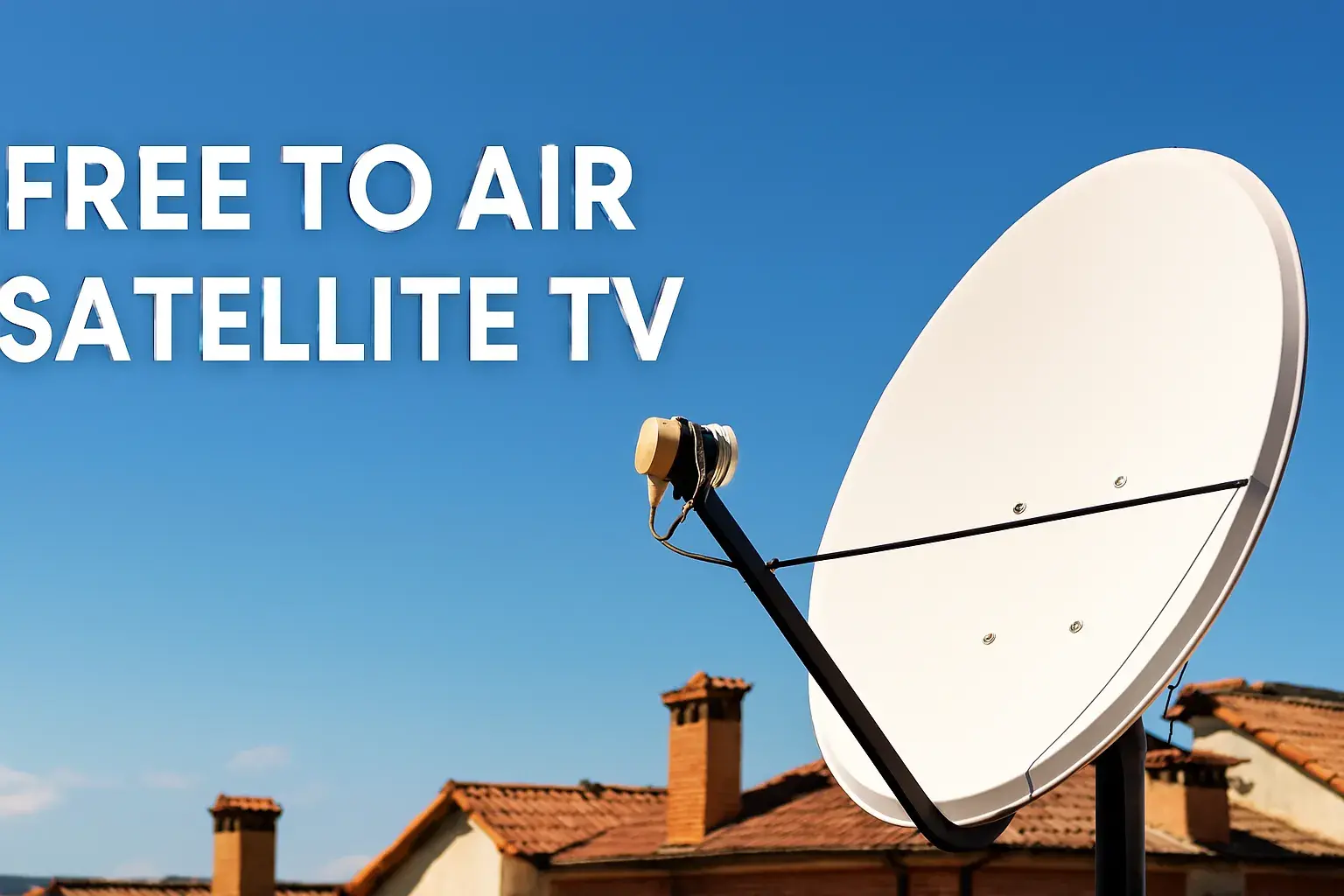
- Your Equipment: A satellite dish is mounted on your property, typically on the roof or a pole, and a modem is connected inside your home. This dish is precisely aimed at a specific geostationary satellite.
- The Satellite: Geostationary satellites orbit the Earth at an altitude of approximately 22,000 miles. They remain in a fixed position relative to a point on the Earth's surface, ensuring a constant connection point for your dish. These satellites act as relays, receiving signals from your dish and transmitting them to the ground station, and vice versa.
- The Ground Station (Gateway): This is a terrestrial facility connected to the wider internet backbone. It receives data from the satellite and sends it out to the internet. It also receives data from the internet and transmits it back to the satellite, which then relays it to your dish.
The journey of data involves several hops: your device to your modem, modem to dish, dish to satellite, satellite to ground station, ground station to the internet. The return journey is the reverse. While this process involves more steps than a direct cable connection, modern satellite technology has significantly reduced the time it takes for data to travel, making speeds comparable to some terrestrial options.
Types of Satellite Internet
Historically, satellite internet was primarily associated with dial-up speeds. However, advancements have led to different generations of technology:
- Traditional Satellite Internet: This often refers to services using older satellite technology. While it offers connectivity, speeds can be slower, and latency (the delay in data transmission) can be higher.
- High-Throughput Satellite (HTS) Internet: This is the current generation of satellite technology. HTS satellites use a spot-beam architecture, which concentrates bandwidth into smaller geographical areas. This allows for significantly higher download and upload speeds, often rivaling or exceeding DSL and even some cable services. Providers offering "unlimited" plans typically utilize HTS technology.
- Low Earth Orbit (LEO) Satellite Internet: Emerging technologies like LEO constellations (e.g., Starlink) use satellites orbiting at much lower altitudes (a few hundred miles). This dramatically reduces latency and increases speeds, offering a potentially disruptive alternative to traditional satellite and even some terrestrial broadband. These services are rapidly expanding and often come with no data caps or contracts.
When looking for "unlimited satellite internet services - no contracts needed," you'll primarily be considering HTS and LEO options, as these offer the performance and flexibility that consumers desire.
Unlimited Satellite Internet: What Does It Really Mean?
The term "unlimited" in the context of satellite internet can be a bit nuanced and requires careful examination. While many providers advertise unlimited data, it's crucial to understand the terms and conditions, as there can be soft data caps, priority data, or throttling policies that affect your experience. For 2025-26, the landscape of "unlimited" is evolving, with more providers genuinely offering unmetered data, especially with the rise of LEO services.
Generally, "unlimited" satellite internet means that there is no hard data cap that will immediately cut off your service once a certain threshold is reached. However, providers may implement policies to manage network congestion and ensure fair usage for all customers. This is where understanding the specifics becomes vital.
Understanding Data Policies
Even with "unlimited" plans, you might encounter the following:
- Priority Data: Many providers allocate a certain amount of "priority data" per month. If you exceed this priority data allowance, your speeds may be reduced during peak network hours. This is a common practice to ensure that users who consume less data still have a consistent experience. For 2025-26, expect providers to clearly define the amount of priority data included in their unlimited plans.
- Throttling After Overage: Some plans might allow you to continue using the internet after reaching a certain data usage, but at significantly reduced speeds. This is often referred to as "deprioritization" or "throttling." The speeds might be reduced to levels suitable for basic browsing or email but not for streaming high-definition video or large downloads.
- Fair Use Policies: Providers will always have a fair use policy to prevent extreme overuse that could negatively impact the network for other users. This is standard practice across most internet services, not just satellite.
- Truly Unlimited: LEO providers, in particular, are increasingly offering truly unlimited data with no deprioritization or throttling, regardless of usage. This is a significant differentiator and a key selling point for these newer services.
Benefits of Unlimited Satellite Internet
The allure of unlimited satellite internet lies in its ability to remove common barriers to online access:
- Uninterrupted Streaming: Enjoy your favorite movies and shows on platforms like Netflix, Hulu, or Disney+ without worrying about hitting a data limit and having your streaming quality degrade.
- Seamless Remote Work: For those working from home, unlimited data means you can participate in video conferences, download large files, and access cloud-based applications without data anxiety.
- Online Education: Students can engage in online learning, download course materials, and participate in virtual classes without data restrictions.
- Gaming and Large Downloads: Gamers can download large game files and enjoy online multiplayer experiences without the fear of exceeding a data cap.
- Multiple Device Usage: Households with multiple users and devices can all connect and use the internet simultaneously without experiencing slowdowns due to data limitations.
As of 2025-26, the competition among satellite providers, especially with the emergence of LEO services, is driving more providers to offer genuinely unlimited data plans with better performance and fewer restrictions, making it a more viable option than ever before.
The No-Contract Advantage: Freedom and Flexibility
One of the most significant selling points for modern satellite internet services is the absence of long-term contracts. Historically, satellite internet providers often required customers to sign 12, 24, or even 36-month agreements. These contracts locked users in, making it difficult and often expensive to switch providers if service was poor or if a better option became available. The "no contract" model fundamentally changes this dynamic, offering unparalleled freedom and flexibility.
In 2025-26, the market for internet services is increasingly consumer-centric, and eliminating contracts is a key strategy for attracting and retaining customers. This shift is driven by customer demand and the competitive pressure from both satellite and terrestrial providers.
Why No Contracts Matter
Opting for a satellite internet service with no contract provides several crucial benefits:
- Freedom to Switch: If your service isn't meeting your expectations, or if a competitor offers a better deal or improved performance in your area, you can switch providers without incurring hefty early termination fees (ETFs). This encourages providers to maintain high service standards.
- Flexibility for Changing Needs: Life circumstances change. You might move, your internet usage needs might evolve, or you might gain access to better terrestrial options. A no-contract plan allows you to adapt without penalty.
- No Long-Term Commitment: You're not tied to a single provider for years. This is particularly beneficial for individuals who rent their homes or are unsure about their long-term residency in a particular location.
- Trial Periods: Many no-contract providers offer satisfaction guarantees or trial periods, allowing you to test the service risk-free. If you're not satisfied within the trial period, you can often return the equipment and cancel without further obligation.
- Cost Savings: While ETFs can be substantial (sometimes hundreds of dollars), avoiding them means you save money if you need to end your service prematurely.
What to Look For in No-Contract Plans
When evaluating no-contract satellite internet, consider these factors:
- Equipment Costs: While you avoid contract penalties, providers may still charge for equipment (satellite dish, modem, etc.). Some offer free equipment leases, while others require a purchase. No-contract plans might have a higher upfront equipment cost or a monthly lease fee.
- Cancellation Policies: Even without a contract, there might be a notice period required for cancellation. Ensure you understand the process for returning equipment and any final billing cycles.
- Monthly Pricing: No-contract plans might have slightly higher monthly rates than contract plans to offset the provider's risk. However, the freedom gained often outweighs this difference.
- Satisfaction Guarantees: Look for providers offering a money-back guarantee or a trial period. This is a strong indicator of a provider's confidence in their service.
The shift towards no-contract satellite internet is a positive development for consumers, empowering them with choice and control over their connectivity. This trend is expected to continue and solidify in the 2025-26 market, making it easier than ever to access reliable internet on your own terms.
Top Unlimited Satellite Internet Providers (2025-26)
The satellite internet landscape is dynamic, with established players and innovative newcomers vying for market share. For 2025-26, several providers stand out for offering unlimited data plans and flexible, no-contract options. It's important to note that availability can vary significantly by geographic location, so always check directly with the provider for service in your specific area.
Here's a look at some of the leading providers and what they typically offer in terms of unlimited, no-contract services:
Viasat
Viasat is a long-standing provider of satellite internet, known for its extensive coverage. They offer various plans, and while historically some plans had data caps, they have been increasingly moving towards more flexible options, including plans that can be considered "unlimited" with certain deprioritization policies after a priority data threshold. Many of their newer plans are designed to be contract-free, offering monthly billing and the flexibility to cancel with notice.
- Typical Offerings: High-speed plans, with unlimited data that may include a generous amount of priority data. Speeds can vary significantly based on the specific plan and satellite coverage.
- Contract Status: Increasingly offering no-contract options.
- Best For: Users in very remote areas where other options are nonexistent.
HughesNet
HughesNet is another major player in the satellite internet market. Similar to Viasat, HughesNet has evolved its offerings. While they traditionally had data caps, they have introduced plans that offer more data and can be considered "unlimited" with potential speed reductions after a certain usage threshold. Their focus is on providing consistent service across a wide service area. Many HughesNet plans are also available without long-term contracts, allowing for monthly subscriptions and easier cancellation.
- Typical Offerings: Plans often feature a set amount of high-speed data, after which speeds may be reduced. Some plans are marketed with "unlimited" data in mind, meaning service continues but potentially at slower speeds.
- Contract Status: Many plans are available without contracts.
- Best For: Reliable connectivity in areas with limited terrestrial options, often with a focus on basic internet needs.
Starlink (SpaceX)
Starlink, by SpaceX, represents a significant technological leap in satellite internet. Utilizing a constellation of Low Earth Orbit (LEO) satellites, Starlink offers substantially lower latency and higher speeds compared to traditional geostationary satellite services. Their standard plans are typically truly unlimited, with no data caps or throttling, making them a highly attractive option for users seeking unhindered internet access. Starlink also operates on a no-contract basis, allowing users to subscribe and cancel month-to-month.
- Typical Offerings: Very high speeds, significantly lower latency, and truly unlimited data with no data caps or throttling on standard plans.
- Contract Status: No contracts required; month-to-month subscription.
- Best For: Users who need high performance for streaming, gaming, remote work, and those frustrated by the limitations of traditional satellite. Availability is expanding rapidly but can still be limited in some areas.
Amazon Project Kuiper (Future Outlook)
While not yet fully operational for consumers as of early 2025, Amazon's Project Kuiper is poised to enter the satellite internet market. Similar to Starlink, Kuiper aims to use a LEO constellation to provide high-speed, low-latency broadband. When launched, it is expected to offer competitive pricing and flexible, potentially contract-free, unlimited data plans, further intensifying competition and offering more choices for consumers.
- Typical Offerings: Expected to be high-speed, low-latency, and unlimited.
- Contract Status: Expected to be contract-free.
- Best For: Future users seeking advanced satellite internet solutions.
Important Note for 2025-26: The satellite internet market is highly competitive. Always check the specific details of any plan, including advertised speeds, data policies (priority vs. truly unlimited), equipment costs, and cancellation terms, directly on the provider's website or by speaking with a sales representative. Availability is a critical factor, especially for newer LEO services like Starlink.
How to Choose the Right Unlimited Satellite Internet Plan
Selecting the ideal unlimited satellite internet plan requires a thoughtful approach, considering your specific needs, budget, and the available options in your area. With the increasing availability of no-contract, unlimited data plans, the decision-making process can be simpler, but careful evaluation is still key. For 2025-26, the focus should be on balancing performance, cost, and flexibility.
Here’s a step-by-step guide to help you make the best choice:
1. Assess Your Internet Usage Needs
Before comparing plans, understand how you and your household use the internet. This will help you determine the speed and data requirements. Consider:
- Basic Browsing & Email: If you primarily use the internet for checking emails, browsing websites, and social media, lower speeds might suffice.
- Streaming Video: For HD streaming, you'll need higher speeds (e.g., 25 Mbps or more). For 4K streaming, aim for 50 Mbps or higher.
- Online Gaming: Gamers need not only speed but also low latency. While satellite internet has inherent latency challenges, LEO services are significantly better.
- Video Conferencing & Remote Work: Consistent speeds and reliable connections are crucial for professional use.
- Number of Users & Devices: More users and devices simultaneously online will require higher bandwidth.
2. Understand "Unlimited" Data Policies
As discussed earlier, "unlimited" can mean different things. For 2025-26, differentiate between:
- Truly Unlimited: No data caps or throttling, regardless of usage (e.g., Starlink standard plans).
- Unlimited with Priority Data: A set amount of high-speed data, after which speeds may be reduced during peak times. Check the amount of priority data offered.
- Unlimited with Soft Caps: Service continues after a certain usage, but at significantly reduced speeds, potentially making some activities difficult.
If your usage is very high, a truly unlimited plan is the safest bet. If your usage is moderate, a plan with ample priority data might be sufficient and potentially more affordable.
3. Compare Speeds and Latency
Satellite internet, especially traditional geostationary, has higher latency than terrestrial options. This delay can impact real-time applications like online gaming and video calls. LEO services significantly reduce this latency.
- Download Speeds: Crucial for streaming, downloading files, and general web browsing.
- Upload Speeds: Important for video calls, uploading files, and social media posting.
- Latency (Ping): The time it takes for data to travel to a server and back. Lower is better for interactive applications.
For 2025-26, look for plans that clearly state both download and upload speeds, and if possible, latency figures, especially if you're considering LEO services.
4. Evaluate Equipment Costs and Installation Fees
No-contract plans might require you to purchase or lease equipment. Be aware of:
- Equipment Purchase Price: Some providers sell the satellite dish and modem outright.
- Equipment Lease Fee: A monthly fee for renting the equipment.
- Installation Fees: Some providers offer free installation, while others charge a one-time fee.
Factor these upfront or recurring costs into your overall budget. LEO services like Starlink typically have a higher upfront equipment cost but offer superior performance.
5. Check for Contract-Free Terms and Satisfaction Guarantees
Ensure the plan is genuinely contract-free. Look for:
- No Early Termination Fees (ETFs): Confirm that you can cancel at any time without penalty.
- Monthly Billing: Plans should be billed on a month-to-month basis.
- Trial Periods/Satisfaction Guarantees: A 30-day money-back guarantee or trial period is a strong indicator of a provider's confidence and offers a risk-free way to test the service.
6. Consider Customer Service and Support
Reliable customer support is essential, especially with satellite technology, which can sometimes require troubleshooting. Research provider reviews regarding their customer service responsiveness and effectiveness.
7. Verify Availability in Your Area
This is the most critical step. Satellite internet is designed for areas with limited terrestrial options, but even within those areas, coverage can vary. Use the provider's online tools to enter your address and confirm serviceability. For LEO services, there might be waiting lists in high-demand areas.
By carefully considering these factors, you can confidently select an unlimited satellite internet plan that meets your needs for speed, data, flexibility, and budget in 2025-26.
Installation and Setup: What to Expect
Getting satellite internet up and running involves a professional installation process to ensure optimal performance. While the specifics can vary slightly between providers like Viasat, HughesNet, and Starlink, the general steps and considerations remain consistent. For 2025-26, providers are streamlining this process to be as convenient as possible for customers.
The goal of the installation is to mount the satellite dish in a location with an unobstructed view of the sky, connect it to your modem, and configure your home network.
The Installation Process
Here's a typical breakdown of what you can expect:
- Scheduling the Appointment: Once you've chosen a provider and plan, you'll schedule an installation appointment. This usually involves providing your address and availability. For LEO services, the installation kit might be shipped to you, and you may have the option of self-installation or professional installation.
- Site Survey: The technician will arrive at your home and assess your property to determine the best location for the satellite dish. This involves checking for clear line-of-sight to the sky, away from trees, buildings, or other obstructions that could interfere with the signal.
- Mounting the Dish: The satellite dish will be securely mounted. Common mounting locations include the roof, a side wall of the house, or a dedicated pole in the yard. The technician will ensure the mount is stable and weatherproof.
- Running Cables: A cable will be run from the satellite dish to the interior of your home, where the modem will be located. Technicians aim to run these cables discreetly, often through a small drilled hole, and seal it to prevent water intrusion.
- Connecting the Modem: The cable from the dish connects to the satellite modem. The modem is the device that translates the satellite signal into an internet connection for your router and devices.
- Aligning the Dish: This is a critical step. The technician uses specialized tools to precisely align the dish with the satellite in orbit. Proper alignment is essential for achieving the best possible signal strength and speed. For LEO systems, the dish may have a motorized mount that automatically tracks the satellites.
- Testing and Configuration: Once everything is connected, the technician will test the internet connection to ensure it's working correctly. They will check speeds, signal strength, and latency. They will also help you connect your router and potentially a few devices to confirm your home network is set up.
- Customer Education: The technician will typically explain how the system works, how to restart your modem if needed, and provide any necessary contact information for customer support.
Self-Installation Options (Primarily for LEO)
For services like Starlink, self-installation is often an option and can save on installation fees. The process typically involves:
- Receiving the Kit: The equipment (dish, mount, router, cables) is shipped directly to your home.
- Finding a Clear View: You'll need to identify a location with an unobstructed view of the sky.
- Mounting the Dish: The kit usually includes a basic ground mount or an optional roof/wall mount.
- Connecting Components: Plugging in the dish, router, and power supply. The system is designed to be user-friendly.
- Using the App: A mobile app guides you through the alignment process and helps you confirm a clear sky view.
While self-installation is convenient, if you're not comfortable with basic mounting or electrical connections, professional installation is still recommended.
What You'll Need
- A Clear Line of Sight: This is non-negotiable for satellite internet.
- An Electrical Outlet: To power the modem and router.
- Your Own Router (Optional but Recommended): While some providers include a basic router, using your own allows for better Wi-Fi coverage and features.
- Patience: Installation can take a few hours, depending on the complexity.
Providers in 2025-26 are focused on making the installation process as smooth as possible. Understanding these steps will help you prepare and ensure a successful setup for your new unlimited satellite internet service.
Performance, Latency, and Potential Limitations
When considering unlimited satellite internet services, particularly those with no contracts, it's crucial to have realistic expectations about performance and understand any inherent limitations. While technology has advanced significantly, satellite internet still operates differently from terrestrial broadband, and these differences impact its capabilities.
For 2025-26, the gap in performance between traditional satellite and newer LEO services is widening, offering more diverse options but also requiring careful consideration of trade-offs.
Speed and Bandwidth
Traditional Satellite (Geostationary): Speeds can vary widely. Download speeds might range from 12 Mbps to over 100 Mbps on newer HTS systems. Upload speeds are typically lower, often between 1 Mbps and 10 Mbps. While advertised as "unlimited," heavy users might experience deprioritization during peak hours, leading to slower speeds. These services are generally best for moderate internet usage.
LEO Satellite (e.g., Starlink): These services offer a dramatic improvement. Download speeds can range from 50 Mbps to over 200 Mbps, with upload speeds between 10 Mbps and 20 Mbps. These speeds are generally consistent and not subject to the same throttling policies as traditional satellite, making them suitable for high-demand activities like streaming 4K video and extensive remote work.
Latency (Ping)
Latency is the delay in data transmission. This is the most significant difference between satellite internet and other broadband types.
Traditional Satellite: Due to the vast distance (22,000 miles) to the geostationary satellite, latency is inherently high, typically ranging from 500 milliseconds (ms) to over 800 ms. This high latency makes real-time applications like online gaming, VoIP calls, and fast-paced video conferencing challenging or frustrating. Even with unlimited data, high latency can limit the perceived performance for these activities.
LEO Satellite: LEO satellites orbit much closer to Earth (a few hundred miles), drastically reducing latency. Starlink, for example, typically offers latency between 20 ms and 40 ms, which is comparable to many terrestrial broadband services. This makes LEO satellite internet a viable option for gaming, video calls, and other latency-sensitive applications.
Potential Limitations and Considerations
- Weather Interference: Heavy rain, snow, or storms can temporarily degrade or interrupt satellite signals. This is known as "rain fade." Modern systems are designed to mitigate this, but extreme weather can still cause issues.
- Obstructions: As mentioned in the installation section, a clear, unobstructed view of the sky is absolutely essential. Even partial obstructions can significantly impact performance or cause intermittent outages.
- Equipment Costs: While contracts are often eliminated, the upfront cost for satellite equipment, especially for LEO systems, can be substantial.
- Geographic Availability: Despite being designed for broad coverage, specific areas might not yet have service, or there might be waiting lists for newer LEO services.
- Data Policies Nuances: Even with "unlimited" plans, understanding priority data, soft caps, and fair use policies is crucial to avoid unexpected slowdowns.
- Power Consumption: Satellite dishes and modems require power, and LEO systems, in particular, can have higher power draw due to their more active equipment.
When is Satellite Internet the Best Choice?
Unlimited satellite internet, especially with no contracts, is an excellent solution for:
- Rural and Remote Areas: Where cable, fiber, or reliable DSL is unavailable.
- Temporary Locations: RVs, boats, or construction sites where fixed-line internet isn't feasible.
- Backup Internet: As a secondary connection for critical needs.
- Users Seeking Freedom: Those who want to avoid long-term commitments and have the flexibility to switch.
By understanding these performance characteristics and limitations, users can make an informed decision about whether unlimited satellite internet is the right fit for their needs in 2025-26.
Comparing Unlimited Satellite Internet to Other Options
When exploring unlimited satellite internet services with no contracts, it's beneficial to compare them against other available broadband technologies. This helps in understanding the unique advantages and disadvantages of satellite and determining if it's the most suitable option for your specific situation. For 2025-26, the competition is fierce, and each technology has its niche.
Here's a comparative look:
Satellite Internet vs. Fiber Optic Internet
Fiber Optic: Uses light pulses transmitted through glass fibers. It offers the fastest speeds, lowest latency, and highest reliability.
Satellite: Uses radio waves transmitted via satellites. Offers broad coverage but has higher latency and is more susceptible to weather.
Comparison:- Speed: Fiber is generally faster and more consistent.
- Latency: Fiber has significantly lower latency.
- Availability: Fiber is limited to areas with extensive infrastructure. Satellite is available almost anywhere.
- Contracts: Both can be found with or without contracts, but fiber often requires installation fees.
- Unlimited Data: Both can offer unlimited data, but fiber rarely has data caps.
Satellite Internet vs. Cable Internet
Cable Internet: Uses coaxial cables originally designed for cable TV. Offers good speeds, often comparable to fiber, and moderate latency.
Satellite Internet: (As described above).
Comparison:- Speed: Cable generally offers higher and more consistent speeds than traditional satellite. LEO satellite can compete with cable speeds.
- Latency: Cable has much lower latency than traditional satellite. LEO satellite latency is comparable to cable.
- Availability: Cable is widely available in urban and suburban areas but less so in rural regions. Satellite has broader reach.
- Contracts: Cable providers often push long-term contracts, though no-contract options exist. Satellite is increasingly moving towards no-contract.
- Unlimited Data: Cable providers may have data caps or throttling. Satellite's "unlimited" policies need careful review.
Satellite Internet vs. DSL Internet
DSL (Digital Subscriber Line): Uses existing telephone lines. Speeds vary greatly depending on distance from the provider's central office, typically ranging from 1 Mbps to 100 Mbps. Latency is moderate.
Satellite Internet: (As described above).
Comparison:- Speed: Modern satellite (especially LEO) can offer higher speeds than many DSL connections.
- Latency: DSL has lower latency than traditional satellite, but higher than fiber or cable. LEO satellite latency is comparable to DSL.
- Availability: DSL is available wherever phone lines exist, but performance degrades with distance. Satellite is available where phone lines might not provide adequate service.
- Contracts: DSL plans can be found with or without contracts.
- Unlimited Data: DSL plans may have data caps, though less common now.
Satellite Internet vs. Fixed Wireless Internet
Fixed Wireless: Uses radio signals to connect a fixed location (home/business) to a nearby tower. Offers speeds comparable to cable or DSL, with moderate latency. Availability is dependent on line-of-sight to the tower.
Satellite Internet: (As described above).
Comparison:- Speed: Can be comparable, but satellite coverage is generally wider than fixed wireless.
- Latency: Fixed wireless typically has lower latency than traditional satellite, comparable to LEO satellite.
- Availability: Fixed wireless requires line-of-sight to a tower, which might not be possible in all areas. Satellite has broader coverage.
- Contracts: Both can be found with or without contracts.
- Unlimited Data: Both may have data caps or throttling.
Satellite Internet vs. Mobile Hotspots/5G Home Internet
Mobile Hotspots/5G Home Internet: Uses cellular networks. Can offer high speeds and low latency, especially with 5G. Availability is tied to cellular coverage.
Satellite Internet: (As described above).
Comparison:- Speed: 5G Home Internet can rival or exceed LEO satellite speeds.
- Latency: 5G generally has lower latency than traditional satellite, comparable to LEO satellite.
- Availability: Cellular coverage is widespread but can be spotty in very rural areas. Satellite is designed for the most remote locations.
- Contracts: Many mobile and 5G home plans are contract-free.
- Unlimited Data: Cellular plans often have significant data caps or deprioritization, though truly unlimited options are emerging. Satellite's "unlimited" also requires scrutiny.
In summary, unlimited satellite internet, especially the no-contract variants, fills a critical gap for those without access to terrestrial broadband. While LEO services are closing the performance gap, traditional satellite remains a vital option for extreme remoteness, albeit with higher latency. The choice depends entirely on your location and specific needs.
Making the Switch: A Step-by-Step Guide
Transitioning to a new internet service provider, especially one as distinct as satellite internet, can seem daunting. However, with a clear understanding of the process and the benefits of unlimited, no-contract plans, making the switch can be a smooth and rewarding experience. For 2025-26, providers are focused on simplifying this transition.
Here's a comprehensive step-by-step guide to help you switch to unlimited satellite internet:
Step 1: Research and Identify Your Needs
Before you even look at providers, revisit your requirements. As detailed in the "Choosing the Right Plan" section, consider:
- Your typical internet usage (streaming, gaming, work, browsing).
- The number of devices and users in your household.
- Your budget for monthly service and potential equipment costs.
- Your tolerance for latency (critical for gamers or heavy video callers).
Step 2: Check Service Availability
This is the most crucial initial step. Use the online tools on provider websites (e.g., Starlink, Viasat, HughesNet) to enter your exact address. Confirm that service is available in your location. For LEO services, there might be a waiting list or a pre-order phase.
Step 3: Compare Providers and Plans
Once you've confirmed availability, compare the specific offerings:
- Unlimited Data Policies: Understand if it's truly unlimited or has priority data/throttling.
- Speeds: Look at advertised download and upload speeds.
- Latency: Crucial for real-time applications. LEO services will be significantly better here.
- Contract Terms: Ensure the plan is genuinely no-contract, with monthly billing and no ETFs.
- Equipment Costs: Factor in purchase or lease fees for the satellite dish and modem.
- Installation Fees: Check if professional installation is included or an extra cost.
- Customer Reviews: Look for feedback on reliability and customer support.
Step 4: Choose a Provider and Plan
Based on your research and comparison, select the provider and plan that best aligns with your needs and budget. Pay close attention to the details of the "unlimited" policy and the no-contract terms.
Step 5: Order Your Service
Once you've made your decision, proceed with ordering. This typically involves:
- Online Order Form: Most providers have an online portal for placing orders.
- Providing Information: You'll need to provide your service address, contact details, and payment information.
- Equipment Shipment (for Self-Install): If you opt for self-installation (common with LEO), your equipment kit will be shipped to you.
Step 6: Schedule Installation (if applicable)
If you're opting for professional installation, you'll schedule an appointment with the provider. Be prepared to provide your availability. For self-installation, you'll proceed to the next step once the equipment arrives.
Step 7: Installation and Setup
Professional Installation: The technician will arrive, mount the dish, run cables, connect the modem, align the dish, and test the connection. They will ensure your internet is up and running before leaving.
Self-Installation: Follow the instructions provided with your equipment kit. This usually involves mounting the dish in a clear sky view, connecting it to the router, and using a mobile app to guide the setup and alignment. Ensure you have a clear line of sight to the sky!
Step 8: Connect Your Devices and Test
Once the satellite internet is active, connect your router (if you're using your own) and then connect your devices (computers, smartphones, smart TVs) to your Wi-Fi network. Test your internet speed using an online speed test tool and try out various activities like streaming or browsing to ensure everything is working as expected.
Step 9: Cancel Your Old Service
Before your new satellite service is fully operational, or immediately after it's confirmed working, contact your previous internet provider to cancel your old service. Be aware of any final billing cycles or equipment return procedures.
Step 10: Monitor and Optimize
Over the first few weeks, monitor your internet performance. If you encounter any issues, refer to the provider's troubleshooting guides or contact their customer support. For no-contract plans, you have the flexibility to switch again if the service doesn't meet your long-term expectations, though with the advancements in satellite technology, this is becoming less common.
By following these steps, you can confidently make the switch to unlimited satellite internet, enjoying reliable connectivity without the burden of long-term contracts.
Conclusion:
The quest for reliable, high-speed internet in underserved areas has never been more promising. Unlimited satellite internet services, particularly those offering no-contract flexibility, are transforming connectivity for millions. Whether you're in a remote rural location or simply seeking freedom from restrictive data caps and long-term commitments, the options available in 2025-26 provide powerful solutions. Providers like Starlink are pushing the boundaries with low-latency, truly unlimited data, while established players like Viasat and HughesNet continue to refine their offerings with more flexible plans. By understanding the nuances of "unlimited" data, evaluating your specific needs, and confirming availability, you can confidently choose a satellite internet plan that empowers your digital life without compromise. Make the switch today and experience the freedom of connectivity on your terms.