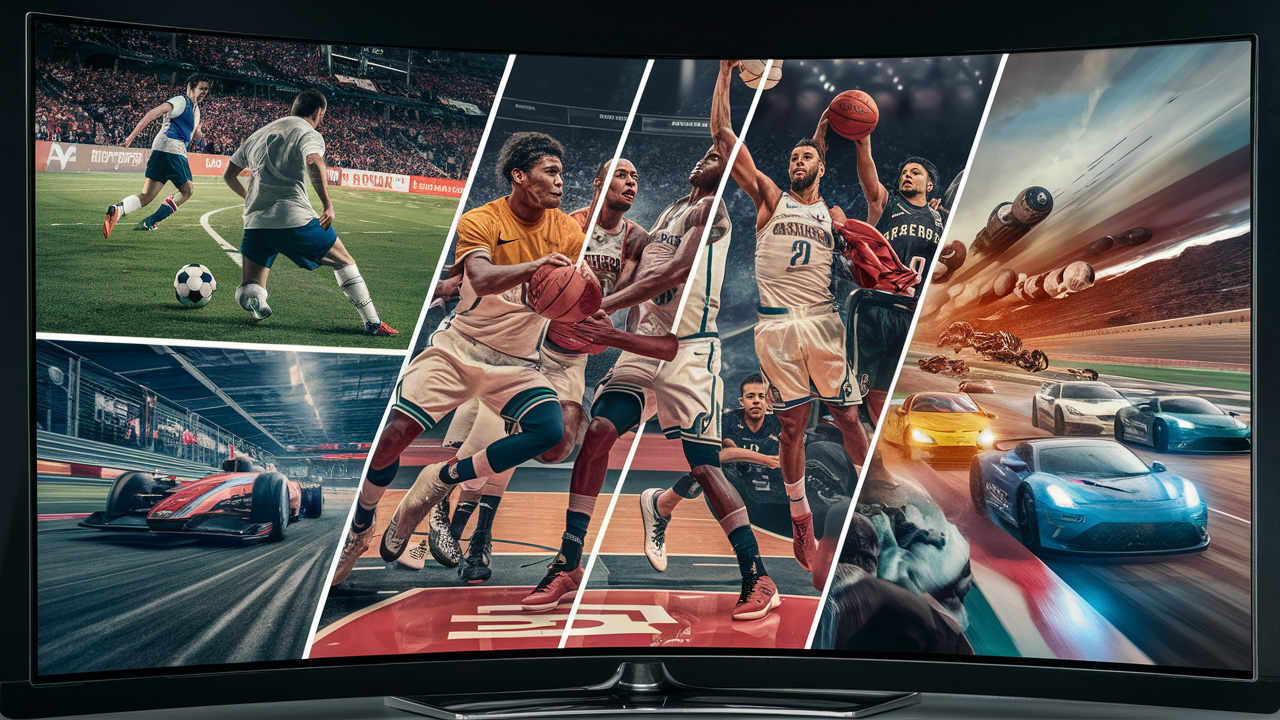
A sports channel on TV is a dedicated broadcast network showcasing live games, replays, analysis, and sports-related programming. These channels cater to fans, offering a comprehensive viewing experience for various athletic events and discussions, making them essential for enthusiasts seeking to stay updated with their favorite sports.
What Are Sports Channels on TV?
Sports channels on television are specialized networks dedicated to broadcasting a wide array of sporting events, from live professional games and collegiate competitions to in-depth analysis, sports news, and athlete-focused documentaries. These channels serve as a primary hub for sports enthusiasts, providing round-the-clock coverage and catering to diverse athletic interests. They are fundamental to how fans consume sports content, offering everything from the thrill of a live match to the strategic insights of expert commentators. Understanding what defines a sports channel is key to navigating the vast landscape of sports entertainment available on television today.
The Evolution of Sports Broadcasting
The journey of sports broadcasting is a fascinating narrative of technological advancement and shifting audience engagement. What began as rudimentary radio broadcasts of baseball games in the early 20th century has blossomed into a multi-billion dollar industry, intricately woven into the fabric of modern entertainment and culture. The advent of television marked a seismic shift, bringing the visual spectacle of sports directly into living rooms. Early broadcasts were often black and white, with limited camera angles, yet they captivated audiences and laid the groundwork for what was to come.
The 1960s and 1970s saw the rise of dedicated sports programming. Networks began to recognize the immense commercial potential of live sporting events. The introduction of color television further enhanced the viewing experience, making sports more vibrant and immersive. This era also saw the birth of iconic sports commentators whose voices became synonymous with major sporting moments. The development of satellite technology in the latter half of the 20th century revolutionized the reach of sports broadcasts, allowing for live transmission across vast geographical distances, connecting fans with events happening thousands of miles away.
The late 20th and early 21st centuries ushered in the era of cable television and the proliferation of specialized sports channels. Instead of a single sports segment on a general network, viewers could now tune into dedicated channels for specific sports or leagues. This specialization allowed for deeper dives into particular sports, offering more comprehensive coverage, analysis, and niche programming that appealed to dedicated fan bases. The introduction of High Definition (HD) broadcasting in the early 2000s further elevated the visual quality, making the experience even more realistic and engaging. As of 2025-26, the landscape continues to evolve rapidly, with digital streaming and on-demand content challenging traditional broadcast models, yet the core concept of a dedicated sports channel remains a cornerstone of sports consumption.
Types of Sports Channels
The world of sports broadcasting is not monolithic. A diverse ecosystem of channels exists, each catering to different segments of the sports-loving population. Understanding these categories helps fans identify the best sources for their specific interests. These channels range from broad, all-encompassing networks to highly specialized platforms focusing on a single sport or league.
General Sports Networks
These are the titans of sports broadcasting, offering a wide spectrum of live events, news, and analysis across numerous sports. They are typically the go-to channels for major professional leagues like the NFL, NBA, MLB, and NHL, as well as significant collegiate sports. Their broad appeal means they cover everything from football and basketball to soccer, tennis, golf, and motorsports. These networks invest heavily in broadcasting rights for major championships and tournaments, ensuring a constant stream of high-profile content.
Examples of prominent general sports networks include:
- ESPN (Entertainment and Sports Programming Network): Launched in 1979, ESPN is arguably the most recognized sports network globally. It offers a vast array of live events, including NFL, NBA, MLB, college football and basketball, and international soccer. Its programming also includes extensive sports news (SportsCenter), analysis shows, documentaries, and original series. In 2025-26, ESPN continues to be a dominant force, with significant deals for major sports properties.
- Fox Sports: Fox Sports operates a network of channels that broadcast a variety of sports, including NFL (NFC package), MLB, college football, soccer (including MLS and international leagues), and motorsports (NASCAR). Their coverage is known for its high production values and prominent on-air talent.
- CBS Sports Network: Primarily focused on college sports, CBS Sports Network also broadcasts professional sports like the NFL (Thursday Night Football in select markets), NCAA basketball tournaments, and various other collegiate and professional events.
- NBC Sports: NBC Sports is renowned for its coverage of the Olympic Games, Premier League soccer, and the NFL (AFC package). It also features golf, horse racing, and motorsports.
These networks often package their content into tiered subscription services, allowing viewers to access a wider range of events and programming.
League-Specific Channels
As the name suggests, these channels are dedicated to a single professional sports league. They offer an unparalleled depth of coverage for fans of that particular league, including every game (often with out-of-market options), behind-the-scenes content, player interviews, and historical archives. These channels are a dream for superfans who want to follow their team or league exhaustively.
Key examples include:
- NFL Network: Dedicated entirely to the National Football League, this channel broadcasts live preseason games, regular-season games (international series, select matchups), extensive game analysis, draft coverage, and classic NFL Films documentaries. In 2025-26, it remains a vital resource for NFL enthusiasts.
- NBA TV: This channel provides comprehensive coverage of the National Basketball Association, including live games, classic matchups, player profiles, and in-depth analysis of the league.
- MLB Network: For baseball aficionados, MLB Network offers live regular-season games, studio shows, player interviews, and historical content related to Major League Baseball.
- NHL Network: This channel is the official broadcast home for the National Hockey League, featuring live games, news, analysis, and features on players and teams.
The availability of these channels is often tied to specific cable or satellite packages, or they can be subscribed to as standalone services, sometimes integrated into larger sports streaming platforms.
Regional Sports Networks (RSNs)
RSNs are crucial for fans who want to follow their local professional and collegiate teams. These networks hold the broadcasting rights for specific geographic regions, meaning they air the games of teams based within that area. This is particularly important for sports like baseball and basketball, where local broadcasts are paramount. RSNs often feature dedicated pre-game and post-game shows for their local teams, along with regional sports news.
Examples of RSNs include:
- Bally Sports (formerly Fox Sports RSNs): A large group of regional networks across the United States, broadcasting games for numerous MLB, NBA, and NHL teams. Their coverage is vital for local fans. As of 2025-26, the landscape of RSNs is dynamic, with ongoing shifts in ownership and broadcasting rights.
- YES Network: Primarily covering the New York Yankees (MLB) and Brooklyn Nets (NBA), this is one of the most prominent RSNs.
- MSG Networks: Home to the New York Knicks (NBA) and New York Rangers (NHL), among other local sports.
- SportsNet New York (SNY): Broadcasts New York Mets (MLB) games and other regional college sports.
The proliferation and consolidation of RSNs have been a significant trend in recent years, impacting how local sports are accessed by fans. Their inclusion in streaming packages is a key consideration for many viewers.
Niche Sports Channels
Beyond the major leagues and sports, there's a growing market for channels dedicated to more specialized interests. These channels cater to passionate communities focused on specific sports that may not receive widespread mainstream coverage. This includes everything from extreme sports and motorsports to individual sports like golf or tennis, and even combat sports.
Examples include:
- Golf Channel: Provides extensive coverage of professional golf tours (PGA Tour, LPGA Tour, European Tour), including live tournaments, analysis, instruction, and golf-related news.
- Outdoor Channel / Sportsman Channel: Focus on hunting, fishing, shooting sports, and outdoor adventure programming.
- Fight Network / UFC Fight Pass: Dedicated to combat sports, including boxing, mixed martial arts (MMA), and professional wrestling. UFC Fight Pass is a direct-to-consumer streaming service with exclusive content.
- Formula 1 TV / MotoGP: Official channels or streaming services offering dedicated coverage of motorsport racing series.
These channels often cultivate highly engaged audiences who are deeply invested in their specific sport.
International Sports Broadcasters
For viewers interested in global sports, international broadcasters offer a window into competitions from around the world. These channels are essential for following popular international sports like soccer (football), rugby, cricket, and various Olympic sports not always prominently featured on domestic networks.
Examples include:
- beIN SPORTS: Known for its extensive coverage of European soccer leagues (La Liga, Serie A, Ligue 1), international tournaments, and other global sports.
- Sky Sports (UK): A dominant force in UK sports broadcasting, covering Premier League soccer, Formula 1, cricket, rugby, and golf.
- BT Sport (UK): Another major UK broadcaster, featuring UEFA Champions League soccer, Premiership Rugby, and MotoGP.
- DAZN: A global sports streaming service that has acquired rights to various international sports, including boxing, MMA, soccer, and baseball, often on a regional or exclusive basis.
The rise of streaming has made international sports more accessible than ever before, breaking down geographical barriers for fans.
Key Features and Content
Sports channels are more than just live game broadcasts. They offer a rich tapestry of content designed to engage fans before, during, and after the action. The most effective sports channels provide a holistic experience that satisfies the diverse needs of their audience.
Live Game Coverage
This is the cornerstone of any sports channel. High-definition broadcasts of major sporting events are the primary draw. This includes everything from the Super Bowl and the NBA Finals to the World Cup and the Masters. The quality of the broadcast, including camera angles, audio, and commentary, is crucial. For 2025-26, the emphasis remains on delivering seamless, high-resolution live streams, often with multiple viewing options and interactive features.
Key aspects of live coverage:
- Real-time action: The thrill of watching events unfold as they happen.
- Multiple camera feeds: Offering different perspectives on the game.
- Expert commentary: Providing insights, analysis, and context from former athletes and seasoned broadcasters.
- Pre- and post-game shows: Building anticipation and dissecting the performance after the final whistle.
Replays and Highlights
For fans who miss a game, want to relive a crucial moment, or simply catch up on the day's action, replays and highlight packages are indispensable. Sports channels offer full game replays, condensed highlights, and specific plays (e.g., "Top 10 Dunks of the Week"). This content is also heavily utilized across digital platforms and social media.
Benefits of replays and highlights:
- Accessibility: Allows viewers to catch up on missed games or moments.
- Engagement: Keeps fans informed and entertained even when not watching live.
- Shareability: Highlights are frequently shared online, extending the reach of the content.
Sports News and Analysis
Beyond the games themselves, sports channels provide comprehensive news coverage and in-depth analysis. This includes daily news shows, panel discussions, interviews with athletes and coaches, and investigative reports. These programs offer context, predict outcomes, and dissect strategies, catering to the analytical side of sports fandom.
Prominent examples:
- SportsCenter (ESPN): A flagship news and highlights program that has been a staple for decades.
- NFL Live, NBA Countdown, Inside the NBA: Shows that provide analysis, rumors, and discussions specific to major leagues.
- Press conferences and interviews: Direct access to the voices of the sports world.
Documentaries and Biographies
To deepen the connection between fans and the sports they love, channels produce and air documentaries and biographical films. These programs delve into the history of sports, the stories of legendary athletes, iconic teams, and significant moments. They offer a narrative depth that complements the live action.
Impact of documentaries:
- Storytelling: Humanizes athletes and provides historical context.
- Inspiration: Showcases perseverance, dedication, and triumph.
- Brand building: Enhances the legacy of leagues and athletes.
Fantasy Sports and Betting Shows
With the explosion of fantasy sports and sports betting, many channels now dedicate significant programming to these areas. Shows offer advice for fantasy leagues, analyze betting odds, and discuss trends. This caters to a growing segment of the audience that engages with sports on a more participatory and strategic level.
Key offerings:
- Fantasy advice: Player projections, waiver wire pickups, and draft strategies.
- Betting insights: Odds analysis, handicapping, and predictions.
- Legalization impact: As sports betting becomes more widespread in 2025-26, these shows are increasingly prominent.
How Sports Channels Operate
The business of sports broadcasting is complex, involving significant financial investment, intricate legal agreements, and sophisticated production capabilities. Understanding the operational framework reveals the immense effort behind delivering sports content to viewers.
Licensing and Rights
The most critical aspect of a sports channel's operation is acquiring the rights to broadcast events. This involves negotiating and paying substantial fees to leagues, teams, and governing bodies. These rights are often secured years in advance through exclusive contracts. The cost of these rights is a major determinant of a channel's programming and its overall financial health.
Key considerations:
- Exclusivity: Securing rights that prevent competitors from broadcasting the same events.
- Territorial rights: Defining the geographical areas where broadcasts are permitted.
- Digital rights: Including rights for streaming and online distribution.
- Duration: Contracts can span multiple years, providing long-term programming stability.
In 2025-26, the competition for these rights is fiercer than ever, with traditional broadcasters, streaming services, and even leagues themselves vying for control.
Production and Broadcasting
Once rights are secured, the physical production of broadcasts begins. This involves deploying crews to venues, setting up cameras, microphones, and broadcast equipment. Live production requires immense coordination, with directors, producers, technical staff, and on-air talent working in tandem to deliver a seamless viewing experience. For major events, this can involve hundreds of personnel and state-of-the-art technology.
Elements of production:
- On-site crews: Camera operators, sound engineers, replay technicians.
- Broadcast center: Where the feed is processed, graphics are added, and commentary is mixed.
- Talent: Play-by-play announcers, color commentators, studio hosts, and analysts.
- Technology: High-definition cameras, slow-motion replay systems, graphics generators, and satellite uplinks.
Revenue Streams
Sports channels generate revenue through several primary streams:
- Advertising: This is a major source of income. During live games and studio shows, commercial breaks are filled with advertisements. The value of this ad inventory is high due to the large and engaged audiences sports attract. In 2025-26, programmatic advertising and data-driven ad targeting are becoming increasingly sophisticated.
- Subscription Fees: Cable, satellite, and streaming providers pay carriage fees to sports channels for the right to include them in their packages. These fees are a significant revenue driver, especially for channels with exclusive rights to popular leagues.
- Affiliate Fees: Direct-to-consumer services (like league-specific apps or streaming platforms) generate revenue from monthly or annual subscription fees paid by individual viewers.
- Sponsorships: Brands often sponsor specific shows, segments, or even entire broadcasts, integrating their identity with the sports content.
The interplay between these revenue streams dictates the financial viability and growth potential of sports channels.
The Impact of Technology on Sports Broadcasting
Technology has been a transformative force in sports broadcasting, constantly reshaping how games are produced, distributed, and consumed. From the initial introduction of television to the current era of digital streaming and AI, innovation has been relentless.
Streaming Services and OTT
Over-the-Top (OTT) streaming services have fundamentally altered the media landscape. Platforms like ESPN+, DAZN, Peacock, and Amazon Prime Video now carry live sports, often exclusively. This offers viewers more flexibility and choice, allowing them to subscribe to specific sports or leagues without a traditional cable package. This trend is particularly pronounced in 2025-26, with major leagues increasingly partnering with or launching their own streaming platforms.
Advantages of streaming:
- On-demand access: Watch games when and where you want.
- Personalization: Tailor subscriptions to specific sports or teams.
- Global reach: Breaking down geographical barriers for international sports.
- Interactive features: Enhanced stats, alternative commentary, and multi-angle viewing.
The competition between traditional broadcasters and streaming services continues to drive innovation and affect broadcast rights negotiations.
Advanced Graphics and Data
Modern sports broadcasts are enhanced by sophisticated graphics and real-time data. Augmented reality (AR) overlays can display player statistics, ball trajectories, and strategic formations directly on the screen. Advanced analytics provide deeper insights into player performance, team strategies, and game probabilities. This not only makes the viewing experience more informative but also more engaging.
Examples of advanced technology:
- Player tracking systems: Measuring speed, distance covered, and acceleration.
- Shot tracking: Analyzing the trajectory and outcome of shots in sports like basketball and tennis.
- Predictive analytics: Using AI to forecast game outcomes and player performance.
- Virtual replays: Creating 3D reconstructions of key plays.
Viewer Interaction and Social Media
Technology has enabled greater interaction between broadcasters and viewers. Social media platforms are now integral to sports broadcasting, allowing for real-time fan engagement, live tweeting during games, and direct interaction with commentators and analysts. Many channels incorporate social media feeds into their broadcasts, creating a more communal viewing experience.
Interactive elements:
- Live polls and Q&A: Engaging viewers directly during broadcasts.
- Fan-generated content: Showcasing fan reactions and commentary.
- Second-screen experiences: Complementary apps and websites offering additional stats, social feeds, and interactive games.
This two-way communication fosters a stronger connection between the broadcast and its audience.
Choosing the Right Sports Channel for You
With the vast array of sports channels and streaming options available, selecting the right ones can be a challenge. A strategic approach ensures you get the most value and coverage for your favorite sports and teams.
Consider Your Favorite Sports
The most crucial factor is identifying which sports you follow most closely. If you're a die-hard football fan, NFL Network and dedicated football coverage on ESPN or Fox Sports will be priorities. For basketball enthusiasts, NBA TV and league-specific content on general networks are key. Golfers will gravitate towards the Golf Channel, while combat sports fans might opt for dedicated MMA or boxing channels.
Look at Coverage Areas
For fans of local professional teams, Regional Sports Networks (RSNs) are often indispensable. Check which RSNs broadcast your favorite local MLB, NBA, or NHL teams. If you follow international soccer, channels like beIN SPORTS or streaming services with global rights become essential. Ensure your chosen service or package covers the geographic scope of the sports you want to watch.
Compare Programming and Talent
Beyond just live games, consider the quality of analysis, news coverage, and original programming. Some channels are known for their insightful commentators, while others excel in breaking news or documentary production. Look at the roster of analysts and reporters – their expertise and style can significantly enhance your viewing experience.
Evaluate Cost and Packaging
Sports channels are often bundled within larger cable or satellite packages, or available through various streaming services. Compare the costs of different providers and packages. Consider whether a standalone sports streaming subscription might be more cost-effective than a full cable bundle if your primary interest is sports. In 2025-26, many providers offer flexible, sports-focused packages, so explore all your options.
A simple comparison table:
| Factor | Consideration | Example |
|---|---|---|
| Primary Sports | What leagues/sports do you follow most? | NFL, NBA, Soccer, Golf |
| Local Teams | Do you need to watch local professional or college teams? | RSNs like Bally Sports, YES Network |
| International Coverage | Are you interested in global sports leagues? | beIN SPORTS, DAZN |
| Analysis & News | How important are expert commentary and news shows? | ESPN, Fox Sports |
| Cost & Access | What is your budget? Cable, satellite, or streaming? | Tiered packages, standalone subscriptions |
The Future of Sports Broadcasting
The trajectory of sports broadcasting in the coming years points towards increased personalization, interactivity, and direct-to-consumer models. Leagues are increasingly exploring ways to engage fans directly, bypassing traditional intermediaries. We can expect to see more exclusive content offered through league-specific apps and streaming platforms. Artificial intelligence will play a larger role in content creation, data analysis, and personalized viewing experiences, tailoring broadcasts to individual fan preferences.
The integration of virtual and augmented reality technologies promises to offer even more immersive viewing experiences, potentially allowing fans to feel as though they are in the stadium. Furthermore, the continued growth of sports betting will likely lead to more integrated betting-focused content and data streams within broadcasts. The lines between traditional television, streaming, and social media will continue to blur, creating a more fluid and interconnected ecosystem for sports consumption. As of 2025-26, the industry is in a state of dynamic evolution, with innovation being the key to staying relevant and capturing the attention of the modern sports fan.
Conclusion
In essence, a sports channel on TV is a specialized broadcaster dedicated to delivering the excitement and drama of athletic competition to fans. From the comprehensive coverage offered by general networks like ESPN and Fox Sports to the in-depth focus of league-specific channels such as NFL Network and NBA TV, and the localized appeal of Regional Sports Networks, these platforms cater to every imaginable sports interest. They have evolved significantly from their nascent beginnings, leveraging technology to provide live games, detailed analysis, engaging documentaries, and even content geared towards fantasy sports and betting. As we look towards 2025-26 and beyond, the future of sports broadcasting is undeniably intertwined with streaming, advanced technology, and direct fan engagement, promising an even more dynamic and personalized viewing experience for enthusiasts worldwide. For any serious fan, understanding and leveraging these channels is paramount to staying connected with the sports they love.