-
Posted on: 07 Jan 2026
-
Regional Sports Networks (RSNs) are specialized broadcast channels dedicated to televising live sporting events, news, and analysis primarily for a specific geographic area. They are crucial for local fan engagement, offering in-depth coverage of professional, collegiate, and sometimes even high school teams within their broadcast footprint, making them indispensable for dedicated sports enthusiasts.
What Exactly Are Regional Sports Networks?
Regional Sports Networks (RSNs) are a vital component of the modern sports broadcasting landscape. Unlike national networks that cater to a broad audience across the entire country, RSNs focus their programming on a specific geographic region, typically a state or a metropolitan area. Their core mission is to deliver comprehensive coverage of local sports teams, including professional franchises, major collegiate athletic programs, and sometimes even high school sports. This localized approach fosters a strong sense of community and loyalty among fans who are passionate about their hometown teams. RSNs provide more than just live game broadcasts; they offer a rich tapestry of related content, such as pre-game and post-game analysis, team-specific documentaries, player interviews, and sports news tailored to the local market. For many fans, their RSN is the primary, and often only, way to follow their favorite teams with the depth and detail they desire. The business model of RSNs relies heavily on carriage fees paid by cable and satellite providers, as well as advertising revenue generated from local businesses and national brands seeking to reach a targeted sports demographic.
Defining the Scope of Regional Coverage
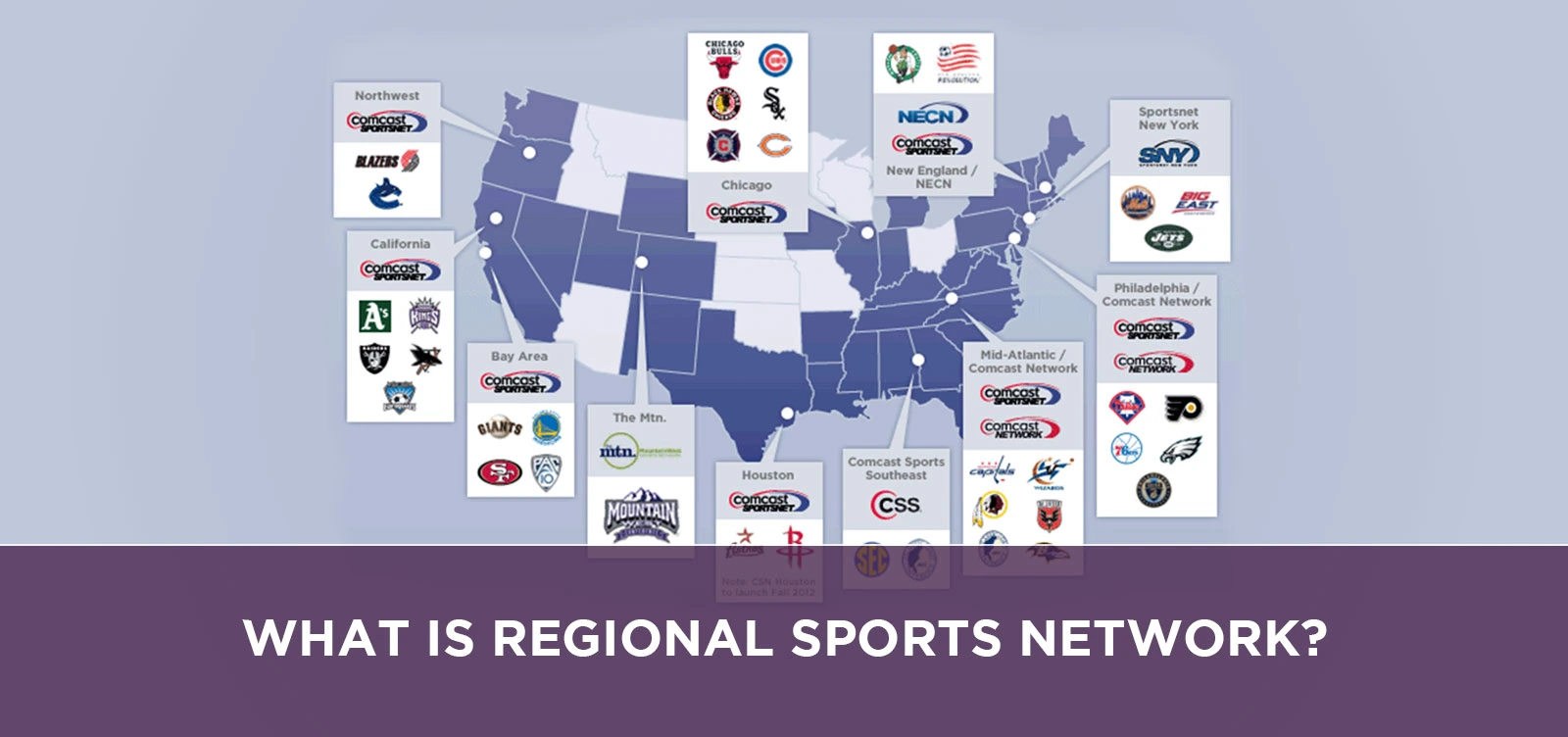
The "regional" aspect of RSNs is their defining characteristic. This scope can vary significantly. Some RSNs cover an entire state, broadcasting games from multiple professional teams and a multitude of college programs within that state. Others are more metropolitan, focusing on the teams within a single large city and its immediate surrounding suburbs. For example, an RSN might cover the NBA, MLB, NHL, and NFL teams based in a major city, alongside the athletic programs of the prominent universities in that same area. This localized focus allows RSNs to cultivate deep relationships with the teams they cover, often having exclusive broadcast rights, which in turn provides fans with access they can't find elsewhere. The content is curated to appeal directly to the local fanbase, ensuring that the most relevant and compelling sports narratives are at the forefront of their programming schedule. Understanding this regional focus is key to grasping the unique value proposition of RSNs in the crowded media market.
The Role of RSNs in the Sports Ecosystem
RSNs play a multifaceted role in the broader sports ecosystem. For professional leagues and collegiate conferences, RSNs are crucial partners in revenue generation and fan engagement. They provide a consistent platform for broadcasting games, reaching a dedicated local audience that translates into significant advertising and sponsorship opportunities. For athletes and coaches, RSNs offer exposure and a means to connect with their fanbase beyond the stadium or arena. For the sports media industry, RSNs represent a significant segment of the television rights market, contributing billions of dollars annually to the sports economy. Their existence also fuels a robust ecosystem of sports journalism, production crews, sales teams, and marketing professionals, all dedicated to bringing local sports to life for passionate viewers. Without RSNs, the economic viability and fan connection for many mid-tier professional teams and major collegiate programs would be significantly diminished.
The History and Evolution of RSNs
The genesis of Regional Sports Networks can be traced back to the early days of cable television. As cable systems expanded their reach and channel capacity in the late 1970s and 1980s, there was a growing recognition of the potential to serve niche audiences with specialized content. Sports, with its passionate and dedicated fanbase, was a natural fit. Early RSNs often emerged from local broadcast stations or were established by entrepreneurs who saw an opportunity to aggregate local sports rights and deliver them to cable subscribers in a specific region. These early ventures were pioneers, experimenting with broadcast models and content strategies that would eventually define the RSN landscape. The growth of RSNs mirrored the expansion of cable itself, becoming increasingly sophisticated and influential as the technology and the sports media business matured.
Early Pioneers and the Rise of Cable
The 1970s and 1980s saw the birth of some of the first dedicated sports channels, including those with a regional focus. Initially, these networks were often limited in their reach and programming. However, as cable penetration increased and technology improved, the ability to deliver dedicated regional sports content became more feasible. Networks like SportsChannel America, which eventually spawned regional versions, and Prime Network (a precursor to Fox Sports Net) were among the early players. These networks began securing broadcast rights for local professional teams, offering a more consistent and accessible way for fans to watch their favorite teams play than relying on infrequent local over-the-air broadcasts or national network coverage. The subscription model of cable provided a direct revenue stream that allowed these networks to invest in more content and production value.
Consolidation and the Fox Sports Era
The 1990s marked a period of significant consolidation and growth in the RSN market. The emergence of Fox Sports Net (FSN) as a national entity with a network of regional affiliates was a pivotal moment. Fox acquired several existing regional sports networks and rebranded them under the FSN umbrella, creating a powerful national brand with strong local presences. This strategy allowed for shared resources, national marketing efforts, and a more unified approach to sports broadcasting. During this era, RSNs became increasingly aggressive in bidding for broadcast rights, driving up the value of these rights and solidifying their importance to professional sports leagues. The competition intensified, leading to more sophisticated production values and a wider array of programming beyond live games. This period also saw the rise of dedicated local sports news shows and analyst panels, further cementing the RSN's role as the primary source for local sports information.
The Digital Transition and Streaming Challenges
As the 21st century progressed, the media landscape began to shift dramatically with the advent of digital streaming and the cord-cutting phenomenon. RSNs, traditionally reliant on cable and satellite subscriptions, found themselves facing new challenges. While many RSNs launched their own streaming apps or partnered with streaming services to offer their content digitally, the economics of this transition have been complex. The high cost of sports rights, combined with the fragmentation of the audience across various streaming platforms, has put pressure on the traditional RSN business model. In recent years, we've seen major sports leagues and teams exploring direct-to-consumer streaming options, and some RSNs have been acquired by larger media conglomerates or sports organizations, signaling a period of adaptation and evolution in how regional sports content is delivered and consumed. The 2025-26 season continues to see these trends play out, with ongoing negotiations and strategic shifts in the RSN space.
How Regional Sports Networks Operate
The operational framework of a Regional Sports Network (RSN) is a complex interplay of rights acquisition, content production, distribution, and sales. At its core, an RSN is a business entity that licenses the broadcast rights to sporting events from leagues, teams, or collegiate athletic conferences. These rights are often exclusive within a defined geographic territory and for a specified duration. Once these rights are secured, the RSN invests heavily in producing high-quality broadcasts. This involves hiring production crews, securing broadcast facilities, and developing sophisticated broadcasting technology to capture and transmit games. The live games are the primary product, but RSNs also create a significant amount of supplementary content, including studio shows, analysis, interviews, and documentaries, to fill their programming schedules and engage viewers between games. Distribution is a critical component, traditionally achieved through agreements with cable and satellite television providers who then offer the RSN as part of their channel packages to subscribers within the designated region. Advertising sales teams work to sell commercial slots during broadcasts and sponsorships for various programming elements, generating a significant portion of the network's revenue. The 2025-26 broadcast season sees RSNs navigating a landscape where digital distribution is increasingly important, alongside traditional cable carriage.
Acquiring Broadcast Rights
The foundation of any RSN's existence is the acquisition of broadcast rights. This is a highly competitive and often expensive process. RSNs negotiate directly with professional sports leagues (like MLB, NBA, NHL), individual teams, and major collegiate athletic conferences. The value of these rights is determined by factors such as the popularity of the teams, the potential viewership within the region, and the league's overall media strategy. Rights agreements typically grant the RSN the exclusive right to broadcast games within a specific geographic territory for a set number of seasons. These contracts can run for many years and involve substantial financial commitments, often hundreds of millions of dollars. The 2025-26 season has seen significant shifts in rights negotiations, with some leagues exploring direct-to-consumer models or new partnership structures, influencing the landscape for RSNs.
Content Production and Broadcasting
Once rights are secured, the focus shifts to production. RSNs employ skilled production teams, including directors, camera operators, sound engineers, and technical staff, to capture live events. They operate from broadcast trucks or studios, utilizing multiple camera angles, instant replays, and sophisticated graphics to enhance the viewing experience. Beyond live games, RSNs produce a variety of original content. This includes:
- Pre-game and Post-game Shows: In-depth analysis, expert commentary, and interviews before and after each game.
- Team-Specific Programs: Documentaries, historical retrospectives, and behind-the-scenes looks at teams and players.
- Sports News and Analysis: Daily or weekly shows covering local sports news, scores, and trending topics.
- Coach and Player Shows: Interviews and segments featuring key figures from the teams.
The quality of production is paramount, as RSNs compete for viewer attention not only with other regional channels but also with national sports broadcasters and digital streaming platforms. Investment in technology and talent is continuous to maintain a premium viewing experience for the 2025-26 season and beyond.
Distribution Channels
Historically, the primary distribution channel for RSNs has been through traditional cable and satellite television providers. These providers pay carriage fees to the RSNs for the right to include their channels in their programming packages. The RSN's content is then made available to subscribers within the RSN's designated broadcast territory. In recent years, the rise of streaming has necessitated adaptation. Many RSNs have launched their own direct-to-consumer (D2C) streaming services or partnered with existing streaming platforms (like Hulu + Live TV, YouTube TV, Sling TV) to offer their content digitally. However, the economics of these digital distribution models are still evolving, and securing carriage on major streaming services remains a key objective for RSNs in the 2025-26 market. Some RSNs are also exploring partnerships with leagues for direct streaming rights, further diversifying their distribution strategies.
Advertising and Revenue Generation
Advertising revenue is a cornerstone of the RSN business model. RSNs sell commercial time during live game broadcasts, studio shows, and other programming. Advertisers typically include national brands looking to reach a sports-focused audience and local businesses seeking to connect with consumers in the RSN's specific geographic market. Sponsorships are also a significant revenue stream. This can include sponsoring pre-game shows, post-game analysis, specific segments, or even entire broadcasts. The value of advertising and sponsorship on RSNs is driven by the passionate and engaged nature of their viewership. Fans of regional sports are often highly invested in their teams, making them a desirable demographic for advertisers. In addition to advertising, carriage fees paid by cable and satellite providers are a critical source of revenue, forming the basis of the RSN's financial stability. The 2025-26 season continues to see a dynamic advertising market, with RSNs adapting to new digital advertising opportunities alongside traditional television buys.
Key Features and Offerings of RSNs
Regional Sports Networks are characterized by a suite of offerings designed to cater specifically to the needs and desires of local sports fans. Their programming goes far beyond simply broadcasting live games. They aim to create an immersive and comprehensive viewing experience that keeps fans connected to their teams year-round. This includes a variety of content formats, from in-depth analysis and breaking news to historical retrospectives and exclusive behind-the-scenes access. The emphasis is always on the local angle, providing context and narrative that national broadcasts might overlook. For dedicated fans, RSNs are the definitive source for all things related to their favorite teams, fostering a sense of community and shared passion that is difficult to replicate through other media channels. The 2025-26 season highlights the ongoing evolution of these offerings, with RSNs increasingly integrating digital and interactive elements into their programming.
Live Game Broadcasts
The flagship offering of any RSN is its live game broadcasts. These networks hold the exclusive rights to televise a significant portion of the regular season, playoff, and sometimes even exhibition games for the professional and collegiate teams within their designated region. This includes major sports like baseball (MLB), basketball (NBA), hockey (NHL), and football (NFL), as well as prominent college sports such as football and basketball. The broadcast quality is typically high, featuring multiple camera angles, professional announcers, color commentators with sports expertise, and on-field/on-court reporters. For many fans, the RSN is the only reliable way to watch their local teams play live, making these broadcasts the primary driver of viewership and subscription value. The 2025-26 season will see continued focus on delivering these live games with enhanced production values and potentially interactive features.
Pre-Game and Post-Game Analysis
Complementing the live game broadcasts are extensive pre-game and post-game analysis shows. These studio-based programs are staffed by experienced hosts, former players, coaches, and seasoned sports journalists who provide viewers with crucial context and insights. Before a game, these shows typically delve into team strategies, player matchups, injury reports, and predictions. After the game, they offer immediate reactions, game breakdowns, player performance evaluations, and interviews with coaches and key players. This analytical content is vital for fans who want to understand the nuances of the game and gain a deeper appreciation for their team's performance. The 2025-26 season will likely see these shows incorporating more advanced analytics and potentially interactive fan polls or Q&A sessions.
Sports News and Documentaries
Beyond game coverage, RSNs produce a steady stream of local sports news and original documentary content. These news programs provide up-to-the-minute updates on local teams, player transactions, coaching changes, and league news, often with a focus on stories that might not receive national attention. The documentary offerings are a significant draw for dedicated fans, allowing them to delve deeper into the history of their favorite teams, explore the lives of iconic athletes, or revisit memorable moments. These productions often involve extensive archival footage, interviews with key figures, and compelling storytelling, offering a rich narrative experience that builds fan loyalty and engagement. The 2025-26 programming slate will likely feature new documentaries celebrating anniversaries or exploring current team narratives.
Exclusive Interviews and Behind-the-Scenes Access
A key differentiator for RSNs is their ability to secure exclusive interviews with players, coaches, and team personnel. Because of their long-standing relationships and local focus, RSN reporters often have privileged access that national outlets may not. This allows them to bring fans unique perspectives, candid insights, and breaking news directly from the source. Furthermore, many RSNs offer behind-the-scenes glimpses into team practices, locker rooms, and training facilities. This type of content fosters a sense of intimacy and connection between the fans and their teams, making the viewing experience more personal and engaging. This access is a critical component of RSNs' value proposition in the 2025-26 media environment.
The Importance of RSNs for Teams and Leagues
Regional Sports Networks are not merely broadcasters; they are indispensable partners for professional sports teams and collegiate athletic programs. Their role extends far beyond simply televising games. RSNs are crucial engines for revenue generation, fan engagement, and brand building within a specific geographic market. By providing consistent, high-quality coverage, they help teams cultivate and maintain a loyal fanbase, which is essential for ticket sales, merchandise, and overall team value. The financial commitments made by RSNs for broadcast rights are a significant source of income for many organizations, enabling them to invest in player salaries, facilities, and infrastructure. Furthermore, RSNs act as powerful marketing tools, amplifying the team's presence within their community and reaching potential new fans. In the 2025-26 landscape, RSNs continue to be a cornerstone of the financial and promotional strategies for countless sports entities.
Revenue Generation Through Media Rights
One of the most significant contributions of RSNs to teams and leagues is the revenue generated through media rights deals. These contracts, often spanning multiple years and worth hundreds of millions of dollars, provide a substantial and predictable income stream. For professional sports teams, this revenue is vital for covering player salaries, operational costs, and investments in team infrastructure. For major collegiate athletic programs, RSN deals are often the largest single source of revenue, funding scholarships, facility upgrades, and the entire athletic department. The 2025-26 season sees continued high valuations for these rights, although the market is dynamic, with leagues exploring various distribution models that impact RSNs.
Fan Engagement and Loyalty
RSNs are instrumental in fostering and maintaining fan engagement and loyalty. By providing constant access to games, analysis, and team-related content, they keep fans connected to their favorite teams throughout the season and even during the offseason. This consistent presence builds a strong emotional connection, encouraging fans to attend games, purchase merchandise, and remain invested in the team's success. The localized nature of RSNs allows them to speak directly to the passions and rivalries that define a regional fanbase, creating a sense of shared identity and community. This deep engagement is invaluable for teams looking to build a lasting legacy and a robust fan base for the 2025-26 season and beyond.
Brand Building and Marketing
RSNs serve as powerful marketing platforms for teams and leagues. The extensive airtime dedicated to a team's games, highlights, and features significantly boosts its brand visibility within the region. RSNs can highlight team narratives, celebrate historical achievements, and promote upcoming events, effectively shaping public perception and generating excitement. For new or rebuilding teams, RSN coverage is crucial for establishing a presence and attracting a new generation of fans. The broad reach of RSNs ensures that team branding is consistently reinforced across a significant portion of the target audience, a strategy that remains vital in the 2025-26 marketing landscape.
Development of Talent and Coaching
While not a direct financial contribution, the visibility provided by RSNs indirectly supports the development of talent and coaching. For collegiate athletes, consistent national and regional television exposure can be a significant factor in their development and future professional prospects. It also attracts top recruits to programs that have strong media partnerships. For coaches, the platform provided by RSNs allows them to showcase their strategies and build their reputations. The analytical segments and game breakdowns on RSNs can also serve as valuable learning tools for players and coaches alike, contributing to the overall improvement of the sport within the region. This developmental aspect is a long-term benefit that RSNs contribute to the sports ecosystem through the 2025-26 season.
The Importance of RSNs for Fans
For the dedicated sports enthusiast, Regional Sports Networks are more than just a source of entertainment; they are an essential conduit to their passion. RSNs provide unparalleled access to the teams they care about most, offering a level of depth and detail that national broadcasts simply cannot match. This localized focus cultivates a strong sense of community, allowing fans to share in the highs and lows of their team's journey with like-minded individuals. The comprehensive coverage, from live games to insightful analysis and behind-the-scenes content, ensures that fans remain deeply connected and informed. In an era of increasing media fragmentation, RSNs serve as a reliable and familiar hub for local sports fandom, a role that remains critical for the 2025-26 season.
Access to Local Teams
The primary value proposition of RSNs for fans is the unparalleled access they provide to their local professional and collegiate teams. These networks hold the broadcast rights to a vast majority of games, ensuring that fans can follow their favorite teams' seasons from start to finish. This includes regular season games, playoff matchups, and sometimes even preseason contests, all delivered in high definition with professional commentary. For fans who cannot attend games in person, the RSN is their primary window into the action, making it an indispensable part of their sports-viewing habits. This consistent access is a cornerstone of fan loyalty for the 2025-26 season.
In-Depth Analysis and Commentary
Beyond live game broadcasts, RSNs offer a wealth of in-depth analysis and commentary that enriches the fan experience. Expert hosts, former players, and seasoned journalists break down game strategies, analyze player performances, and discuss team news with a local perspective. This content goes beyond surface-level observations, providing fans with tactical insights, historical context, and nuanced opinions that deepen their understanding and appreciation of the sport. The pre-game and post-game shows, in particular, are crucial for fans who want to dissect every aspect of their team's performance and stay ahead of the curve in sports discussions. This analytical depth is a key differentiator in the 2025-26 market.
Fostering Community and Shared Experience
RSNs play a vital role in building and nurturing a sense of community among local sports fans. By focusing on the same teams and sharing the same viewing experience, fans feel connected to a larger collective. This shared passion creates a sense of belonging and allows fans to engage with each other, whether through online forums, social media discussions, or in-person gatherings. The commentary and analysis on RSNs often reflect the collective sentiment of the fanbase, further strengthening this bond. This communal aspect is a powerful driver of fan loyalty and makes the RSN an integral part of the local sports culture, a role that will continue through the 2025-26 season.
Local Sports News and Features
RSNs provide a dedicated platform for local sports news and features that often go unnoticed by national outlets. This includes coverage of team practices, player interviews, injury updates, and stories about up-and-coming athletes. They also delve into the history of local teams, celebrate iconic moments, and highlight community initiatives involving athletes and organizations. This comprehensive local focus ensures that fans are not only informed about game results but also deeply connected to the broader narrative surrounding their teams and the local sports scene. This hyper-local content is a critical component of the RSN's value for the 2025-26 season.
RSNs vs. National Sports Networks: A Comparison
The distinction between Regional Sports Networks (RSNs) and National Sports Networks is fundamental to understanding the sports broadcasting landscape. While both aim to deliver sports content to viewers, their scope, focus, and target audience differ significantly. National networks, such as ESPN, Fox Sports 1, or CBS Sports Network, broadcast a wide array of sports events, leagues, and teams that have national appeal. Their programming is designed for a nationwide audience and often features marquee matchups, major championships, and broad sports news coverage. RSNs, conversely, concentrate their efforts on a specific geographic region, prioritizing the teams and athletic programs within that territory. This localized approach allows RSNs to offer a depth of coverage and a level of intimacy that national networks typically cannot provide. The following comparison highlights the key differences and unique strengths of each type of network, relevant for the 2025-26 viewing season.
Scope of Coverage
RSNs: Focus on a specific geographic region (e.g., a state, metropolitan area). They broadcast games and related content for professional teams (MLB, NBA, NHL, NFL if applicable) and major collegiate athletic programs within that region. Their content is hyper-local, catering to the specific fan base of those teams.
National Networks: Cover a broad spectrum of sports events and leagues with national appeal. This includes major national championships (Super Bowl, NBA Finals, World Series), popular college sports across the country, and a wide range of other sports like soccer, golf, tennis, and motorsports. Their audience is nationwide.
Target Audience
RSNs: Primarily target passionate fans of specific local teams within their broadcast territory. These are viewers who are deeply invested in the success of their hometown franchises and collegiate programs.
National Networks: Aim for a broad audience of general sports fans across the country. They cater to viewers interested in a variety of sports, major events, and national sports news and analysis.
Content Focus
RSNs: Emphasize live game broadcasts of local teams, along with in-depth pre-game and post-game analysis, team-specific news, documentaries, and exclusive interviews with local athletes and coaches. The focus is on providing a comprehensive, year-round connection to regional sports.
National Networks: Offer a wide variety of live events, including marquee matchups and championships. Their programming also includes national sports news shows, analysis programs, sports talk shows, and features on athletes and stories with national relevance.
Production and Personalization
RSNs: While production quality is generally high, the focus is on personalization for the local market. Announcers and analysts often have deep ties to the local teams and fan base, providing commentary that resonates specifically with that audience. They can offer more in-depth, localized narratives.
National Networks: Typically have larger production budgets and more sophisticated broadcast infrastructure to handle national events. Their commentary teams are composed of well-known sports personalities and analysts with broad national appeal, but may lack the specific local flavor.
Revenue Model
RSNs: Primarily rely on carriage fees paid by cable and satellite providers for distribution within their region, supplemented by local and national advertising and sponsorships. Digital streaming revenue is becoming increasingly important.
National Networks: Generate revenue through national advertising, cable and satellite carriage fees across the country, and increasingly through direct-to-consumer (DTC) streaming subscriptions.
Rights Agreements
RSNs: Secure exclusive broadcast rights for specific teams and leagues within their defined geographic territories. These rights are often the most valuable assets for an RSN.
National Networks: Negotiate broadcast rights for events and leagues with national appeal, often involving large, multi-year, multi-billion dollar deals that cover the entire country.
Challenges Facing RSNs in 2025-26
The landscape for Regional Sports Networks (RSNs) is undergoing a period of significant transformation, presenting a complex set of challenges for the 2025-26 broadcast season. The traditional business model, heavily reliant on cable and satellite subscriptions, is being disrupted by cord-cutting and the proliferation of streaming services. This shift impacts carriage fees, advertising revenue, and the overall accessibility of RSN content. Furthermore, the escalating cost of sports rights continues to be a major financial pressure point, forcing RSNs to carefully manage their investments and explore new revenue streams. The competitive environment is also intensifying, with leagues and teams increasingly considering direct-to-consumer (DTC) streaming options, which could bypass traditional RSN distribution altogether. Navigating these multifaceted challenges requires RSNs to be agile, innovative, and strategic in their approach to content delivery, distribution, and monetization.
Cord-Cutting and Declining Cable Subscriptions
One of the most significant challenges facing RSNs is the ongoing trend of cord-cutting. As consumers increasingly opt for streaming services over traditional cable and satellite packages, the subscriber base that RSNs rely on for carriage fees is shrinking. This decline directly impacts the revenue generated by RSNs, as cable and satellite providers pay fees based on the number of subscribers. The 2025-26 season continues to see this trend persist, forcing RSNs to find alternative ways to reach their audiences and diversify their revenue streams beyond traditional cable bundles.
Escalating Sports Rights Costs
The cost of acquiring broadcast rights for professional and collegiate sports leagues has skyrocketed over the past few decades, and this trend shows no signs of abating for the 2025-26 season. RSNs must pay substantial fees to secure the rights to televise games, which puts immense financial pressure on their business models. As these costs continue to rise, RSNs face difficult decisions about which rights to pursue and how to balance these expenditures with their advertising and carriage fee revenues. This can lead to difficult negotiations with leagues and potentially impact the number of games or leagues an RSN can afford to broadcast.
Competition from Streaming Services and DTC Options
The rise of streaming services has created a more fragmented media landscape. RSNs now compete not only with other RSNs and national sports networks but also with a growing number of streaming platforms that offer live sports content. Furthermore, leagues and teams are increasingly exploring Direct-to-Consumer (DTC) streaming options, allowing fans to subscribe directly to their games without going through a traditional RSN or cable provider. This trend poses a significant threat to the RSN model, as it could lead to a loss of valuable broadcast rights and a direct bypass of their distribution channels. The 2025-26 season is likely to see further experimentation and potential consolidation in this area.
Audience Fragmentation
With the proliferation of content across numerous platforms and devices, audience fragmentation is a growing concern for RSNs. Fans have more choices than ever before regarding how and where they consume sports content. This makes it challenging for RSNs to maintain a consistent and engaged viewership for their broadcasts and related programming. Reaching and retaining a dedicated audience in this fragmented environment requires innovative content strategies, targeted marketing, and a strong multi-platform presence. The 2025-26 season demands a sophisticated approach to audience engagement across all available channels.
Monetization Challenges in the Digital Space
While RSNs have made strides in offering digital streaming options, effectively monetizing this content remains a challenge. The economics of digital advertising and subscription models are different from traditional television. RSNs must find ways to generate sufficient revenue from their digital offerings to offset declining cable revenues and cover the high costs of sports rights. This involves developing compelling digital-only content, optimizing ad placements, and potentially exploring new subscription tiers or partnership models. The 2025-26 period is crucial for RSNs to solidify their digital monetization strategies.
The Future of Regional Sports Networks
The future of Regional Sports Networks (RSNs) is a topic of intense speculation and strategic maneuvering within the sports media industry. While facing significant challenges, the core value proposition of RSNs – delivering hyper-local sports content to dedicated fan bases – remains strong. The key to their survival and potential growth lies in their ability to adapt to the evolving media landscape. This will likely involve a multi-pronged approach: embracing direct-to-consumer (DTC) streaming models, forging strategic partnerships with national media conglomerates and technology companies, and potentially consolidating their operations to achieve greater economies of scale. Innovation in content creation, leveraging data analytics to understand fan behavior, and offering more interactive viewing experiences will also be crucial. The 2025-26 season is a pivotal period, where RSNs will either solidify their transformation or face further disruption, ultimately redefining their role in how fans connect with their local teams.
Embracing Direct-to-Consumer (DTC) Models
A significant part of the future for RSNs involves embracing Direct-to-Consumer (DTC) streaming models. Instead of relying solely on cable and satellite providers for distribution, RSNs are increasingly launching their own streaming services or partnering with existing platforms to offer their content directly to fans. This allows them to reach cord-cutters and younger demographics who may not subscribe to traditional pay-TV packages. The 2025-26 season will likely see a continued expansion of these DTC offerings, providing fans with more flexible and accessible ways to watch their favorite regional sports content.
Strategic Partnerships and Consolidation
To navigate the challenging economic climate and competitive pressures, RSNs are increasingly likely to engage in strategic partnerships and consolidation. This could involve larger media companies acquiring RSNs, or RSNs merging with each other to create larger, more financially stable entities. Partnerships with technology companies, telecommunications providers, or even leagues themselves could also offer new avenues for distribution, content creation, and revenue generation. Consolidation can lead to greater efficiencies, broader reach, and enhanced bargaining power in rights negotiations, which will be critical for the 2025-26 market.
Innovation in Content and Technology
The future of RSNs will be shaped by their willingness to innovate in both content creation and technology. This includes developing more engaging and interactive programming, such as augmented reality overlays, real-time statistics, and fan-driven polls during broadcasts. Leveraging data analytics to personalize content recommendations and advertising will also be key. Furthermore, RSNs will need to invest in advanced broadcasting technologies to deliver high-quality streams across multiple platforms, ensuring a seamless viewing experience for fans regardless of how they choose to watch. The 2025-26 season will demand a forward-thinking approach to technological integration.
Evolving Revenue Streams
Beyond traditional advertising and carriage fees, RSNs will need to diversify their revenue streams to ensure long-term viability. This could include exploring new sponsorship opportunities, offering premium subscription tiers for exclusive content or ad-free viewing, developing e-commerce integrations, and potentially even venturing into sports betting content and partnerships. Understanding and adapting to changing consumer spending habits and preferences will be paramount. The 2025-26 period represents a critical juncture for RSNs to establish robust and sustainable new revenue models.
How to Access Regional Sports Networks
Accessing Regional Sports Networks (RSNs) in 2025-26 involves understanding the various distribution channels available, which have evolved significantly from traditional cable-only offerings. While many RSNs are still carried by major cable and satellite providers, the rise of streaming services has opened up new avenues for viewers. To determine which RSNs are available in your specific geographic location, it's essential to consult local listings or the RSN's official website. The options range from traditional pay-TV packages to live TV streaming services that bundle RSNs, and in some cases, direct-to-consumer (DTC) streaming subscriptions offered by the RSNs themselves or the leagues they cover. Understanding your local team's broadcast rights and the RSNs that hold them is the first step to ensuring you don't miss a single game.
Traditional Cable and Satellite Providers
The most established way to access RSNs is through traditional cable and satellite television providers. Major providers like Comcast (Xfinity), Charter (Spectrum), DirecTV, Dish Network, and others typically carry the RSNs that broadcast within their service areas. To find out which RSNs are available to you, you will need to check the channel lineups offered by providers in your specific region. Often, RSNs are included in sports-tier packages or higher-end bundles, and their availability can vary significantly from one provider and location to another. For the 2025-26 season, these remain a primary, though declining, method of access for many households.
Live TV Streaming Services
A growing number of live TV streaming services offer packages that include RSNs, providing an alternative for cord-cutters. Services like Hulu + Live TV, YouTube TV, Sling TV (with specific sports add-ons), and FuboTV often carry a selection of popular RSNs. The availability of specific RSNs on these platforms is highly dependent on your geographic location, as these services must negotiate carriage agreements for each region. It's crucial to verify which RSNs are included in the service's offerings for your area before subscribing. These services provide flexibility and can be a cost-effective option for accessing both local and national sports channels. The 2025-26 market sees these services becoming increasingly vital for RSN access.
Direct-to-Consumer (DTC) Streaming
In some cases, RSNs or the leagues they cover offer their own Direct-to-Consumer (DTC) streaming subscriptions. This allows fans to subscribe directly to the RSN's content without needing a traditional cable or satellite package. For example, some MLB teams have their own streaming services for out-of-market games, and some RSNs have launched their own apps or web portals for subscribers. The availability and cost of these DTC options vary widely. Leagues like the NBA and NHL also offer league-wide streaming packages that may include access to regional games, though blackout restrictions often apply within the team's home market. This is a growing area for RSN access in the 2025-26 season.
Checking Local Listings and RSN Websites
The most reliable way to determine which RSNs are available in your area and how to access them is to consult local resources. This includes checking the channel guide provided by your cable or satellite provider, or visiting the official website of the RSN you are interested in. Most RSN websites will have a "Where to Watch" or "Channel Finder" section that allows you to enter your zip code and see which providers carry their network. For league-specific streaming, checking the official league website will provide details on available packages and blackout rules. This direct approach ensures you have the most accurate and up-to-date information for the 2025-26 season.
In conclusion, Regional Sports Networks (RSNs) are specialized broadcast channels dedicated to delivering comprehensive coverage of local sports teams and events within a specific geographic area. They are crucial for both the financial health of sports organizations and the passionate engagement of fans. While facing significant challenges in the evolving media landscape, RSNs are adapting through DTC streaming, strategic partnerships, and technological innovation. For fans seeking to follow their favorite local teams, understanding the various access methods—from traditional cable to live TV streaming and direct subscriptions—is key to staying connected throughout the 2025-26 season and beyond. By embracing these changes, RSNs aim to remain an indispensable part of the sports viewing experience for years to come.