-
Posted on: 07 Jan 2026
-
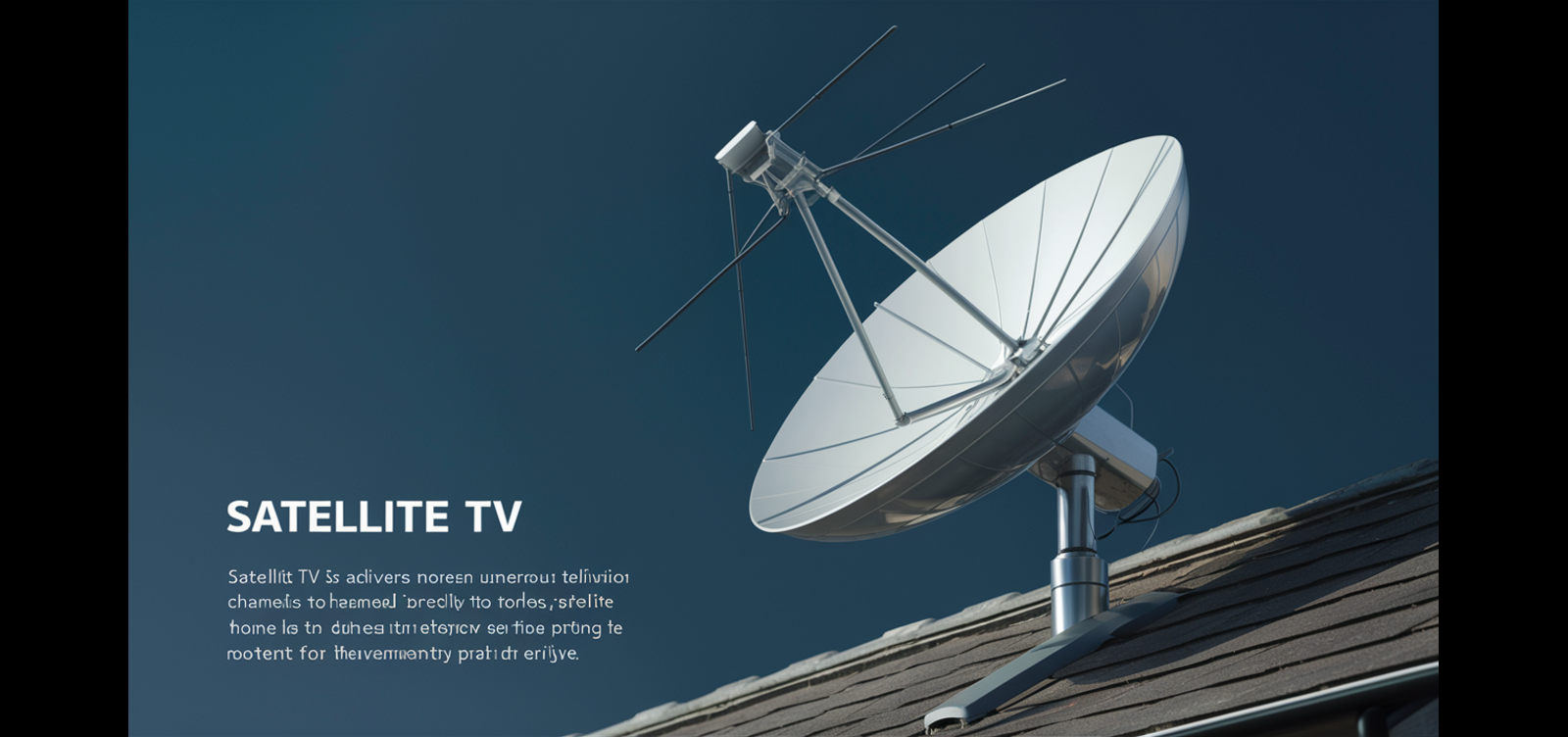
Satellite TV offers a unique way to access a vast array of entertainment and information channels directly to your home. This guide delves into the core of what satellite TV is, how its intricate system functions from space to your screen, and what makes it a compelling choice for millions.
What Exactly Is Satellite TV?
Satellite television, often abbreviated as satellite TV, is a system for receiving television broadcasts by using signals from orbiting satellites. Unlike terrestrial television which relies on ground-based transmitters, or cable television which uses physical wires, satellite TV beams signals from a broadcasting station up to a satellite positioned in geostationary orbit above the Earth. This satellite then relays the signal back down to a small dish antenna installed at the subscriber's home. From this dish, the signal is sent via coaxial cable to a set-top box (receiver) inside the house, which decodes the signal and displays the channels on your television. This method allows for a wide distribution of television programming, reaching even remote areas where traditional cable infrastructure is impractical or impossible to install. It’s a technology that democratized access to a diverse range of channels, from local news and national networks to international programming and specialized sports or movie channels, all from a single, unified system.
A Brief History of Satellite Television
The concept of using satellites for communication dates back to the mid-20th century, with early theoretical work by visionaries like Arthur C. Clarke. The practical implementation of satellite television began to take shape in the 1960s. Early satellite broadcasts were often experimental and limited in scope. However, by the 1970s and 1980s, direct broadcast satellite (DBS) systems started to emerge, making it possible for individual homes to receive satellite signals. The development of more powerful satellites and smaller, more affordable satellite dishes in the late 20th and early 21st centuries revolutionized the industry. This technological advancement led to increased competition and a wider variety of channels becoming available to consumers. Today, satellite TV remains a significant player in the media landscape, continually adapting to new technologies and consumer demands.
Global Reach and Accessibility
One of the most significant advantages of satellite TV is its unparalleled global reach. Because signals are broadcast from space, they can cover vast geographical areas, including continents and oceans. This makes satellite TV an ideal solution for:
- Rural and Remote Areas: Where laying cable infrastructure is prohibitively expensive or technically challenging, satellite dishes can provide access to a full range of channels.
- Developing Nations: Satellite technology can leapfrog the need for extensive ground infrastructure, bringing television services to populations that might otherwise be underserved.
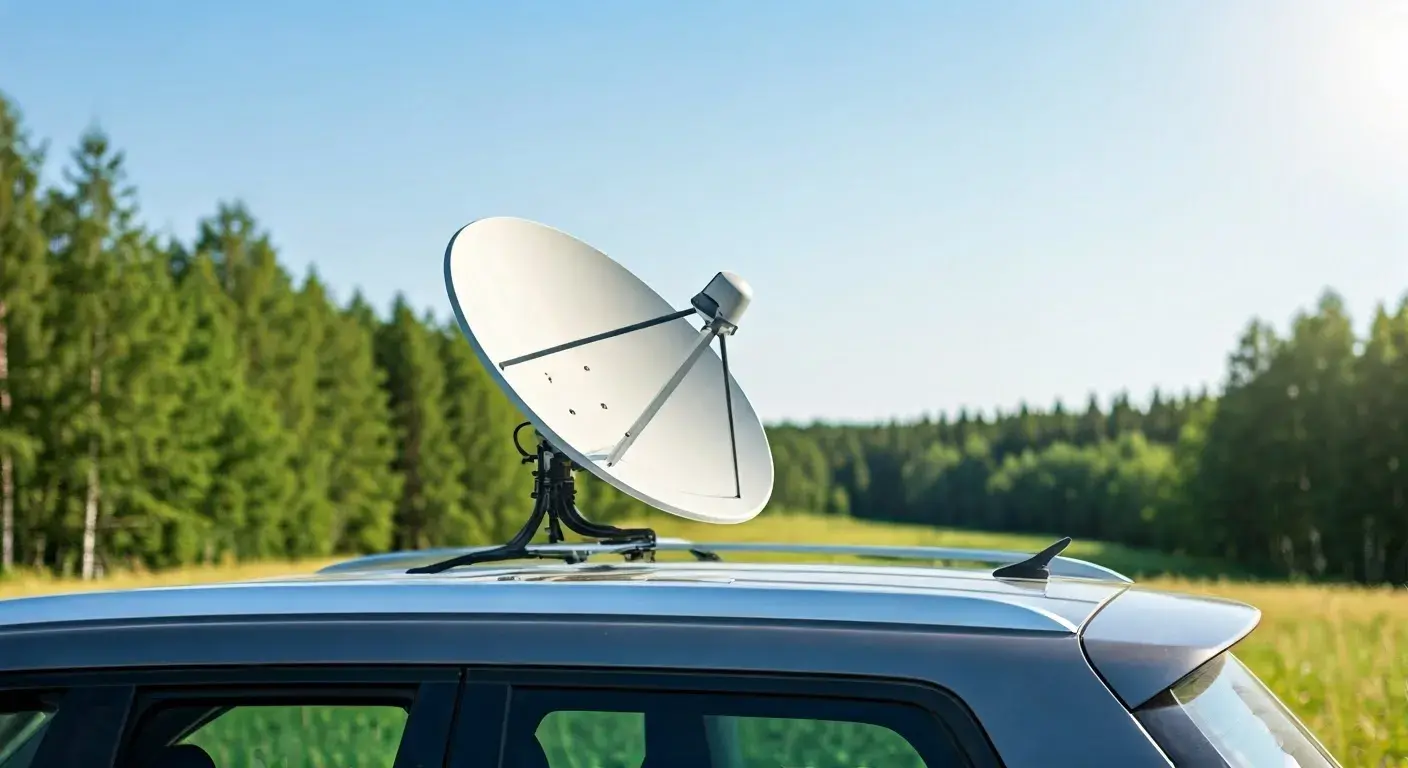
- Mobile Platforms: Satellite signals can be received by ships, airplanes, and even RVs, offering entertainment and information on the go.
This broad accessibility has made satellite TV a crucial tool for information dissemination and entertainment worldwide. As of 2025, global satellite TV subscriptions continue to serve hundreds of millions of households, underscoring its enduring relevance.
How Does Satellite TV Work? The Journey of a Signal
Understanding how satellite TV works involves tracing the path of a television signal from its origin to your living room. It's a sophisticated process involving multiple stages, each critical to delivering the content you watch. The entire system is designed for reliability and broad coverage, leveraging the unique vantage point of satellites in space.
1. The Uplink: From Earth to Space
The journey begins at a ground-based broadcast facility, often called an uplink center. Here, television channels are collected from various sources – studios, news feeds, sports events, etc. These signals are then processed, compressed, and converted into a format suitable for transmission to space. Powerful transmitters at the uplink center beam these signals upwards towards a specific satellite in orbit. This upward transmission is known as the "uplink." The uplink dish at the broadcast center is large and precisely aimed at the satellite.
2. The Satellite: A Celestial Relay Station
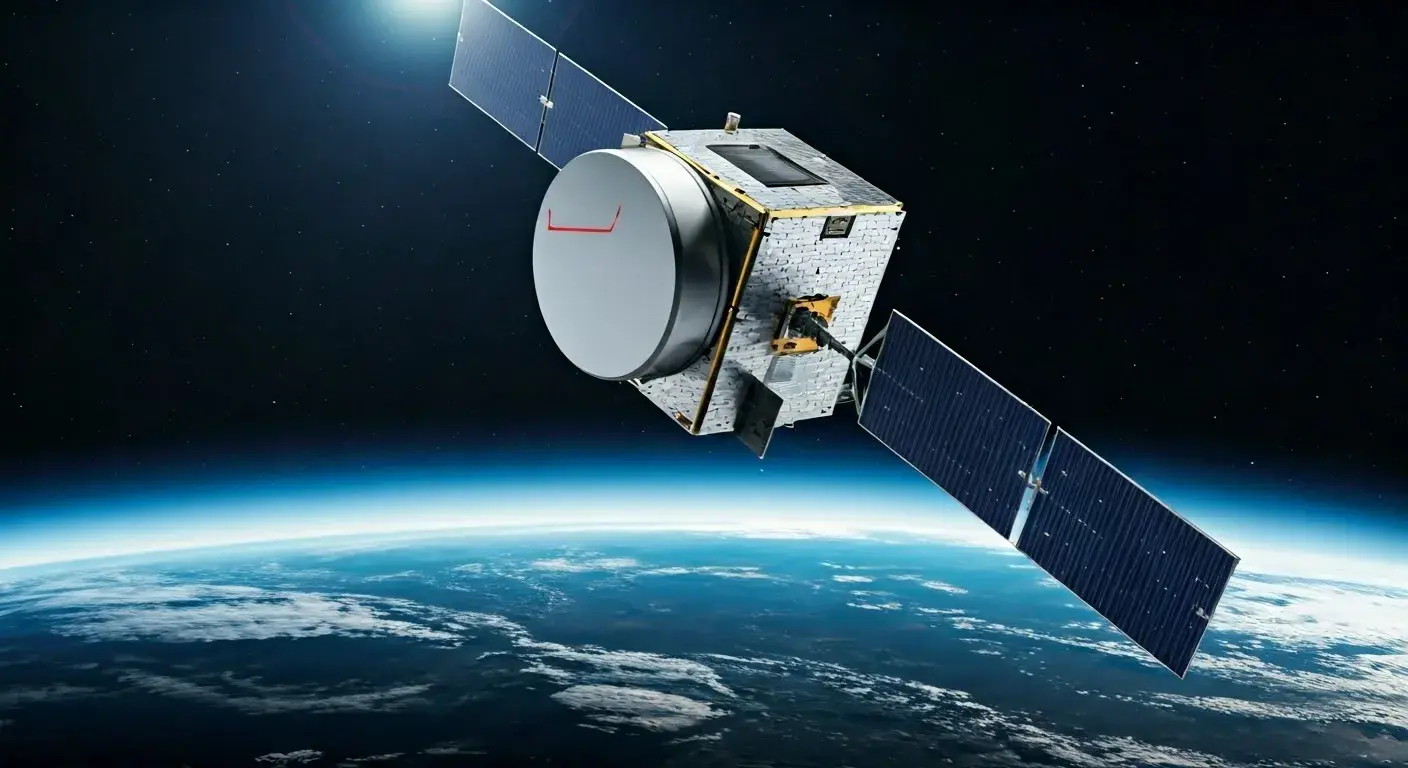
The satellite acts as a sophisticated mirror or repeater in space. Positioned in a geostationary orbit (GEO) approximately 22,000 miles (35,786 kilometers) above the Earth's equator, these satellites maintain a fixed position relative to a specific point on the ground. This fixed position is crucial for allowing ground antennas to remain pointed at the satellite without constant adjustment. The satellite receives the uplinked signal, amplifies it, and then re-transmits it back down to Earth. It does this on different frequencies to avoid interference with the incoming signal. A single satellite can carry hundreds of television channels simultaneously, thanks to advanced signal processing and frequency management.
3. The Downlink: From Space to Your Home
The signal, now re-transmitted by the satellite, travels back down to Earth. This downward transmission is called the "downlink." This is where the subscriber's equipment comes into play. A satellite dish, typically a parabolic antenna, is installed at the viewer's home. This dish is precisely aligned to capture the faint signals coming from the satellite. The curved shape of the dish focuses these signals onto a component called a Low Noise Block (LNB) or Low Noise Amplifier (LNA), which is mounted on an arm in front of the dish. The LNB amplifies the weak incoming signal and converts it to a lower frequency that can be easily transmitted through coaxial cable.
4. The Set-Top Box: Decoding and Display
The amplified and frequency-converted signal travels through a coaxial cable from the LNB to a satellite receiver, commonly known as a set-top box, inside the home. This device is the brain of the satellite TV system. It receives the raw signal, tunes into the specific channel the user selects, decodes the digital information (including video and audio), and converts it into a format that your television can display. Modern set-top boxes also handle features like electronic program guides (EPGs), video recording (DVR functionality), and interactive services. The output from the set-top box is then connected to the television via HDMI or other standard video connections.
Signal Processing and Compression
To maximize the number of channels that can be transmitted and to reduce the bandwidth required, television signals are heavily compressed before being sent to the satellite. Technologies like MPEG-2, MPEG-4 (H.264), and HEVC (H.265) are used. These compression algorithms remove redundant information from the video and audio streams, significantly reducing the data size without a perceptible loss in quality for the viewer. The set-top box then decompresses the signal for playback.
Encryption and Subscription Management
Most satellite TV services are subscription-based and use encryption to protect the content and ensure that only paying subscribers can access it. The set-top box contains a Conditional Access Module (CAM) or integrated decryption circuitry, often linked to a smart card provided by the satellite company. This system verifies the subscriber's entitlement to view specific channels or packages. When you tune into a channel, the set-top box communicates with the satellite provider's network to confirm your subscription status, allowing or denying access accordingly.
Key Components of a Satellite TV System
To receive satellite television, a few essential pieces of hardware are required. Each component plays a vital role in capturing, processing, and delivering the television signal to your screen. Understanding these parts can help you better troubleshoot issues and appreciate the technology at play.
1. The Satellite Dish (Antenna)
The satellite dish is the most visible part of the system. It's typically a parabolic reflector, meaning it's curved like a bowl. Its primary function is to collect weak radio waves from the satellite and focus them onto a central point. The size of the dish can vary, but common residential dishes are between 18 and 30 inches in diameter. The precise alignment of the dish is critical; even a slight misalignment can result in a loss of signal or complete signal interruption. Dishes are usually mounted on a pole or the side of a building, with a clear line of sight to the southern sky (in the Northern Hemisphere) where most geostationary satellites are located.
2. The Low Noise Block (LNB) / Low Noise Amplifier (LNA)
Mounted on the arm extending in front of the dish, the LNB (or LNA in older systems) is a crucial electronic component. It has two main jobs: first, to amplify the very weak signal collected by the dish, and second, to convert the high-frequency signal received from the satellite into a lower frequency that can travel efficiently through coaxial cable without significant signal loss. The "Low Noise" aspect is important because it amplifies the signal without adding excessive noise, which would degrade picture and sound quality.
3. Coaxial Cable
This is the standard cable used to connect the LNB on the dish to the satellite receiver inside the home. Coaxial cable is designed to carry radio frequency signals efficiently over distances. It consists of a central conductor, an insulating layer, a braided metal shield, and an outer protective jacket. High-quality RG-6 coaxial cable is typically recommended for satellite TV installations to minimize signal degradation, especially over longer runs.
4. Satellite Receiver (Set-Top Box)
The satellite receiver, or set-top box (STB), is the central hub for your satellite TV experience. It connects to the coaxial cable from the dish and then to your television. Its functions include:
- Tuning: Selecting specific channels from the incoming signal stream.
- Demodulation: Converting the radio frequency signal back into a usable form.
- Decoding: Uncompressing the digital video and audio streams.
- Conditional Access: Decrypting channels based on your subscription.
- Electronic Program Guide (EPG): Displaying schedules and program information.
- Recording (DVR): If equipped, it can record live TV to an internal hard drive.
Modern receivers are digital and often support High Definition (HD) and Ultra High Definition (UHD) broadcasts.
5. Smart Card or Conditional Access Module (CAM)
For subscription-based services, a smart card or an integrated CAM is essential. This component contains information about your subscription package. The receiver reads the smart card or CAM to determine which channels you are authorized to watch. The card is usually inserted into a slot on the receiver. Some newer systems use integrated circuitry and do not require a physical card.
6. Television
Finally, a television is needed to display the decoded video and audio signals from the satellite receiver. Modern televisions with HDMI inputs are standard for connecting satellite receivers, ensuring high-quality digital transmission of picture and sound.
Satellite TV vs. Cable TV vs. Streaming: A 2025-26 Comparison
The landscape of home entertainment has become increasingly diverse, with satellite TV, cable TV, and streaming services each offering distinct advantages and disadvantages. Understanding these differences is crucial for consumers looking to choose the best option for their needs in the current market (2025-26).
Availability and Infrastructure
Satellite TV: Available almost anywhere with a clear view of the sky, making it ideal for rural and remote locations. Requires minimal ground infrastructure beyond the home installation.
Cable TV: Requires extensive underground or aerial cable networks. Availability is limited to areas where these networks have been laid, which is common in urban and suburban areas but often absent in rural regions.
Streaming Services: Requires a stable, high-speed internet connection. Availability is widespread, but performance is heavily dependent on internet service provider (ISP) infrastructure and speeds.
Channel Selection and Content
Satellite TV: Offers a broad range of channels, including many premium movie and sports channels. Content is delivered live, similar to cable.
Cable TV: Also provides a wide selection of channels, often comparable to satellite. Historically, cable has had an edge in local channel availability in some areas, though this is less of a differentiator now.
Streaming Services: Content is on-demand. Offers vast libraries of movies, TV shows, and original programming. Channel bundles are available for live TV, but the selection can be more curated and sometimes less comprehensive than traditional pay-TV for live broadcast channels. Many services focus on exclusive content.
Pricing and Contracts
Satellite TV: Typically involves monthly subscription fees, often with multi-year contracts. Equipment rental fees are common. Introductory offers can be attractive but may increase significantly after the contract period.
Cable TV: Similar pricing structures to satellite, with monthly fees, contracts, and equipment rental. Bundle deals with internet and phone services are common.
Streaming Services: Generally offer month-to-month subscriptions with no long-term contracts. Pricing varies widely per service, and costs can add up quickly if subscribing to multiple services. Bundling options exist, but are typically within a single provider's ecosystem or through third-party aggregators.
Performance and Reliability
Satellite TV: Signal can be affected by severe weather (heavy rain, snow, ice) causing temporary outages or picture degradation ("rain fade"). Requires a clear line of sight to the satellite.
Cable TV: Generally reliable, but can be subject to outages due to cable damage, power issues, or network maintenance. Performance is not affected by weather.
Streaming Services: Performance is directly tied to internet connection speed and stability. Buffering, pixelation, or complete loss of service can occur with poor internet. Does not suffer from "rain fade" but is highly dependent on ISP reliability.
Equipment
Satellite TV: Requires a satellite dish, LNB, and a set-top box. Equipment is usually leased from the provider.
Cable TV: Requires a cable outlet and a set-top box (cable box). Equipment is usually leased.
Streaming Services: Requires a smart TV, streaming device (e.g., Roku, Apple TV, Fire Stick), or a gaming console, and a good internet connection. No specialized reception equipment is needed.
Comparison Table: Satellite vs. Cable vs. Streaming (2025-26)
Feature Satellite TV Cable TV Streaming Services Availability Nearly universal (clear sky needed) Urban/Suburban (cable infrastructure) Widespread (internet needed) Content Delivery Live Broadcast Live Broadcast On-Demand & Live (via bundles) Weather Impact Can cause outages (rain fade) Minimal None (internet dependent) Contracts Common (1-2 years) Common (1-2 years) Rare (month-to-month) Equipment Dish, LNB, Receiver Cable Outlet, Receiver Smart TV/Streaming Device, Internet Cost Structure Monthly subscription + equipment rental Monthly subscription + equipment rental Monthly subscription per service The Advantages and Disadvantages of Satellite TV
Like any technology, satellite TV comes with its own set of benefits and drawbacks. For some consumers, these advantages far outweigh the disadvantages, while for others, the opposite is true. A balanced view is essential when considering satellite TV as an entertainment option.
Advantages of Satellite TV
- Wide Availability: As mentioned, satellite TV is accessible in virtually any location, including remote rural areas where cable is not an option. This is its most significant advantage.
- Extensive Channel Selection: Satellite providers often offer a vast array of channels, including many niche, international, and premium sports and movie channels that might not be available on other platforms.
- High-Definition (HD) and Ultra-High Definition (UHD) Content: Satellite technology supports high-quality picture and sound, with many providers offering extensive HD and UHD channel lineups.
- Bundling Options: Many satellite providers offer bundles that include internet and phone services, which can sometimes lead to cost savings and simplified billing.
- Reliable Signal in Most Conditions: While susceptible to severe weather, satellite signals are generally stable and reliable in typical weather conditions.
- Advanced Features: Modern satellite receivers offer features like DVR capabilities, interactive program guides, and on-demand content libraries.
Disadvantages of Satellite TV
- Weather Sensitivity: Severe weather, such as heavy rain, snow, or ice storms, can interfere with the satellite signal, leading to temporary picture freezing, pixelation, or complete signal loss (known as "rain fade").
- Line of Sight Requirement: The satellite dish must have an unobstructed view of the sky, facing the direction of the satellite. Trees, buildings, or other obstructions can block the signal.
- Installation Complexity: Professional installation is typically required, which involves mounting the dish securely and running cables through the home. This can be more intrusive than setting up a streaming device.
- Long-Term Contracts: Most satellite TV providers require customers to sign long-term contracts (often 1-2 years). Early termination fees can be substantial if you wish to cancel service before the contract ends.
- Equipment Rental Fees: While you can sometimes purchase equipment, it's common for providers to charge monthly fees for the rental of the satellite receiver and other components.
- Potential for Signal Lag: Due to the vast distance the signal travels to and from the satellite, there can be a slight delay (latency) in the signal compared to terrestrial broadcasts. This is usually imperceptible for most viewing but can be noticeable in live sports where split-second timing matters.
- Data Caps (for Bundled Internet): If you bundle satellite TV with satellite internet, be aware of potential data caps on the internet service, which can limit your overall online usage.
Choosing the Right Satellite TV Provider in 2025-26
Selecting a satellite TV provider involves more than just looking at channel lineups. It requires careful consideration of your viewing habits, budget, and the specific offerings available in your region. As of 2025-26, the market is dominated by a few key players, each with its own strengths.
Major Providers and Their Offerings
In the United States, the primary satellite TV providers are:
- DIRECTV: Known for its extensive sports packages (like NFL Sunday Ticket, which remains a major draw), premium movie channels, and a wide variety of programming tiers. They offer both satellite and, in some areas, streaming-only options.
- DISH Network: Often competitive on pricing and known for its channel variety and customer service. DISH offers flexible packages and a strong focus on international programming.
Other regional providers or specialized services might exist, but these two are the dominant forces in the direct broadcast satellite market.
Key Factors to Consider
When evaluating providers, consider the following:
- Channel Lineup: Does the provider offer all the channels you regularly watch? Pay close attention to sports, news, and entertainment channels.
- Package Tiers and Pricing: Understand the different package levels and their associated costs. Look beyond the introductory offers to the regular pricing after the promotional period. Factor in equipment rental fees, installation costs, and any other hidden charges.
- Contracts and Fees: What is the contract length? What are the early termination fees? Are there any activation or installation fees?
- Equipment: What kind of receiver is provided? Does it support HD/UHD? Does it have DVR capabilities? Are there extra charges for additional receivers in other rooms?
- Customer Service and Reliability: Research customer reviews regarding their customer service responsiveness, technical support, and overall reliability. Look for current data on customer satisfaction.
- Bundling Options: If you also need internet or phone service, check if bundling with the satellite provider offers savings or convenience. However, be cautious of satellite internet if you have other reliable options, as it often has data caps and higher latency.
- Promotional Offers: While not the sole deciding factor, take advantage of introductory discounts and promotions, but ensure you understand the long-term costs.
Research Tip:
Before committing, visit the providers' websites, use their online tools to check for service availability at your address, and compare package details side-by-side. Reading recent customer reviews (from 2024-2026) on independent consumer sites can provide valuable insights.
Satellite TV Installation and Setup: What to Expect
Getting satellite TV up and running involves a professional installation process. Understanding what to expect can help streamline the experience and ensure you're prepared.
Scheduling the Installation
Once you've chosen a provider and package, you'll schedule an installation appointment. This typically involves a technician visiting your home at a predetermined date and time. Installation windows can vary, so be prepared for a few hours of the technician's time.
Dish Placement
The technician will assess your property to find the optimal location for the satellite dish. This location must:
- Have a clear, unobstructed view of the southern sky (in the Northern Hemisphere) where the satellite is positioned.
- Be structurally sound enough to support the dish, especially in windy conditions.
- Allow for the easiest and safest routing of the coaxial cable into your home.
Common mounting locations include poles in the yard, the side of the house, or sometimes the roof. The technician will discuss the best option with you.
Dish Alignment
This is a critical step. The technician uses specialized equipment to precisely align the dish to capture the strongest possible signal from the satellite. This alignment is crucial for picture quality and signal stability. Even a slight misalignment can lead to poor reception.
Cable Routing
The coaxial cable needs to run from the LNB on the dish to your satellite receiver inside the house. The technician will drill a small hole through an exterior wall to bring the cable inside. They will aim to route it discreetly, often through attics, crawl spaces, or along existing utility lines, to minimize visual impact.
Receiver Setup
Inside, the technician will connect the coaxial cable to the satellite receiver (set-top box) and then connect the receiver to your television using an HDMI cable. They will power on the equipment, perform initial system setup, and ensure the receiver is communicating with the satellite. This often involves a system test to confirm signal strength and channel availability.
System Testing and Demonstration
Before leaving, the technician will test all the channels to ensure they are working correctly. They will also guide you through the basic operation of the receiver, including how to use the remote control, navigate the program guide, and access features like DVR or on-demand content. They will answer any questions you may have about the system.
Note on Self-Installation:
While some providers might offer self-installation kits for streaming-based services or very basic satellite setups, traditional satellite TV installation for robust reception almost always requires a professional technician to ensure proper dish alignment and system configuration.
The Evolving Landscape: The Future of Satellite TV
The satellite TV industry is not static; it's continually evolving to meet the demands of a rapidly changing media consumption landscape. While streaming services have gained significant traction, satellite providers are adapting and innovating to remain competitive.
Technological Advancements
High-Throughput Satellites (HTS): Newer generations of satellites, often referred to as High-Throughput Satellites, utilize advanced technologies like spot beams and frequency reuse to significantly increase bandwidth capacity. This allows for faster internet speeds (especially for satellite internet) and the delivery of more high-definition and 4K content.
Low Earth Orbit (LEO) Satellites: Companies like SpaceX (Starlink) and OneWeb are deploying constellations of satellites in Low Earth Orbit. These satellites are much closer to Earth than geostationary satellites, resulting in significantly lower latency and potentially higher speeds. While primarily focused on internet services, LEO technology could influence future TV delivery methods, offering more responsive streaming experiences.
Advanced Compression: Continued improvements in video and audio compression technologies (like AV1 and beyond) will allow for higher quality content to be delivered using less bandwidth, improving efficiency and picture clarity.
Integration with Streaming
Many traditional satellite providers are no longer solely relying on their satellite infrastructure. They are increasingly offering:
- IP-based Delivery: In some cases, channels are delivered over the internet protocol (IP) network, either alongside satellite or as an alternative for customers with good internet access. This blurs the lines between traditional TV and streaming.
- App-Based Access: Providers are developing apps that allow subscribers to watch live TV and on-demand content on smartphones, tablets, and smart TVs, mimicking the flexibility of streaming services.
- Bundling with Streaming Services: Some providers are partnering with popular streaming services to offer them as part of their packages, providing a consolidated billing and viewing experience.
Competition and Market Position
The rise of streaming has intensified competition. Satellite providers are focusing on their core strengths:
- Sports Packages: Exclusive rights to major sporting events (like NFL Sunday Ticket) remain a powerful differentiator for some providers.
- Rural Reach: Their ability to serve areas underserved by broadband internet remains a critical market segment.
- Bundled Services: Offering attractive bundles of TV, internet, and phone services can still be a compelling value proposition for some households.
While the market share of traditional pay-TV, including satellite, has seen a decline in recent years due to cord-cutting, it continues to serve a significant portion of the population. The future likely involves a hybrid approach, where satellite technology coexists and integrates with internet-based delivery methods to offer a comprehensive entertainment solution.
In conclusion, satellite TV is a robust technology that has brought entertainment and information to millions worldwide. Its intricate system of uplinks, orbiting satellites, and home reception equipment ensures broad accessibility, especially in areas where other services fall short. While facing competition from streaming and cable, its unique advantages in reach and channel selection, coupled with ongoing technological advancements, ensure its continued relevance in the evolving media landscape. By understanding its workings and considering your specific needs, you can determine if satellite TV is the right choice for your home entertainment.