-
Posted on: 07 Jan 2026
-
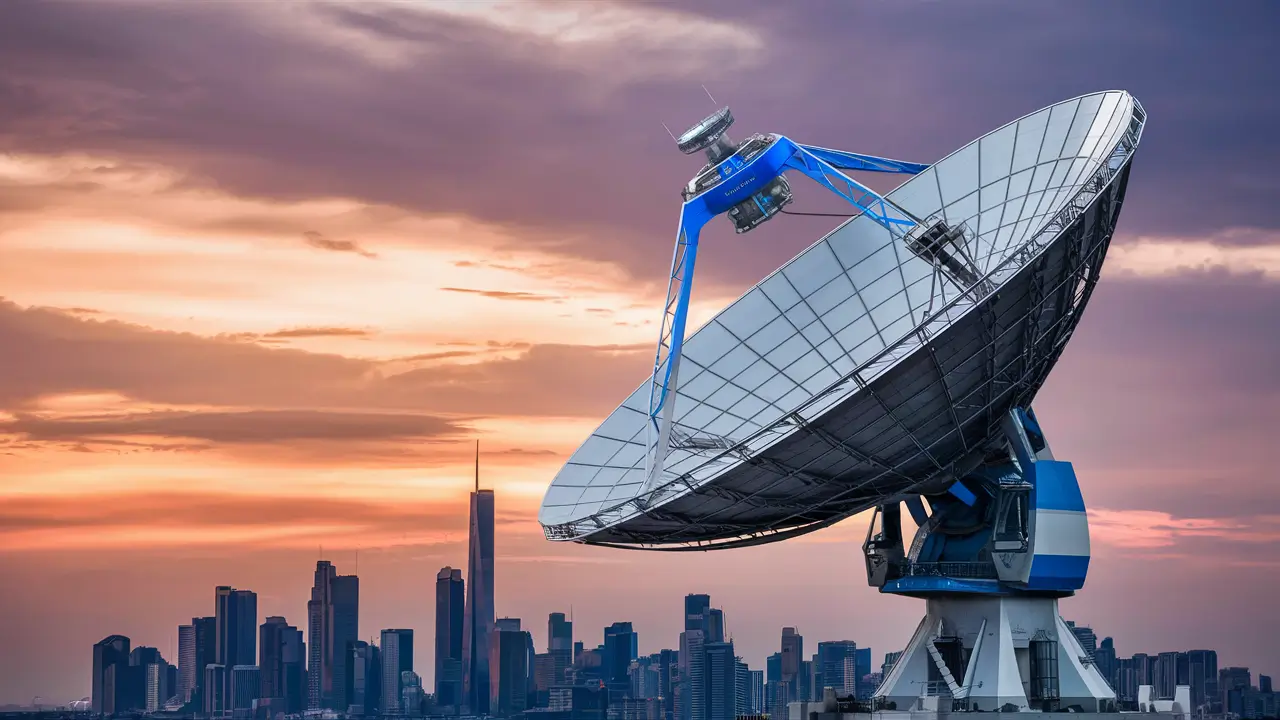
Finding the right place to buy a satellite dish near you is crucial for reliable satellite TV or internet. This guide will help you navigate your options, from local electronics stores and specialized installers to online retailers, ensuring you get the best equipment and service for your needs in 2025-26.
Finding Local Retailers: The Hands-On Approach
When you’re asking "Where to buy satellite dish near me?", the most immediate thought often goes to brick-and-mortar stores. While the landscape of retail has shifted significantly, local options still exist and can offer distinct advantages, particularly for those who prefer to see and touch products before purchasing or need immediate assistance.
Big Box Electronics Stores
Major electronics retailers, while perhaps less focused on satellite-specific equipment than in the past, can still be a viable starting point. Stores like Best Buy, or similar regional chains, often carry a range of consumer electronics that might include satellite dishes, receivers, and related accessories. The benefit here is the ability to browse, compare models, and potentially speak with a sales associate who might have some general knowledge about home entertainment systems. However, the depth of specialized satellite knowledge might be limited, and inventory can vary widely by location.
- Pros: Physical inspection, immediate availability, potential for package deals with other electronics.
- Cons: Limited specialized knowledge, potentially smaller selection of satellite-specific gear, may not carry professional-grade equipment.
Specialty Audio-Video Stores
In some areas, you might still find independent audio-video (AV) stores that cater to home theater enthusiasts. These businesses often have a more curated selection of high-quality equipment and staff with deeper technical expertise. They might stock specialized satellite dishes, LNBs (Low-Noise Block downconverters), and mounting hardware that you won't find in larger chains. These stores are excellent for those looking for performance and reliability, and they can offer tailored advice.
- Pros: Expert advice, higher quality equipment, personalized service.
- Cons: Can be more expensive, availability is highly location-dependent, may focus on higher-end systems.
Home Improvement Stores
While less common for complete satellite dish systems, home improvement stores like Home Depot or Lowe's might carry some basic satellite installation accessories. This could include mounting poles, coaxial cable, connectors, and tools. It’s unlikely you’ll find a complete dish kit here, but they can be a convenient stop for supplementary installation materials if you’re planning a DIY setup and have already sourced the main components elsewhere.
- Pros: Convenient for installation hardware, readily available.
- Cons: Very limited selection of actual satellite dishes and receivers.
Local Classifieds and Used Markets
For budget-conscious buyers, local classifieds (online platforms like Craigslist, Facebook Marketplace, or Gumtree) or even local pawn shops can sometimes yield results. You might find used satellite dishes or even complete systems at a fraction of the new cost. However, this approach comes with significant risks. There's no warranty, the equipment might be outdated or damaged, and you’ll need to be knowledgeable enough to assess its condition and compatibility. For satellite internet, older dishes may not be compatible with newer, higher-speed services. For satellite TV, older dishes might struggle with newer HD or 4K programming standards.
- Pros: Potentially very low cost.
- Cons: High risk of faulty equipment, no warranty, may be outdated technology, requires significant user knowledge.
Specialized Satellite Installers and Providers
For many users, especially those seeking satellite internet or a comprehensive satellite TV package, the most direct and often best route is through specialized installers and providers. These companies offer not just the equipment but also the installation service and often bundle it with a subscription. This is typically the path for major satellite internet providers like Starlink, HughesNet, or Viasat, and satellite TV providers like DISH Network or DIRECTV.
Satellite Internet Providers
Companies like Starlink, HughesNet, and Viasat are primary sources for satellite internet. When you sign up for their service, they typically provide the necessary satellite dish (often referred to as a user terminal or antenna), modem, and router. The equipment is usually leased or included as part of the installation fee, and installation is almost always performed by a certified technician. This ensures optimal alignment for the best possible signal strength and speed.
- Starlink: Known for its high-speed, low-latency internet service using a constellation of low-Earth orbit (LEO) satellites. The dish is a phased-array antenna that requires a clear view of the sky.
- HughesNet: A geostationary (GEO) satellite internet provider offering service across North America. Their dishes are typically smaller and easier to install.
- Viasat: Another major GEO satellite internet provider, often offering competitive plans and service in areas where terrestrial broadband is unavailable.
When considering these providers, the "where to buy" question is answered by signing up directly through their websites or authorized sales channels. They manage the entire process from equipment provisioning to installation.
Satellite TV Providers
For satellite television, DISH Network and DIRECTV are the dominant players in many regions. Similar to internet providers, you subscribe to a service package, and the provider arranges for the installation of the dish and associated equipment. This typically includes the dish itself, an LNB, a satellite receiver (set-top box), and all necessary cabling. Professional installation is standard, ensuring the dish is correctly aimed at the correct satellite(s) for optimal reception of channels.
- DISH Network: Offers a wide range of TV packages and has a robust network of local installers.
- DIRECTV: Known for its extensive sports programming and HD channels, also relies on professional installation.
Purchasing a satellite TV system through these providers means you're buying into a service package, and the equipment is an integral part of that. You generally don't "buy" the dish outright in the same way you would a standalone product; it's part of the service agreement.
Independent Installers
Beyond the major providers, there are independent satellite installation companies. These businesses often specialize in installing equipment for various satellite systems, including those not directly affiliated with a major provider, or they might offer installation services for customers who have purchased equipment separately. They can be a valuable resource if you've found a specific dish or system you want installed but don't want to do it yourself. It's advisable to check reviews and certifications for these independent services.
- Pros: Can install various systems, specialized expertise, potentially more flexible scheduling.
- Cons: Quality can vary, requires careful vetting, may not offer equipment directly.
Online Retailers and E-commerce: Convenience and Choice
The digital marketplace has revolutionized how and where we buy products, and satellite dishes are no exception. Online retailers offer unparalleled convenience, a vast selection, and often competitive pricing, making them a significant part of the answer to "Where to buy satellite dish near me?".
Amazon
Amazon is arguably the largest online marketplace globally and a prime destination for purchasing satellite dishes and related accessories. You can find everything from basic satellite TV dishes and LNBs to specialized components for amateur radio or specific satellite internet kits. The platform hosts numerous sellers, offering a wide range of brands, price points, and user reviews that can help guide your decision. Delivery is typically fast, and Amazon's return policy offers a degree of security.
- Selection: Extremely broad, covering various types and brands.
- Pricing: Highly competitive due to multiple sellers.
- Convenience: Easy ordering and home delivery.
- Considerations: Ensure you're buying from reputable sellers and understand product specifications for your intended use.
Specialty Online Electronics Stores
Beyond Amazon, numerous online stores specialize in electronics, satellite equipment, or home entertainment. Websites like Crutchfield (though more focused on car audio and home theater, they sometimes carry related items), satellite dish retailers like Solid Signal, or even smaller niche e-commerce sites can be excellent resources. These stores often have more detailed product descriptions, expert reviews, and customer support specifically trained in satellite technology.
- Solid Signal: A well-known online retailer specifically for satellite TV, home theater, and networking equipment. They offer a comprehensive range of dishes, receivers, accessories, and even installation tools.
- Other Niche Retailers: Searching for "satellite dish online store" or "satellite internet equipment" can reveal many specialized vendors offering specific brands or types of equipment.
These specialized stores are invaluable for finding specific components or high-performance gear that might not be available on broader marketplaces.
Manufacturer Websites
Some satellite equipment manufacturers also sell directly to consumers through their own websites. This can be a good option if you've identified a particular brand or model you trust. Buying directly from the manufacturer can sometimes offer the best pricing or access to exclusive bundles, and you're assured of purchasing genuine, new equipment.
- Pros: Direct support, genuine products, potential for direct deals.
- Cons: Selection might be limited to their own product lines.
Online Marketplaces (eBay, etc.)
Platforms like eBay can also be a source for satellite dishes, particularly for used or refurbished equipment. This is similar to local classifieds but with a broader reach. Be cautious and thoroughly vet sellers, check product descriptions carefully, and understand the return policies. For new equipment, you might find competitive pricing, but always compare with other retailers.
- Pros: Wide variety, potential for used deals.
- Cons: Risk with used items, need to verify seller reputation.
Factors to Consider When Buying a Satellite Dish
Choosing the right satellite dish involves more than just finding the cheapest option. Several technical and practical factors will influence your purchase decision, ensuring you get the best performance for your specific needs in 2025-26.
Intended Use: TV vs. Internet
This is the most critical distinction. Satellite TV dishes are designed to receive broadcast signals from geostationary satellites, which are positioned over the equator. Satellite internet dishes (or user terminals) are designed to communicate with orbiting satellites, which can be in low-Earth orbit (LEO) like Starlink or geostationary orbit (GEO) like HughesNet and Viasat. The frequencies, signal strengths, and required antenna technology differ significantly.
- Satellite TV: Typically uses dishes ranging from 45 cm to over 1 meter in diameter, depending on the number of satellites being tracked and the signal strength in your region.
- Satellite Internet: LEO systems like Starlink use advanced phased-array antennas that are often rectangular or square. GEO systems use dishes that can resemble TV dishes but are specifically engineered for two-way communication with their designated satellites.
Dish Size and Gain
The size of a satellite dish (its diameter) directly correlates to its gain – its ability to collect and focus satellite signals. Larger dishes generally have higher gain, which is crucial in areas with weaker satellite signals or for receiving signals from satellites that are further away or transmit at lower power. However, larger dishes are also more susceptible to wind and require more robust mounting.
- Small Dishes (e.g., 45-60 cm): Suitable for strong signal areas or for receiving signals from a single, powerful satellite. Common for basic HD satellite TV.
- Medium Dishes (e.g., 75-90 cm): Offer a good balance and can receive signals from multiple satellites or weaker transponders.
- Large Dishes (e.g., 1 meter+): Provide the highest gain, essential for weak signal areas, multiple satellite reception, or specialized applications.
For satellite internet, the "dish" size and type are dictated by the provider's technology. Starlink's phased-array antenna, for instance, is a specific form factor designed for its LEO constellation.
Frequency Bands
Satellite signals are transmitted across different frequency bands. The most common for consumer satellite TV and internet are:
- Ku-band: Used by most satellite TV providers and some older satellite internet services. Dishes for Ku-band are typically smaller.
- Ka-band: Used by many newer satellite internet services (including Starlink) and some advanced satellite TV services. Ka-band signals are more susceptible to rain fade.
- C-band: Less common for consumer services now, used for some international broadcasting and older systems. C-band dishes are significantly larger.
Ensure the dish you purchase is compatible with the frequency bands used by your intended satellite provider or service.
LNB (Low-Noise Block Downconverter)
The LNB is a critical component mounted on the dish's arm. It receives the amplified radio waves from the satellite and converts them to a lower frequency that can be transmitted down the coaxial cable to your receiver. Different LNBs are designed for different frequency bands (Ku, Ka, C) and polarizations (linear or circular). Some LNBs are designed to receive signals from multiple satellites simultaneously (e.g., a dual-LNB or a multi-satellite LNB).
- Single LNB: For one satellite.
- Dual/Quad/Octo LNB: For multiple satellites or multiple receivers in a household.
- Universal LNB: Works with most satellite TV systems.
If you're buying a complete kit, the LNB is usually included. If buying separately, ensure compatibility.
Mounting Requirements
A satellite dish needs a stable, secure mount. Common options include:
- Tripod Mount: Portable, good for temporary setups or RVs.
- Pole Mount: A sturdy pole (often galvanized steel) secured to the ground or a roof. Requires proper anchoring.
- Wall Mount: Attaches to the side of a building.
- Roof Mount: Similar to wall mounts but for roofs.
The mount must be strong enough to withstand wind and weather and allow for precise aiming. The location chosen for the mount must have an unobstructed view of the southern sky (in the Northern Hemisphere) or the northern sky (in the Southern Hemisphere) where the satellites are located.
Weather Resistance and Durability
Satellite dishes are exposed to the elements year-round. Look for dishes made from durable materials like aluminum or galvanized steel, with weather-resistant coatings. The LNB should also be well-protected. Consider the typical weather conditions in your area. High winds, heavy snow, or corrosive coastal air can impact the longevity of the equipment.
Brand Reputation and Reviews
Researching brands known for reliability and performance in satellite technology is wise. Reading user reviews on retail sites and forums can provide insights into real-world performance, ease of installation, and customer support experiences. For providers like Starlink, HughesNet, or Viasat, reviews often focus on service quality, speeds, and customer service.
Understanding Satellite Dish Types
The term "satellite dish" encompasses a variety of antenna designs, each suited for different applications and satellite constellations. Understanding these types is crucial when you're looking to purchase.
Parabolic Dishes (Prime Focus and Offset)
These are the most recognizable satellite dishes, characterized by their curved, dish-like shape. They are designed to reflect and focus incoming radio waves onto a focal point where the LNB is positioned.
- Prime Focus Dish: The LNB is placed directly in front of the dish at its focal point. These are typically larger and more efficient for C-band signals but are less common for consumer Ku/Ka band applications due to their size and mounting complexity.
- Offset Dish: The focal point is located below the main reflector, so the LNB is mounted on an arm extending from the side. This design allows the dish to be tilted at a steeper angle, which helps shed rain and snow more effectively and often results in a more compact installation. Most modern satellite TV dishes are offset parabolic designs.
Phased-Array Antennas
These are a newer technology, most notably used by Starlink for its LEO satellite internet service. Instead of a physical dish that needs to be precisely aimed, a phased-array antenna uses an array of small antenna elements controlled electronically. By adjusting the phase of the signals sent to and received from these elements, the antenna can electronically steer its beam to track satellites without any physical movement. This allows for much faster tracking of LEO satellites as they move rapidly across the sky.
- Characteristics: Typically flat, rectangular, or square.
- Advantages: High-speed tracking, robust performance, less susceptible to physical misalignment.
- Disadvantages: More complex electronics, higher cost, typically tied to a specific service provider.
Dishless Satellite Systems (Emerging Technologies)
While not widely available for consumer purchase in 2025-26, research is ongoing into "dishless" satellite reception. These technologies might involve beamforming directly to a user's device or using very small, integrated antennas. For now, the primary options remain parabolic dishes and phased-array antennas.
Specific Dish Sizes for Services
The size of the dish required is often dictated by the satellite provider and the frequency band used:
- Starlink: Uses its proprietary phased-array antenna, roughly 50 cm x 30 cm.
- HughesNet/Viasat: Typically use dishes around 70-90 cm in diameter for Ka-band and Ku-band services.
- DISH Network/DIRECTV: Common dish sizes are 50-75 cm for Ku-band, and larger dishes (up to 1 meter) may be used in weaker signal areas or for multi-satellite reception.
Always confirm the specific equipment requirements with your chosen satellite provider.
Essential Satellite Equipment Beyond the Dish
Purchasing a satellite dish is only part of the equation. To receive a signal and utilize satellite services, several other components are necessary. When asking "Where to buy satellite dish near me?", consider where you'll source these related items as well.
LNB (Low-Noise Block Downconverter)
As mentioned previously, the LNB is crucial for receiving and processing satellite signals. Ensure the LNB is compatible with your dish and the satellite frequencies you intend to use. For satellite TV, universal LNBs are common. For satellite internet, the LNB (or its equivalent in a phased-array system) is typically integrated or specified by the provider.
Satellite Receiver / Set-Top Box (STB)
For satellite TV, a receiver is essential. This device decodes the digital satellite signal and converts it into a format your TV can display. Receivers come with varying features, including HD/4K capabilities, DVR functionality, and smart TV apps. Satellite providers usually supply their proprietary receivers, which are often locked to their service. If you're buying a dish for free-to-air satellite TV or for a specific international service, you'll need a compatible universal receiver.
Modem and Router (for Satellite Internet)
Satellite internet systems require a modem to translate the satellite signal into a usable internet data stream, and a router to distribute that connection to your devices via Wi-Fi or Ethernet. For providers like Starlink, HughesNet, and Viasat, these are typically integrated into a single unit or provided as a matched set by the provider. If you're setting up a custom satellite internet solution (less common for consumers), you'd need to source these separately.
Coaxial Cable
This is the cable that carries the signal from the LNB on the dish down to the receiver or modem. It’s important to use high-quality, outdoor-rated coaxial cable (e.g., RG-6) to minimize signal loss over distance and protect against weather. You’ll need enough cable to run from the dish location to your indoor equipment, plus some extra for connections and potential future adjustments.
Connectors and Accessories
You'll need appropriate connectors (usually F-type connectors) to attach the coaxial cable to the LNB, dish mount, receiver, and modem. Weatherproofing these connections with silicone tape or weatherproof boots is essential to prevent corrosion and signal degradation.
Mounting Hardware
As discussed earlier, a sturdy mount (pole, wall, or roof mount) is critical for stability and proper aiming. Ensure the mount is appropriate for your chosen location and the size/weight of your dish.
Tools for Installation
If you're planning a DIY installation, you'll need tools such as a drill, wrenches, screwdrivers, a level, a compass, and potentially a satellite finder tool (a device that helps you aim the dish accurately by detecting signal strength). For professional installations, the technicians will bring all necessary tools.
Installation Considerations: DIY vs. Professional
Once you've decided where to buy your satellite dish, the next major decision is how to get it installed. Both DIY and professional installation have their pros and cons, and the best choice often depends on your technical skills, budget, and the complexity of the system.
DIY Installation
Pros:
- Cost Savings: The most significant advantage is saving on professional installation fees, which can range from $100 to $300 or more.
- Flexibility: You can install it on your own schedule.
- Learning Experience: For those interested in electronics and home improvement, it can be a rewarding project.
Cons:
- Technical Difficulty: Aiming a satellite dish accurately requires precision. Even a slight misalignment can result in a weak or no signal. Satellite finder tools can help, but understanding signal strength, elevation, and azimuth is crucial.
- Safety Risks: Working on roofs or ladders carries inherent risks of falls and serious injury.
- Time Consuming: It can take significantly longer than a professional installation, especially if you encounter issues.
- Potential for Errors: Incorrect installation can lead to poor performance, equipment damage, or even voiding warranties.
- Provider Requirements: Some satellite internet providers (like Starlink) mandate professional installation for optimal performance and warranty coverage.
Professional Installation
Pros:
- Expertise and Precision: Certified technicians have the tools and knowledge to align the dish perfectly, ensuring optimal signal strength and stability.
- Safety: They are trained to work safely at heights and with electrical equipment.
- Speed and Efficiency: Professionals can typically complete the installation much faster than a DIYer.
- Warranty Protection: Professional installation often ensures that your equipment warranty remains valid, especially for satellite internet services.
- Troubleshooting: They can diagnose and resolve any immediate issues that arise during installation.
- Best Performance: Ensures you get the best possible performance from your satellite service, crucial for internet speeds and TV channel reception.
Cons:
- Cost: Professional installation adds to the overall expense.
- Scheduling: You need to schedule an appointment, which might involve waiting periods.
- Limited Control: You have less control over the exact placement if it conflicts with the installer's recommendations or standard practices.
When to Choose Which
- Choose DIY if: You have prior experience with satellite dish installation, are comfortable working at heights, have the necessary tools, are installing a basic satellite TV dish in a strong signal area, and the provider's terms allow it.
- Choose Professional Installation if: You are installing a satellite internet system (often mandatory), you are not comfortable with heights or technical tasks, you want to ensure optimal performance and warranty coverage, or you live in an area with challenging signal conditions or weather.
For satellite internet providers like Starlink, HughesNet, or Viasat, and satellite TV providers like DISH or DIRECTV, professional installation is almost always the recommended or required route. They manage the process from equipment ordering to final setup.
Satellite Internet vs. Satellite TV Dishes
It's crucial to understand that satellite dishes for internet and satellite dishes for television are fundamentally different in their design, operation, and purpose. While they both use satellites, the communication protocols and requirements vary significantly.
Satellite TV Dishes
Purpose: To receive one-way broadcast signals from geostationary satellites. These signals contain television channels.
Directionality: Aimed at a specific geostationary satellite in orbit, typically positioned over the equator.
Technology: Uses parabolic reflectors to focus signals onto an LNB. The LNB amplifies the signal and converts it to a lower frequency for transmission down a coaxial cable.
Two-way Communication: Not required for basic TV reception. Some advanced systems might use a small amount of two-way communication for interactive services or remote diagnostics, but the primary function is reception.
Providers: DISH Network, DIRECTV, various international satellite TV providers.
"Where to Buy": Can be purchased as standalone units from electronics retailers and online stores, or as part of a service package from TV providers.Satellite Internet Dishes (User Terminals)
Purpose: To provide two-way communication for internet access. This involves sending data requests to the satellite and receiving data back.
Directionality: Aimed at specific satellites, which can be geostationary (GEO) or low-Earth orbit (LEO).
Technology:- GEO Internet (HughesNet, Viasat): Often use dishes similar in appearance to satellite TV dishes but are engineered for two-way communication. They are aimed at a fixed GEO satellite.
- LEO Internet (Starlink): Uses advanced phased-array antennas that electronically steer their beams to track multiple LEO satellites as they orbit the Earth. These are not traditional parabolic dishes.
Two-way Communication: Essential. The user terminal must transmit data back to the satellite.
Providers: Starlink, HughesNet, Viasat, and other regional satellite internet providers.
"Where to Buy": Primarily through the provider's website or authorized sales channels when signing up for a service plan. Standalone purchase of these specific user terminals is generally not possible or practical.Key Differences Summarized:
Feature Satellite TV Dish Satellite Internet Dish (User Terminal) Primary Function Receive broadcast TV signals (one-way) Two-way internet communication Satellite Type Geostationary (GEO) Geostationary (GEO) or Low-Earth Orbit (LEO) Antenna Technology Parabolic reflector (offset or prime focus) Parabolic reflector (GEO) or Phased-Array (LEO) Purchase Method Standalone or part of TV package Primarily as part of an internet service plan Complexity Simpler aiming for fixed GEO satellite Requires precise aiming for GEO, or advanced electronic steering for LEO This distinction is vital. You cannot use a satellite TV dish for internet, nor can you typically use a satellite internet user terminal for standard satellite TV reception (unless it's a very specialized dual-purpose device, which is rare).
Current Market Trends (2025-26)
The satellite industry is in a period of rapid innovation and expansion. Several key trends are shaping the market for satellite dishes and services in 2025-26.
Rise of LEO Satellite Internet
Low-Earth Orbit (LEO) satellite constellations, pioneered by Starlink, are revolutionizing satellite internet. These constellations offer significantly lower latency and higher speeds compared to traditional geostationary (GEO) satellite internet. This has led to increased demand for LEO user terminals and a shift in consumer expectations for satellite broadband performance. Expect continued growth and competition in the LEO space.
Increased Competition and Service Offerings
Beyond Starlink, other companies are launching or planning LEO constellations, and established GEO providers are upgrading their infrastructure to compete. This increased competition is driving down prices and improving service plans for consumers, making satellite internet a more viable option for a wider audience.
Advancements in Antenna Technology
Phased-array antennas are becoming more sophisticated and potentially more affordable. Research into smaller, more energy-efficient, and higher-gain antenna designs continues. This could lead to more compact and easier-to-install user terminals in the future.
Hybrid Solutions
We're seeing more integration of satellite technology with terrestrial networks. This includes satellite backup for fiber or cable internet, or hybrid systems that use satellite as a primary connection but can leverage Wi-Fi or cellular when available for improved performance.
Focus on Rural and Underserved Areas
Satellite technology remains a critical solution for providing broadband access to rural, remote, and underserved areas where terrestrial infrastructure is cost-prohibitive. Government initiatives and private investments are focused on bridging the digital divide through satellite services.
Increased Demand for High-Definition and 4K Content
For satellite TV, the demand for high-definition and 4K content continues to grow. This necessitates more advanced receivers and potentially larger or more sensitive dishes to handle the increased data streams, especially in areas with weaker satellite signals.
Sustainability and Environmental Considerations
As the satellite industry expands, there's a growing focus on the environmental impact, including space debris mitigation and the energy efficiency of ground equipment. While not directly impacting where to buy a dish, it influences the long-term direction of the technology.
Making Your Final Decision
Navigating the question "Where to buy satellite dish near me?" in 2025-26 requires a clear understanding of your needs and the available options. Whether you're seeking reliable satellite internet, a vast array of satellite TV channels, or components for a specialized project, the market offers diverse solutions.
For most consumers looking for satellite internet, the answer is to go directly to the provider (Starlink, HughesNet, Viasat). They manage the entire process, including providing the necessary user terminal and professional installation. Similarly, for satellite TV, subscribing to DISH Network or DIRECTV will involve their authorized installers and equipment.
If you're looking for standalone satellite dishes, LNBs, receivers, or accessories for free-to-air TV, amateur radio, or custom setups, then online retailers like Amazon and specialized stores such as Solid Signal offer the widest selection and competitive pricing. Local electronics stores can be a starting point for basic components, but their specialized inventory is often limited.
Always prioritize understanding the specific requirements for your chosen service. A satellite TV dish will not work for satellite internet, and vice-versa. Consider the critical factors: intended use, dish size, frequency bands, LNB compatibility, and mounting needs. For critical services like internet, professional installation is often recommended or mandatory to ensure optimal performance and warranty coverage.
By carefully considering these points and exploring the various avenues—from direct provider sign-ups to online marketplaces—you can confidently find the right satellite dish and associated equipment to meet your connectivity and entertainment needs.