-
Posted on: 07 Jan 2026
-
Choosing between streaming, cable TV, and satellite TV can feel overwhelming. This guide cuts through the confusion, directly addressing which option offers the most reliable viewing experience for your needs in 2025-26, considering factors like service interruptions, picture quality, and accessibility.
Introduction: The Evolving Landscape of Television
The way we consume television has undergone a seismic shift. Gone are the days when a rabbit-ear antenna or a bulky satellite dish were the only options. Today, viewers navigate a complex ecosystem of streaming services, traditional cable packages, and satellite broadcasts. With each offering distinct advantages and disadvantages, the question of which platform is truly the most reliable for uninterrupted viewing in 2025-26 becomes paramount. This comprehensive analysis will dissect the reliability of streaming, cable TV, and satellite TV, empowering you to make an informed decision based on current technological realities and user experiences.
Streaming Reliability: The Internet's Double-Edged Sword
Streaming services, from Netflix and Hulu to Disney+ and Amazon Prime Video, have revolutionized home entertainment. Their appeal lies in on-demand access, vast content libraries, and the flexibility to watch on virtually any internet-connected device. However, the very foundation of streaming – the internet – is also its primary vulnerability when it comes to reliability. In 2025-26, the robustness of your internet connection is the ultimate determinant of your streaming experience.
Pros of Streaming Reliability
- On-Demand Access: The primary advantage is the ability to watch what you want, when you want, without being tied to a broadcast schedule. This offers unparalleled convenience.
- Content Variety: The sheer volume of content available across numerous streaming platforms is staggering, offering something for every taste and age group.
- Device Flexibility: Streaming is not limited to a television set. You can watch on smart TVs, computers, tablets, and smartphones, making it highly adaptable to different lifestyles.
- Personalization: Advanced algorithms learn your viewing habits, recommending content tailored to your preferences, enhancing the overall user experience.
- Continuous Updates: Content libraries are constantly updated with new shows and movies, keeping the viewing experience fresh and engaging.
Cons of Streaming Reliability
- Internet Dependency: This is the most significant drawback. If your internet goes down, your streaming stops. This can be due to ISP outages, router issues, or even local network congestion.
- Bandwidth Issues: Insufficient internet speed or bandwidth can lead to buffering, pixelation, and dropped streams, significantly degrading the viewing experience.
- Server Load: During peak viewing times or for highly anticipated releases, streaming service servers can become overloaded, leading to performance issues.
- Geographic Restrictions: Content libraries often vary by region due to licensing agreements, limiting access to certain shows or movies depending on your location.
- Subscription Fatigue: The proliferation of streaming services means managing multiple subscriptions, which can become costly and complex.
Key Factors Influencing Streaming Reliability
Several factors directly impact how reliably you can stream content in 2025-26:
- Internet Service Provider (ISP) Performance: The stability, speed, and reliability of your chosen ISP are paramount. Look for ISPs with a strong track record in your area for consistent service.
- Home Network Setup: A robust Wi-Fi network is crucial. This includes a good quality router, optimal placement, and potentially mesh Wi-Fi systems for larger homes to ensure strong signal strength throughout.
- Internet Speed Requirements: Streaming services provide recommended internet speeds for different resolutions (SD, HD, 4K). Ensure your plan meets or exceeds these recommendations for uninterrupted playback. For 4K streaming, speeds of at least 25 Mbps are generally recommended by most major providers.
- Device Performance: Older or less powerful streaming devices might struggle to process high-quality video streams, leading to lag or stuttering.
- Content Delivery Network (CDN) Efficiency: Streaming services rely on CDNs to deliver content efficiently. The performance of these networks can sometimes be a factor beyond the user's direct control.
In 2025-26, with the increasing adoption of 4K and even 8K content, the demand on internet infrastructure will only grow, making a reliable, high-speed internet connection the absolute prerequisite for a good streaming experience. For instance, a recent 2025 ISP Reliability Report indicated that while major urban areas generally have stable internet, rural and suburban regions can still face significant inconsistencies, impacting streaming quality.
Cable TV Reliability: The Steadfast Traditionalist
Cable television has been a household staple for decades, delivering a wide array of channels directly to homes via coaxial cables. While often perceived as a more traditional option, its reliability stems from a dedicated infrastructure that is less susceptible to the common internet-related issues that plague streaming. In 2025-26, cable TV continues to offer a stable, albeit less flexible, viewing experience for many.
Pros of Cable TV Reliability
- Dedicated Infrastructure: Cable TV operates on its own physical network, separate from the internet. This means that internet outages generally do not affect your cable TV service.
- Consistent Picture Quality: For standard and HD channels, cable TV typically offers a consistent and predictable picture quality, less prone to buffering or pixelation caused by fluctuating internet speeds.
- Local Channel Access: Cable providers usually offer robust access to local broadcast channels, which can sometimes be harder to reliably access via streaming, especially without specific local channel add-ons.
- Bundling Options: Many cable providers offer bundles that include internet and phone services, which can sometimes simplify billing and customer service.
- Less Bandwidth Intensive: Cable TV signals do not consume your home's internet bandwidth, meaning your streaming or online gaming experience won't be impacted by your TV viewing.
Cons of Cable TV Reliability
- Susceptibility to Local Outages: While separate from the internet, the cable infrastructure itself can be subject to localized outages due to physical damage (e.g., construction, storms), equipment failure, or maintenance.
- Picture Quality Limitations: While consistent, the maximum picture quality for many cable channels might not reach the ultra-high definition (UHD) or HDR standards consistently offered by premium streaming services or Blu-ray.
- Limited On-Demand Content: Cable TV is primarily a linear viewing experience. While many providers offer on-demand libraries or DVR services, they are generally not as extensive or as seamlessly integrated as streaming platforms.
- Equipment Dependence: Reliability can be affected by the quality and maintenance of the cable box and wiring within your home.
- Contractual Obligations: Many cable packages require long-term contracts, which can reduce flexibility if your needs or circumstances change.
Key Factors Influencing Cable TV Reliability
The reliability of your cable TV service in 2025-26 hinges on a few key elements:
- Provider Infrastructure and Maintenance: The quality of the cable company's network in your area, including its maintenance schedule and responsiveness to outages, is crucial.
- Local Environmental Factors: Severe weather events can sometimes disrupt cable signals or damage physical lines, leading to temporary service interruptions.
- Home Wiring and Equipment: The condition of the coaxial cables running into your home and the reliability of your cable box can impact signal quality and uptime.
- Signal Strength: Ensuring your cable outlet and connections are secure and free from interference can help maintain a stable signal.
- Provider Service Quality: The customer service and technical support offered by your cable provider play a role in how quickly any issues are resolved.
According to industry analyses from late 2025, cable TV providers are investing in network upgrades to improve resilience and speed, but physical infrastructure remains a point of vulnerability. For example, a 2025 report on cable outages highlighted that while major disruptions are rare, localized issues affecting a few blocks are more common than often perceived.
Satellite TV Reliability: Reaching for the Stars
Satellite television offers a unique proposition, beaming signals directly from orbiting satellites to a dish installed at your home. This method allows for broad coverage, reaching even remote areas where cable or high-speed internet might be unavailable. However, its reliance on a clear line of sight to the sky introduces its own set of reliability challenges, particularly concerning weather.
Pros of Satellite TV Reliability
- Wide Coverage Area: Satellite TV is accessible in virtually any location with a clear view of the southern sky, making it ideal for rural or underserved areas.
- Less Susceptible to Ground-Level Issues: Unlike cable, satellite TV is not affected by local ground-level infrastructure problems like damaged cables or street-level outages.
- High-Quality HD and 4K: Many satellite providers offer high-definition and 4K channels with excellent picture and sound quality, comparable to or exceeding cable.
- Bundling Opportunities: Similar to cable, satellite providers often offer bundles that include internet (though satellite internet has its own reliability caveats) and phone services.
- Dedicated Signal: The signal comes directly from a satellite, bypassing local internet or cable network congestion.
Cons of Satellite TV Reliability
- Weather Sensitivity: This is the most significant drawback. Heavy rain, snow, fog, or even strong winds can interfere with or completely block the satellite signal, leading to temporary picture loss or degradation. This is often referred to as "rain fade."
- Line-of-Sight Requirements: The satellite dish must have an unobstructed view of the sky. Trees, buildings, or other obstructions can prevent the signal from reaching the dish, rendering the service unusable.
- Installation Complexity: Professional installation is typically required, and finding the optimal placement for the dish can sometimes be challenging depending on the property.
- Potential for Signal Lag: Due to the vast distance the signal travels from the satellite to Earth and back, there can be a slight delay (latency) in the signal, which is usually unnoticeable for standard TV viewing but can affect interactive features or high-speed online gaming if bundled with satellite internet.
- Equipment Costs: While often subsidized with contracts, the initial cost of the satellite dish and receiver can be higher than other options.
Key Factors Influencing Satellite TV Reliability
Several factors dictate the reliability of satellite TV in 2025-26:
- Weather Conditions: As mentioned, severe weather is the primary disruptor. The intensity of the precipitation and atmospheric conditions directly impacts signal strength.
- Dish Alignment and Obstructions: The precise alignment of the satellite dish is critical. Any shift due to wind or settling, or new obstructions like growing trees, can degrade or block the signal.
- Satellite Signal Strength: The strength of the signal broadcast by the satellite and received by your dish is a key factor.
- Provider Network Management: The satellite provider's ability to maintain its satellite fleet and ground stations is essential for consistent service.
- Receiver and LNB Quality: The performance of your satellite receiver and the Low-Noise Block downconverter (LNB) on the dish can also influence signal reception.
A 2025 study on satellite TV and weather indicated that while modern systems are more resilient than older ones, significant atmospheric events can still cause temporary disruptions, particularly in regions with frequent severe weather patterns. For example, areas prone to heavy thunderstorms might experience more frequent, albeit usually short-lived, signal interruptions.
Comparative Analysis: Reliability Across Platforms (2025-26)
To definitively answer which is more reliable, we need to compare streaming, cable TV, and satellite TV across key reliability metrics. The landscape in 2025-26 is dynamic, with continuous technological advancements and evolving infrastructure.
Service Interruptions: Weather, Outages, and Connectivity
When it comes to avoiding interruptions, the battle lines are drawn:
- Streaming: Most vulnerable to internet outages and bandwidth limitations. Your home internet's stability is the single biggest factor. ISP issues, modem/router problems, or even network congestion can cause immediate disruptions.
- Cable TV: Generally more stable than streaming regarding internet dependency. However, it is susceptible to localized outages affecting the cable infrastructure (e.g., damaged lines, equipment failure). These are typically resolved within hours to a day.
- Satellite TV: Least affected by ground-level infrastructure issues but most vulnerable to severe weather. While satellite internet has improved, satellite TV's primary weakness remains atmospheric interference.
2025-26 Data Snapshot: While exact national averages vary, anecdotal and ISP-reported data suggest that for the average user with a good internet plan, streaming outages are often related to home network issues or temporary ISP slowdowns. Cable outages tend to be more localized and longer-lasting than brief internet hiccups. Satellite outages due to weather are highly location-dependent but can be complete and immediate during storms.
Picture and Audio Quality: HD, 4K, and Beyond
The pursuit of pristine visual and auditory experiences is a major consideration:
- Streaming: Offers the highest potential for cutting-edge quality (4K, HDR, Dolby Atmos) provided your internet speed is sufficient. Quality can fluctuate based on bandwidth.
- Cable TV: Typically offers reliable HD quality for most channels. While 4K is becoming more common, it's not as universally available as on streaming platforms, and the bitrate might be lower than premium streaming services.
- Satellite TV: Capable of delivering excellent HD and 4K picture quality, often with high bitrates. Reliability of this quality is dependent on clear weather.
2025-26 Data Snapshot: Streaming services like Netflix, Max, and Apple TV+ are leading the charge in 4K HDR content delivery. Cable providers are catching up, with many offering 4K channels, but the selection is often more limited. Satellite providers also offer robust 4K options, but the user experience is directly tied to signal reception.
Accessibility and Reach: Where Can You Watch?
The ability to access your content is a fundamental aspect of reliability:
- Streaming: Highly accessible anywhere with a stable internet connection. Offers the most flexibility in terms of devices and locations (with VPNs for international content).
- Cable TV: Limited to homes connected to the cable provider's network. Less flexible for viewing outside the home without specific apps or services.
- Satellite TV: Excellent for remote areas where cable or reliable internet is unavailable. Requires a clear view of the sky and a professionally installed dish.
2025-26 Data Snapshot: Internet penetration continues to grow globally, boosting streaming accessibility. However, there remain significant gaps, particularly in rural and developing regions, where satellite TV remains the primary option for comprehensive channel access. Cable's reach is largely defined by existing infrastructure build-out.
Cost vs. Reliability: Making the Smart Choice
Budget is always a factor, and understanding the cost-to-reliability ratio is key:
- Streaming: Can be cost-effective if you subscribe to only a few services. However, the cost of high-speed internet needed for reliable streaming can add up. Reliability is directly proportional to internet investment.
- Cable TV: Often perceived as more expensive upfront but can offer predictable costs, especially with bundles. Reliability is generally good, but the cost for a wide channel selection can be high.
- Satellite TV: Pricing can be competitive, especially with introductory offers and long-term contracts. However, the potential for weather-related interruptions might make the cost less justifiable for those in frequently stormy areas.
2025-26 Data Snapshot: The average monthly cost for a premium streaming bundle (3-4 services) can range from $40-$70, plus internet costs ($60-$100+). Cable TV packages typically start from $60-$100 for basic to premium tiers. Satellite packages often fall in a similar range, with significant variations based on channel selection and internet bundles.
Reliability Comparison Table (2025-26)
Feature Streaming Cable TV Satellite TV Primary Vulnerability Internet connection stability & speed Local infrastructure damage/outages Severe weather conditions Interruption Likelihood (Average User) Moderate (depends heavily on ISP) Low to Moderate (localized) Moderate to High (weather-dependent) Picture Quality Potential Very High (4K HDR) - bandwidth dependent High (HD), improving 4K Very High (HD, 4K) - weather dependent Content Access Flexibility Very High (any device, anywhere with internet) Limited to connected locations Broad, especially in rural areas On-Demand Capabilities Excellent Good (DVR, VOD) Fair to Good (DVR, VOD) Making Your Decision: Which is Right for You?
The ultimate decision of which service is "more reliable" is highly subjective and depends on your individual circumstances, location, and priorities. Consider the following:
- If you live in an area with consistently excellent internet service: Streaming is likely your most reliable and flexible option. Invest in a high-speed plan and a good router, and you'll enjoy on-demand access and top-tier quality.
- If your internet is spotty or unavailable, but you have access to cable: Cable TV offers a more predictable and stable viewing experience, largely independent of your internet connection. It's a solid choice for consistent access to live TV.
- If you live in a remote or rural area where cable and high-speed internet are not options: Satellite TV is often your only viable choice for a wide range of channels and HD/4K quality. You'll need to weigh the potential for weather-related disruptions against its broad reach.
- For critical live events (e.g., sports, breaking news): Many people opt for a combination. For instance, using cable or satellite for the primary live feed, while having streaming as a backup or for supplementary content.
It's also worth noting that many providers are now offering hybrid solutions. For example, some satellite providers offer internet service, and some cable companies are enhancing their streaming apps. Researching local providers and reading reviews specific to your area is crucial. For instance, a 2025 guide to local TV reliability found that in areas with frequent severe weather, satellite users reported more frequent, albeit usually short, interruptions than cable users.
Conclusion: The Verdict on Reliability
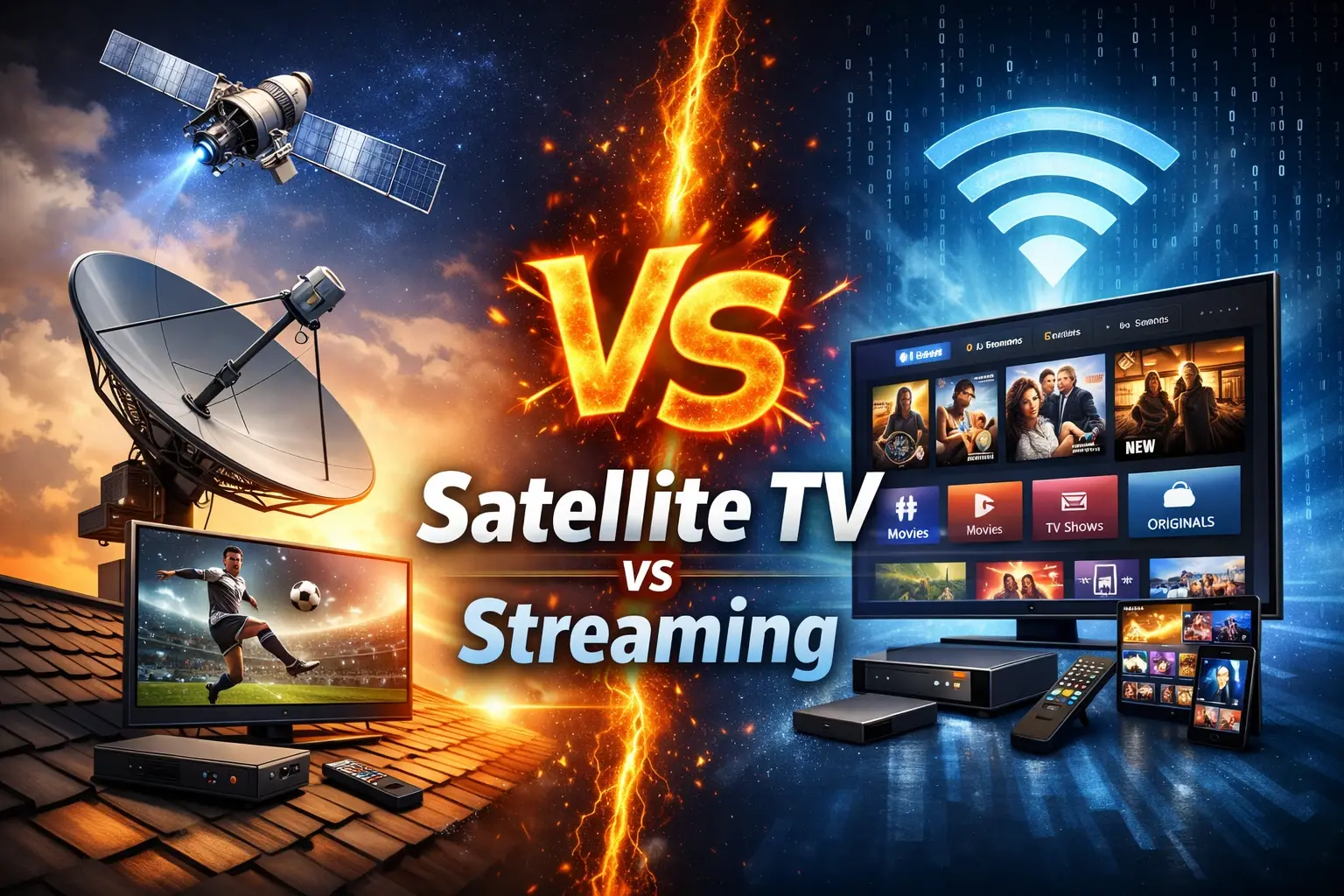
In the ongoing debate of streaming, cable TV, or satellite TV reliability for 2025-26, there isn't a single undisputed champion. Each platform possesses inherent strengths and weaknesses. Streaming offers unparalleled flexibility and content variety, but its reliability is inextricably linked to the stability and speed of your internet connection. Cable TV provides a dependable, linear viewing experience, largely insulated from internet issues, but is subject to localized infrastructure problems. Satellite TV excels in reach, bringing programming to the most remote locations, but its Achilles' heel is its susceptibility to adverse weather conditions.
Ultimately, the "most reliable" option is the one that best aligns with your specific geographical location, internet infrastructure, and viewing habits. For many urban and suburban dwellers with robust internet, streaming will be the most reliable and convenient. For those in areas with unreliable internet but solid cable infrastructure, cable TV remains a steadfast choice. And for those in truly remote locations, satellite TV continues to be a vital, albeit weather-dependent, lifeline to a world of entertainment. Carefully assess your local conditions and prioritize what matters most – be it uninterrupted viewing, content choice, or reach – to make the most informed decision for your home.
Which is more reliable; streaming, cable TV or satellite TV
Research, Compare & Choose With Confidence
Last updated: June 25, 2026