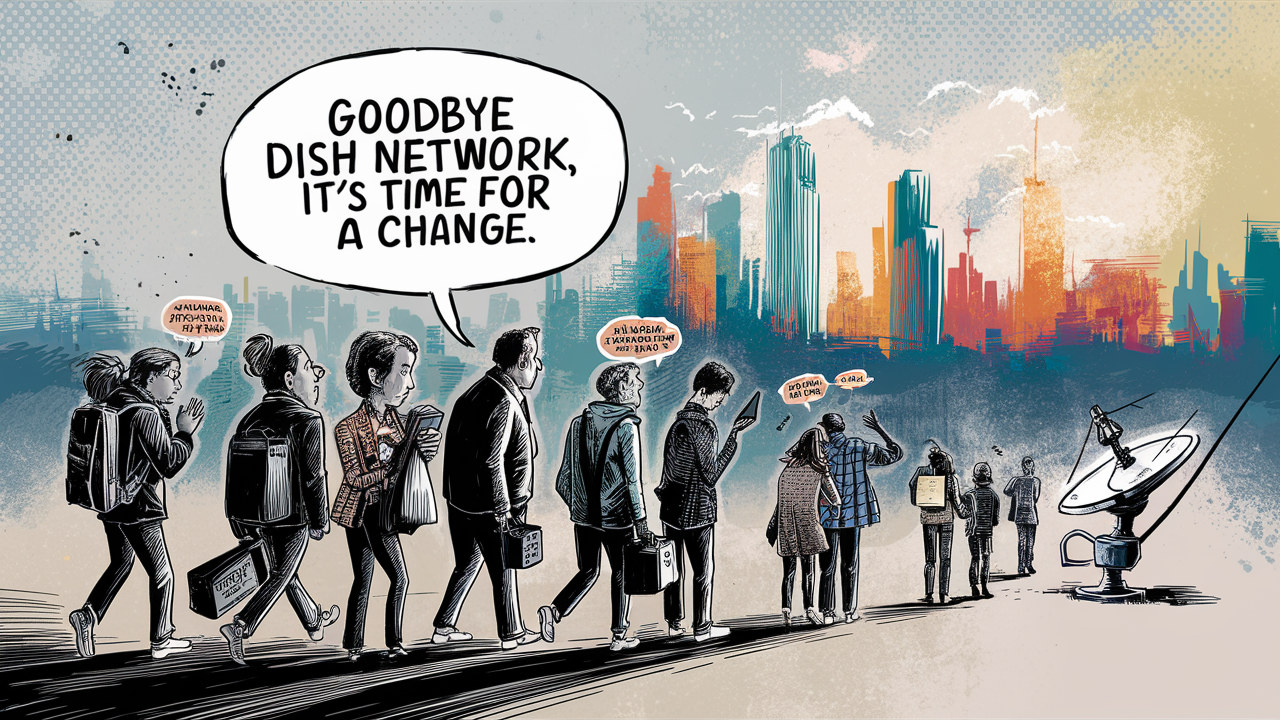
Dish Network has long been a prominent player in the pay-TV market, but recent trends indicate a shift. Many consumers are re-evaluating their entertainment subscriptions, and understanding the reasons behind potential Dish Network departures is crucial for both the company and its customers. This article delves into the primary factors driving subscribers away from Dish Network in 2025 and 2026.
Understanding the Exodus: Key Reasons Subscribers Are Leaving Dish Network
In the dynamic landscape of 2025 and 2026, the decision for consumers to switch or cancel their Dish Network subscription is rarely driven by a single factor. Instead, it's a confluence of evolving consumer expectations, technological advancements, and the aggressive competition from a burgeoning streaming sector. While Dish Network has historically offered a comprehensive entertainment package, its traditional model faces increasing scrutiny as viewers prioritize flexibility, customization, and value. This article aims to dissect the multifaceted reasons why individuals and households are reconsidering their commitment to Dish Network, providing a clear picture of the challenges and opportunities within the current pay-TV market. We will explore the impact of pricing strategies, content availability, technological integration, and the undeniable allure of the streaming revolution.
1. Pricing and Perceived Value: The Cost of Entertainment
The financial aspect of entertainment subscriptions remains a primary driver for consumer decisions. In the current market, Dish Network, like many traditional pay-TV providers, faces intense pressure to justify its pricing against a backdrop of increasing competition and a growing awareness of alternative, often more cost-effective, solutions. The perceived value proposition is constantly being re-evaluated by consumers, leading many to question if the cost of a Dish Network package aligns with the content and features they receive.
1.1. The Escalation of Monthly Bills
One of the most persistent complaints from Dish Network subscribers, and indeed from customers of most cable and satellite providers, is the steady increase in monthly bills. Over time, introductory offers expire, and annual price hikes become the norm. These increases are often attributed to rising programming costs, which providers pass on to consumers. By 2025-26, consumers are more sophisticated in tracking these incremental rises. A bill that might have seemed manageable a few years ago can now appear exorbitant, especially when compared to the perceived value. For instance, a family might find their Dish Network bill creeping up by $5-$10 per month annually, adding up to a significant annual increase that prompts a serious re-evaluation. This gradual but consistent inflation erodes the perceived value, making subscribers more susceptible to exploring cheaper alternatives. The lack of transparency in how these price increases are justified also fuels dissatisfaction.
1.2. The Diminishing Appeal of Traditional Bundles
Dish Network, historically, has thrived on offering extensive channel bundles. However, the modern consumer often doesn't watch a vast majority of the channels included in these packages. The "all-or-nothing" approach of traditional bundles means subscribers are paying for content they have no interest in, such as niche sports channels, foreign language programming, or specific movie channels they never access. This inefficiency in content delivery leads to a feeling of wasted money. The desire for a more curated and personalized viewing experience is strong. Consumers want to pick and choose the channels or services that directly appeal to them, rather than being forced into a broad, often expensive, package. This desire for customization is a significant factor driving them away from the rigid structure of traditional bundles.
1.3. Competitive Pricing from Alternatives
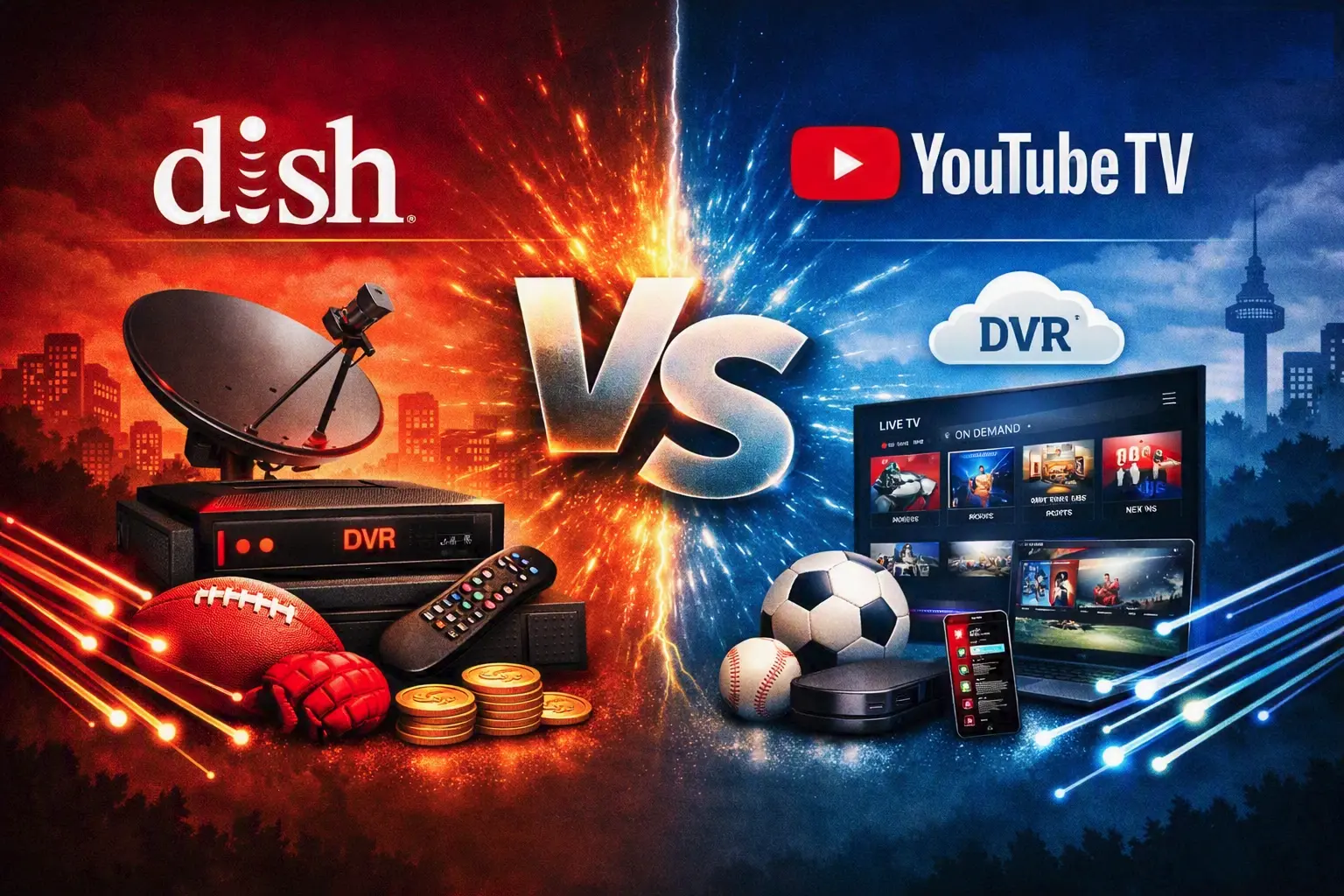
The rise of live TV streaming services and on-demand platforms has introduced a new benchmark for pricing. Services like YouTube TV, Hulu + Live TV, Sling TV (which is owned by Dish Network, but offers a more à la carte approach), and FuboTV often present more flexible and sometimes lower-cost options. These services allow users to subscribe to specific tiers or bundles that more closely match their viewing habits. For example, a user primarily interested in sports might find a FuboTV package more economical than a Dish Network bundle that includes dozens of non-sports channels. Furthermore, the proliferation of standalone streaming services like Netflix, Max, Disney+, and Apple TV+ means consumers can build a personalized entertainment portfolio for potentially less than a traditional pay-TV subscription. The sheer variety of pricing models available from competitors forces consumers to scrutinize Dish Network's cost structure more closely.
2. Content Limitations and Shifting Viewing Habits
Beyond the price tag, the actual content offered by Dish Network and how it aligns with contemporary viewing habits is a critical factor. As viewer preferences evolve and new content delivery methods emerge, traditional providers are challenged to keep pace. Limitations in channel lineups, disputes that lead to blackouts, and the overwhelming shift towards on-demand viewing all contribute to subscribers seeking alternatives.
2.1. Channel Lineup Relevance
While Dish Network offers a broad range of channels, the relevance of its lineup to individual households is diminishing for many. The rise of streaming services has led to the creation of exclusive content and a focus on specific genres or interests. For instance, a family might find that their favorite shows are now exclusively on a streaming platform, or that a particular sports league has moved its broadcast rights to a streaming-only service. Dish Network's reliance on traditional broadcast and cable networks means it may not always be the primary destination for the most sought-after or exclusive content. This is particularly true for younger demographics who have grown up with on-demand access and may not have the same loyalty to linear television channels. The perceived lack of must-have content within their package leads to a feeling of obsolescence.
2.2. Sports Blackouts and Local Channel Disputes
A significant pain point for many subscribers is the recurring issue of channel blackouts. These often stem from disputes between Dish Network and local broadcasters or sports leagues over retransmission fees. When popular local channels or major sports networks become unavailable for extended periods, it can be a deal-breaker for subscribers who rely on Dish for live sports or local news. For example, a prolonged dispute with a major network affiliate in a large metropolitan area can alienate thousands of subscribers who cannot watch their local NFL, NBA, or MLB games. These disruptions highlight the fragility of the traditional model and the inconvenience it imposes on viewers, pushing them towards streaming services that are less susceptible to such carriage disputes. The unpredictability of access to desired content is a major frustration.
2.3. The Rise of On-Demand and Streaming
The most profound shift in viewing habits is the overwhelming preference for on-demand content. Services like Netflix, Hulu, and Amazon Prime Video have conditioned viewers to watch what they want, when they want, and on any device. Dish Network's offering of on-demand content, while present, often pales in comparison to the vast libraries and user-friendly interfaces of dedicated streaming platforms. Many subscribers find the process of finding and accessing on-demand content through Dish clunky or limited. Furthermore, the binge-watching culture, popularized by streaming services, is difficult to replicate with linear television schedules. The ability to pause, rewind, and download content for offline viewing, features commonplace in streaming, are not always as seamlessly integrated into Dish Network's service. This fundamental difference in viewing flexibility is a key reason why consumers are migrating away from traditional providers.
3. Technology and User Experience: Outdated or Inconvenient?
The technological infrastructure and the overall user experience provided by a service are paramount in today's digital age. Dish Network, like other legacy providers, faces the challenge of modernizing its offerings to meet the expectations set by the tech-savvy streaming giants. This includes the user interface, the equipment provided, and the integration with other digital services.
3.1. Equipment and Interface Limitations
Dish Network's set-top boxes and user interfaces, while functional, are often perceived as less intuitive and modern compared to the sleek, app-based experiences offered by streaming devices like Apple TV, Roku, or smart TV interfaces. Navigating menus, searching for content, and managing recordings can feel cumbersome for users accustomed to the streamlined designs of streaming platforms. The hardware itself might also be seen as less advanced, with features like voice control, personalized recommendations, and seamless app integration being more robust on streaming devices. For example, a user accustomed to asking their smart TV to "play the latest episode of Stranger Things" might find the voice command capabilities on a Dish Network remote less responsive or comprehensive. The overall user journey from discovery to playback can feel less fluid, leading to frustration.
3.2. Integration with Internet Services
In an era where high-speed internet is ubiquitous and essential for many entertainment services, the integration of pay-TV with internet connectivity is crucial. While Dish Network requires internet for some features like on-demand streaming and app access, its core service is satellite-based. This can be a disadvantage compared to internet-based streaming services that are inherently integrated with a user's broadband connection. Many consumers are opting for "cord-cutting" precisely because they want to consolidate their entertainment and internet needs. They prefer a single, reliable internet connection that powers all their entertainment, rather than relying on a separate satellite dish and modem. The desire for a unified digital experience, where all content is accessed through a single, robust internet connection, is a significant trend.
3.3. Customer Service Experiences
Customer service is a critical touchpoint, and experiences with Dish Network can vary. While many customers may have positive interactions, a significant number report challenges with long wait times, unresolved issues, and perceived inflexibility. In contrast, the self-service options and the often-quicker resolution times offered by many streaming services can be more appealing. When a subscriber encounters a problem, the ease and efficiency of getting it resolved can heavily influence their decision to stay or leave. A series of frustrating customer service calls, especially when trying to resolve billing issues or technical glitches, can be the final straw that pushes a subscriber to seek an alternative provider with a more responsive and accessible support system. The perception of being just another account number rather than a valued customer can lead to dissatisfaction.
4. The Streaming Revolution: A More Flexible Future
The advent and subsequent explosion of streaming services have fundamentally reshaped the entertainment industry. This revolution offers consumers unprecedented flexibility, customization, and access to a vast array of content, directly challenging the traditional model of pay-TV providers like Dish Network. The allure of building a personalized entertainment ecosystem is proving irresistible for a growing segment of the population.
4.1. The Accelerating Cord-Cutting Trend
The term "cord-cutting" has become synonymous with the shift away from traditional cable and satellite subscriptions. This trend is not a fleeting fad but a sustained movement driven by the advantages offered by streaming. Consumers are actively canceling their Dish Network subscriptions in favor of internet-delivered entertainment. According to industry reports from 2025, the rate of cord-cutting continues to accelerate, with millions of households shedding their traditional pay-TV services each year. This exodus is fueled by the desire for greater control over viewing habits, a more tailored content selection, and often, a more predictable and manageable monthly expense. The convenience of accessing content on multiple devices, from anywhere with an internet connection, further solidifies the appeal of streaming.
4.2. The Appeal of Niche Streaming Services
Beyond the major streaming players, a growing ecosystem of niche streaming services caters to specific interests. Whether it's for fans of classic films (e.g., Criterion Channel), documentaries (e.g., CuriosityStream), anime (e.g., Crunchyroll), or specific sports leagues not widely broadcast, there's a streaming service for almost every passion. Dish Network's broad bundles, by their nature, cannot cater to such specific tastes as effectively. Subscribers can now curate a collection of services that perfectly align with their individual hobbies and interests, creating a viewing experience that is deeply personal and highly satisfying. For example, a cinephile might subscribe to MUBI and Criterion Channel, while a gamer might opt for services offering esports content. This level of specialization is a significant draw away from generalized pay-TV packages.
4.3. Cost-Effectiveness and Customization of Streaming
The ability to customize one's entertainment package is a key driver for streaming adoption. Consumers can mix and match services, subscribing to some year-round and others only for specific seasons or events. This "build-your-own" approach often proves more cost-effective than paying for a large bundle of channels that are rarely watched. For instance, a family might subscribe to Netflix and Disney+ for most of the year, then add a live TV streaming service only during the NFL season. This flexibility allows them to control their spending more effectively and avoid paying for unwanted content. The perceived value of streaming services, where each dollar spent directly translates to content the subscriber actively chooses to watch, is a powerful argument against the bundled, less flexible model of traditional providers.
5. Alternatives to Dish Network
The competitive landscape for entertainment services is vast and continues to expand. Consumers looking to leave Dish Network have a plethora of options, each offering different strengths and catering to various needs. Understanding these alternatives is key to appreciating why subscribers might make the switch.
5.1. Live TV Streaming Services
These services aim to replicate the traditional live TV experience but deliver it over the internet. They offer a selection of popular broadcast and cable channels, often with DVR capabilities and multi-device support.
| Service | Key Features | Target Audience |
|---|---|---|
| YouTube TV | Unlimited Cloud DVR, extensive channel lineup, YouTube Premium integration. | Families, sports fans, general viewers seeking comprehensive live TV. |
| Hulu + Live TV | Combines live TV with Hulu's on-demand library, original content, and Disney+. | Viewers who want a mix of live and on-demand content, including originals. |
| Sling TV | Highly customizable "a la carte" packages (Orange, Blue, add-ons), affordable entry point. | Budget-conscious viewers, those who want specific channel groups. |
| FuboTV | Strong focus on sports channels, including international sports, extensive live TV options. | Serious sports enthusiasts, especially those interested in soccer and international leagues. |
5.2. On-Demand Streaming Platforms
These services offer vast libraries of movies, TV shows, and original content that can be watched at any time. They are typically more affordable than live TV streaming services and can be combined to create a highly personalized entertainment experience.
- Netflix: Pioneer in streaming, offering a wide range of original series, films, documentaries, and licensed content across various genres.
- Max (formerly HBO Max): Home to HBO's acclaimed series, Warner Bros. films, DC content, and Discovery+ programming.
- Disney+: Exclusive content from Disney, Pixar, Marvel, Star Wars, and National Geographic.
- Amazon Prime Video: Included with Amazon Prime membership, offering a mix of original content, licensed movies, and TV shows.
- Apple TV+: Focuses on high-quality original series and films, often with star-studded casts.
5.3. Other Satellite and Cable Providers
While the trend is towards streaming, some subscribers may opt to switch to a different traditional provider if they have specific needs or local availability that Dish Network doesn't meet. Providers like DIRECTV, Spectrum, Xfinity, and Cox offer similar bundled services. However, the underlying issues of pricing, bundled content, and technology often persist with these alternatives, making them less attractive to those seeking a fundamental change in their viewing habits. The primary advantage of switching to another traditional provider would typically be a better introductory offer or a specific channel package not available through Dish.
6. Dish Network's Response and Future Outlook
In the face of increasing competition and subscriber attrition, Dish Network is not standing still. The company is actively working to adapt its strategies, introduce new services, and retain its customer base. Understanding these efforts provides a more complete picture of the company's position in the evolving entertainment market.
6.1. New Initiatives and Service Offerings
Dish Network has been making strategic moves to address the changing market. One significant development is its acquisition and integration of Boost Mobile and other wireless services, aiming to become a more comprehensive telecommunications provider. This diversification could offer bundled deals that combine internet, mobile, and TV services, potentially appealing to consumers looking for single-provider solutions. Furthermore, Dish has been investing in its own streaming platforms, such as Sling TV, which offers a more flexible, à la carte approach to live TV. They are also exploring ways to enhance their satellite TV offering with more integrated smart features and on-demand content access, aiming to bridge the gap between traditional and modern viewing experiences. The company is also focusing on improving its broadband offerings in certain markets, recognizing the increasing reliance on high-speed internet.
6.2. Adapting to the Evolving Market
The challenge for Dish Network, and indeed all traditional pay-TV providers, lies in adapting their business models to a market increasingly dominated by streaming. This involves not only technological innovation but also a shift in marketing and customer engagement strategies. Dish is attempting to highlight the value of its bundles, particularly for families or households that consume a wide variety of content, and emphasizing its robust customer service infrastructure. They are also looking to leverage their existing infrastructure to offer competitive internet services in areas where it's feasible. The company's long-term strategy likely involves a hybrid approach, maintaining its satellite service while aggressively expanding its internet-based and mobile offerings, aiming to capture different segments of the market and provide integrated solutions that can compete with the flexibility of pure streaming services. The focus is on offering choice and value across multiple platforms.
Conclusion: Navigating the Evolving Entertainment Landscape
The reasons people are leaving Dish Network in 2025 and 2026 are a complex interplay of economic pressures, shifting consumer habits, and technological advancements. The rising cost of traditional pay-TV packages, coupled with the perceived lack of value from extensive, inflexible bundles, is a primary driver. Furthermore, the overwhelming convenience, customization, and growing content libraries offered by streaming services present a compelling alternative that many find more appealing. Issues with channel relevance, sports blackouts, and less intuitive technology also contribute to subscriber dissatisfaction. While Dish Network is making efforts to adapt with new initiatives and diversification, the fundamental shift towards on-demand, internet-delivered entertainment continues to reshape the market. For consumers evaluating their options, a thorough assessment of their viewing habits, budget, and desired flexibility is crucial. Exploring live TV streaming services, niche on-demand platforms, or even a combination thereof, can lead to a more personalized and cost-effective entertainment experience. The future of entertainment is undeniably more fragmented and user-centric, and Dish Network faces an ongoing challenge to align its offerings with these evolving consumer demands.