Discover the definitive reasons behind DISH Network's current lack of Fox channels. This comprehensive guide dives deep into the carriage disputes, financial negotiations, and industry shifts that have led to this frustrating situation for many subscribers. Understand the complexities and what it means for your viewing experience.
Understanding the DISH-Fox Carriage Dispute
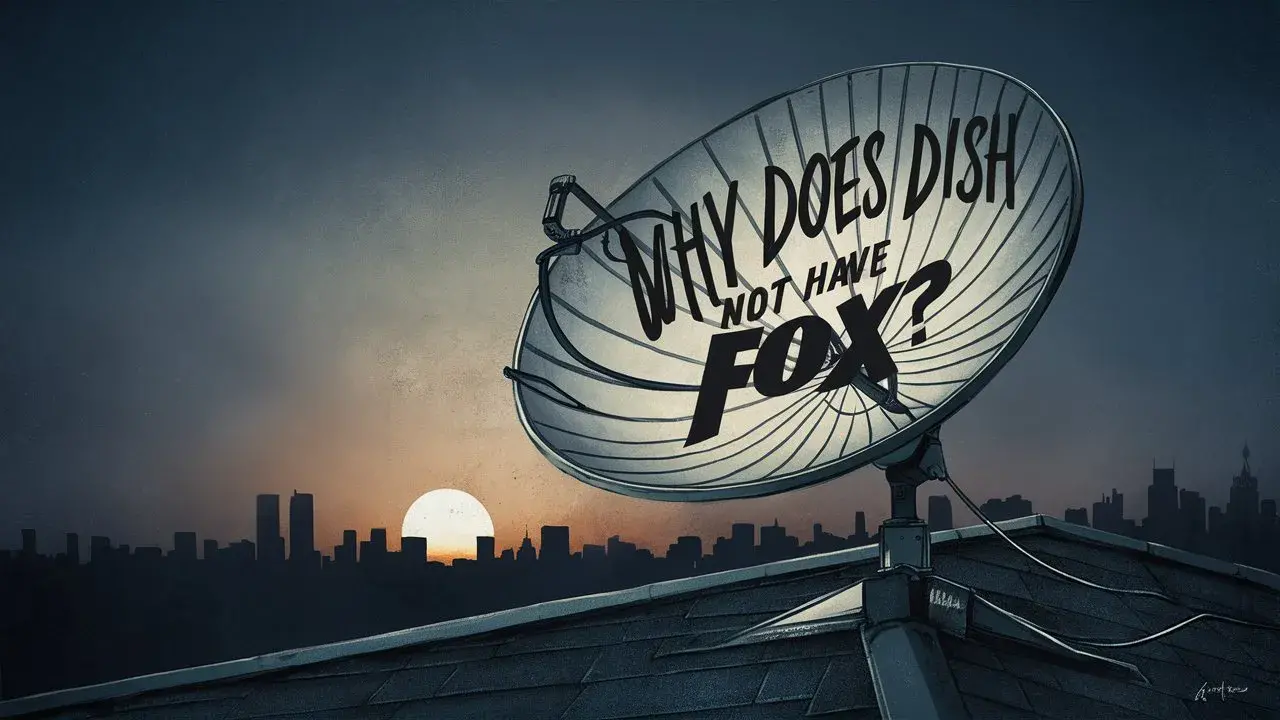
The question "Why does DISH not have Fox?" echoes across subscriber forums and social media, particularly during major sporting events or when local news is crucial. The absence of Fox channels, including local affiliates and national networks like Fox News and FS1, on DISH Network is a recurring issue stemming from complex contract negotiations between the satellite provider and Fox Corporation. These disputes are not unique to DISH; many pay-TV providers have experienced temporary blackouts of Fox content due to disagreements over carriage fees and terms. Understanding the root causes requires looking at the economics of broadcast television, the power dynamics between content creators and distributors, and the evolving media consumption habits of consumers in the 2025-26 era.
At its core, the problem lies in the retransmission consent fees. Broadcasters like Fox are legally entitled to charge pay-TV operators such as DISH for the right to carry their signals. These fees have steadily increased over the years, reflecting the perceived value of local and national broadcast content, especially live sports and popular programming. DISH, like other distributors, aims to keep subscriber costs down, leading to a pushback against escalating fees. When negotiations falter, and a mutually agreeable contract cannot be reached, the broadcaster can demand that its channels be removed from the provider's lineup. This is precisely what has happened, leading to the current absence of Fox channels for DISH customers. The 2025-26 period sees these negotiations happening against a backdrop of intense competition and shifting revenue models in the media industry.
Historical Context: A Pattern of Disputes
The current situation where DISH does not carry Fox channels is not an isolated incident but rather a recurring theme in the history of pay-TV distribution. Carriage disputes between content providers and distributors are a common occurrence in the television industry. Fox, in particular, has a history of engaging in protracted negotiations with various cable and satellite providers. DISH Network, known for its aggressive stance in contract talks, has been involved in numerous high-profile blackouts over the years, affecting a wide range of channels, not just those owned by Fox.
For instance, DISH has previously had significant disputes with networks owned by The Walt Disney Company (including ESPN), ViacomCBS (now Paramount Global), and Sinclair Broadcast Group, which owns many local Fox affiliates. These disputes often center on the same fundamental issues: the cost of carriage, the bundling of channels, and the perceived value of the content. Broadcasters argue that their channels, especially premium sports and news programming, are essential to subscriber packages and justify higher fees. Distributors, on the other hand, contend that rising fees are passed directly to consumers, contributing to the increasing cost of cable and satellite subscriptions, and that they must be able to negotiate fair terms.
The frequency of these disputes highlights the inherent tension in the media ecosystem. As the landscape shifts, with the rise of streaming and a greater emphasis on direct-to-consumer models, broadcasters are increasingly leveraging their content rights to maximize revenue from traditional distributors. This can lead to more aggressive negotiation tactics and a higher likelihood of temporary service interruptions. The 2025-26 period continues this trend, with both sides acutely aware of the leverage they hold. DISH's history suggests a willingness to let channels go dark if they believe the terms offered by the broadcaster are unsustainable or unfair. Conversely, broadcasters understand that prolonged blackouts can pressure distributors by frustrating their subscriber base, especially when popular content is involved.
Key Issues in Negotiations
The specific reasons why DISH and Fox have failed to reach an agreement in the current 2025-26 period are multifaceted, involving financial demands, strategic positioning, and the evolving nature of content distribution. While the exact details of private negotiations are rarely disclosed, several recurring themes consistently emerge in these types of disputes.
Retransmission Fees: The Core of the Conflict
The most significant driver behind most carriage disputes is the retransmission fee. Broadcasters, especially those with popular local affiliates and national sports networks, have the right to charge pay-TV providers for the right to carry their signals. These fees are essentially a payment for the content that the broadcaster produces and distributes. Fox Corporation, owning a portfolio of highly-rated channels like the Fox broadcast network, Fox News, FS1, and numerous local affiliates across the country, commands substantial fees.
In 2025-26, these fees have continued to climb. Broadcasters justify these increases by pointing to the high cost of producing quality content, the significant viewership of their channels (especially for live events like NFL games on the Fox broadcast network), and the value these channels bring to a pay-TV provider's lineup. They argue that these fees are necessary to remain competitive and invest in future programming.
DISH Network, however, has been vocal about its opposition to what it deems "exorbitant" retransmission fees. The company argues that these fees are a primary contributor to the rising cost of television for consumers and that broadcasters are leveraging their content too aggressively. DISH often seeks to negotiate lower fees, particularly for channels that they believe do not justify their cost or that can be substituted with alternative content. When negotiations reach an impasse over the dollar amount per subscriber that DISH would have to pay for each Fox channel, a blackout often ensues.
For example, if DISH were to pay an additional $X per subscriber per month for Fox Sports 1 (FS1) and $Y per subscriber for the local Fox affiliate, and Fox Corporation demanded $X+a and $Y+b, with 'a' and 'b' being significant increases, DISH might refuse, calculating that the cost to them and ultimately their customers is too high. This standoff is a classic negotiation tactic, where each side attempts to gain leverage by withholding their product or service.
Channel Tiering and Bundling Strategies
Beyond the per-channel fee, negotiations also involve how channels are packaged and offered to subscribers. Broadcasters often prefer to have their channels included in lower-cost, broadly subscribed tiers, maximizing their reach and revenue. They may also push for their channels to be bundled with other popular networks, effectively forcing distributors to carry less popular channels to gain access to the more desirable ones.
DISH, on the other hand, has historically favored more flexible packaging options and has been resistant to carrying channels that they believe a significant portion of their subscriber base does not watch. They might propose that Fox channels be placed in a higher-tier package, where only subscribers who specifically want those channels would pay for them, thus reducing the overall per-subscriber cost for DISH. This approach allows DISH to offer more customized packages and potentially appeal to cord-cutters or cord-nevers who are selective about their content.
Fox Corporation, however, may argue that their channels, especially local affiliates and major sports networks like FS1, are fundamental to any comprehensive television package and should not be relegated to a niche tier. The debate over bundling and tiering can be as contentious as the fee itself, as it directly impacts the reach and revenue potential for the broadcaster and the perceived value and cost for the subscriber. In 2025-26, with the proliferation of streaming services offering à la carte options, the pressure on traditional bundles is even greater, making these discussions more critical.
Data and Viewership Metrics
In any negotiation, data plays a crucial role. Both DISH and Fox Corporation rely on viewership data to support their positions. Fox will present data showing the high ratings of its programming, particularly live sports like NFL games, major league baseball, and college football, as well as the consistent viewership of Fox News. They will argue that this high viewership translates directly into value for DISH subscribers and justifies the fees being requested. For example, if Fox can demonstrate that its local affiliate in a specific market is the most-watched channel for news or that FS1 consistently ranks among the top sports networks, they have a stronger case for demanding higher carriage fees.
DISH, conversely, will likely analyze its own subscriber data to determine how many of its customers actually watch Fox channels. They might argue that while the total viewership numbers appear high nationally, the penetration among DISH subscribers for certain channels or specific local affiliates is lower than Fox claims. DISH might also point to the performance of alternative sports or news channels that they carry, suggesting that Fox's content is not as indispensable as the broadcaster claims. Furthermore, DISH might highlight the growing trend of viewers consuming content through streaming services, suggesting that traditional linear TV viewership is declining and thus the value of retransmission fees should be re-evaluated.
The interpretation and presentation of this data can lead to significant disagreements. Each party may cherry-pick data points that support their narrative, leading to a stalemate. The accuracy and methodology of viewership measurement, whether through Nielsen ratings or internal provider data, can also become points of contention in the 2025-26 negotiation landscape.
Impact on DISH Subscribers
The absence of Fox channels on DISH Network has a tangible and often frustrating impact on its subscribers. This disruption affects various aspects of their viewing habits, from daily news consumption to following favorite sports teams. The immediate consequence is the loss of access to a significant portion of popular broadcast and cable content.
Loss of Local Fox Affiliates
For many DISH subscribers, the most immediate and impactful loss is their local Fox affiliate. These channels are crucial for local news, weather, community events, and syndicated programming. When a local Fox affiliate is blacked out, subscribers miss out on:
- Local news broadcasts, including morning shows, evening news, and breaking news coverage.
- Local sports coverage, such as high school or college games not broadcast nationally.
- Community programming and public service announcements.
- Popular syndicated shows that air on local affiliates.
This loss can be particularly disruptive in regions where the local Fox affiliate is a primary source of news and information. Subscribers who rely on these channels for their daily routines often feel disconnected from their local community and are forced to seek alternative news sources.
Sports Viewing Disruption
Perhaps the most significant frustration for DISH subscribers during a Fox blackout is the inability to watch major sporting events. The Fox broadcast network is a major player in live sports, holding broadcast rights for:
- National Football League (NFL) games, typically Sunday afternoon games.
- Major League Baseball (MLB) games, including the World Series.
- NCAA Football and Basketball games.
- NASCAR races.
Furthermore, Fox Sports 1 (FS1) and Fox Sports 2 (FS2) carry a wide array of other sports, including international soccer, college sports, boxing, and more. When these channels are unavailable on DISH, subscribers are unable to follow their favorite teams or watch championship events. This is a major reason why sports fans become particularly vocal during carriage disputes. For example, during the 2025-26 NFL season, a blackout of Fox would mean missing out on a significant portion of the league's games, leading to widespread dissatisfaction.
Alternatives for Viewers
In the absence of Fox channels on DISH, subscribers are forced to seek alternatives to access their desired content. These options vary depending on the type of programming and the subscriber's willingness to adopt new services or methods.
- Streaming Services: Many national Fox channels and some Fox content are available through live TV streaming services that DISH does not provide. Services like YouTube TV, Hulu + Live TV, Sling TV (which sometimes carries Fox channels depending on the market and negotiation status), and FuboTV offer Fox networks. However, subscribing to a new service adds to the overall cost of entertainment. Some content might also be available on-demand through apps like Fox Now, but this often requires authentication with a pay-TV provider, which is a Catch-22 for DISH subscribers.
- Over-the-Air (OTA) Antennas: For local Fox affiliates, a digital over-the-air antenna is a viable alternative. In most areas, local broadcast channels are transmitted over the air and can be received for free with a compatible antenna. This is a one-time purchase and provides access to local news, network programming (including NFL games on Sundays), and other local content without a monthly fee. This is a particularly attractive option for those who primarily miss their local Fox affiliate.
- Other Sports Channels: For sports fans, alternative sports networks carried by DISH might offer some compensation, though they cannot fully replicate the specific games or leagues broadcast by Fox. For instance, ESPN, CBS Sports Network, and others might carry different games or events.
- Fox Nation: Fox News's streaming service, Fox Nation, offers additional content but does not include the live Fox News Channel.
The availability and effectiveness of these alternatives can vary significantly by location and individual viewing habits. The need to piece together content from multiple sources can be inconvenient and costly, leading many subscribers to question the value of their DISH subscription during these blackouts.
The Broader TV Landscape and Future Outlook
The ongoing carriage disputes between DISH and Fox are not occurring in a vacuum. They are symptomatic of larger shifts in the television industry, driven by technological advancements, changing consumer behavior, and evolving business models. Understanding these broader trends provides crucial context for why these disputes persist and what the future might hold.
Cord-Cutting Trends and Their Influence
The phenomenon of "cord-cutting"—subscribers canceling their traditional cable or satellite TV subscriptions in favor of streaming services—has profoundly impacted the media landscape. In 2025-26, this trend continues, albeit with some subscribers now "cord-shaving" (reducing their services) or exploring "cord-nevers" (younger demographics who never subscribed to traditional TV).
This shift in consumer behavior puts immense pressure on pay-TV providers like DISH. They are experiencing subscriber losses and are thus more sensitive to the costs associated with carrying channels. If DISH has to pay higher retransmission fees for Fox channels, and those costs cannot be fully passed on to subscribers without risking further cancellations, DISH becomes more inclined to let channels go dark. Conversely, broadcasters see declining linear TV viewership as a reason to demand higher fees from the remaining subscribers, as their overall revenue from advertising may be decreasing. They also see it as a justification for developing their own direct-to-consumer streaming options.
The data for 2025-26 indicates that while cord-cutting is a significant factor, many households still subscribe to some form of bundled TV service, whether traditional or virtual. The key is that consumers are more discerning about value. If a provider's lineup is perceived as too expensive or lacking essential content (like Fox during major sports seasons), subscribers are more likely to explore alternatives.
Streaming Solutions and Over-the-the-Top (OTT) Services
The rise of streaming services, both on-demand (like Netflix, Max) and live TV streaming (like YouTube TV, Hulu + Live TV, Sling TV), has fundamentally altered how content is consumed. These services offer flexibility, often lower prices for comparable content, and a more modern user interface.
For Fox Corporation, this means they can potentially bypass traditional distributors like DISH and offer their content directly to consumers through their own streaming platforms or by striking deals with a wider array of virtual MVPDs (Multichannel Video Programming Distributors). For instance, Fox could explore bundling its sports content with a dedicated sports streaming service or making its local affiliates available through a localized streaming option.
For DISH subscribers, these streaming services represent the primary alternative. Many are finding that subscribing to a combination of on-demand streaming services and a live TV streaming service can provide access to Fox content and other desired channels, sometimes at a comparable or even lower overall cost than their DISH package, especially when factoring in the potential for higher fees on DISH. The availability of Fox content on platforms like YouTube TV or Hulu + Live TV means that DISH's leverage in negotiations is somewhat diminished, as subscribers have viable alternatives to switch to.
Potential Resolution Scenarios
Given the history and the current industry dynamics, several scenarios could lead to a resolution between DISH and Fox:
- Compromise on Fees and Terms: The most common resolution involves both parties making concessions. DISH might agree to a slightly higher fee or a less favorable bundling arrangement, while Fox might agree to a longer contract term or certain flexibility in packaging. This often happens when the economic pressure from subscriber dissatisfaction or lost revenue becomes too great for one or both sides.
- Third-Party Mediation: In some cases, an independent mediator can help facilitate discussions and propose solutions that both parties can accept.
- Acquisition or Merger: While less likely in the short term, significant industry consolidation could alter the negotiation landscape. For example, if a larger media conglomerate were to acquire either DISH or Fox, it could change the strategic priorities and leverage in future negotiations.
- Direct-to-Consumer (DTC) Offerings: Fox could accelerate its own DTC offerings, making its content available directly to consumers. This would reduce its reliance on DISH but could also fragment its audience and revenue streams. For example, Fox could potentially offer a standalone streaming service for its sports content.
- DISH's Strategic Shift: DISH itself is undergoing significant strategic shifts, including its acquisition of Boost Mobile and its focus on 5G technology. It's possible that DISH might re-evaluate its traditional satellite TV business model and become more aggressive in pushing customers towards its other offerings or alternative content delivery methods.
The 2025-26 period is likely to see continued negotiation and potential for further disruption. The ultimate resolution will depend on the economic realities faced by both companies and the evolving preferences of consumers.
Expert Analysis: The 2025-26 Outlook
From an industry analyst's perspective in 2025-26, the DISH-Fox carriage dispute is a classic illustration of the ongoing power struggle between content creators and distributors in a rapidly transforming media environment. Fox Corporation, like other major content owners, is leveraging its valuable intellectual property – particularly its lucrative sports rights and influential news programming – to maximize revenue from traditional pay-TV providers. They are under pressure to demonstrate growth to shareholders, and carriage fees represent a significant, albeit sometimes volatile, revenue stream.
DISH Network, conversely, is navigating a challenging market characterized by declining traditional pay-TV subscriptions and intense competition from streaming services. Their strategy often involves pushing back aggressively against what they perceive as inflated fees, aiming to protect their profit margins and retain price-sensitive subscribers. The company's historical willingness to endure blackouts suggests a belief that they can withstand the pressure and ultimately negotiate more favorable terms, or that their subscribers will find viable alternatives.
The 2025-26 outlook suggests that these disputes are unlikely to disappear. Broadcasters will continue to demand higher fees, citing the cost of content creation and the value of live events. Pay-TV providers will continue to resist, pointing to subscriber losses and the growing availability of alternative content sources. For DISH subscribers, this means that the absence of Fox channels could become a recurring issue, particularly during peak sports seasons.
The most practical advice for DISH subscribers experiencing this blackout in 2025-26 remains consistent:
- Explore Over-the-Air (OTA) Antennas: For local Fox affiliates, this is the most cost-effective and reliable solution for accessing network programming, including NFL games.
- Evaluate Live TV Streaming Services: Consider services like YouTube TV, Hulu + Live TV, or Sling TV, which often carry Fox channels. Compare their channel lineups, features, and pricing to determine if a switch is beneficial.
- Stay Informed: Keep an eye on DISH's official communications and news outlets for updates on the negotiation status.
Ultimately, the DISH-Fox situation highlights the complex economics of modern media. While frustrating for consumers, these disputes are a symptom of a system in flux, where traditional models are being challenged by new technologies and consumer preferences. The ability of DISH and Fox to find common ground will depend on their willingness to adapt to these evolving realities and prioritize the long-term interests of their subscribers.
In conclusion, the reason DISH does not have Fox channels boils down to a failure to agree on carriage terms, primarily driven by escalating retransmission fees and disagreements over channel packaging. This recurring issue impacts DISH subscribers by disrupting access to local news, popular entertainment, and crucial live sports programming. While DISH historically adopts a firm stance in negotiations, Fox Corporation leverages its valuable content rights to demand higher compensation. Subscribers facing this blackout in 2025-26 are encouraged to explore alternatives like over-the-air antennas for local channels and live TV streaming services for broader network access. The ongoing evolution of the media landscape, marked by cord-cutting and the proliferation of streaming, ensures that these negotiation battles will likely continue, making informed choices about content providers and alternative viewing methods more critical than ever for consumers.