DISH Network's pricing can seem high, but understanding the factors behind it—from content acquisition costs and infrastructure to premium features and competitive pressures—reveals a complex business model. This post breaks down why DISH Network costs what it does, offering clarity for budget-conscious consumers.
Understanding DISH Network Pricing
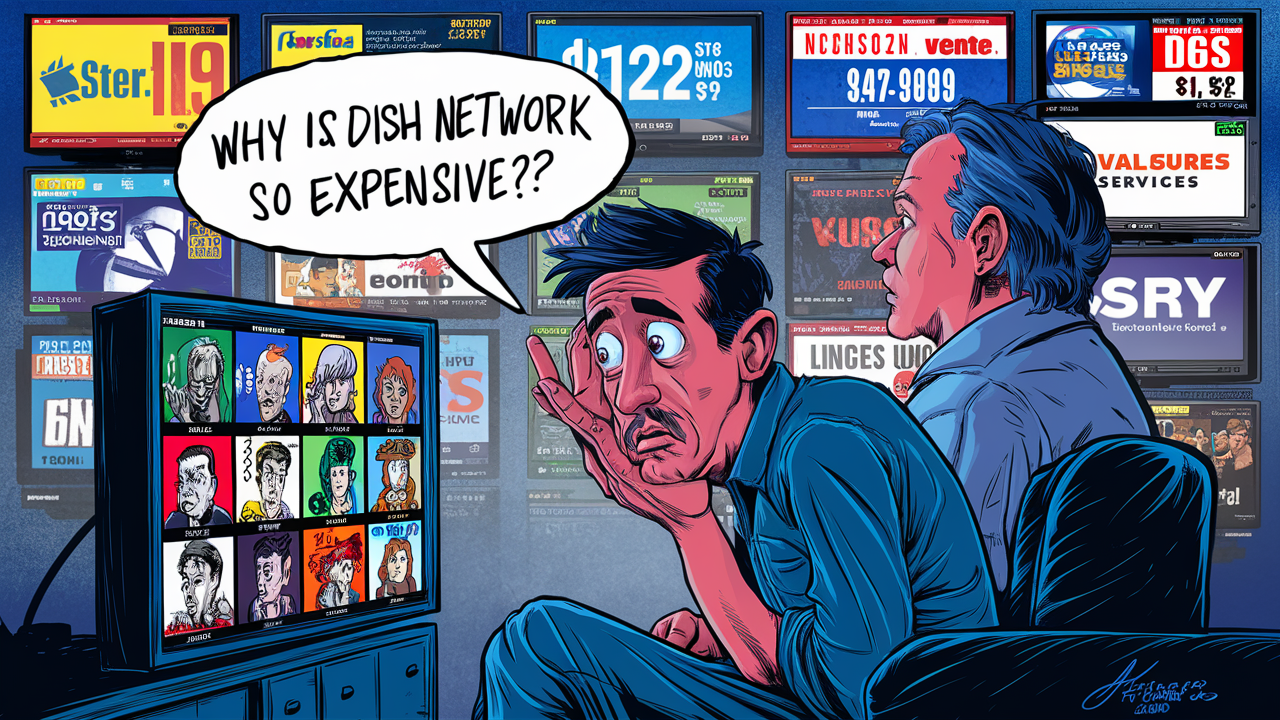
When consumers ask, "Why is DISH Network so expensive?", they are often looking for a straightforward explanation that justifies the monthly bill. The reality is that the cost of satellite television, and DISH Network in particular, is a multifaceted issue influenced by a confluence of economic, technological, and market forces. It's not simply about the number of channels or the quality of the signal; it's about the entire ecosystem that delivers entertainment and information directly to your living room. In 2025 and 2026, these underlying drivers remain as potent as ever, shaping the pricing strategies of major providers like DISH.
At its core, the expense associated with DISH Network stems from several key areas. Firstly, there are the substantial costs of acquiring the rights to broadcast a wide array of channels. These content licensing fees are negotiated with individual networks, ranging from local affiliates to major sports leagues and premium movie channels. Secondly, the underlying infrastructure required for satellite delivery—including satellites, ground stations, and the technology to compress and transmit signals—represents a significant ongoing investment. Furthermore, DISH offers various premium features, advanced equipment, and bundled services that add to the overall cost but also enhance the user experience. Finally, the competitive landscape, including the rise of streaming services and other cable providers, forces DISH to balance pricing with perceived value and market share preservation. Understanding these components is crucial to appreciating why DISH Network's pricing structure is what it is.
The High Cost of Content: Why Networks Charge What They Do
One of the most significant drivers behind the perceived expense of DISH Network, and indeed any traditional pay-TV provider, is the cost of acquiring broadcast rights for the channels it offers. This isn't a simple matter of paying a flat fee; it involves complex negotiations with hundreds of different content creators, each with their own business models and leverage. These costs are passed on to consumers in the form of subscription fees, making content acquisition a primary determinant of DISH's pricing.
The Economics of Channel Bundling
DISH Network, like other satellite and cable providers, operates on a bundling model. This means that to offer a comprehensive package of channels, they must license not only the most popular networks but also a vast array of niche channels, local affiliates, and specialized programming. The cost for each channel is not uniform. Major sports networks, premium movie channels (like HBO, Showtime, Starz), and popular news channels command the highest fees due to their subscriber draw and advertising revenue potential. Even channels with smaller but dedicated audiences require licensing agreements that contribute to the overall cost.
In 2025-26, the economics of content remain volatile. Networks are increasingly aware of their direct value to consumers and are less willing to accept lower fees from distributors. Many networks have also launched their own direct-to-consumer streaming services, which can impact their willingness to license content to traditional providers or increase the fees for doing so. This creates a dual pressure on DISH: the need to offer popular content while facing higher acquisition costs and potential competition from the very content providers they rely on.
Negotiating Power and Fee Increases
DISH negotiates with content providers on behalf of its subscriber base. The more subscribers a provider has, the more leverage it generally possesses in these negotiations. However, as the pay-TV market has matured and some consumers have migrated to streaming, this leverage can shift. Content providers, especially those with highly sought-after programming (e.g., live sports, exclusive series), can demand higher fees, knowing that DISH needs these channels to remain competitive. These fee increases from networks are a direct contributor to rising DISH Network bills.
For example, the cost of broadcasting NFL games, NBA games, or MLB games through sports networks like ESPN, Fox Sports, or regional sports networks (RSNs) is substantial. These RSNs, in particular, have become notoriously expensive due to their reliance on local advertising and subscriber fees, and their inclusion in packages significantly drives up the overall cost. Similarly, premium channels like HBO Max (now Max), Showtime Anytime, and Starz require substantial licensing fees that are reflected in higher-tier DISH packages.
The Impact of Local Channels
Local broadcast channels (ABC, CBS, NBC, FOX) are also a significant cost factor. While they may seem free over the air, DISH must pay retransmission consent fees to the local affiliates or their parent companies to carry these channels. These fees have been a point of contention for years, with broadcasters often demanding substantial increases, leading to carriage disputes and, ultimately, higher costs for subscribers. In 2025-26, these negotiations continue to be a major variable in the pricing of basic cable and satellite packages.
Content Diversification and Niche Channels
Beyond the major networks, DISH offers a vast array of niche channels catering to specific interests, such as cooking, history, documentaries, and international programming. While these channels may have fewer viewers individually, the sheer volume of them adds to the complexity and cost of licensing. DISH must decide which channels to include to appeal to a broad audience, and each inclusion adds to the aggregate content cost.
Case Study: Sports Programming Costs (2025-26 Outlook)
Live sports remain a primary driver of pay-TV subscriptions. However, the cost of sports rights continues to skyrocket. For instance, the fees paid by networks to broadcast major leagues are often in the billions of dollars annually. These costs are directly translated into the monthly bills of DISH subscribers who want access to these games. Regional Sports Networks (RSNs) are particularly problematic. Their fees have increased dramatically, and many are now struggling financially, leading to further uncertainty and potential price hikes. DISH, like other providers, must weigh the cost of including these RSNs against the demand from sports fans. The trend in 2025-26 suggests that sports rights will continue to be a major expense, impacting the affordability of packages that include them.
Infrastructure and Technology Investments
Beyond the cost of the content itself, DISH Network incurs substantial expenses in building, maintaining, and upgrading the complex infrastructure required to deliver its services. This includes everything from the satellites orbiting the Earth to the equipment in customers' homes. These technological investments are critical for providing a reliable and high-quality viewing experience, but they also contribute significantly to the overall operational costs, which are ultimately reflected in consumer pricing.
Satellite Fleet and Ground Operations
DISH operates a fleet of satellites that transmit signals across the United States. These satellites are incredibly expensive to design, build, launch, and maintain. Each launch alone can cost hundreds of millions of dollars. Once in orbit, satellites have a finite lifespan and require ongoing monitoring and management from ground control stations. These stations are staffed 24/7 by highly skilled engineers and technicians. The continuous need to launch new satellites to replace aging ones or to expand coverage ensures that this aspect of infrastructure remains a significant ongoing capital expenditure for DISH.
Ground Infrastructure and Network Management
In addition to satellites, DISH maintains extensive ground infrastructure. This includes uplink facilities, data centers, and network operations centers (NOCs). These facilities are responsible for receiving content from broadcasters, processing and compressing it for satellite transmission, and managing the complex network that ensures signals reach millions of homes reliably. The energy consumption, maintenance, and staffing of these facilities represent considerable operational costs.
Customer Equipment: Receivers and Installation
DISH provides customers with satellite receivers (set-top boxes) and often installs satellite dishes on their homes. While customers may pay an upfront fee or a monthly equipment rental charge, the cost to DISH for manufacturing, warehousing, distributing, and servicing this equipment is substantial. Advanced receivers with features like DVR capabilities and high-definition support are more expensive to produce. The logistical challenge of managing millions of pieces of equipment, including returns and repairs, adds to the overall cost structure.
In 2025-26, DISH continues to invest in advanced receiver technology. This includes support for higher resolutions (4K Ultra HD), advanced DVR features, and integration with smart home technologies. While these features enhance the customer experience, they also increase the cost of the hardware and software development, which is factored into pricing. The push for more integrated and feature-rich equipment means that the cost of customer premises equipment (CPE) remains a significant line item in DISH's budget.
Research and Development (R&D)
To remain competitive, DISH must invest in research and development to improve its services and explore new technologies. This includes enhancing signal quality, developing more efficient data compression techniques, improving user interfaces, and exploring future delivery methods. R&D is a critical but often invisible cost that helps ensure DISH can adapt to evolving consumer demands and technological advancements in the telecommunications and entertainment sectors.
Technological Upgrades and Bandwidth
The demand for higher quality video and more data-intensive services is constantly increasing. DISH must ensure its infrastructure can handle this demand, which often requires significant upgrades to bandwidth capacity and transmission technology. This is particularly true for delivering high-definition (HD) and 4K content, which requires substantially more bandwidth than standard definition. The ongoing need to upgrade and expand network capacity to meet these growing demands contributes to the overall expense of providing the service.
Premium Features and Added Services
Beyond the basic provision of television channels, DISH Network offers a suite of premium features and additional services designed to enhance the customer experience and provide greater value. While these features are often what differentiate DISH from simpler, lower-cost alternatives, they also contribute to the overall price of their packages. Understanding these add-ons is key to comprehending why DISH can be perceived as expensive.
On-Demand Content and Pay-Per-View
DISH offers extensive on-demand libraries and pay-per-view (PPV) options. This includes movies, TV shows, and live events that customers can access outside of their regular programming schedule. While convenient, the licensing and delivery of this content incur costs for DISH, which are recouped through either package pricing or direct PPV charges. The availability of thousands of titles means significant investment in content rights and digital infrastructure to support streaming and download capabilities.
Advanced DVR and Recording Capabilities
DISH's DVR (Digital Video Recorder) services, such as the Hopper and Wally receivers, offer advanced features like multi-room viewing, the ability to record multiple shows simultaneously, and integrated streaming apps. These sophisticated devices represent a higher cost of hardware and software development compared to basic receivers. The functionality they provide—allowing users to pause live TV, skip commercials (with certain features), and build extensive personal libraries of recorded content—is a premium service that commands a higher price point.
For example, the Hopper 3, a flagship device, offers capabilities like recording up to 16 shows at once and the ability to view recordings from any TV in the house. This level of functionality requires robust hardware and sophisticated software, contributing to the equipment rental fees or the overall package price.
International Programming Packages
DISH Network is known for its extensive selection of international programming packages, catering to diverse linguistic and cultural communities. These packages include channels from Spanish-speaking countries, Asia, Europe, and other regions. While this broad offering is a significant draw for many customers, licensing and distributing content from numerous international providers adds complexity and cost to DISH's operations. The specialized nature of these channels often means higher per-channel licensing fees compared to more mainstream content.
Premium Channel Subscriptions
As mentioned in the content acquisition section, premium channels like HBO, Showtime, Starz, Cinemax, and the NFL RedZone are often available as add-ons or are included in higher-tier packages. These channels are inherently more expensive due to their exclusive content, original series, and premium movie offerings. When customers opt for packages that include these channels, their monthly bill naturally increases.
Bundled Services and Promotions
DISH often bundles its television services with other offerings, such as internet or mobile phone plans, sometimes through partnerships. While these bundles can offer perceived savings, the inclusion of multiple services can lead to a higher overall monthly cost compared to a standalone TV package. Promotions and introductory offers can mask the true long-term cost of these bundled services. For 2025-26, DISH continues to explore strategic partnerships to offer more comprehensive home entertainment and communication solutions, which can impact the perceived value and cost of their offerings.
Sports Packages and Add-ons
Beyond the basic sports channels, DISH offers specialized sports packages, such as out-of-market games for professional sports leagues (e.g., MLB Extra Innings, NBA League Pass) or specific international sports channels. These add-on packages are priced separately and can significantly increase a subscriber's monthly bill, reflecting the premium nature and often limited availability of the content they provide. The demand for comprehensive sports viewing experiences drives the inclusion and pricing of these premium sports add-ons.
Market Dynamics and Competitive Landscape
The pricing of DISH Network is not set in a vacuum. It is heavily influenced by the broader market dynamics, the intense competition from other providers, and the evolving preferences of consumers. In the current media landscape of 2025-26, these forces are more pronounced than ever, pushing providers to constantly re-evaluate their offerings and pricing strategies.
Competition from Other Pay-TV Providers
DISH competes directly with other satellite TV providers (like DirecTV) and cable companies (like Comcast/Xfinity, Spectrum, Cox). These competitors offer similar channel lineups and features, forcing DISH to remain competitive in its pricing. If DISH's prices are perceived as significantly higher than comparable packages from competitors, customers may switch. This competition incentivizes DISH to offer various packages and promotions to attract and retain subscribers, but it also means they must cover their costs while remaining attractive in the marketplace.
The Rise of Streaming Services
The most significant disruption to traditional pay-TV has been the proliferation of over-the-top (OTT) streaming services. Platforms like Netflix, Hulu, Amazon Prime Video, Disney+, Max, and YouTube TV offer vast libraries of content, often at lower price points and with greater flexibility (e.g., no long-term contracts, ability to watch on multiple devices). This has led to a phenomenon known as "cord-cutting," where consumers cancel their traditional TV subscriptions in favor of streaming.
In response, DISH must either price its packages competitively against streaming bundles or emphasize the unique value propositions of satellite TV, such as the breadth of live channels, local channel access, and robust DVR features. The pricing of DISH packages is often a strategic decision to balance the appeal of its traditional offering against the allure of cheaper, more flexible streaming options. For 2025-26, DISH continues to integrate streaming apps into its platform and offer bundles that include popular streaming services to combat this trend.
Bundling Strategies and Value Perception
To counter the appeal of streaming, DISH often employs bundling strategies. This can involve bundling TV with internet services, mobile plans, or even offering packages that include access to certain streaming platforms. While these bundles can appear cost-effective, they often represent a higher total cost than a single service. The perceived value of these bundles is crucial; DISH aims to convince customers that the convenience and comprehensive nature of their bundled offerings justify the price.
Promotional Pricing and Introductory Offers
A common tactic used by DISH, and many other service providers, is to offer attractive promotional pricing for new customers or for a limited introductory period. These discounts can make the service seem much less expensive initially. However, once the promotional period ends, the price typically reverts to the standard, higher rate. This practice can lead to sticker shock for long-term customers and is a key reason why DISH might seem "expensive" after the initial contract or promotional period expires.
The "Free" Satellite Dish and Installation
Often, DISH advertises a "free" satellite dish and installation. While this reduces the upfront barrier to entry, the cost of this equipment and labor is factored into the overall pricing structure over the life of the contract or service. It's a marketing strategy to make the initial commitment more palatable, but it doesn't eliminate the underlying costs associated with providing the service.
Customer Retention Efforts
Retaining existing customers is often more cost-effective than acquiring new ones. DISH employs various retention strategies, including offering discounts, negotiating package changes, or providing equipment upgrades to loyal customers. These efforts, while beneficial to individual customers, represent a cost to DISH that needs to be absorbed elsewhere in their pricing structure.
Analyzing DISH Packages and Tiers
DISH Network offers a tiered structure for its television packages, with different levels providing varying numbers of channels and features. Understanding these tiers is essential to grasping why one package might be more expensive than another and how DISH's pricing scales with content and functionality. The specific names and channel lineups of these packages can change, but the underlying principle of tiered offerings remains consistent for 2025-26.
Entry-Level Packages
DISH typically offers entry-level packages that provide a core set of popular channels, including local broadcast networks, major news channels, and some basic entertainment and sports channels. These packages are designed to be the most affordable option and appeal to budget-conscious consumers or those who don't require an extensive channel selection. However, even these basic packages include the costs associated with content acquisition, infrastructure, and operational overhead.
For example, a package might include channels like CNN, Fox News, MSNBC, HGTV, Discovery Channel, and some basic ESPN channels. While seemingly comprehensive, the licensing fees for these channels, combined with the overhead of satellite delivery, dictate the minimum price point for even the most basic DISH service.
Mid-Tier Packages
Mid-tier packages build upon the entry-level offerings by adding more specialized channels, a wider variety of sports networks, and potentially more movie channels. These packages are aimed at households that want a broader selection of entertainment and sports without venturing into the most premium offerings. The increased number of channels and the inclusion of more expensive content rights (like additional sports networks) naturally lead to a higher monthly cost.
Premium and Comprehensive Packages
The highest tiers of DISH packages offer the most extensive channel lineups, including all premium movie channels (HBO, Showtime, Starz, Cinemax), a full suite of sports channels (including RSNs and out-of-market packages), and a vast array of niche and international channels. These packages are the most expensive because they encompass the highest content acquisition costs, the most advanced features, and the broadest selection of programming. For consumers who want access to virtually every available channel and premium content, these packages represent the highest investment.
The Role of Local Channels in Package Pricing
Regardless of the tier, the inclusion of local broadcast channels (ABC, CBS, NBC, FOX) is a standard feature for most DISH packages in areas where they are available. As discussed previously, the retransmission fees charged by local affiliates for these channels are a significant cost that DISH must pass on to subscribers. Therefore, even the most basic DISH package will reflect these costs, contributing to its overall price.
Add-on Packages and À La Carte Options
Beyond the main tiers, DISH offers numerous add-on packages. These can include specialized sports packages (like NFL RedZone, MLB Extra Innings), international language packs, premium movie channels as standalone options, or bundles of specific genres. Customers can customize their service by adding these packages to their base tier, further increasing their monthly bill. This à la carte approach allows for customization but also highlights how specific content choices drive up costs.
Equipment Fees and Their Impact
It's important to note that the stated price of DISH packages often does not include equipment rental fees for advanced receivers like the Hopper. These fees are typically added monthly and can range from a few dollars to over $15 per month per receiver, depending on the model and features. When considering the total monthly cost, these equipment fees are a crucial component that contributes to the overall expense of using DISH Network.
Comparing DISH to Streaming and Other Providers
To truly understand why DISH Network might seem expensive, it's essential to compare its pricing and offerings to alternative entertainment solutions. The landscape in 2025-26 is dominated by streaming services, but other traditional providers still exist. This comparison helps to contextualize DISH's pricing and identify its unique selling points and potential drawbacks.
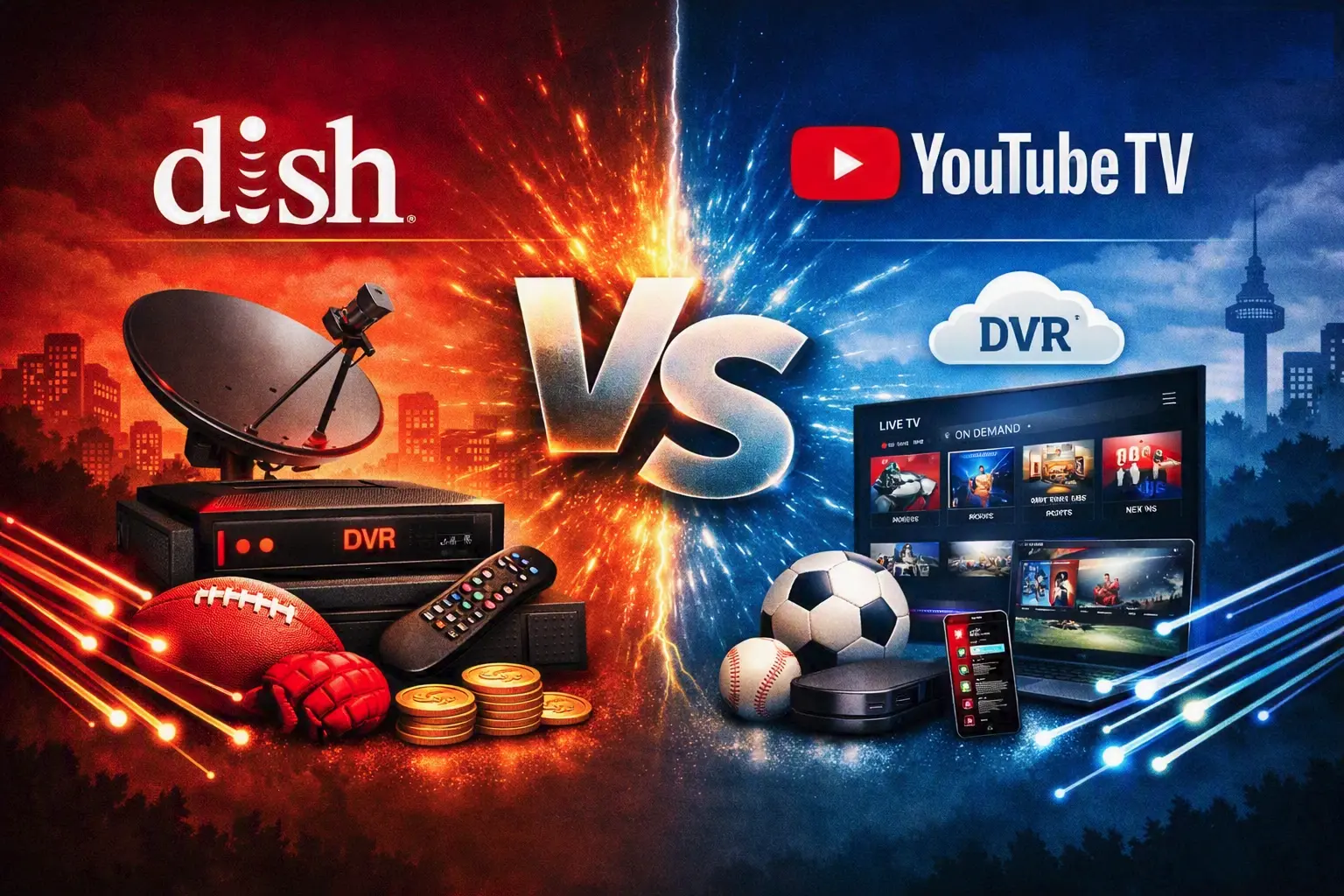
DISH vs. Live TV Streaming Services (e.g., YouTube TV, Hulu + Live TV)
Live TV streaming services offer a compelling alternative to traditional satellite and cable TV. Services like YouTube TV, Hulu + Live TV, and Sling TV provide access to many of the same live channels, including local networks, sports, and news, streamed over the internet.
Key Differences:
- Contracts: Streaming services typically do not require long-term contracts, offering month-to-month flexibility. DISH often involves 1- or 2-year contracts, which can include promotional pricing but lock customers in.
- DVR: Streaming services often offer cloud-based DVR storage, which can be unlimited or have generous limits. DISH's DVR (Hopper) is hardware-based and requires equipment rental fees.
- Channel Lineup: While many channels overlap, specific regional sports networks or niche channels might be exclusive to one platform or the other.
- Bundling: Streaming services are often bundled with on-demand content (e.g., Hulu + Live TV includes on-demand Hulu). DISH's bundling strategies are different, often involving internet or mobile.
- Price: The monthly cost of live TV streaming services can be comparable to or sometimes lower than DISH's mid-tier packages, especially when considering contract terms and equipment fees. However, DISH's highest-tier packages with extensive premium content can still be more expensive than even comprehensive streaming bundles.
Example (2025-26 Estimate):
| Provider | Estimated Monthly Cost (Base Package) | Key Features | Contract |
|---|---|---|---|
| DISH Network (America's Top 120) | $84.99 (after promo) | 190+ Channels, Local Channels, DVR option | 2-Year Contract |
| YouTube TV | $72.99 | 85+ Channels, Unlimited Cloud DVR, Local Channels | Month-to-Month |
| Hulu + Live TV | $76.99 (with ads) | 95+ Channels, Live TV, On-Demand Hulu, DVR | Month-to-Month |
Note: Prices are estimates for 2025-26 and can vary based on promotions, location, and specific package selections.
DISH vs. On-Demand Streaming Services (e.g., Netflix, Max, Disney+)
On-demand streaming services are fundamentally different from live TV services. They focus on providing a library of movies and TV shows to watch at any time, rather than live broadcasts.
Key Differences:
- Content: On-demand services offer curated libraries, while DISH provides live linear channels.
- Live Events: On-demand services generally do not offer live sports or breaking news in the same way as DISH.
- Cost: A combination of several on-demand streaming services can sometimes rival the cost of a mid-tier DISH package, but a single on-demand service is significantly cheaper.
- Flexibility: On-demand services offer ultimate flexibility with no contracts and viewing on any device.
Consumers often use a combination of DISH (for live TV, sports, news) and on-demand streaming services (for entertainment libraries). The perceived expense of DISH is often evaluated against the total cost of such a combined entertainment strategy.
DISH vs. Other Satellite/Cable Providers (e.g., DirecTV, Xfinity)
Direct comparisons with other traditional providers like DirecTV and cable companies (Xfinity, Spectrum) are often the most relevant. These providers offer similar services, and their pricing is influenced by the same underlying factors: content acquisition, infrastructure, and market competition.
Key Considerations:
- Channel Lineups: While broadly similar, specific channel availability can vary.
- Equipment: DVR capabilities and associated fees differ.
- Promotions: All providers heavily rely on introductory offers.
- Regional Availability: Cable is limited by geographic footprint, while satellite (DISH, DirecTV) is available nationwide.
Ultimately, the "expensive" label is subjective and depends on what features and channels a consumer prioritizes. DISH's pricing is competitive within the traditional pay-TV market, but it faces significant pressure from the lower-cost, more flexible streaming alternatives.
Strategies for Managing Your DISH Network Costs
While DISH Network's pricing is influenced by many factors beyond a customer's control, there are several strategies consumers can employ to manage their monthly bills and potentially reduce their overall spending. By being proactive and informed, subscribers can optimize their DISH experience without necessarily sacrificing essential services. These strategies are particularly relevant in the current economic climate of 2025-26, where budget consciousness is paramount.
Review Your Current Package Regularly
One of the most effective ways to manage costs is to periodically review your current DISH package. Many subscribers continue to pay for channels and features they no longer watch or use. Contacting DISH customer service to discuss your current subscription and explore downgrading to a more basic package can lead to immediate savings. Focus on identifying which channels you actually watch regularly and which are simply part of a larger bundle you're paying for.
Negotiate with Customer Service
Don't hesitate to negotiate with DISH customer service, especially when your contract is nearing its end or if you've seen your bill increase. Many customers are able to secure discounts, promotional rates, or free premium channel trials by simply asking. Be polite but firm, and mention competitor pricing if applicable. Retention specialists are often empowered to offer deals to keep customers from switching.
Take Advantage of Promotions and Discounts
DISH frequently offers promotions for new and existing customers. Keep an eye out for these offers, which might include discounts on monthly bills, free equipment upgrades, or complimentary access to premium channels for a limited time. If you are a long-term customer, inquire about any loyalty discounts or promotions that might be available to you.
Bundle Smartly, or Unbundle if Necessary
If DISH offers bundled packages with internet or mobile services, evaluate whether these bundles actually provide savings for your household. Sometimes, unbundling and sourcing these services from different providers can be more cost-effective. Conversely, if a bundle offers significant savings and convenience, it might be a good option, but always read the fine print regarding post-promotional pricing.
Consider Equipment Needs
DISH charges monthly rental fees for its advanced receivers, such as the Hopper. If you have multiple receivers in your home, evaluate if you truly need them all. Reducing the number of rented receivers can lower your monthly bill. Also, inquire if there are any promotions for upgrading to newer equipment that might offer better value or include bundled features.
Evaluate Your Viewing Habits Against Streaming Alternatives
For consumers who primarily watch on-demand content or a limited number of live channels, the cost of DISH might be disproportionately high. In such cases, it's worth considering if a combination of cheaper on-demand streaming services (Netflix, Max, Disney+) and a basic antenna for local channels could meet your needs more affordably. Calculate the total cost of your current DISH package versus the cost of a curated selection of streaming services and an antenna. For 2025-26, the increasing quality and breadth of streaming content make this a viable option for many.
Opt for Shorter Contract Terms (if available)
While longer contracts often come with better initial promotional pricing, they also lock you into a service for an extended period. If DISH offers shorter contract terms (e.g., 1-year instead of 2-year), evaluate if the slightly higher monthly cost is worth the increased flexibility to switch providers or renegotiate terms sooner.
Be Aware of Price Increases
DISH, like most service providers, periodically increases its prices due to rising content costs and operational expenses. Stay informed about these increases and use them as an opportunity to re-evaluate your package and potentially renegotiate your contract or explore alternatives. Understanding the reasons behind price hikes can help you make informed decisions about your subscription.
Conclusion
The question "Why is DISH Network so expensive?" is complex, rooted in the substantial costs of content acquisition, the ongoing investment in satellite and ground infrastructure, the provision of premium features, and the pressures of a competitive market increasingly dominated by streaming services. In 2025-26, these factors continue to shape DISH's pricing strategy. While the price may seem high compared to some alternatives, it reflects the comprehensive live TV experience, extensive channel selection, and advanced DVR capabilities that DISH provides. By understanding these underlying costs and strategically managing your subscription, you can better navigate DISH's offerings and ensure you're getting the best value for your entertainment budget.