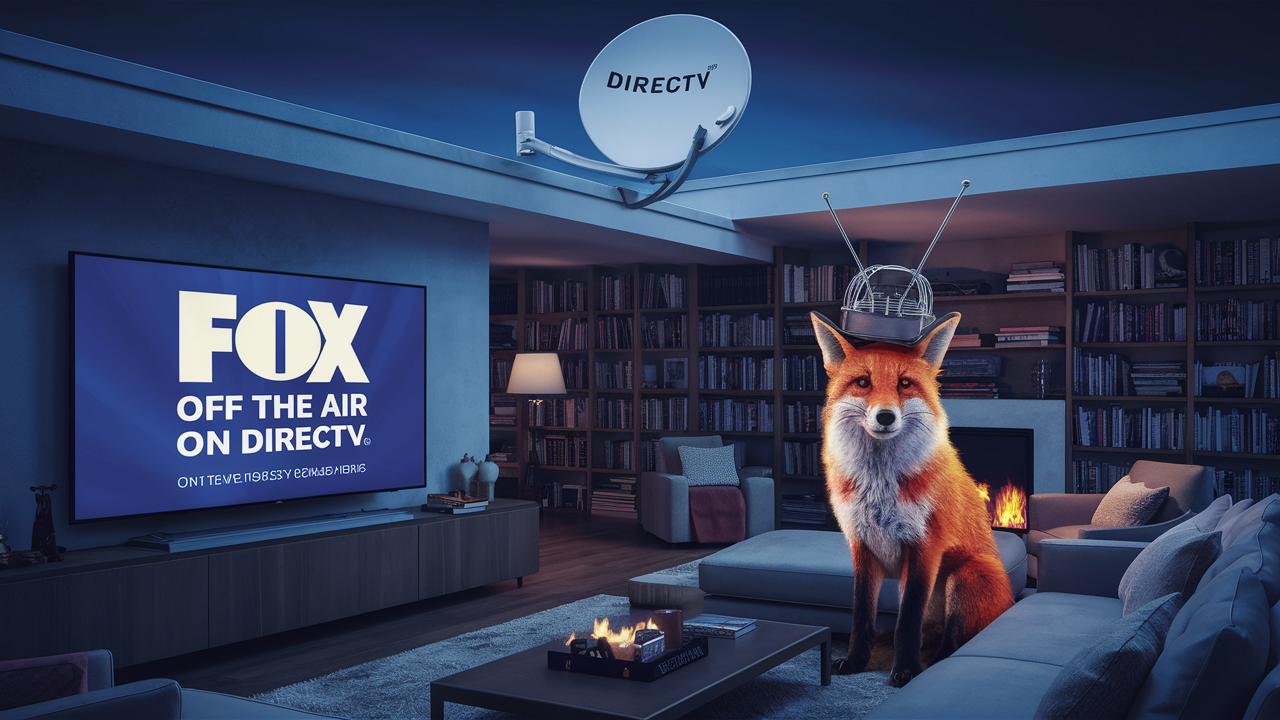
If you're trying to watch your favorite Fox programs on DirecTV and are met with a blank screen or a message indicating the channel is unavailable, you're likely experiencing the fallout of a carriage dispute. This blog post explains precisely why Fox is off the air on DirecTV, delving into the complexities of these agreements and what it means for you.
Understanding the Fox/DirecTV Dispute
Carriage disputes between content providers like Fox and pay-TV distributors such as DirecTV are unfortunately a recurring theme in the media landscape. At their core, these disagreements revolve around the fees that DirecTV must pay to Fox to carry its channels. Fox, as a major broadcast and cable network, demands compensation for the content it produces and distributes. DirecTV, as a service provider, aims to keep its subscription costs as low as possible for its customers. When negotiations over these fees break down, the immediate consequence is often the removal of the content provider's channels from the distributor's lineup. This leaves millions of subscribers without access to programming they pay for.
The specific reasons for a dispute can be multifaceted. They often include:
- Increased Fees Demanded by Fox: Fox may argue that its viewership numbers, the quality of its programming (e.g., popular sports like NFL on Fox, major news events, or hit shows), and the rising costs of content production justify a higher carriage fee.
- DirecTV's Cost-Cutting Measures: Conversely, DirecTV might be facing its own financial pressures, perhaps due to subscriber losses to streaming services or increased competition. They may push back against what they perceive as unreasonable fee hikes from content providers.
- Bundle Negotiations: Often, these negotiations are not just about a single channel but about a whole bundle of channels owned by the same parent company. Fox Corporation owns Fox News Channel, Fox Business Network, and the Fox broadcast television stations, in addition to the Fox Sports networks. DirecTV might be negotiating the carriage of all these entities simultaneously.
- New Distribution Models: The evolving media landscape, with the rise of streaming and direct-to-consumer options, can also complicate negotiations. Content providers may seek new revenue streams, and distributors may question the value of traditional carriage agreements in this new environment.
These disputes can drag on for days, weeks, or even months, causing significant disruption for viewers who rely on these channels for news, sports, and entertainment. The current situation, as of late 2025 and into 2026, exemplifies this ongoing tension.
Key Players Involved
When Fox goes dark on DirecTV, it's not just two entities in isolation. Several key players and their interests are at play, influencing the negotiation dynamics and the ultimate outcome. Understanding these players provides crucial context for the dispute.
Fox Corporation
Fox Corporation is the primary content provider at the center of the dispute. It's a publicly traded company responsible for the operations of the Fox broadcast television network, Fox News Channel, Fox Business Network, and Fox Sports.
- Business Model: Fox generates revenue through advertising sales on its broadcast and cable networks, as well as through carriage fees paid by distributors like DirecTV. The latter is a significant revenue stream.
- Programming Portfolio: Fox boasts a strong portfolio of popular programming, including live sports (NFL, MLB), national news (Fox News), and entertainment shows. This programming gives them significant leverage in negotiations.
- Negotiating Stance: Fox typically argues that its content is valuable and deserves fair compensation, reflecting its audience reach and the quality of its productions. They often highlight the cost of producing high-quality content and the advertising revenue they generate.
DirecTV
DirecTV, a subsidiary of AT&T until its sale in 2021 and now majority-owned by private equity firm TPG Capital, is one of the largest pay-TV providers in the United States. It offers satellite and streaming television services.
- Business Model: DirecTV's revenue comes from monthly subscription fees paid by its customers. They then pay carriage fees to content providers to include those channels in their programming packages.
- Subscriber Base: With millions of subscribers, DirecTV is a major player in the pay-TV market. This large subscriber base gives them considerable negotiating power with content providers.
- Negotiating Stance: DirecTV often aims to keep its subscription costs competitive, especially in the face of declining satellite TV subscriptions and the rise of cord-cutting. They may push back against what they consider excessive fee increases from content providers, as these costs are directly passed on to consumers.
Viewers (Subscribers)
The ultimate consumers of the content and the service are the millions of DirecTV subscribers who are caught in the middle.
- Impact: Viewers are directly affected by these disputes as they lose access to channels they pay for, impacting their ability to watch live sports, breaking news, or favorite shows.
- Consumer Sentiment: Viewer frustration can lead to complaints, potential cancellations of DirecTV subscriptions, and a negative perception of both the content provider and the distributor.
Regulators and Public Opinion
While not directly involved in negotiations, regulatory bodies and public opinion can indirectly influence the outcome.
- Government Oversight: Although carriage disputes are largely private contractual matters, significant disruptions can attract the attention of regulators, who may encourage faster resolutions.
- Media Scrutiny: News coverage of these disputes often highlights the impact on consumers, which can put pressure on both parties to reach an agreement.
The interplay between these entities, their financial motivations, and their negotiating strategies dictates the duration and resolution of carriage disputes.
Historical Context of Carriage Disputes
The current Fox/DirecTV dispute, while specific in its details, is not an isolated incident. Carriage disputes have been a recurring feature of the media distribution landscape for decades, evolving alongside technological advancements and changes in the industry. Understanding this history provides valuable perspective on why these conflicts persist.
Early Days of Cable and Broadcast
In the early days of cable television, distributors often paid little to carry local broadcast channels. However, as cable grew and became a significant distribution platform, broadcast networks began demanding fees for their signals. The Cable Television Consumer Protection and Competition Act of 1992, which included the "must-carry" provisions, allowed broadcasters to elect to "retransmit consent," meaning cable operators had to negotiate with them for the right to carry their signals. This marked a significant shift, establishing the principle that broadcasters could and would charge for their content.
The Rise of Cable Networks and Increased Fees
As cable networks proliferated in the 1980s and 1990s, they also began demanding carriage fees. Initially, many cable networks were free or paid distributors to be carried. However, as they developed popular content and built substantial audiences, they transitioned to charging fees. This trend accelerated with the growth of sports networks, which became particularly expensive due to the high cost of sports rights.
The 2000s: Escalating Disputes and "Blackouts"
The 2000s saw an increase in high-profile carriage disputes. As distributors like DirecTV, Dish Network, and cable companies consolidated and grew, their negotiating power increased, but so did the demands of content providers. These disputes often resulted in "blackouts" where channels would disappear from lineups for extended periods. Notable examples included disputes involving Viacom (MTV, Comedy Central), Scripps Networks (HGTV, Food Network), and various regional sports networks.
The Impact of Digital Transition and Cord-Cutting
The transition from analog to digital broadcasting, completed in 2009, didn't fundamentally change the economics of carriage disputes. However, the subsequent rise of the internet and streaming services has profoundly impacted the landscape.
- Cord-Cutting: Millions of consumers have abandoned traditional pay-TV subscriptions in favor of cheaper streaming alternatives (Netflix, Hulu, Disney+, etc.). This has put financial pressure on distributors like DirecTV, making them more sensitive to rising carriage fees.
- Direct-to-Consumer (DTC) Offerings: Many content providers are now launching their own streaming services (e.g., Fox Nation for Fox News content). This allows them to capture revenue directly from consumers and can alter their negotiating leverage with traditional distributors. Some providers may even prioritize their DTC services over traditional carriage agreements.
- Bundling Strategies: Distributors are forced to re-evaluate their channel bundles. If a particular channel's carriage fee is too high, and its viewership is declining, distributors may consider removing it to offer more competitive pricing.
The Fox/DirecTV Dynamic
Fox and DirecTV have a long history of negotiations, and they have experienced carriage disputes in the past. These disputes often highlight the tension between a content provider's desire to monetize its popular programming and a distributor's need to manage costs for its subscribers in an increasingly competitive market. The current dispute, occurring in the mid-2020s, reflects these ongoing industry-wide pressures.
The historical context shows that carriage disputes are an inherent part of the media ecosystem, driven by the fundamental economics of content creation and distribution. As the industry continues to evolve, these disputes are likely to persist, albeit with potentially new dynamics.
Financial Aspects of the Dispute
At the heart of any carriage dispute, including the one between Fox and DirecTV, are complex financial considerations. The dollar amounts involved are substantial, and the revenue streams for both parties are directly impacted by the outcome of these negotiations. Understanding these financial underpinnings is crucial to grasping why these disputes arise and why they can be so protracted.
Carriage Fees: The Core Issue
The primary financial driver of the dispute is the carriage fee. This is the amount that DirecTV pays to Fox Corporation for the right to broadcast Fox's channels to its subscribers.
- Fox's Perspective: Fox argues that its channels, particularly Fox News and Fox Sports, command significant viewership and are therefore highly valuable. They point to the advertising revenue these channels generate and the cost of producing premium content, such as live sporting events and in-depth news programming. They believe they are entitled to a higher fee that reflects this value and the costs associated with maintaining their content. In 2025-26, with the ongoing demand for live sports and a polarized news environment, Fox's leverage in demanding higher fees is considerable.
- DirecTV's Perspective: DirecTV, on the other hand, faces increasing pressure from its subscriber base to keep costs down. With a significant portion of its subscribers potentially churning due to competition from streaming services, DirecTV is hesitant to absorb or pass on substantial fee increases. They may argue that the proposed fees by Fox are disproportionate to the viewership of certain channels or that they can offer comparable content through other means.
Revenue Streams for Each Party
Both Fox and DirecTV have distinct revenue models that are affected by the dispute:
- Fox Corporation:
- Advertising Revenue: Fox generates significant revenue from advertisers who pay to place commercials during its programming. When channels are blacked out on DirecTV, Fox loses potential advertising impressions and thus advertising revenue from that subscriber base.
- Carriage Fees: This is the direct revenue from distributors like DirecTV. A loss of these fees, even temporarily, impacts Fox's bottom line.
- Direct-to-Consumer (DTC) Revenue: Fox also operates DTC services like Fox Nation. While this offers an alternative revenue stream, it doesn't fully compensate for lost carriage fees from a major distributor.
- DirecTV:
- Subscription Fees: DirecTV's primary revenue comes from the monthly fees paid by its subscribers. When popular channels like Fox are unavailable, subscribers may become dissatisfied, leading to complaints, demands for refunds, or even cancellations.
- Advertising (Limited): While DirecTV is not a content creator in the same vein as Fox, it may have some advertising revenue streams related to its platform.
- Cost of Content: The carriage fees paid to content providers are DirecTV's largest cost of goods sold.
The Cost of "Blackouts"
While a dispute might seem like a tactic to gain leverage, "blackouts" have tangible financial costs for both sides:
- Lost Revenue: Fox loses carriage fees and potentially advertising revenue. DirecTV faces the risk of subscriber churn and potential refunds.
- Reputational Damage: Prolonged disputes can damage the brand image of both companies, making customers question the value of the service or the reliability of the content.
- Negotiating Leverage: The longer a dispute lasts, the more pressure mounts on both sides to settle. However, each side must also consider the precedent set by the agreement, as it will influence future negotiations.
Market Dynamics and Industry Trends (2025-26)
The current media market in 2025-26 is characterized by intense competition and evolving consumer habits.
- Streaming Dominance: The continued rise of streaming services means that pay-TV distributors are losing subscribers. This makes them more reluctant to agree to higher carriage fees that could further alienate their customer base.
- Consolidation: While some consolidation has occurred, major media conglomerates (like Fox Corporation) still hold significant power due to their extensive content libraries and popular networks.
- Sports Rights: The escalating costs of sports rights continue to be a major factor. Networks like Fox, which carry major sporting events, use this as a significant bargaining chip in carriage negotiations.
The financial stakes are incredibly high for both Fox and DirecTV. The negotiations are a delicate balancing act, with each party attempting to maximize its revenue while minimizing losses and maintaining its market position.
Impact on Viewers
When Fox goes off the air on DirecTV, the primary impact is felt by the millions of subscribers who rely on these channels for their daily dose of news, sports, and entertainment. The disruption can be significant, affecting viewing habits, access to critical information, and the enjoyment of popular programming.
Loss of Access to Key Programming
The most immediate and obvious impact is the inability to watch specific shows and events. For DirecTV subscribers, this can mean missing:
- Live Sports: This is often the biggest pain point. Fox carries a substantial amount of live sports, including NFL games (especially Sunday afternoon games), MLB regular season and playoff games, college football, and NASCAR. Missing these events can be a major disappointment for sports fans. For example, during the 2025-26 NFL season, DirecTV subscribers might miss crucial matchups airing on Fox.
- National and Local News: Fox News Channel and Fox Business Network are major sources of news and commentary for a significant segment of the population. Their absence means viewers cannot access breaking news, political analysis, or financial market updates from these specific outlets. Furthermore, local Fox broadcast affiliates are often critical sources of local news, weather, and community information.
- Entertainment Shows: Popular scripted dramas, comedies, reality shows, and late-night talk shows that air on the Fox broadcast network or its cable affiliates become inaccessible.
Frustration and Dissatisfaction
Viewers pay a monthly subscription fee to DirecTV with the expectation of receiving a comprehensive package of channels. When channels are removed due to disputes, it leads to significant frustration and dissatisfaction.
- Feeling Cheated: Subscribers may feel they are not receiving the value for which they are paying. This can lead to complaints to DirecTV customer service, demands for partial refunds, and a general erosion of trust.
- Inconvenience: Viewers may have to scramble to find alternative ways to watch their desired content, which can be inconvenient and time-consuming.
Financial Implications for Viewers
While DirecTV subscribers pay for their service, the dispute can indirectly lead to additional costs or perceived value loss.
- Seeking Alternatives: If DirecTV subscribers cannot access Fox content, they might be tempted to subscribe to alternative services. This could include:
- Streaming Services: Subscribing to a streaming service that carries Fox content (if available) or specific sports packages.
- Antenna: For local Fox broadcast affiliates, viewers might purchase an over-the-air antenna to receive the signal for free.
- Other Pay-TV Providers: Some viewers might consider switching to a competitor like Dish Network or a cable provider that still carries Fox.
- Perceived Value Reduction: Even if they don't switch, the reduction in available programming directly lowers the perceived value of their DirecTV subscription.
Impact on Specific Demographics
The impact can be felt differently across various demographics.
- Sports Enthusiasts: These viewers are often the most vocal and directly impacted, as live sports are frequently a primary reason for subscribing to a service like DirecTV. Missing major games can be particularly frustrating.
- News Consumers: Viewers who rely on Fox News or Fox Business for their daily news intake will experience a significant disruption in their information consumption habits.
- Local Communities: For local Fox affiliates, the loss of carriage means a disconnection from their local audience, impacting the flow of local news and community information.
In summary, the removal of Fox channels from DirecTV creates a ripple effect of inconvenience, frustration, and potential financial adjustments for millions of viewers. It underscores the power that content providers and distributors wield and the vulnerability of consumers caught in the middle of these commercial disputes.
What Can Viewers Do?
When Fox channels are blacked out on DirecTV, viewers often feel powerless. However, there are several proactive steps individuals can take to mitigate the disruption, voice their concerns, and potentially find alternative solutions. Understanding these options can help viewers regain some control during a carriage dispute.
1. Verify the Outage
Before assuming a dispute, ensure the issue isn't a local technical problem.
- Check DirecTV's Website/App: Distributors often post information about ongoing carriage disputes on their official platforms.
- Check Fox's Website: Content providers also typically communicate their status and any dispute information.
- Contact DirecTV Customer Service: Call their support line to confirm if the channels are unavailable due to a carriage dispute.
2. Voice Your Concerns
Making your voice heard can put pressure on both parties to reach a resolution.
- Contact DirecTV:
- Phone: Call DirecTV's customer service number. Express your dissatisfaction and inquire about the timeline for resolution.
- Social Media: Post on DirecTV's official social media pages (Twitter, Facebook). Tag them and use relevant hashtags.
- Online Forms: Utilize any feedback or complaint forms available on DirecTV's website.
- Contact Fox Corporation:
- Website: Visit the corporate website for Fox Corporation and look for contact information or feedback channels.
- Social Media: Engage with Fox's official social media accounts.
- Contact Your Local Fox Affiliate: If the dispute involves your local Fox broadcast station, contact them directly. They have a vested interest in being available to their local viewers.
When contacting them, be polite but firm. Clearly state which channels are missing and express your disappointment. Mentioning your loyalty as a subscriber can add weight to your complaint.
3. Explore Alternative Viewing Options
While waiting for a resolution, consider these alternatives:
- Over-the-Air (OTA) Antenna: For local Fox broadcast channels (e.g., the one that airs NFL games), a digital antenna is often the most cost-effective solution. Antennas can pick up free, high-definition signals from local broadcasters. Many modern TVs have built-in tuners, or you can purchase an inexpensive external one. This is a permanent solution for local channels, independent of any distributor dispute.
- Streaming Services:
- Fox Nation: For Fox News and Fox Business content, Fox Nation is a subscription service that provides on-demand access and live streaming.
- Sports Streaming: For Fox Sports content, explore options like Fox Sports App (which may require a DirecTV login, but sometimes offers standalone viewing or trials), or other sports streaming packages that might include the events you want to watch. Note that many major sports leagues also offer their own direct-to-consumer streaming services (e.g., NFL+, MLB.TV) which might carry some games, though often with blackout restrictions.
- Live TV Streaming Services: Services like YouTube TV, Hulu + Live TV, Sling TV, or FuboTV often carry local Fox broadcast affiliates and Fox cable networks. If the dispute is prolonged, subscribing to one of these services temporarily (or permanently) might be a viable option. Compare their channel lineups and pricing to find the best fit.
- Other Distributors: If the dispute is impacting a significant portion of your viewing, you might consider switching to a different pay-TV provider like Dish Network or a local cable company that still carries the Fox channels. Research their offerings and contracts carefully.
4. Consider Subscription Adjustments
If the loss of Fox channels is a deal-breaker for your DirecTV subscription:
- Request a Discount: Contact DirecTV and ask for a prorated discount on your bill for the period the channels are unavailable.
- Evaluate Your Package: If you primarily subscribe for Fox content, assess if your current DirecTV package is still worth the cost without those channels. You might consider downgrading to a cheaper package if other desired channels remain.
- Prepare to Switch: If resolution seems unlikely or takes too long, begin researching alternative providers or streaming solutions.
5. Stay Informed
Keep up-to-date with news reports and official statements from both Fox and DirecTV regarding the status of negotiations. This will help you gauge when a resolution might be imminent and inform your decisions about alternative viewing methods.
By taking these steps, DirecTV subscribers can navigate the frustration of a carriage dispute more effectively, ensuring they have access to the content they value and making their preferences known to the companies involved.
Alternatives to DirecTV for Fox Viewing
If you're a DirecTV subscriber experiencing the frustration of Fox channels being off the air, you're likely looking for immediate and reliable alternatives to catch your favorite programming. Fortunately, the evolving media landscape offers several viable options that can provide access to Fox content, ranging from free over-the-air signals to various streaming services.
1. Over-the-Air (OTA) Antenna
This is often the most overlooked, yet most cost-effective, solution for accessing local broadcast channels, including your local Fox affiliate.
- How it Works: Local broadcast stations transmit their signals terrestrially. A digital antenna can capture these signals for free, providing access to channels like ABC, CBS, NBC, and Fox in high definition.
- Benefits:
- Free: Once the antenna is purchased, there are no ongoing subscription fees.
- Reliable: OTA signals are generally stable and not subject to carriage disputes.
- High Quality: Broadcasts are typically in HD.
- Considerations:
- Range: The effectiveness depends on your proximity to the broadcast towers.
- Channel Availability: Only local broadcast affiliates are available, not national cable channels like Fox News or Fox Business.
- Equipment: You'll need an antenna (indoor or outdoor, depending on your location) and potentially a digital converter box if your TV is older.
- Recommendation: For accessing major sporting events like NFL games broadcast on your local Fox affiliate, an OTA antenna is an excellent primary or backup solution.
2. Live TV Streaming Services
These services mimic the traditional cable/satellite TV experience by offering bundles of live channels over the internet. Many of them include local Fox affiliates and national Fox cable networks.
- Popular Options:
- YouTube TV: Known for its comprehensive channel lineup, including local channels in most markets and Fox News/Fox Business. Offers unlimited cloud DVR storage.
- Hulu + Live TV: Combines live TV with Hulu's on-demand library. Includes local Fox affiliates and Fox cable networks.
- Sling TV: A more customizable and budget-friendly option. The "Orange" and "Blue" packages can be combined. The "Blue" package often includes local Fox channels in select markets and Fox Sports.
- FuboTV: Originally focused on sports, FuboTV now offers a broad range of channels, including local Fox affiliates and Fox Sports networks.
- Benefits:
- Flexibility: Cancel anytime, no long-term contracts.
- Accessibility: Watch on various devices (smart TVs, streaming sticks, phones, tablets).
- Bundled Content: Access to a wide array of channels.
- Considerations:
- Cost: Monthly subscription fees can add up, though often less than traditional satellite.
- Local Channel Availability: Local channel carriage varies by geographic location. Always verify before subscribing.
- Internet Dependency: Requires a stable, high-speed internet connection.
- Recommendation: If you want a comprehensive replacement for DirecTV that includes local Fox and national Fox cable channels, a live TV streaming service is a strong contender.
3. Direct-to-Consumer (DTC) Streaming Services
These services offer specific content directly from the provider, bypassing traditional distributors.
- Fox Nation: This is Fox Corporation's own subscription streaming service. It primarily focuses on content from Fox News and Fox Business, offering opinion shows, documentaries, and some live programming. It's a good option if your primary interest is news and commentary from these networks.
- Fox Sports App / Fox Sports Go (Requires Login): While the Fox Sports app often requires a login from a participating TV provider (like DirecTV), sometimes specific events or content may be available without a traditional login, or it can be used to stream content if you switch to a compatible provider.
- Sports League Apps: For specific sports, league-specific apps can be an alternative, though often with blackout restrictions. For example, the NFL+ service allows streaming of out-of-market preseason games and live local/primetime games on mobile devices. MLB.TV offers out-of-market games.
- Benefits:
- Niche Content: Access to specific types of programming (news, sports).
- On-Demand: Many offer extensive on-demand libraries.
- Considerations:
- Limited Scope: Doesn't replace a full TV package. You might need multiple subscriptions.
- Blackout Rules: Sports streaming services often have blackout rules that prevent you from watching local games.
- Recommendation: Fox Nation is ideal for dedicated Fox News/Business viewers. For sports, research specific league apps or services that bundle sports.
4. Other Pay-TV Providers
If you prefer the traditional satellite or cable experience and are unwilling to switch to streaming, consider competitors.
- Dish Network: A direct competitor to DirecTV, Dish Network also carries a wide range of channels. You would need to verify their current carriage agreement with Fox.
- Cable Providers: Local cable companies (e.g., Spectrum, Xfinity in some areas) also offer channel packages. Again, confirming their Fox carriage is essential.
Recommendation: This is a more drastic step, involving a new contract and installation. It's best considered if other options are insufficient and you are committed to a traditional pay-TV service.
Choosing the right alternative depends on your specific viewing priorities (news, sports, local programming), budget, and technical comfort level. Many viewers find a combination of an OTA antenna for local channels and a live TV streaming service provides the most comprehensive and flexible solution during carriage disputes.
Future Outlook and Resolution
The question of "Why is Fox off the air on DirecTV?" is often followed by "When will it be back?" The resolution of carriage disputes is rarely instantaneous, but understanding the factors that influence them can provide insight into the future outlook.
Factors Influencing Resolution
Several key elements typically drive the parties toward an agreement:
- Viewer Pressure: As detailed earlier, sustained complaints and potential subscriber churn from DirecTV can significantly pressure both companies. When a dispute impacts a large number of subscribers, especially during critical viewing periods (like major sporting events or elections), the financial and reputational costs of inaction become too high.
- Financial Impact: The longer the dispute lasts, the more revenue each party loses. Fox loses carriage fees and potentially advertising revenue. DirecTV risks losing subscribers who may switch to competitors or cut the cord entirely. The cumulative financial damage often becomes a strong motivator for compromise.
- Critical Programming: If the blackout occurs during a period of highly anticipated Fox programming (e.g., the Super Bowl airing on Fox, crucial NFL playoff games, or major political news events), the urgency to resolve the dispute intensifies dramatically. Viewers' inability to access such content creates immense pressure.
- Negotiating Tactics: Both sides employ these disputes as leverage. Fox might hold firm on its fee demands, while DirecTV might counter by highlighting the value of its subscriber base or the availability of alternative content. The back-and-forth can be strategic, with each side waiting for the other to blink.
- External Factors: Market conditions, regulatory scrutiny, or even broader economic trends can indirectly influence negotiations. For instance, if the pay-TV market is contracting rapidly, DirecTV might have less room to absorb higher fees.
Typical Resolution Paths
Carriage disputes generally resolve in one of a few ways:
- Full Agreement: The most common outcome is that both parties reach a new carriage agreement. This usually involves a compromise on the carriage fees, potentially with tiered pricing based on viewership or specific channel bundles. The terms of these agreements are often confidential.
- Temporary Extension: Sometimes, parties may agree to a short-term extension of the previous agreement while negotiations continue. This prevents immediate disruption but doesn't solve the underlying issues.
- Permanent Removal: In rare cases, if negotiations completely break down and neither side is willing to compromise, a distributor might permanently remove a content provider's channels. This is less common for major networks like Fox due to the significant backlash it would likely cause.
- Arbitration: In some contractual situations, if direct negotiations fail, the dispute might go to a neutral third-party arbitrator to decide the terms of the carriage agreement.
The 2025-26 Landscape and Future Trends
Looking ahead, the dynamics of carriage disputes are likely to continue evolving.
- Continued Streaming Pressure: As streaming services mature and potentially increase their own prices or consolidate, the value proposition of traditional pay-TV bundles will continue to be scrutinized. This means distributors like DirecTV will remain highly sensitive to carriage fee increases.
- Consolidation of Content: Major media companies will likely continue to consolidate content rights, potentially increasing their leverage. However, they also face the challenge of managing their own direct-to-consumer offerings, which can sometimes be in tension with traditional distribution deals.
- Data and Analytics: The use of granular viewership data will play an increasingly important role. Both distributors and content providers will use data to justify their positions on carriage fees and channel value.
- Potential for More Direct Deals: As the media landscape fragments, we might see more direct-to-consumer relationships, potentially bypassing traditional distributors for certain types of content. However, for broad-based channels like Fox News and local broadcast affiliates, traditional carriage agreements remain critical.
Likely Outcome for Fox/DirecTV
Given the history and the importance of Fox's programming (especially sports and news) to DirecTV's subscriber base, a prolonged, permanent removal of Fox channels is unlikely. The most probable outcome is a negotiated settlement. The terms of this settlement will reflect the current market pressures, with DirecTV likely pushing for more favorable terms than in previous years, while Fox leverages its popular content to secure increased fees. The speed of resolution will heavily depend on the timing of critical programming and the intensity of subscriber feedback.
Ultimately, while these disputes are disruptive, they are an inherent part of the business of delivering content in the modern media era. The resolution between Fox and DirecTV, whenever it occurs, will likely be a testament to the complex interplay of financial interests, market forces, and the enduring demand for popular programming.
Conclusion
The question "Why is Fox off the air on DirecTV?" boils down to a classic carriage dispute, a negotiation over money and content value between Fox Corporation and DirecTV. These disagreements arise when the two companies cannot agree on the fees DirecTV pays to carry Fox's channels, including local broadcast affiliates, Fox News, Fox Business, and Fox Sports. The financial stakes are high, with both companies seeking to maximize revenue in a rapidly evolving media market.
For viewers, this dispute means a frustrating loss of access to popular sports, news, and entertainment. However, you are not without options. Exploring alternatives like over-the-air antennas for local Fox affiliates, subscribing to live TV streaming services, or utilizing direct-to-consumer platforms like Fox Nation can ensure you don't miss out. Voicing your concerns directly to both DirecTV and Fox can also add pressure for a swift resolution.
While these disputes are disruptive, they are a recurring feature of the media landscape. The most likely outcome is a negotiated settlement, driven by viewer pressure and the financial costs of prolonged blackouts. By staying informed and exploring alternative viewing methods, you can navigate these disruptions effectively and continue enjoying the content you value.