-
Posted on: 07 Jan 2026

-
Discover how affordable satellite TV & internet bundles can revolutionize your home entertainment and connectivity. Get reliable service without breaking the bank, perfect for rural areas and budget-conscious households seeking comprehensive solutions.
Understanding Satellite TV & Internet Bundles
In today's connected world, reliable internet and quality entertainment are no longer luxuries but necessities. For many, especially those in rural or underserved areas, traditional broadband options like DSL or fiber optic cable are simply unavailable or prohibitively expensive. This is where satellite TV & internet bundles shine, offering a comprehensive solution that combines television programming with high-speed internet access, often at a more accessible price point. These bundles are designed to simplify your home services, reduce clutter, and provide a single point of contact for billing and support. They leverage advanced satellite technology to beam signals directly to your home, overcoming geographical limitations that plague other providers. By packaging these two essential services together, providers aim to offer greater value and convenience to consumers.
The core concept behind a satellite bundle is straightforward: you receive your television channels and your internet connection from the same satellite provider. This integration means a single dish on your roof typically handles both signals, streamlining installation and maintenance. Unlike standalone services, bundling often unlocks discounted pricing, making it a more economically viable option for many households. In 2025-26, the satellite industry continues to innovate, with newer generations of satellites offering faster speeds and more robust connections, making these bundles increasingly competitive with terrestrial alternatives.
What Exactly is Satellite Internet?
Satellite internet works by using a network of satellites orbiting the Earth to transmit data. Your home is equipped with a satellite dish that communicates with these orbiting satellites. These satellites, in turn, communicate with a ground station (also known as a gateway or teleport) which is connected to the terrestrial internet backbone. When you send a request, like visiting a website, the data travels from your computer to the dish, up to the satellite, down to the ground station, across the internet, and then the process is reversed to bring the information back to you. While historically known for higher latency (the delay between sending a command and receiving a response), advancements in technology, including Low Earth Orbit (LEO) satellite constellations, are significantly reducing this latency, making satellite internet more responsive than ever before. For 2025-26, LEO services are becoming increasingly prominent, offering speeds that can rival some DSL and even cable connections.
What is Satellite TV?
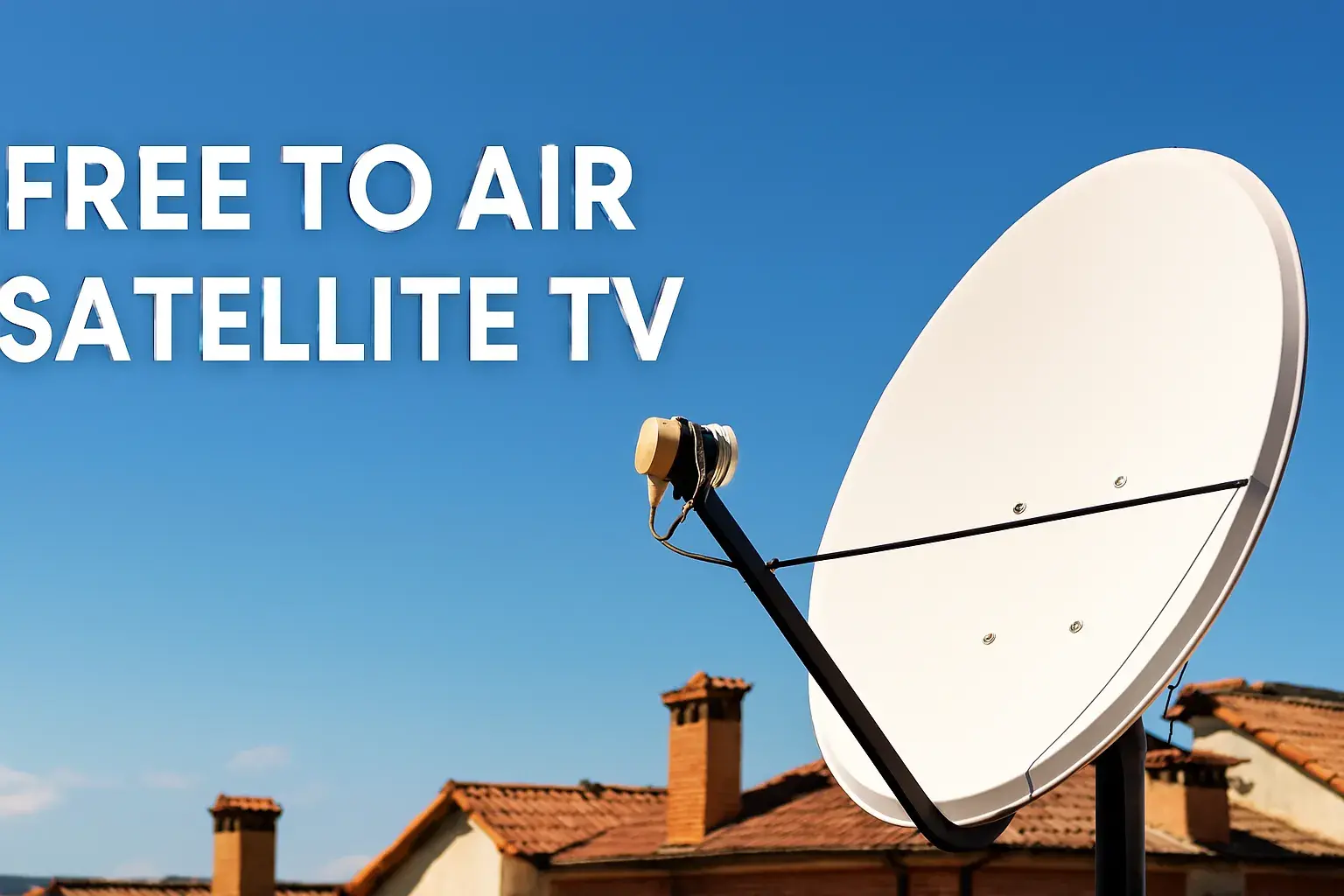
Satellite television operates on a similar principle. Instead of internet data, it transmits television channel signals. A satellite dish on your home receives these signals from a geostationary satellite (one that orbits at the same speed as the Earth's rotation, appearing stationary in the sky). These satellites broadcast hundreds of channels, from local news and major networks to premium movie channels and specialized sports programming. The signals are encoded and then decoded by a set-top box in your home, allowing you to view the content on your television. Satellite TV is particularly valuable in areas where cable infrastructure is non-existent or in poor condition, providing a consistent viewing experience.
The Synergy of Bundling
When you combine these two services into a bundle, you gain several advantages. Firstly, you often benefit from a reduced monthly cost compared to subscribing to separate TV and internet services. Secondly, it simplifies your household management – one bill, one customer service number, and often a single installation appointment. This convenience is a major draw for consumers looking to streamline their home services. Providers understand that bundling encourages customer loyalty and reduces churn, so they are incentivized to offer attractive packages that meet diverse consumer needs.
The Compelling Benefits of Bundling
Opting for a satellite TV & internet bundle offers a multitude of advantages that cater to a wide range of consumer needs. These benefits extend beyond mere cost savings, encompassing convenience, accessibility, and enhanced service integration. Understanding these advantages is crucial for making an informed decision about your home connectivity and entertainment solutions.
Significant Cost Savings
One of the most persuasive reasons to choose a satellite bundle is the potential for substantial cost savings. Providers frequently offer discounted pricing when you combine TV and internet services, as opposed to purchasing them separately. This is a strategic move by providers to attract and retain customers. For example, a typical standalone satellite internet plan might cost $70-$90 per month, while a TV package could add another $50-$100. Bundling these can often bring the combined cost down to $100-$150 per month, representing a saving of $20-$50 or more. These savings are particularly impactful for households on a budget or those in areas with limited alternative providers.
Convenience and Simplicity
Managing multiple service providers can be a hassle. With a bundle, you consolidate your services under one provider. This means a single monthly bill to track, one customer service line to call for any issues, and a unified installation process. This simplification reduces administrative burden and makes it easier to manage your household expenses and technical support needs. Imagine fewer calls to remember, fewer websites to log into, and a clearer overview of your essential home services.
Accessibility in Underserved Areas
Perhaps the most critical benefit of satellite TV & internet is its unparalleled accessibility. In rural communities, remote locations, and areas where traditional infrastructure (like fiber optic or cable lines) is economically unfeasible to deploy, satellite technology provides a vital link to the digital world and modern entertainment. For many families in these regions, satellite is the *only* viable option for high-speed internet and a wide array of television channels. By 2025-26, satellite providers are actively working to expand their reach and improve service quality in these very areas.
Consistent Performance
While satellite internet historically faced challenges with latency and weather interference, modern satellite technology has made significant strides. Newer satellite constellations, particularly LEO satellites, offer much lower latency, making activities like online gaming, video conferencing, and real-time communication more feasible. Furthermore, satellite signals are less susceptible to ground-level issues like cable damage or network congestion that can plague terrestrial services. While extreme weather like heavy thunderstorms can temporarily affect satellite signals, most providers have robust systems to mitigate these impacts, and service typically resumes quickly once conditions improve.
Wide Selection of Channels
Satellite TV providers typically offer an extensive range of programming. From local broadcast channels and news networks to sports packages, movie channels, and international programming, there's usually a package to suit every taste. Bundling ensures you get this comprehensive TV offering alongside your internet, providing a complete entertainment and connectivity solution for the entire household.
Top Affordable Satellite Providers in 2025-26
Navigating the satellite provider landscape can seem daunting, but several key players consistently offer competitive and affordable bundles. These providers have invested heavily in technology and infrastructure to deliver reliable service. Here's a look at some of the leading options for 2025-26, focusing on their bundle offerings and value propositions.
Provider A: The All-Rounder
Provider A is renowned for its balanced approach, offering a good mix of internet speeds and TV channel selections at competitive prices. Their bundles are often designed for families, providing ample data for streaming and a wide array of entertainment options. In 2025-26, Provider A is enhancing its LEO satellite offerings, aiming to reduce latency and increase download speeds to an average of 50-100 Mbps, with potential for higher bursts. Their TV packages typically start with basic local channels and expand to include premium sports and movie networks. Expect introductory pricing to be particularly attractive, with standard rates kicking in after a promotional period.
- Internet Speeds: 50-100 Mbps download (LEO), 25-50 Mbps download (GEO)
- Data Caps: Varies by plan, often starting at 100 GB with options for unlimited or higher tiers.
- TV Packages: Basic, Standard, Premium tiers with 150-300+ channels.
- Bundle Pricing: Starting around $110/month for basic internet and TV.
- Key Feature: Strong LEO presence for improved speed and reduced latency.
Provider B: The Budget Champion
Provider B often positions itself as the most budget-friendly option, particularly for customers who prioritize essential services without the frills. Their bundles are typically simpler, focusing on core internet functionality and a solid selection of popular TV channels. While their internet speeds might be slightly lower than competitors, their pricing is often the most aggressive. For 2025-26, Provider B is focusing on optimizing its existing satellite network for efficiency and customer affordability. They might offer lower data caps but often provide very cost-effective options for data top-ups. Their TV packages are comprehensive enough for most viewers, covering major networks and popular cable channels.
- Internet Speeds: 25-75 Mbps download (GEO)
- Data Caps: Often around 50-75 GB, with affordable overage charges or top-up options.
- TV Packages: Basic, Family, Entertainment tiers with 100-200 channels.
- Bundle Pricing: Starting around $95/month for basic internet and TV.
- Key Feature: Aggressive pricing for budget-conscious consumers.
Provider C: The Premium Value
Provider C aims to strike a balance between performance and price, offering slightly higher speeds and more robust data allowances than budget options, without reaching the premium pricing of some LEO-focused providers. Their bundles often include features like free equipment rentals or installation discounts. In 2025-26, Provider C is investing in network upgrades to ensure reliability and speed consistency. They are known for their customer service and flexible plan options, allowing customers to customize their bundles more readily. Their TV packages are extensive, often including sports and movie channels as standard in mid-tier plans.
- Internet Speeds: 40-90 Mbps download (GEO/LEO mix)
- Data Caps: Typically 100-150 GB, with rollover options.
- TV Packages: Basic, Sports & Entertainment, Ultimate tiers with 200-300+ channels.
- Bundle Pricing: Starting around $105/month for basic internet and TV.
- Key Feature: Good balance of speed, data, and channel selection.
Provider D: The Next-Gen Speedster (LEO Focused)
Emerging and established LEO providers are making significant waves in 2025-26. Provider D is at the forefront, focusing almost exclusively on LEO satellite technology to deliver significantly faster speeds and lower latency. While their pricing might be slightly higher than traditional GEO satellite bundles, the performance jump is substantial, making it a viable alternative for those who need more responsive internet for demanding applications. These bundles are ideal for remote workers, gamers, and heavy streamers. Data allowances are often more generous, and speeds can reach 100-300 Mbps download. Their TV offerings might be integrated through streaming apps or partnerships rather than traditional satellite TV channels, reflecting a modern approach to entertainment.
- Internet Speeds: 100-300 Mbps download (LEO)
- Data Caps: Often 200 GB or more, with options for unlimited plans.
- TV Packages: Integrated streaming apps or partnerships; may require separate streaming subscriptions.
- Bundle Pricing: Starting around $130/month for high-speed internet.
- Key Feature: Cutting-edge LEO technology for superior speed and low latency.
Note: Pricing and specific plan details are estimates for 2025-26 and can vary based on location, promotions, and contract terms. Always verify current offers with the providers.
Key Factors When Choosing Your Bundle
Selecting the right satellite TV & internet bundle requires careful consideration of your household's specific needs and usage patterns. Simply picking the cheapest option might lead to frustration if it doesn't meet your requirements. Here are the critical factors to evaluate before making your decision.
Internet Speed and Data Needs
Speed: How fast does your internet need to be? For basic web browsing and email, 25-50 Mbps might suffice. However, for streaming HD or 4K video, video conferencing, online gaming, or downloading large files, you'll want speeds of 50 Mbps and above. LEO providers are now offering speeds that can exceed 100 Mbps, which is a game-changer for many.
Data Caps: Satellite internet plans often come with data caps, which are limits on the amount of data you can download and upload each month. Exceeding these caps can result in throttled speeds or additional charges. In 2025-26, many providers are offering more generous data allowances (100-200 GB) or even unlimited data plans, but it's crucial to understand the specifics. Estimate your household's monthly data usage: streaming one hour of HD video uses about 3 GB, while 4K uses closer to 7 GB. Online gaming and large downloads consume significantly more.
TV Channel Selection
What kind of television content do you and your family enjoy? Satellite TV providers offer a range of packages, from basic local channels to comprehensive bundles including:
- Local Broadcast Channels (ABC, CBS, NBC, FOX)
- News Channels (CNN, Fox News, MSNBC)
- Sports Channels (ESPN, Fox Sports, regional sports networks)
- Movie Channels (HBO, Showtime, Starz)
- Family and Entertainment Channels (Disney Channel, HGTV, Discovery)
- International Channels
Consider which channels are essential for your viewing habits. Some bundles might require add-on packages for premium sports or movie networks, which will increase the overall cost.
Pricing and Contract Terms
Monthly Cost: Always look beyond the advertised introductory price. Understand the standard monthly rate after promotional periods expire. Factor in potential equipment rental fees, activation fees, and taxes.
Contract Length: Most satellite bundles require a 12-month or 24-month contract. Breaking a contract early can incur significant early termination fees. Ensure you are comfortable committing to the provider for the duration of the contract. Some providers are starting to offer month-to-month options, albeit at a higher monthly rate.
Equipment and Installation
Equipment: Satellite service requires a satellite dish and a modem/router for internet, along with a set-top box for TV. Providers usually offer equipment rental, which is included in the monthly bill, or you might have the option to purchase it outright. Understand the costs associated with equipment rental and replacement.
Installation: Professional installation is almost always required for satellite services. The installation process typically involves mounting the dish on your roof or a pole, running cables into your home, and setting up the equipment. Most providers offer free or discounted installation for new customers, but it's worth confirming. Ensure the installation covers the optimal placement for signal reception.
Customer Service and Reliability
Customer Service: Read reviews and research the provider's reputation for customer service. Are they responsive? Are they helpful? Consider their availability (24/7 support is ideal) and the channels they offer for support (phone, chat, online). A good support system is crucial when dealing with technical issues.
Reliability: While satellite technology has improved, weather can still be a factor. Research the provider's track record for uptime and performance, especially in your geographical area. LEO satellites are generally more resilient to certain types of interference compared to older GEO satellites.
Promotional Offers and Discounts
Providers often run special promotions for new customers, such as discounted first few months, waived installation fees, or free premium channel trials. Take advantage of these offers, but be sure to understand the terms and conditions. Also, inquire about any loyalty discounts or referral programs.
Comparing Plans: What to Look For
When you're ready to compare specific satellite TV & internet bundles, having a clear framework for comparison will help you make the best choice. It's not just about the headline price; it's about the overall value and how well the plan aligns with your needs. Here’s a detailed breakdown of what to scrutinize in each plan.
Internet Plan Details
Advertised vs. Actual Speeds: Providers advertise "up to" certain speeds. Understand that actual speeds can fluctuate based on network congestion, satellite availability, and your distance from the ground station. LEO services generally offer more consistent speeds.
Data Allowance Breakdown: Look at the monthly data allowance. Is it truly sufficient? Some plans have separate allowances for different times of day (e.g., "off-peak" data that doesn't count against your cap). Understand the policy for exceeding your data limit: are speeds drastically reduced, or are there per-GB charges?
Latency: For real-time applications, latency is key. LEO satellites offer significantly lower latency (often under 50ms) compared to traditional geostationary (GEO) satellites (which can be 600ms+). This difference is crucial for gaming, VoIP, and video conferencing.
TV Plan Details
Channel Lineup: Obtain the full channel list for each package. Cross-reference it with your must-have channels. Don't just look at the total number of channels; focus on the *quality* and *relevance* of those channels to your household.
HD Availability: Ensure the package includes High Definition (HD) channels for the networks you watch most. Most modern plans include HD as standard, but it's worth verifying.
On-Demand and Streaming Apps: Some satellite providers offer on-demand libraries or integrate with popular streaming apps. This can add significant value to your TV package, offering flexibility beyond live TV.
Bundle Pricing Structure
Introductory vs. Standard Rates: This is a critical point. A $70/month introductory offer for 12 months might jump to $120/month thereafter. Calculate the total cost over the contract term, not just the initial savings.
Hidden Fees: Be vigilant for activation fees, equipment rental fees (per device), installation fees (if not waived), and taxes. These can add $20-$50+ to your monthly bill.
Bundling Discounts: How much are you *actually* saving by bundling? Sometimes, the discount is minimal. Compare the bundled price to the cost of getting similar services separately from different providers (if possible).
Contract Obligations and Penalties
Contract Length: 12-month, 18-month, or 24-month contracts are common. Understand the commitment period.
Early Termination Fees (ETFs): These can be substantial, often ranging from $15-$30 per month remaining on the contract. If there's a chance you might move or change services, factor this risk into your decision.
Customer Reviews and Reputation
Independent Reviews: Look for reviews on reputable consumer websites, forums, and tech blogs. Pay attention to recurring complaints about billing issues, customer service, or service reliability.
Local Feedback: If possible, ask neighbors or community members in your area about their experiences with specific satellite providers. Local performance can sometimes differ.
Example Comparison Table (Illustrative 2025-26 Data)
This table provides a simplified comparison of hypothetical plans. Actual plans will vary.
Feature Provider A (All-Rounder) Provider B (Budget) Provider C (Premium Value) Provider D (LEO Focused) Internet Speed (Download) 50-100 Mbps (LEO) 25-75 Mbps (GEO) 40-90 Mbps (GEO/LEO) 100-300 Mbps (LEO) Monthly Data Allowance 100 GB 50 GB 120 GB 200 GB Typical TV Channels 200+ 150+ 250+ Streaming Apps / Varies Introductory Bundle Price (12 mos) $110/mo $95/mo $105/mo $130/mo (Internet only) Standard Bundle Price (after promo) $140/mo $120/mo $135/mo $160/mo (Internet only) Contract Length 24 months 12 months 18 months 24 months Key Selling Point Balanced performance & features Lowest cost Good all-around value Top-tier speed & latency Installation and Equipment Essentials
The physical components and the process of getting your satellite TV & internet up and running are crucial aspects of the service. Understanding what's involved can help you prepare and ensure a smooth experience.
The Satellite Dish
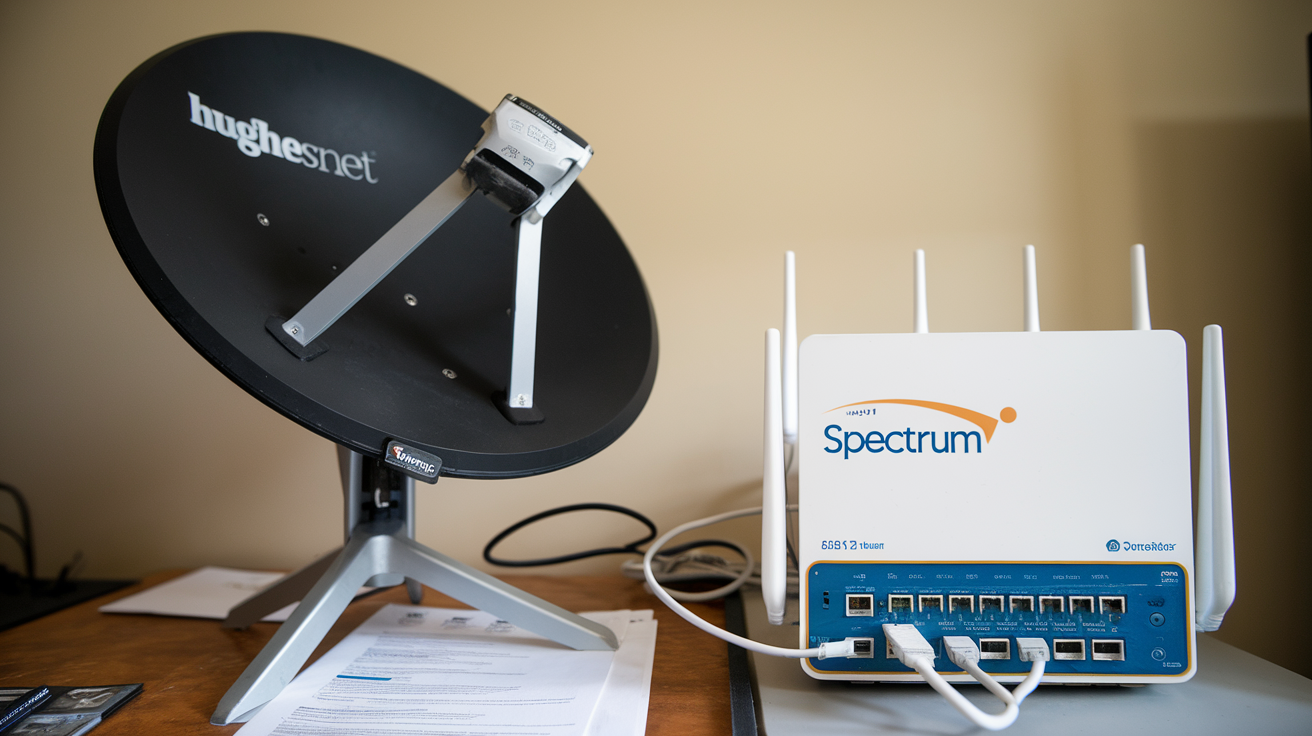
The satellite dish, often referred to as a "dish antenna," is the primary piece of equipment that receives signals from the orbiting satellites. It needs to be installed in a location with a clear, unobstructed view of the southern sky (in the Northern Hemisphere) or the northern sky (in the Southern Hemisphere), depending on the satellite's position. Obstructions like trees, buildings, or hills can significantly degrade or block the signal. Professional installers will assess your property to find the optimal mounting location, typically on the roof, a side wall, or a dedicated pole in the yard.
The Modem/Router for Internet
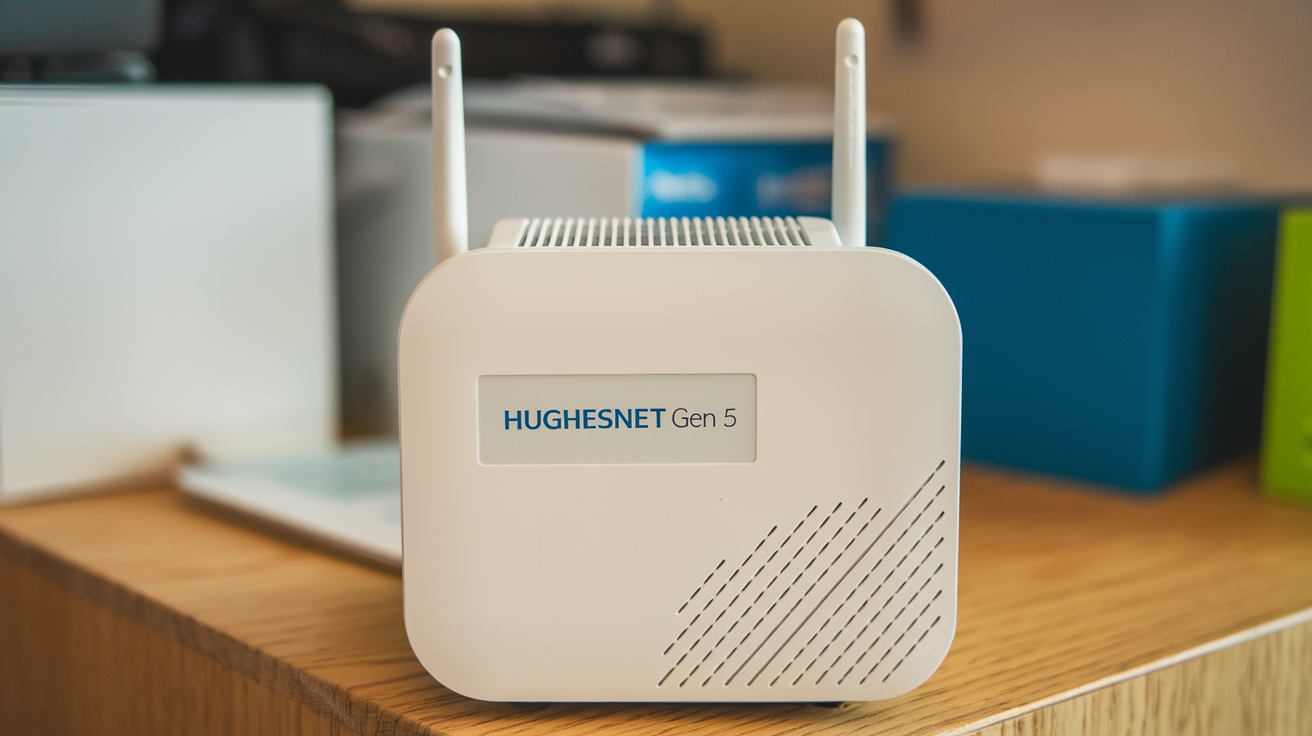
For internet service, a modem is required to translate the satellite signals into data that your computer and home network can understand. Most satellite providers supply an integrated modem and Wi-Fi router unit. This device connects to the satellite dish via a coaxial cable and provides Ethernet ports and Wi-Fi connectivity for your devices. Ensure the router supports modern Wi-Fi standards (like Wi-Fi 6) for the best performance within your home. Some plans might allow you to use your own compatible modem/router, but this is less common with satellite services and may void warranties or support agreements.
The Set-Top Box for TV
The set-top box (STB), also known as a receiver, is essential for satellite TV. It connects to your television via HDMI and decodes the satellite signals to display channels. Most modern STBs support HD and may offer features like DVR (Digital Video Recorder) capabilities for recording live TV, pause/rewind functions, and access to on-demand content or streaming apps. You'll typically need one STB per television, though some providers offer discounts for additional boxes or allow streaming to smart devices.
The Professional Installation Process
Scheduling: Once you sign up for a bundle, you'll schedule an installation appointment with the provider. Installation windows can vary, so book in advance, especially during peak times.
Site Survey: The technician will arrive and assess your property for the best dish placement, considering signal strength and cable routing.
Mounting and Wiring: The dish will be securely mounted. Cables will be run from the dish to your modem/router and STB(s). The technician will aim to minimize visible wiring and ensure it's installed safely and neatly.
Equipment Setup and Testing: The modem/router and STB(s) will be connected, powered on, and configured. The technician will test the internet connection and TV signal to ensure everything is working correctly and meeting performance standards.
Demonstration: The technician will typically show you how to use the equipment, navigate menus, and access basic features. Don't hesitate to ask questions during this phase.
Self-Installation Options
While professional installation is the norm and often required, some newer LEO satellite internet services are exploring self-installation options. This typically involves the customer receiving a kit with the dish and modem/router and following detailed instructions to set it up themselves. This can save on installation fees but requires a degree of technical comfort and a suitable location for the dish that doesn't require complex mounting.
Equipment Rental vs. Purchase
Rental: Most providers offer equipment rental as part of the monthly service fee or as a separate monthly charge. The advantage is that if the equipment fails, the provider usually replaces it at no extra cost. However, over the long term, rental fees can add up significantly.
Purchase: Some providers allow you to purchase the equipment outright. This is a higher upfront cost but can save money over the life of the service, especially if you plan to stay with the provider for many years. Ensure that purchasing the equipment doesn't void any service warranties or support options.
Troubleshooting and Customer Support
Even with the best technology, issues can arise. Knowing how to troubleshoot common problems and understanding the support options available from your satellite provider is essential for maintaining a seamless experience.
Common Internet Issues and Solutions
Slow Speeds:
- Check Data Usage: You might be approaching or have exceeded your data cap, leading to throttled speeds.
- Restart Equipment: Power cycle your modem/router and satellite dish (if accessible) by unplugging them for 30 seconds and plugging them back in.
- Check for Obstructions: Ensure there are no new obstructions blocking the satellite dish.
- Test Wired Connection: Connect a computer directly to the modem/router via Ethernet cable to rule out Wi-Fi issues.
- Run a Speed Test: Use online speed test tools to measure your current download and upload speeds.
Intermittent Connection:
- Weather: Heavy rain, snow, or thunderstorms can temporarily disrupt satellite signals. Service usually restores once the weather clears.
- Loose Cables: Check that all coaxial and Ethernet cables are securely connected.
- Equipment Overheating: Ensure the modem/router and STB have adequate ventilation.
No Internet Connection:
- Check Power: Ensure all equipment is powered on.
- Check Status Lights: Refer to your modem/router manual to understand what the indicator lights signify.
- Contact Provider: If basic troubleshooting fails, it's time to contact customer support.
Common TV Issues and Solutions
Pixelation or Freezing:
- Signal Strength: This is often due to a weak signal, potentially caused by dish alignment issues or obstructions.
- Weather: Similar to internet, severe weather can impact TV signals.
- Receiver Glitch: Try restarting your set-top box.
No Channels Available:
- Receiver Not Authorized: Ensure your receiver is active and authorized for your package.
- System Update: The receiver might be undergoing a software update.
- Dish Alignment: A misaligned dish is a common cause.
Remote Not Working:
- Batteries: Replace the batteries in your remote.
- Pairing: The remote might need to be re-paired with the set-top box.
- Obstruction: Ensure there's a clear line of sight between the remote and the STB.
Customer Support Channels
Satellite providers typically offer several ways to get help:
- Phone Support: This is the most common channel. Look for providers offering 24/7 support.
- Online Chat: Many providers offer live chat support on their websites, which can be convenient for quick questions.
- Online Help Centers/FAQs: Comprehensive online resources can help you find answers to common questions and troubleshooting guides.
- Mobile Apps: Some providers have mobile apps that allow you to manage your account, check data usage, and sometimes access support.
- Social Media: Some companies have dedicated support teams on platforms like Twitter.
- Technician Visits: For issues that cannot be resolved remotely, a technician visit will be scheduled.
Understanding Service Level Agreements (SLAs)
While not always explicitly called SLAs in consumer contracts, providers often have policies regarding service uptime and response times for technicians. Familiarize yourself with these policies, especially if service reliability is a major concern for you. For 2025-26, expect LEO providers to emphasize their higher uptime guarantees due to their more advanced technology.
Making the Switch: A Step-by-Step Guide
Transitioning to a new satellite TV & internet bundle can seem complex, but by following a structured approach, you can ensure a smooth and hassle-free move. This guide breaks down the process into manageable steps.
Step 1: Assess Your Household's Needs
Before you even start looking at providers, take stock of what your household requires:
- Internet Usage: How many people use the internet? What do they do online (streaming, gaming, work, browsing)? Estimate your monthly data needs.
- TV Viewing Habits: Which channels are absolute must-haves? How many TVs do you need service for?
- Budget: Determine a realistic monthly budget for your combined TV and internet services.
- Location: Confirm that satellite is the best or only viable option for your address.
Step 2: Research Providers and Plans
Based on your needs assessment, begin researching the providers available in your area. Use the information in the previous sections to compare:
- Internet speeds and data allowances.
- TV channel lineups and package options.
- Bundle pricing (introductory and standard rates).
- Contract lengths and early termination fees.
- Equipment costs (rental vs. purchase).
- Customer service reviews and reliability ratings.
Utilize comparison websites, provider websites, and customer reviews. For 2025-26, pay close attention to providers heavily invested in LEO technology if speed and low latency are paramount.
Step 3: Verify Availability and Get Quotes
Once you've narrowed down your choices, visit the providers' websites or call them directly to verify service availability at your specific address. This is crucial, as availability can vary even within the same town. Get detailed, personalized quotes that include all potential fees and taxes. Don't hesitate to ask clarifying questions.
Step 4: Read the Fine Print and Sign Up
Before committing, carefully review the service agreement. Pay close attention to:
- The full contract term.
- The exact monthly cost after promotional periods.
- All fees (activation, installation, equipment, late fees).
- The policy for exceeding data caps.
- The early termination fee structure.
Once you're comfortable, proceed with signing up for the service. This might be done online, over the phone, or in person.
Step 5: Schedule Installation
After signing up, you'll need to schedule your professional installation appointment. Choose a date and time that works best for your schedule. Ensure someone over 18 is present at the property during the entire installation window.
Step 6: Prepare for Installation Day
On the day of installation:
- Ensure clear access to the exterior location where the dish will be mounted.
- Clear any clutter from the interior pathway where cables will be run.
- Have your Wi-Fi network name and password ready if you plan to connect your own devices.
- Be prepared to ask the technician any last-minute questions.
Step 7: Post-Installation Testing and Setup
After the technician leaves:
- Test your internet connection on multiple devices.
- Verify that all your subscribed TV channels are available and clear.
- Set up your Wi-Fi network name (SSID) and password if you haven't already.
- Explore the features of your set-top box and modem/router.
- Keep all documentation provided by the technician for future reference.
Step 8: Monitor and Optimize
For the first few weeks, monitor your internet usage and service performance. If you encounter any issues, contact customer support promptly. If your data usage is consistently high, consider upgrading your plan or implementing data-saving habits. For TV, familiarize yourself with the channel guide and any on-demand features.
The Evolving Landscape of Satellite Connectivity
The satellite industry is undergoing a rapid transformation, moving beyond its traditional role of providing basic connectivity to becoming a significant player in the high-speed internet and entertainment market. This evolution is driven by technological advancements, increased competition, and a growing demand for ubiquitous connectivity.
The Rise of LEO Satellites
Low Earth Orbit (LEO) satellite constellations, such as those pioneered by Starlink and OneWeb, are revolutionizing satellite internet. Unlike traditional geostationary (GEO) satellites that orbit at approximately 22,000 miles above Earth, LEO satellites orbit much closer, around 300-1,200 miles. This proximity dramatically reduces latency, making satellite internet responsive enough for real-time applications like online gaming, video conferencing, and VoIP. By 2025-26, LEO services are becoming more widely available, offering speeds that rival or even surpass many terrestrial broadband options, particularly in rural areas. This technology is democratizing access to high-speed internet on a global scale.
Increased Competition and Innovation
The entry of new players, particularly in the LEO space, has intensified competition among satellite providers. This competition is spurring innovation across the board, leading to:
- Faster Speeds: Providers are continuously upgrading their networks to offer higher download and upload speeds.
- More Data: Data caps are becoming more generous, with unlimited or very high-tier plans becoming more common.
- Improved Reliability: Technology is advancing to mitigate the effects of weather interference.
- Integrated Services: Providers are exploring new ways to bundle services, including partnerships with streaming platforms and mobile carriers.
This competitive environment is beneficial for consumers, leading to better service offerings and more affordable pricing for satellite TV & internet bundles.
Satellite Internet as a Broadband Alternative
For millions of people worldwide, satellite internet is no longer a last resort but a genuine alternative to traditional broadband. Its ability to reach virtually any location makes it indispensable for rural communities, remote businesses, and even in-flight connectivity. As LEO constellations mature and GEO providers enhance their offerings, satellite internet is becoming a more robust and capable solution, capable of supporting the demands of modern digital life.
The Future of Satellite Entertainment
While traditional satellite TV bundles remain popular, the future of satellite entertainment is likely to involve greater integration with streaming services. Providers may offer bundles that include subscriptions to popular platforms like Netflix, Hulu, or Disney+, or provide the high-speed internet necessary to stream them seamlessly. The focus will shift from simply delivering channels to providing a comprehensive entertainment ecosystem accessible via satellite internet.
Conclusion
Affordable satellite TV & internet bundles represent a vital and increasingly capable solution for households seeking reliable connectivity and entertainment, especially in areas underserved by traditional broadband. The advancements in LEO satellite technology are dramatically improving speeds and reducing latency, making satellite services a competitive option for a wider audience than ever before. By carefully assessing your needs, comparing providers, understanding contract terms, and preparing for installation, you can successfully switch to a bundle that offers significant cost savings and convenience. Don't let geographical limitations dictate your access to the digital world; explore the robust and evolving options available in satellite TV & internet bundles for 2025-26 and bring comprehensive service to your home.