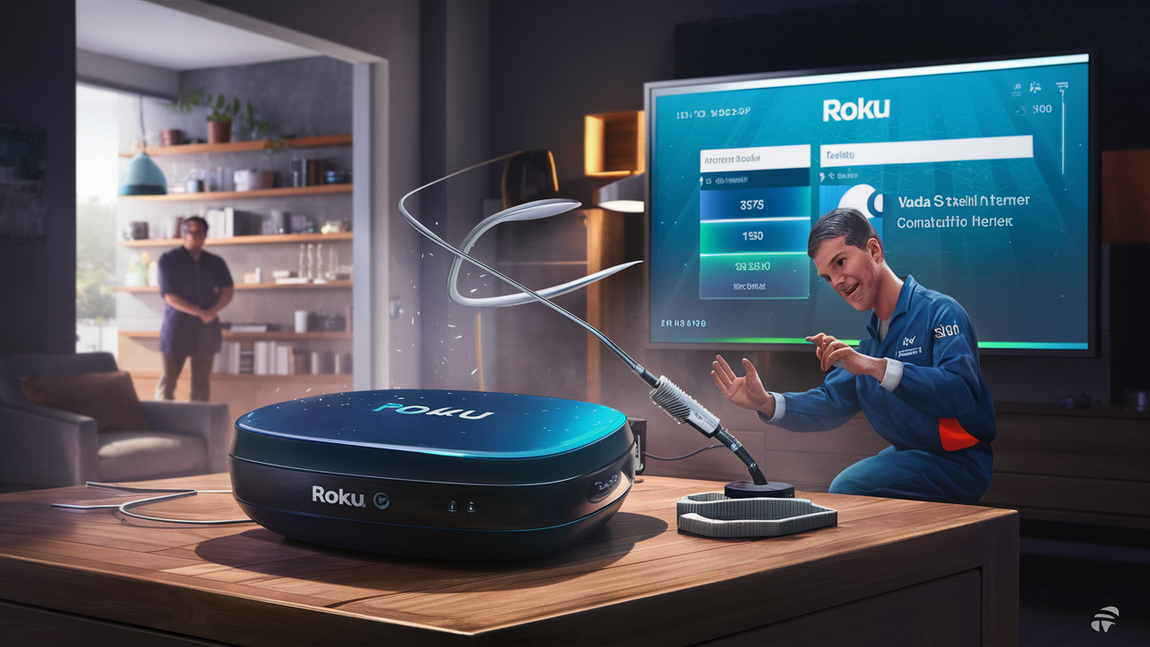
Yes, Roku devices can indeed work with Viasat internet service, offering a seamless streaming experience for users. This guide will detail how to connect your Roku to Viasat, explore the benefits, and address common questions to ensure you get the most out of your streaming setup.
Understanding Viasat and Roku
Before diving into the specifics of how Roku and Viasat work together, it's essential to understand what each service offers. Viasat is a prominent satellite internet provider, particularly known for its service in rural and underserved areas where traditional broadband options are limited. Satellite internet relies on a satellite dish installed at the user's home to communicate with orbiting satellites, which then relay data to and from ground stations. This technology allows for internet access almost anywhere with a clear view of the sky, but it can come with certain characteristics like higher latency and data caps compared to terrestrial broadband.
Roku, on the other hand, is a leading brand in the streaming device market. Roku offers a range of hardware devices, including streaming sticks, boxes, and smart TVs with built-in Roku functionality. These devices connect to your home's internet network and provide access to a vast library of streaming services, such as Netflix, Hulu, Disney+, Amazon Prime Video, YouTube, and thousands of other apps (often referred to as "channels" on Roku). Roku's primary function is to act as a gateway to on-demand video content, transforming any television into a smart TV capable of accessing the internet for entertainment.
The synergy between Viasat's internet connectivity and Roku's streaming capabilities is what allows users to enjoy a modern entertainment experience, even in locations where high-speed wired internet is unavailable. The core requirement for both is a stable internet connection, which Viasat aims to provide. Roku then leverages this connection to deliver its content.
What is Viasat Internet?
Viasat Internet is a satellite broadband service that provides internet access to homes and businesses across the United States and internationally. It's an excellent option for those in rural areas, on farms, or in any location where cable or fiber optic internet is not available. Viasat utilizes advanced satellite technology to deliver broadband speeds, though these speeds and data allowances can vary significantly depending on the specific plan and geographical location. As of 2025-26, Viasat continues to upgrade its satellite constellations and ground infrastructure to improve performance and expand coverage.
What is Roku?
Roku is a brand of digital media players. Roku devices plug into your TV's HDMI port and connect to your home's Wi-Fi network. They offer a user-friendly interface that allows you to browse and stream content from various online services. Roku devices are known for their simplicity, affordability, and extensive channel selection. They do not provide internet service themselves; they are solely streaming hardware that requires an existing internet connection to function.
How Roku and Viasat Interact
The interaction between Roku and Viasat is straightforward: Viasat provides the internet connection, and Roku uses that connection to stream content. Think of Viasat as the highway and Roku as the car that drives on it to deliver your favorite shows and movies. Roku devices connect to your home's Wi-Fi network, which is established by your Viasat modem and router. Once connected, Roku devices communicate with the internet to download and display video streams from various content providers.
The quality of your streaming experience will be directly influenced by the performance of your Viasat internet service. Factors like download speed, latency, and data allowance on your Viasat plan will play a crucial role in how smoothly your Roku streams content. For instance, if your Viasat plan has low download speeds, you might experience buffering or lower video quality on your Roku. Similarly, if you have a strict data cap, extensive streaming on your Roku could lead to exceeding your allowance.
The Role of Your Wi-Fi Network
Your Viasat modem and router are the bridge between the satellite internet signal and your Roku device. The Viasat equipment receives the internet signal from the satellite and broadcasts it as a Wi-Fi signal within your home. Your Roku device then connects wirelessly to this Wi-Fi network. Therefore, the strength and stability of your Wi-Fi signal are paramount. If your Roku is too far from the Viasat router or there are significant obstructions, you might encounter connection issues, even if your Viasat internet service itself is performing well.
Data Usage Considerations
A key aspect of using Viasat internet for streaming with Roku is understanding data usage. Viasat plans, especially those designed for rural areas, often come with data caps or priority data thresholds. Streaming video, particularly in high definition (HD) or 4K, consumes a significant amount of data. For example, streaming HD video can use up to 3 GB of data per hour, while 4K streaming can consume 7 GB or more per hour. It's crucial to monitor your data usage to avoid exceeding your plan's limits, which could result in slower speeds or additional charges. Viasat typically provides tools or online portals for customers to track their data consumption.
Setting Up Roku with Viasat Internet
Setting up your Roku device with Viasat internet is a straightforward process that involves connecting your Roku to your TV and then to your Viasat Wi-Fi network. The steps are largely the same regardless of your specific Viasat plan or Roku model.
Step-by-Step Connection Guide
-
Connect your Roku device to your TV:
- For Roku Streaming Sticks: Plug the stick directly into an available HDMI port on your TV. You may need to connect it to a power source using the included USB cable and power adapter.
- For Roku Streaming Boxes: Connect the Roku box to your TV using an HDMI cable. Connect the power adapter to the Roku box and plug it into a wall outlet.
-
Power on your TV and Roku device:
- Turn on your television and select the correct HDMI input source for your Roku device.
- Your Roku device should power on automatically. Follow the on-screen prompts to begin the setup process.
-
Connect Roku to your Viasat Wi-Fi network:
- The Roku setup wizard will guide you to select your Wi-Fi network.
- Choose your Viasat Wi-Fi network name (SSID) from the list of available networks.
- Enter your Viasat Wi-Fi password. This password is typically found on a sticker on your Viasat modem/router or can be customized in your Viasat account settings.
- Once the password is entered correctly, your Roku device will connect to the internet.
-
Complete Roku setup and software updates:
- Your Roku device will likely perform a software update upon connecting to the internet. Allow this process to complete.
- You will be prompted to create or link a Roku account. This is necessary to download apps and channels.
- Follow the remaining on-screen instructions to set up your preferences and personalize your Roku experience.
-
Add streaming channels:
- Navigate to the Roku Channel Store and search for your desired streaming services (e.g., Netflix, Hulu, Disney+).
- Add the channels you wish to use. You will need to log in with your existing subscriptions for these services.
Ensuring a Stable Wi-Fi Connection
For optimal streaming with Viasat, a stable Wi-Fi connection is critical. Consider the following:
- Router Placement: Position your Viasat router in a central location, away from obstructions like thick walls, metal objects, and other electronic devices that can cause interference.
- Wi-Fi Signal Strength: If your Roku device is far from the router, consider using a Wi-Fi extender or a mesh Wi-Fi system to boost the signal.
- Network Congestion: If multiple devices are actively using your Viasat internet connection simultaneously (e.g., other people streaming, downloading large files, or gaming), it can impact the performance for your Roku.
Optimizing Your Streaming Experience on Viasat
Satellite internet like Viasat has unique characteristics that can affect streaming. To ensure the best possible experience with your Roku, consider these optimization strategies:
Managing Data Usage
This is arguably the most critical aspect for Viasat users. Proactive data management can prevent unexpected charges or speed reductions.
- Check Your Data Allowance: Regularly monitor your data usage through your Viasat account portal. Understand your monthly data cap and your current consumption.
- Adjust Streaming Quality: Most streaming apps on Roku allow you to adjust the video quality. Lowering the quality from HD to standard definition (SD) can significantly reduce data consumption. While this impacts visual fidelity, it can be a lifesaver when approaching your data limit.
- Schedule Downloads: If you need to download large files or updates, schedule them during off-peak hours or when you know your data usage is less critical.
- Utilize Data-Saver Modes: Some Roku channels or apps may offer data-saver modes that automatically reduce streaming quality to minimize data usage.
- Prioritize Streaming Times: If your Viasat plan has a "free data" period (e.g., late at night), take advantage of this for significant streaming sessions.
Understanding Latency and Its Impact
Satellite internet inherently has higher latency (the time it takes for data to travel from your device to the server and back) compared to fiber or cable internet. While latency primarily affects real-time applications like online gaming or video conferencing, it can sometimes contribute to slightly longer initial buffering times when starting a stream on Roku. Most modern streaming services are designed to handle this, but it's something to be aware of.
- Be Patient at the Start: Allow a few extra seconds for your stream to begin.
- Avoid Rapid Seeking: Constantly jumping forward or backward in a video can exacerbate latency issues and lead to more buffering.
Network Configuration and Performance
Beyond router placement, other network factors can influence your Roku streaming.
- Wired vs. Wireless: If your Roku device (like a Roku Ultra or some Roku TVs) supports an Ethernet connection and your Viasat modem/router has an Ethernet port, a wired connection can sometimes offer a more stable and faster link than Wi-Fi, bypassing potential wireless interference.
- Router Capabilities: Ensure your Viasat router is up-to-date and capable of handling multiple devices and streaming demands. Older or less powerful routers can become bottlenecks.
- Bandwidth Prioritization (QoS): Some advanced routers allow you to prioritize bandwidth for specific devices or applications. If your Viasat router supports Quality of Service (QoS) settings, you might consider prioritizing your Roku device to ensure it gets sufficient bandwidth for streaming.
Choosing the Right Roku Device
While most Roku devices will function with Viasat, some might offer a slightly better experience due to hardware capabilities.
- Roku Streaming Stick+ or Roku Ultra: These higher-end models often have better Wi-Fi reception and more powerful processors, which can contribute to a smoother streaming experience, especially in challenging network conditions.
- 4K and HDR Support: If your Viasat plan offers sufficient bandwidth and you have a compatible TV, a Roku device that supports 4K and HDR can provide a premium viewing experience. However, be mindful of the increased data consumption.
Potential Challenges and Solutions
While Roku and Viasat can work well together, users might encounter specific issues. Here are common challenges and their solutions:
Buffering and Slow Streaming
Cause: Insufficient download speed from Viasat, data caps reached, poor Wi-Fi signal, or network congestion.
Solutions:
- Check your Viasat internet speed at Speedtest.net. Compare results to your Viasat plan's advertised speeds.
- Monitor your Viasat data usage. If you've exceeded your allowance, speeds may be throttled.
- Move your Viasat router closer to your Roku device or use a Wi-Fi extender.
- Reduce the number of devices actively using your Viasat internet.
- Lower the streaming quality on your Roku device.
- Restart your Viasat modem/router and your Roku device.
- Contact Viasat customer support to inquire about service issues or potential plan upgrades.
Connection Drops or Intermittent Internet
Cause: Unstable Viasat satellite signal, Wi-Fi interference, or issues with the Viasat modem/router.
Solutions:
- Ensure your Viasat satellite dish has a clear, unobstructed view of the sky.
- Check for any physical damage to the Viasat dish or cabling.
- Minimize potential sources of Wi-Fi interference (microwaves, cordless phones, Bluetooth devices).
- Try connecting your Roku via Ethernet if possible.
- Perform a power cycle on your Viasat modem/router (unplug, wait 30 seconds, plug back in).
- If problems persist, contact Viasat technical support.
Difficulty Connecting Roku to Wi-Fi
Cause: Incorrect Wi-Fi password, weak Wi-Fi signal, or router issues.
Solutions:
- Double-check that you are entering the correct Viasat Wi-Fi password (case-sensitive).
- Ensure your Roku device is within range of the Viasat router.
- Restart your Viasat router.
- Try connecting to a different network if your Viasat router broadcasts multiple SSIDs (e.g., 2.4GHz and 5GHz).
- Perform a factory reset on your Roku device (note: this will erase all settings and downloaded apps).
Data Overages and Unexpected Charges
Cause: Unawareness of data usage, excessive streaming, or background data consumption by other devices.
Solutions:
- Set up data usage alerts with Viasat if available.
- Use Roku's built-in data tracking features for specific apps if available.
- Educate household members about data limits and responsible usage.
- Consider upgrading your Viasat plan to one with a higher data allowance.
- Turn off auto-play for trailers on streaming services.
Comparing Roku with Other Streaming Devices on Viasat
When considering streaming on Viasat internet, it's helpful to understand how Roku stacks up against other popular streaming devices. The fundamental requirement remains the same: a stable internet connection provided by Viasat. However, the user interface, features, and app availability can differ.
Roku vs. Amazon Fire TV
Both Roku and Amazon Fire TV offer a vast selection of streaming apps and are generally user-friendly. Fire TV integrates tightly with Amazon's ecosystem, offering voice control via Alexa and recommendations based on your Amazon viewing history. Roku is often praised for its simpler interface and wider availability of niche channels. For Viasat users, the choice often comes down to personal preference for the interface and any specific Amazon services you utilize.
Roku vs. Google TV / Android TV
Google TV (which runs on Android TV) offers a more personalized content discovery experience, aggregating content from various services into a unified interface. It also provides robust Google Assistant integration. Android TV devices can be more complex for some users compared to Roku's straightforward approach. For Viasat users, the performance of either device will largely depend on the Viasat internet speed and data. If you are deeply embedded in the Google ecosystem, Google TV might be appealing.
Roku vs. Apple TV
Apple TV is a premium streaming device known for its high performance, sleek design, and integration with the Apple ecosystem (iTunes, Apple Arcade, Apple Fitness+). It generally offers a very smooth user experience. However, Apple TV devices are typically more expensive than Roku devices. For Viasat users, if budget is not a primary concern and you are invested in Apple products, Apple TV is a strong contender. However, the core streaming functionality on Viasat will be similar across most devices.
Roku vs. Smart TV Native Apps
Many modern smart TVs come with built-in streaming apps. While convenient, these native apps can sometimes be slower to update, less feature-rich, or have a less intuitive interface than dedicated streaming devices like Roku. For Viasat users, using a dedicated Roku device can sometimes offer a more consistent and up-to-date streaming experience, especially if your smart TV is older or its operating system is not frequently updated.
Performance Considerations for Viasat
Regardless of the device chosen, the underlying Viasat internet connection is the bottleneck. For Viasat users, prioritizing devices that are efficient with bandwidth and have good network connectivity is key. Roku devices are generally well-optimized for various internet conditions and are known for their efficiency. Features like data-saving modes on Roku apps can be particularly beneficial for Viasat customers managing data caps.
Viasat Internet Plans for Streaming (2025-26)
Viasat offers various internet plans tailored to different needs, and for streaming with Roku, it's crucial to select a plan that provides adequate data and speeds. As of 2025-26, Viasat continues to evolve its offerings, with a focus on improving speeds and data allowances, especially with the deployment of new satellite technologies like Viasat-3. When choosing a plan for streaming, consider the following factors:
Data Allowances and Priority Data
Viasat plans typically include a monthly data allowance. Exceeding this allowance often results in reduced speeds (throttling) or the need to purchase data top-ups. Many Viasat plans now incorporate "priority data," which is a set amount of data that is not subject to throttling during network congestion. For streaming, which is data-intensive, maximizing your priority data allowance is beneficial.
- High-Data Plans: Look for plans with higher monthly data allowances, ideally 100 GB or more, if you plan to stream frequently.
- Unlimited Data (with caveats): Some Viasat plans may advertise "unlimited" data, but this often comes with a priority data threshold. After you use your priority data, your speeds may be reduced for the remainder of the billing cycle.
Download and Upload Speeds
While Viasat's speeds have improved significantly, they can still vary based on your location and the specific satellite serving your area. For streaming, download speed is the most critical factor.
- Recommended Speeds: For smooth HD streaming, a consistent download speed of 5-10 Mbps is generally recommended. For 4K streaming, you'll want speeds of 25 Mbps or higher.
- Viasat's Current Offerings: Viasat's newer plans, particularly those utilizing their latest satellite technology, are offering download speeds that can reach 100 Mbps or more in some areas. However, it's essential to check availability and actual speeds for your specific address.
Latency and Its Implications
As mentioned, satellite internet has higher latency. While this doesn't prevent streaming, it's a characteristic of the service. Newer Viasat satellites are designed to reduce latency, but it will likely remain higher than terrestrial broadband options.
Plan Comparison Table (Example 2025-26)
Below is a hypothetical comparison of Viasat plans relevant for streaming. Actual plan names, speeds, and data allowances will vary by region and are subject to change by Viasat.
| Plan Name | Download Speeds (Typical) | Upload Speeds (Typical) | Priority Data Allowance | After Priority Data | Best For |
|---|---|---|---|---|---|
| Viasat Basic Stream | Up to 25 Mbps | Up to 3 Mbps | 50 GB | Reduced Speeds | Light Streaming, Web Browsing |
| Viasat Family Plus | Up to 50 Mbps | Up to 5 Mbps | 150 GB | Reduced Speeds | HD Streaming, Multiple Users |
| Viasat Ultimate HD | Up to 100 Mbps | Up to 10 Mbps | 300 GB | Reduced Speeds | 4K Streaming, Heavy Usage |
Note: Always verify the latest plan details and availability directly with Viasat for your specific location.
Roku Device Options for Viasat Users
Roku offers a diverse range of devices, each with different features and price points. When selecting a Roku device to use with your Viasat internet, consider your budget, desired features, and the capabilities of your Viasat plan.
Roku Express and Express 4K Plus
These are Roku's most affordable options. The Roku Express is a basic HD streaming player, perfect for those on a tight budget or with older TVs. The Roku Express 4K Plus adds 4K and HDR support, making it a great value for enhancing your viewing experience if your Viasat plan can support it. They are excellent entry-level devices for Viasat users who primarily stream in HD.
Roku Streaming Stick 4K and 4K Plus
These compact devices plug directly into your TV's HDMI port, offering a clutter-free setup. They provide 4K, HDR (Dolby Vision and HDR10+ on the 4K Plus model), and Dolby Atmos audio support. The streaming stick models often have improved Wi-Fi performance compared to the Express series, which can be beneficial for Viasat users who might experience signal fluctuations. The Roku Streaming Stick 4K Plus is a solid choice for a balance of performance and portability.
Roku Ultra and Ultra LT
The Roku Ultra is Roku's flagship streaming player, offering the most robust features. It boasts the fastest performance, excellent Wi-Fi connectivity (including an Ethernet port for a wired connection), voice remote with lost remote finder, and support for all major HDR formats. The Ultra LT is a slightly more budget-friendly version often sold through specific retailers. For Viasat users who want the best possible streaming experience and the option for a wired connection, the Roku Ultra is the top recommendation, provided your Viasat plan can deliver the necessary bandwidth for 4K HDR content.
Roku TV Models
Roku TVs integrate the Roku operating system directly into the television. This eliminates the need for a separate streaming device. Roku TVs come in various sizes and resolutions, from HD to 4K. If you're in the market for a new television, a Roku TV can be a convenient and cost-effective way to get a smart TV with the familiar Roku interface. Performance will still be dependent on your Viasat internet connection.
Factors to Consider for Viasat Users
- Wi-Fi Performance: Models with better Wi-Fi antennas (like the Streaming Stick 4K Plus and Ultra) are generally preferable for satellite internet users who may have less stable Wi-Fi signals.
- Ethernet Port: The Roku Ultra's Ethernet port offers the most stable connection, bypassing potential Wi-Fi issues entirely.
- 4K/HDR Capabilities: If your Viasat plan offers sufficient speeds (25+ Mbps consistently), a Roku device capable of 4K and HDR can enhance your viewing, but be mindful of the increased data usage.
- Budget: Roku Express models offer the most budget-friendly entry into the Roku ecosystem, suitable for basic HD streaming on Viasat.
Conclusion: Your Roku-Viasat Streaming Guide
In conclusion, the answer to "Does Roku work with Viasat?" is a resounding yes. Roku devices are designed to connect to any stable internet service, and Viasat provides that crucial connectivity, especially in areas where other options are scarce. By understanding how Viasat's satellite technology interacts with Roku's streaming capabilities, users can set up their devices efficiently and enjoy a wide array of entertainment. The key to a successful streaming experience lies in managing Viasat's data allowances and optimizing your home network. By selecting an appropriate Viasat plan with sufficient data and speeds, choosing the right Roku device for your needs, and implementing the optimization tips outlined in this guide, you can overcome potential challenges like buffering and data overages.
For 2025-26, Viasat continues to enhance its service, and Roku consistently offers user-friendly and capable streaming devices. Whether you opt for a basic Roku Express or a high-end Roku Ultra, the fundamental principle remains: your Viasat internet is the engine, and your Roku is the navigator to a world of on-demand content. Regularly monitor your data usage, adjust streaming quality when necessary, and ensure your Wi-Fi network is robust. With these considerations in mind, your Roku and Viasat combination can deliver hours of entertainment, transforming your television into a powerful streaming hub.