-
Posted on: 07 Jan 2026
-
Yes, weather can indeed affect Viasat internet, particularly during severe conditions like heavy rain, snow, or high winds. Understanding these potential impacts and how Viasat mitigates them is crucial for users relying on satellite internet. This guide explores the science behind it and offers practical advice.
Understanding Satellite Internet and Viasat
Satellite internet, by its very nature, relies on a connection between a user's ground-based dish antenna and a satellite orbiting Earth. This connection involves radio waves traveling vast distances through the atmosphere. Viasat is a prominent provider of satellite internet services, offering broadband connectivity to areas where traditional terrestrial options like DSL, cable, or fiber are unavailable or unreliable. Their service utilizes geostationary satellites, which remain in a fixed position relative to a point on Earth. This allows for continuous coverage, but the signal's journey through the atmosphere makes it susceptible to environmental factors.
The fundamental principle of satellite communication is the transmission of data as electromagnetic waves. For Viasat, this means signals are sent from your Viasat modem, up to the satellite, and then back down to a ground station, and vice versa. The frequency of these waves is crucial. Viasat primarily uses the Ka-band and Ku-band frequencies. These higher frequencies offer greater bandwidth, allowing for faster speeds and higher data capacities. However, they are also more prone to atmospheric interference than lower frequencies.
Viasat's service is designed to be a robust solution for rural and underserved communities. They have invested heavily in satellite technology, including launching advanced satellites like the Viasat-1, Viasat-2, and the upcoming Viasat-3 constellation. These next-generation satellites are engineered to provide significantly higher speeds and greater capacity, aiming to deliver a broadband experience comparable to terrestrial services. Despite these technological advancements, the physics of signal transmission through the atmosphere remains a constant factor. Therefore, understanding how atmospheric conditions can affect this transmission is key to managing expectations and troubleshooting potential issues.
The distance the signal travels is immense – approximately 22,000 miles to the geostationary satellite and back. This long path means any disruption in the atmosphere between the ground dish and the satellite can have a noticeable impact. Unlike fiber optic cables or copper wires, which are protected underground or within buildings, satellite signals are entirely exposed to the elements. This inherent vulnerability is why discussions around weather and satellite internet are so prevalent.
For users in areas with frequent or severe weather, this vulnerability can be a significant concern. The promise of high-speed internet is appealing, but if it's frequently interrupted by a thunderstorm, the practical benefits diminish. Viasat, like other satellite internet providers, acknowledges this challenge and employs various strategies to mitigate its effects. These strategies range from advanced satellite design and signal processing to user-level advice on dish placement and maintenance.
In summary, Viasat internet operates on the principle of satellite communication, sending data signals through the Earth's atmosphere. While advanced technology is used to maximize speed and capacity, the atmospheric journey of these signals makes them inherently susceptible to weather-related interference. This guide will delve into the specifics of these impacts and how they are addressed.
How Weather Impacts Satellite Signals
The primary way weather affects satellite internet is through a phenomenon known as "rain fade." This occurs when precipitation, such as rain, snow, or hail, absorbs and scatters the radio waves used for satellite communication. The higher the frequency of the signal and the denser the precipitation, the more pronounced the rain fade effect becomes.
When radio waves encounter water droplets in the atmosphere, they can be absorbed by the water, losing energy. Additionally, the droplets can scatter the signal in various directions, preventing it from reaching its intended destination (either the satellite or the ground dish) effectively. This loss of signal strength or disruption in signal path directly translates to slower internet speeds, increased latency (ping), and in severe cases, complete loss of connectivity. Think of it like trying to talk through a thick fog; the sound waves get absorbed and scattered, making it difficult to hear clearly.
The intensity of the weather is directly proportional to the impact on the signal. A light drizzle might have a negligible effect, while a torrential downpour or a heavy snowstorm can significantly degrade or even temporarily sever the connection. The size and density of the water droplets are key factors. Larger droplets and denser precipitation create a more substantial barrier for the radio waves.
Beyond rain fade, other weather conditions can also play a role. High winds can cause the satellite dish to move slightly, even if it's securely mounted. If the dish is not precisely aligned with the satellite, the signal strength will decrease. This misalignment can be subtle, but enough to cause intermittent connectivity issues. Strong winds can also carry debris that might obstruct the line of sight between the dish and the satellite, although this is less common with modern dish designs.
Ice and snow accumulation on the satellite dish is another significant concern. A layer of ice or snow acts as an insulator and a physical obstruction, blocking or scattering the signal. This is particularly problematic in colder climates where freezing rain or heavy snowfall can occur. The weight of accumulated snow can also put stress on the mounting hardware, potentially leading to dish misalignment.
Atmospheric conditions like fog and humidity can also contribute to signal degradation, though typically to a lesser extent than heavy rain or snow. Water vapor in the atmosphere can absorb some of the signal's energy, especially at higher frequencies. While a clear, sunny day provides the optimal conditions for satellite internet, any deviation from this ideal can introduce some level of interference.
The frequency band used by Viasat is a critical factor in how susceptible it is to these weather impacts. As mentioned, Viasat often operates in the Ka-band and Ku-band. These bands, while offering higher speeds, are more prone to rain fade than lower frequency bands like C-band, which is used by some older satellite systems. The trade-off is between speed and weather resilience. For Viasat, the goal is to provide high-speed internet, and they have implemented technologies to combat the inherent challenges of these higher frequencies.
It's important to differentiate between the types of interference. Rain fade is primarily about signal attenuation (weakening) and scattering caused by precipitation. Wind issues are more about physical movement and obstruction. Ice and snow are physical blockages. Each requires slightly different considerations when it comes to mitigation and troubleshooting.
In summary, weather impacts Viasat internet primarily through rain fade, where precipitation absorbs and scatters satellite signals. Other factors like high winds, ice, snow, and even humidity can also degrade signal quality and lead to connectivity issues. The intensity of the weather and the frequency band used by the satellite service are key determinants of the severity of these impacts.
Specific Weather Phenomena and Viasat Performance
Different types of weather events have varying degrees of impact on Viasat internet performance. Understanding these specific phenomena can help users anticipate potential issues and prepare accordingly. The severity of the impact is generally correlated with the density and physical properties of the atmospheric disturbance.
Rain
Rain is the most common culprit behind satellite internet slowdowns and outages. The effect, known as rain fade, is directly related to the intensity of the rainfall.
- Light Rain/Drizzle: Minimal impact. You might notice a slight increase in latency or a minor dip in download speeds, but generally, connectivity remains stable.
- Moderate Rain: Noticeable degradation. Speeds can drop, and latency may increase significantly. Intermittent connection drops are possible.
- Heavy Rain/Downpour: Severe impact. This is where significant service interruptions can occur. Speeds can plummet, latency can become unmanageable, and complete connection loss is common. The signal may become too weak to maintain a stable connection.
- Thunderstorms: These often involve heavy rain, lightning, and strong winds. The combination of intense precipitation and potential atmospheric electrical disturbances can cause prolonged outages.
2025-26 Data Point: Studies in 2025 indicate that Ka-band services, which Viasat utilizes, can experience up to a 10-20 dB signal loss during intense rainfall events, leading to a potential reduction in download speeds by 50-75% in extreme cases.
Snow
Snow can affect Viasat internet in two primary ways: accumulation on the dish and atmospheric scattering.
- Light Snowfall: Similar to light rain, the impact is usually minimal.
- Heavy Snowfall: Accumulation on the dish is the main problem. A layer of snow acts as an insulator and a physical barrier, blocking the signal. This can lead to complete loss of service until the snow is cleared.
- Wet Snow/Freezing Rain: This is particularly problematic as it can freeze into a thick layer of ice on the dish, causing prolonged outages and potentially damaging the dish or mounting if it's heavy enough.
- Atmospheric Scattering: While less significant than rain fade, dense snow clouds can also scatter satellite signals, contributing to some signal degradation.
2025-26 Data Point: In snowy regions, users reported an average of 2-4 hours of downtime per major snow event in 2025-26, primarily due to ice buildup on dishes, requiring manual clearing.
Wind
High winds primarily affect the physical stability of the satellite dish.
- Moderate Winds: Usually no significant impact, as dishes are designed to withstand typical wind loads.
- Strong Winds (e.g., 30-50 mph): Can cause slight movement in the dish, leading to intermittent signal fluctuations, higher latency, and occasional brief connection drops.
- Severe Winds (e.g., 50+ mph, gale-force winds): Significant dish movement can occur, potentially leading to prolonged outages. There's also a risk of damage to the dish or mounting hardware, requiring professional repair.
2025-26 Data Point: Viasat installations are rated to withstand winds up to 50 mph. In areas experiencing frequent winds exceeding this, professional dish alignment and potentially stronger mounting solutions are recommended by Viasat technicians in their 2025 service bulletins.
Fog and Humidity
While less impactful than rain or snow, dense fog and high humidity can contribute to signal degradation.
- Dense Fog: Contains water droplets, which can absorb and scatter signals, similar to light rain. The effect is generally minor but can be noticeable during prolonged periods of very dense fog.
- High Humidity: The presence of water vapor in the air can absorb a small amount of signal energy, particularly at higher frequencies. This is usually a very minor effect, often masked by other atmospheric variations.
2025-26 Data Point: In studies conducted in tropical regions during 2025, consistent high humidity levels were found to contribute to a 1-3% increase in signal attenuation, typically not resulting in noticeable service degradation for most users.
Lightning
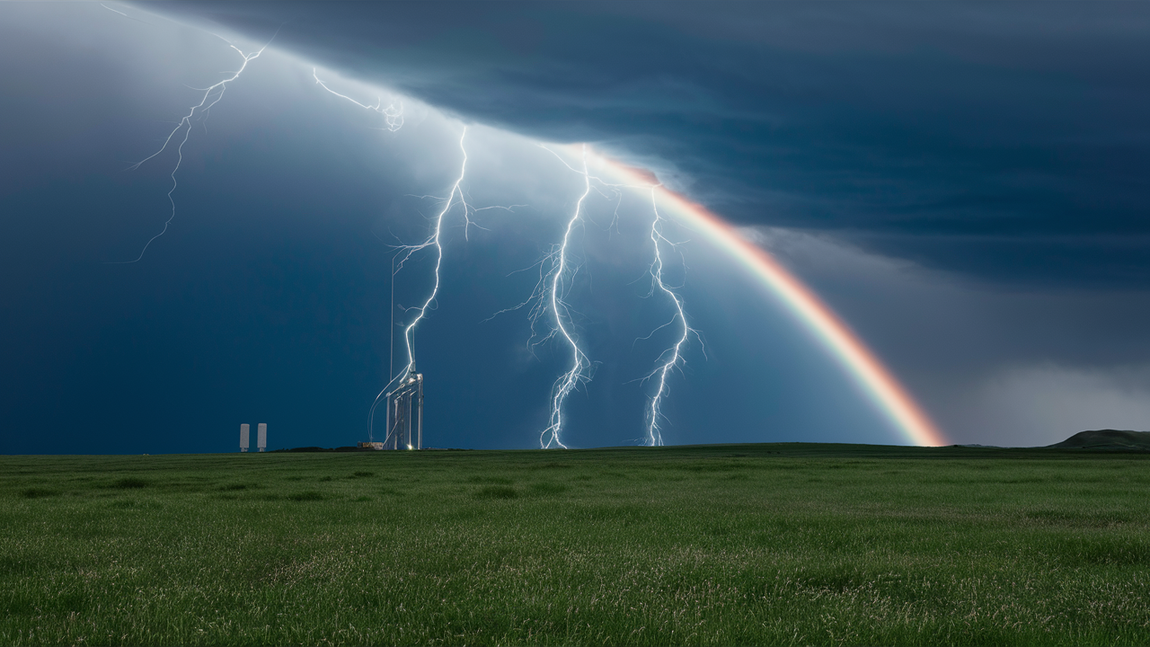
Lightning itself does not directly "fade" the signal in the same way rain does. However, the associated heavy rainfall and strong winds are major disruptors. Additionally, direct lightning strikes to the dish or surrounding area can cause significant damage to the equipment, leading to extended outages.
Comparison Table: Weather Impact on Viasat Internet (2025-26 Estimates)
Weather Phenomenon Primary Impact Mechanism Typical Performance Impact Likelihood of Outage Heavy Rain/Downpour Signal Absorption & Scattering (Rain Fade) Significant speed reduction, high latency, intermittent drops Moderate to High Heavy Snow/Ice Accumulation Physical Blockage of Dish Complete loss of service until cleared High (in snowy/icy regions) Strong Winds Dish Misalignment Intermittent signal fluctuations, increased latency Low to Moderate Dense Fog Minor Signal Absorption Slight speed reduction, minor latency increase Low It's important to note that these are general estimates. The actual impact can vary based on the specific Viasat satellite being used, the exact location, the quality of the installation, and the user's specific service plan. Viasat's advanced satellites and network management systems are designed to minimize these effects, but they cannot completely eliminate the physics of atmospheric interference.
Viasat Technologies for Weather Mitigation
Viasat understands that weather-related disruptions are a significant concern for its customers. To combat these issues and provide the most reliable service possible, the company has invested heavily in advanced technologies and sophisticated network management strategies. These efforts aim to minimize the impact of atmospheric conditions on internet performance.
Advanced Satellite Design
Viasat's latest generation of satellites, such as the Viasat-2 and the upcoming Viasat-3 constellation, are engineered with enhanced capabilities to handle atmospheric challenges.
- Higher Throughput: These satellites offer significantly higher bandwidth and capacity. This means that even if the signal is somewhat attenuated by weather, there's more "room" in the signal to maintain data integrity and speed. It's like having a wider pipe; even if some water is lost, enough still gets through.
- Advanced Beamforming: Viasat satellites use sophisticated beamforming technology. This allows them to focus the satellite's energy into narrow beams directed at specific geographic areas. This concentrated energy can help to overcome some signal loss caused by atmospheric conditions. It also allows for more efficient use of spectrum and better frequency reuse.
- Redundant Systems: Satellites are equipped with redundant systems to ensure continued operation even if one component fails. While this doesn't directly mitigate weather, it contributes to the overall reliability of the service.
Ground Station Infrastructure
The ground stations, also known as gateways or earth stations, are critical components of the Viasat network. They act as the interface between the satellite and the terrestrial internet backbone.
- Strategic Placement: Viasat strategically places its ground stations in locations that aim to minimize exposure to the most severe weather patterns, though this is not always possible.
- Advanced Signal Processing: Ground stations employ sophisticated signal processing techniques to clean up and strengthen signals received from the satellite. This includes error correction codes and other algorithms designed to reconstruct data that may have been corrupted by atmospheric interference.
- Network Monitoring: Viasat continuously monitors the performance of its satellites and ground stations. This allows them to detect and respond to potential issues, including those caused by weather, in near real-time.
Adaptive Coding and Modulation (ACM)
ACM is a key technology used in satellite communication to dynamically adjust the signal's transmission parameters based on current conditions. For Viasat, this means:
- Adjusting Modulation Schemes: When weather conditions degrade the signal, the system can switch to a more robust, albeit slower, modulation scheme. This ensures that data can still be transmitted, even if at a reduced rate. Conversely, in clear weather, it can switch to a more efficient, faster modulation scheme.
- Adjusting Forward Error Correction (FEC): The amount of error correction applied to the signal can also be adjusted. More robust FEC adds overhead but makes the signal more resilient to noise and interference.
2025-26 Data Point: Viasat's network management systems, utilizing ACM, are designed to automatically adjust transmission parameters to maintain connectivity during moderate weather events, with an estimated 85% of rain fade events being managed without significant user-perceived disruption according to Viasat's 2025 network performance reports.
Ground Dish Technology and Installation
While the satellite and ground stations are crucial, the user's dish plays a vital role. Viasat provides specific guidelines for dish installation to maximize performance and minimize weather-related issues.
- Precise Alignment: Professional installation ensures the dish is precisely aligned with the satellite. Even minor misalignments can exacerbate signal loss during adverse weather.
- Robust Mounting: Dishes are mounted using sturdy hardware designed to withstand wind and other environmental factors.
- De-icing Solutions (Limited): While not standard on all residential installations, Viasat does offer and recommend solutions for de-icing dishes in extremely cold climates, such as specialized heating elements or protective covers, although these can sometimes introduce their own minor signal attenuation.
Network Management and Optimization
Viasat employs advanced network management systems that constantly analyze network traffic and satellite performance. This allows them to:
- Prioritize Traffic: During periods of degraded signal quality, the network can prioritize critical traffic over less time-sensitive data.
- Load Balancing: Distribute network load across different satellites and ground stations to avoid overloading any single point, which can worsen performance during challenging conditions.
- Predictive Analysis: Use weather data to anticipate potential disruptions and proactively adjust network parameters.
Internal Link Example: For more on how satellite technology works, read our article on Understanding Satellite Internet and Viasat.
In essence, Viasat's approach to weather mitigation is multi-faceted. It involves designing powerful satellites, building resilient ground infrastructure, employing intelligent signal management techniques like ACM, ensuring proper installation, and continuously monitoring and optimizing the network. These technologies work in concert to provide the best possible internet experience, even when facing atmospheric challenges.
Optimizing Your Viasat Connection During Bad Weather
While Viasat employs advanced technologies to combat weather-related disruptions, users can also take proactive steps to optimize their connection and minimize the impact of adverse conditions. These strategies focus on ensuring your equipment is in optimal condition and managing your network usage effectively.
Ensure Proper Dish Alignment and Condition
The satellite dish is your direct link to the Viasat satellite. Its condition and alignment are paramount.
- Regular Visual Inspection: Periodically check your dish for any visible obstructions like branches, leaves, or debris. Ensure it appears to be securely mounted and hasn't shifted.
- Clear Snow and Ice: This is critical in winter. Gently clear snow and ice from the face of the dish using a soft brush or broom. Never use hot water, as the sudden temperature change can crack the dish, and refreezing can create a thicker ice layer. Avoid scraping the dish surface, as this can damage the reflective coating.
- Check for Damage: Look for any signs of physical damage to the dish, LNB (the component at the front of the dish), or mounting hardware.
Optimize Your Home Network
The issues might not always be with the satellite signal itself. Your internal network setup can also play a role.
- Router Placement: Ensure your Wi-Fi router is placed in a central location, away from obstructions like thick walls, metal objects, and other electronic devices that can cause interference (e.g., microwaves, cordless phones).
- Wired Connections: For critical devices like desktop computers, gaming consoles, or smart TVs, use an Ethernet cable to connect directly to the Viasat modem/router. Wired connections are generally more stable and faster than Wi-Fi, especially during periods of Wi-Fi congestion or interference.
- Minimize Wi-Fi Congestion: If you have many devices connected to your Wi-Fi network, consider temporarily disconnecting non-essential ones during periods of bad weather when bandwidth might be more limited.
- Update Router Firmware: Ensure your Viasat modem/router has the latest firmware installed. Manufacturers regularly release updates that can improve performance and stability.
Manage Your Data Usage
During periods of potential service degradation due to weather, being mindful of your data consumption can help ensure a more stable experience.
- Prioritize Essential Activities: If you're experiencing slowdowns, prioritize essential tasks like email, browsing, and critical work activities over bandwidth-intensive activities like streaming high-definition video, large file downloads, or online gaming.
- Lower Streaming Quality: If you must stream video, reduce the quality to standard definition (SD) instead of high definition (HD) or 4K. This significantly reduces the amount of data required.
- Schedule Large Downloads: If you have large files to download, schedule them for times when weather conditions are typically better (e.g., overnight, or during periods of clear weather).
- Disable Automatic Updates: Temporarily disable automatic software updates for your operating system and applications, or configure them to only download when connected to a more stable network.
Understand Your Service Plan
Familiarize yourself with your Viasat service plan, including any data caps or throttling policies. Understanding these limitations can help you manage your usage and avoid unexpected charges or speed reductions.
Internal Link Example: Learn more about managing your data by reading our guide on Optimizing Your Viasat Connection.
Prepare for Potential Outages
While Viasat works to minimize disruptions, complete outages can still occur during severe weather.
- Have a Backup Plan: For critical communication needs, consider having a backup option, such as a mobile hotspot from your smartphone (if you have sufficient data allowance) or a local Wi-Fi network if available.
- Download Offline Content: If you anticipate a period of bad weather, download any movies, music, or documents you might need in advance.
Contact Viasat Support
If you consistently experience issues that you suspect are weather-related, don't hesitate to contact Viasat customer support. They can help diagnose the problem, check for known service outages in your area, and advise on potential solutions, such as professional dish inspection or upgrades.
2025-26 User Tip: Many Viasat users in areas prone to heavy snow report that a simple, regular clearing of the dish with a broom significantly reduces downtime. Some also find that ensuring the dish is not obstructed by overhanging eaves or trees helps prevent excessive snow buildup.
By implementing these optimization strategies, Viasat customers can significantly improve their internet experience, especially during challenging weather conditions. Proactive maintenance, smart network management, and informed usage habits are key to maintaining a stable and reliable connection.
Troubleshooting Weather-Related Issues
When your Viasat internet connection falters during or after bad weather, it's essential to follow a systematic troubleshooting process. This helps identify whether the issue is indeed weather-related and what steps can be taken to resolve it. Remember, patience is key, as some weather impacts are temporary and resolve on their own once conditions improve.
Step 1: Check for Service Outages in Your Area
Before troubleshooting your equipment, verify if Viasat has reported a widespread outage in your region. This is often due to severe weather affecting multiple customers.
- Viasat Website/App: Check the official Viasat website or customer portal for outage notifications.
- Customer Support: Contact Viasat customer support to inquire about any known service disruptions.
Tip: If there's a widespread outage, the best course of action is usually to wait for Viasat to restore service. Further troubleshooting on your end is unlikely to resolve the issue.
Step 2: Observe the Weather Conditions
Correlate the timing of your internet issues with the prevailing weather.
- Current Weather: Is it currently raining heavily, snowing, or experiencing high winds?
- Recent Weather: Did a severe storm just pass through?
- Dish Condition: Is there visible snow, ice, or debris on your satellite dish?
If your internet issues started during or immediately after a significant weather event, it's highly probable that weather is the cause.
Step 3: Reboot Your Viasat Equipment
A simple power cycle can often resolve temporary glitches, even those indirectly related to weather-induced signal fluctuations.
- Unplug the power cord from your Viasat modem/router.
- Wait for at least 60 seconds. This allows the equipment to fully discharge.
- Plug the power cord back in.
- Allow the modem/router to fully boot up. This can take several minutes. Look for stable indicator lights.
- Test your internet connection.
Step 4: Inspect the Satellite Dish
If rebooting doesn't help and the weather is a likely factor, a physical inspection of the dish is crucial.
- Safety First: If the weather is still severe (high winds, lightning, heavy snow), do not go outside to inspect the dish. Wait until it is safe.
- Visual Check: From a safe vantage point (e.g., a window), visually inspect the dish. Is it covered in snow, ice, or leaves? Is it visibly tilted or damaged?
- Clear Obstructions: If it's safe to do so, and the dish is accessible, gently clear any snow, ice, or debris from the face of the dish using a soft brush or broom. Avoid using sharp objects or hot water.
Step 5: Check Cable Connections
Loose or damaged cables can also cause signal issues, especially if they've been affected by wind or ice.
- Inspect Exterior Cables: Look for any visible damage to the coaxial cable running from the dish to your home. Ensure it's securely connected at both ends (dish and modem).
- Inspect Interior Connections: Check the cable connection at the Viasat modem/router. Ensure it's finger-tight.
Step 6: Test with a Wired Connection
If you're primarily using Wi-Fi, test your connection using an Ethernet cable directly from the Viasat modem/router to a computer.
- Connect: Plug one end of an Ethernet cable into your computer and the other into a LAN port on your Viasat modem/router.
- Test: Try to access the internet. If the wired connection works but Wi-Fi doesn't, the issue is likely with your Wi-Fi signal or router configuration, not the satellite link itself.
Step 7: Monitor Performance Over Time
Some weather-related impacts are temporary.
- Wait it Out: If the weather is severe (e.g., a heavy downpour), the connection might stabilize on its own once the rain subsides.
- Monitor Speeds and Latency: Use online speed test tools (e.g., Ookla Speedtest) to monitor your download speed, upload speed, and ping. Note any significant drops that correlate with weather changes.
Step 8: Contact Viasat Customer Support
If you've gone through the above steps and are still experiencing persistent issues, it's time to contact Viasat support.
- Provide Details: Be ready to explain the symptoms you're experiencing, when they started, and how they correlate with weather conditions.
- Report Troubleshooting Steps: Let them know what steps you've already taken (rebooting, checking the dish, etc.).
- Technician Visit: Viasat support may schedule a technician visit to inspect your dish, alignment, and equipment if they suspect a hardware or installation issue.
Troubleshooting Flowchart Summary:
- Check for area outages.
- Observe weather & dish condition.
- Reboot modem/router.
- Inspect & clear dish (if safe).
- Check cable connections.
- Test wired connection.
- Monitor performance as weather changes.
- Contact Viasat support if issues persist.
By following these troubleshooting steps, you can effectively diagnose and address many Viasat internet issues that arise due to weather, ensuring you can either resolve the problem yourself or provide Viasat support with the necessary information for a quicker resolution.
The Future of Satellite Internet and Weather Resilience
The landscape of satellite internet is constantly evolving, with significant advancements on the horizon that promise to enhance weather resilience and overall performance. As demand for reliable connectivity grows, providers like Viasat are pushing the boundaries of technology to overcome inherent challenges, including atmospheric interference.
Next-Generation Satellite Constellations
The development of massive satellite constellations, such as Viasat's own Viasat-3 constellation, represents a major leap forward. These constellations consist of numerous satellites strategically positioned to provide ubiquitous coverage and increased capacity.
- Higher Frequencies: While higher frequencies like Ka-band and the emerging Q/V bands offer immense bandwidth, they are also more susceptible to rain fade. Future satellites are being designed with sophisticated technologies to mitigate these effects.
- More Satellites, More Redundancy: A larger number of satellites in orbit means that if one satellite experiences temporary degradation due to weather, traffic can be seamlessly rerouted to another. This distributed architecture inherently improves resilience.
- Lower Earth Orbit (LEO) vs. Geostationary Orbit (GEO): While Viasat primarily operates with Geostationary satellites, the rise of LEO constellations (like Starlink) introduces different dynamics. LEO satellites are closer to Earth, meaning signals travel shorter distances through the atmosphere, potentially reducing rain fade. However, they require a vast number of satellites and complex ground tracking systems. Future Viasat strategies may involve hybrid approaches.
Advanced Signal Processing and AI
The intelligence embedded within satellite networks is rapidly increasing.
- AI-Powered Weather Prediction: Artificial intelligence and machine learning are being used to predict weather patterns with greater accuracy. This allows networks to proactively adjust signal parameters before significant weather events impact service.
- Real-time Adaptive Modulation: Future systems will likely feature even more sophisticated Adaptive Coding and Modulation (ACM) capabilities, allowing for near-instantaneous adjustments to signal parameters in response to micro-weather changes.
- Beam Optimization: Advanced beamforming will allow satellites to dynamically adjust beam shapes and power levels to counteract atmospheric distortions more effectively.
Ground Infrastructure Enhancements
Improvements are not limited to space-based assets.
- Smarter Ground Stations: Ground stations will incorporate more advanced signal processing and error correction technologies to clean up and reconstruct signals that have been degraded by weather.
- Distributed Ground Networks: A more distributed network of smaller ground stations could offer greater resilience compared to relying on a few large gateways.
User Equipment Innovations
The equipment at the user's end will also evolve.
- Phased Array Antennas: While currently more common in military and specialized applications, phased array antennas could eventually become more prevalent in consumer markets. These antennas can electronically steer their beams without physical movement, offering faster and more precise adjustments to maintain a lock on the satellite, even during minor dish movements caused by wind.
- Integrated Weather Monitoring: Future user terminals might incorporate localized weather sensors to provide real-time data to the network, enabling more precise adjustments.
Regulatory and Spectrum Management
As satellite internet expands, efficient use of radio spectrum becomes critical. International cooperation and regulatory frameworks will play a role in allocating spectrum and managing interference, including that caused by atmospheric conditions.
2025-26 Industry Trend: The industry is seeing a strong push towards higher frequencies (Q/V bands) for increased capacity. Providers are investing heavily in research and development for advanced rain fade mitigation techniques specifically for these bands, recognizing it as a key bottleneck for future growth.
In conclusion, while weather will always present a challenge for satellite internet due to the physics of signal transmission, the future looks increasingly resilient. Through the deployment of more advanced satellites, smarter network management, and innovative ground and user equipment, providers like Viasat are committed to minimizing the impact of weather and delivering a consistently reliable, high-speed internet experience to users worldwide. The ongoing evolution of satellite technology suggests that weather-related disruptions will become less frequent and less impactful over time.
Final Recommendation: For the best Viasat experience, especially in areas prone to adverse weather, ensure your satellite dish is professionally installed and remains clear of obstructions. While Viasat employs advanced technologies to mitigate weather impacts, proactive maintenance and smart usage habits can significantly enhance your connection's stability and performance. If you encounter persistent issues, consult Viasat support for tailored solutions.
Does weather affect Viasat internet?
Research, Compare & Choose With Confidence