-
Posted on: 07 Jan 2026
-
Understanding HughesNet plans involves deciphering what your monthly bill truly covers, from data allowances and speeds to equipment and essential services. This guide breaks down the value proposition of HughesNet, helping you make an informed decision about satellite internet for your home.
Understanding HughesNet Plans: What You Get for Your Monthly Bill
HughesNet, a prominent satellite internet provider, offers a unique solution for areas underserved by traditional broadband. For many, the question isn't just about availability, but about the tangible benefits and features included in their monthly bill. This comprehensive guide delves into the intricacies of HughesNet plans, detailing the speeds, data allowances, equipment, and support you can expect, ensuring you understand the full value of your subscription in 2025-26.
The HughesNet Ecosystem: Beyond Just Internet
When you sign up for HughesNet, you're not just purchasing an internet connection; you're subscribing to a comprehensive service designed to deliver connectivity via satellite. This involves a sophisticated network of satellites orbiting the Earth, ground stations that manage data flow, and the essential equipment installed at your home. Understanding this ecosystem is crucial to appreciating what contributes to your monthly cost and how the service operates, especially in comparison to terrestrial broadband options.
Satellite Technology Explained
HughesNet utilizes geostationary satellites positioned approximately 22,000 miles above the Earth. These satellites act as relays, receiving signals from your home satellite dish and transmitting them to a ground station, which then connects to the broader internet. This technology is vital for reaching rural and remote locations where laying fiber optic cables or DSL lines is economically unfeasible. The inherent distance, however, introduces latency, a factor that differentiates satellite internet performance from other types.
Ground Infrastructure
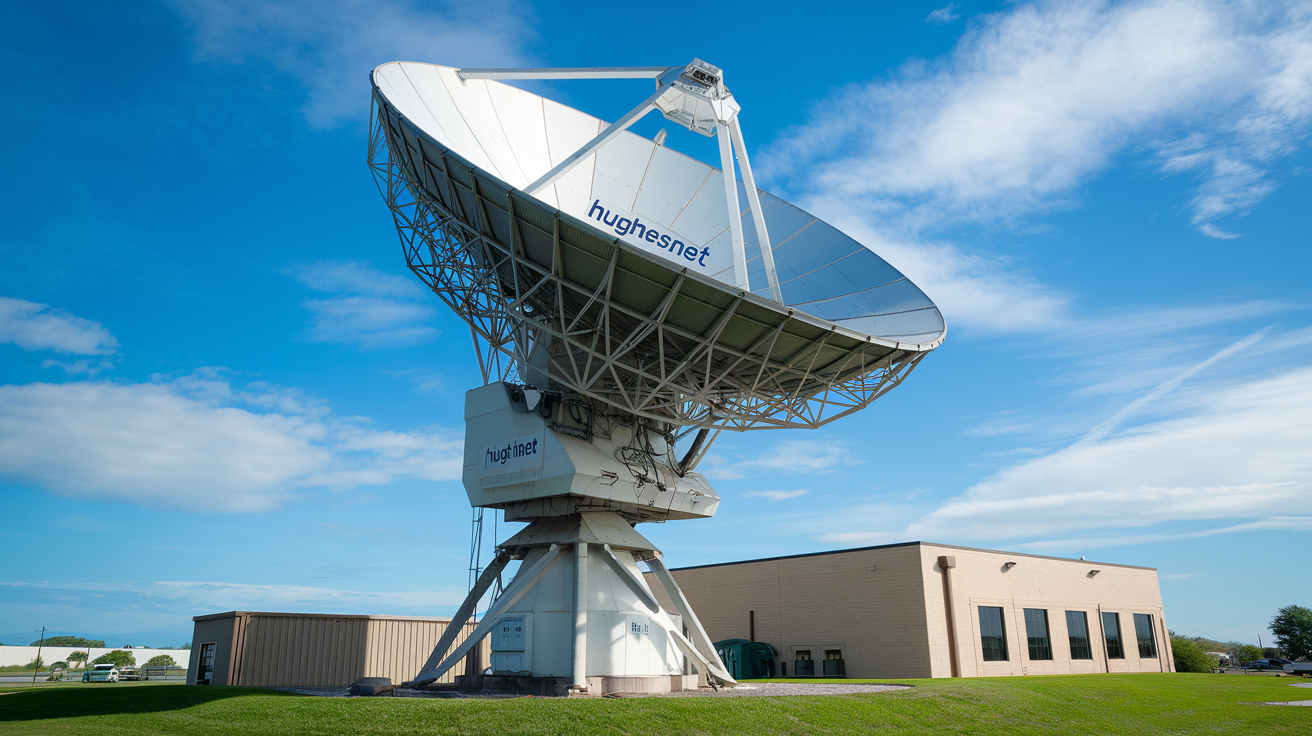
The ground stations, also known as gateways, are the backbone of the HughesNet network. These facilities house powerful transmitters and receivers that communicate with the satellites. They are responsible for routing your internet traffic to and from the wider internet, as well as managing network operations, maintenance, and customer support. The reliability and capacity of these ground stations directly impact the overall performance and availability of HughesNet service.
Home Equipment Essentials
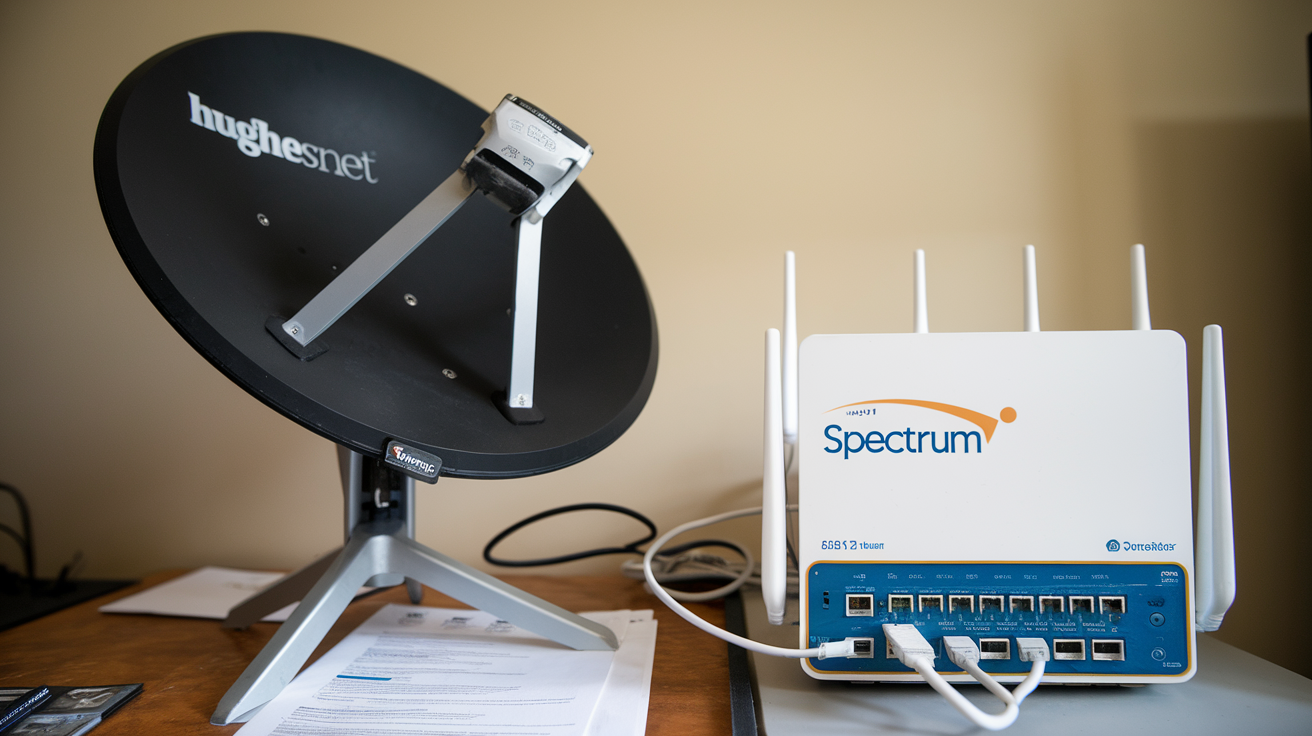
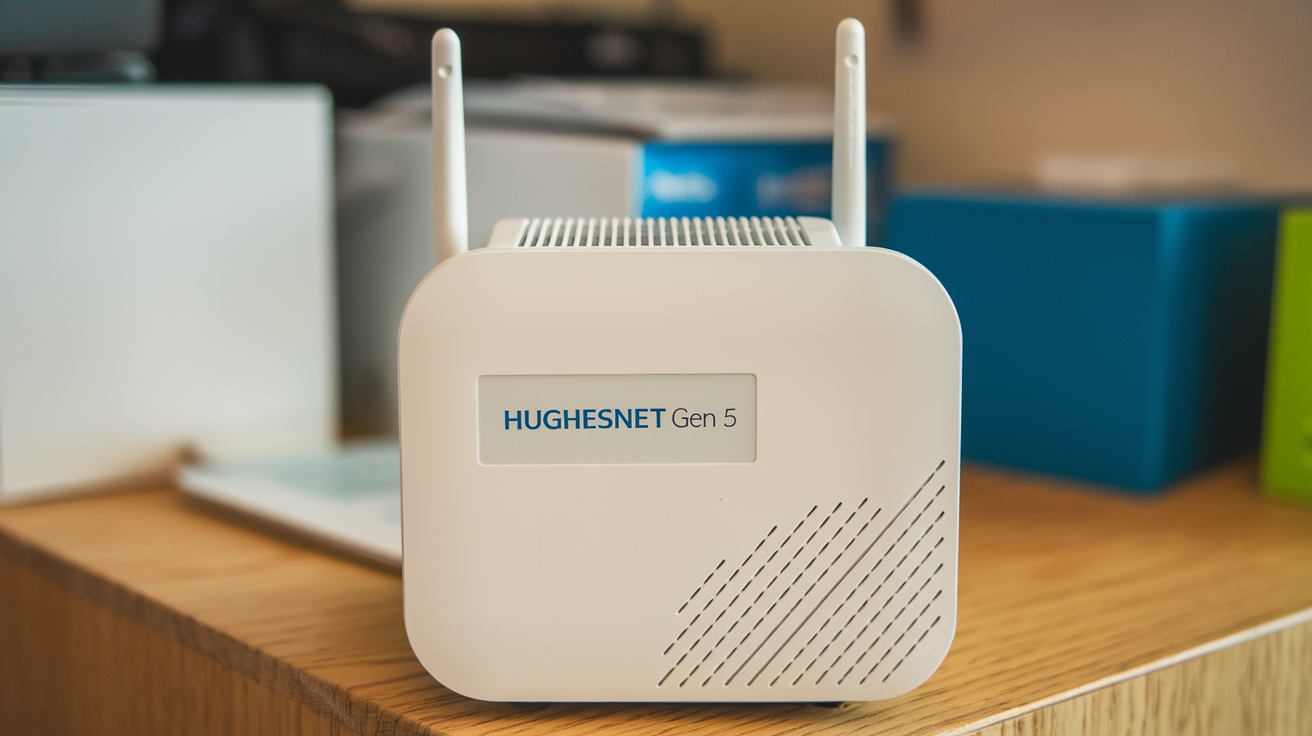
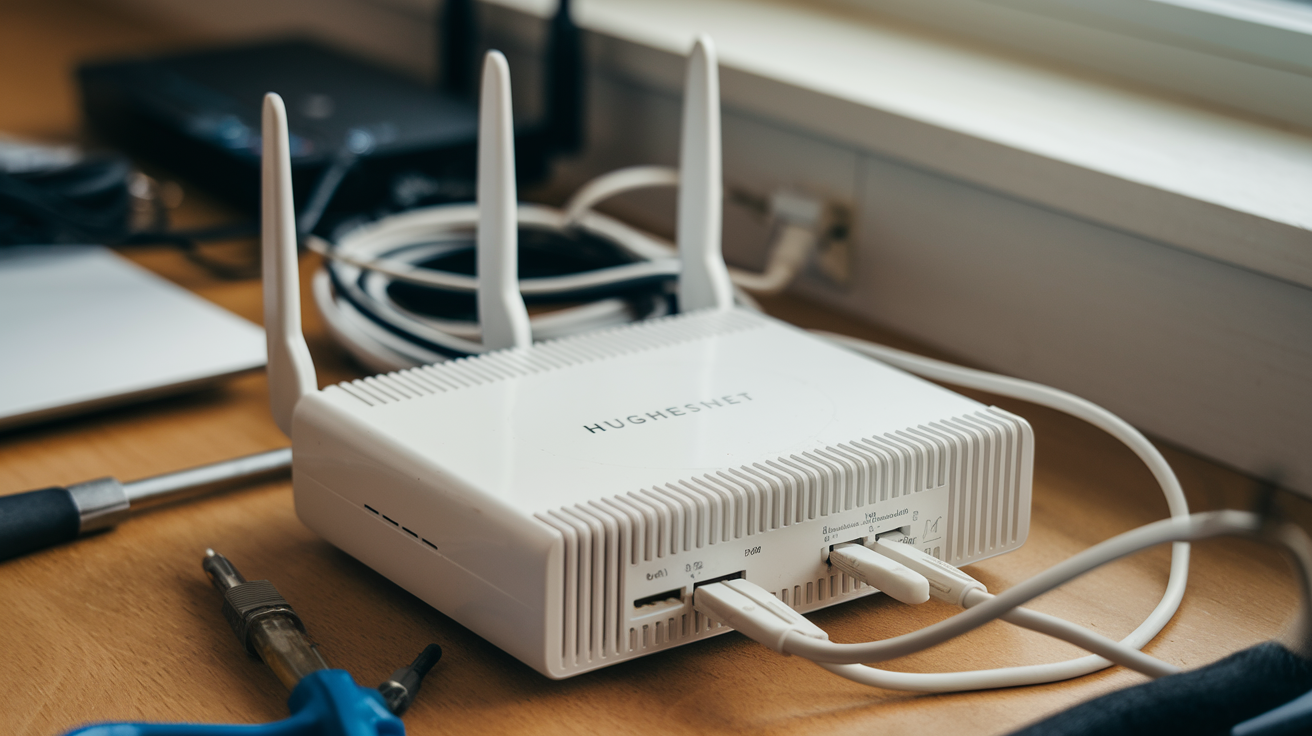
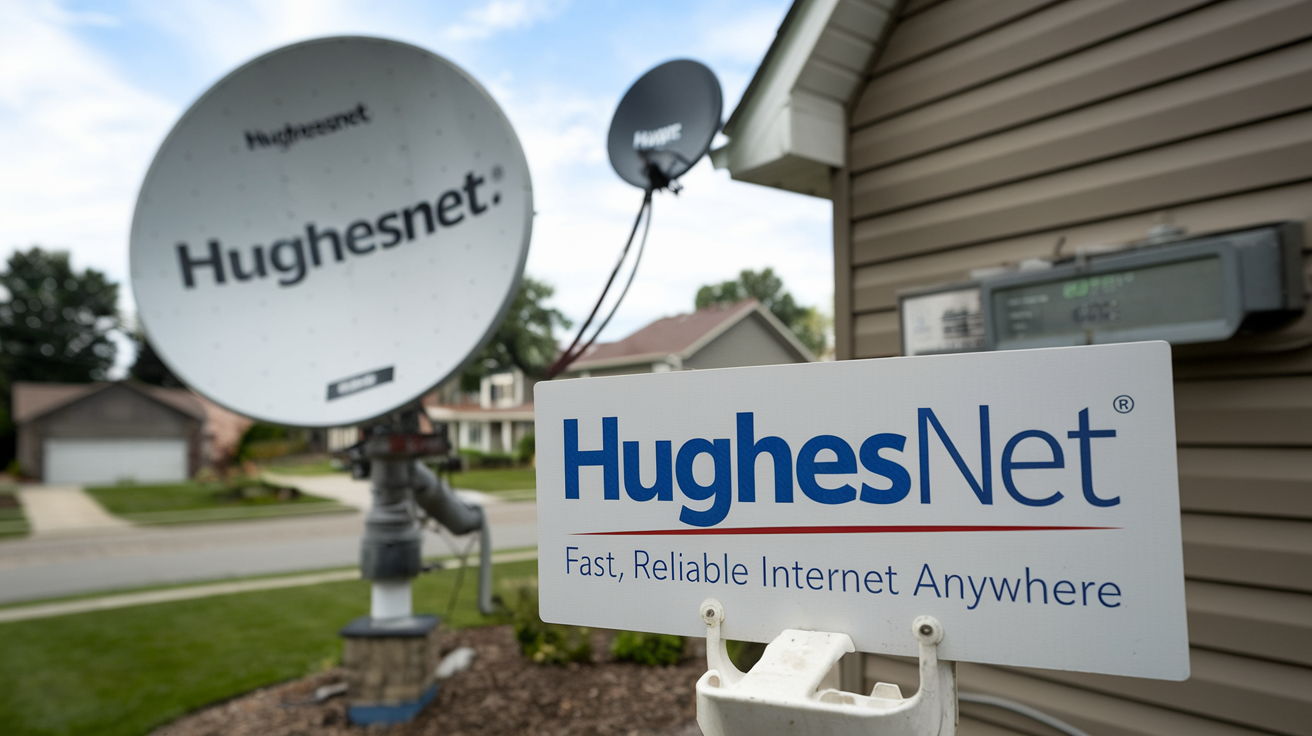
At your premises, the primary piece of equipment is the satellite dish, often referred to as a customer premise equipment (CPE). This dish is precisely aligned with the HughesNet satellite to ensure a strong and stable signal. Inside your home, a modem connects the dish to your router or directly to your computer, translating the satellite signals into usable internet data. The quality and technology of this equipment are key factors in the service's delivery.
Key Components of Your HughesNet Bill
Your monthly HughesNet bill is a reflection of several integrated costs. Understanding these components helps demystify the pricing and allows for a clearer assessment of value. The primary drivers of your bill include the service plan itself, equipment fees, installation costs (if applicable), and any potential add-ons or taxes.
Service Plan Fee
This is the core charge for your internet service. It's determined by the specific HughesNet plan you select, which dictates your monthly data allowance, download/upload speeds, and any associated promotions or discounts. Different tiers offer varying levels of data and performance, catering to different user needs and budgets.
Equipment Costs
HughesNet typically provides the necessary satellite dish and modem. While often included in a monthly lease fee, some plans might offer the option to purchase the equipment outright. The lease fee covers the maintenance and potential replacement of this equipment throughout your subscription. Understanding whether you are leasing or purchasing is crucial for long-term cost considerations.
Installation Fees
New installations usually incur an upfront fee. This covers the professional installation of the satellite dish and modem by a certified technician. The fee can vary depending on the complexity of the installation site and any ongoing promotions that might waive or reduce this cost. Some providers may offer free installation during promotional periods.
Taxes and Surcharges
Like most utility services, HughesNet bills are subject to federal, state, and local taxes, as well as regulatory fees and surcharges. These are typically itemized on your bill and can vary significantly based on your location. It's important to factor these into your total monthly expenditure.
Promotional Pricing and Contract Terms
HughesNet often offers introductory pricing for new customers, which can significantly reduce the monthly bill for a specified period (e.g., the first 12 or 24 months). It's vital to be aware of the standard price that applies after the promotional period ends. Most HughesNet plans come with a contract, typically 24 months, and early termination fees apply if you cancel before the contract term is up.
HughesNet Plan Tiers: What They Offer in 2025-26
HughesNet offers a range of plans designed to meet diverse user needs, primarily differentiated by data allowances and, to a lesser extent, speed tiers. As of 2025-26, the plans are structured to provide options for casual users, moderate internet consumers, and heavier users, all within the framework of satellite delivery. The key distinguishing factor across these plans is the amount of high-speed data available each month.
HughesNet Internet 100 GB
This plan typically offers a substantial data allowance, often around 100 GB of high-speed data per month. This is suitable for households with moderate internet usage. It's designed for activities like browsing, email, social media, and streaming standard-definition video. Once the 100 GB of high-speed data is consumed, speeds are reduced, but internet access continues, albeit at a slower pace, until the next billing cycle.
HughesNet Internet 150 GB
For users who require more data, this tier provides a larger allowance, commonly 150 GB of high-speed data. This plan is better suited for households with multiple users, more frequent video streaming (including HD), online gaming, and larger file downloads. The increased data cap offers more flexibility for bandwidth-intensive activities.
HughesNet Internet 200 GB
This is often the highest tier offered, providing a significant 200 GB of high-speed data. It's ideal for power users, large families, or those who rely heavily on the internet for work, education, or entertainment. This plan allows for extensive streaming, large downloads, and simultaneous use by multiple devices without quickly depleting the high-speed data allowance.
Common Features Across Plans
Regardless of the data tier, most HughesNet plans in 2025-26 include the following:
- Unlimited Data: While high-speed data has a cap, HughesNet offers unlimited data overall. After you've used your high-speed allowance, your speeds are reduced, but you can still access the internet for essential tasks like email and browsing. This prevents complete service interruption.
- Standard Download/Upload Speeds: While specific speeds can vary, HughesNet generally advertises download speeds in the range of 25-100 Mbps and upload speeds around 3-5 Mbps. These are typical for satellite internet.
- Free Standard Installation: Often, new customers can qualify for free standard installation, a significant saving.
- 24-Month Contract: Most plans require a 24-month commitment.
- Bonus Evening Data: Many plans include a separate pool of data that can be used during off-peak hours (typically 2 AM to 8 AM local time). This bonus data does not count against your monthly high-speed allowance, offering an excellent opportunity to download large files or perform updates.
It's important to note that specific GB amounts and pricing can change, and HughesNet often runs promotions. Always verify the exact details with a HughesNet representative or on their official website for the most current offerings.
Data Allowances and Bonus Data: Navigating Usage
Understanding data allowances is paramount when choosing a HughesNet plan. The concept of "high-speed data" is central to satellite internet, and how you manage this allowance directly impacts your monthly experience. HughesNet's approach includes a primary data cap and often a bonus data feature.
Understanding Your High-Speed Data Cap
The primary data allowance (e.g., 100 GB, 150 GB, 200 GB) is the amount of data you can use at advertised speeds. This data is used for all your online activities, including browsing websites, streaming videos, downloading files, playing online games, and using social media. Once this limit is reached, your speeds are significantly reduced for the remainder of your billing cycle. This is a critical distinction from unlimited data plans offered by some cable or fiber providers.
The Role of Bonus Evening Data
To mitigate the impact of data caps, HughesNet often includes "Bonus Evening Data." This is a separate data allowance specifically for use during off-peak hours, typically from 2 AM to 8 AM local time. Data consumed during these hours does not count against your primary high-speed data allowance. This is an excellent feature for users who need to download large software updates, back up files to cloud storage, or stream content overnight.
How Data Usage Adds Up
Estimating your data usage is key to selecting the right plan. Here are some general estimates for 2025-26:
- Web Browsing: 50-150 MB per hour
- Email (text only): 1-5 MB per hour
- Standard Definition (SD) Video Streaming: 0.7-1 GB per hour
- High Definition (HD) Video Streaming: 2-3 GB per hour
- 4K Video Streaming: 7-8 GB per hour
- Online Gaming: 50-300 MB per hour (plus large downloads for new games)
- Video Conferencing: 1-2 GB per hour
- Large File Download (e.g., movie): 2-8 GB (depending on file size)
For example, streaming 10 hours of HD video per week would consume approximately 100 GB of data per month (10 hours/week * 4 weeks/month * 2.5 GB/hour = 100 GB). This highlights why understanding your primary data allowance is so important.
Monitoring Your Data Usage
HughesNet provides tools to monitor your data consumption. You can typically access this information through your online account portal or a dedicated mobile app. Regularly checking your usage will help you stay within your high-speed data limits and avoid slower speeds.
Speed Expectations and Performance
Satellite internet, by its nature, has different performance characteristics than terrestrial broadband like cable or fiber. Understanding these differences is crucial for setting realistic expectations regarding speed and latency.
Download and Upload Speeds
HughesNet plans typically advertise download speeds ranging from 25 Mbps up to 100 Mbps, depending on the plan and network conditions. Upload speeds are generally more modest, often in the range of 3 Mbps to 5 Mbps. These speeds are sufficient for many common internet activities, but they can be impacted by several factors.
Latency: The Satellite Challenge
Latency, or ping, is the time it takes for data to travel from your device to a server and back. Due to the vast distance to the geostationary satellites (approximately 22,000 miles each way), satellite internet inherently has higher latency than other technologies. Typical latency for HughesNet can range from 500 milliseconds to over 1000 milliseconds (1 second). This higher latency can affect real-time applications like online gaming, VoIP calls, and video conferencing, sometimes causing delays or lag.
Factors Affecting Speed and Performance
- Weather: Heavy rain, snow, or thunderstorms can interfere with the satellite signal, temporarily reducing speeds or causing intermittent outages. This is known as rain fade.
- Network Congestion: Like any internet service, HughesNet's performance can be affected by the number of users accessing the satellite in your area. During peak usage times, speeds might be slightly slower.
- Equipment Alignment: The satellite dish must be precisely aligned. If it's knocked out of alignment (e.g., by strong winds), it can significantly impact performance.
- Data Usage: As mentioned, exceeding your high-speed data allowance will result in reduced speeds for the remainder of the billing cycle.
- Time of Day: Performance can sometimes vary depending on the time of day and satellite load.
Speed After Data Cap
Once your high-speed data allowance is exhausted, your internet speeds are reduced. While HughesNet doesn't typically specify an exact reduced speed, it's generally slow enough for basic web browsing, email, and very light streaming, but not for bandwidth-intensive activities. This reduced speed continues until the start of your next billing cycle.
Equipment: Rental vs. Purchase
The satellite dish and modem are essential components of your HughesNet service. Providers typically offer two main options for acquiring this equipment: leasing it on a monthly basis or purchasing it outright. Each option has its own financial implications and benefits.
Monthly Equipment Lease
This is the most common option for HughesNet customers. You pay a monthly fee to lease the satellite equipment. This fee is usually included in your overall monthly bill. The primary advantage of leasing is the lower upfront cost, as you don't need to pay a large sum for the equipment. Additionally, if the equipment malfunctions or needs an upgrade, HughesNet is typically responsible for its repair or replacement as part of the lease agreement.
Upfront Equipment Purchase
In some cases, HughesNet may offer the option to purchase the equipment outright. This involves a significant one-time payment at the time of installation. The advantage of purchasing is that you own the equipment and are not subject to recurring monthly lease fees. This can be more cost-effective in the long run, especially if you plan to keep the service for an extended period. However, if the equipment fails, you will be responsible for the cost of repair or replacement.
Installation Costs
Regardless of whether you lease or purchase the equipment, there is usually an installation fee. This fee covers the professional installation of the satellite dish and modem by a certified technician. HughesNet often runs promotions that waive or reduce this installation fee for new customers, especially when signing up for a new service plan.
What's Included
The equipment provided typically includes:
- Satellite Dish: A parabolic dish that receives and transmits signals to the HughesNet satellite.
- Modem: A device that connects the satellite dish to your home network, translating signals.
- Cabling: The necessary coaxial cables to connect the dish to the modem.
The choice between leasing and purchasing often comes down to your financial preferences and long-term commitment to the service. For many, the lower initial cost and the peace of mind regarding maintenance make the monthly lease the preferred option.
Additional Services and Fees
Beyond the core internet service and equipment, there are other potential services and fees that can appear on your HughesNet bill. Understanding these can help you avoid unexpected charges and ensure you're only paying for what you need.
Static IP Addresses
Most residential HughesNet plans come with a dynamic IP address, which can change periodically. For most users, this is perfectly adequate. However, some businesses or advanced users may require a static IP address, which remains constant. HughesNet may offer static IP addresses as an add-on service for an additional monthly fee. This is typically used for hosting servers or specific remote access applications.
Professional Installation
While standard installation might be free or included in promotions, specialized installations might incur extra charges. This could include installations requiring extensive wiring, mounting the dish in a difficult-to-access location, or specific grounding requirements. Always clarify what constitutes "standard" installation when signing up.
Early Termination Fees (ETFs)
HughesNet plans typically require a 24-month contract. If you decide to cancel your service before the contract term is completed, you will likely incur an Early Termination Fee. This fee is designed to recoup some of the costs associated with setting up your service and equipment. The exact amount of the ETF can vary, so it's crucial to understand the contract terms before signing.
Service Upgrades or Downgrades
If you need to change your plan (e.g., upgrade your data allowance or downgrade to a less expensive tier), there might be associated fees or adjustments to your contract term. It's best to discuss these options with HughesNet customer service to understand any potential costs or implications.
Late Payment Fees
As with most subscription services, failing to pay your bill on time can result in late payment fees. It's important to maintain prompt payments to avoid these additional charges and potential service interruptions.
Equipment Replacement/Repair (Outside Lease Agreement)
If you own your equipment and it fails, or if you damage leased equipment beyond normal wear and tear, you will be responsible for the cost of repair or replacement. This is where the benefit of a lease agreement, which typically covers such issues, becomes apparent.
Choosing the Right HughesNet Plan for Your Needs
Selecting the appropriate HughesNet plan is a critical step in ensuring you get the best value for your monthly bill. It involves assessing your household's internet usage patterns, budget, and any specific needs you might have.
Assess Your Household's Internet Usage
The most significant factor in choosing a plan is understanding how your household uses the internet. Consider the following:
- Number of Users: How many people regularly use the internet in your home?
- Number of Devices: How many devices (computers, smartphones, tablets, smart TVs, gaming consoles) are connected simultaneously?
- Primary Activities: What are the main uses of the internet? (e.g., basic browsing, streaming video, online gaming, working from home, video conferencing, downloading large files).
- Video Streaming Habits: Do you primarily stream in SD, HD, or 4K? How many hours per week?
- Download/Upload Needs: Do you frequently download large files or upload content (e.g., for work, creative projects)?
Use the data usage estimates provided earlier in this guide to get a rough idea of your monthly consumption. It's often better to overestimate slightly to avoid hitting your high-speed data cap.
Consider Your Budget
HughesNet plans vary in price, with higher data allowances generally costing more. Determine how much you are willing and able to spend each month. Remember to factor in potential installation fees, taxes, and surcharges when calculating the total cost. Also, be mindful of promotional pricing and the standard rate that will apply after the introductory period.
Evaluate Speed and Latency Requirements
While all HughesNet plans operate on satellite technology with inherent latency, the speeds offered are generally sufficient for most common tasks. If you are a serious online gamer or require real-time, lag-free video conferencing for critical work, you may find satellite internet's latency challenging. For most users, however, the speeds are adequate for everyday use.
Leverage Bonus Evening Data
If your household tends to be active online during the day but can shift some larger tasks (like software updates or large downloads) to overnight hours, the Bonus Evening Data feature can be a significant advantage. This can help you maximize your high-speed data allowance and keep your primary usage within limits.
Read the Fine Print
Before committing to a plan, carefully review the contract terms, including:
- Contract Length: Typically 24 months.
- Early Termination Fees: What is the penalty for canceling early?
- Data Caps: Clearly understand the primary high-speed data allowance and what happens after it's used.
- Promotional Period: How long does the introductory pricing last, and what is the standard price afterward?
- Equipment Fees: Are you leasing or purchasing? What are the associated costs?
Real-World Usage Scenarios
To illustrate how different HughesNet plans cater to various needs, let's consider a few common household scenarios in 2025-26.
Scenario 1: The Casual Internet User
Household: A single individual or a couple who primarily use the internet for checking email, browsing news websites, occasional social media updates, and perhaps streaming a movie or two per week in standard definition.
Needs: Basic connectivity, minimal data-intensive activities.
Recommended Plan: A lower-tier plan, such as the HughesNet Internet 100 GB plan, would likely be more than sufficient. The 100 GB of high-speed data would easily cover these activities, with plenty left over. Bonus Evening Data could be used for any occasional larger downloads or streaming.
Scenario 2: The Moderate Family User
Household: A family of four with two adults and two children. Adults use the internet for work emails and browsing, while children use it for homework, streaming educational videos, and some online gaming. They also stream HD movies a few times a week.
Needs: Sufficient data for multiple users and devices, HD streaming capability, support for homework and light online gaming.
Recommended Plan: The HughesNet Internet 150 GB plan would be a good fit. This provides a more substantial data allowance to accommodate multiple users and HD streaming. The Bonus Evening Data could be invaluable for downloading large homework assignments or game updates overnight, preserving the primary data allowance for daytime use.
Scenario 3: The Power User / Remote Worker
Household: A household where one or more individuals work remotely, requiring frequent video conferencing, large file uploads/downloads, and constant connectivity. They also enjoy streaming 4K content and engaging in online gaming.
Needs: High data allowance, reliable connectivity, ability to handle bandwidth-intensive tasks.
Recommended Plan: The HughesNet Internet 200 GB plan is the most suitable. This plan offers the largest data cap, ensuring that even with extensive video conferencing, large file transfers, and 4K streaming, the high-speed data allowance is less likely to be depleted. The Bonus Evening Data can further supplement this for massive downloads or backups.
Scenario 4: The Rural Household with Limited Options
Household: A family in a remote area where HughesNet is the only viable high-speed internet option. They use the internet for a mix of activities, including streaming, browsing, and keeping in touch with family.
Needs: Reliable internet access where other options are unavailable. Data management is key.
Recommended Plan: Depending on their specific usage, either the 150 GB or 200 GB plan would be recommended, emphasizing the importance of monitoring data usage and utilizing Bonus Evening Data. For such households, understanding the limitations of satellite internet (latency) and how to manage data effectively is crucial for satisfaction.
These scenarios highlight that the "best" plan is subjective and depends entirely on individual circumstances. By carefully evaluating your own usage, you can make an informed decision that aligns with your needs and budget.
Troubleshooting Common HughesNet Issues
Even with advanced technology, occasional issues can arise with satellite internet. Knowing how to troubleshoot common problems can save you time and frustration.
Slow Speeds
Possible Causes:
- Exceeded high-speed data allowance.
- Heavy network congestion.
- Weather interference (rain, snow).
- Misaligned satellite dish.
- Issues with your router or modem.
Solutions:
- Check your data usage via the HughesNet portal. If you've exceeded your cap, wait for the next billing cycle or use Bonus Evening Data.
- Try using the internet during off-peak hours.
- Wait for adverse weather conditions to pass.
- Contact HughesNet for a technician to check dish alignment if the problem persists.
- Restart your modem and router.
Intermittent Connectivity / Dropped Connections
Possible Causes:
- Severe weather.
- Obstructions to the satellite dish (e.g., tree growth, new structures).
- Loose cable connections.
- Equipment malfunction.
Solutions:
- Ensure there are no new obstructions blocking the line of sight to the satellite.
- Check all cable connections to the dish and modem for tightness.
- Restart your modem and router.
- If the issue is frequent and not weather-related, contact HughesNet support.
High Latency Affecting Real-Time Applications
Possible Causes:
- Inherent characteristic of satellite internet due to distance.
- Network congestion.
Solutions:
- For gaming, try playing during off-peak hours.
- For video conferencing, ensure you are using the highest data tier plan available and consider using the Bonus Evening Data for non-critical tasks.
- Understand that latency is a fundamental aspect of satellite internet and may not be entirely solvable.
Equipment Not Working (Modem/Dish)
Possible Causes:
- Power issues.
- Equipment failure.
- Software glitches.
Solutions:
- Ensure the modem and any associated power adapters are properly plugged in and receiving power.
- Restart the modem and router.
- If you are leasing the equipment, contact HughesNet support for troubleshooting and potential replacement. If you own it, consult the manufacturer's guidelines.
When troubleshooting, always start with the simplest solutions (restarting equipment, checking connections) before contacting customer support. Having your account information ready will expedite the process.
Comparing HughesNet to Alternatives
HughesNet's primary appeal is its availability in areas where other broadband options are scarce. However, it's essential to understand how it stacks up against these alternatives when they are available.
HughesNet vs. DSL
DSL (Digital Subscriber Line) uses existing telephone lines. It's generally more affordable than satellite internet and offers lower latency. However, DSL speeds are distance-dependent, and in many rural areas, it can be significantly slower than HughesNet's advertised speeds, especially if you are far from the telephone company's central office.
HughesNet Advantage: Availability in areas without phone lines; potentially higher download speeds than very distant DSL.
DSL Advantage: Lower latency, more consistent speeds (less weather dependent), often lower cost.
HughesNet vs. Cable Internet
Cable Internet uses coaxial cables originally laid for cable television. It offers higher speeds and lower latency than satellite internet, making it ideal for heavy internet users, gamers, and households with many connected devices. It is widely available in suburban and urban areas.
HughesNet Advantage: Availability in rural and remote locations where cable is not present.
Cable Advantage: Significantly higher speeds, much lower latency, generally more reliable in adverse weather, often more competitive pricing for comparable speeds.
HughesNet vs. Fiber Optic Internet
Fiber Optic Internet is the gold standard for internet connectivity, offering the fastest speeds (often symmetrical upload/download) and the lowest latency. It uses light signals transmitted through glass fibers. However, fiber deployment is expensive and currently limited to specific areas, often urban and some well-developed suburban regions.
HughesNet Advantage: Availability in areas where fiber is not deployed.
Fiber Optic Advantage: Unmatched speeds, ultra-low latency, extreme reliability, future-proof technology.
HughesNet vs. Fixed Wireless Internet
Fixed Wireless Internet uses radio signals to connect a fixed antenna at your home to a nearby tower. It can be a good option for rural areas, often offering better speeds and lower latency than satellite internet, provided there is line-of-sight to a tower. Availability is geographically dependent.
HughesNet Advantage: Can reach areas where fixed wireless towers are not present or don't have sufficient coverage.
Fixed Wireless Advantage: Generally lower latency and more consistent speeds than satellite, less susceptible to weather.
HughesNet vs. Mobile Hotspots / 5G Home Internet
Mobile Hotspots and 5G Home Internet leverage cellular networks. 5G home internet can offer competitive speeds and lower latency in areas with strong 5G coverage. However, data caps can be restrictive, and coverage can be inconsistent, especially in rural areas. Mobile hotspots are typically for temporary or very light use due to data limitations and potential throttling.
HughesNet Advantage: More stable and consistent service in very remote areas where cellular signals are weak; often higher data allowances than mobile plans.
Mobile/5G Advantage: Potentially lower latency and higher speeds in areas with excellent cellular coverage; can be more flexible without long contracts.
Ultimately, HughesNet serves a crucial role in connecting the unconnected. If it's your only option for broadband, understanding its features and limitations is key. If alternatives exist, they should be carefully considered for potentially better performance and value.
The Future of HughesNet Technology
The landscape of internet connectivity is constantly evolving, and satellite internet providers like HughesNet are actively working to improve their services. While geostationary satellites have been the backbone for decades, new technologies are emerging that promise enhanced performance.
Next-Generation Satellites
HughesNet, like other satellite providers, is investing in newer, more advanced satellites. These next-generation satellites are designed to offer higher bandwidth capacity, improved efficiency, and potentially reduced latency. While geostationary orbit presents inherent latency challenges, technological advancements in satellite design and beamforming can optimize signal transmission and reception.
Low Earth Orbit (LEO) Constellations
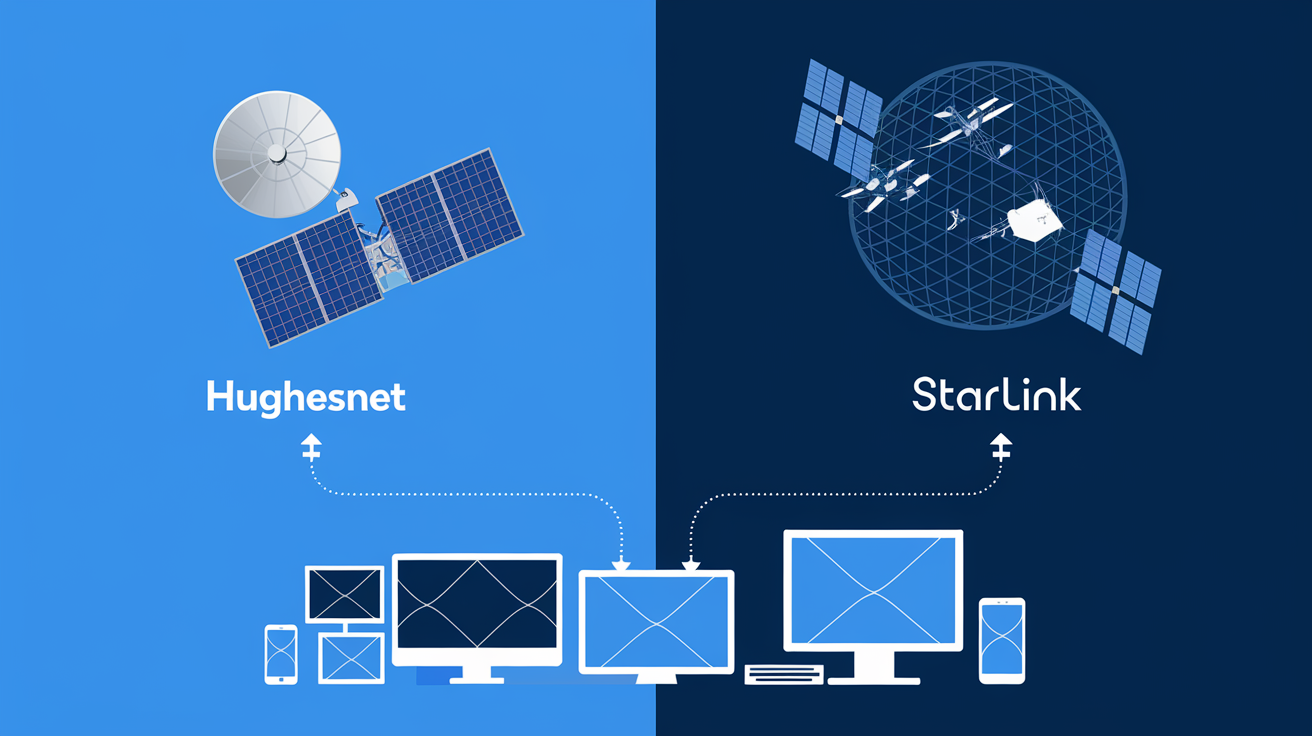
The emergence of Low Earth Orbit (LEO) satellite constellations, such as Starlink by SpaceX, has introduced a new paradigm in satellite internet. LEO satellites orbit much closer to Earth (hundreds of miles vs. 22,000 miles), dramatically reducing latency. While HughesNet currently operates with geostationary satellites, the success of LEO systems may influence future strategies or partnerships. It's possible that HughesNet could explore LEO technology in the future or adapt its existing infrastructure to complement these new networks.
Network Upgrades and Optimization
Beyond satellite hardware, HughesNet continually works on optimizing its ground infrastructure and network management systems. This includes upgrading ground station equipment, improving data routing algorithms, and enhancing network capacity to better serve its customer base. These behind-the-scenes improvements contribute to more stable and efficient service delivery.
Focus on Underserved Areas
The core mission of HughesNet remains to provide internet access to rural and remote areas. Future developments will likely focus on expanding coverage and improving the quality of service in these challenging geographies. This might involve more efficient use of spectrum, advanced modulation techniques, and better integration with other communication technologies.
While the fundamental physics of satellite communication mean that latency will likely remain higher than fiber or cable, ongoing technological advancements aim to make satellite internet faster, more reliable, and more capable than ever before. Users can expect continued improvements in data speeds and overall service quality as these technologies mature.
Conclusion: Making the Most of Your HughesNet Service
Understanding your HughesNet plan is the first step toward maximizing its value. Your monthly bill covers not just internet access, but a sophisticated satellite communication system, including advanced equipment and dedicated network infrastructure. By carefully considering your household's data consumption, prioritizing activities, and leveraging features like Bonus Evening Data, you can effectively manage your high-speed data allowance and enjoy a more consistent online experience. While satellite internet has inherent latency limitations, HughesNet remains a vital solution for millions in areas lacking terrestrial broadband alternatives. As technology advances, expect continued improvements in speed and reliability, further solidifying its role in bridging the digital divide. Always consult current plan details and contract terms to ensure your HughesNet service aligns perfectly with your needs and budget in 2025-26 and beyond.