-
Posted on: 07 Jan 2026
-
Understanding Viasat Internet Costs
When considering satellite internet, particularly Viasat, understanding the total cost of installation and ongoing service is paramount. This guide will demystify how much it costs to install Viasat internet, covering equipment, professional installation, and monthly plans, providing a clear picture for 2025-26.
Viasat Equipment Costs: What You Need to Know
Satellite internet, by its nature, requires specialized equipment to transmit and receive signals from orbiting satellites. For Viasat, this typically includes a satellite dish, a modem, and associated cabling. The cost associated with this hardware is a significant component of the overall expense when you decide to get Viasat internet. It's crucial to understand whether this equipment is purchased outright, leased, or included as part of a promotional offer.
Satellite Dish and Modem
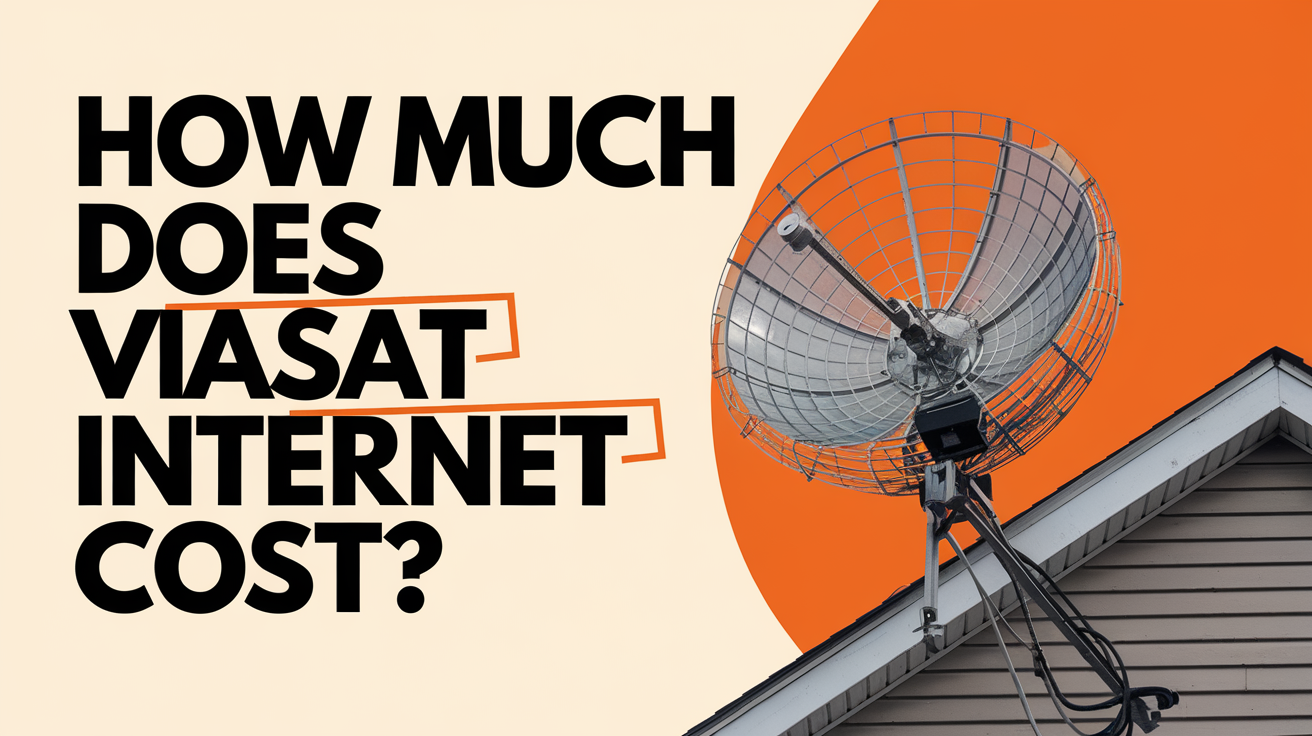
The core components of your Viasat system are the outdoor satellite dish and the indoor modem. The dish is a precision instrument, requiring careful alignment to maintain a clear line of sight to the Viasat satellite. The modem acts as the bridge between your home network and the satellite internet service.
Historically, Viasat has offered different equipment packages depending on the service plan and availability in a specific region. In 2025-26, the trend continues with options that might include:
- Standard Equipment Package: This usually covers the essential dish and modem required for basic Viasat service. The cost can vary, but it's often a one-time purchase or a significant upfront fee if not bundled into a promotion.
- High-Performance Equipment: For higher-tier plans offering faster speeds and greater data allowances, Viasat might require or offer upgraded equipment. This could include a larger dish or a more advanced modem capable of handling higher bandwidth. The cost for these premium packages will naturally be higher.
Equipment Purchase vs. Lease Options
A key decision point for consumers is whether to purchase the equipment outright or lease it from Viasat. Each option has its financial implications.
- Purchasing Equipment: Buying the equipment upfront involves a larger initial investment. However, it eliminates monthly leasing fees, which can save money over the long term. For 2025-26, the outright purchase price for a standard Viasat equipment package could range anywhere from $300 to $600, depending on the specific model and any current promotions. High-performance equipment might push this cost upwards of $700-$900. The advantage here is full ownership and no recurring equipment charges.
- Leasing Equipment: Many Viasat customers opt to lease their equipment. This significantly reduces the upfront cost, often to $0 or a nominal fee, especially when signing a long-term service contract. The monthly lease fee for Viasat equipment in 2025-26 typically falls between $10 and $20 per month. While this spreads the cost out, it adds to your monthly bill indefinitely. Over several years, the cumulative cost of leasing can exceed the purchase price of the equipment. However, leasing often comes with the benefit of free repairs or replacements should the equipment malfunction.
Promotional Offers and Bundles
Viasat frequently runs promotional offers designed to attract new customers and reduce the initial financial barrier. These can include:
- Waived Equipment Fees: A common promotion is the waiving of all or a portion of the equipment purchase price or lease deposit, especially for customers who commit to a 24-month service agreement.
- Discounted Installation: Sometimes, promotions will also bundle a discounted or even free professional installation.
- Bundled Services: While less common for Viasat internet alone, some regional providers might offer bundles with Viasat satellite TV. These bundles can sometimes include equipment discounts.
It is essential to check for current promotions on the Viasat website or by speaking with a sales representative, as these offers can significantly impact the initial equipment cost. For instance, a $500 equipment cost could be reduced to $0 with a specific contract and promotion.
Current 2025-26 Equipment Cost Estimates:
Based on industry trends and typical Viasat pricing structures, here are estimated equipment costs for 2025-26:
Option Estimated Upfront Cost (2025-26) Monthly Cost (if leased) Notes Standard Equipment Purchase $300 - $600 N/A Own the equipment outright. High-Performance Equipment Purchase $700 - $900 N/A For faster speeds and higher data. Standard Equipment Lease $0 - $50 (deposit) $10 - $20 Low upfront cost, includes maintenance. Promotional Offers (Lease) $0 $0 - $15 (often waived for contract) Requires contract commitment. Remember, these are estimates. The exact cost will depend on your location, the specific Viasat plan you choose, and any active promotions. Always verify the current pricing with Viasat directly.
Viasat Installation Fees: A Detailed Breakdown
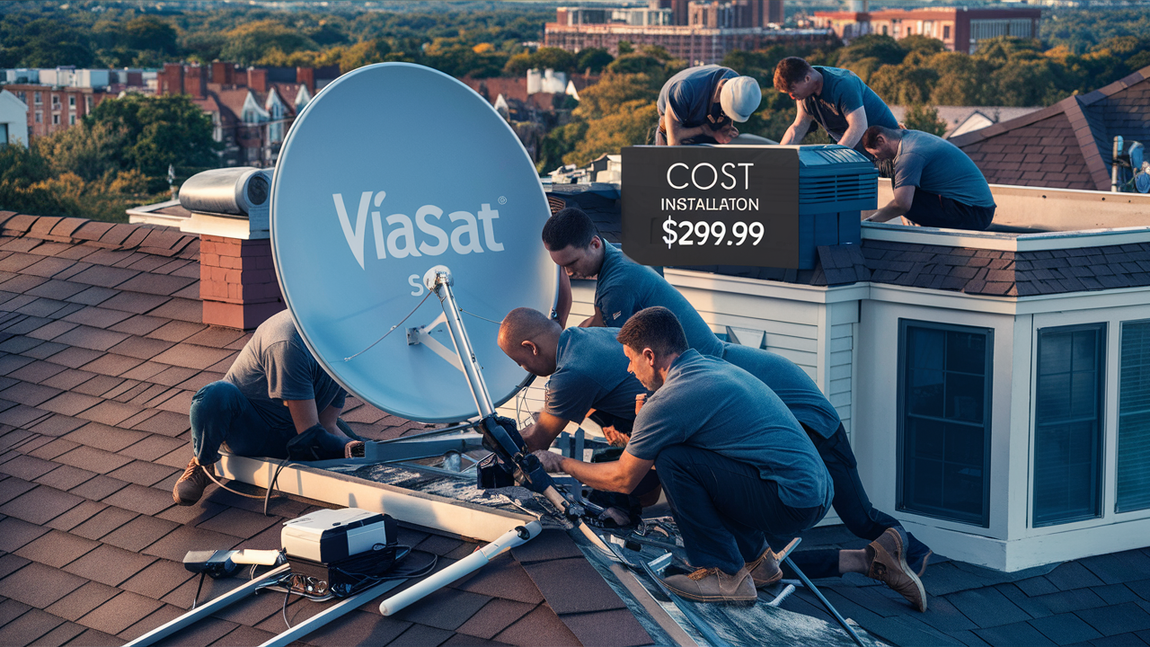
Beyond the equipment itself, the professional installation of your Viasat system is a critical step and often comes with its own set of fees. This service ensures that your satellite dish is correctly mounted, aligned, and connected to your modem, guaranteeing optimal performance. Understanding these fees is vital to accurately calculating the total cost of getting Viasat internet.
What Does Viasat Installation Involve?
A Viasat professional installation is not a simple DIY task. It requires a trained technician to:
- Site Survey: The technician will assess your property to find the optimal location for the satellite dish, ensuring a clear, unobstructed view of the southern sky (in the Northern Hemisphere) where Viasat satellites are positioned. This might involve mounting the dish on a pole, the side of your house, or another stable structure.
- Dish Mounting and Alignment: The dish must be securely mounted and precisely aligned with the satellite. This alignment is crucial for signal strength and internet speed. Even a slight misalignment can lead to poor performance or intermittent connectivity.
- Cabling: The technician will run coaxial cable from the outdoor dish to your indoor modem location. They will ensure the cable is routed safely and discreetly, often drilling through walls if necessary.
- Modem Setup and Testing: The modem will be connected to the cable, powered on, and configured. The technician will then test the internet connection to ensure it's working correctly and meeting the expected service levels.
- Wi-Fi Setup (Optional): While Viasat primarily provides the internet connection, the technician may assist with basic Wi-Fi setup if you are using your own router or a Viasat-provided one.
Standard Installation Fees (2025-26)
The standard professional installation fee for Viasat internet in 2025-26 can vary, but it typically falls within a specific range.
- Standard Fee: Expect a standard installation fee anywhere from $100 to $200. This fee covers the technician's time, travel, and the basic setup of the equipment.
- Complex Installations: In some cases, installation might be more complex. This could happen if:
- The optimal mounting location is difficult to access (e.g., requires a ladder extension, specialized scaffolding, or roof work).
- The property requires extensive cable running (e.g., a very long distance from the dish to the modem location, or through difficult terrain).
- Additional mounting hardware or specialized brackets are needed.
Promotional Installation Offers
Similar to equipment costs, installation fees are often a target for Viasat's promotional efforts.
- Free Installation: Many Viasat plans, especially those requiring a 24-month contract, come with a completely free professional installation. This is one of the most attractive promotions for new customers, as it eliminates a significant upfront cost.
- Discounted Installation: If a free installation isn't available, Viasat might offer a discounted rate, reducing the installation fee to $50 or $99, for example.
It's crucial to inquire about these promotions when signing up for service. A free installation can save you a substantial amount right at the beginning of your Viasat service.
Self-Installation vs. Professional Installation
For some satellite internet providers, self-installation might be an option to save money. However, with Viasat, professional installation is almost always mandatory and highly recommended.
- Mandatory Professional Installation: Viasat generally requires professional installation to ensure the system is set up correctly for optimal performance and to comply with their service agreements. Incorrectly installed equipment can lead to poor service and may void warranties.
- Why Professional Installation is Key: The precise alignment of the satellite dish is paramount. A small error can drastically affect download and upload speeds, latency, and overall connection stability. Viasat technicians have the specialized tools and expertise to achieve this precision.
Summary of 2025-26 Installation Costs:
Here's a summary of what you might expect for Viasat installation fees in 2025-26:
Installation Type Estimated Cost (2025-26) Notes Standard Professional Installation $100 - $200 Covers basic setup. Complex Installation Surcharge +$50 - $200+ For difficult mounting or extensive cabling. Promotional Free Installation $0 Often requires a contract commitment. Promotional Discounted Installation $50 - $99 Reduced fee from standard. Always confirm the installation fee and any potential surcharges with Viasat before scheduling your appointment. Taking advantage of a free installation promotion can significantly reduce your initial outlay.
Viasat Monthly Service Plans and Pricing (2025-26)
The recurring cost of Viasat internet is the monthly service plan. These plans are designed to cater to different user needs, offering varying speeds, data allowances, and features. Understanding these plans is crucial for budgeting and ensuring you select the right service for your household. Viasat's pricing for 2025-26 continues to reflect the challenges and advantages of satellite internet.
Understanding Viasat's Speed Tiers
Viasat offers several tiers of service, generally categorized by download and upload speeds. It's important to note that satellite internet inherently has higher latency (delay) compared to terrestrial options like fiber or cable due to the distance the signal travels.
- Basic Plans: These plans are suitable for light internet use, such as checking emails, browsing websites, and occasional social media. Speeds might range from 12 Mbps to 25 Mbps download.
- Standard Plans: Offering a balance of speed and data, these plans are good for multiple users, streaming standard-definition video, and more active online engagement. Speeds could be in the 25 Mbps to 50 Mbps download range.
- High-Speed Plans: For households with heavier internet demands, including streaming high-definition video, online gaming, and large file downloads, Viasat offers plans with higher speeds, potentially reaching 100 Mbps or more download.
Data Allowances and Policies
A key characteristic of satellite internet, including Viasat, is its data allowance. This is the amount of data you can use each month before potential throttling or additional charges.
- Prioritization: Viasat plans typically have a "priority" or "high-speed" data allowance. Once you exceed this allowance, your speeds may be reduced for the remainder of the billing cycle, especially during peak network congestion times. This is a common practice to manage network resources efficiently.
- Unlimited Data (with Throttling): Many Viasat plans now advertise "unlimited" data. However, this usually means you won't be cut off, but your speeds will be significantly reduced after you reach a certain threshold of high-speed data. For 2025-26, this threshold might range from 50 GB to 200 GB of priority data, depending on the plan.
- Data Usage Monitoring: Viasat provides tools to monitor your data usage, allowing you to stay within your high-speed allowance.
2025-26 Monthly Pricing Estimates
The monthly cost of Viasat plans varies significantly based on the speed, data allowance, and contract terms. Prices are generally for a 24-month contract, with month-to-month options often being more expensive.
Plan Tier Estimated Download Speed (Mbps) Estimated Priority Data (GB) Estimated Monthly Cost (2025-26) Notes Basic Internet 12-25 25-50 $70 - $90 For light usage. Standard Internet 25-50 50-100 $90 - $120 Balanced for families. Fast Internet 50-100 100-150 $120 - $150 Good for streaming and gaming. Viasat Unlimited / High Speed 100+ 150-200+ $150 - $200+ For heavy users, unlimited data with throttling. These prices are estimates for 24-month contracts. Month-to-month plans or shorter contract durations (if available) could incur higher monthly fees, potentially adding $20-$50 to the listed prices. It's also important to note that these prices may not include taxes and fees, which can add an additional percentage to your bill.
Contract Lengths and Early Termination Fees
Viasat typically offers service contracts, most commonly for 24 months. Signing a contract often unlocks lower monthly rates and promotional offers like free installation or equipment.
- Contract Benefits: The primary benefit of a contract is a lower monthly service price and the potential for waived upfront costs.
- Early Termination Fees (ETFs): If you terminate your Viasat service before the contract term is up, you will likely incur an Early Termination Fee. For 2025-26, this fee is typically calculated on a prorated basis, often around $15-$20 for each month remaining on the contract. So, if you have 12 months left on a 24-month contract, your ETF could be $180-$240.
- Month-to-Month: Some Viasat plans might be available on a month-to-month basis, but these usually come with higher monthly rates and potentially higher equipment costs or lease fees.
Additional Fees and Charges
Beyond the core equipment, installation, and monthly service, be aware of other potential fees:
- Activation Fee: Some providers charge a one-time activation fee, which could be $20-$50. This is often waived with promotions.
- Late Payment Fees: Standard fees apply if your monthly bill is not paid on time.
- Equipment Upgrade Fees: If you wish to upgrade your equipment mid-contract, there might be associated fees.
Always ask for a complete breakdown of all potential fees when signing up.
Key Factors Influencing Your Total Viasat Bill
Several variables come into play when determining the final cost of your Viasat internet service. Understanding these factors will help you budget accurately and avoid surprises. The interplay between equipment, installation, monthly plan, and your specific location all contribute to the overall price you pay.
1. Equipment Choice: Purchase vs. Lease
As detailed earlier, your decision on whether to buy the Viasat equipment outright or lease it monthly has a significant impact on your upfront costs and long-term expenses.
- Upfront Cost: Purchasing equipment means a higher initial payment ($300-$900+), but no recurring equipment fees.
- Long-Term Cost: Leasing equipment ($10-$20/month) has a lower upfront cost but adds to your monthly bill indefinitely. Over 2-3 years, leasing can become more expensive than purchasing.
2. Installation Fee and Promotions
The cost of professional installation can range from $100-$200, but this is often waived or significantly discounted through promotional offers, especially when signing a contract.
- Contract Benefits: A 24-month contract typically unlocks the best deals, including free installation.
- No Contract: Opting out of a contract may mean paying the full installation fee and potentially higher monthly rates.
3. Monthly Service Plan Selection
The core of your recurring cost is the monthly service plan. This is determined by:
- Speed: Higher download and upload speeds naturally come with higher monthly prices.
- Data Allowance: Plans with larger high-speed data thresholds or unlimited data (with throttling) are generally more expensive.
- Contract Length: 24-month contracts usually offer the lowest monthly rates compared to month-to-month options.
4. Your Geographic Location
While Viasat aims to provide consistent pricing, regional availability and local market conditions can sometimes influence pricing or the specific plans offered.
- Service Availability: Viasat is primarily for areas where other broadband options are limited. The specific satellite beam and network infrastructure serving your area can sometimes affect the available plans and their pricing.
- Promotional Differences: Promotions can sometimes vary by region or state.
5. Contract Terms and Early Termination Fees (ETFs)
Choosing a contract (typically 24 months) locks in lower prices but also incurs an ETF if you cancel early.
- Commitment: A contract is a commitment. Ensure you are comfortable with the terms before signing, as breaking it can be costly.
- Flexibility: Month-to-month plans offer flexibility but at a higher ongoing cost.
6. Taxes and Fees
Don't forget to factor in taxes and other regulatory fees that are added to your monthly bill. These can vary by state and local jurisdiction and typically add 5-15% to the advertised price.
- State and Local Taxes: Sales tax and other telecommunications taxes apply.
- Regulatory Fees: Fees like the Federal Universal Service Fund (USF) contribution may be added.
Example Scenario: Calculating Total Initial Cost
Let's illustrate with a common scenario for 2025-26:
- Plan: Viasat Standard Internet (24-month contract)
- Equipment: Leased
- Promotions: Free installation, waived equipment lease deposit
In this case:
- Equipment Cost: $0 (upfront, but $15/month lease fee later)
- Installation Fee: $0 (promotional)
- Activation Fee: $0 (promotional)
Total Initial Cost: $0
However, the first monthly bill would include the $15 lease fee plus the monthly service cost (e.g., $100) and taxes/fees.
Example Scenario 2: Outright Purchase
- Plan: Viasat Fast Internet (24-month contract)
- Equipment: Purchased outright
- Promotions: Discounted installation ($99)
In this case:
- Equipment Cost: $500 (estimated)
- Installation Fee: $99 (discounted)
- Activation Fee: $25 (standard)
Total Initial Cost: $624
The monthly bill would then be the service cost (e.g., $130) plus taxes and fees, without any equipment lease charges.
Comparing Viasat Costs to Other Satellite and Internet Options
To truly understand "how much does it cost to install Viasat internet," it's essential to place its pricing within the broader context of available internet services, especially in rural or underserved areas where Viasat is most prevalent. Satellite internet, including Viasat, often comes with a higher price tag and different performance characteristics compared to cable, DSL, or fiber.
Viasat vs. Other Satellite Providers (HughesNet)
HughesNet is Viasat's primary competitor in the satellite internet market. Both providers offer similar service models, but their pricing and features can differ.
- Equipment Costs: Both providers typically offer leased equipment with low upfront costs or the option to purchase. Historically, Viasat's purchase prices might have been slightly higher, but lease costs are often comparable ($10-$20/month). Promotions can make upfront costs negligible for both.
- Monthly Plans: Viasat often boasts higher download speeds than HughesNet, which can translate to slightly higher monthly costs for comparable speed tiers. However, Viasat's data allowances also tend to be more generous on their higher-tier plans.
- Installation: Both usually require professional installation, with fees that can be waived or discounted through promotions.
- Contracts: Both typically require 24-month contracts to secure the best pricing.
Key Takeaway: Viasat often offers faster speeds than HughesNet at a similar or slightly higher price point, especially for their premium plans. However, HughesNet might be more budget-friendly for basic needs. Always compare current offers.
Viasat vs. Terrestrial Broadband (DSL, Cable, Fiber)
In areas where terrestrial broadband is available, Viasat is usually not the first choice due to cost and performance differences.
- Cost:
- DSL: Generally the cheapest option, with basic plans starting around $40-$60/month. Speeds are typically lower than cable or fiber but can be sufficient for basic use.
- Cable: Offers a good balance of speed and price, with plans ranging from $60-$100/month for speeds of 100-500 Mbps.
- Fiber: The fastest and most expensive, with plans often starting at $70-$100/month for gigabit speeds.
- Equipment: Terrestrial providers often allow you to use your own modem/router, saving on monthly rental fees. If you rent, it's typically $10-$15/month. Upfront costs for installation are often lower or non-existent for DSL and cable, while fiber might have higher installation fees if not subsidized.
- Performance:
- Speed: Fiber and cable offer significantly higher download and upload speeds than Viasat.
- Latency: DSL, cable, and especially fiber have much lower latency, making them superior for real-time applications like online gaming and video conferencing.
- Data Caps: While some cable plans have data caps, fiber often offers unlimited data with no throttling.
Key Takeaway: If terrestrial broadband is available, it will almost always be cheaper and offer better performance than Viasat. Viasat's value proposition is its availability in areas where these other options are simply not an option.
Viasat vs. Fixed Wireless Internet
Fixed wireless internet uses radio signals to connect homes to a nearby tower. It's often a viable alternative to satellite in rural areas.
- Cost: Fixed wireless plans can be competitive with Viasat, often ranging from $60-$100/month for speeds comparable to Viasat's mid-tier plans. Installation fees are usually lower than satellite, and equipment might be leased or purchased.
- Performance: Fixed wireless generally offers lower latency than satellite internet, making it better for real-time applications. Speeds can be comparable to Viasat, but are more susceptible to weather interference and line-of-sight obstructions.
Key Takeaway: Fixed wireless can be a strong competitor to Viasat, often providing better latency at a similar or lower cost. However, availability is limited to areas with line-of-sight to a provider's tower.
Cost Comparison Table (Estimates for 2025-26)
Provider Type Typical Monthly Cost Typical Download Speed Installation Cost Key Advantage Key Disadvantage Viasat $70 - $200+ 12 - 100+ Mbps $0 - $200+ (often free w/ promo) Widespread availability in rural areas. High latency, data caps/throttling, higher cost for speed. HughesNet $65 - $100+ 25 - 100 Mbps $0 - $100+ (often free w/ promo) Similar rural availability to Viasat. Lower speeds than Viasat, high latency, stricter data limits. DSL $40 - $70 5 - 100 Mbps $0 - $100 Affordable, lower latency than satellite. Limited availability, often slower speeds, distance sensitive. Cable $60 - $100 100 - 500+ Mbps $0 - $100 Good balance of speed and price, lower latency. Availability limited to populated areas, shared bandwidth. Fiber Optic $70 - $100+ 300 - 1000+ Mbps $0 - $200+ Fastest speeds, lowest latency, most reliable. Very limited availability, often most expensive. Fixed Wireless $60 - $100 25 - 100 Mbps $0 - $150 Rural alternative, better latency than satellite. Requires line-of-sight, weather sensitive, availability dependent. When evaluating "how much does it cost to install Viasat internet," remember that its primary advantage is availability in remote locations. If other options exist, they are likely more cost-effective and performant.
Maximizing Your Viasat Investment: Tips and Tricks
Once you've decided on Viasat and understand the costs involved, you'll want to make the most of your investment. Satellite internet, while a lifeline for many, has specific characteristics that require smart usage to ensure a smooth and cost-effective experience. Here are some tips for maximizing your Viasat internet service in 2025-26.
1. Monitor Your Data Usage Diligently
This is the single most important tip for Viasat users. Exceeding your high-speed data allowance can lead to significantly slower speeds, impacting everything from streaming to basic browsing.
- Use Viasat's Tools: Regularly check your data usage through the Viasat customer portal or mobile app. Many plans offer notifications when you're approaching your limit.
- Schedule Large Downloads: If you need to download large files, software updates, or perform backups, try to do so during off-peak hours or when you know you have plenty of high-speed data remaining.
- Understand Data Rollover (if applicable): Some plans might offer data rollover, where unused data from one month can be carried over to the next. Check your plan details.
2. Optimize Your Wi-Fi Network
A strong and efficient Wi-Fi network within your home is crucial for getting the best performance from your Viasat connection.
- Router Placement: Position your Wi-Fi router in a central location, away from obstructions like thick walls, metal objects, and other electronics that can cause interference.
- Use 5GHz Band: If your router supports dual-band (2.4GHz and 5GHz), use the 5GHz band for devices closer to the router that require higher speeds. The 2.4GHz band has a longer range but is more prone to interference.
- Consider a Wi-Fi Extender or Mesh System: If you have a large home or dead zones, a Wi-Fi extender or a mesh network can improve coverage, but remember this doesn't increase your internet speed, only its reach.
- Secure Your Network: Ensure your Wi-Fi network is password-protected with a strong password to prevent unauthorized users from consuming your bandwidth.
3. Stream Smartly
Video streaming is a major data consumer.
- Lower Resolution: When possible, stream videos at standard definition (SD) instead of high definition (HD) or 4K. This can save a significant amount of data. For example, streaming HD video uses about 3GB per hour, while SD uses around 1GB per hour.
- Download for Offline Viewing: Services like Netflix and Amazon Prime allow you to download content to watch later on your device, which can be done when you have ample data.
- Avoid Auto-Play: Disable auto-play features on streaming services and social media platforms.
4. Be Mindful of Online Activities
Some online activities consume more data than others.
- Online Gaming: While latency is a bigger issue for gaming, downloading games and updates can consume large amounts of data.
- Video Conferencing: High-definition video calls use more data than audio calls.
- Cloud Backups: Services like Google Drive, Dropbox, or iCloud can automatically back up large files, quickly depleting your data allowance. Adjust their settings to sync only during off-peak hours or specific times.
5. Take Advantage of Promotions and Contract Terms
When signing up or renewing, always look for the best deals.
- Contract Renewal: If you are nearing the end of your 24-month contract, contact Viasat to inquire about renewal specials. You might be able to get a new promotion or upgrade your plan at a better rate.
- Bundling (if available): While Viasat internet is often standalone, if any bundled services (like Viasat satellite TV) are offered in your area, they might come with discounts.
6. Understand Latency and Its Impact
Viasat's inherent latency means it's not ideal for certain activities.
- Online Gaming: Real-time online multiplayer games will likely suffer from lag.
- VoIP Calls: While possible, VoIP calls might experience slight delays or choppiness.
- Video Conferencing: Short delays can occur, but generally manageable for most business or personal calls.
Accepting these limitations and choosing activities that are less latency-sensitive will lead to a better overall experience.
7. Troubleshooting Common Issues
If you experience slow speeds or connectivity problems:
- Reboot Equipment: Power cycle your modem and router. This is a common fix for many minor issues.
- Check for Obstructions: Ensure the satellite dish has a clear line of sight to the sky. Heavy rain, snow, or new foliage can sometimes interfere with the signal.
- Contact Support: If problems persist, Viasat's customer support can help diagnose issues remotely or schedule a technician visit. Remember that if your equipment is leased and malfunctions, repairs are typically covered.
By being a savvy consumer and managing your usage, you can ensure that your Viasat internet service provides reliable connectivity and value for your money.
Conclusion: Making an Informed Viasat Decision
The question "How much does it cost to install Viasat internet?" is multifaceted, encompassing equipment, professional installation, and ongoing monthly service fees. For 2025-26, expect initial outlays for equipment to range from $300-$900 if purchased outright, or minimal upfront costs if leased, often with monthly fees of $10-$20. Professional installation typically costs $100-$200 but is frequently waived or discounted through promotions tied to 24-month contracts. Monthly plans vary significantly based on speed and data, generally costing between $70 and $200+, plus taxes and fees.
Crucially, Viasat's value lies in its availability where other broadband options are scarce. If terrestrial internet is an option, it will likely be more cost-effective and performant. However, for those in rural or underserved areas, Viasat provides essential connectivity. By diligently monitoring data usage, optimizing your home network, and leveraging available promotions, you can maximize your Viasat investment. Weigh the upfront costs against long-term expenses and always compare current offers to make the most informed decision for your needs.