-
Posted on: 07 Jan 2026
-
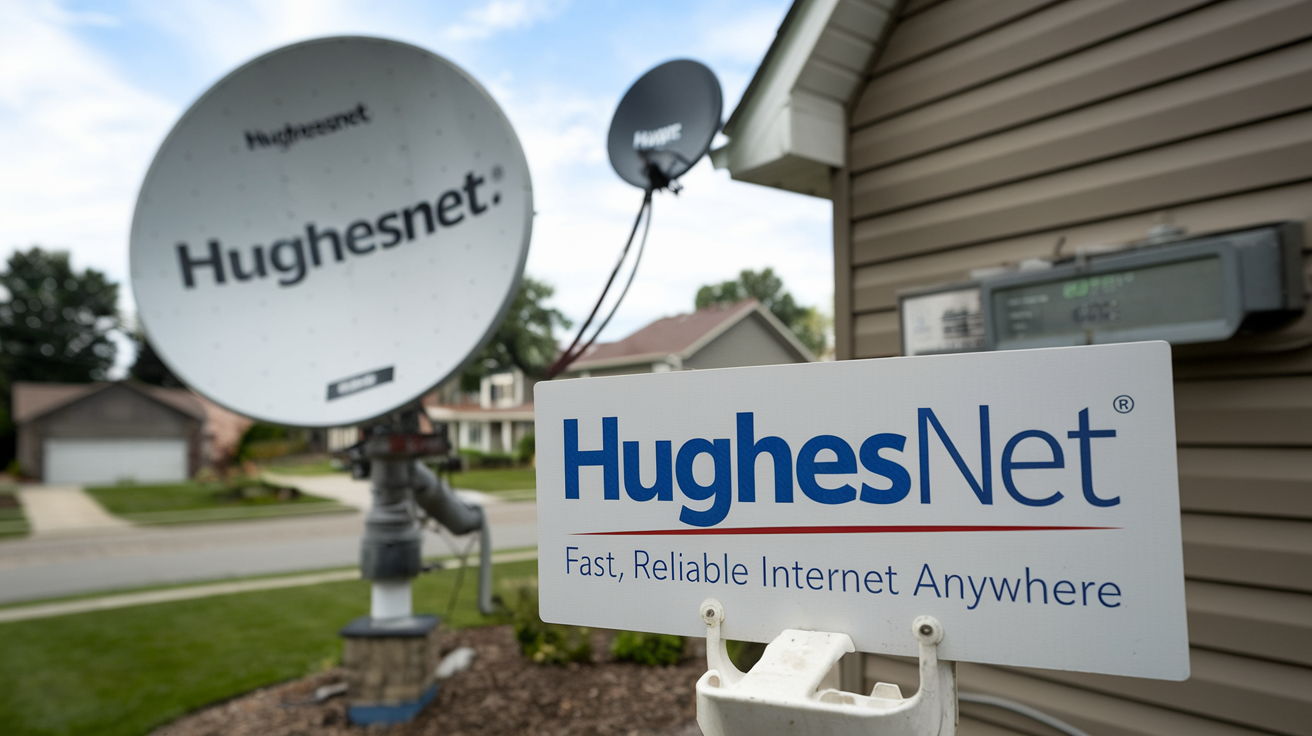
HughesNet is a satellite internet provider, offering internet access to areas underserved by traditional wired connections. While it provides internet service, it's crucial to understand its specific limitations and features beyond just being a basic internet provider. This post will delve into what HughesNet truly offers and what it doesn't.
What Exactly is HughesNet?
HughesNet is a prominent satellite internet service provider. Unlike cable, DSL, or fiber optic internet, which rely on physical ground infrastructure like cables and wires, HughesNet utilizes a network of satellites orbiting the Earth to deliver internet connectivity. This fundamental difference in delivery method is what sets it apart and dictates its unique set of advantages and disadvantages. For millions of Americans, particularly those in rural or remote areas where terrestrial broadband options are scarce or non-existent, HughesNet represents the only viable path to accessing the online world. It's a solution designed to bridge the digital divide, bringing essential internet services to locations that traditional providers often overlook due to the prohibitive cost of laying infrastructure.
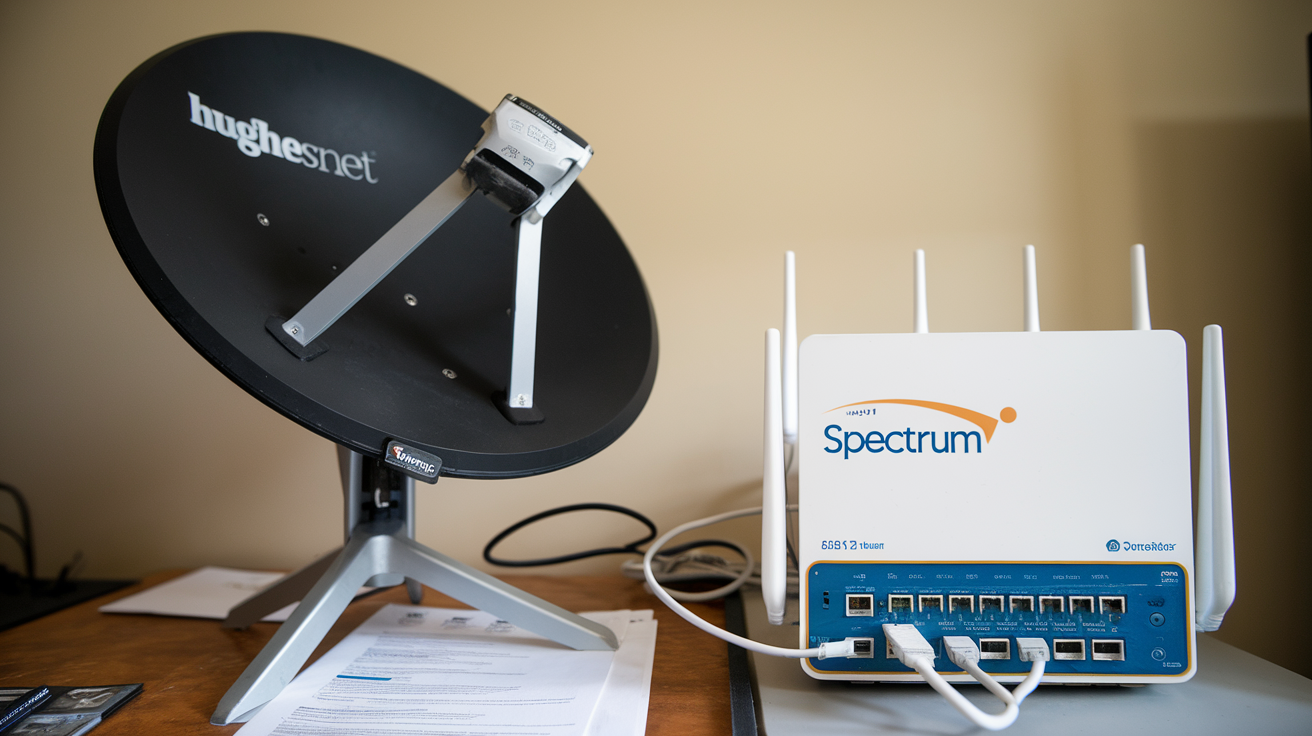
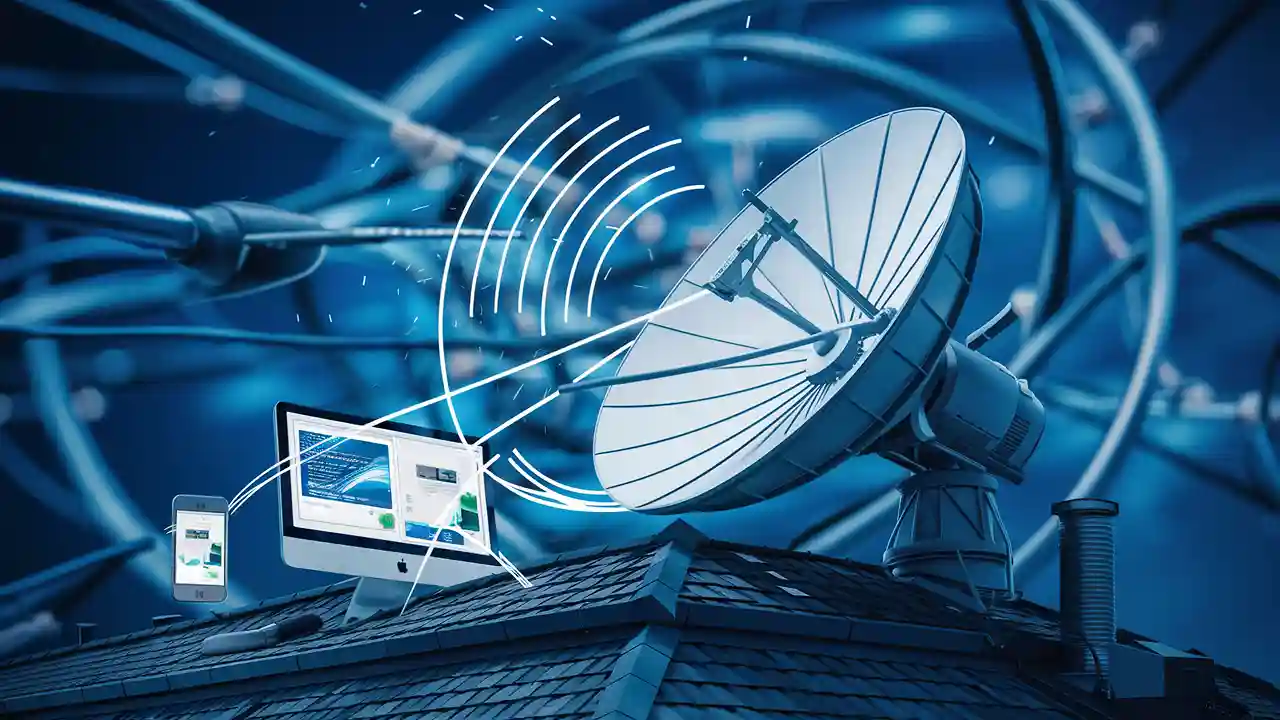
The service works by transmitting data signals from your HughesNet satellite dish, installed at your home or business, up to a satellite in geostationary orbit. This satellite then relays the signal to a ground station, which connects to the broader internet. The process is then reversed for data coming back to you. This complex, space-based system allows for widespread coverage, but the sheer distance the signal must travel introduces certain characteristics that differentiate it from other internet technologies. Understanding this core mechanism is the first step in answering whether HughesNet is "just internet" or something more.
Is HughesNet Just Internet, Or Does It Offer More?
To answer the question directly: Yes, HughesNet provides internet access. Its primary function is to connect you to the internet, enabling you to browse websites, send emails, stream videos, and use online applications. However, to categorize it as "just internet" would be an oversimplification that overlooks its unique operational model and the specific user experience it offers. HughesNet doesn't bundle additional services like traditional cable or telecommunications companies might, such as phone lines or television packages, as part of its core internet offering. Its focus is singularly on delivering internet connectivity via satellite.
The "more" that HughesNet offers isn't in the form of bundled services, but rather in its *availability* and the *unique characteristics* of its service. For individuals and businesses in areas with no other broadband options, HughesNet offers the "more" of essential connectivity itself. This availability is its defining characteristic. However, this "more" also comes with inherent limitations that are tied to its satellite technology. These limitations, such as latency and data caps, are what differentiate it from other forms of internet and lead many to question its capabilities beyond basic access. So, while it delivers internet, the *way* it delivers it and the *experience* it provides are far from generic.
Key Features and Limitations of HughesNet
Understanding HughesNet requires a deep dive into its features and, perhaps more importantly, its limitations. These are not just minor inconveniences but fundamental aspects of the service that stem directly from its satellite delivery method.
Features:
- Widespread Availability: This is HughesNet's biggest selling point. It can provide internet service to virtually any location in the United States where a clear view of the southern sky is available for the satellite dish. This makes it an invaluable service for rural and remote communities.
- Fixed Wireless Technology: HughesNet uses advanced satellite technology to deliver broadband speeds. While not as fast as fiber, it's significantly faster than dial-up or some older forms of wireless internet.
- Professional Installation: HughesNet typically requires professional installation of the satellite dish and modem. This ensures the equipment is correctly aligned and optimized for the best possible signal strength.
- Bundled Equipment: The satellite dish and modem are usually included with the service, either through a lease or purchase agreement, eliminating the need for customers to buy their own hardware.
- Basic Internet Functionality: It reliably handles everyday internet tasks like web browsing, email, social media, and standard-definition video streaming.
Limitations:
- Latency: Due to the vast distance the signal must travel to and from the satellite (approximately 22,000 miles each way), there is a significant delay, known as latency. This can impact real-time applications.
- Data Caps: Most HughesNet plans come with data allowances. Exceeding these allowances can lead to slower speeds (throttling) or additional charges, depending on the plan.
- Speed Variability: Satellite internet speeds can be affected by weather conditions (rain, snow, heavy clouds) and network congestion.
- Not Ideal for High-Bandwidth Activities: Activities requiring very low latency and high, consistent speeds, such as competitive online gaming, large file downloads/uploads, or extensive HD/4K video streaming, can be challenging.
- Contract Requirements: Many HughesNet plans require a long-term contract, often 24 months, which can be a deterrent for some users.
Performance and Speed: What to Expect
When considering HughesNet, managing expectations regarding performance and speed is crucial. The term "broadband" is used, but it's essential to understand what that means in the context of satellite internet. As of 2025-26, HughesNet offers several plans with varying advertised download and upload speeds. However, these are typically advertised as "up to" speeds, meaning you might not consistently achieve them.
Download and Upload Speeds (2025-26 Estimates):
HughesNet's current generation of satellites and plans generally offer download speeds ranging from 25 Mbps to 100 Mbps, with upload speeds typically falling between 2 Mbps and 3 Mbps. These speeds are sufficient for many common internet activities. For instance, browsing websites, checking emails, and using social media are generally smooth experiences. Standard-definition video streaming is usually manageable, though buffering might occur during peak hours or with higher-definition content.
The Impact of Latency:
The most significant performance differentiator for HughesNet is its latency. Because the signal travels thousands of miles to space and back, there's an inherent delay. Typical latency for HughesNet can range from 500 milliseconds (ms) to over 800 ms. For comparison, fiber optic internet often has latency below 20 ms, and cable internet typically falls between 20-50 ms.
This high latency affects real-time applications:
- Online Gaming: Fast-paced online games that require split-second reactions will be severely hampered. The delay between your action and the game's response can be frustratingly long, making competitive play nearly impossible.
- Video Conferencing: While basic video calls might be passable, they can suffer from choppy audio and video, and the conversation might feel disjointed due to the delay in speaking and hearing.
- VoIP Calls: Voice over IP (VoIP) calls can also experience delays, leading to awkward pauses or talking over each other.
- Remote Work Applications: Certain remote work tools that rely on real-time interaction or quick data transfers might also be affected.
Weather and Congestion Effects:
While HughesNet has improved its resilience, extreme weather events like heavy rain, snow, or dense fog can still temporarily degrade signal quality and reduce speeds. Similarly, during periods of high network usage (peak hours), speeds can slow down as more users share the available bandwidth. This is a common characteristic of many internet services, but it can be more pronounced with satellite internet due to the nature of the shared satellite beams.
In summary, HughesNet provides internet access that can handle basic to moderate usage. However, users seeking lightning-fast speeds for demanding applications or requiring extremely low latency for real-time activities will likely find its performance lacking compared to terrestrial broadband options.
Data Allowances and Throttling: A Critical Factor
One of the most significant considerations when choosing HughesNet, and a key differentiator from many other internet services, is its data allowance policy. Unlike unlimited broadband plans offered by some cable and fiber providers, HughesNet plans typically come with a fixed monthly data cap. Understanding these limits and how they are managed is paramount to avoiding frustration and unexpected charges.
Understanding Your Data Allowance:
HughesNet plans are structured around a monthly data allowance, often referred to as your "Priority Data." This is the amount of high-speed data you can use each month. Once you reach this limit, your speeds will be significantly reduced for the remainder of the billing cycle. This reduction is known as throttling.
For example, a common plan might offer 50 GB of Priority Data. This means that after you have consumed 50 GB of data, your internet speeds will be slowed down considerably. The exact amount of data included varies by plan, with higher-tier plans offering larger allowances.
What Happens When You Exceed Your Data Allowance?
When you hit your data cap, your internet speeds are throttled. This means your download and upload speeds are drastically reduced. While you can still access the internet, activities that require significant bandwidth will become very slow, if not unusable. This includes:
- Streaming videos (especially in HD or 4K)
- Downloading large files or software updates
- Online gaming
- Making high-quality video calls
HughesNet often refers to this as "unlimited data" but with a crucial asterisk: after your Priority Data is used, your speeds are reduced. This is a critical distinction. It's not that your internet stops working entirely, but its performance is severely impacted. Some users might find this acceptable for basic browsing and email, while others will find it highly restrictive.
How to Monitor Your Data Usage:
HughesNet provides tools for customers to monitor their data usage. This typically includes an online portal or a mobile app where you can check how much of your monthly allowance you have used. It is highly recommended that users regularly check their data usage to avoid surprises. Proactive monitoring can help you manage your online activities to stay within your allowance or plan accordingly for the rest of the month.
Data Bonuses and "Bonus Zone":
Some HughesNet plans may offer a "Bonus Zone" or similar feature. This allows for a certain amount of data usage during off-peak hours (typically late at night) that does not count against your monthly Priority Data allowance. This can be a lifesaver for users who need to download large files or perform bandwidth-intensive tasks, as they can schedule these activities for the Bonus Zone period.
2025-26 Data Plan Trends:
As of 2025-26, the trend in satellite internet, including HughesNet, continues to be a focus on providing larger data allowances in their premium plans, while still maintaining a throttled speed tier for data usage beyond the priority cap. The exact data amounts are subject to change with new plan releases, but the fundamental structure of a priority data cap followed by reduced speeds remains a core characteristic of satellite internet services like HughesNet.
For users considering HughesNet, a realistic assessment of their monthly data consumption is essential. If your household regularly streams a lot of video, downloads large files, or engages in other data-heavy activities, you might find the data limitations of HughesNet restrictive. Understanding your typical monthly data usage (which can often be found on your current internet bill or by checking your device's network settings) is a crucial first step.
HughesNet Pricing and Plans (2025-26)
HughesNet offers a range of plans designed to cater to different user needs and budgets. Pricing and specific plan details can fluctuate, so it's always best to check the official HughesNet website for the most current offers. However, based on typical offerings and trends observed for 2025-26, here's a general overview.
Plan Tiers and Features:
HughesNet plans are generally differentiated by their monthly data allowances and advertised speeds. They often come with promotional pricing for the first 12 months, after which the price increases. It's vital to be aware of these introductory offers and the standard pricing that follows.
A typical structure might look like this:
- Basic Plans: These usually offer lower data allowances (e.g., 15-25 GB of Priority Data) and lower advertised speeds. They are often the most affordable option but are suitable only for very light internet users.
- Mid-Tier Plans: These plans provide a more balanced offering, with moderate data allowances (e.g., 50-100 GB of Priority Data) and better advertised speeds. They are suitable for average internet users who engage in moderate streaming and browsing.
- Premium Plans: These offer the largest data allowances (e.g., 150-200 GB of Priority Data) and the highest advertised speeds available from HughesNet. They are designed for heavier users but come at a higher monthly cost.
Estimated Pricing (2025-26):
Introductory pricing for HughesNet plans can range from approximately $65 to $120 per month for the first 12 months. After the promotional period, these prices can increase to anywhere from $80 to $150+ per month, depending on the plan selected. These figures are estimates and can vary based on region, current promotions, and specific plan features.
Equipment Costs:
HughesNet typically offers two options for their satellite equipment (dish and modem):
- Lease: You can lease the equipment for a monthly fee, which is often included in the overall plan cost or added separately. This usually covers maintenance and upgrades.
- Purchase: Some plans might allow you to purchase the equipment outright. This is a significant upfront cost but eliminates monthly leasing fees.
Installation is usually included or has a one-time fee, though this can also be subject to promotions.
Contract Length:
A common feature of HughesNet plans is the requirement for a 24-month service agreement. Early termination fees can apply if you cancel the service before the contract term is up. This long-term commitment is a significant factor to consider.
What to Look For in a Plan:
- Data Allowance: Match the Priority Data allowance to your household's typical monthly usage.
- Advertised Speeds: Understand that these are "up to" speeds and actual performance can vary.
- Promotional vs. Standard Pricing: Be aware of how much the price will increase after the introductory period.
- Contract Terms: Note the contract length and any associated early termination fees.
- Equipment Costs: Understand whether leasing or purchasing equipment is included or an additional cost.
It's crucial to visit the official HughesNet website or speak with a sales representative to get precise pricing and plan details for your specific location, as offers can vary significantly.
HughesNet vs. Other Internet Providers
The question "Is HughesNet just internet?" often arises when comparing it to other internet service types. The fundamental difference lies in the technology used for delivery, which dictates performance, cost, and availability.
Here's a comparative look:
Feature HughesNet (Satellite) Cable Internet DSL Internet Fiber Optic Internet 5G Home Internet (Fixed Wireless) Technology Satellite signals Coaxial cable Telephone lines Fiber optic cables 5G cellular network Availability Nearly universal (requires clear sky view) Limited to areas with cable infrastructure Wider than cable, but can be limited in rural areas Growing, but still concentrated in urban/suburban areas Expanding, availability varies by carrier and location Speeds (Typical Download) 25-100 Mbps 100-1000+ Mbps 5-100 Mbps 100 Mbps - 10 Gbps+ 100-300+ Mbps (can vary significantly) Latency High (500-800+ ms) Low to Moderate (20-50 ms) Moderate (50-100 ms) Very Low (<10 ms) Low to Moderate (30-60 ms) Data Caps Common (Priority Data caps, then throttling) Less common, some providers have them Less common, some providers have them Rarely have data caps Vary by provider, some unlimited, some capped Weather Impact Can be affected by severe weather Generally unaffected Generally unaffected Generally unaffected Can be affected by signal obstruction Best For Rural/remote areas with no other options General use, streaming, gaming, households with multiple users Basic internet use, smaller households, areas where cable isn't available Heavy users, gamers, streamers, businesses, future-proofing Urban/suburban users seeking an alternative to cable/DSL, moderate users Key Differentiators:
- Availability vs. Performance: HughesNet's primary advantage is its reach. Cable, fiber, and even 5G home internet are limited by existing infrastructure. If you're in a remote area, HughesNet might be your only option for broadband speeds. However, in terms of raw performance (speed and latency), it lags significantly behind cable and especially fiber.
- Data Policies: The prevalence of data caps and throttling on HughesNet plans is a major contrast to the often unlimited data offered by fiber and many cable providers. This makes HughesNet less suitable for data-intensive households.
- Latency: The high latency of satellite internet is a deal-breaker for applications requiring real-time responsiveness, such as competitive online gaming or high-quality video conferencing.
When asking if HughesNet is "just internet," it's important to remember that all these providers offer internet. The difference is in the *quality* and *characteristics* of that internet service, shaped by the underlying technology.
Alternatives to HughesNet
While HughesNet serves a critical need, it's not the only option for internet access, especially if you're looking for better performance or different data policies. Depending on your location, you might have access to one or more of the following alternatives:
1. Other Satellite Internet Providers:
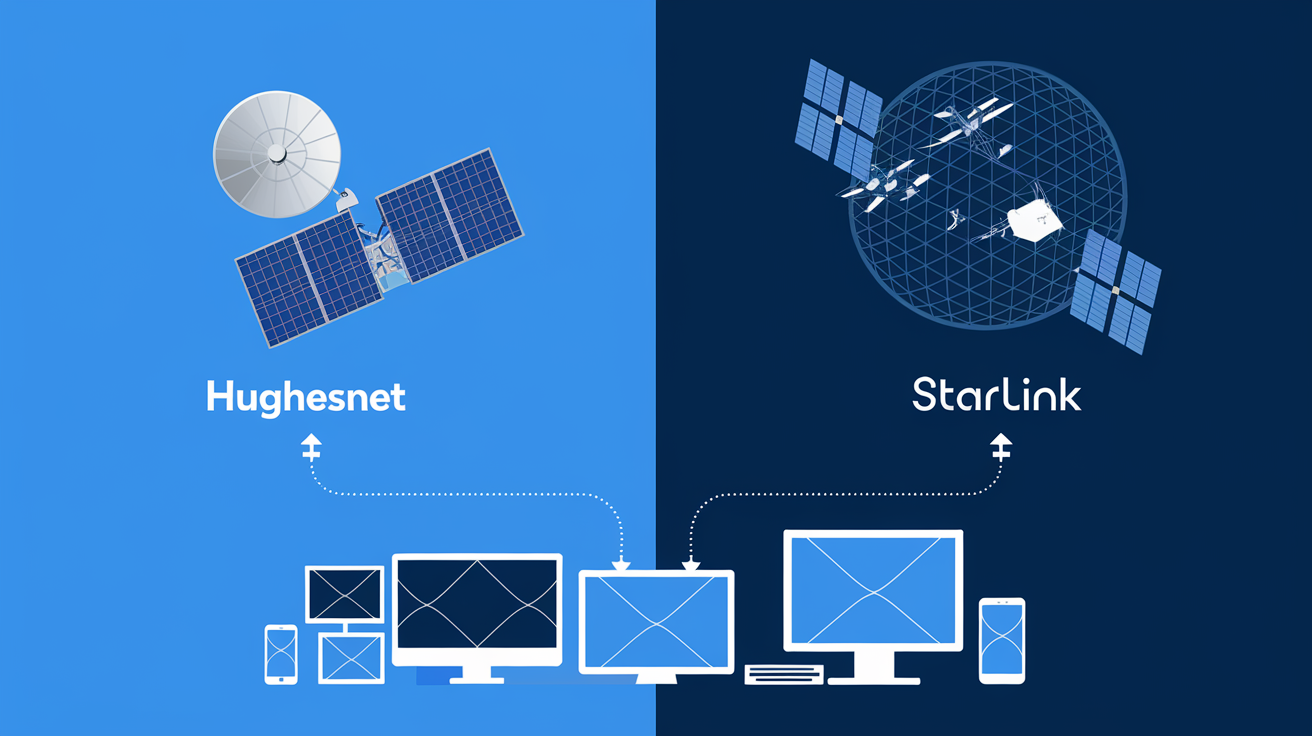
Starlink: Developed by SpaceX, Starlink uses a constellation of low-Earth orbit (LEO) satellites. This results in significantly lower latency compared to geostationary satellites like HughesNet. Starlink generally offers higher speeds and is a strong contender for rural users. However, it often has a higher upfront equipment cost and can have waiting lists for service in some areas. As of 2025-26, Starlink is rapidly expanding its coverage and capabilities.
Viasat: Similar to HughesNet, Viasat uses geostationary satellites. It offers comparable speeds and availability but also shares similar limitations regarding latency and data caps. The specific plans and pricing can vary, making it worth comparing directly with HughesNet if it's available in your area.
2. Fixed Wireless Internet:
This technology uses radio signals to transmit internet from a tower to a receiver at your home. It's often available in rural and suburban areas where traditional wired infrastructure is lacking. Speeds and reliability can vary greatly depending on the provider and your distance from the tower. It generally offers lower latency than satellite internet.
3. 5G Home Internet:
Major cellular carriers (like Verizon, T-Mobile, AT&T) are increasingly offering 5G home internet services. These services use the 5G cellular network to deliver internet to your home via a small receiver. Availability is expanding rapidly, especially in suburban and some rural areas. Speeds can be competitive with cable, and latency is generally much lower than satellite. Data policies vary, with some offering unlimited data.
4. Fixed Broadband (Cable, DSL, Fiber):
If you live in an area with existing infrastructure, these are typically the preferred options:
- Cable Internet: Widely available, offering good speeds and reasonable latency. Data caps are becoming less common.
- DSL Internet: Uses existing phone lines. Speeds are generally lower than cable but can be a viable option in areas where cable isn't present.
- Fiber Optic Internet: The gold standard for speed, low latency, and reliability. Availability is still limited but growing. If fiber is an option, it's almost always the best choice.
5. Mobile Hotspots / Cellular Data Plans:
For very light usage or as a temporary solution, using a mobile hotspot from your smartphone or a dedicated mobile hotspot device can provide internet access. However, this is usually not a cost-effective or reliable long-term solution for a household due to data limits and potential throttling on cellular plans.
Making the Choice:
The best alternative for you will depend heavily on your geographic location and your specific internet usage needs. Always start by checking what wired broadband options are available at your address. If those are unavailable, then compare satellite providers (HughesNet, Starlink, Viasat) and fixed wireless options. The decision often comes down to balancing availability, speed, latency, data allowances, and cost.
Who is HughesNet Best Suited For?
Given its unique characteristics, HughesNet is not a one-size-fits-all solution. Its strengths lie in its broad availability, making it a vital service for a specific demographic. Understanding who benefits most from HughesNet is key to determining if it's the right choice for you.
1. Residents of Rural and Remote Areas:
This is the primary target audience for HughesNet. If you live in a location where cable, fiber, or even reliable DSL service is not available, HughesNet offers a way to get online. For many, it's the only broadband option that bridges the digital divide, providing essential access for education, work, and staying connected.
2. Light to Moderate Internet Users:
HughesNet is best suited for households that primarily use the internet for basic tasks. This includes:
- Browsing websites
- Sending and receiving emails
- Using social media
- Basic online banking and shopping
- Standard-definition video streaming (with careful data management)
- Light online research and educational activities
Users who consume large amounts of data or require consistent high speeds for demanding applications will likely find HughesNet's limitations frustrating.
3. Households Prioritizing Connectivity Over Performance:
For some, having *any* reliable internet connection is more important than having the fastest or lowest-latency connection. In areas with no other options, the ability to connect to the internet, even with its limitations, is invaluable. HughesNet provides this essential connectivity.
4. Users Who Can Manage Data Consumption:
If you are diligent about monitoring your data usage and can adjust your online habits to stay within your monthly allowance (or utilize off-peak "Bonus Zone" data effectively), HughesNet can be a manageable service. This requires a conscious effort to avoid exceeding data caps, which can lead to throttling.
5. Those Not Requiring Real-Time, High-Bandwidth Applications:
Individuals who do not rely heavily on activities like competitive online gaming, high-definition video conferencing for work, or frequent large file downloads/uploads will be less impacted by HughesNet's high latency and speed variations.
Who is HughesNet NOT Suited For?
- Gamers: The high latency makes competitive online gaming virtually impossible.
- Heavy Streamers: Consistent HD/4K streaming can quickly consume data allowances, leading to throttling.
- Remote Workers Requiring Real-Time Tools: Applications demanding low latency or consistent high bandwidth might not perform well.
- Large Households with High Simultaneous Usage: Multiple users streaming, gaming, and working simultaneously can strain data allowances and speeds.
- Users Seeking Unlimited Data: If you need truly unlimited, unthrottled data, HughesNet is unlikely to meet your needs.
In essence, HughesNet is a specialized service for a specific need: providing internet access where few other options exist, for users whose online activities are not excessively data-intensive or latency-sensitive.
Making the Decision: Is HughesNet Right for You?
The question "Is HughesNet just internet?" is best answered by understanding that while it provides internet access, it does so with a unique set of characteristics shaped by its satellite technology. It's not "just internet" in the sense of being a generic, universally performing service. Instead, it's a specialized solution designed to bring connectivity to areas that are otherwise underserved.
To determine if HughesNet is the right choice for your household, consider the following:
- Assess Your Location: This is the most critical factor. Check what other internet options are available at your address. If you have access to cable, fiber, or even reliable DSL, these will almost certainly offer a superior experience in terms of speed and latency. HughesNet should be considered primarily when these terrestrial options are unavailable.
- Evaluate Your Internet Usage Habits:
- Data Consumption: How much data does your household typically use per month? If it's consistently over 50-100 GB, HughesNet's data caps and throttling policies could be problematic.
- Activity Types: Do you engage in activities that require low latency (online gaming, real-time video conferencing)? If so, HughesNet is likely not suitable. Are you primarily browsing, emailing, and doing light streaming? Then it might suffice.
- Understand the Trade-offs: Be prepared for the inherent limitations of satellite internet: high latency, potential weather-related disruptions, and strict data allowances. These are not bugs; they are features of the technology.
- Compare Plans and Pricing Carefully: Look beyond introductory offers. Understand the long-term costs, contract lengths, and early termination fees. Compare HughesNet's plans with any available alternatives, including other satellite providers like Starlink.
- Read Reviews and Testimonials: Seek out reviews from users in similar geographic areas to get a realistic picture of performance and customer service.
In conclusion, HughesNet is a vital service that provides internet connectivity to millions who would otherwise be left offline. It is "just internet" in that its sole purpose is to connect you to the digital world. However, the *quality* and *experience* of that internet connection are distinctly different from wired broadband services. If HughesNet is your only viable option for broadband, and your usage habits align with its capabilities, it can be a functional solution. For those with alternatives, exploring cable, fiber, or even fixed wireless options will generally yield a more robust and satisfying internet experience.