Navigating Viasat home internet plans and pricing can feel complex, but this comprehensive review breaks down everything you need to know. We analyze Viasat's offerings, including speeds, data caps, costs, and geographical limitations, to help you determine if it's the right satellite internet solution for your needs in 2025-26.
Understanding Viasat Home Internet
Viasat is a prominent provider of satellite internet services, primarily serving rural and underserved areas where traditional broadband options like cable or fiber are unavailable. Unlike terrestrial internet, satellite internet beams data from a satellite in orbit down to a dish installed at your home, and then to your modem. This technology allows Viasat to offer internet access to a vast geographical footprint, making it a lifeline for many households. However, the nature of satellite communication inherently introduces certain characteristics, such as latency and potential weather-related disruptions, which are important to understand when evaluating their plans and pricing.
In the landscape of internet service providers, Viasat occupies a unique niche. While fiber optic and cable internet typically offer higher speeds and lower latency due to their direct physical connections, satellite internet fills a critical gap. For millions of Americans, particularly those residing in remote agricultural areas, mountainous regions, or small towns far from urban centers, Viasat might be the only viable option for obtaining a stable internet connection. This review aims to provide a transparent and in-depth look at what Viasat offers in terms of its service plans, associated costs, and the overall user experience, especially as we look towards 2025 and 2026.
The core value proposition of Viasat is its extensive reach. While competitors in the satellite internet space exist, Viasat has historically focused on deploying advanced satellite technology to maximize coverage. This means that if you are in a location where other providers simply cannot reach, Viasat is likely to be available. However, this availability comes with trade-offs that are crucial for potential subscribers to understand. The physics of sending signals to and from space introduce delays (latency), which can impact real-time activities like online gaming or video conferencing. Furthermore, satellite signals can be affected by severe weather conditions, such as heavy rain or snowstorms, potentially leading to temporary service interruptions.
Understanding these fundamental aspects of satellite internet, and Viasat's specific implementation of it, is the first step in evaluating whether their plans and pricing align with your household's internet needs. This review will delve into the specifics of their current offerings, helping you make an informed decision in the context of the 2025-26 internet market.
Viasat Plans & Pricing for 2025-26
Viasat's plan structure is designed to cater to a range of user needs, from basic browsing to more data-intensive activities. It's important to note that pricing and plan details can vary significantly based on your specific location due to satellite coverage and local promotions. As of 2025-26, Viasat continues to offer a tiered approach, with different speed and data allowances at varying price points. The company has been investing in next-generation satellite technology, aiming to improve speeds and data capacities compared to previous generations.
When considering Viasat, understanding the concept of "priority data" versus "unlimited data" is crucial. While many plans are advertised as "unlimited," they often come with a high-speed data allowance. Once you exceed this allowance, your speeds may be deprioritized during times of network congestion, meaning you could experience slower speeds until the next billing cycle. This is a common practice in satellite internet to manage network resources effectively.
Viasat Internet Plans: A Snapshot (2025-26 Estimates)
The following table provides an estimated overview of Viasat's typical plans. Actual plans and pricing will vary by region. It is always recommended to check Viasat's official website or contact them directly for the most accurate and localized information.
| Plan Name (Example) | Download Speeds (Up to) | Upload Speeds (Up to) | High-Speed Data Allowance | Estimated Monthly Price | Key Features |
|---|---|---|---|---|---|
| Viasat Unleashed 25 | 25 Mbps | 3 Mbps | 50 GB | $70 - $90 | Basic browsing, email, social media. Good for single users. |
| Viasat Unleashed 50 | 50 Mbps | 5 Mbps | 100 GB | $90 - $110 | Streaming HD video, multiple devices, light gaming. |
| Viasat Unleashed 100 | 100 Mbps | 10 Mbps | 150 GB | $110 - $130 | Multiple HD/4K streams, online gaming, smart home devices. |
| Viasat Unleashed 150 | 150 Mbps | 15 Mbps | 200 GB | $130 - $150+ | Heavy usage, multiple 4K streams, large file downloads, remote work. |
Note: Prices are estimates and do not include potential equipment lease fees or installation charges. Speeds are advertised as "up to" and actual speeds may vary.
Understanding Data Allowances
The "High-Speed Data Allowance" is a critical component of Viasat plans. This is the amount of data you can use each month at the maximum advertised speeds. Once this threshold is reached, Viasat may slow down your connection speeds for the remainder of your billing cycle. This "throttling" can significantly impact your ability to stream video, download large files, or engage in other data-intensive activities. For example, streaming one hour of HD video can consume around 3 GB of data. Therefore, a 100 GB allowance might last about 33 hours of continuous HD streaming.
Some Viasat plans may also include "unlimited" data, but it's crucial to read the fine print. This usually means that after your high-speed data allowance is used, your data is still technically available, but at significantly reduced speeds. This is a common strategy across satellite and even some fixed wireless providers to manage network capacity. For households with multiple users or heavy internet usage, carefully assessing your typical monthly data consumption is paramount when choosing a Viasat plan. Tools like internet speed tests can help you monitor your usage patterns.
Pricing Factors and Hidden Costs
The monthly price you see advertised is often just the starting point. Several factors can influence the final cost:
- Equipment Lease Fees: Viasat typically requires a satellite dish and modem. These are often leased for a monthly fee, which can add $10-$20 to your bill. Purchasing the equipment outright is sometimes an option, but the upfront cost can be substantial.
- Installation Costs: Professional installation is usually mandatory and can range from $100 to $500 or more, depending on the complexity of the setup and any special mounting requirements. Some promotions may offer free or discounted installation.
- Contract Length: Viasat plans often come with contracts, typically 24 months. Early termination fees can be significant if you decide to cancel before the contract term is up.
- Promotional Pricing: Advertised prices are often introductory rates that may increase after a certain period (e.g., 12 months). Be sure to understand the price after any promotional period ends.
- Taxes and Fees: Like most utility services, expect additional taxes and regulatory fees to be added to your monthly bill.
It is essential to have a clear understanding of all these potential costs before committing to a Viasat plan. Requesting a detailed breakdown of all charges, including installation, equipment, and any potential price increases, is a wise step.
Key Features and Considerations
Beyond the basic plan structure, several key features and considerations are vital for anyone evaluating Viasat home internet. These elements directly impact the user experience and the suitability of Viasat for different households and their specific internet usage habits. Understanding these nuances can help you avoid surprises and make a more informed decision.
Speed and Performance
Viasat's advertised speeds are "up to," meaning you might not consistently achieve these maximums. Several factors influence actual speeds:
- Satellite Technology: Viasat uses geostationary satellites, which are located about 22,000 miles above the Earth. The distance signals must travel contributes to latency.
- Network Congestion: Like any internet service, Viasat's network can experience congestion, especially during peak usage hours (evenings and weekends). This can lead to slower speeds for all users in a given area.
- Weather Conditions: Heavy rain, snow, or dense fog can interfere with satellite signals, potentially causing intermittent service or slower speeds. This is a characteristic inherent to all satellite internet services.
- Your Equipment: The age and quality of your modem and router, as well as the number of devices connected, can also affect perceived speeds.
For 2025-26, Viasat is deploying newer satellites designed to offer higher throughput and potentially better performance. However, the fundamental physics of satellite communication remain, meaning latency will always be higher than fiber or cable. For activities sensitive to latency, such as competitive online gaming or real-time trading, Viasat might not be the ideal choice, even with improved satellite technology. For general web browsing, email, social media, and standard definition or even HD video streaming, Viasat's higher-tier plans can be quite adequate.
Data Caps and Usage Policies
As discussed, data caps are a significant consideration. While Viasat often promotes "unlimited" data, the reality is that a high-speed data allowance dictates your experience. Once this allowance is exhausted, speeds are typically reduced. For 2025-26, Viasat's data allowances are increasing with their newer plans, but it's crucial to:
- Monitor your usage: Viasat provides tools to track your data consumption. Regularly check your usage to avoid exceeding your high-speed allowance.
- Understand deprioritization: Know that after your allowance, your speeds will be slower, especially during peak times. This can make activities like streaming or large downloads very slow.
- Consider your household's needs: If multiple people in your home stream videos, game online, or download large files, you'll need a plan with a substantial high-speed data allowance.
For example, a family of four using the internet for basic tasks, occasional streaming, and remote work might find a 100 GB plan sufficient. However, if they regularly stream 4K content or download large game updates, they might need a plan with 150 GB or more. It's also worth exploring if Viasat offers any "zero-rated" data for specific streaming services, though this is less common now.
Latency and Its Impact
Latency, or ping, is the time it takes for data to travel from your device to a server and back. For satellite internet, this is inherently higher due to the long distance signals travel to and from space. Typical Viasat latency can range from 500 ms to 800 ms or even higher, whereas fiber or cable internet might offer latency as low as 20-50 ms.
Impact of High Latency:
- Online Gaming: Real-time, fast-paced online games (like first-person shooters or competitive multiplayer games) can be unplayable or severely disadvantaged due to the delay between your actions and what happens in the game.
- Video Conferencing: While generally manageable, very high latency can lead to awkward pauses, dropped audio, or video lag during video calls, making conversations less fluid.
- VoIP Calls: Similar to video conferencing, Voice over IP (VoIP) calls can experience delays.
- Web Browsing: For general web browsing, the impact is less noticeable, though pages with many dynamic elements or frequent server requests might feel slightly slower to load.
For users whose primary internet activities do not involve these latency-sensitive applications, Viasat's latency might be an acceptable trade-off for having internet access at all. It's crucial to assess your primary internet use cases before committing.
Availability and Coverage
Viasat's primary advantage is its extensive coverage. Their satellite network is designed to reach virtually any location in the United States, including remote rural areas, small towns, and regions where terrestrial broadband is not available. This makes Viasat a critical service provider for a significant portion of the population.
However, availability can still be a factor. Viasat's newer, higher-speed plans might be tied to specific satellite footprints or require newer satellite technology that isn't yet universally deployed. To check if Viasat is available at your address, you typically need to enter your zip code on their website. It's also worth noting that Viasat is actively working on deploying its Viasat-3 constellation, which aims to provide significantly higher capacity and speeds across its service areas. This deployment is a key factor for the 2025-26 landscape.
Equipment and Installation
The installation process for Viasat involves mounting a satellite dish on your home and connecting it to a modem inside. This requires a clear line of sight to the southern sky (in the Northern Hemisphere) and professional installation is almost always required.
- Satellite Dish: The dish needs to be precisely aligned with the satellite to ensure optimal signal strength.
- Modem: A Viasat-provided modem connects the dish to your home network, typically via Ethernet.
- Professional Installation: Viasat technicians will assess your property, determine the best location for the dish, install it securely, and connect the modem. This ensures the system is set up correctly for the best possible performance.
The installation fee can be a significant upfront cost, though Viasat often offers promotions that reduce or waive this fee, especially when combined with a long-term contract. Understanding the installation process and potential costs is part of a complete Viasat home internet review.
Installation and Equipment
The physical setup of Viasat home internet is a critical aspect of the service, directly impacting performance and initial costs. Unlike cable or fiber, which rely on existing infrastructure, satellite internet requires specialized equipment and a precise installation process. For 2025-26, Viasat continues to refine its equipment and installation procedures to enhance customer experience and performance.
The Satellite Dish
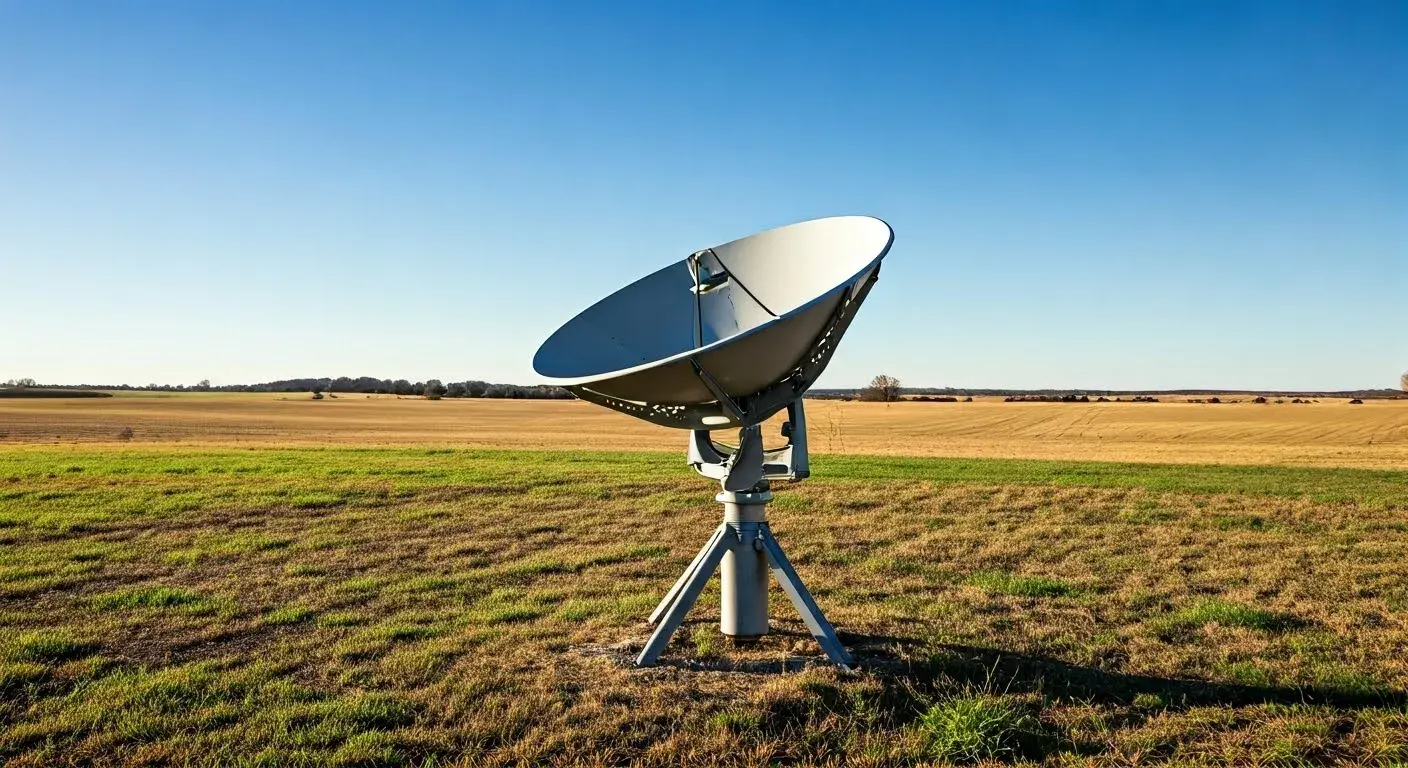
The most visible piece of Viasat equipment is the satellite dish, often referred to as a VSAT (Very Small Aperture Terminal). This dish is typically mounted on the roof of your home or a sturdy pole in your yard. Its primary function is to receive signals from Viasat's orbiting satellites and transmit data back to them.
- Size and Appearance: The dish is usually a parabolic antenna, often a few feet in diameter. Its exact size and design can vary depending on the specific satellite technology being used.
- Line of Sight: A clear, unobstructed view of the sky, particularly towards the south (for most North American installations), is essential. Trees, buildings, or other obstructions can block or weaken the signal, leading to poor performance or complete service loss.
- Mounting: The dish must be mounted securely to withstand wind and weather. Viasat technicians are trained to find the optimal mounting location and ensure stability.
For newer Viasat services, especially those leveraging advanced satellites like Viasat-3, the equipment might be designed for higher throughput, potentially involving slightly different dish specifications or configurations. However, the fundamental requirement for a clear sky view remains.
The Viasat Modem
Inside your home, the satellite dish connects to a Viasat modem. This device acts as the bridge between the satellite signal and your home network (router and connected devices).
- Functionality: The modem translates the incoming satellite signals into data that your computer or router can understand and vice versa for outgoing data.
- Connectivity: Modems typically have Ethernet ports for connecting directly to a router or a single computer.
- Power: The modem requires a power source and is usually connected to a wall outlet.
Viasat generally provides the modem as part of the service package, either through a lease agreement or included in the overall plan cost. The modem's capabilities are matched to the speeds and data allowances of the plan you subscribe to.
The Installation Process: Step-by-Step
The professional installation is a crucial step that ensures your Viasat service is set up correctly. Here's a typical breakdown of what to expect:
- Site Survey: The Viasat technician will arrive at your home and assess the property to determine the best location for the satellite dish. They will check for obstructions and ensure a clear line of sight to the satellite.
- Dish Mounting: Once a location is chosen, the technician will securely mount the dish. This might involve drilling into your roof, siding, or installing a pole mount in the ground.
- Dish Alignment: The dish is then precisely aligned with the Viasat satellite. This is a critical step that requires specialized tools and expertise to achieve optimal signal strength.
- Cable Run: A coaxial cable will be run from the dish to the interior of your home, connecting to the Viasat modem. The technician will aim to make this run as neat and unobtrusive as possible.
- Modem Setup: The Viasat modem is connected to the cable from the dish and powered on. The technician will verify the modem is receiving a strong signal.
- Network Connection: The modem is then connected to your router (if you have one) or directly to a computer for initial testing.
- Service Activation and Testing: The technician will activate your service and perform speed and connectivity tests to ensure everything is working as expected according to your plan's specifications. They will also guide you on how to monitor your data usage.
Important Considerations for Installation:
- Clear Line of Sight: If your property has many trees or obstructions, Viasat might not be a viable option, or the installation might be more complex and costly.
- Homeowner Association (HOA) Rules: Check if your HOA has any restrictions on satellite dish installations.
- Rental Properties: If you rent your home, you will need permission from your landlord before any installation can take place.
The installation fee can range from $100 to $500+, though Viasat frequently offers promotions that reduce or eliminate this cost, especially with longer contract commitments. Understanding these equipment and installation details is vital for a complete Viasat home internet review.
Viasat vs. Competitors: A Comparative Look
When evaluating Viasat, it's essential to compare it against other available internet options, particularly other satellite providers and any terrestrial alternatives that might exist in your area. The choice often comes down to availability, speed, data, and cost. For 2025-26, the competitive landscape includes traditional ISPs, other satellite providers, and emerging technologies.
Viasat vs. Other Satellite Internet Providers (HughesNet)
HughesNet is Viasat's primary competitor in the satellite internet market. Both offer similar services but with key differences:
- Technology: Both use geostationary satellites. Viasat has historically aimed for higher speeds and data allowances with its newer satellite generations, while HughesNet has traditionally focused on more consistent, albeit lower, speeds.
- Speeds and Data: Viasat generally offers higher potential download speeds and larger high-speed data allowances, especially with its newer plans and satellites (like Viasat-3). HughesNet plans often have lower speed caps and data allowances.
- Pricing: Pricing is often comparable, but Viasat's higher-tier plans can be more expensive. Both require careful attention to promotional pricing and potential price increases after introductory periods.
- Latency: Latency is similar for both, as both rely on geostationary satellites.
- Availability: Both have extensive coverage across the US.
For users needing the absolute fastest satellite speeds and largest data allowances, Viasat often has the edge. However, HughesNet might be a more budget-friendly option for basic internet needs.
Viasat vs. Terrestrial Broadband (DSL, Cable, Fiber)
This is where the most significant differences lie. Terrestrial broadband options, if available, generally offer superior performance:
- Speeds: Cable and fiber internet typically offer much higher download and upload speeds, often in the hundreds or even thousands of Mbps. DSL speeds vary widely but are usually lower than cable/fiber.
- Latency: Terrestrial connections have significantly lower latency (20-50 ms) compared to satellite (500+ ms). This is crucial for real-time applications.
- Data Caps: While some cable plans have data caps, fiber internet is often truly unlimited with no speed throttling. DSL plans vary.
- Reliability: Terrestrial connections are generally less susceptible to weather disruptions than satellite internet.
- Availability: This is the deciding factor. Cable and fiber are concentrated in urban and suburban areas, while DSL is more widespread but often slower. Viasat excels where these are not available.
If cable or fiber is available at your address, it will almost always be the preferred choice over satellite internet due to superior speed, lower latency, and often more generous data policies. DSL might be a step up from satellite if speeds are adequate for your needs, but it's still generally outpaced by cable and fiber.
Viasat vs. Fixed Wireless Internet
Fixed wireless internet uses radio waves to transmit data from a local tower to a receiver at your home. It's another option for rural areas.
- Speeds: Fixed wireless speeds can vary greatly but can sometimes rival lower-tier cable plans.
- Latency: Latency is typically much lower than satellite internet, often in the 50-150 ms range, making it better for some real-time applications.
- Data Caps: Data caps are common with fixed wireless, though they can sometimes be more generous than satellite.
- Availability: Fixed wireless availability is dependent on the proximity of a tower and line of sight. It is not as universally available as satellite.
- Weather: While generally more robust than satellite, extreme weather can still affect fixed wireless signals.
If fixed wireless is available and offers good speeds and data allowances, it can be a strong competitor to Viasat, especially if lower latency is a priority. However, Viasat's broader coverage footprint remains its key differentiator.
Emerging Technologies (Starlink)
Starlink, SpaceX's satellite internet service, uses a constellation of low-Earth orbit (LEO) satellites. This is a significant disruptor in the satellite internet market.
- Speeds: Starlink generally offers higher download speeds than traditional geostationary satellite providers like Viasat and HughesNet.
- Latency: Due to the LEO satellites being much closer to Earth, Starlink offers significantly lower latency, often comparable to terrestrial broadband (20-50 ms). This makes it suitable for gaming and video conferencing.
- Data: Starlink's data policies have evolved, but generally offer high-speed data without strict caps, though there are priority data tiers.
- Availability: Starlink's availability is expanding rapidly, but it is still subject to capacity limitations in certain areas. It requires a clear view of the sky and can be more sensitive to obstructions than Viasat.
- Cost: Starlink typically has a higher upfront equipment cost than Viasat, and monthly plans can be comparable or slightly higher depending on the tier.
For many users in rural areas, Starlink represents a significant upgrade over geostationary satellite internet. However, Viasat's established infrastructure and potentially simpler installation for some might still make it a relevant choice, especially if Starlink availability is limited or its equipment cost is prohibitive. As of 2025-26, Starlink is a major player to consider alongside Viasat.
Is Viasat Right For You? Making the Decision
Deciding if Viasat home internet is the right choice for your household involves carefully weighing its pros and cons against your specific needs and the alternatives available. For many, especially those in remote locations, Viasat is not just an option but a necessity. However, understanding its limitations is key to satisfaction.
Who Should Consider Viasat?
- Residents of Rural and Underserved Areas: If you live in a location where cable, fiber, or even reliable DSL internet is unavailable, Viasat is likely one of your few, if not only, options for broadband internet access.
- Households with Basic Internet Needs: For users who primarily use the internet for email, social media, basic web browsing, and occasional standard-definition video streaming, Viasat's lower-tier plans can be perfectly adequate.
- Users Who Prioritize Availability Over Speed/Latency: If having any internet connection is more important than having the fastest possible speeds or the lowest latency, Viasat's extensive coverage makes it a strong contender.
- Those Who Can Manage Data Usage: If your household is mindful of data consumption and can stay within the high-speed data allowances of your chosen plan, you can enjoy a reasonable experience.
Who Might Want to Look Elsewhere?
- Heavy Gamers: The high latency inherent in satellite internet makes Viasat unsuitable for competitive online gaming.
- Remote Workers Requiring Constant High-Speed, Low-Latency Connections: While Viasat can support some remote work tasks, video conferencing, large file transfers, and real-time collaboration can be hampered by latency and potential speed fluctuations after data caps are reached.
- Families with High Data Consumption: Households that frequently stream 4K video, download large files, or have multiple users simultaneously consuming significant amounts of data might quickly exceed Viasat's high-speed data allowances, leading to frustration with slower speeds.
- Users Seeking the Absolute Fastest Speeds: Even Viasat's top-tier plans are generally slower than what is offered by cable or fiber providers.
- Those Sensitive to Weather Disruptions: If you live in an area with frequent severe weather, the potential for temporary service interruptions with satellite internet might be a dealbreaker.
Making the Final Decision: Key Questions to Ask Yourself
- What are my primary internet activities? (e.g., browsing, streaming, gaming, working from home, video calls)
- How much data does my household typically consume per month? (Estimate based on current usage or research typical consumption for your activities.)
- What other internet options are available at my address? (Check availability for cable, fiber, DSL, and fixed wireless.)
- What is my budget for internet service, including installation and equipment fees?
- How important is low latency for my online activities?
- Am I comfortable with the potential for slower speeds after exceeding a data allowance?
- What is the contract length and early termination fee for Viasat plans in my area?
By honestly answering these questions and comparing them against the details in this Viasat home internet review, you can make an informed decision that best suits your circumstances. For many, Viasat provides a vital connection to the digital world, but it's crucial to have realistic expectations.
Troubleshooting and Support
Even with the best internet service, issues can arise. Understanding Viasat's customer support options and common troubleshooting steps can save you time and frustration. For 2025-26, Viasat continues to offer various channels for customer assistance.
Common Viasat Issues and Solutions
Here are some common problems users encounter and potential solutions:
- Slow Speeds:
- Check Data Usage: Have you exceeded your high-speed data allowance? Visit Viasat's customer portal to check.
- Reboot Equipment: Power cycle your Viasat modem and your router (if separate). Unplug them for 30 seconds, then plug them back in, modem first.
- Check for Obstructions: Ensure nothing has blocked the line of sight to the satellite dish (e.g., new tree growth, snow accumulation).
- Test Directly: Connect a computer directly to the Viasat modem via Ethernet to rule out router issues.
- Run a Speed Test: Use a reliable speed test tool (like Speedtest.net) to measure your current speeds.
- Intermittent Connectivity:
- Weather: Heavy rain, snow, or thunderstorms can temporarily affect satellite signals. Service usually resumes once the weather clears.
- Dish Alignment: If the dish has been bumped or shifted, it may need professional realignment.
- Cable Connections: Ensure all cable connections between the dish, modem, and router are secure.
- No Internet Connection:
- Check Lights on Modem: Refer to your Viasat modem's manual to understand what the status lights indicate.
- Reboot Equipment: As mentioned above, a simple reboot can often resolve connectivity issues.
- Check for Service Outages: Viasat may be experiencing a network outage in your area.
- Contact Support: If these steps don't work, it's time to contact Viasat customer support.
Viasat Customer Support Channels
Viasat offers several ways to get help:
- Online Customer Portal: Viasat's website typically features a customer portal where you can manage your account, check data usage, pay bills, and access FAQs and troubleshooting guides.
- Phone Support: Viasat provides customer service and technical support via phone. The contact number is usually found on your bill or their website. Be prepared for potential wait times, especially during peak hours.
- Community Forums: Some providers offer online community forums where users can ask questions and share solutions. Check Viasat's website for such resources.
- Technician Dispatch: For issues that cannot be resolved remotely, Viasat will dispatch a technician to your home. This is usually required for equipment replacement or dish realignment.
When contacting support, it's helpful to have your account number ready and to be able to describe the issue clearly, including any troubleshooting steps you've already taken. Understanding the support process is part of a comprehensive Viasat review.
Customer Reviews and Satisfaction
Customer satisfaction with Viasat can be a mixed bag, largely dependent on user expectations and their specific circumstances. Reviews often highlight the service's availability as a major positive, while speed fluctuations, data caps, and latency are common points of criticism. For 2025-26, customer feedback will likely continue to reflect these trends, with newer satellite deployments potentially improving the experience for some.
Common Praises
- Availability: The most frequently cited benefit is Viasat's ability to provide internet service in areas where no other options exist. This is often a lifesaver for rural residents.
- Basic Functionality: For users with modest internet needs, Viasat often performs adequately for browsing, email, and standard-definition streaming.
- Improved Speeds (with newer plans): Customers who have upgraded to plans utilizing newer Viasat satellites sometimes report noticeable improvements in speed and data capacity compared to older plans.
Common Complaints
- Slow Speeds and Latency: Users often express frustration with slow speeds, especially during peak hours, and the high latency that impacts real-time applications.
- Data Cap Limitations: Exceeding high-speed data allowances and experiencing significantly slower speeds afterward is a frequent complaint.
- Price Increases: Some customers report that their monthly bills increase significantly after promotional periods expire.
- Customer Service Wait Times: Long hold times when trying to reach customer support are a common issue mentioned in reviews.
- Weather Impact: While inherent to satellite technology, users can still be frustrated by service disruptions during severe weather.
Interpreting Reviews
When reading customer reviews for Viasat, it's crucial to consider:
- Location: The specific satellite coverage and network congestion in a user's area can drastically affect their experience.
- Plan Type: Reviews for older, slower plans will differ significantly from those for newer, higher-speed offerings.
- User Expectations: Customers who understand the limitations of satellite internet tend to be more satisfied than those expecting fiber-optic performance.
- Date of Review: Newer reviews are more relevant, especially concerning Viasat's latest satellite technology and plan structures.
For a balanced perspective, look at reviews from users in similar geographic areas and with similar internet usage patterns. Resources like the Better Business Bureau (BBB) and various consumer review websites can offer insights, though it's important to discern genuine experiences from isolated incidents.
The Future of Viasat
Viasat is not standing still. The company is heavily invested in advancing its satellite technology to meet the growing demand for high-speed internet, particularly in underserved markets. The Viasat-3 constellation represents a significant leap forward in their capabilities. For 2025-26 and beyond, these developments are key to understanding Viasat's long-term viability and competitive positioning.
Viasat-3 Constellation
The Viasat-3 constellation is designed to be the highest-capacity satellite constellation ever built. Each satellite is intended to offer terabits per second of capacity, significantly increasing the available bandwidth across Viasat's service areas. This has several implications:
- Higher Speeds: Viasat-3 aims to deliver significantly faster download and upload speeds, potentially rivaling some terrestrial broadband services in certain metrics, though latency will remain a factor.
- Increased Data Allowances: With greater capacity, Viasat can offer larger high-speed data allowances, reducing the likelihood of customers experiencing throttled speeds.
- Improved Performance in Congested Areas: The increased capacity should help alleviate network congestion, leading to more consistent performance, especially during peak hours.
- Expanded Service Offerings: The enhanced capabilities might enable Viasat to offer new service tiers or support more data-intensive applications.
The full deployment and operationalization of the Viasat-3 constellation are ongoing, and its impact will become more apparent throughout 2025 and 2026. This technology is Viasat's primary strategy to compete with emerging LEO satellite services and improve its overall offering.
Competition and Innovation
The satellite internet market is becoming increasingly competitive, with players like Starlink offering a different approach using LEO satellites. Viasat's future success will depend on its ability to:
- Effectively Deploy Viasat-3: Successful deployment and integration of the Viasat-3 satellites are crucial for realizing their promised benefits.
- Innovate on Pricing and Plans: Adapting pricing models and plan structures to remain competitive, especially against LEO services, will be important.
- Enhance Customer Experience: Continued improvements in customer support, installation processes, and overall service reliability will be key to retaining and attracting customers.
- Address Latency: While geostationary satellites will always have higher latency than LEO, Viasat may explore ways to mitigate its impact or focus on markets where latency is less critical.
The coming years will see significant evolution in satellite internet. Viasat's commitment to its Viasat-3 technology positions it to remain a major player, especially in providing essential connectivity to the most remote areas. However, the landscape is dynamic, and staying informed about technological advancements and competitive offerings is vital for consumers.
Conclusion
In summary, Viasat home internet remains a vital service for millions in rural and underserved areas, offering a crucial connection where other options are scarce. As of 2025-26, Viasat's plans and pricing are structured around tiered speeds and data allowances, with newer satellite technology like the Viasat-3 constellation promising higher performance and capacity. While Viasat excels in its extensive coverage footprint, potential subscribers must carefully consider the inherent limitations of satellite internet, including higher latency, potential weather-related disruptions, and the impact of data caps on user experience.
For basic internet needs like browsing, email, and standard-definition streaming, Viasat can be a reliable choice. However, for demanding applications such as competitive online gaming, real-time video conferencing, or heavy data usage, alternatives like cable, fiber, or even LEO satellite services like Starlink might offer a superior experience if available. Thoroughly evaluating your household's specific internet requirements, comparing available providers, and understanding all associated costs—including installation, equipment, and potential price increases—are essential steps. Viasat continues to evolve, but managing expectations and choosing the right plan are paramount for satisfaction with their satellite internet service.