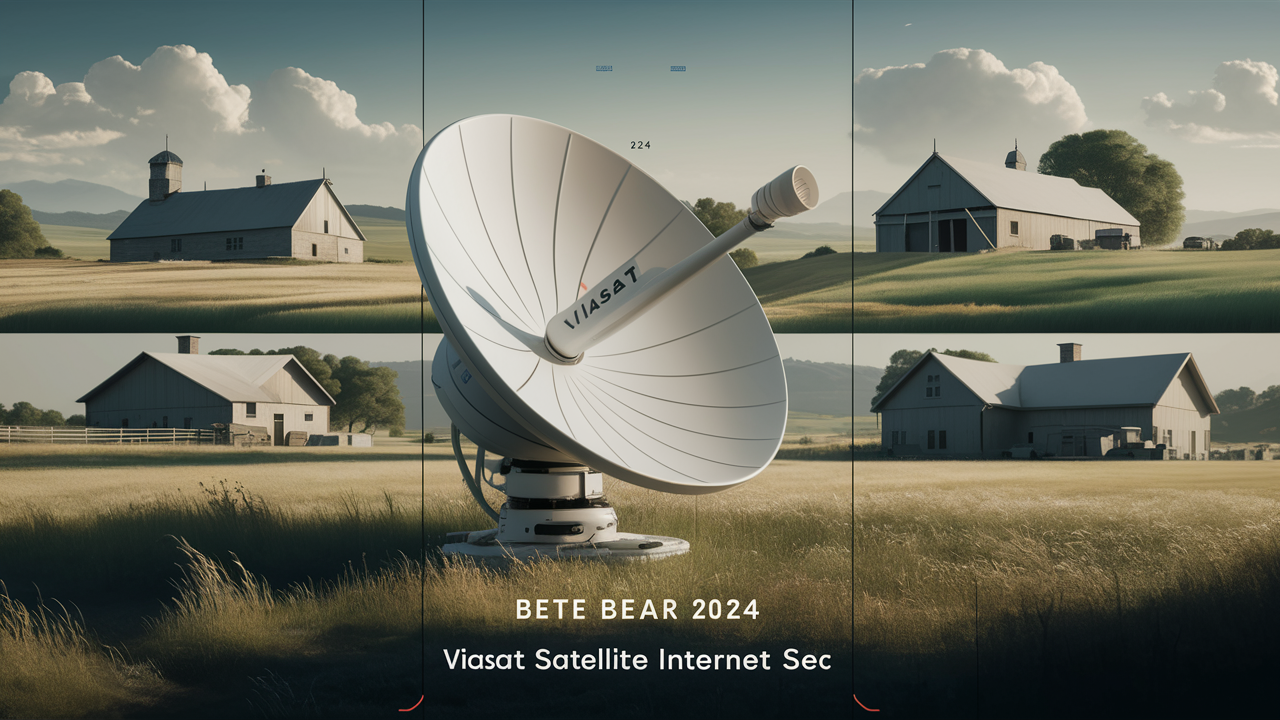
For residents in rural and underserved areas, finding a reliable and fast internet connection can feel like an impossible dream. Viasat Internet emerges as a powerful contender, offering a satellite-based solution designed to bridge the digital divide. This comprehensive guide explores why Viasat might be the perfect internet solution for your rural home or business, focusing on its speed, reliability, and unique advantages in challenging locations.
Understanding Viasat Internet: How It Works
Viasat operates on a satellite internet model, which is fundamentally different from terrestrial broadband services like DSL, cable, or fiber optics. For areas where laying down physical infrastructure is prohibitively expensive or geographically impossible, satellite technology offers a unique solution. Viasat utilizes a network of geostationary satellites orbiting the Earth to transmit internet signals. These satellites act as relays, connecting your home or business to ground stations, which in turn are linked to the wider internet.
The process begins with a Viasat satellite dish installed at your location. This dish is precisely aligned to communicate with the Viasat satellite directly overhead. When you request data – say, to load a webpage – the signal travels from your dish up to the satellite. The satellite then beams the request down to a ground station. The ground station processes the request and sends it out onto the internet. The requested data then travels back up to the satellite and is beamed down to your dish, finally reaching your connected devices. This entire round trip, while seemingly complex, is designed to be as efficient as possible.
Unlike older satellite technologies that suffered from significant latency (delay), Viasat has invested heavily in its satellite network, including launching some of the world's most powerful satellites. These advanced satellites, such as Viasat-1, Viasat-2, and the upcoming Viasat-3 constellation, are designed to offer higher bandwidth and improved performance. The Viasat-3 constellation, for instance, aims to deliver terabits of capacity per satellite, significantly boosting speeds and capacity for users. This technological advancement is crucial for overcoming the inherent challenges of satellite communication and providing a more competitive internet experience.
Key Components of Viasat's Satellite System:
- Viasat Satellite Dish: The crucial piece of equipment installed at your premises, responsible for transmitting and receiving signals to and from the satellite.
- Viasat Satellite: High-capacity geostationary satellites that act as intermediaries, relaying data between your location and ground stations.
- Ground Stations (Gateways): These facilities connect the satellite network to the terrestrial internet infrastructure, routing your data to its destination.
- Modem: Located inside your home, the modem translates the satellite signals into a format your devices can understand.
The satellite nature of Viasat means it can provide service to virtually any location with a clear view of the southern sky (in the Northern Hemisphere), making it an indispensable option for remote farms, cabins, and communities far from traditional broadband networks. This broad reach is its primary advantage, directly addressing the needs of a demographic often left behind by conventional internet providers.
Why Viasat is the Ideal Choice for Rural Areas
The defining characteristic of rural areas is their remoteness. This remoteness often translates to a lack of essential infrastructure, including the high-speed internet cables that power urban and suburban connectivity. Viasat's satellite technology bypasses the need for extensive ground-based infrastructure, making it uniquely suited to overcome these geographical hurdles.
Unparalleled Availability: The most significant advantage of Viasat for rural residents is its availability. If you can see the sky, you can likely get Viasat. This eliminates the frustration of being told "no service available" by traditional providers. For farmers managing vast properties, remote workers needing to connect from home offices, or families seeking entertainment options, Viasat opens up possibilities that were previously non-existent.
Bridging the Digital Divide: In 2025-26, the digital divide remains a significant issue. Many rural communities still struggle with dial-up speeds or have no reliable internet access at all. Viasat plays a critical role in closing this gap, providing essential connectivity for education, telemedicine, e-commerce, and staying connected with loved ones. Access to reliable internet is no longer a luxury but a necessity for full participation in modern society.
Consistent Performance in Remote Locations: While terrestrial options can degrade in quality with distance from central offices or due to terrain, Viasat's performance is largely independent of your physical location relative to urban centers. The primary determinant of performance is the line of sight to the satellite. This means a remote rancher in Montana can expect a similar level of service quality to someone in a rural area of Florida, provided they have a clear sky view.
Support for Multiple Devices and Activities: Modern households often have numerous devices connecting to the internet simultaneously – smartphones, laptops, smart TVs, tablets, and smart home devices. Viasat plans are designed to accommodate this demand, offering data allowances and speeds that support everyday activities like streaming video, online gaming, video conferencing, and social media browsing. The continuous upgrades to Viasat's satellite fleet, particularly the Viasat-3 generation, are specifically aimed at increasing capacity to handle more users and more data-intensive applications concurrently.
Economic Development Opportunities: Reliable internet access is a catalyst for economic growth in rural areas. It allows small businesses to operate online, access broader markets, and compete more effectively. It also attracts new businesses and residents who require connectivity. Viasat's presence can therefore have a ripple effect, contributing to the revitalization and sustainability of rural economies.
Addressing Specific Rural Needs: Consider the agricultural sector. Farmers increasingly rely on the internet for precision agriculture, weather forecasting, market data, and managing equipment. Viasat provides the essential link for these operations, enabling them to be more efficient and profitable. Similarly, for rural healthcare providers, telemedicine is becoming vital, allowing patients to consult with specialists without long travel times. Viasat makes these critical services accessible.
Key Benefits for Rural Users:
- Ubiquitous Coverage: Service is available almost anywhere with a clear view of the sky.
- Infrastructure Independence: No need for costly or complex ground cable installations.
- Enhanced Connectivity: Provides speeds and data that support modern internet usage.
- Digital Inclusion: Helps bridge the gap for underserved populations.
- Economic Empowerment: Facilitates online business operations and remote work.
In essence, Viasat doesn't just offer internet; it offers a lifeline to the digital world for those who have been historically excluded. Its technology is purpose-built to solve the connectivity challenges inherent in rural living.
Viasat Internet Plans and Pricing (2025-26)
Viasat offers a range of internet plans designed to cater to different user needs and budgets. Understanding these plans is crucial for selecting the most suitable option. Pricing and plan details can vary by region and are subject to change, but the general structure remains consistent. It's always recommended to check Viasat's official website or contact their sales representatives for the most up-to-date information specific to your address.
Viasat plans typically differentiate themselves based on data allowance, download speeds, and upload speeds. The core offering for many rural users revolves around plans that provide a substantial amount of high-speed data, after which speeds might be managed or reduced until the next billing cycle. However, with the rollout of Viasat-3, there's a growing emphasis on unlimited or significantly higher data caps, coupled with faster speeds.
Typical Plan Tiers (Illustrative for 2025-26):
While exact names and figures fluctuate, plans often fall into categories like:
- Basic/Essential Plans: Designed for lighter internet use, such as email, browsing, and occasional social media. These usually offer lower data caps and speeds.
- Standard/Popular Plans: A good balance for average households, supporting streaming in standard definition, video calls, and more frequent browsing. These plans offer a more generous data allowance and higher speeds.
- Premium/Unlimited Plans: For heavy users, families with multiple devices, or those who stream in HD/4K, game online, or conduct extensive video conferencing. These plans provide the most data and the highest speeds available.
Data Allowances: A key factor is the data allowance. Viasat plans historically came with specific monthly data caps (e.g., 100GB, 150GB, 200GB). Once this "priority" data is used, speeds might be reduced for the remainder of the month. However, newer Viasat plans, especially those leveraging the Viasat-3 constellation, are moving towards "unlimited" data, with the caveat that speeds may be managed during times of network congestion. It's essential to read the fine print regarding "deprioritization" or "network management" policies.
Pricing Structure: Monthly subscription fees are the primary cost. Equipment (satellite dish and modem) is often leased for a monthly fee or included in the service cost, though upfront purchase options might be available. Installation fees can also apply. Promotional pricing is common for new customers, so inquire about any introductory offers.
Illustrative Pricing Example (Subject to Change):
| Plan Name (Illustrative) | Monthly Price (Approx.) | High-Speed Data Allowance | Download Speed (Up to) | Upload Speed (Up to) | Best For |
|---|---|---|---|---|---|
| Viasat Essential | $70 - $90 | 50 GB - 100 GB | 25 Mbps | 3 Mbps | Light users, basic browsing, email |
| Viasat Standard | $100 - $130 | 100 GB - 150 GB | 50 Mbps | 5 Mbps | Average households, HD streaming, video calls |
| Viasat Premium | $150 - $200+ | 150 GB - 200 GB+ (or Unlimited with managed speeds) | 100 Mbps+ | 10 Mbps+ | Heavy users, 4K streaming, gaming, multiple devices |
Note: This table provides illustrative figures for 2025-26. Actual prices, speeds, and data allowances will vary by location and specific plan offerings. Always consult Viasat directly for the most accurate and current information.
Contract Terms: Viasat plans typically involve a contract, often for 24 months. Early termination fees may apply if you cancel the service before the contract period ends. Be sure to understand the contract duration and any associated penalties.
Additional Fees: Be aware of potential additional costs such as installation fees, equipment leasing fees, and taxes. Some providers might offer free installation for new customers or waive fees under certain promotions.
Bundling Options: In some areas, Viasat may offer bundled services, such as home phone, which could provide cost savings. Inquire about any available bundles that might suit your household needs.
When evaluating plans, consider your household's typical internet usage. How many people will be using the internet? What activities do you engage in most frequently? Answering these questions will help you choose a plan that provides sufficient data and speed without overpaying for services you don't need.
Viasat Speed and Performance: What to Expect
For many considering satellite internet, speed and performance are the primary concerns, often stemming from past negative experiences with older satellite technologies. Viasat has made significant strides in improving these aspects, especially with the deployment of its advanced satellite fleet.
Download Speeds: Viasat plans typically advertise download speeds ranging from 12 Mbps to over 100 Mbps, depending on the specific plan and the satellite serving your area. The latest Viasat-3 constellation is engineered to deliver speeds significantly higher than previous generations, potentially reaching hundreds of Mbps in certain deployments. For rural users, download speeds of 25-50 Mbps are often sufficient for smooth HD streaming, video conferencing, and general web browsing. Higher speeds (100 Mbps+) are beneficial for households with many users or for activities like downloading large files or online gaming.
Upload Speeds: Upload speeds are generally lower than download speeds for satellite internet. Viasat plans typically offer upload speeds ranging from 1 Mbps to 10 Mbps or more. While this is adequate for sending emails, posting to social media, and standard video calls, it can be a limiting factor for users who frequently upload large files, stream live video, or participate in high-bandwidth video conferencing. As satellite technology advances, upload speeds are also seeing improvements.
Latency: Latency, or ping, is the time it takes for data to travel from your device to a server and back. Satellite internet inherently has higher latency than terrestrial options because the signal must travel to space and back. For Viasat, latency typically ranges from 400ms to 700ms, sometimes higher. This higher latency can impact real-time applications like online gaming, where split-second responses are critical. For most general internet activities like browsing, streaming, and email, the latency is usually not a significant issue. However, it's something to be aware of if you are a serious online gamer.
Impact of Satellite Technology: The performance of Viasat is directly tied to its satellite infrastructure. The Viasat-3 constellation, for instance, is designed to offer terabits of capacity, allowing for more simultaneous users and higher speeds without compromising performance. These advanced satellites aim to significantly reduce latency and increase overall bandwidth, making satellite internet more competitive with terrestrial options.
Data Caps and Speed Management: Many Viasat plans have historically included data caps. Once you exceed your high-speed data allowance, your speeds may be "managed" or reduced for the remainder of the billing cycle. This means you can still access the internet, but at much slower speeds, which can make streaming or downloading difficult. Newer plans, especially those on Viasat-3, are shifting towards unlimited data models, but it's crucial to understand the terms of "network management" – Viasat may still slow down speeds during peak network congestion periods, even with unlimited data plans.
Factors Affecting Speed:
- Your Plan: The most significant factor is the speed tier you subscribe to.
- Network Congestion: Like any internet service, speeds can fluctuate during peak usage times, especially in densely populated areas for satellite services.
- Weather: Heavy rain, snow, or storms can sometimes temporarily interfere with satellite signals, leading to slower speeds or intermittent connectivity. Viasat dishes are designed to mitigate this, but extreme weather can still have an impact.
- Equipment: Ensuring your Viasat dish is properly installed and aligned is critical for optimal performance.
- Device Limitations: The speed of your connected devices and the quality of your Wi-Fi network can also affect your perceived internet speed.
In 2025-26, Viasat is actively working to provide speeds that are not just functional but competitive. For most rural users, the speeds offered by Viasat are more than adequate for daily tasks and entertainment, representing a massive upgrade from dial-up or non-existent internet.
Reliability and Availability: Overcoming Rural Challenges
Reliability is paramount, especially in rural areas where alternative internet options are scarce or non-existent. Viasat's satellite technology offers a unique approach to ensuring consistent service, even in challenging environments.
Ubiquitous Coverage: The primary advantage of Viasat is its availability. Satellite internet beams signals from space, meaning it's not constrained by the physical limitations of ground-based infrastructure. As long as there is a clear line of sight to the satellite (typically towards the southern sky in the Northern Hemisphere), Viasat can provide service. This makes it an invaluable solution for:
- Remote farms and ranches
- Rural homes and cabins
- Underserved communities
- Areas with difficult terrain (mountains, dense forests)
- Mobile applications (though Viasat's primary focus is fixed residential/business)
This broad reach ensures that even the most isolated locations can gain access to high-speed internet.
Resilience to Local Infrastructure Issues: Unlike cable or DSL, Viasat's service is not affected by local power outages that might impact neighborhood nodes or the degradation of copper lines over distance. The connection is directly from your property to the satellite. While the ground stations require power, Viasat's network is designed with redundancy to minimize downtime.
Weather Considerations: While satellite internet can be affected by severe weather, Viasat employs advanced technology to mitigate these issues. Heavy rain or snow can cause signal attenuation (weakening), leading to temporary slowdowns or interruptions. However, Viasat's high-capacity satellites and sophisticated ground systems are engineered to minimize these impacts. For most users, typical weather conditions do not cause significant disruptions. Extreme weather events are the primary concern, and even then, service often resumes quickly once conditions improve.
Network Redundancy and Upgrades: Viasat continually invests in its satellite fleet and ground infrastructure. The launch of the Viasat-3 constellation represents a significant leap in capacity and resilience. These next-generation satellites are designed to provide more robust and reliable service, with greater ability to handle increased demand and potential disruptions. This ongoing commitment to technological advancement ensures that Viasat remains a dependable option for its subscribers.
Data Management and Reliability: For plans with data caps, reliability can be perceived as lower if users frequently exceed their allowance and experience speed throttling. However, the core service itself remains active. Newer plans with higher or unlimited data allowances, coupled with advanced network management, aim to provide a consistently reliable experience for most users throughout the month. Understanding your data usage and choosing a plan that accommodates it is key to maintaining a reliable experience.
Installation Expertise: Viasat technicians are trained to install the satellite dish in optimal locations to ensure the best possible signal strength and reliability. This professional installation is critical for the long-term performance of the service. A well-installed dish, free from obstructions, is the foundation of a reliable Viasat connection.
In summary, Viasat's reliability stems from its independent infrastructure, advanced technology, and commitment to expanding coverage. For rural residents, this translates into a consistent and dependable internet connection that is often unavailable through any other means.
The Viasat Installation Process: A Step-by-Step Guide
Getting Viasat internet installed is a straightforward process, designed to be as convenient as possible for rural residents. The entire installation is typically handled by a certified Viasat technician, ensuring everything is set up correctly for optimal performance.
Step 1: Order Your Service and Schedule Installation
The first step is to contact Viasat or an authorized dealer to discuss available plans and pricing for your specific location. Once you select a plan and agree to the terms, you'll schedule an installation appointment. Technicians work around your availability, often offering flexible appointment windows.
Step 2: Technician Arrival and Site Survey
On the scheduled day, a Viasat technician will arrive at your home or business. They will begin by performing a site survey to identify the best location for the satellite dish. Key considerations include:
- Clear Line of Sight: The dish needs an unobstructed view of the southern sky (in the Northern Hemisphere) to communicate with the Viasat satellite. Trees, buildings, or other obstructions can interfere with the signal.
- Mounting Location: The dish is typically mounted on the roof, a pole, or a side of the building. The technician will assess the structural integrity of the mounting surface.
- Cable Routing: They will determine the most efficient and discreet path to run the coaxial cable from the dish to the location of your modem inside your home.
Step 3: Dish and LNB Installation
Once the optimal location is identified, the technician will securely mount the satellite dish. The LNB (Low-Noise Block downconverter), which receives the satellite signal, is then attached to the dish. The dish is initially loosely attached to allow for precise alignment.
Step 4: Satellite Alignment
This is a critical step. The technician uses specialized equipment to precisely align the satellite dish with the Viasat satellite in orbit. This alignment ensures the strongest possible signal is received. The dish is adjusted until the signal strength meets Viasat's specifications.
Step 5: Modem Installation and Connection
The technician will then run the coaxial cable from the outdoor dish to an indoor location where the Viasat modem will be installed. The modem connects to the coaxial cable and your router (or directly to a computer if you don't have a router). The modem is responsible for decoding the satellite signal into usable internet data.
Step 6: System Activation and Testing
After all equipment is installed and connected, the technician will activate your service. They will test the internet connection to ensure it's functioning correctly and meeting the advertised speeds and performance metrics for your plan. They will also verify that your Wi-Fi network is operational if you have a router connected.
Step 7: Customer Education
Finally, the technician will walk you through the basics of your new Viasat service. This includes explaining:
- How to check your data usage.
- Basic troubleshooting steps.
- How to access customer support.
- Any specific features of your plan.
They will ensure you are comfortable with your new internet setup before leaving.
What You Need to Provide:
- Access to the installation location.
- A power outlet near where the modem will be installed.
- Your Wi-Fi network name (SSID) and password, if you wish to connect wirelessly.
Duration: The entire installation process typically takes between 2 to 4 hours, depending on the complexity of the installation and the technician's efficiency.
Viasat's professional installation ensures that your satellite internet is set up for optimal performance from day one, removing the guesswork and technical hurdles for the customer.
Viasat vs. Other Rural Internet Alternatives
When seeking internet in rural areas, Viasat is often compared to a few other available technologies. Understanding these differences helps clarify why Viasat stands out for many.
1. DSL (Digital Subscriber Line)
How it Works: Uses existing telephone lines to transmit data. Speeds depend on the distance from the telephone company's central office.
Pros: Relatively stable, lower latency than satellite.
Cons: Speed degrades significantly with distance; often unavailable or extremely slow in very rural areas. Limited bandwidth.
Viasat Advantage: Viasat offers significantly higher speeds and is available in areas where DSL is non-existent or too slow to be useful.
2. Cable Internet
How it Works: Transmits data through coaxial cables, similar to cable television. Requires significant underground or above-ground infrastructure.
Pros: Generally faster than DSL, lower latency than satellite.
Cons: Infrastructure is rarely extended to very rural locations due to cost. Bandwidth is shared among users in a neighborhood, which can lead to slowdowns during peak hours.
Viasat Advantage: Viasat's satellite technology bypasses the need for extensive cable networks, making it accessible where cable simply isn't an option.
3. Fiber Optic Internet
How it Works: Uses light signals transmitted through glass or plastic fibers. Offers the highest speeds and lowest latency.
Pros: Extremely fast, very low latency, highly reliable.
Cons: The most expensive infrastructure to deploy. Almost exclusively available in densely populated urban and suburban areas. Very rare in rural settings.
Viasat Advantage: Fiber is the gold standard, but it's a non-starter for most rural areas. Viasat provides a viable alternative where fiber is years, if not decades, away.
4. Fixed Wireless Internet
How it Works: Uses radio signals transmitted from a tower to a receiver antenna installed at your home. Requires a line of sight to the tower.
Pros: Can offer decent speeds, often faster and with lower latency than DSL. More affordable to deploy than cable or fiber.
Cons: Availability is limited to areas within range of a tower. Line-of-sight is crucial, and obstructions can be an issue. Performance can be affected by distance and weather.
Viasat Advantage: Viasat's satellite coverage is far more expansive than fixed wireless, reaching locations that are too distant or have too many obstructions for fixed wireless to be viable. Viasat also offers higher potential speeds and capacity with its advanced satellites.
5. Mobile Hotspots / Cellular Internet
How it Works: Uses cellular networks (like 4G LTE or 5G) via a hotspot device or a cellular modem. Requires good cellular signal strength.
Pros: Can be fast if you have strong 5G coverage. Portable.
Cons: Data caps are often very restrictive and expensive. Signal strength can be inconsistent in rural areas. Can be costly for heavy usage. Not ideal as a primary home internet solution for multiple users.
Viasat Advantage: Viasat provides dedicated, higher data allowances and more consistent performance for home use compared to cellular plans, which are often designed for mobile use with strict data limits.
Comparison Table: Viasat vs. Alternatives in Rural Settings (2025-26)
| Feature | Viasat Internet | DSL | Cable | Fiber | Fixed Wireless | Cellular (4G/5G) |
|---|---|---|---|---|---|---|
| Availability in Rural Areas | Excellent (almost anywhere with sky view) | Poor to Fair (distance dependent) | Poor (rarely extended) | Very Poor (extremely rare) | Fair to Good (tower dependent, line-of-sight) | Fair to Good (signal dependent) |
| Typical Download Speed | 25-100+ Mbps | 1-25 Mbps | 50-500+ Mbps | 100 Mbps - 1 Gbps+ | 25-100+ Mbps | 20-100+ Mbps (variable) |
| Typical Upload Speed | 1-10+ Mbps | 0.5-3 Mbps | 5-50+ Mbps | 50 Mbps - 1 Gbps+ | 5-20+ Mbps | 5-20+ Mbps (variable) |
| Latency | High (400-700ms) | Moderate (20-80ms) | Low (10-30ms) | Very Low (1-10ms) | Moderate (30-100ms) | Moderate (30-100ms) |
| Data Caps | Varying (some unlimited with managed speeds) | Often Unlimited | Often Unlimited (or very high) | Often Unlimited | Varying (can be restrictive) | Often Restrictive and Expensive |
| Infrastructure Dependency | Satellite | Telephone Lines | Coaxial Cable | Fiber Optic Cable | Wireless Towers | Cellular Towers |
Note: Speeds and latency are approximate and can vary significantly based on specific provider, plan, location, and network conditions in 2025-26.
For most rural dwellers facing limited options, Viasat represents a significant upgrade and often the only viable path to modern broadband speeds and reliability.
Real-World Applications: Viasat in Action
Viasat's impact in rural areas is best illustrated by its practical applications, transforming how people live, work, and learn.
1. Remote Work and Home Offices
With the rise of remote work, reliable internet is no longer a luxury but a necessity. Viasat enables professionals living in rural areas to:
- Participate in video conferences with clients and colleagues without dropouts.
- Access cloud-based productivity tools and large work files.
- Maintain consistent communication through email and messaging platforms.
- Establish a professional home office environment, regardless of their physical location.
For instance, a graphic designer working from a remote mountain cabin can now collaborate effectively with an agency in a major city, thanks to Viasat's sufficient download and upload speeds.
2. Education and Online Learning
Students in rural communities often face significant disadvantages due to limited internet access. Viasat helps bridge this gap by allowing them to:
- Access online courses and educational resources.
- Participate in virtual classrooms and live lectures.
- Submit assignments and conduct research online.
- Utilize digital learning tools and platforms.
A family living on a remote farm can ensure their children have the same educational opportunities as their urban counterparts, enabling them to keep up with coursework and pursue higher education opportunities.
3. Telemedicine and Healthcare
Access to healthcare can be a challenge in rural areas due to distance and the scarcity of specialists. Viasat facilitates telemedicine by enabling:
- Remote consultations with doctors and specialists via video calls.
- Monitoring of health conditions through connected devices.
- Access to health records and online patient portals.
- Reduced travel time and costs for medical appointments.
An elderly individual living in a secluded area can receive regular check-ups from a specialist hundreds of miles away, improving their quality of life and health outcomes.
4. Entertainment and Streaming
Rural residents no longer have to settle for limited entertainment options. Viasat allows for:
- Streaming movies and TV shows in HD or 4K quality on platforms like Netflix, Hulu, and Disney+.
- Online gaming, with manageable latency for many popular titles.
- Access to music streaming services and podcasts.
- Keeping up with news and current events through online media.
A family in a remote setting can enjoy movie nights with the same streaming services available in any city, enhancing their leisure time.
5. Small Business and Agriculture
Viasat is a critical tool for rural businesses and agricultural operations:
- E-commerce: Small businesses can establish an online presence, sell products globally, and manage inventory.
- Precision Agriculture: Farmers can utilize GPS-guided equipment, monitor crop health with sensors, access real-time weather data, and manage operations efficiently.
- Communication: Businesses can stay connected with suppliers, customers, and employees.
- Cloud Services: Accessing accounting software, CRM systems, and other business applications hosted in the cloud.
A rancher can use Viasat to monitor remote livestock cameras, track grazing patterns, and access market prices, optimizing their operations and profitability.
6. Staying Connected with Family and Friends
In an increasingly connected world, Viasat ensures that rural residents can maintain vital social connections:
- Video calls with family members living far away.
- Staying active on social media platforms.
- Sharing photos and updates with loved ones.
- Participating in online communities and forums.
This social connectivity is crucial for well-being, especially for those living in isolation.
These real-world applications demonstrate that Viasat is more than just an internet service; it's an enabler of opportunity, connectivity, and improved quality of life for those in rural and underserved regions.
Customer Experiences and Reviews (2025-26 Insights)
Customer feedback provides invaluable insights into the real-world performance and satisfaction with Viasat internet. As of 2025-26, reviews often highlight both the transformative benefits and the inherent limitations of satellite internet.
Positive Feedback Trends:
- "Life-Changing Connectivity": Many users express profound gratitude for Viasat, often describing it as "life-changing." For those who previously had no internet or only dial-up, Viasat represents a leap into the modern digital age. This sentiment is particularly strong among elderly residents, families with school-aged children, and remote workers.
- Availability is Key: The sheer availability of Viasat in areas where no other provider offers service is consistently praised. Users appreciate that Viasat can deliver a connection where others cannot, solving a fundamental problem of digital exclusion.
- Improved Speeds with Newer Satellites: With the ongoing rollout of Viasat-3, many users are reporting noticeably faster speeds and improved performance compared to older satellite services. This includes smoother streaming and better responsiveness for everyday tasks.
- Reliable for Essential Tasks: For general web browsing, email, social media, and standard-definition streaming, Viasat is often found to be reliable and performant, meeting the needs of many households.
- Professional Installation: The ease and professionalism of the installation process are frequently mentioned positively. Customers appreciate that a technician handles the setup, ensuring the dish is correctly aligned for optimal performance.
Common Criticisms and Areas for Improvement:
- Latency for Gaming and Real-Time Apps: The inherent high latency of satellite internet remains a point of contention for serious online gamers or users who rely heavily on real-time applications where split-second response times are critical. While Viasat is working to reduce latency, it's still a factor for this specific user group.
- Data Caps and Speed Throttling: While newer plans offer more data, some users still encounter issues with data caps and subsequent speed throttling, especially if their usage patterns are high or they are on older plans. Understanding data usage and choosing the right plan is crucial to avoid frustration.
- Weather Sensitivity: Although Viasat is engineered to withstand most weather, extreme conditions like heavy thunderstorms can still cause temporary service interruptions or slowdowns. This is a characteristic of satellite technology that users need to be aware of.
- Customer Service Experiences: As with any large service provider, customer service experiences can vary. Some users report excellent support, while others encounter longer wait times or challenges resolving complex issues.
- Cost: Viasat can be more expensive than some terrestrial broadband options, especially when comparing advertised prices. However, for rural users, the cost is often justified by the unique availability and functionality it provides.
Insights for 2025-26:
The ongoing deployment of the Viasat-3 constellation is a significant factor influencing recent reviews. Users in areas where Viasat-3 has been activated are generally reporting the most positive experiences, citing higher speeds, increased capacity, and a more robust connection. This suggests that Viasat's investment in next-generation technology is paying off and is expected to continue improving the overall customer experience.
Many reviews emphasize the importance of setting realistic expectations. Viasat is not fiber, but for rural America, it is often the best, and sometimes only, option for achieving broadband speeds. When viewed through this lens, its value proposition is immense.
Key Takeaways from Reviews:
- Viasat is a game-changer for rural connectivity.
- Latency is the primary drawback for specific applications.
- Data management is crucial for avoiding speed reductions.
- Newer satellite technology is significantly improving performance.
- It's essential to choose a plan that matches your household's data needs.
Overall, Viasat garners strong positive sentiment from its core user base, who value the connectivity it provides above all else. The company's continued technological advancements are steadily addressing some of the long-standing criticisms of satellite internet.
Pros and Cons Summary
To provide a clear overview, here's a summary of the advantages and disadvantages of Viasat Internet, particularly for rural users.
Pros:
- Unmatched Availability: Viasat can provide internet service to virtually any location with a clear view of the sky, making it ideal for remote and underserved rural areas where other providers cannot reach.
- High-Speed Potential: With advanced satellites like the Viasat-3 constellation, Viasat offers download speeds that are competitive with many terrestrial broadband services, enabling HD streaming, video conferencing, and faster browsing.
- Infrastructure Independence: Service is not reliant on local ground infrastructure like cables or phone lines, making it resilient to local outages and geographical barriers.
- Professional Installation: Viasat provides expert installation, ensuring the satellite dish is optimally positioned for the best signal strength and reliability.
- Transformative Impact: It enables remote work, online education, telemedicine, and access to entertainment, significantly improving the quality of life and economic opportunities in rural communities.
- Increasing Capacity: Continuous investment in satellite technology means greater bandwidth and capacity, leading to improved performance and the ability to support more users and devices.
Cons:
- Latency: Due to the distance the signal travels to and from space, satellite internet inherently has higher latency (ping) than terrestrial options. This can affect real-time applications like competitive online gaming.
- Data Caps and Speed Management: Some plans have data allowances, and exceeding them can lead to reduced speeds. While newer plans offer more data, network management policies may still apply during peak congestion.
- Weather Interference: Severe weather (heavy rain, snow) can temporarily impact signal strength and speed, although Viasat's technology is designed to minimize this.
- Cost: Viasat plans can sometimes be more expensive than comparable terrestrial services, especially when considering equipment leasing fees and contract terms.
- Upload Speeds: Upload speeds are typically lower than download speeds, which might be a limitation for users who frequently upload large files or engage in high-bandwidth live streaming.
When weighing these pros and cons, it's crucial to consider your specific needs and location. For many rural residents, the pros of Viasat, particularly its unparalleled availability and improving speeds, far outweigh the cons, making it the perfect solution for their connectivity needs.
Making the Decision: Is Viasat Right for You?
Deciding whether Viasat Internet is the right solution for your rural home or business involves a careful assessment of your specific circumstances, needs, and priorities. Given its unique capabilities, Viasat often stands out as the most viable, and sometimes the only, option for broadband connectivity in remote areas.
Ask Yourself These Questions:
- What are my current internet options? If you have access to fiber, cable, or even high-speed fixed wireless, those might be preferable due to lower latency. However, if your only alternatives are dial-up, extremely slow DSL, or no service at all, Viasat is likely your best bet.
- What do I use the internet for most? For everyday browsing, email, social media, standard-definition streaming, and basic video calls, Viasat's speeds and reliability are generally more than adequate. If you are a hardcore online gamer requiring sub-50ms ping, you might face challenges, though Viasat's performance is improving.
- How much data do I typically use? Review your current usage or estimate your needs. If you are a heavy streamer or download large files frequently, ensure you select a Viasat plan with a sufficient data allowance or one that offers unlimited data with reasonable network management policies.
- What is my budget? Viasat plans have a range of pricing. Compare the total cost, including any equipment rental fees, installation charges, and contract terms, against the value you receive. Remember to compare it to the cost of *no* service or extremely slow service.
- Do I have a clear view of the southern sky? This is a non-negotiable requirement for Viasat installation. If your property has significant obstructions, Viasat might not be feasible.
Consider the Trade-offs:
The primary trade-off with Viasat is latency. If real-time, ultra-responsive applications are critical, this is a factor. However, for the vast majority of rural internet users, the ability to access reliable, reasonably fast internet for essential tasks like work, education, and communication outweighs the latency issue. The continuous improvements in Viasat's satellite technology, particularly with the Viasat-3 constellation, are steadily mitigating some of these long-standing concerns.
The Verdict for Rural Areas:
For countless rural households and businesses, Viasat Internet is not just a good option; it's the perfect solution. It represents a vital connection to the modern world, enabling participation in education, commerce, healthcare, and social life. Its ability to deliver broadband speeds to locations where other providers cannot is its defining strength. The reliability and increasing performance, especially with the latest satellite technology, make it a robust choice for those living beyond the reach of traditional broadband infrastructure.
If you're in a rural area and struggling to find a reliable internet connection, Viasat deserves your serious consideration. It's designed to overcome the very challenges that define rural living, bringing the digital world to your doorstep.